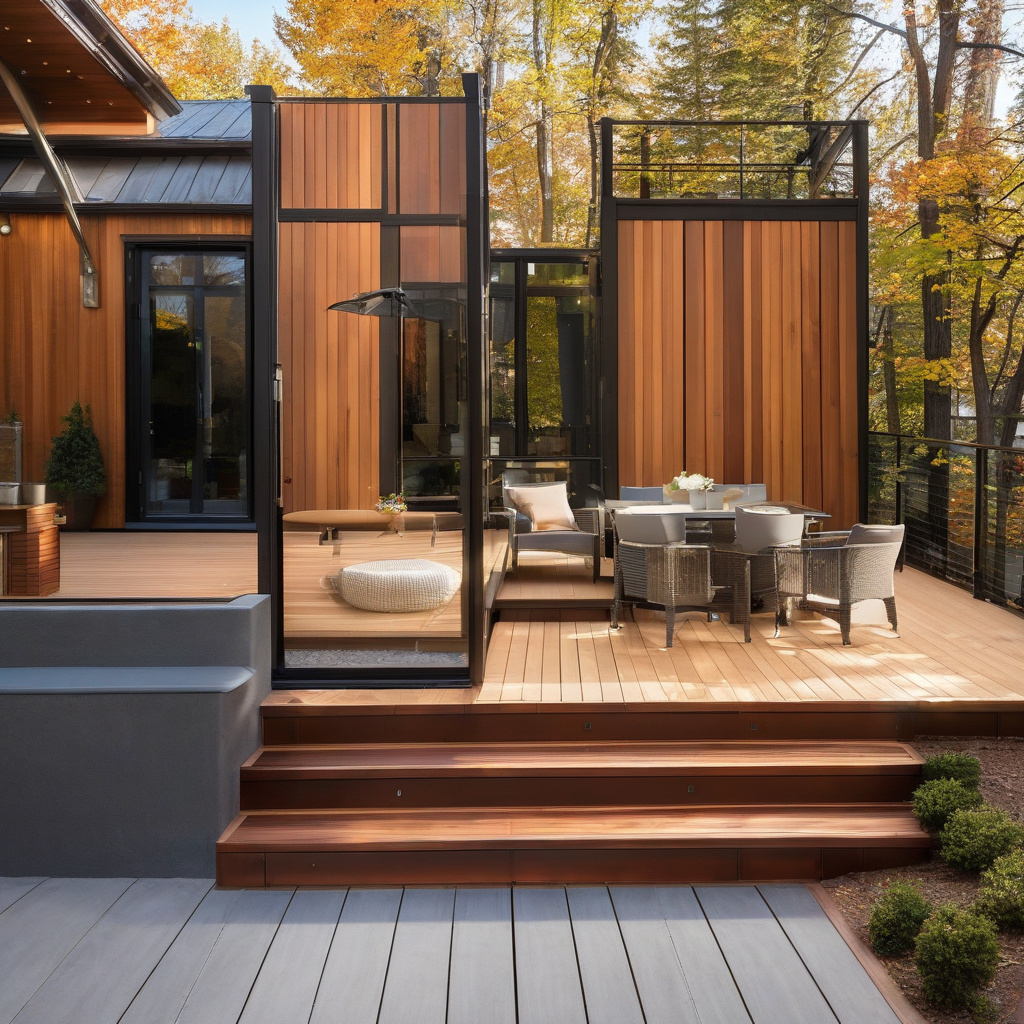
The perennial Los Angeles debate over backyard decks reignites every season as homeowners decide between composite and wood materials. Each comes with its own set of virtues and drawbacks. In a city famed for its year-round sunshine, making an informed choice involves weighing factors like maintenance ease versus natural aesthetics right alongside the demands placed by specific microclimates.
Brief summary: In Los Angeles, choosing the best deck material involves considering composites for low maintenance and wood for its natural appeal. This article analyzes these options based on cost, durability, and homeowner reviews, providing insight into making the right choice for every LA backyard.
Exploring the Charm: Natural Wood Decks
Natural wood decks radiate a warmth and authenticity that resonates with many LA homeowners. Possessing a natural charm, wood offers a texture and hue that synthetic products often struggle to emulate. The organic grains and tones of wood can transform a backyard into an inviting escape, reminiscent of classic California patios.
Unfortunately, wood decks demand a level of maintenance that can be daunting for the less diligent homeowner. Regular sealing and staining are non-negotiables to prevent warping and rotting. The sun, while a friend to outdoor living, is a harsh enemy to unprotected timber.
The cost-effectiveness of wood is appealing at the outset. Yet, long-term expenses of maintaining its vibrant look quickly add up, making it a choice often swayed by one’s commitment to upkeep. For those willing to invest the time, the aesthetic payoff is undeniable. For more on how wood decks integrate into traditional patios, review local renovation trends.
To summarize, wood decks bring unparalleled natural beauty but require committed maintenance to retain their splendor, presenting a valuable option for those willing to invest the effort.
The Rise of Composite Decking
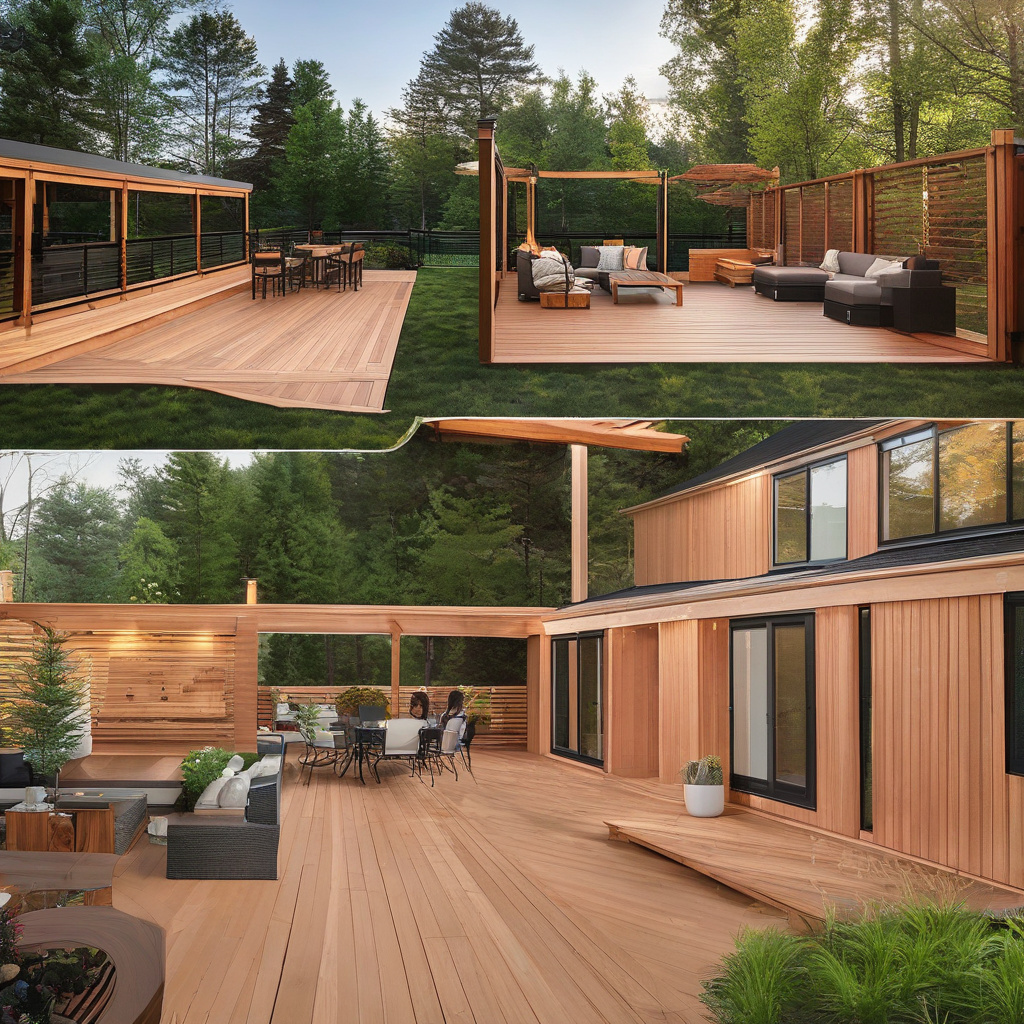
Composite decking emerges as a strong contender, especially valued for its durability and minimal maintenance. Crafted from a mix of plastic and wood fibers, these decks provide an appearance close to wood without the infamous upkeep. In Los Angeles, a bustling hub where time is money, hassle-free maintenance can be a decisive factor.
This modern marvel boasts resistance to warping, insects, and harsh weather, making it ideal for various climates across the city. Composites embrace innovation with styles mimicking real wood, offering color fastness and a lifespan extending decades under LA’s sun.
Nevertheless, one must reconcile with initial costs, which can be palpably higher than wood. Yet, for many, the long-term savings gained from avoiding repeat sealing or staining make this a sensible trade-off. Homeowners looking to incorporate this material into broader projects, like building a cohesive outdoor culinary space, find composites align naturally with modern outdoor design trends.
In essence, composite decks promise enduring resilience and ease, fitting modern lifestyles seeking low-maintenance elegance.
Lost in Translation: Comparing Costs and Lifespans
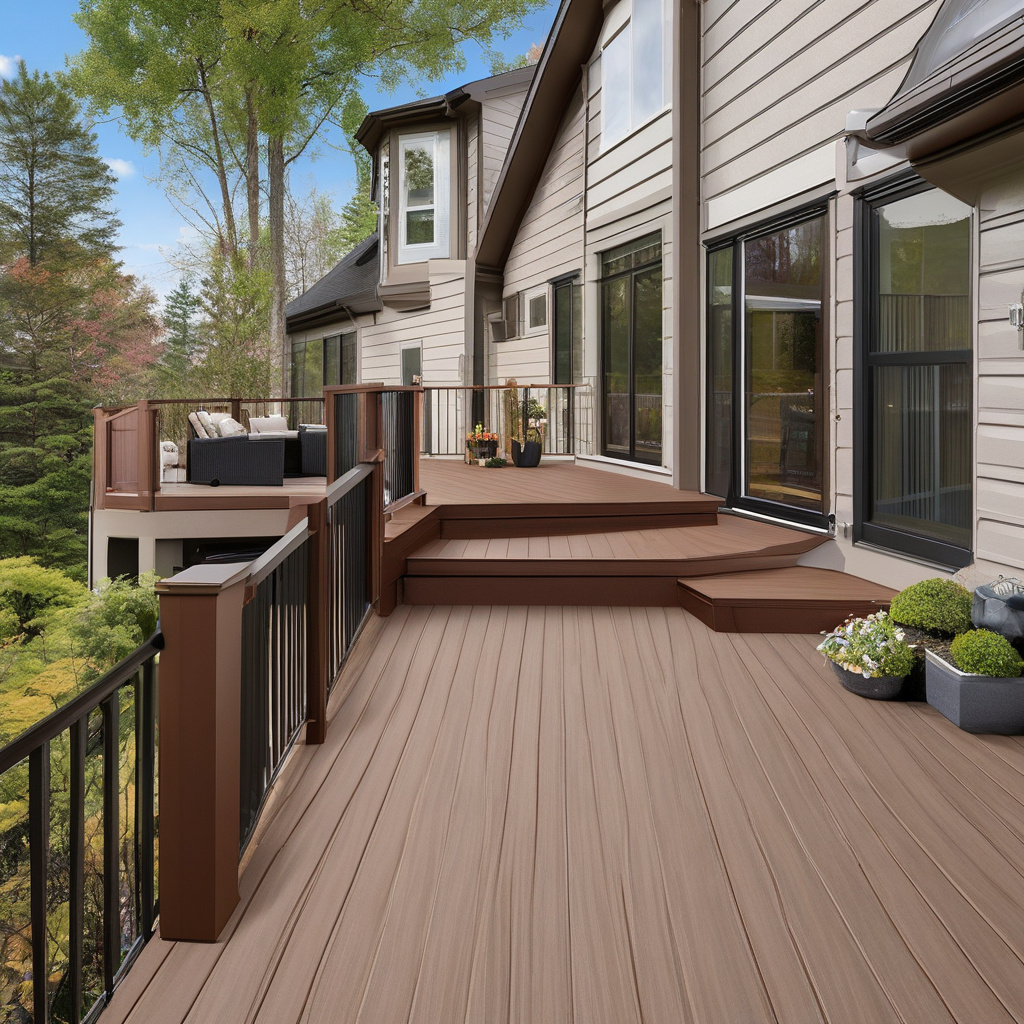
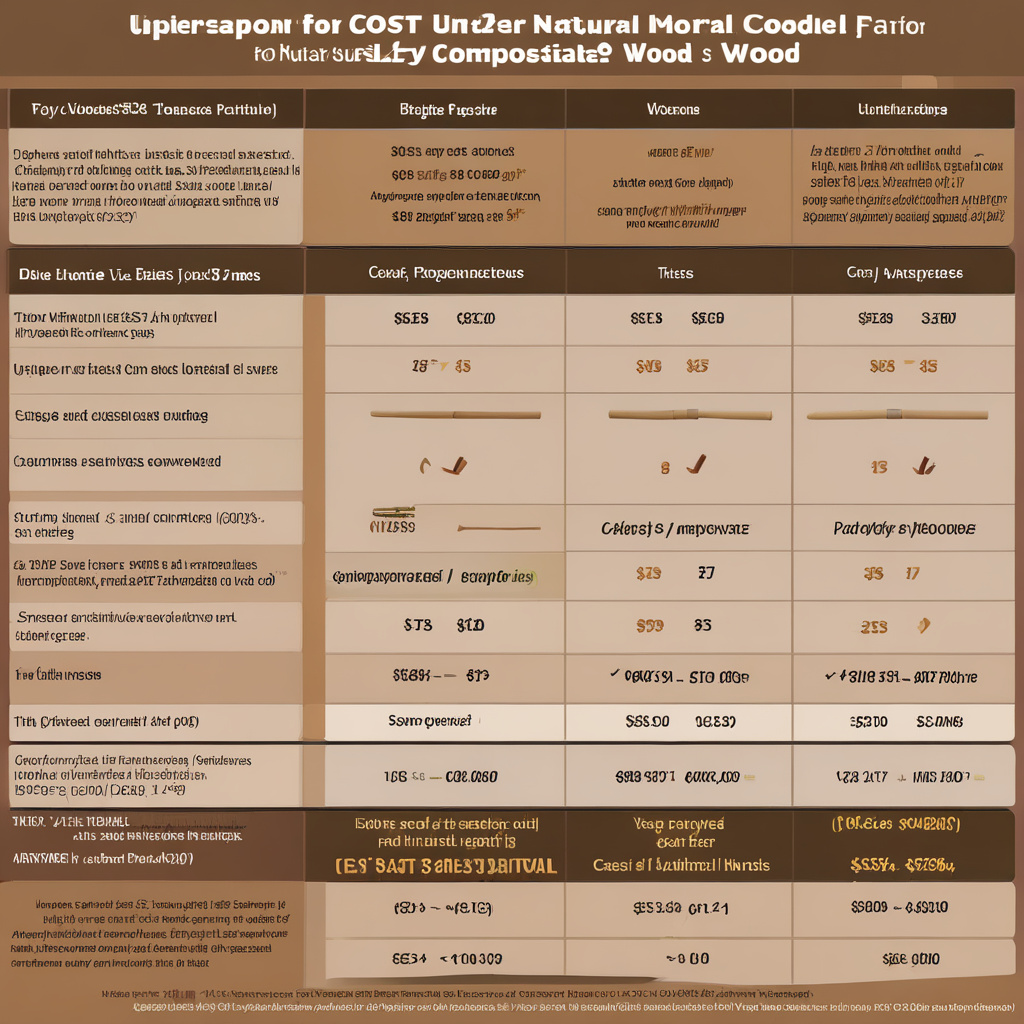
Understanding the financial landscape is crucial when choosing between wood and composite. Wood presents a modest initial cost, but ongoing maintenance expenses should be factored into overall budgeting. Composites, though upfront pricier, promise minimal extra spending over their lifespan.
According to the latest statistics,
“The average cost of a wood deck is around $15 to $35 per square foot, with composite ranging from $30 to $60 per square foot”
, indicating a substantial decision point for budget-conscious homeowners.
In Los Angeles, where property values soar, the choice may boil down to balancing initial expenditure against a simpler lifestyle. Some homeowners leverage small spaces creatively with wood, discovering ways to enhance property value with innovative patio solutions.
Ultimately, cost considerations align closely with personal priorities. Weighing immediate expenses against recurring efforts is pivotal in finalizing the ideal decking material for LA’s diverse neighbourhoods.
Design Dynamics: A Fusion of Function and Style
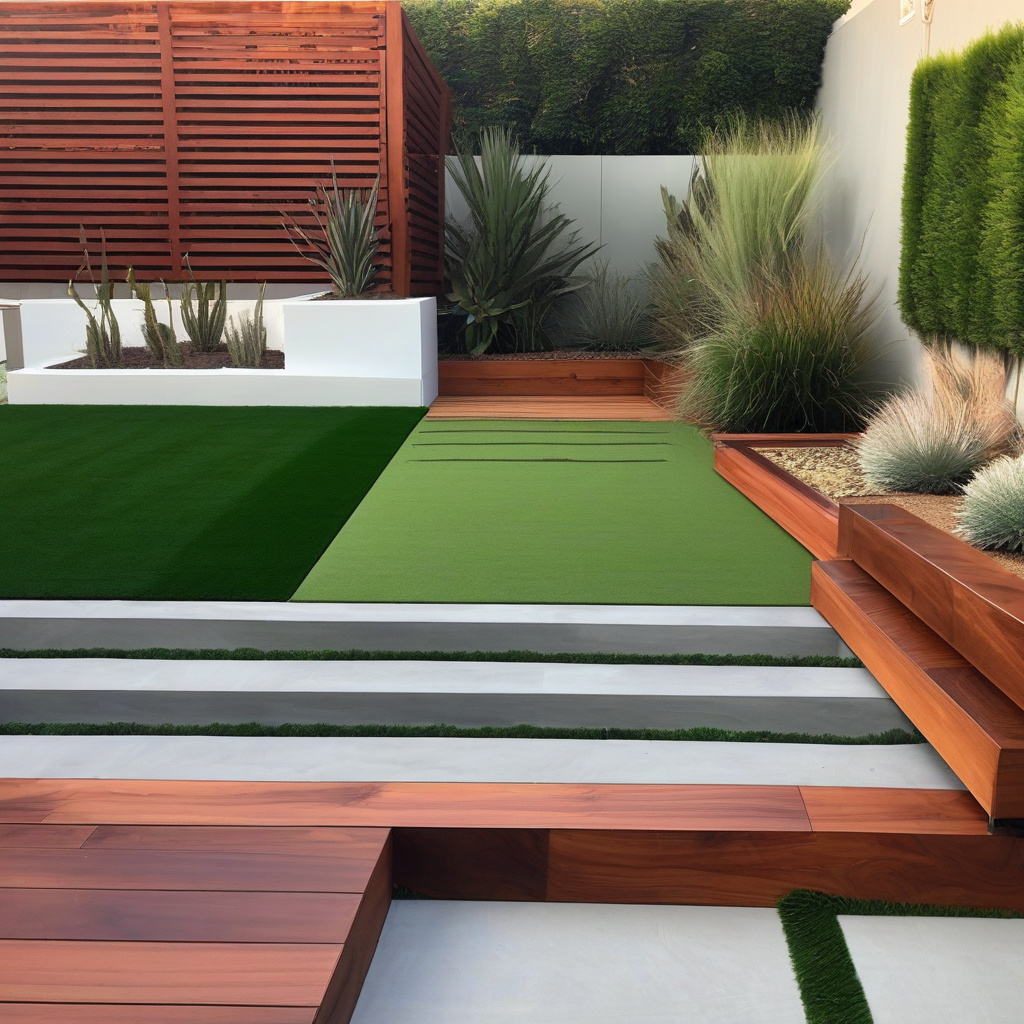
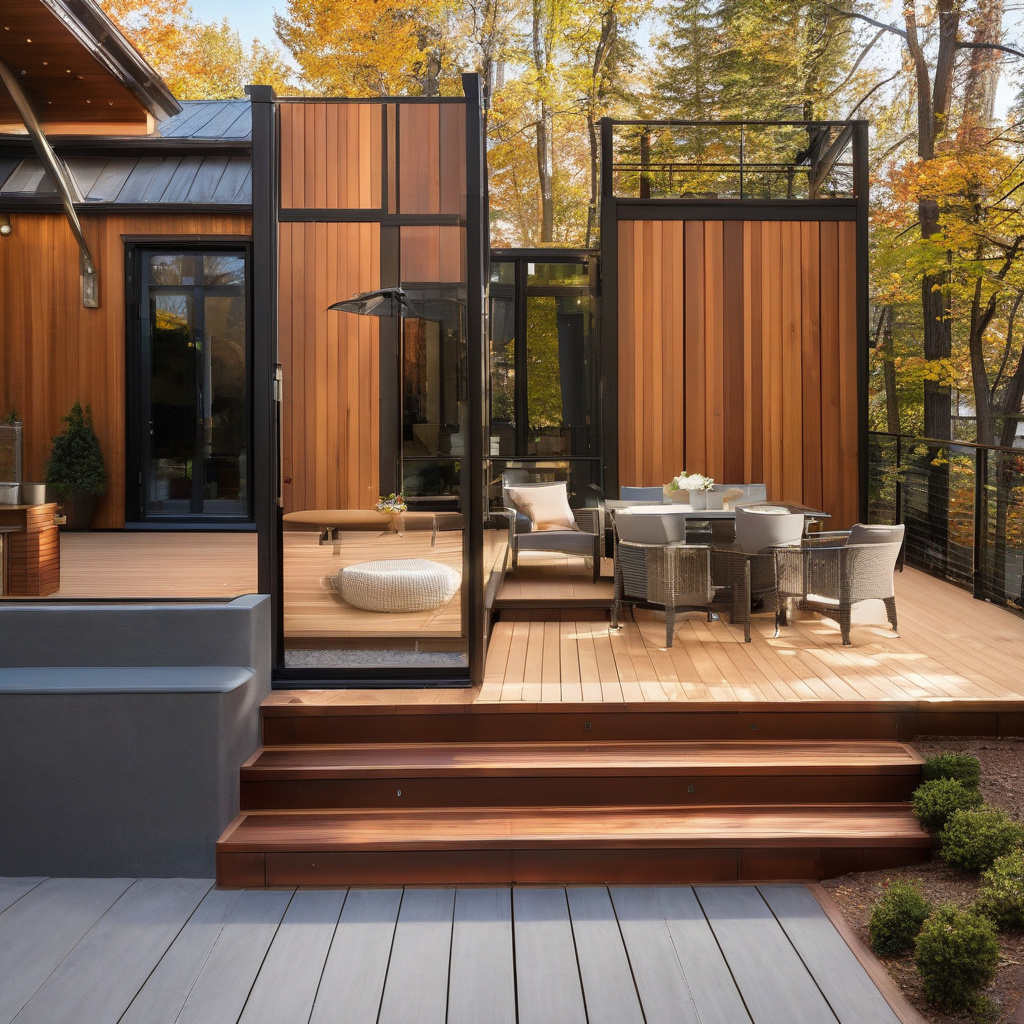
Beyond price, design potential plays a significant role in deck selection. Wood and composite each offer unique aesthetics tailored to distinct architectural preferences. While wood’s natural textures blend seamlessly with rustic and traditional homes, composites’ customizable palette suits modern and contemporary designs.
The choice can also dictate how well the deck harmonizes with other outdoor features, from pergolas to planters.
Outdoor design experts often suggest, “While wood provides a classic and timeless look, composites offer a trendier alternative for eco-conscious designs”
, highlighting a shift towards sustainable aesthetics for smarter homes.
In practical terms, the decision becomes a balancing act between imitating nature versus indulging in technological advances. Integration of these elements brings harmony and a cohesive outdoor space tailored to Los Angeles’ climate and culture.
Conclusively, whether traditional or trendy, both materials adapt to a variety of design goals, making personal style and long-term utility central to the decision-making process.
Environmental Considerations and Ecological Footprint
In today’s environmentally-conscious society, the footprint of decking materials surges to the forefront of the decision-making process. Wood decks demand the harvesting of trees, raising concerns about deforestation and resource depletion.
In contrast, composites often incorporate recycled materials, bearing considerably lighter environmental burdens. However, some experts debate the environmental cost of plastic components used in composites.
Experts estimate,
“Using recycled content in composite decking significantly reduces its carbon footprint compared to new plastic and timber”
, which encourages homeowners to weigh sustainability versus personal preference.
The conversation on ecological impact is nuanced, intersecting with global trends towards green building practices. Adopting renewable design principles aligns with a collective responsibility towards sustainable living, blending nature and innovation.
Practical Steps: Making the Final Decision
Weighing Risks and Rewards
After evaluating aesthetics, costs, and environmental considerations, it becomes apparent that both wood and composite decks carry unique rewards and risks. Homeowners may fear the loss of traditional allure by opting for composite, while others might see it as a gateway to modern reliability.
To choose a path, it is advisable to consult local experts adept in local regulations, reassuring compliance while unlocking creative solutions. Homeowners in LA must navigate local deck codes and standards to ensure compliance and longevity.
Ultimately, decision-making rests on aligning functionality with future aspirations, crafting a space that not only enhances property value but nurtures years of enjoyment. A thoughtful approach, reflecting personal values and lifestyle, leads to the most rewarding result.
In conclusion, the interplay of aesthetics, environment, and cost offers a complex tableau, inviting LA homeowners to carefully consider each element in their journey towards the perfect deck.
- Wood decks provide natural beauty but require ongoing maintenance.
- Composite decks offer low maintenance and long-term durability.
- Both materials have different costs, with composites being initially pricier.
- Design choices influence how a deck blends with existing backyard features.
- Environmental impact is a crucial consideration in the decision process.
“`html
FAQ
What are the primary differences between composite and wood decks?
The key distinctions between composite and wood decks lie in their composition and maintenance requirements. Wood decks, often built using cedar or redwood in LA, offer a natural warmth and aesthetic that many homeowners adore. However, they demand regular maintenance to prevent decay and retain their appearance. Conversely, composite decks, made from a mixture of wood fibers and plastic, are heralded for their durability and low-maintenance nature. In real renovation projects, it’s evident that composites resist LA’s sunny weather without warping, while wood can succumb to the elements if not properly treated.
How should I choose between composite and wood decks for my LA backyard?
Choosing between composite and wood decks involves weighing lifestyle needs, budget, and aesthetic preferences. If you prefer a deck that contributes to a rustic or traditional look, natural wood is unmatched but requires a commitment to maintenance. Meanwhile, if you desire minimal upkeep and longevity in the face of LA’s climate, a composite deck may be more suitable. Many experts emphasize the importance of considering the amount of foot traffic and exposure to sun each material will endure, as these factors heavily impact performance over time.
When is it more sensible to install a composite deck over wood in Los Angeles?
In Los Angeles, it makes more sense to opt for a composite deck when you’re planning for long-term use with minimal maintenance. Given LA’s dry climate and the common occurrence of intense sun, composites won’t fade or splinter as wood might. For newer builds that aim to incorporate modern materials without frequent repairs, composites offer an appealing balance of style and practicality, allowing homeowners to focus on enjoying their outdoor spaces rather than constant upkeep.
What are common mistakes homeowners make when selecting decking materials?
A frequent mistake among homeowners is underestimating the maintenance wood decks require. In the initial excitement, the allure of natural wood can overshadow practical considerations, leading to surprises later. Another mistake is not accounting for the climate-specific wear and tear; LA’s weather can be particularly harsh on untreated wood. It’s crucial to assess one’s willingness and ability to perform regular maintenance, or the longevity and appearance of the deck might suffer. Consulting with local renovation experts can provide a realistic assessment based on what’s observed in the region.
Are there cost differences between composite and wood decking materials?
Yes, there are notable cost differences. Initially, wood decks, specifically those made from pressure-treated lumber, tend to be cheaper upfront. The real cost disparity emerges over time, as wood requires periodic sealing, staining, and potentially replacing damaged boards. Composite decks, while costing more initially, become a cost-effective choice over time due to their durability and minimal need for repairs. Many renovation veterans find that considering lifecycle costs rather than upfront expenses leads to more informed decisions.
What are the advantages and disadvantages of composite decking?
Composite decking boasts several advantages, such as longevity, resistance to rot, and little need for maintenance compared to wood. It performs exceptionally well under LA’s sun, retaining color and integrity. However, one downside is its synthetic appearance, which might not suit those who cherish the authenticity of natural wood. Also, it can become hot underfoot in peak summer temperatures. While many homeowners appreciate the ease of care, others find the aesthetic limitations a potential drawback.
What are the pros and cons of wood decking for homes in LA?
Wood decking remains a classic choice, favored for its authentic beauty and warmth, qualities that can elevate any LA backyard. Wood, like redwood, offers aesthetic benefits that can enrich outdoor spaces, particularly in older properties undergoing renovation. However, the downside is its maintenance; LA’s sun can expedite the wood’s aging process, requiring regular sanding and sealing. Homeowners often enjoy the initial look but might underestimate the effort and cost needed to keep it looking fresh over time.
What should I consider during the maintenance of composite and wood decks?
When maintaining decks, each type demands a distinct approach. Composite decks require minimal effort, generally needing only an occasional wash to keep clean and looking new. Conversely, wood decks need consistent attention, including sealing to prevent moisture damage and sanding to avoid splinters. It’s crucial to inspect for insect damage, particularly termites in LA, as wood presents a natural target. Real practitioners often suggest setting a maintenance schedule to avoid costly repairs or premature replacement.
“`