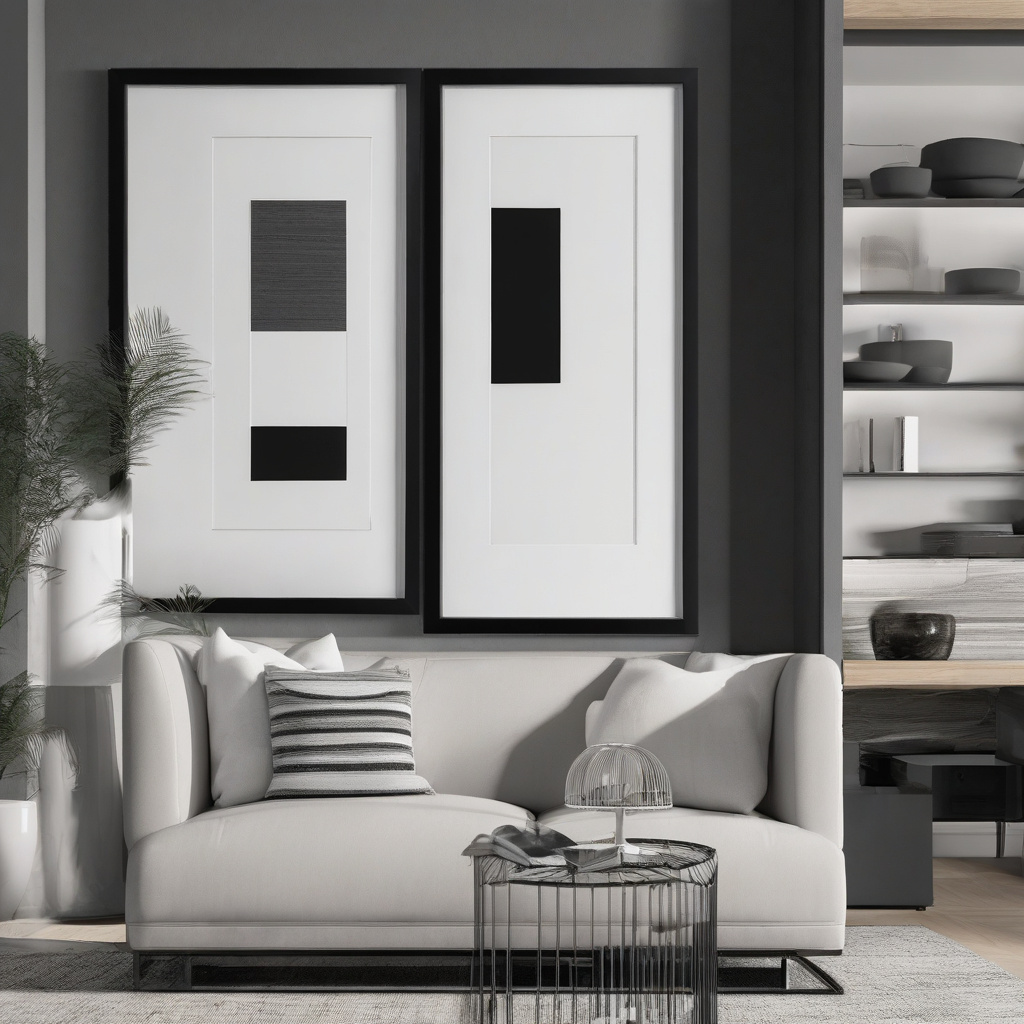
In the vibrant landscape of Los Angeles, where sunny days are abundant and the architectural pulse is ever-evolving, black interior window frames have claimed a notable spot in modern home design. While some homeowners and architects sing praises of their sleek aesthetic, others remain cautious about potential drawbacks. Just how do these bold window frames impact the balance of form and function in a home?
Brief summary: This article dives into the pros and cons of black interior window frames, evaluating their visual appeal against potential challenges. We explore how these design elements influence lighting, modern aesthetics, renovation trends, and the homeowner experience in Southern California, providing practical insights from local projects.
The Allure of Black Frames in Modern Design
With their ability to provide sharp contrast and elegant lines, black window frames have become a darling of contemporary design enthusiasts. As many local homeowners notice, these frames create striking visual outlines that can enhance both the view and the architecture. Interior designers in Los Angeles frequently integrate black frames to complement minimalist decor or to add a modern twist to traditional spaces.
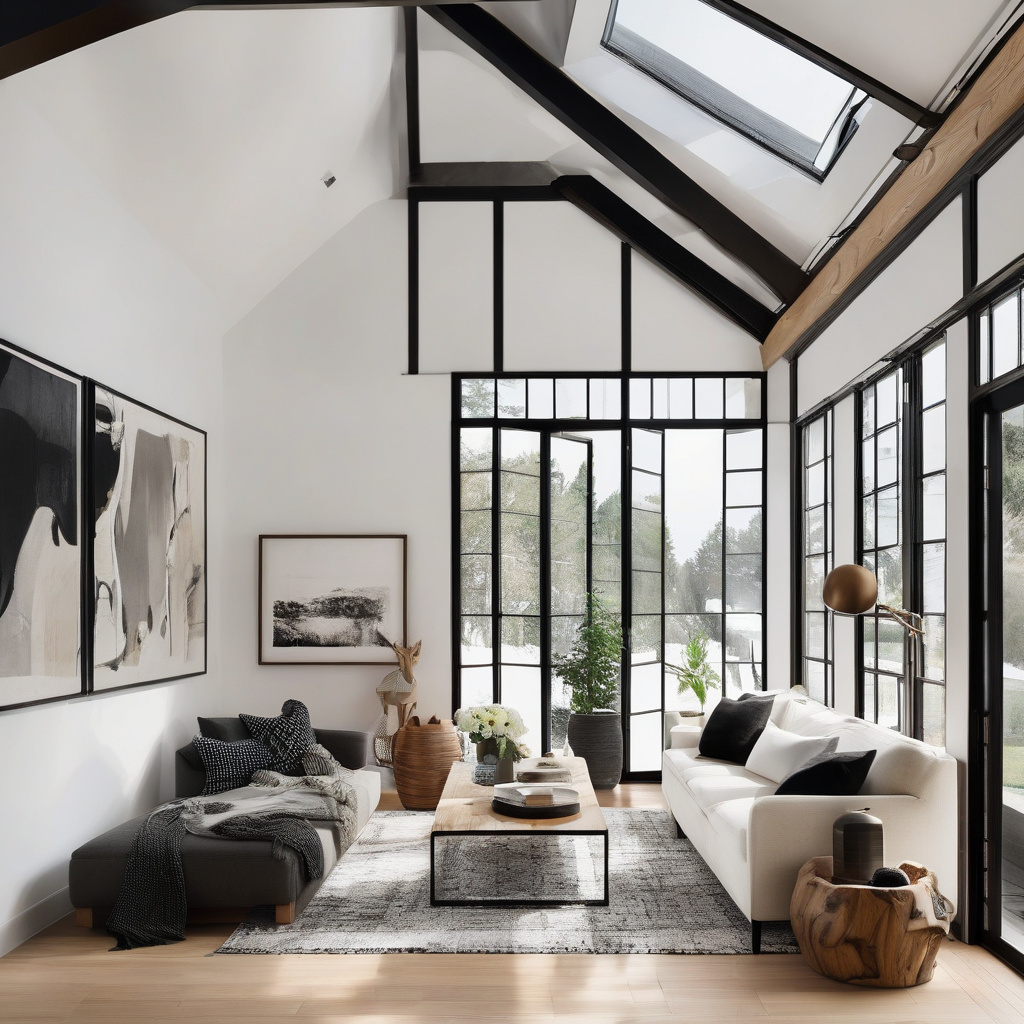
Moreover, black frames are known for their versatility. They hold up well against a variety of color palettes and can work as an anchoring element within a room. This adaptability is one reason they have become prevalent in upscale neighborhoods such as Beverly Hills and Santa Monica.
In addition to aesthetic considerations, homeowners often select black frames for their perceived increase in window durability. The darker color is less prone to show dirt or disfigurement, maintaining a cleaner look over time. Explore more about window frame options to suit different aesthetic preferences.
According to the National Association of Home Builders, 54% of new home builds incorporate black window frames as a standard feature in modern design.
While these benefits are significant, they are not without potential challenges, as this trend might not suit every environment or homeowner preference.
Lighting Dynamics: Brightening or Dimming Your Space?
Black frames impact indoor lighting dynamics more than many realize. Due to their absorbing nature, they can create a visually stronger boundary to the external environment, which some say causes a perception of diminished light transfer. Innovation in window technology can counter this, but the initial impact is noteworthy.
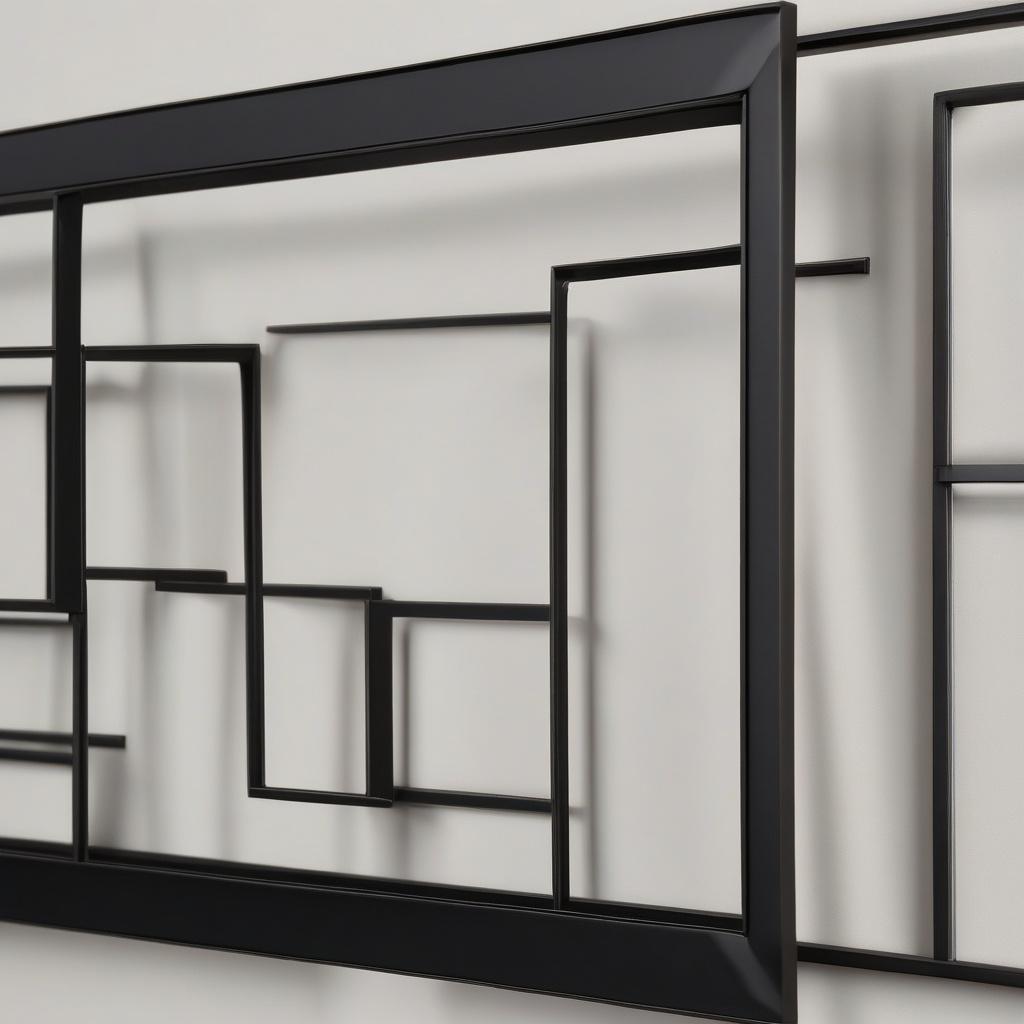
For houses with ample natural light, black frames can intensify the framed view, offering a portal-like perception to the outdoors. Conversely, in spaces where light is limited, they might contribute to a darker ambiance, an aspect worth considering in rooms where lighter, welcoming atmospheres are desired.
One key approach is to balance frame color with complementary elements—lighter walls or furnishings that reflect light can help offset any loss of brightness caused by darker frames. Renovators often consider these factors when tailoring custom window solutions for clients who wish to maintain brightness while embracing the modern look.
Many experts in the field advise blending these frames with open and airy layouts to maximize the natural light flowing through larger window openings, a trend that’s gaining traction in LA’s renovation circles. For those looking to enhance open spaces while maintaining the benefits of black frames, discover design strategies for larger window integrations.
Industry expert James Miller states, “Black frames work wonderfully in open-concept designs where light distribution isn’t an issue.”
In summary, while the romanticized view of black frames draws many in, understanding the interaction between color and light remains crucial for an informed decision.
Evaluating Cost and Material Considerations
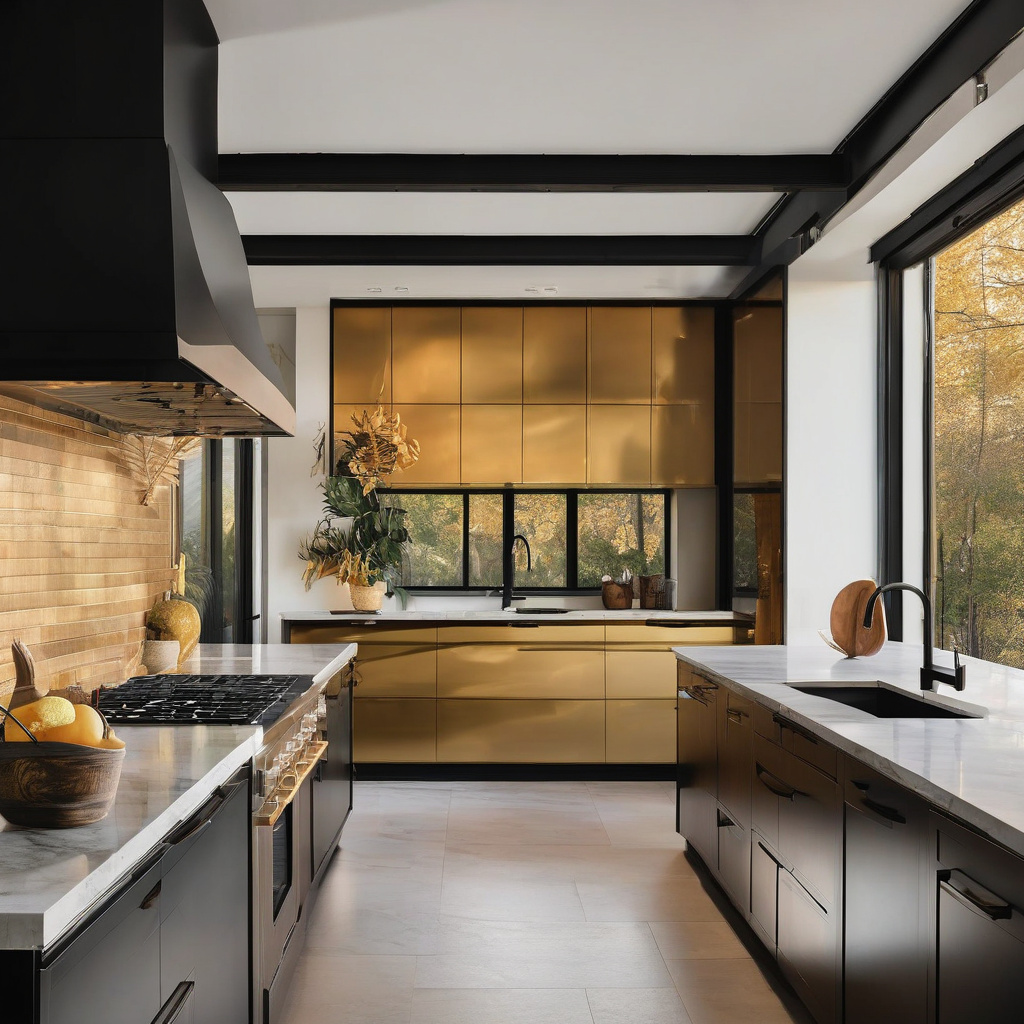
Black window frames often come with a perceived increase in cost due to their trendy appeal and the materials used. The most common materials include aluminum, known for its strength, and fiberglass, prized for its insulation properties. Both options can influence the overall cost of a renovation project.
In the Los Angeles market, where style meets budget on a grand scale, these frames might add a premium to traditional renovation estimates. However, homeowners often find that the long-term benefits and added aesthetic value justify the initial investment.
| Material | Cost | Durability | Look |
|---|---|---|---|
| Aluminum | Moderate | High | Modern |
| Fiberglass | High | Very High | Sleek |
| Vinyl | Low | Moderate | Traditional |
When evaluating costs, homeowners should consider not only the upfront material expenses but also the durability and maintenance of these frames over time. Despite the higher costs, investing in high-quality materials can lead to fewer replacements and repairs.
Ultimately, how these choices align with one’s budget and design vision determines the direction. For those examining the balance between cost-effective and premium options, this guide can assist in planning critical renovation elements.
Though the expense can be daunting, the right mix of materials and strategic planning can ensure an outcome that stands the test of time.
Real Renovation Experiences in Southern California
Across Southern California, real-life renovation stories provide a tapestry of diverse approaches and outcomes. Take, for example, a recent project in Pasadena where homeowners opted for black aluminum frames to complement their mid-century modern home. The transformation was lauded not only for its contemporary flair but also for unifying the indoor-outdoor living space.
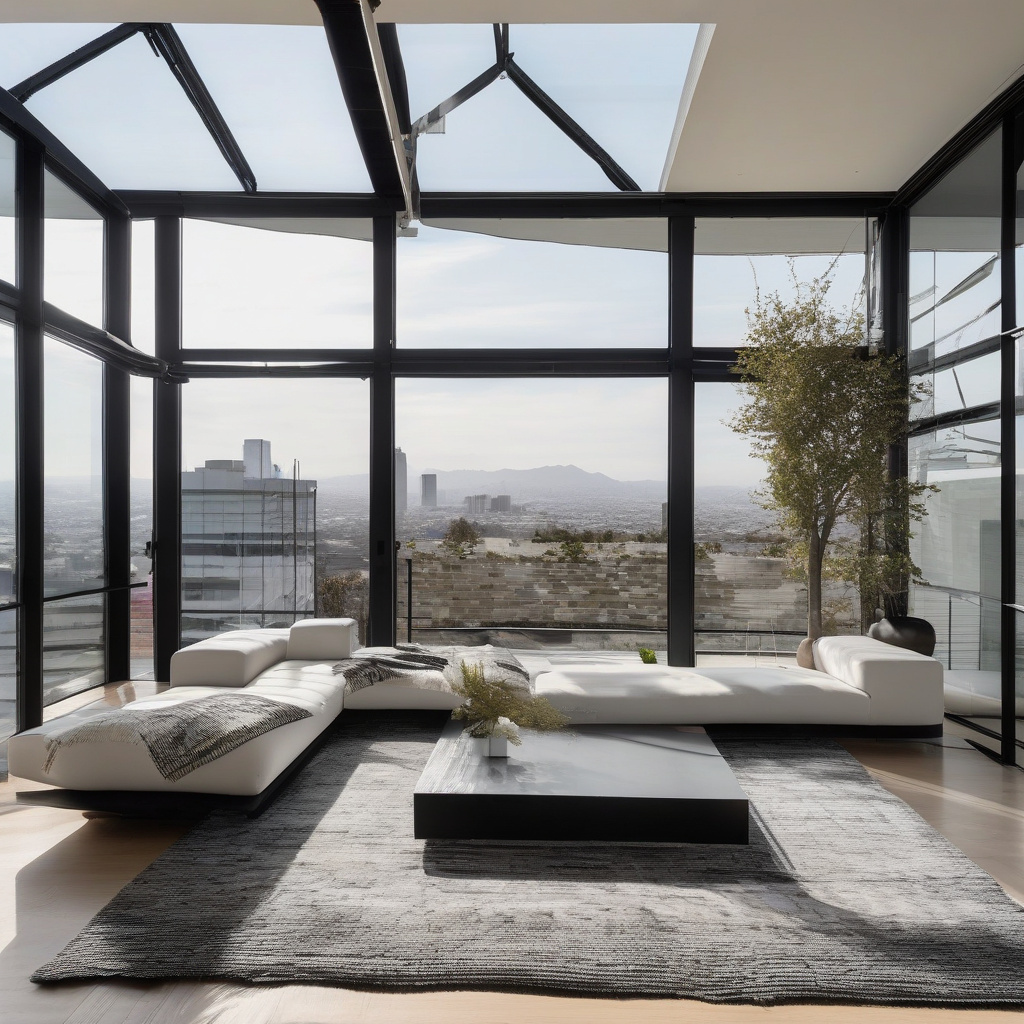
As the couple noted, the black frames became more than just a structural feature; they infused character into the home and allowed the picturesque landscape to become part of the interior experience. This illustrative case underscores the idea that thoughtful design can turn functional elements into focal points. With every choice, homeowners weigh aesthetic goals against practical needs, seeking a balance that enhances their lifestyles.
Urban home transformations in districts like Silver Lake further exemplify this trend. These residences leverage the power of contrasting window accouterments to emphasize historical architectural traits while updating homes to meet current energy standards.
Renovation expert Laura Kim emphasizes the importance of cohesive design, stating, “Even the sleekest modern elements should respect and complement the architectural integrity of a home.”
Indeed, the stories and experiences of past renovations in Los Angeles highlight the importance of aligning one’s style preferences with practical living conditions and regional climatic factors.
Balancing Risks and Rewards
Despite the appeal of black window frames, there are considerations that every homeowner ought to assess before joining the bandwagon. As with any design choice, the key is balance. While black frames offer a modern, clean aesthetic, they might not align with every architectural style.
For those living in historical homes or rural settings, lighter frames might be more suitable. Additionally, the way these frames age under intense sunlight—a common feature in Southern California—warrants careful material selection to avoid potential fading or temperature fluctuations that could compromise the frames’ integrity over time.
In addressing these concerns, energy efficiency remains at the forefront. As a result, several homeowners choose to weigh their options between impact-resistant designs or more standard alternatives that support durability without sacrificing style or function.
The allure of black interior frames indeed comes with its fair share of complexities. The secret lies in considering the broader spectrum of impacts—from aesthetic to environmental—and determining how they collectively advance one’s home environment over mere appearances.
Ultimately, while trends shift and evolve, the quintessential question remains: How does this choice enhance the happiness and comfort within the home, aligning both with personal style and practical living considerations?
- Black window frames add elegance and modernity but may influence house lighting.
- Homeowners must weigh aesthetic benefits against practical and environmental impacts.
- Durability and cost of materials influence the choice of window treatments.
- Balancing modern design with historical integrity is crucial in renovations.
- Real-life renovation decisions often mirror personal and regional influences.
“`html
FAQ
What are the main benefits of choosing black interior window frames?
Black interior window frames are often praised for their sleek, modern appearance that can transform any room into a sophisticated space. In renovation projects, these frames have proven to pair seamlessly with a variety of styles, from minimalist designs in new builds to eclectic decors in older homes. Many designers love how black frames provide a striking contrast against light-colored walls, which can enhance natural light by drawing attention to the windows themselves. Homeowners in California, particularly in sunny areas, appreciate how this contrast adds depth without compromising brightness, creating an expansive feel in rooms of any size.
What are some potential drawbacks of black interior window frames?
While black window frames have aesthetic appeal, they can pose some challenges. For instance, they tend to show dust and smudges more prominently than lighter frames, meaning maintenance might require more frequent cleaning—an aspect homeowners often overlook. Another consideration is thermal expansion, as darker colors absorb more heat. In regions with high temperatures, such as many California locales, this can lead to warping or increased energy costs due to reduced window efficiency. Weighing both the stylish look and these practical issues is crucial for making an informed decision.
How can black window frames influence lighting in a room?
Black window frames can significantly affect the ambiance of a room by altering how light is perceived. In practice, their dark outlines can create an effective ‘picture frame’ for the outdoors, enhancing views and bringing the outside in. Many experts point out, however, that while they frame views beautifully, they can also absorb some of the incoming natural light, potentially lessening brightness. Homeowners should consider the room’s overall lighting scheme, including artificial sources, to balance any reduction in natural light when opting for black frames.
What should homeowners consider before installing black interior window frames?
Before committing to black window frames, homeowners should reflect on the overall color palette and style of their home. Many find success when the frames complement other design elements like black fixtures or furniture. It’s also wise to think about the climate; in sunnier places, such as California, the heat absorption could increase cooling costs. Additionally, consulting with a design expert can provide insights into whether the frames align with the home’s architectural features, ensuring that the choice enhances rather than detracts from the desired aesthetic. If you’re contemplating a renovation and need expert advice, don’t hesitate to get in touch with a local professional.
Do black window frames increase the cost of a renovation?
The cost impact of black window frames can vary depending on the materials and finish. On average, they might be slightly more expensive than standard white frames due to their specialized coatings that help mitigate heat absorption. In renovation settings, it’s important to budget for both the initial purchase and potential long-term energy costs, especially in warmer climates. However, many homeowners find that the modern, high-end look they achieve can justify these expenses. Proper installation and quality materials can also minimize future costs related to maintenance.
What maintenance is required for black window frames?
Maintenance for black window frames typically involves regular cleaning to maintain their sleek appearance, as smudges and dust are more visible against the dark color. Using a soft cloth with mild detergent is often recommended to avoid scratches. Homeowners frequently underestimate the benefit of UV-protective finishes that some black frames come with, which can reduce fading and warping over time. Inspecting seals and caulking annually helps to ensure that frames remain energy-efficient and structurally sound. Proper upkeep is key to preserving both aesthetic and functional integrity.
Are there specific design styles that pair well with black window frames?
Black window frames are remarkably versatile and can complement a wide range of design styles. They are a natural fit for modern and industrial themes, where their clean lines and stark contrast enhance minimalist aesthetics. In rustic settings, black frames can add a contemporary touch that balances traditional elements, like exposed beams or brick. For more eclectic decors, pairing black frames with bold-colored walls or patterned textiles can create a cohesive, visually striking environment. In practice, considering the interaction of these frames with other design elements results in spaces that feel unified and intentional.
What are common mistakes to avoid when selecting black window frames?
A frequent mistake homeowners make is underestimating the impact of black frames on a room’s overall color scheme. Choosing black without considering how it affects other elements can result in a space that feels unbalanced. Additionally, not accounting for increased heating due to sunlight absorption can lead to discomfort and higher energy bills, especially in sunny regions. It’s crucial to test samples against existing finishes and to envision how the frames will integrate with both current and future decor plans. Proper planning and a holistic view of the space can prevent these common pitfalls and ensure a successful remodel.
“`