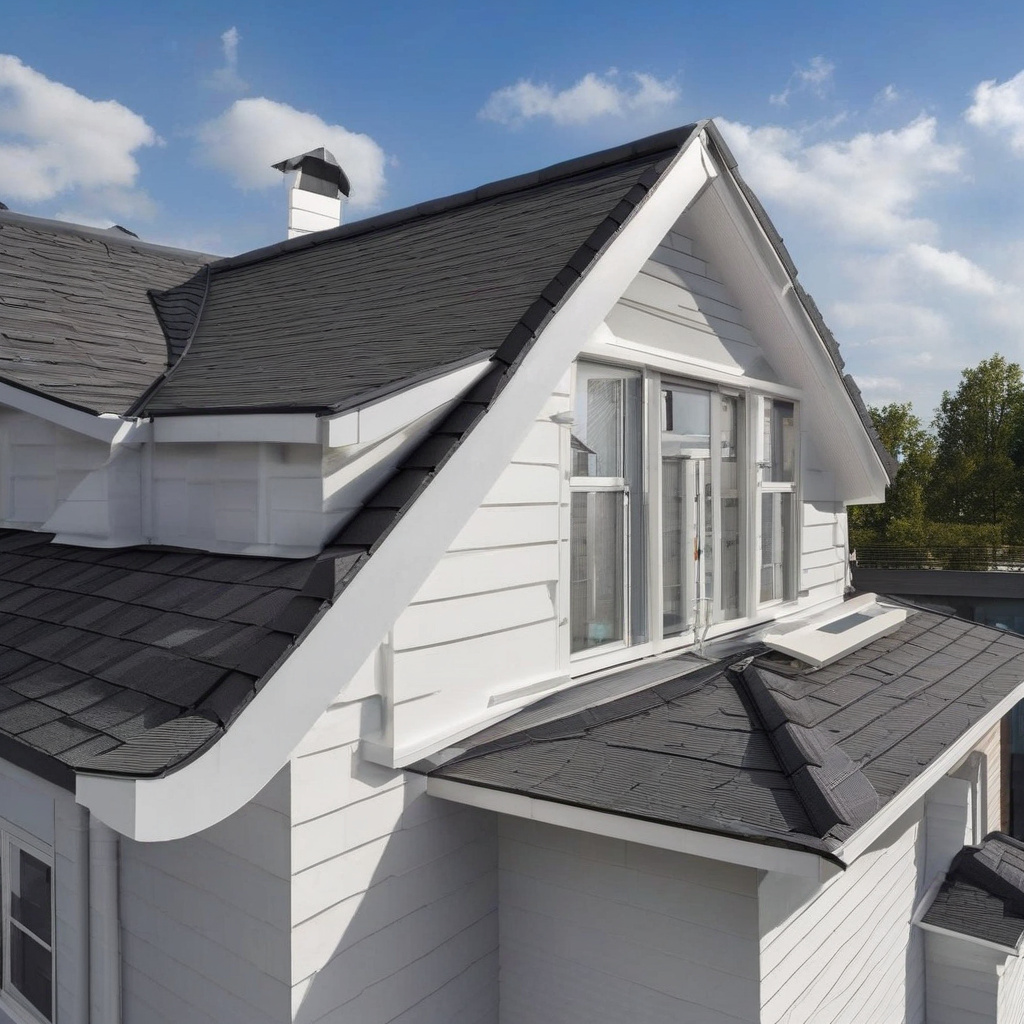
When considering the function and architectural significance of a roof parapet, we find a crucial component that often goes unnoticed yet plays a pivotal role in both aesthetics and safety. Nestled atop the roofline, the parapet stands as a sentinel against the elements while defining the roof’s silhouette. In Los Angeles, where architectural styles range from mid-century to modernist facades, the parapet stands not just as a structural feature but also as a canvas for design creativity.
Brief summary: Roof parapets serve both aesthetic and functional purposes, offering design flexibility and safety enhancements. This article explores their design, technical requirements, and practical solutions for homeowners, particularly those in Los Angeles, aiming for stylish yet durable home improvements.
Understanding the Purpose of Roof Parapets
The roof parapet is often mistaken for a mere extension of the wall. Yet its purpose extends far beyond visual appeal. Primarily, parapets are engineered to enhance safety by acting as barriers to prevent falls—a key consideration for flat-roofed structures frequently used as terraces or green spaces in urban homes. In Los Angeles, residential designs often incorporate these features to allow for rooftop lounging areas with safety assured.
Aside from safety, these structures contribute significantly to weatherproofing. As many local homeowners notice, parapets effectively direct rainfall away from the building’s façade, preserving the integrity of the walls below. This ensures a longer lifespan of exterior finishes, aligning with Southern California’s notorious sun exposure that can degrade materials over time.
Further enhancing climate resilience, parapets also help with wind deflection. In areas prone to high winds, they serve as a buffer reducing pressure on the roof system. According to architectural experts, parapets play a critical role in maintaining structural integrity during adverse weather conditions, preventing damage and costly repairs.
Ultimately, the parapet’s utility is multifaceted, rooted in functionality yet rich in architectural narrative. Each parapet communicates a story of style and safety entwined, offering a unique marriage of form and function.
Design Considerations for Roof Parapets
Designing a roof parapet requires harmonizing aesthetics with practicality, ensuring that the final result blends seamlessly with the building’s overall architectural theme. The choice of materials is paramount; modern parapet designs often incorporate resilient materials like concrete, steel, or even advanced composites to withstand environmental stresses.
For homeowners aiming for a clean, contemporary look, incorporating elements like glass or sleek metals can transform the parapet into a standout feature. This potential for customization allows property owners to express their personal style while maintaining the necessary protective functions. The balance achieved can significantly enhance curb appeal, aligning with current renovation trends.
Parapets also offer opportunities for integrating eco-friendly solutions. As the movement toward sustainable construction gains momentum, more builds incorporate green roof elements. A parapet can frame a rooftop garden beautifully, facilitating urban biodiversity while offering additional insulation to the building below.
Ultimately, when designing a parapet, one must consider maintaining harmony with existing architecture while meeting the demands of durability and safety.
Expert insight: “Parapets aren’t just aesthetic choices but key components in building envelope protection.”—Renowned architect, Jane Simmons.
Technical Requirements and Construction Techniques
The construction of a successful parapet involves meeting specific technical requirements to ensure durability and effectiveness. The foundation of any parapet begins with selecting the right materials. These must be robust enough to endure wind pressures, thermal expansion, and the dynamic load of potential rooftop activities.
In Los Angeles, where seismic considerations are a daily reality, the right construction technique is non-negotiable. Using flexible materials like flexible roofing tapes and durable seals can adapt to movement without compromising integrity, which is crucial for resistance to frequent minor earthquakes.
Moreover, effective construction needs to incorporate advanced moisture control strategies. For instance, using materials such as polycarbonate panels can provide lasting solutions by preventing moisture ingress and ensuring additional UV protection.
With the correct application of modern materials and methods, the construction of parapets can provide a seamless blend of aesthetic and functional benefits. The choice in technique—whether traditional masonry or modern composite—significantly impacts the lifespan and maintenance needs of the structure.
Common Construction Methods
- Masonry Parapets: Utilizing bricks or concrete blocks, known for robustness and traditional appearance.
- Steel or Aluminum Framed Parapets: Lightweight and corrosion-resistant, ideal for modern design elements.
- Composite Material Parapets: Mixing materials such as fiberglass to create durable, versatile designs.
Ultimately, the design and execution of a parapet require precise engineering to stand up to the environmental and physical demands placed upon them in a bustling cityscape.
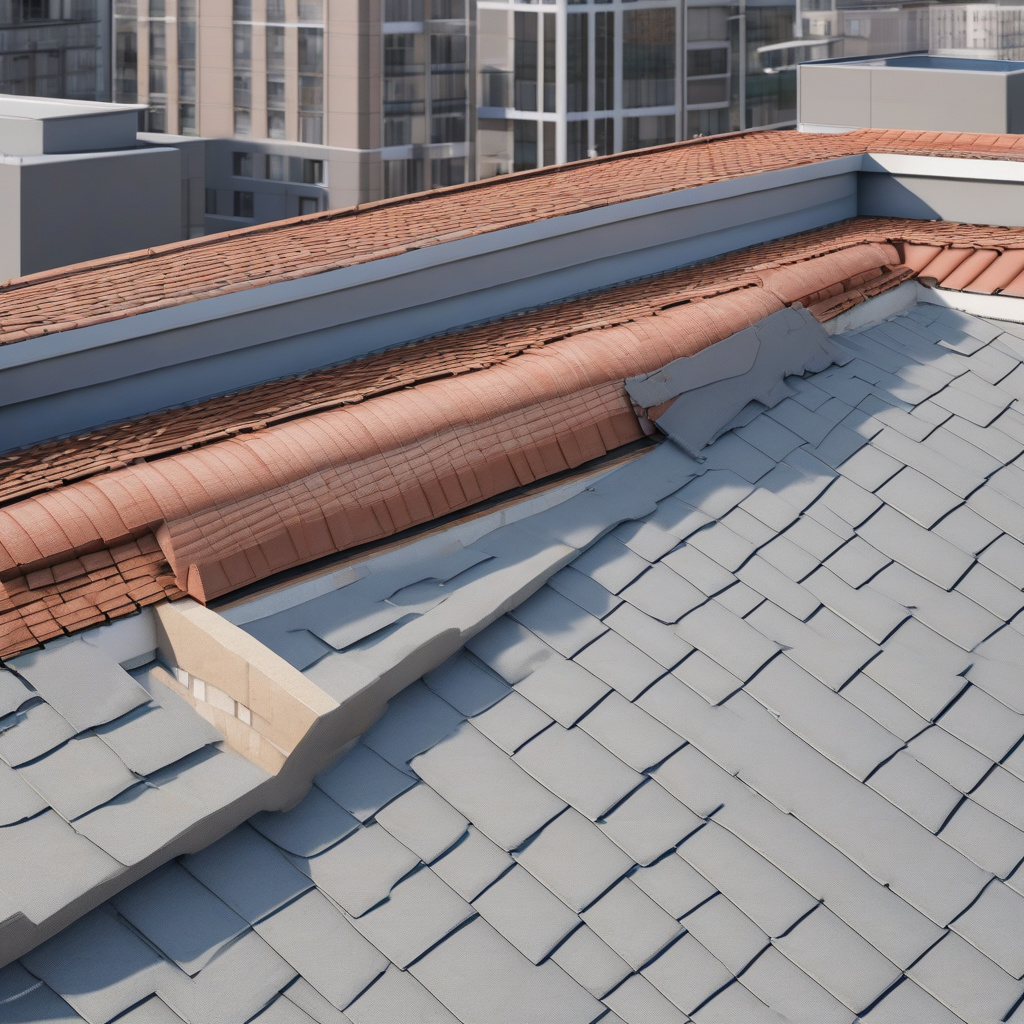
When It Makes Sense to Add or Renovate a Parapet
Timing can be crucial when deciding to add or renovate a parapet on your home. Typically, renovations coincide with other major roofing projects, optimizing labor costs and minimizing inconvenience. This sync is crucial in home improvement projects where budget and time are of essence.
For homes undergoing re-roofing with modern materials like innovative sealants or complete roofing overhauls, addressing the parapet simultaneously can be more cost-effective. Not only does it ensure aesthetic coherence, but it can also avoid the hassle of multiple construction phases.
The decision should take into account factors such as the current condition of the existing parapet and any changing needs for rooftop use. As Los Angeles embraces rooftop living, whether through gardens or entertainment spaces, a well-designed parapet becomes both a safety requirement and a design opportunity.
In cases where outdated parapets might require enhanced waterproofing, renovating can address potential leaks that older structures struggle with, especially when exposed to the elements over decades.
Research-based observation: “Updating parapets during roof renovations significantly reduces future maintenance costs and enhances building longevity.”—Construction study by L.A. Urban Development Institute.
Roof Parapet Design: A Comparison of Materials and Costs
When choosing materials for roof parapet construction, it’s worth considering different options, each with its own blend of cost, durability, and aesthetic appeal. Let’s explore how these play out in a straightforward comparison:
| Material | Durability | Cost Tier | Aesthetics |
|---|---|---|---|
| Concrete | High | Medium | Traditional, Solid |
| Steel | Medium | High | Modern, Sleek |
| Composite | Medium to High | Varied | Versatile, Customizable |
The chart illustrates how different materials align with the investment homeowners are prepared to make and the visual impact they wish to achieve. Each choice must consider long-term benefits against initial expenditure.
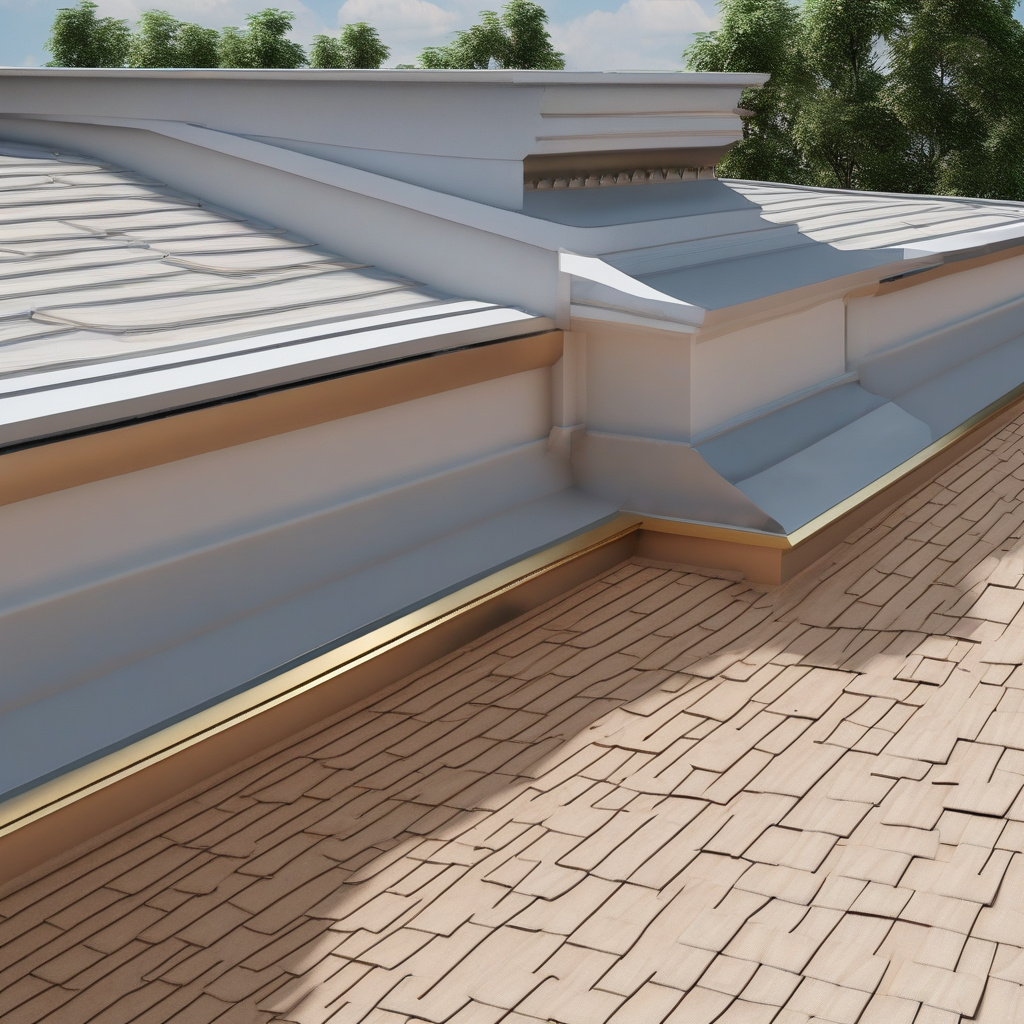
Trustworthy statistic: “Approximately 80% of parapet renovations in metropolitan areas involve upgrading to materials with enhanced weather resistance.”—National Construction Association.
How to Maintain and Extend the Life of a Parapet
Once installed, a parapet requires regular maintenance to ensure its longevity and stability. Homeowners can increase the lifespan of their parapets with a few straightforward practices that minimize wear and tear.
Firstly, routine inspections for structural damage or signs of water infiltration are vital. Los Angeles’s dry climate does not eliminate the risk of moisture damage, particularly during the occasional downpour. Utilizing specialist products, such as advanced asphalt solutions, can further reinforce protection.
Cleaning is equally important. Accumulated debris on the parapet surface can trap moisture and cause structural weakness over time. Keeping clean drainage systems ensures that water is effectively channeled away from the structure.
Should any cracks or weaknesses emerge, addressing them promptly with the appropriate materials is crucial. Products like specialized sealants can offer vital reinforcement, maintaining the integrity of the parapet in the long run.
By implementing these preventive measures, homeowners can ensure their parapet remains a reliable and integral component of their property, safeguarding both aesthetics and safety.
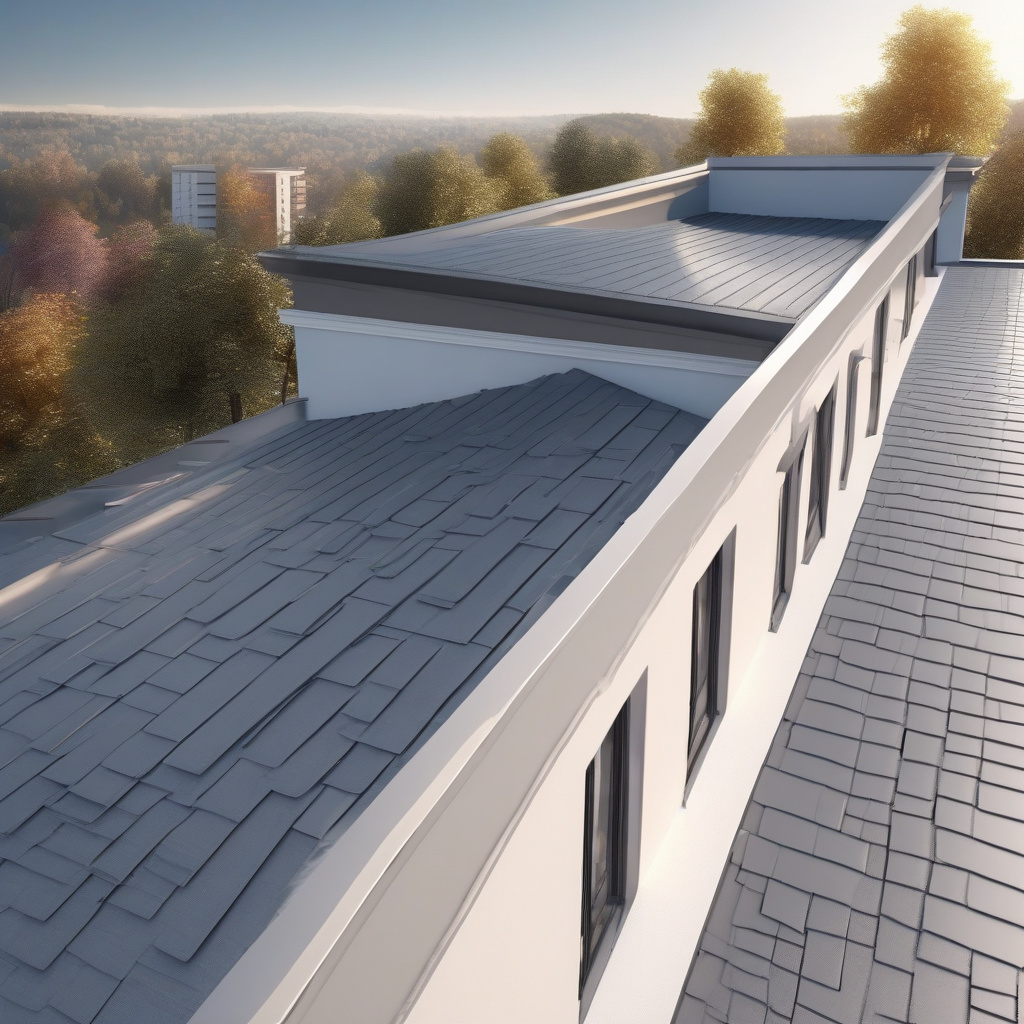
Step-by-Step Parapet Maintenance
- Conduct visual inspections semi-annually for visible damage or wear.
- Clear all debris and ensure drainage is unblocked.
- Apply protective sealants or repair cracks immediately upon detection.
- Consider professional evaluations every few years for comprehensive assessments.
- Integrate moisture control measures during any maintenance work.
With consistent attention and care, your parapet can continue to exemplify the ideal balance of functionality and design.
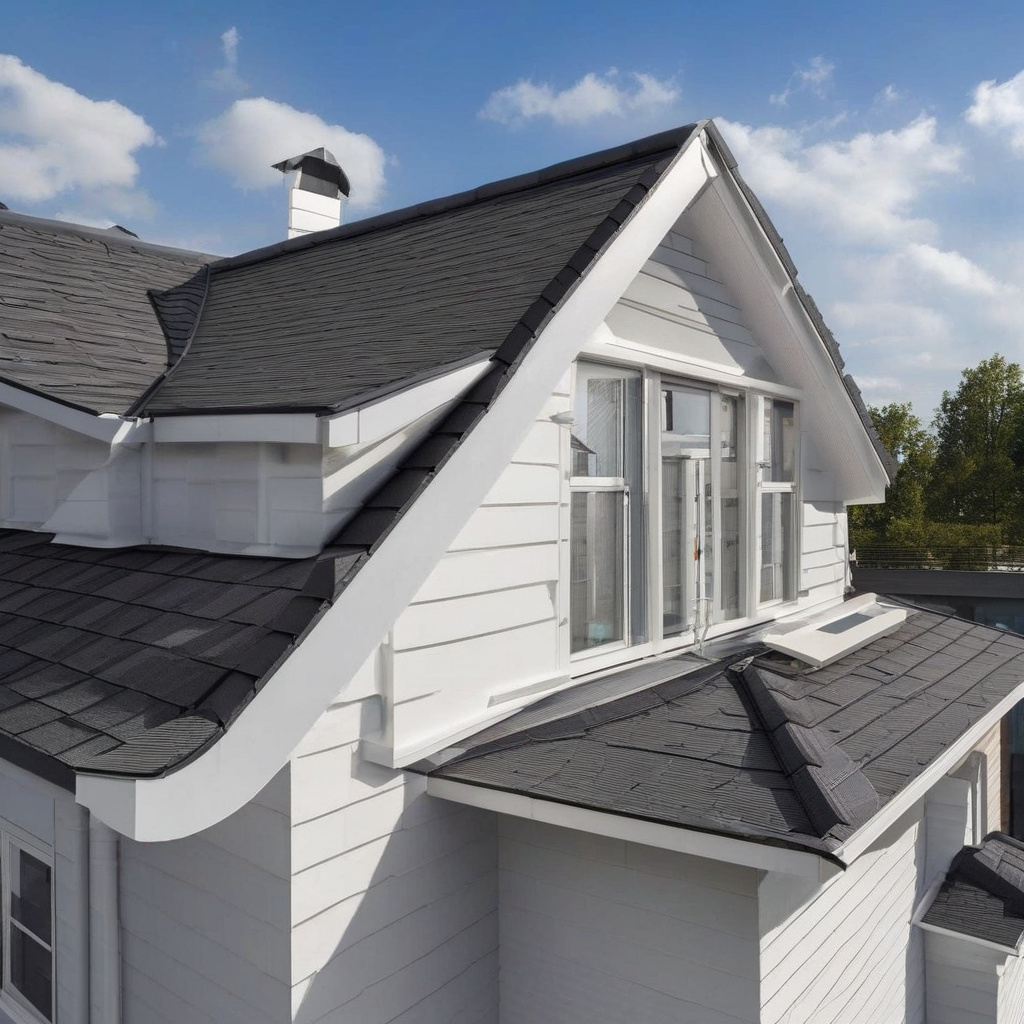
Conclusion: Crafting a Standout Parapet for Your Home
In conclusion, the roof parapet serves not only as a protective barrier but also as an aesthetic statement that crowns a building’s architecture. Employing the right materials, aligning with structural demands, and integrating design preferences are essential to maximizing both functionality and visual appeal.
As Los Angeles continues its trajectory toward dazzling architectural feats, the parapet remains a spotlight feature. From improving safety to embracing architectural flair, the possibilities are many for homeowners keen on enhancing their living spaces with style and substance.
Finally, making an informed decision on renovating or installing a parapet involves weighing costs against long-term benefits, ensuring every penny spent translates into lasting value.
- Parapets provide safety, weatherproofing, and wind deflection.
- Design combines modern materials with traditional techniques.
- Regular maintenance extends parapet lifespan.
- Cost-effective renovations align with broader roofing projects.
- Innovative designs can enhance property aesthetics significantly.
“`html
FAQ
What is the primary purpose of a roof parapet?
In real renovation projects, it often becomes clear that roof parapets serve both aesthetic and functional roles. Primarily, they provide a safety barrier, preventing falls from the roof. For example, in single-family homes with flat roofs, parapets are crucial for safety. They also help in directing rainwater away from the building structure, preventing potential water damage. Additionally, parapets can enhance the architectural profile of a house, contributing to the overall curb appeal. Many experts point out that by investing in a well-designed parapet, homeowners can simultaneously achieve safety and aesthetics.
How do I choose the right design for my roof parapet?
When choosing a roof parapet design, consider both the architectural style of your home and practical requirements. For older properties undergoing renovation, matching the original design style can preserve the home’s character. In newer builds, modern, sleek parapets may be more appropriate. Consult with an architect or renovation specialist who can provide insights on materials and styles that suit your climate and structure. Remember, functionality should not be sacrificed for aesthetics; a common mistake is opting for designs that compromise structural integrity.
When is it most sensible to install a roof parapet?
Installing a roof parapet is sensible during significant roof renovations or when constructing a new roof, especially if the roof design is flat or low-pitched. In California, where seismic activity is a concern, integrating parapets during a build ensures they meet safety standards and perform effectively during an earthquake. Homeowners frequently underestimate the foresight of incorporating parapets in initial designs, which can avoid retrofitting costs later. It’s wise to consult a structural engineer to assess the most opportune time for installation.
What are typical mistakes to avoid when installing a roof parapet?
One typical mistake homeowners make is neglecting to engage a professional for design and installation, leading to improperly secured parapets that could fail in severe weather. Another common error involves choosing materials that don’t withstand local conditions. For instance, metal parapets might not fare well in coastal areas prone to rust unless properly treated. Always ensure that the parapet height complies with safety regulations. Misjudging the impact of parapets on drainage can also lead to unwanted water pooling on the roof, causing damage over time.
What cost considerations should I be aware of when planning a roof parapet?
Cost considerations for roof parapets include materials, design complexity, and labor. Material costs can vary significantly; for example, reinforced concrete might cost more upfront but offers durability against harsh weather. The complexity of your parapet design, such as intricate detailing, will increase labor costs. Additionally, integrating necessary drainage systems is an extra expense often overlooked. It’s crucial to budget for potential maintenance costs to prevent long-term damage. For tailored advice on managing these costs, reach out to renovation professionals to formulate a detailed plan.
What are the pros and cons of installing a roof parapet?
The advantages of roof parapets include improved safety, aesthetic enhancement, and better water drainage control. These benefits make them a popular choice in urban settings where rooftop access is common. However, the drawbacks can include additional construction costs, increased maintenance needs, and potential complications in load distribution which, if not properly managed, might lead to structural issues. Balancing these factors is key; many experts recommend consulting with both a structural engineer and an architect to navigate potential downsides effectively.
What are important maintenance tips for roof parapets?
Regular maintenance of a roof parapet involves checking for cracks, leaks, and any signs of water damage. In California’s diverse climate, this could mean more frequent checks in areas prone to heavy rains or earthquakes. Ensuring that drainage systems remain unclogged can prevent water buildup. Moreover, repainting and resealing materials can protect against weathering and extend the lifespan of a parapet. Homeowners should schedule annual professional inspections, which not only safeguard the integrity of the parapet but also proactively address issues before they escalate.
How can I get expert advice for my specific roof parapet needs?
To obtain expert advice tailored to your roof parapet project, consider reaching out to construction and renovation professionals who understand local building regulations and environmental factors. Consulting with experts who have experience in both modern and historical renovations can provide valuable insights. If you’re in California and need specific guidance, consider getting in touch with a local renovation specialist to ensure your parapet meets all safety standards and complements your home’s design.
“`