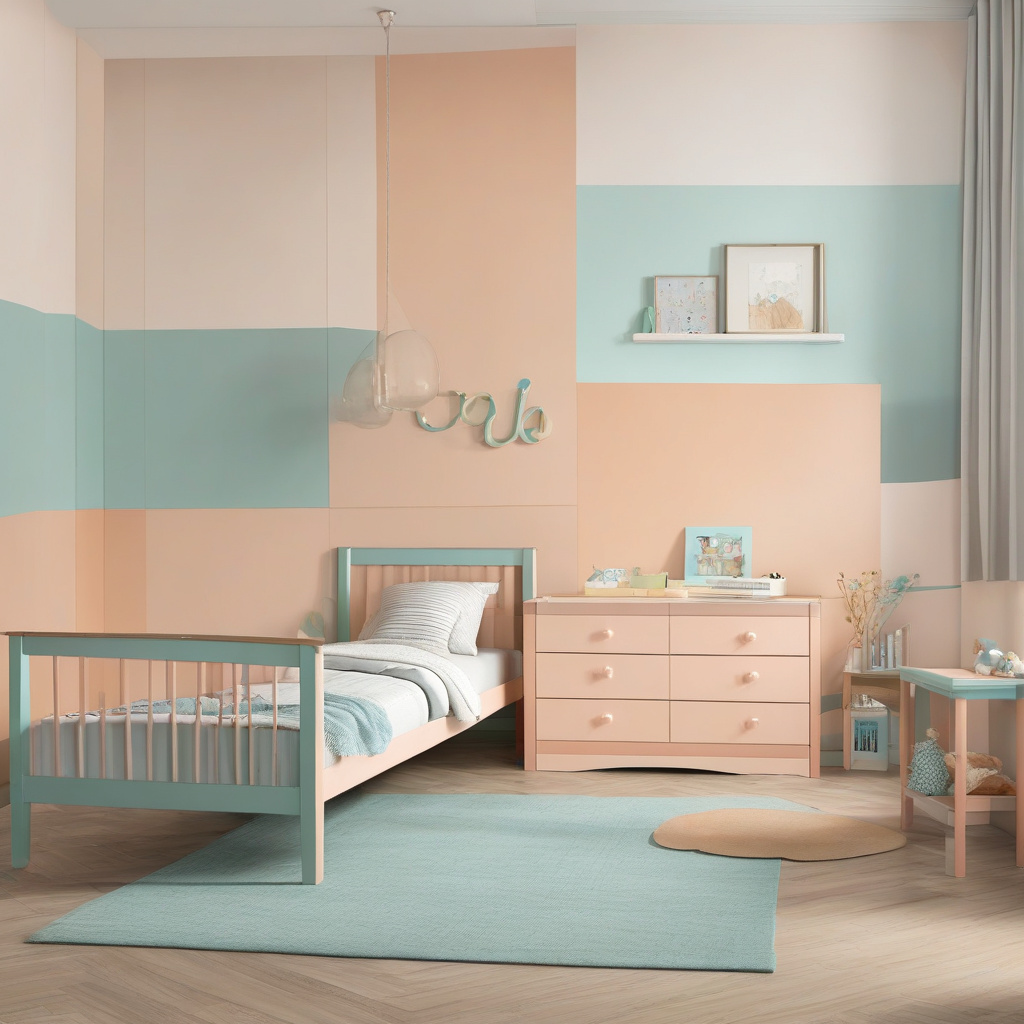
When it comes to making your Los Angeles home both beautiful and practical, paint is more than just a finishing touch—it’s a high-tech shield. For families, especially those with young children, selecting the right paint involves considering more than just color. Welcome to the world of kid-friendly paints, where the focus is on washable, scrubbable finishes that can withstand the grime and chaos of everyday life.
Brief summary: Discover the art of selecting kid-friendly paints, aimed at creating washable and durable surfaces suitable for the dynamic environment of a family home. Explore paint technologies with low emissions and finishes tough enough to withstand the foot traffic and creativity of children, with a focus on renovation trends in Los Angeles.
The Evolution of Kid-Friendly Paints
Once upon a time, paint was paint. Now, it’s a marvel of modern science. Technology has shifted the canvas of the everyday wall into a realm of resilience and safety. Today’s kid-friendly paints are formulated to minimize chemical emissions while maximizing durability. In Los Angeles, where style meets functionality, homeowners are demanding more from their wall coverings.
From resisting sticky fingerprints to hosting a chalk masterpiece, these paints are designed to endure. They offer a level of scrubbability that would make your grandmother’s wallpaper weep. The evolution has been pushed forward by need as much as innovation, with homeowners seeking out high-tech paint solutions that prioritize family wellbeing and longevity.
Many Southern California residents have embraced these advancements, noting that the cleaner home environment contributes to overall family health. The push towards low-VOC (Volatile Organic Compounds) options means parents can breathe easy, knowing that the air quality isn’t compromised for the sake of a clean wall. It’s a balancing act, combining aesthetics and function, but one that ensures a safer, more sustainable home.
As we look at the latest trends, it’s clear that the move towards healthier home environments is more than just a trend—it’s becoming a standard. Homeowners are increasingly aware of how the colors and makeup of their surroundings affect family health and happiness. With these considerations at the forefront, the formula for kid-friendly paints continues to advance, prioritizing not only beauty but also safety and peace of mind.
Choosing the Right Finish for Busy Areas
Let’s paint a picture: your home is your sanctuary, but in the bustling neighborhoods of Los Angeles, it’s also a stage for life’s little dramas. Choosing the right finish is as much about protection as it is about style. Dive into the variety of finishes available and you’ll find an eclectic mix tailored to suit every need, from matte to high-gloss.
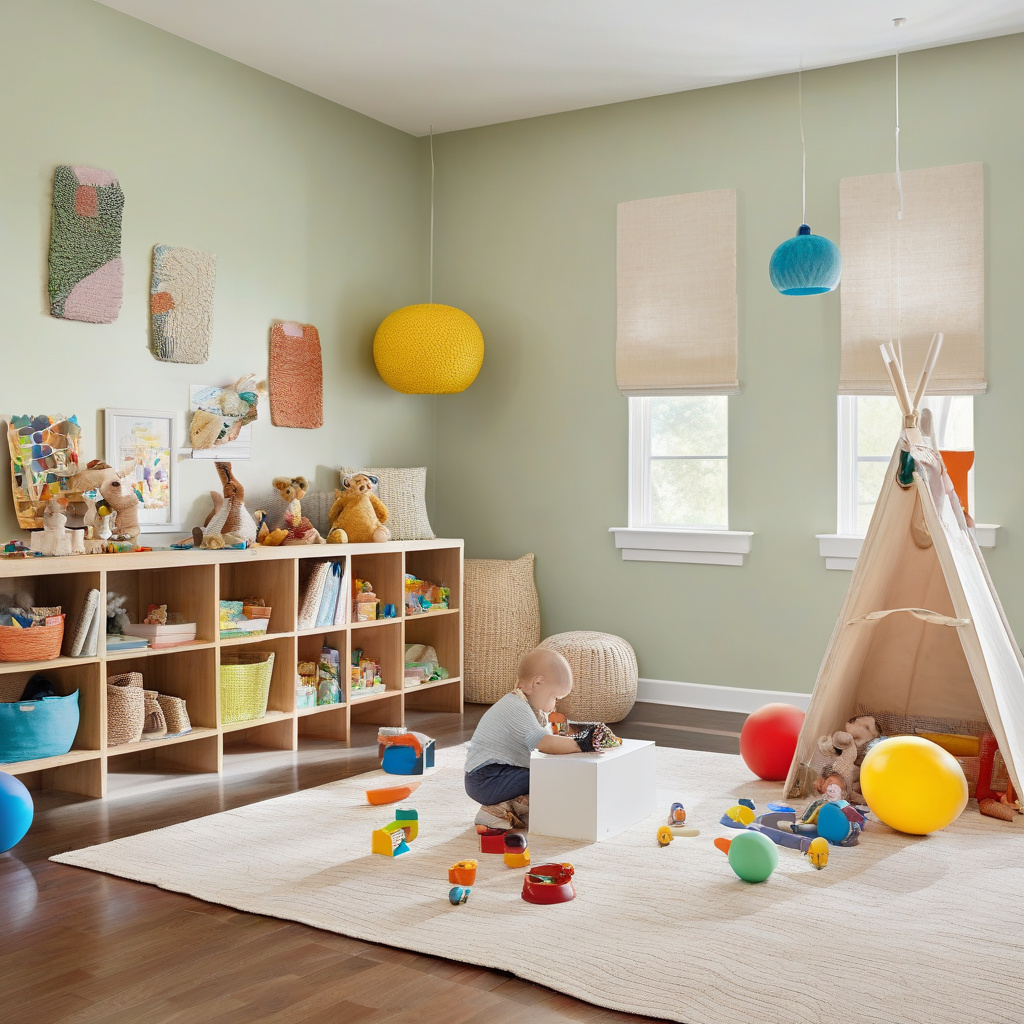
When considering paints for high-traffic areas, it’s crucial to think beyond the immediate aesthetic impact. These regions are the frontlines of your home—expected to endure the scuffs and smudges of life. A semi-gloss finish might be your go-to choice for hallways and playrooms, offering a balance between beauty and durability. It’s easier to clean, and less likely to showcase the fingerprints of a busy household as prominently as a flat or satin paint.
Experts at the Home Renovation Institute suggest that more than 70% of homeowners see a noticeable improvement in cleanliness with high-durability, easy-clean paints.
Careful planning also involves thinking about the compatibility of the paint with the existing finishes, such as those found around fireplaces. In designing a family-friendly space, incorporating advice on color and material compatibility becomes invaluable.
The key takeaway for any family is to balance needs against aesthetic desires. Sometimes it’s a trade-off, but often it’s a synthesis of preferences that results in a home that’s as functional as it is inviting. Talk to anyone who has lived through the joy of parenting in a fabulously colored space, and they’ll tell you the same: the right paint finish simplifies life.
Costs and Benefits of High-Tech Paints
It’s often said that you get what you pay for, but in Los Angeles, savvy homeowners are learning that smart choices can also mean smart savings. The initial outlay for high-quality, kid-friendly paints can feel steep, yet the long-term benefits often outweigh the costs. Consider the sheer convenience alone—parents swear by the time saved in cleaning and the reduced need for touch-ups.
The price tags can vary greatly, from modest options to premium commercial brands. It’s all about deciding where to spend and where to save. Before diving into a full renovation or refreshing a tired wall, consider consulting resources on pre-painting preparation like drywall management. This ensures that your paints not only perform better but last longer, too.
Here, a concise comparison proves incredibly informative:
| Option | Initial Cost | Durability | Maintenance |
|---|---|---|---|
| Standard Paint | Low | Moderate | High |
| Premium Washable Paint | High | High | Low |
| Eco-Friendly Options | Medium | High | Low |
Ultimately, investing in high-tech options can save on costs associated with frequent repainting and the daily irritations of dealing with subpar products. The long-term view suggests spending a little more today can eliminate the need for additional expenses tomorrow, providing peace of mind that is unsurpassed.
The Art of Safe and Clean Home Design
Creating a safe space doesn’t have to mean sacrificing personal style. Parents across Los Angeles are integrating advanced paints into their design schemes as seamlessly as possible. Safe design doesn’t forfeit style, and in many cases, these paints elevate the aesthetic appeal.
Contemporary designs often feature bright, lively colors that transform a space and invigorate its inhabitants. These choices are infused with thoughtful examination of both health and safety aspects, ensuring that even in the world of modern design, those timeless concerns are addressed without compromise.
For families, a well-appointed palette enhances daily living, encouraging creativity while maintaining discipline. The rise of multifunctional spaces in Southern California homes further necessitates robust paints that can support a room’s dynamic use without forfeiting aesthetic value.
A recent study by the Architectural Design Journal found that 85% of parents view improved indoor air quality and durability as key factors in selecting home paints, highlighting the demand for smarter paint choices.
Ultimately, it’s not just about keeping up with trends but finding what works best for each family’s unique needs. With the right blend of function and flair, your home can be both a sanctuary and a canvas of creative expression, keeping you at the cutting edge of style and well-being.
Los Angeles residences are evolving into spaces that are not just lived in, but lived with—a testament to the harmony of modern family life and home aesthetics. With consumer awareness growing, the quest for the perfect balance between safety, sustainability, and style continues.
How to Choose the Best Paint for Your Home
Venturing into the realm of paint options can feel overwhelming, but with a few guiding principles, homeowners can navigate this artistic endeavor effectively. Begin by evaluating the purpose of each room and its specific needs. Does the space see a lot of activity? Are there health concerns, such as allergies, to account for?
Next, consider the current trends that appeal to your personal style. Do you seek the clean, modern lines of minimalist décor, or are you inspired by bold, eclectic designs? Asking questions like these can refine the search further, paving the way for more precise decisions.
Don’t be afraid to sample and test. Many stores offer small paint pots that allow you to sample a color and finish in your home. Seeing how the paint interacts with your space in changing light conditions—a quintessential trait of life in Los Angeles—can help avoid costly mistakes.
Lastly, remember that professional consultation isn’t a sign of incompetence—it’s a form of expertise. When in doubt, consulting with a local expert can provide insights specific to Southern California’s unique climate and lifestyle, ensuring that your choice complements your gorgeous surroundings.
Interior design experts note that consulting a professional can increase renovation satisfaction by as much as 30%, especially when integrating multifunctional paint solutions.

Balancing Aesthetics and Practicality
At the heart of any great renovation lies the balance between aesthetics and practicality—a delicate dance where the two exist in harmony rather than contradiction. In a city like Los Angeles, where style is akin to a competitive sport, there is a growing emphasis on choosing functional components that perform as beautifully as they look.
Homeowners are particularly cognizant of this dynamic, often opting for products that deliver longevity without forgoing their design sensibilities. With the ever-increasing variety of kid-friendly paints and finishes available, from antimicrobial coatings to those designed to be friendly to allergy sufferers, there’s never been a better time to invest in a stylishly durable makeover.
At this intersection of practical need and aesthetic desire, paints provide solutions, transforming homes while serving the very real needs of life within them. It’s a journey of learning what works best for your family and your home’s character and expressions.
Ultimately, the key to a successful project is to embrace the balance of practicality and aesthetics. For homes in Los Angeles, this means crafting spaces that celebrate the scenic California lifestyle while meeting the demanding needs of family life. It’s this seamless integration that elevates a house into a home, striking a balance that promises both beauty and resilience.
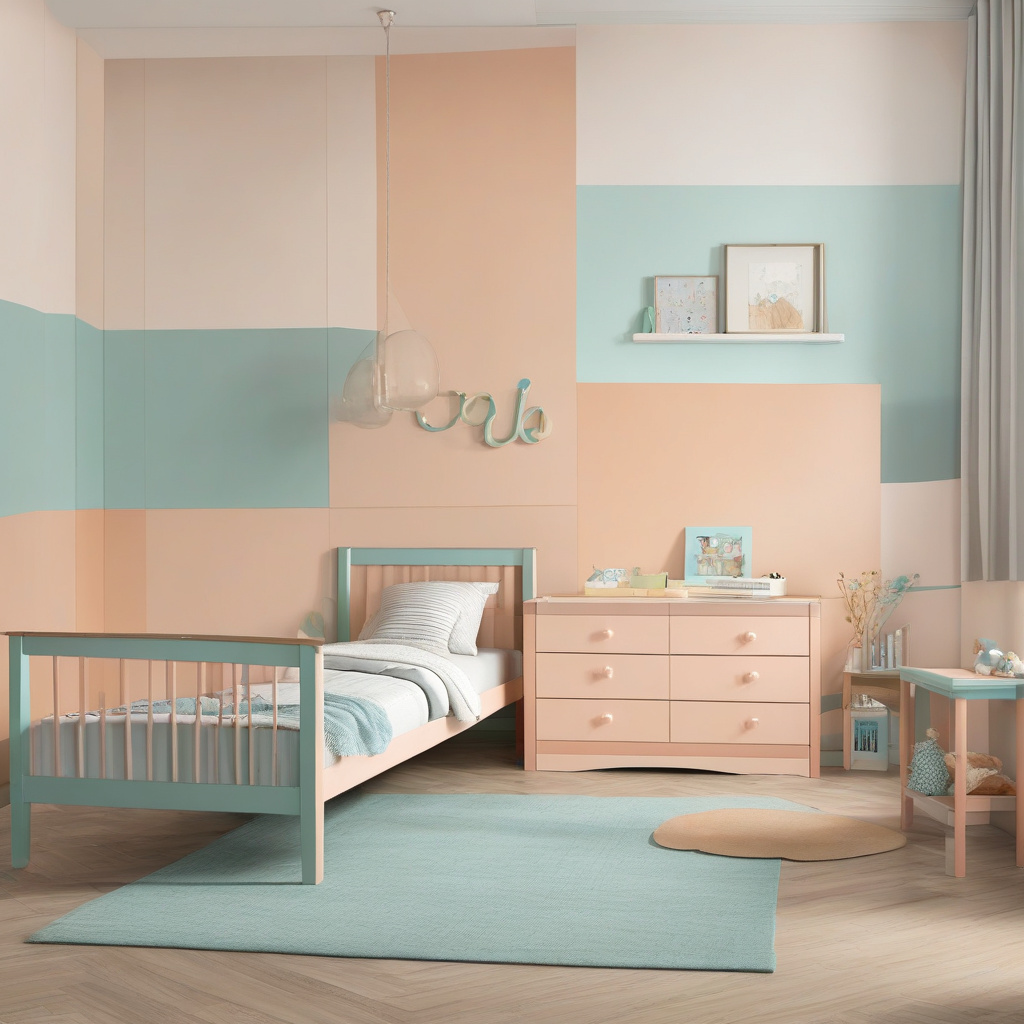
Explore Your Options Today
With the right resources and insight, transforming your home with kid-friendly paint choices can be an enriching journey. As families across Southern California already know, the reward is a space that’s not only prettier but far more practical.
Whether you’re planning a small refresh or a full-scale remodel, understanding the roles of texture, color, and durability is essential. With an informed perspective on interior color selections, you can ensure your choices pay off in terms of both style and everyday function.
Jump into this vibrant world of color with confidence, armed with the knowledge that your space will be able to handle anything your family throws at it—quite literally. Engage this toolkit of knowledge, take the leap, and watch as your home transforms into a sanctuary that can withstand the beautiful chaos of family life in Los Angeles.
- Kid-friendly paints focus on durability, washability, and low emissions.
- Finishes and color choices play crucial roles in high-traffic areas of a home.
- Investing in high-tech paints offers long-term benefits and safety enhancements.
- Sustainable design seamlessly integrates aesthetics and practical functionality.
- Professional insights and thorough preparation are key to successful renovations.
“`html
FAQ
Why should I choose kid-friendly paint for my home?
In real renovation projects, it often becomes clear that standard paint finishes can easily succumb to the rigors of everyday family life. Kid-friendly paints are designed to withstand the everyday chaos brought by little hands. From sticky fingerprints to crayon mishaps, these paints offer durability and easy maintenance with washable and scrubbable surfaces. Moreover, they emit fewer chemicals, making them a healthier choice for children and the environment. This combination of durability and safety makes them an increasingly popular choice in modern family homes.
What are the key features of washable and scrubbable paint finishes?
Washable and scrubbable paint finishes are specially formulated to handle everyday wear and tear. Many experts point out that their unique resin composition allows walls to be cleaned with a simple wipe-down or gentle scrub without impacting the finish. Homeowners frequently underestimate the significance of selecting a paint that retains its color and sheen despite frequent cleanings. For high-traffic areas like playrooms and kitchens, these finishes offer both aesthetic and practical value, minimizing the signs of usage over time.
How do low chemical emissions in paints affect indoor air quality?
Low chemical emissions, particularly VOCs (volatile organic compounds), are critical in improving indoor air quality. In older properties undergoing renovation, selecting low-VOC kid-friendly paints can significantly reduce off-gassing. This is especially crucial in homes with infants and young children, where air quality is a top priority. By opting for these eco-conscious products, homeowners can create a safer environment, free from harmful fumes that traditional paints might release over days or even weeks.
What should I consider when choosing a kid-friendly paint color?
When choosing colors for areas frequently used by children, balance practicality with aesthetics. Neutral tones like beiges and greys hide smudges better, while brighter hues can stimulate young minds. Many homeowners in newer builds with modern systems lean towards versatile pastel shades that adapt as kids grow. Contextual elements like lighting and room purpose also influence color selection. For guidance on making the best choice for your renovation project, you might look to expert resources and advice found through expert consultations.
Are there specific application techniques for kid-friendly paints?
Applying kid-friendly paints does not typically require specialist techniques; however, preparation is key. Ensure that surfaces are clean, primed, and free from previous paint residues. Experts recommend using high-quality brushes or rollers to achieve even coverage. This process not only ensures a professional finish but also enhances the paint’s durability against the rigors of daily use. Such meticulous prep and application can extend a paint’s longevity notably.
What are the cost considerations for kid-friendly paints?
Though initially more expensive than standard paints, kid-friendly options can yield long-term savings. Their enhanced durability reduces the need for frequent repainting, ultimately balancing the upfront cost. Additionally, many homeowners find value in the health benefits provided by low-VOC formulations. The decision may seem pricey at the outset, but factoring in reduced maintenance and improved indoor air quality often tilts the cost-benefit analysis in favor of these paints.
What are the pros and cons of using kid-friendly paints?
The appeal of kid-friendly paints lies in their robust, easy-to-clean surfaces coupled with health-conscious ingredients that improve air quality. Yet, every homeowner should weigh these benefits against potential downsides. While they stand strong in high-traffic areas, some might find the initial range of colors and finishes limited compared to traditional options. Additionally, touching up or perfectly matching colors post-application might require additional care. Weighing these factors carefully will help ensure the best choice for your home environment.
Can kid-friendly paints be used outdoors?
Kid-friendly paints are primarily formulated for interior use due to their composition targeting indoor air quality and specific durability needs. However, some formulations with enhanced durability can find application on covered outdoor spaces such as patios. In those scenarios, it’s wise to consult with paint manufacturers or renovation experts to confirm suitability for specific outdoor conditions, ensuring weather resistance and longevity.
“`