The sun-drenched neighborhoods of Los Angeles hide a variety of architecture beneath their seemingly eternal blue skies, but it’s the iconic tile roofs that frequently draw admiration. These roofs, steeped in tradition and beauty, offer more than just aesthetic appeal—they provide protection against the elements for countless homeowners. However, like any long-lasting feature, they demand regular maintenance to safeguard their functionality and charm.
Brief summary: This article delves into the essential aspects of maintaining tile roofs in the Los Angeles area, exploring the nuances of replacing broken tiles, inspecting underlayment, and ensuring debris doesn’t compromise waterproofing layers. With insights from local renovation trends, costs, and homeowner experiences, it’s a guide to preserving this integral part of Southern California homes.
Understanding the Anatomy of a Tile Roof
When it comes to architectural elegance, the tile roof reigns supreme in Southern California. Composed primarily of clay or concrete, these roofs offer unique advantages—durability and natural temperature regulation are just a start. Yet, beneath each tile lies a complex system comprising underlayment and structural elements, which collectively ensure your home remains weatherproof.
The underlayment, often overlooked, serves as a secondary barrier against moisture. It works tirelessly to keep water away from the interiors, especially during unexpected California showers. Homeowners need to appreciate that maintaining this layer is pivotal to prolonging the life of their roof. Thus, regular inspection becomes a non-negotiable undertaking.
Imagine strolling through a neighborhood where the sun casts playful shadows on perfectly aligned tiles. It’s easy to be lulled into a false sense of security about their longevity. However, even tiles crafted from the finest material are not impervious to damage. Chips, cracks, and gradual erosion are common, especially in areas prone to high foot traffic or falling debris.
Read about different roofing options to familiarize yourself with potential roofing solutions available in Los Angeles.
In sum, understanding the anatomy and key components of your tile roof can guide informed decisions around maintenance and timely interventions.
The Art of Replacing Cracked Tiles
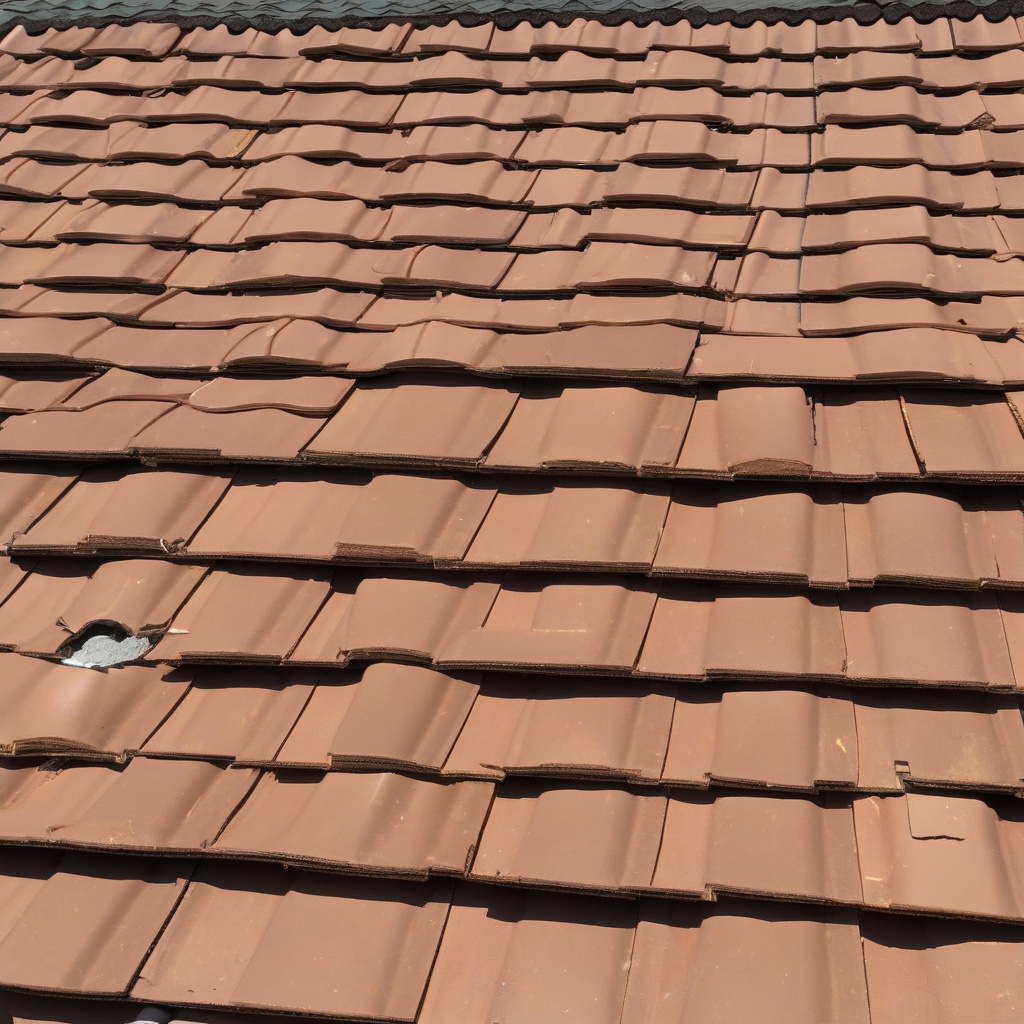
Replacing cracked tiles might seem daunting, but it’s an inevitable part of roof maintenance. The process starts with identifying damage. Spotting a compromised tile is as much about observation as it is about understanding your roof’s interaction with its environment.
Weather conditions, quality of materials, and installation practices can all lead to damage. Cracked tiles not only risk water penetration but can also disrupt the architectural harmony of the roof. This disruption can detract from curb appeal, turning an aesthetic asset into an eyesore.
Homeowners often debate whether to DIY or hire professionals. While doing it yourself can save costs, working at heights requires precautionary measures and experience. Missteps here can escalate the damage, making it a costly affair.
For those considering hiring experts, expect a thorough process where professionals carefully replace each damaged tile. They ensure that new tiles match in color and style, maintaining the roof’s aesthetic continuity.
Conclusively, while replacing cracked tiles might seem straightforward, ensuring it’s done thoroughly requires time, precision, and occasionally, professional intervention.
Understanding the Installation Process
Removing damaged tiles is meticulous work. Firstly, professionals use specialized tools to carefully pry up affected tiles, minimizing injury to surrounding ones. Once removed, they prepare the underlayment before installing new tiles to match existing ones perfectly.
Inspecting and Caring for Underlayment
If the tile leather jacket is the first line of defense against the elements, the underlayment is its sturdy inner lining, unseen yet essential. We often forget that it’s not the tiles alone that shield us from weather hiccups.
Regular inspection of the underlayment can prevent issues arising from unnoticed wear and tear. Experts recommend bi-annual checks, focusing especially on corners and intersections where water tends to accumulate.
In a region like Los Angeles, prone to both droughts and unexpected rainfalls, investing in better-quality underlayment is a wise decision. Products that boast higher water resistance or are specifically designed for tile roofs are often the choice of discerning homeowners.
Understanding the role and importance of underlayment can avert costly roof repairs. A proactive approach here not only guards against leakage but extends the life of the entire roofing system.
“An estimated 60% of water damage in tile-roofed homes is attributable to underlayment failures,” notes industry expert George Ramirez.
Thus, by prioritizing underlayment inspections, homeowners can ensure their roofs live up to their reputation for longevity and reliability.
Clearing Debris and Ensuring Longevity
Maintaining a tile roof is not solely about handling the tiles themselves. Ensuring a debris-free environment on and around your roof is critical. Over time, leaves, dust, and branches accumulate, leading to blocked runoffs and added weight.
A debris-laden roof invites unwanted visitors, including pests, which can exacerbate existing issues. Cleaning the roof and surrounding gutters regularly prevents these nuisances and facilitates proper water drainage during rainy spells.
While many homeowners might be tempted to use high-pressure hoses to wash it all down, opting for gentler methods is advisable. High pressure can dislodge tiles or worsen any existing fractures.
The process need not be arduous; homeowners can set up a seasonal cleaning schedule. Consider pairing cleaning with routine inspections for a holistic maintenance approach.
Industry statistics reveal that regular maintenance extends a roof’s lifespan by approximately 10-15 years.
Cumulatively, adopting cleaning as an integral part of roof care amplifies its durability, ensuring you reap the benefits of your investment over time.
Creating a Seasonal Maintenance Plan
Organizing a maintenance plan that coincides with the region’s climate can greatly optimize roof care. Initiating checks post-winter and pre-summer can ensure your home is prepared for the year’s climatic changes.
Comparing Material Costs and Roof Renovation Methods
One of the pressing concerns for homeowners is the cost linked to maintaining or renovating a tile roof. Expense varies significantly based on materials chosen, labor requirements, and project duration.
In the Los Angeles area, where architectural demands are high, balancing cost with quality is imperative. Clay tiles often come with a higher price tag, but their age-old appeal and resilience are unmatched. Conversely, concrete tiles provide a cost-effective alternative with ample benefits.
Explore thoughtful roof design decisions that not only factor cost but also impact the long-term aesthetic and structural benefits of different tile types.
| Material | Cost per Square Foot | Durability (Years) | Aesthetic Appeal |
|---|---|---|---|
| Clay | $8–$15 | 50–100 | High |
| Concrete | $3–$5 | 30–50 | Moderate |
Understanding these trade-offs can inform your decision, guiding you to a choice that satisfies both budgetary and aesthetic needs in the context of the local housing market.
Navigating the Risks and Rewards of Roof Maintenance
Regular maintenance of a tile roof is akin to an investment in your home’s future. Risks associated with neglect can be daunting—a leaky roof, structural damage, or significant depreciation in home value. This effectively sours the once gratifying decision of choosing a tile roof.
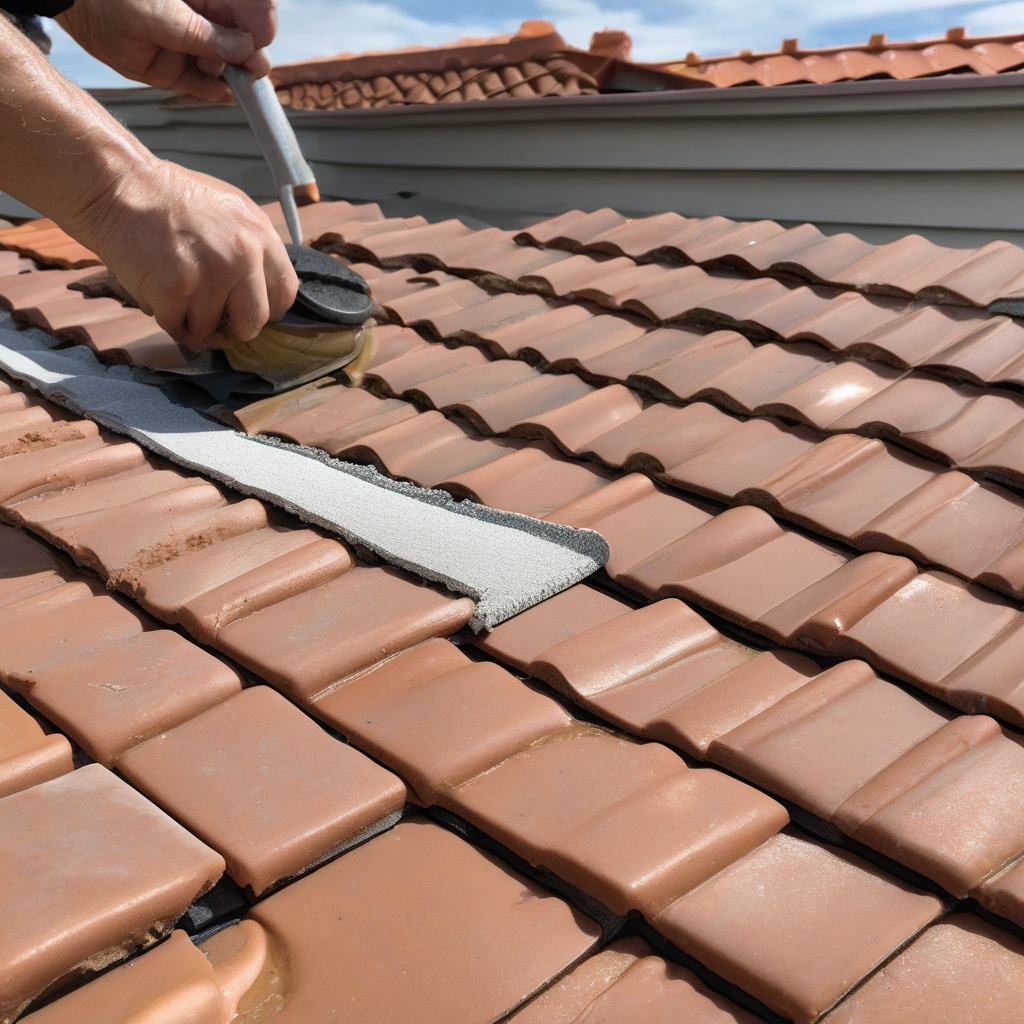
However, regular maintenance unfurls a gamut of benefits including higher resale value and enhanced efficiency in energy consumption. The effort invested in upkeep invariably results in long-term savings and a pride of ownership.
While some homeowners might view regular maintenance as optional, understanding the potential pitfalls reunited many with the protective embrace of this architectural masterpiece. Neglecting regular inspections can spell doom, escalating repair costs that rapidly spiral out of control.
Ensure long-term roof integrity by understanding the nuances of proper maintenance practices and how they cater to a well-protected home.
“It’s estimated that neglected maintenance accounts for up to 30% of roofing costs in an average household,” says a leading construction journal.
Ultimately, the judicious application of preventive measures can direct a tile roof’s journey toward a safe and enduring component of your cherished abode.
Ready for Next Steps: Enhancing Roof Safety
If you’re a homeowner set on preserving your tile roof, learning about safety enhancements can augment your maintenance regime. Implementing fire-resistant measures, particularly in California’s fire-prone corridors, is indispensable.
A Class A fire rating is the pinnacle for roofing materials, offering robust defense against fire exposure, potentially lowering insurance costs in the process. While achieving this standard involves initial outlays, the resulting peace of mind is usually worth every penny.
Additionally, investing in high-quality sealants and flashings can substantially reduce vulnerabilities. Products specially formulated for tile roofs add an extra layer of protection, ensuring efficient runoff and minimizing water ingress.
For those seeking to fortify their roof’s security, aligning with safety standards is paramount. This not only preserves the durability but solidifies your property in the face of unpredictable natural challenges.
Learn about fire-resistant roofing to heighten your preparedness and preserve your investment.
Embracing roof security enhancements today could usher in a tomorrow where both your home and peace are undisturbed.
- Regular inspection and maintenance of tile roofs prevent sophisticated future damages.
- Understanding different materials and their costs can guide better renovation decisions.
- Implementing fire-resistance measures adds significant safety value.
- Creating a comprehensive maintenance plan extends roof longevity.
- Timely replacement of cracked tiles preserves both aesthetics and functionality.
FAQ
How often should I inspect my tile roof for maintenance?
In real renovation projects, it often becomes clear that regular inspections are essential for maintaining a tile roof. Experts generally recommend that homeowners inspect their roofs at least twice a year, especially after severe weather to check for broken tiles or debris accumulation. During one inspection, a California homeowner discovered a cracked tile hidden beneath leaves, preventing what could have evolved into costly water damage. Being proactive with inspections ensures that any potential issues are addressed swiftly, preserving your roof’s integrity.
What are the most common mistakes homeowners make when maintaining tile roofs?
Homeowners frequently underestimate the importance of proper underlayment maintenance under their tile roofs. Many believe simply replacing visible cracked tiles is enough, but neglecting the underlayment can eventually lead to leaks. In one case, a newly renovated home in Southern California needed extensive underlayment repair because it had been ignored for years. To avoid such expensive fixes, always prioritize both the tiles and the underlayment. Another common error is not clearing debris, which can block water pathways and lead to further complications.
Why is underlayment so crucial for tile roof longevity?
Underlayment acts as the hidden hero beneath your tile roof, providing a critical waterproofing layer. In many older properties, the underlayment is the first line of defense against water infiltration, especially during heavy downpours. Consider it like a safety net; without it, cracked tiles can allow water to seep through, leading to structural damage. Many experts point out that during roof renovations, failing to upgrade aging underlayment is a huge lost opportunity. Investing in quality underlayment ensures your tile roof remains durable and leak-free.
Can I replace broken tiles myself, or should I hire a professional?
Replacing a few cracked or broken tiles might seem like a manageable DIY task, but it often involves more complexity than anticipated. In one renovation story, a homeowner’s attempt to replace tiles led to further damage, as the subtle nuances of tile alignment were overlooked. Professionals not only have the right tools to avoid damage during removal but also understand the intricate laying patterns. If you’re considering a self-repair, evaluate the scale of the damage and your comfort level with handling roof work. For guidance, reaching out to experts can be beneficial – inquire about services through their consultation page.
What are the cost considerations when maintaining a tile roof?
Maintenance costs for tile roofs can vary widely based on the extent of repairs needed, materials, and labor costs in your locality. Typically, replacing individual tiles is less costly but, ignoring early signs of damage can lead to expensive underlayment repairs later on. A savvy homeowner understands that spending now on quality inspections and minor repairs pays off by avoiding major overhauls. In California, for instance, considering long-term climate forecasts can help in planning for maintenance cycles, potentially reducing unexpected expenses.
How can I effectively clear debris from my tile roof without causing damage?
Clearing debris requires careful attention to avoid damaging the tiles. Pressure washers, though effective for cleaning, can dislodge tiles if used too aggressively. One method that has proven effective involves using a soft-bristle broom or leaf blower at a gentle setting to move debris off the roof gradually. Homeowners should start from the ridge and work downwards, ensuring they’re stepping on load-bearing sections. Regularly clearing debris helps keep drainage pathways clear, thereby protecting the underlayment from potential water pooling.
What are the benefits and limitations of tile roofs compared to other types?
Tile roofs are celebrated for their aesthetic appeal and durability. They offer excellent insulation and are fire-resistant, which is advantageous in states like California where both temperature extremes and wildfires are concerns. However, they can be heavier than other roofing materials, potentially requiring additional structural support. In terms of drawbacks, tile roofs may be more expensive upfront compared to asphalt shingles. When dealing with installation or major repairs, the cost and weight considerations should be weighed against the long-term performance and energy efficiency they provide.
How do seasonal changes impact tile roof maintenance?
Seasonal changes can significantly impact the maintenance routine of a tile roof. In California, the dry summers may cause tiles to expand, potentially leading to cracks that need monitoring. Conversely, the wet season demands vigilant checkups to ensure that water isn’t seeping through damaged areas. Some properties further inland, experiencing more temperature fluctuations, require special attention to the tile anchoring and sealants. Understanding these seasonal effects allows homeowners to schedule inspections and repairs at ideal times, minimizing the risks of unexpected roofing issues during critical weather periods.