In the world of home renovations, the choice between double-hung and slider windows is one filled with nuance and particularities. Both window types offer their own set of advantages and potential pitfalls, especially when it comes to ventilation, ease of cleaning, and overall usability. As Los Angeles homeowners continue to invest in modernizing their abodes, understanding the distinctions between these window styles becomes essential.
Brief summary: This article sheds light on the comparison between double-hung and slider windows, focusing on ventilation, cleaning ease, and functionality over time. It considers real-life renovation insights from Southern California, offering homeowners guidance on choosing the best window options for their needs.
Airflow: Finding the Breeze
Double-hung windows are crafted to provide a flexible approach to ventilation. With the ability to open both sashes, these windows allow for adept airflow, inviting the essence of a cool evening breeze or a fresh morning draft. As reported by numerous Los Angeles residents, this flexibility can be particularly beneficial during the city’s warmer months.
Slider windows, by contrast, offer a more stationary option. While they might not provide the same level of ventilatory control as double-hung windows, they serve their purpose well in spaces where a linear aesthetic is desirable. The larger glass area on slider windows often appeals to homeowners seeking uninterrupted views.
Recent renovation trends in Los Angeles indicate a shift towards windows that maximize natural ventilation, reflecting a broader ecological consciousness. In such contexts, double-hung windows might have a slight upper hand due to their versatility.
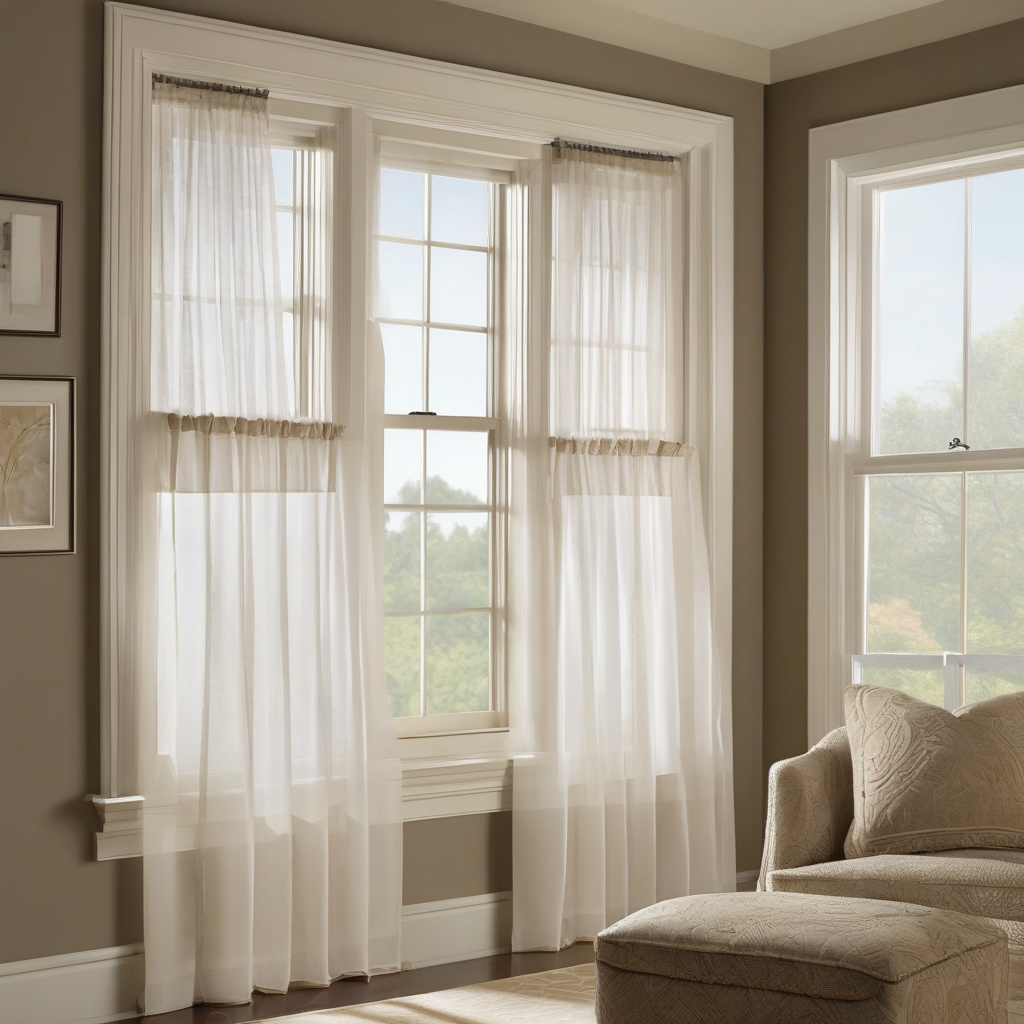
Ultimately, the choice between these window types lies in the particular needs and preferences of the homeowner, making it crucial to understand their individual advantages. When air circulation is a priority, the dual-operational aspect of double-hung windows seems to provide a notable edge.
Cleaning Challenges and Solutions
Cleaning windows, while often viewed as a simple task, becomes a major consideration when selecting the right window style for one’s home. Double-hung windows have a feature that many owners find particularly practical: sashes that tilt inward. This allows for an inside-out cleaning technique without the need to brave a ladder or lean perilously outside.
Slider windows, however, offer a more traditional approach. Cleaning these windows often requires external access, especially for the fixed pane. In tall Los Angeles homes, this could mean hiring professional services, adding to maintenance costs over time.
An industry expert notes that “while double-hung windows simplify the cleaning process, slider windows require more effort and potential expenses.”
Moreover, with the bustling lifestyle often seen in Los Angeles, ease of maintenance becomes crucial. Homeowners frequently express appreciation for solutions that save time without sacrificing the aesthetic or functional qualities of their windows.

The decision here becomes a balance between practicality and personal preference. It might be worthwhile for homeowners to consult preparation guides before undertaking window installation projects. For practical tips on getting ready for new windows, consider this helpful resource.
Long-term Usability: Durability and Functionality
Looking at long-term usability, both window types offer certain merits and drawbacks that homeowners should consider carefully. Double-hung windows, with their historical charm, tend to seamlessly integrate into both modern and traditional architectural designs. Their durability, often enhanced by robust frames, makes them a favored choice in regions prone to diverse weather conditions.
Slider windows, known for their sleek lines and minimalist appeal, suit modern homes where unobstructed views and seamless landscape integration are key. However, the sliding mechanism, though highly functional, can sometimes be prone to misalignment if not regularly maintained.
Recent studies have shown that “double-hung windows frequently outperform slider windows in longevity, largely due to their construction and material options.”
The choice between these window styles should not be made lightly, as it not only impacts the home’s look but also its functional environment over years to come. A resourceful approach includes reviewing lists of skylight options and considering how they can complement window installations.
The key takeaway is that the durability of windows is not merely about the design but involves maintaining them properly. For an in-depth look into materials that might influence your choice, don’t miss the guide on skylight options.
Cost Considerations and Renovation Value
Cost plays a significant role in the decision-making process for homeowners. Generally, the price difference between double-hung and slider windows is negligible when purely considering purchase and installation costs. Therefore, the decision often hinges on personal preference and stylistic considerations rather than sheer economic factors.
However, when factoring in maintenance costs, cleaning, and potential repair expenses, double-hung windows may present a more economical option over time. In contrast, sliders may incur additional costs due to their specific cleaning requirements and slider track maintenance.
According to a recent homeowner survey, “maintenance costs can tip the scale in favor of double-hung windows when budgetary constraints are tight.”
For those looking to maximize their investment, aligning window choices with broader home renovation strategies is advisable. It’s crucial to consider the holistic advantage of window styles in enhancing home value. This approach aligns closely with contemporary renovation values seen in the Los Angeles housing market.
Informed decisions require weighing all potential costs and benefits. By consulting relevant guides on further renovations, homeowners can optimize their budget effectively. For example, those dealing with older homes should review considerations for addressing lead paint in window frames and other elements. For further insight, visit this comprehensive guide.
Aesthetic Appeal and Personal Preferences
While functionality is paramount, the visual appeal of windows cannot be ignored. Double-hung windows offer a classic look that suits various home styles and remains timeless through architectural shifts. On the other hand, slider windows contribute to a sleek, modern aesthetic that some homeowners desire for its simpleness.
Selecting windows that align with personal aesthetic preferences can significantly enhance the curb appeal of a home. Many Los Angeles residents find themselves drawn to designs that not only blend with their architectural language but also reflect their unique style.
When embarking on renovations, it’s wise to consider not just current tastes but also future trends. The choice between window styles can certainly complement or contrast other elements such as door designs and exterior treatments.
Ultimately, a home should be an expression of those who dwell within. The right window choices can manifest harmony between functionality and beauty, bringing forth a delightful living experience.
Informed Decisions in a Changing Climate
The climate of Southern California presents its own set of challenges and opportunities for window selection. Double-hung and slider windows both find homes in this sun-drenched landscape, but the nuances of weather-related factors make informed decision-making more crucial.
Los Angeles often experiences microclimates, meaning that homeowners must tailor their window choices to local conditions. Double-hung windows provide flexibility and ventilation for varied temperature shifts, while slider windows offer substantial light access, which can be part of an energy-efficient strategy.
Understanding how these windows fit within broader ecological and energy trends is essential. The journey from choice to installation is enriched when guided by an understanding of Los Angeles’ distinctive environmental contours.
An architectural consultant emphasizes that “context-sensitive choices will future-proof homes against climatic unpredictability.”
A deeper knowledge of how windows interact with home ecosystems will lead to harmonized living spaces that are both comfortable and resilient. Strategic planning and thoughtful decisions are key.
As the final curtain falls on your decision-making process, remember to consolidate your knowledge with practical insights gained from real-world experiences and professional guidance. Such informed choices ensure windows offer not only a view but a gateway to greater comfort and sustainability.
- Double-hung windows offer superior ventilation options compared to slider windows.
- Cleaning is more convenient with double-hung designs due to in-swing sashes.
- Long-term costs may favor double-hung windows due to lower maintenance needs.
- Slider windows provide a modern aesthetic but require more maintenance attention.
- Contextual climate and neighborhood aesthetics should influence the final decision.
“`html
FAQ
What are the main differences between double-hung and slider windows?
Many homeowners often find themselves torn between choosing double-hung or sliding windows. In practical renovation scenarios, double-hung windows feature two sashes within a single frame that slide vertically. This design supports versatile ventilation by allowing both the top and bottom sashes to open. Meanwhile, sliding windows, which open horizontally, are popular for their simplicity and ability to provide expansive views. Both options differ in aesthetics and functionality, but these distinctions often manifest practically when homeowners decide what suits their specific climate needs and architectural style.
How does ventilation compare between double-hung and slider windows?
In real home environments, double-hung windows provide adjustable ventilation, ideal for air circulation by opening both sashes partially. This is especially beneficial during mild Californian seasons. However, slider windows can be more adept at maximizing airflow due to their wide openings, crucial for rooms needing quick air refresh. Hence, a primary consideration in choosing between these two should focus on the home’s ventilation needs relative to room size and usage. Homeowners frequently underestimate this factor, often defaulting to aesthetic preferences instead of practical airflow solutions.
Which window type offers easier cleaning and maintenance?
From a cleaning perspective, many real-world renovators find that modern double-hung windows are designed with tilt-in sashes, making both the interior and exterior surfaces accessible from inside the house. This is particularly practical for upper floors. On the contrary, slider windows, while straightforward in design, may require more effort or additional tools to reach both sides of the glass, often overlooked during purchase decisions. Therefore, it’s crucial for homeowners to evaluate their cleaning preferences and physical ability when deciding between these two window types.
What are the cost considerations for double-hung vs slider windows?
It’s a common scenario during renovations that budget constrains window choices. Generally, double-hung windows tend to be slightly more expensive than sliding ones, primarily due to their intricate mechanisms and material demands. However, costs can vary widely based on size, material, and customization options. Homeowners need to balance budget with the window’s performance and longevity. A practical tip is to obtain detailed quotes with long-term savings vs upfront costs to make an informed decision, which can be discussed further through personalized renovation consultations like those provided at consult our specialists.
Do double-hung or slider windows offer better long-term usability?
Long-term usability of windows often becomes evident after years of everyday operation. Double-hung windows with their movable sashes are praised for enduring diverse climates, especially in older Californian homes where architectural integrity is crucial. However, sliding windows, with fewer movable parts, offer simplicity and sleek lines that integrate well into modern home settings. Over time, slider windows might demand less maintenance as mechanical parts in double-hung windows could wear out if not regularly serviced. Evaluating the long-term usability should involve consideration of both functional demands and stylistic impact on your home.
What are the benefits and limitations of double-hung windows?
Double-hung windows are revered for their classic appeal and are seamlessly integrated into traditional architectures, offering flexible ventilation options. However, the flip side is the price; many owners find themselves surprised by the premium costs associated with higher quality models. Furthermore, the operation of these windows can become cumbersome over time as wood expands or mechanisms degrade. Choosing these windows should include considerations of regular maintenance for optimal operation, contrasting the aesthetic and ventilative benefits against potential practical limitations over time.
What are the advantages and disadvantages of slider windows?
Slider windows offer a major advantage with their minimalist design and ease of use, fitting perfectly into modern aesthetics and large spaces like living rooms in Californian homes. On the downside, their tracks can accumulate debris, affecting movement and requiring routine cleaning—something homeowners tend to overlook during installation. Slider windows, however, often provide enhanced energy efficiency due to fewer moving parts, despite the maintenance factor. It’s vital to weigh the visual and practical benefits against the possible upkeep challenges in specific living environments.
When should homeowners choose double-hung windows over slider windows?
Choosing the right type of window can dramatically influence a home’s comfort and style. Double-hung windows are often the better choice for homes with traditional designs seeking to enhance ventilation options in multifaceted interior spaces. Renovation experts frequently recommend them for older buildings undergoing updates due to their capacity to fit historic aesthetics while modernizing function. However, when ease of use and expansive views are paramount, slider windows should be the go-to option for a seamless integration with contemporary home layouts. Homeowners should consider their lifestyle, cleaning preferences, and the architectural style of their property to make the most suitable choice.
“`