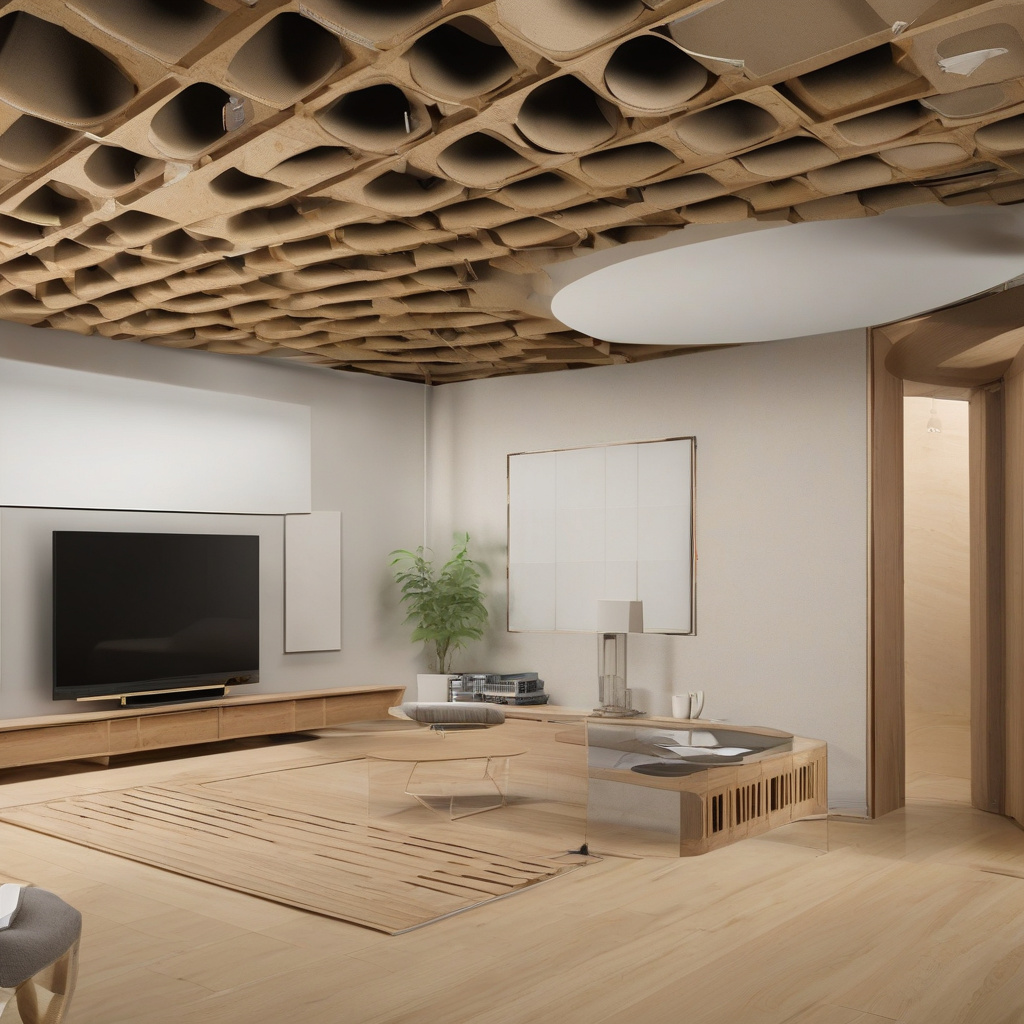
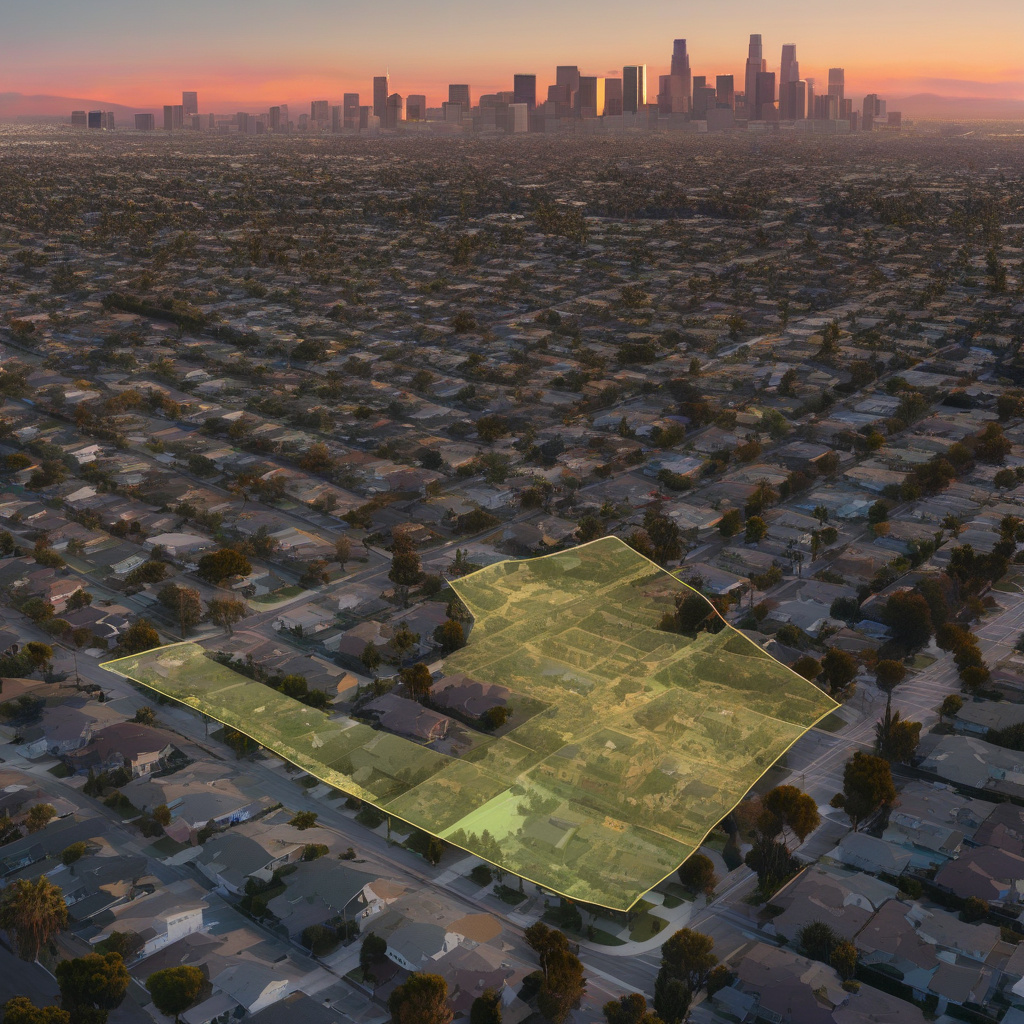
In the City of Angels, where tranquility meets vibrancy, there’s an increasing drive to harness every spare inch of property. Enter the era of Accessory Dwelling Units (ADUs), a trend rapidly transforming the landscape of Los Angeles. Enthusiastic homeowners are repurposing unused spaces like pool houses into legal ADUs, aiming to capitalize on their properties while adhering to stringent city regulations. But as these mini homes multiply, so do questions about balancing everyday noise with residential peace.
Brief summary: This article discusses the rise of ADU conversions in Los Angeles, focusing on how homeowners can transform pool houses into compliant living spaces. It also highlights the critical balance required in terms of noise regulations and quiet hours, showcasing real-life renovations and providing a comprehensive guide for potential ADU owners.
Transforming a Pool House into a Legal ADU
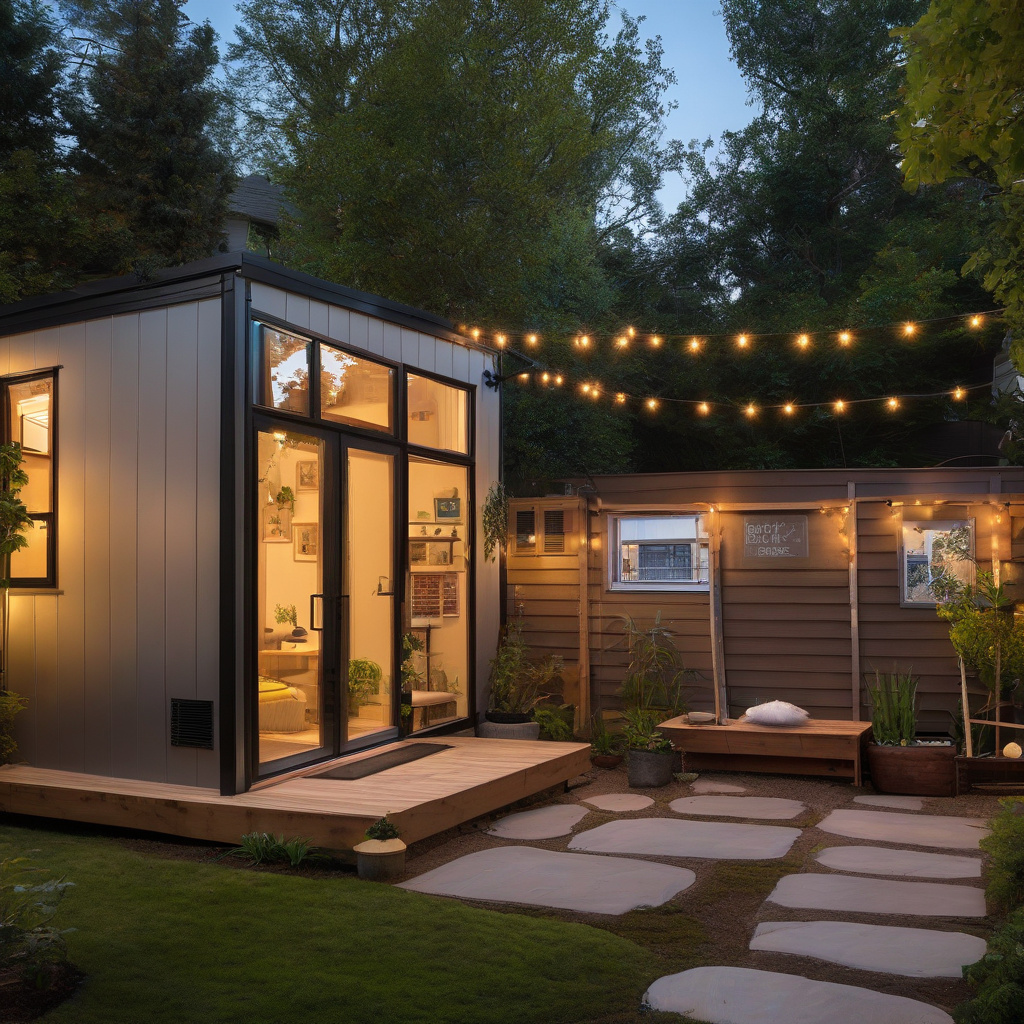
Imagine looking at your backyard and envisioning that dilapidated pool house as a sparkling new ADU. The appeal is obvious—gaining extra income from renters or housing family members without encroaching on existing space. However, making this dream reality is no small feat. It demands significant insulation upgrades, utility overhauls, and life-safety feature enhancements to meet residential code standards.
Many homeowners in Los Angeles are taking on this challenge, inspired by both necessity and opportunity. As property prices continue to soar, ADUs offer a tangible solution to offset costs and maximize real estate investments. Whether motivated by financial strategy or the desire to accommodate a multi-generational family structure, the commitment to quality and compliance remains paramount.
Converting a pool house into a viable living space requires attention to details like soundproofing windows and insulating walls, which work wonders in minimizing noise escape. These improvements are crucial not only for occupant comfort but also to adhere to the stringent noise regulations set forth by the city.
As with any extensive project, the transformation of a pool house into a legal ADU entails a careful dance with bureaucracy. Homeowners must navigate permits, inspections, and compliance checks, often requiring professional guidance to ensure a seamless process. Ultimately, these endeavors reward those who are diligent and strategic in their planning.
For many, the effort and investment translate to a flexible living space that reflects both personal taste and practical foresight.
The Economics of ADU Construction
Delving into the economic aspect of ADU development unravels a tapestry of costs and considerations. From materials to labor, the financial commitment is substantial. Planning accurately for costs is not only smart but necessary. Homeowners often find it illuminating to break down potential expenses, revealing insights into budgeting effectively.
While attractive, the conversion process involves numerous expenses, from blueprint designs and contractor fees to unexpected, often hidden costs, such as enhanced drainage systems or electrical upgrades. A comprehensive budget forecast is not an option but a requisite for successful project completion.
To navigate the financial waters of ADU construction, many turn to resources like an in-depth budget breakdown guide. With a sensible approach, the seemingly daunting financial task becomes less intimidating, paving the way for a fruitful investment.
The financials notwithstanding, ADU construction represents a brilliant fusion of investment foresight and long-term asset augmentation. For the savvy homeowner, the upfront expenses are seen as a down payment on versatility and future revenue generation.
Proper financial planning can transform what seems like a mountain into a series of manageable hills, ultimately leading to successful project realization.
Noise Regulations and Quiet Hours: Striking a Balance
With the boom in ADU conversions, noise regulation becomes a matter of urban harmony. Los Angeles, a tapestry of tightly knit neighborhoods, enforces strict sound ordinances designed to preserve the delicate balance between comfort and community living. This element is crucial for any ADU conversion process.
ADU owners must ensure that their constructions adhere to established noise parameters and respect designated quiet hours, typically set between 10 PM and 7 AM. These guidelines are not only communal courtesy but also legal requirements that can affect dwelling permits and tenancy acceptance.
Soundproofing techniques, from wall construction to advanced insulation, play an vital role in mitigating complaints and ensuring peaceful coexistence. The city’s thriving consultancies offer tailored solutions, enabling homeowners to maintain vibrancy within predicted decibel levels.
Strategically integrating sound-management solutions is akin to an art form catering to personal enjoyment without encroaching upon neighborhood serenity. Through thoughtful implementation, homeowners create environments that capture the best of both worlds.
Understanding local material standards and technical requirements supports this balance, fostering a cooperative environment amidst urban density.
An industry insight reveals that ADUs can increase property value by up to 30%, driven primarily by their versatility and potential rental income.
Risk and Reward: Navigating ADU Development
Every building venture comes with its own set of triumphs and tribulations. Potentially, the rewards of ADU development include increased property value and enhanced utility of space. Such benefits must be weighed alongside inherent risks like escalating project costs and construction delays.
Understanding the risks involves recognizing unpredictable elements—be it fluctuating material prices or regulatory changes that require modifications to existing plans. Approaching these risks with a proactive mindset and contingency planning can mitigate their impact.
Furthermore, assessing the rewards encompasses evaluating the potential for added rental income, increased property value, and the comfort of an expanded living space tailored to the owner’s needs.
A comparative analysis reveals that the benefits often outweigh the challenges, assuming diligent planning and execution. Below is a straightforward comparison of renovation options to consider when planning an ADU conversion:
| Aspect | Low-Cost Approach | Premium Strategy |
|---|---|---|
| Materials | Basic insulation, standard finishes | Advanced insulation, luxury finishes |
| Costs | $50,000 – $70,000 | $100,000 and above |
| Timeline | 3-6 months | 6-12 months |
| Potential ROI | Moderate, with scope for rental income | High, reflecting enhanced property value |
In conclusion, potential ADU developers are encouraged to weigh risk and reward parameters. By prioritizing informed decision-making, the pathway to achievement remains firmly within reach.
Microstory: A Homeowner’s Experience
Consider the journey of Sarah Miller, a Los Angeles resident who transformed her unused pool house into a thriving ADU. Her goal was to create additional income while accommodating her home’s growing spatial needs. Encountering hurdles ranging from architectural redesign to city permit acquisition, Sarah’s persistence paid off massively.
Her ADU now serves as a comfortable residence for her elderly parents, embodying her original vision. Throughout her venture, she discovered unanticipated intricacies, particularly around noise management owing to its proximity to neighboring homes.
Strategically placed insulation and specialized windows to reduce sound transmission were implemented, enabling a peaceful environment that respected community standards. As with many locals pursuing advanced engineering techniques, Sarah embraced adaptable solutions to overcome her obstacles.
Despite challenges, her narrative represents a microcosm of the broader ADU experience, where foresight and flexibility triumph communal and personal potentials.
Expert insight suggests that incorporating noise-reducing technologies can significantly boost tenant satisfaction and bring about meaningful peace in crowded urban spaces.
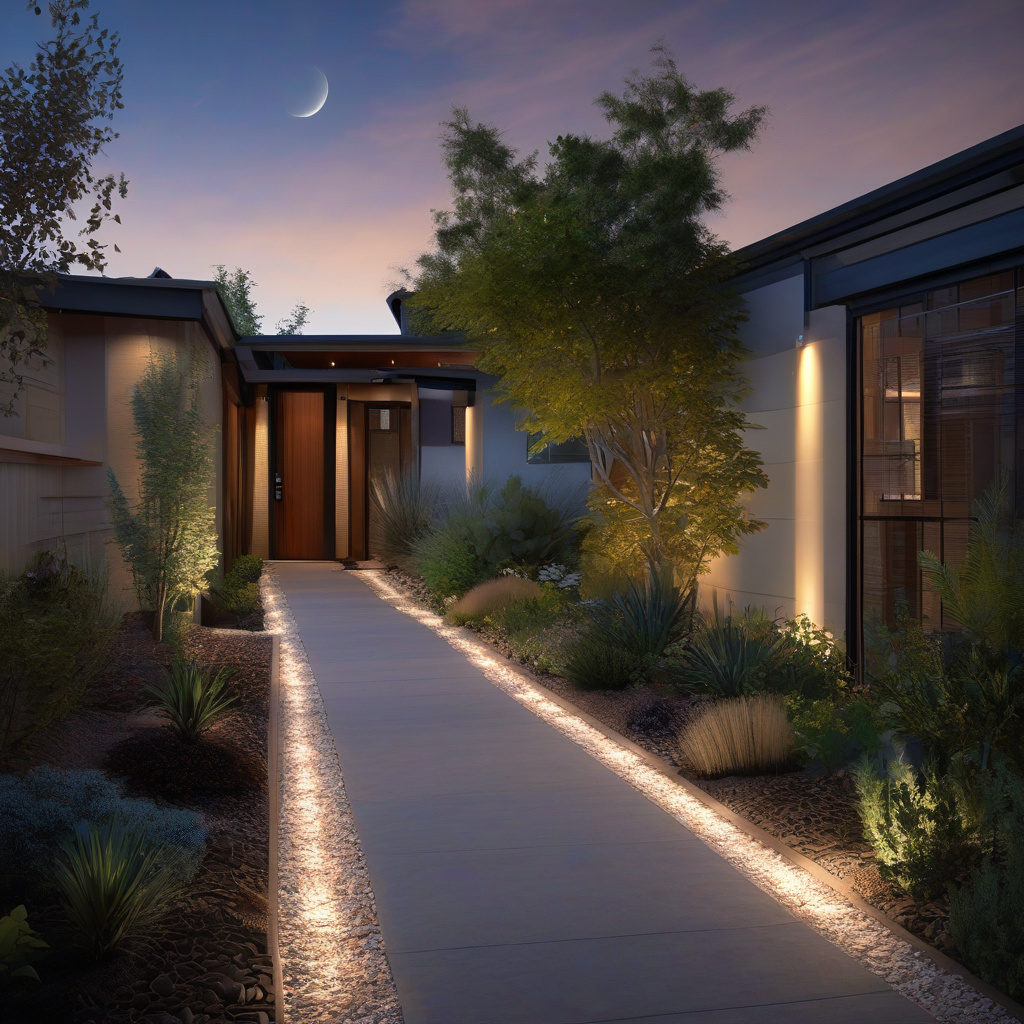
Final Thoughts: Embracing the ADU Renaissance
As Los Angeles steps further into the ADU renaissance, blending nostalgia with modern necessity, the narrative of urban renewal writes itself anew. This movement not only underscores ingenuity but also highlights collective advances towards sustainable, inclusive living spaces.
Every pool house conversion signifies more than home improvement; it reflects a transformative quest for utility, harmony, and advancement. By propelling property owners towards contemporary renovation strategies, the ADU paradigm fosters adaptability within regulatory frameworks.
The art of balancing noise compliance with functionality marks an essential stroke in this dynamic canvas. These ongoing endeavors inspire future generations to rethink spaces, aligning individual aspirations with cohesive community landscapes.
Ultimately, Los Angeles’s ADU evolution represents a fundamental shift, a movement that champions innovation married with respect—a harmonious blend of private and shared destinies in the urban story.
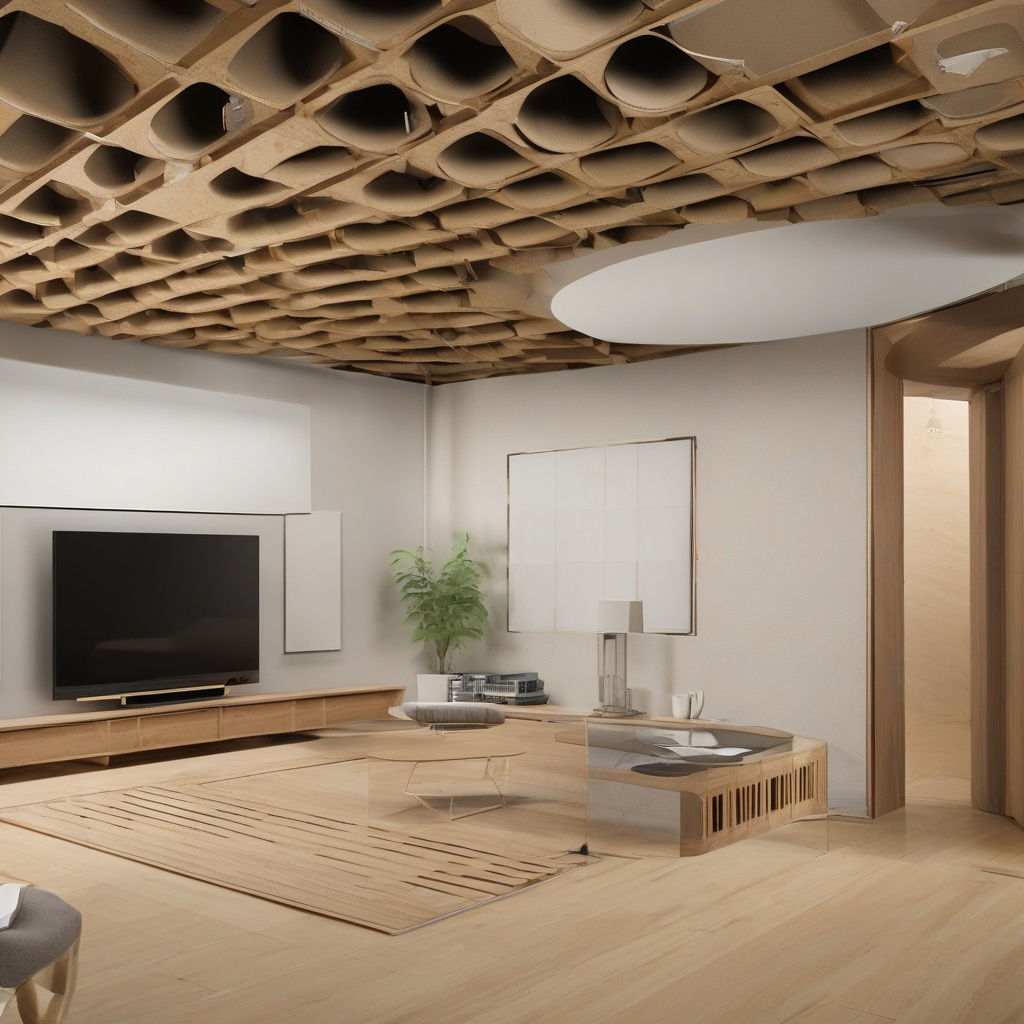
A research-based observation indicates that aligning ADUs with community sound ordinances improves neighborhood relations and enhances overall living conditions.
- The trend of converting pool houses to ADUs is growing in Los Angeles.
- Noise regulations are crucial for maintaining harmony in crowded urban settings.
- ADUs can significantly enhance property value and provide rental income.
- Proper planning and soundproofing techniques are vital for successful conversions.
- Real-life stories highlight both challenges and rewarding outcomes in ADU projects.
“`html
FAQ
What are the key noise regulations for ADUs in LA?
In Los Angeles, noise regulations for Accessory Dwelling Units (ADUs) align with the city’s general noise ordinance. Many homeowners assume ADUs are exempt since they are additional dwellings, but noise limits apply just the same. The critical hours are between 10 PM and 7 AM on weekdays, where noise from ADUs, including conversations, music, or pets, must be minimized. Failure to adhere can lead to complaints or fines. In real renovation projects, adding soundproofing during upgrades can greatly mitigate these issues. Increasing insulation not only enhances compliance but also boosts comfort and privacy—elements that seasoned renovators prioritize.
How do insulation upgrades help in ADU conversions?
Insulation is a cornerstone in converting a non-residential structure like a pool house into a livable ADU. Enhanced insulation ensures the ADU meets residential code standards, improving energy efficiency and soundproofing. In older properties, inadequate insulation can lead to heat loss, resulting in higher utility costs. During renovation, many homeowners overlook the value of wall and ceiling insulation, but investing here pays off. Techniques like using rigid board insulation or blown-in cellulose can provide excellent R-values and also limit noise transmission, a common complaint among ADU tenants and homeowners alike.
What life-safety features are required for converting a pool house to an ADU?
Converting a pool house into a legal ADU demands compliance with strict life-safety codes. These include installing smoke alarms, CO detectors, and ensuring proper egress. A frequent oversight in such projects is neglecting emergency escape routes, underscoring the importance of adhering to window size and placement regulations for bedrooms. Professionals know that integrating these elements early in the conversion process prevents costly revisions later. Building inspectors specifically look for these safety features during assessments, emphasizing their role in eventual approval and habitability.
What utilities need upgrading in an LA ADU conversion?
Upgrading utilities is central to any ADU conversion, ensuring systems meet current residential standards. Water supply lines, sewage connections, electrical panels, and HVAC systems typically require enhancements. For example, in older properties, the existing wiring might not support the electrical load of new appliances, necessitating a panel upgrade. Sewer lines may require capacity testing to confirm they’re adequate for additional occupants. These tasks are complex and should be strategically planned; consulting a licensed contractor can streamline the process. For guidance or assistance, you might find contacting experts during planning beneficial.
What are common mistakes homeowners make when converting pool houses into ADUs?
Homeowners often rush into pool house conversions without full knowledge of the legal requirements, which can lead to costly oversights. Mistakes include underestimating the importance of meeting local building codes or neglecting comprehensive feasibility studies. For instance, structural assessments may reveal that the foundation isn’t suitable for additional loading from a full residential build-out. Moreover, failing to secure proper permits can lead to severe penalties. Engaging with an experienced renovation expert early is crucial to navigate through planning, permitting, and building stages effectively. It’s prudent to learn from professionals, as each step can impact overall success.
What are the cost considerations for converting a pool house to an ADU?
Converting a pool house into an ADU involves various costs, including design, permits, utility upgrades, and construction. The final bill can range significantly based on the existing structure’s condition and the complexity of the required upgrades. A common pitfall is under-budgeting for hidden expenses, such as unforeseen foundation repairs or necessary structural reinforcements. It is recommended to allocate at least 10-20% over the preliminary budget to cover such surprises. Consulting multiple contractors for estimates can offer a clearer picture, and doing so helps in effective financial planning, ensuring the project remains within anticipated costs.
What are the benefits and limitations of converting a pool house into an ADU?
The benefits of converting a pool house into an ADU include increased property value and additional rental income opportunities. These units appeal to a wide market, from extended family housing to short-term renters. However, limitations also exist. For instance, zoning restrictions and neighborhood opposition could hinder project approval. Furthermore, ADUs in climates like Los Angeles may necessitate more robust heating and cooling solutions, increasing the complexity and cost. Balancing these factors is crucial; consulting with professionals can clarify potential returns versus upfront challenges, helping homeowners make informed and worthwhile decisions.
What are the specific quiet hour regulations for ADU rentals in Los Angeles?
Quiet hour regulations are critical for maintaining neighborhood harmony in Los Angeles, particularly for ADU rentals. Standard quiet hours enforce reduced noise levels from 10 PM to 7 AM. Violations during these hours can result in complaints or legal action by neighbors, impacting homeowner and tenant relationships. In practice, adding features such as double-paned windows and additional insulation during renovations can significantly reduce noise impact. Such measures protect against potential disruptions and complaints, offering peace of mind for ADU landlords and tenants alike. Explore solutions and connect with experienced consultants here for more tailored advice.
“`