Re-roofing a historic or Spanish-style home in Los Angeles isn’t just a construction task; it’s an art form, embracing rich architectural heritage while confronting modern-day demands. The intricacies of these redesigns require more than just matching tile profiles—they’re about preserving a past while paving a future.
Brief summary: This article delves into the complexities of re-roofing historic and Spanish-style homes in Los Angeles, exploring the necessity for authentic material choices, detailed craftsmanship, and the socio-economic factors affecting these projects. Emphasis is placed on preserving historical integrity while integrating modern needs.
The Allure and Challenges of Spanish-style Homes
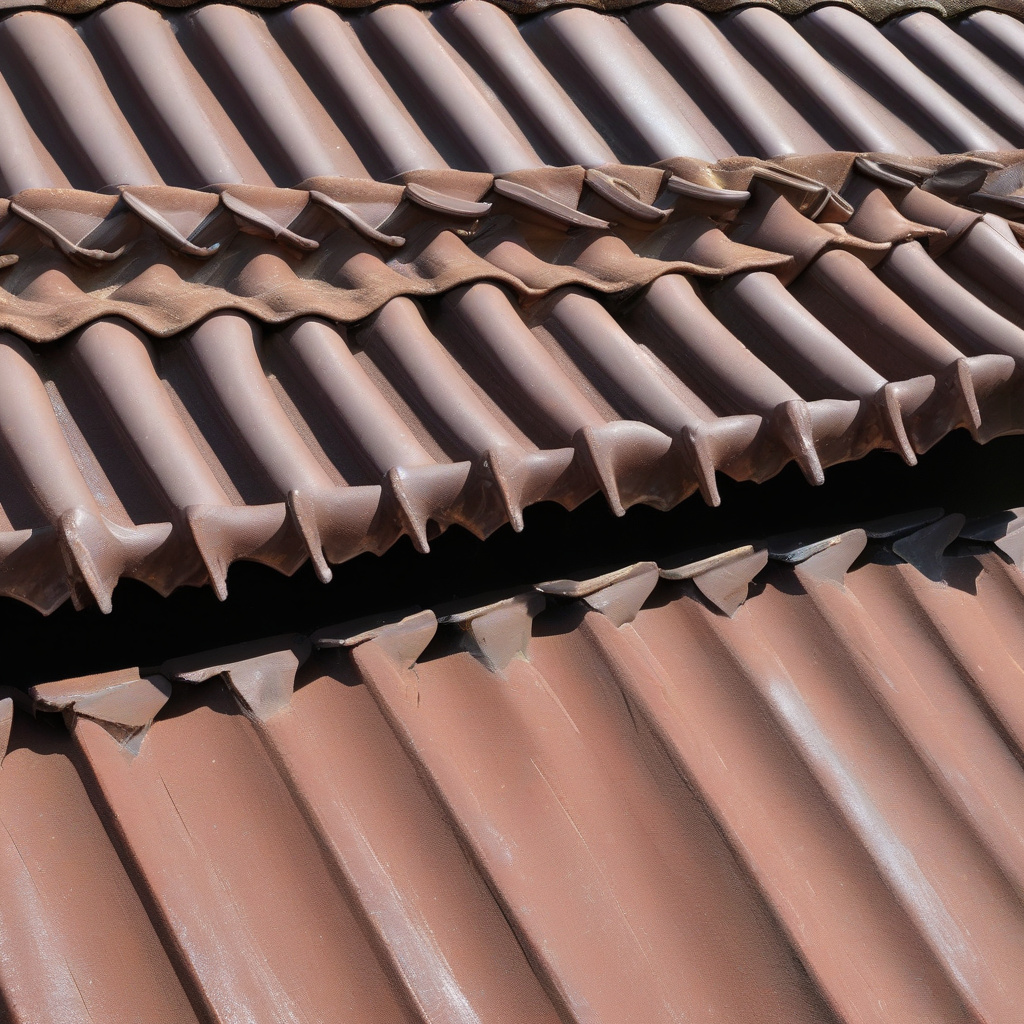
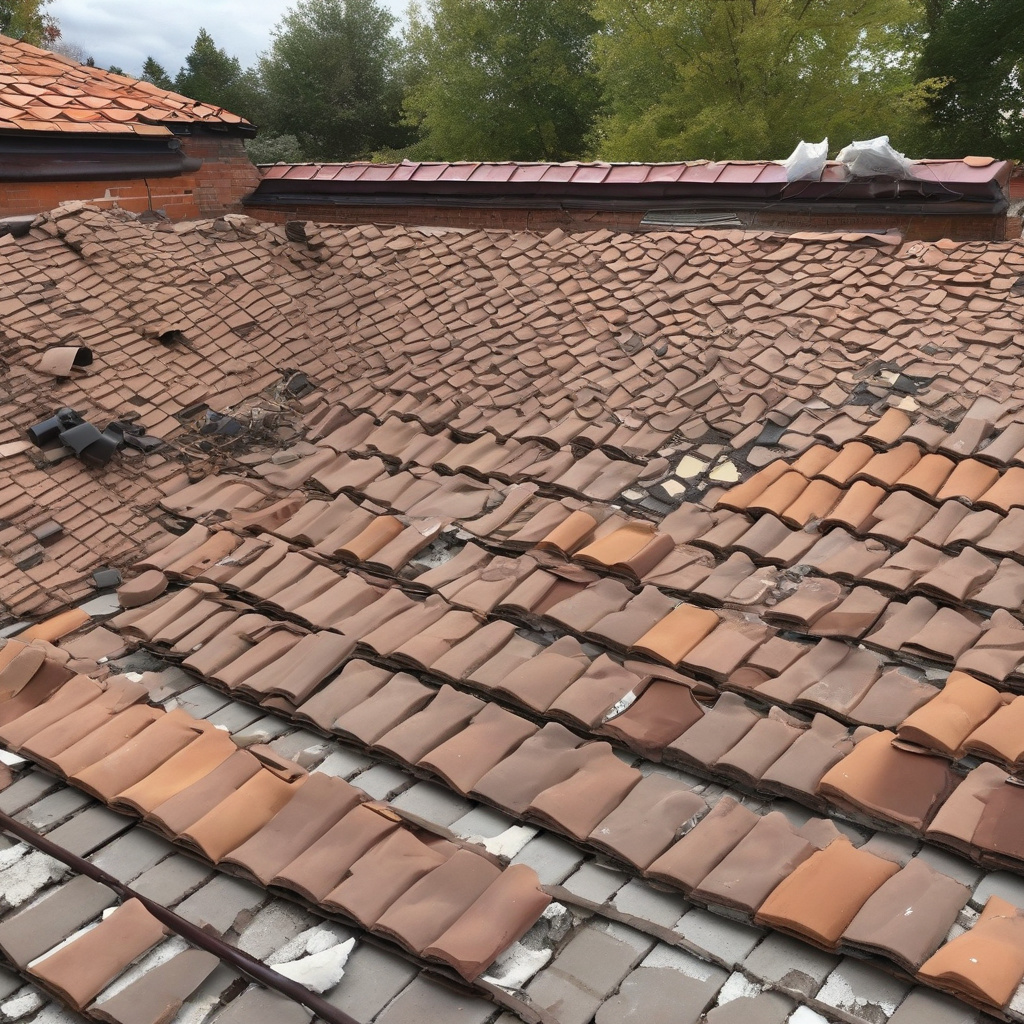
Spanish-style homes are woven into the fabric of Los Angeles, offering both aesthetic appeal and historical significance. Known for their clay tile roofs, ornate ironwork, and expansive archways, these homes transport us to eras where artistry met craftsmanship. However, preserving this charm in the face of necessary repairs, particularly roof replacements, poses significant challenges.
Homeowners in Los Angeles often find themselves balancing nostalgia with reality when considering roof renovations. The authentic tile profiles and materials that define these homes are not only expensive but can also be difficult to source. However, understanding roofing trends and costs in California can provide valuable insights for planning.
The technical skill required to maintain aesthetic continuity in these homes is another critical factor. Craftsmen must have an eye for detail and respect for historical integrity, ensuring new installations seamlessly blend with existing structures. This often means painstakingly sourcing period-appropriate materials and adopting traditional techniques.
Ultimately, the goal is to retain the original charm while meeting modern construction standards. It requires a delicate balance between art and practicality, one that should not be underestimated.
The ultimate reward is a home that not only stands resilient against the elements but also enhances the cultural landscape of Los Angeles.
Understanding the Cost Dynamics
When it comes to historic home renovations, costs can escalate quickly. Spanish-style homes, with their distinctive features, demand specific materials and skills, often translating to higher expenses compared to contemporary homes. Homeowners must budget not just for immediate needs but also anticipate future maintenance costs.
There is a distinct advantage in thoroughly understanding the comparison between different roofing materials. Whether opting for authentic clay tiles or more affordable alternatives like architectural shingles, each choice carries its own set of costs and benefits.
Long-term value is a crucial consideration; while opting for less expensive materials might offer immediate savings, genuine clay tiles tend to provide greater longevity and, potentially, a better return on investment. It’s a complex decision matrix every homeowner must navigate.
Furthermore, the cost of labor in historic Los Angeles neighborhoods can be a significant factor. Expertise doesn’t come cheap, but skilled craftsmanship is essential when authenticity and precision are at stake.
Investing in quality materials and workmanship ensures that the heart of the home—the roof—will protect and preserve its character for generations to come.
Material Choices: Authenticity Meets Modernity
Material selection is foundational in re-roofing Spanish-style homes. Authentic clay tiles, known for their rich hues and durability, are favored; however, they are not without their challenges.
One emerging trend is the use of composite materials that mimic the appearance of traditional clay, providing benefits such as reduced weight and enhanced durability. These alternatives can offer a practical solution, especially when structural integrity is a concern.
Homeowners often grapple with the decision to install glass features that merge old with new. Adding features like skylights can introduce cost and structural considerations, but the infusion of natural light can enhance a home’s charm while increasing energy efficiency.
Ultimately, material choice should reflect both personal taste and pragmatic concerns. Striking a harmony between them can transform the roofing project from a mere necessity into an opportunity for creative renewal.
By carefully considering material options, homeowners can create stunning visual outcomes that endure as they enrich the home’s historical narrative.
Preserving Historical Integrity
Maintaining the historical integrity of a home during renovations is paramount. This process starts with understanding the architecture’s original intention and using this as a guiding principle.
How to Approach a Historical Rooftop Renovation
The first step is comprehensive research to understand the original roofing design. This might include municipal archives or historical photos that can provide insights into architectural intent.
Next, consult with architects or historians specialized in historical architecture. Their insights can guide material selection and ensure alignment with the home’s original character.
Carefully selecting a contractor with experience in historical restorations is crucial. These experts understand the quirks of such projects, from structural challenges to stylistic nuances.
Finally, throughout the renovation, continually reference historical documentation. While it’s tempting to modernize, maintaining fidelity to the original design ensures that the home remains a cultural artifact.
This approach not only respects the past but also creates a home that celebrates its lineage within an ever-evolving cityscape.
According to the National Trust for Historic Preservation, “up to 27% of existing historic homes in the U.S. face significant structural challenges that require specialized renovation approaches.”
Weighing Risks and Rewards
Re-roofing historic homes carries inherent risks, from structural integrity issues to navigating historical preservation regulations. These factors can lengthen project timelines or introduce unexpected costs.
Despite these challenges, the rewards of undertaking such renovations can far outweigh the risks. Owners often find deep personal satisfaction in revitalizing a historic property that is not just a home, but a piece of cultural heritage.
Improved property value is another significant reward. Properties that maintain their historical integrity often excel in the real estate market, attracting buyers with a penchant for originality and character.
Additionally, enhanced energy efficiency achieved through modernized roofing, without compromising historical appeal, offers environmental and financial benefits.
Well-planned renovations endow these homes with renewed life, offering a depth of reward that extends beyond mere financial gains.
Renovation expert Maria Lopez asserts, “Investing in a historic home requires patience and devotion, but it’s a cultural stewardship that sustains our architectural heritage.”
Navigating Inspections and Compliance
Ensuring compliance with building codes and passing inspections are critical stages in the re-roofing process. Whether dealing with zoning laws or historic preservation ordinances, these regulations are crucial.
Homeowners potentially facing inspection challenges can benefit from resources that address navigating failed inspections. Decisive action and consultation with local authorities or experienced professionals can mitigate these hurdles.
Obtaining the necessary permits is often time-consuming, yet integral to a successful project. These permits serve as a tacit endorsement of quality, reassuring both local authorities and prospective buyers.
One must also consider the inspection process during installation. Employing contractors familiar with current codes is imperative, ensuring that the work is compliant from the onset.
The navigation of these processes underpins the success of the entire roofing endeavor, safeguarding the home’s legacy and securing its future.
A recent study highlighted that “historically renovated houses see an average price return on investment of 147% when compliant with local regulations.”
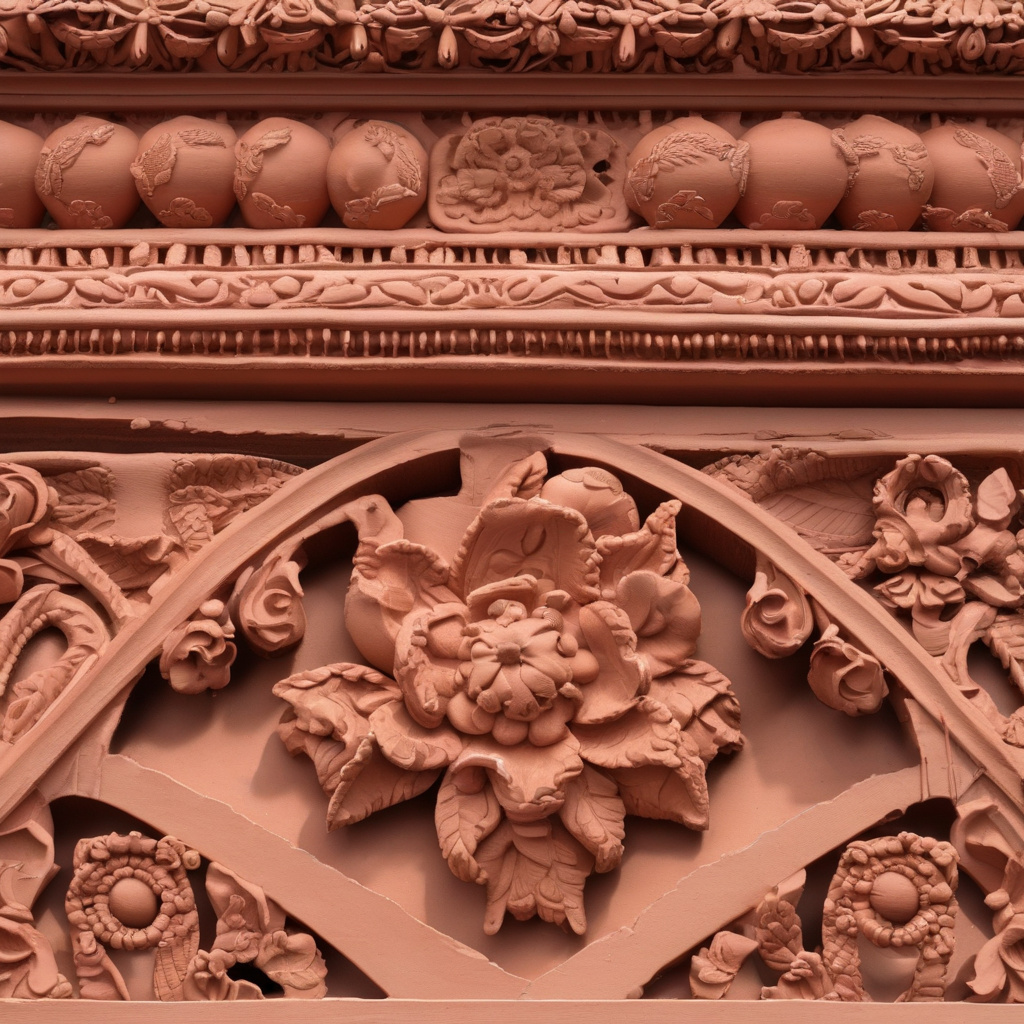
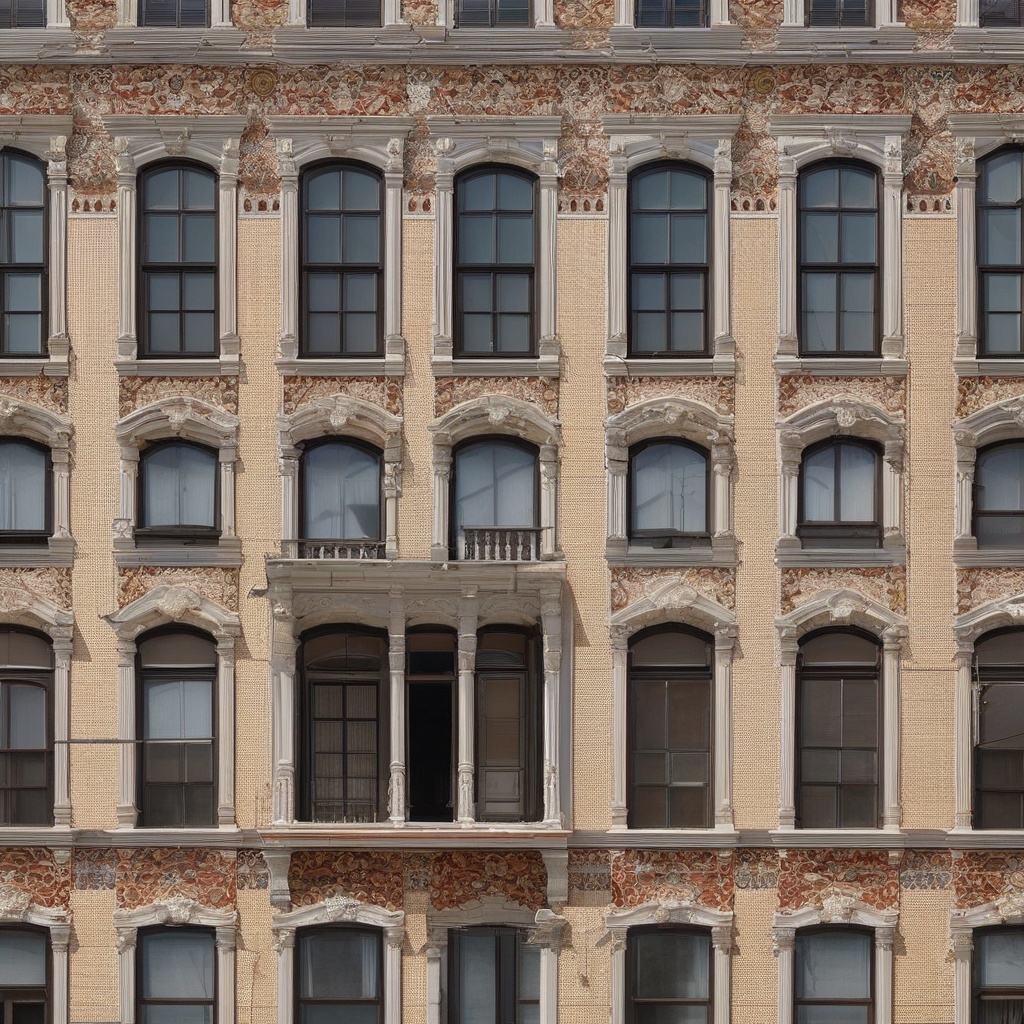
- Preserving historical integrity requires intricate planning and adherence to architectural authenticity.
- Cost considerations are pivotal, embedded in both immediate expenditures and long-term investments.
- Material choices offer a bridge between historical charm and modern efficiency, impacting overall project success.
- Understanding regulations and potential compliance issues can smoothen the renovation journey.
- Historic roof renovations not only enhance property value but also contribute to cultural preservation.
“`html
FAQ
Why is matching tile profiles important when re-roofing historic or Spanish-style homes in LA?
In the intricate process of re-roofing historic or Spanish-style homes, like those dotting the charming neighborhoods of LA, matching tile profiles is crucial. It’s not just about aesthetics; these tiles, with their distinct contours, play an indispensable role in maintaining the architectural integrity. For instance, Spanish Revival homes often feature S-shaped tiles that interlock to create that quintessential Mediterranean look. Failing to match them precisely can disrupt the visual symmetry and even lead to issues like water leakage. Many roofing experts emphasize the importance of skillfully sourcing tiles that replicate the original’s texture and shape, which is critical for both authenticity and functionality.
What should homeowners consider when selecting materials for a Spanish-style roof in Los Angeles?
When choosing materials for a Spanish-style roof, LA homeowners should focus on both durability and aesthetic harmony. Natural clay tiles are often preferred for their traditional look and long lifespan. However, in recent years, composite tiles have gained popularity for their similar appearance and cost-effectiveness. One key consideration is the local climate; materials must withstand LA’s sun and occasional heavy rains. Real experiences tell us that while natural tiles offer authenticity, synthetic alternatives might provide better durability and resistance to weathering. By aligning choices with these factors, homeowners ensure their roofs not only look great but endure the elements.
When is the ideal time to undertake a re-roofing project in Los Angeles?
Timing a re-roofing project in Los Angeles demands careful consideration of seasonal weather patterns. Many experts argue that late spring through early fall is optimal when the weather is most stable. This period minimizes delays caused by unpredictable rain and offers the benefit of longer daylight hours, enabling crews to work efficiently. However, in real renovation scenarios, starting a project in the off-peak season can yield cost savings as contractors are generally less booked and may offer discounts. Therefore, planning ahead and factoring in these temporal dynamics can make a significant difference in both budget and timeline.
What are some common mistakes homeowners make when re-roofing historic homes?
Homeowners often fall into the trap of prioritizing immediate cost savings over long-term value when re-roofing historic homes. A frequent error involves selecting materials that don’t match the original style, leading to a misaligned appearance that diminishes the home’s historic charm. Many underestimate the importance of hiring specialized contractors with experience in historic renovations. These experts understand the nuances of local architectural styles and the regulatory requirements for modifications. In addition, skimping on quality underlayment can result in water damage. Being mindful of these potential pitfalls and investing in the right expertise can preserve both the aesthetic and structural integrity of these cherished properties.
How does re-roofing impact the overall value of a historic property?
Re-roofing can significantly affect the market value of historic properties. On one hand, a well-executed project enhances curb appeal, maintaining the nostalgic allure that attracts buyers. This can lead to a substantial increase in property value. Conversely, improper re-roofing that alters the original style or uses incompatible materials can devalue the home, dissuading potential buyers who appreciate historical authenticity. It’s interesting to observe that in LA’s real estate market, where historic preservation is highly valued, finding the balance between modern functionality and authentic restoration is key to maximizing a property’s inherent worth.
What are the cost considerations for re-roofing Spanish-style homes in LA?
Re-roofing a Spanish-style home in LA can vary greatly in cost depending on several factors. The size of the roof, choice of materials, and labor costs play major roles. Authentic clay or terracotta tiles tend to be more expensive, while composite alternatives offer a more budget-friendly option. Additionally, the complexity of the roof’s design can impact labor costs. Many seasoned renovators advise obtaining estimates from multiple specialized contractors to ensure competitive pricing. Prioritize transparency in the quotes, covering materials, labor, and any potential contingencies. For personalized advice and to explore options, consider reaching out to a local renovation expert.
What are the pros and cons of using synthetic roofing materials on historic homes?
Using synthetic roofing materials offers notable advantages and drawbacks for historic homes. Among the benefits, these materials are often more cost-effective, lighter, and easier to install, reducing overall project time and labor expenses. They also provide enhanced weather resistance, an appealing feature given LA’s climate. However, the downside lies in the potential for diminished historical integrity, as synthetic products can lack the nuanced beauty of genuine materials like clay tiles. Homeowners must weigh the need for authenticity against budget constraints and durability requirements, making it crucial to consult with experts who understand both the aesthetic and practical aspects of historic renovation.
What maintenance or installation specifics should homeowners be aware of with historic-style roofs?
Historic-style roofs require attentive maintenance to preserve their beauty and functionality. Regular inspections are critical, as even minor damage can lead to significant issues like water penetration. Homeowners should ensure debris is cleared from gutters and roof surfaces to prevent dampness and mold. Installation wise, it’s pivotal to engage contractors experienced with historic properties to guarantee that installation respects original designs and uses compatible techniques. In LA, where the sun and occasional rain impose unique stresses on roofing materials, using UV-resistant finishes can extend the lifespan of historic-style roofs significantly, maintaining their charm for years to come.
“`