Rental Property Kitchen Planning
A rental kitchen remodel controls costs best when it preserves the existing layout, repairs usable components, and directs the budget toward durable surfaces, reliable fixtures, practical storage, and finishes that are easy to replace.
The key distinction is between improvements that reduce future maintenance and upgrades that merely make the kitchen look more expensive. Standard-size cabinets, common appliance dimensions, washable finishes, replaceable hardware, and accessible plumbing connections usually offer more value in a rental than custom details that are difficult to repair after tenant turnover.
Budget strategy: Inspect the kitchen before selecting finishes, because water damage, damaged cabinet boxes, outdated wiring, or poorly placed plumbing can change the scope. Keep serviceable layouts and cabinet boxes whenever possible. Spend more on components exposed to moisture, heat, cleaning, and repeated use, while keeping decorative choices simple and widely available.
How Can You Remodel a Rental Kitchen Without Overspending?
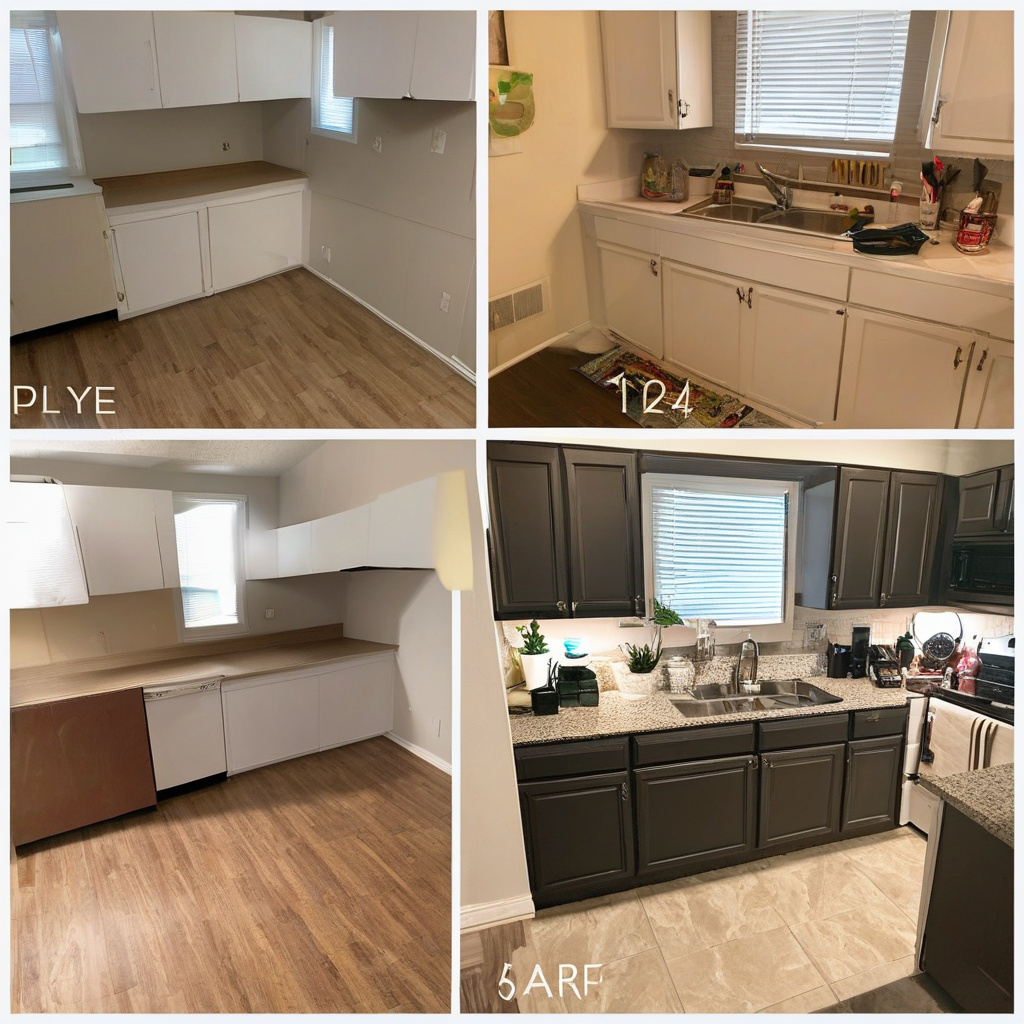
Start by dividing the kitchen into three categories: components that can remain, items that need repair, and features that must be replaced. A stained countertop may require replacement, while solid cabinet boxes with worn doors may only need cleaning, minor repairs, paint, and new hardware. An older appliance can remain if it operates safely and fits the long-term maintenance plan, but a mismatched appliance opening can create repeated installation costs whenever the unit is replaced.
Preserving the sink, range, refrigerator, and dishwasher locations usually provides the strongest form of cost control because moving them can affect cabinets, countertops, flooring, electrical connections, plumbing, ventilation, and permits. A controlled-scope rental kitchen remodeling project should therefore begin with the existing conditions rather than a list of decorative upgrades.
Refresh What Is Sound
Retain stable cabinet boxes, usable countertops, functional appliances, and an efficient layout when their condition supports continued service.
Replace Wear-Prone Parts
Prioritize damaged flooring, swollen cabinet panels, leaking fixtures, failing drawer hardware, and surfaces that cannot be cleaned effectively.
Avoid Unnecessary Custom Work
Use standard cabinet widths, common sink sizes, replaceable faucets, and readily available finishes unless the room has a genuine space constraint.
Choose Materials for Turnover, Cleaning, and Repair
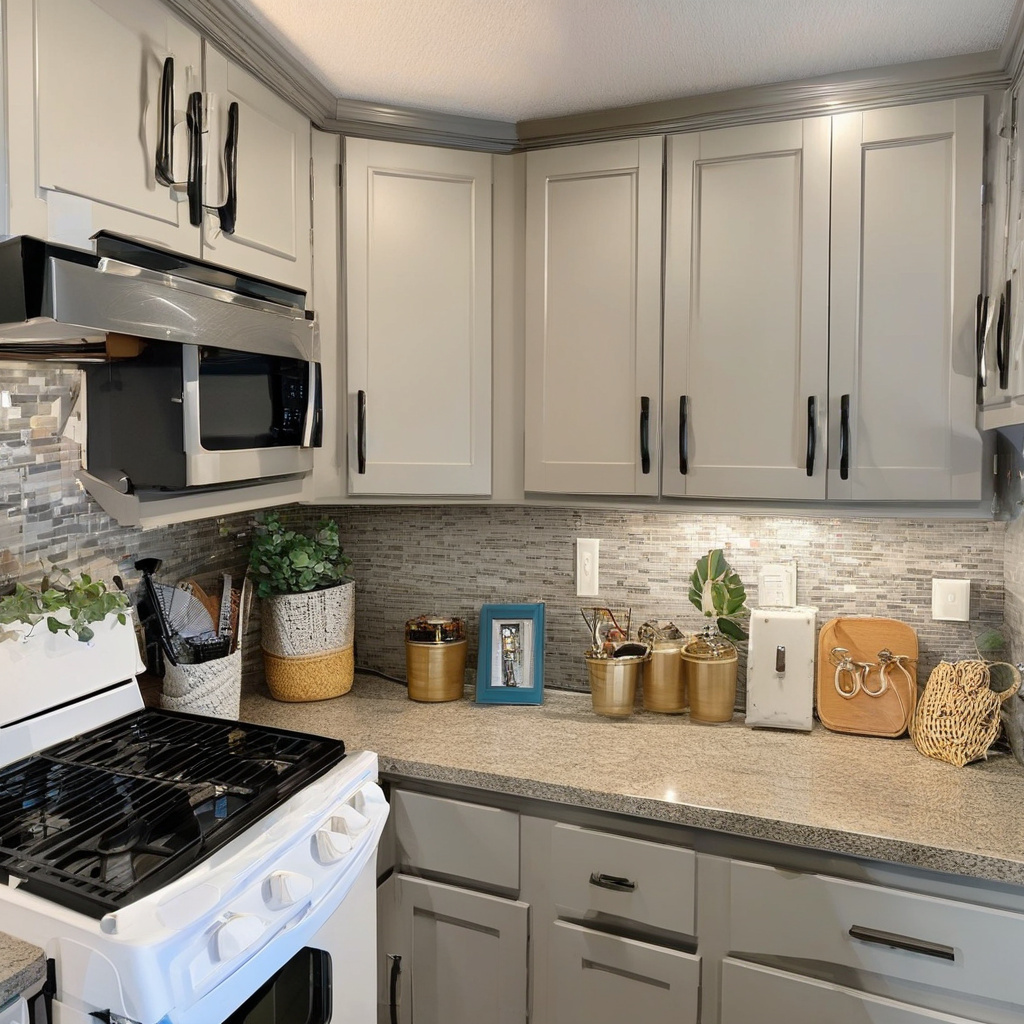
Rental kitchen materials should be selected for repeated cleaning and predictable repairs, not only for their appearance on installation day. Countertop seams, cabinet edges, flooring transitions, sink cutouts, and backsplash joints receive concentrated wear. A lower-priced product is not economical when its damaged section cannot be repaired without replacing an entire run.
Good candidates are finishes with stable availability, straightforward cleaning requirements, and installation methods that do not depend on rare trim pieces or proprietary accessories. The most suitable choice still depends on the substrate, tenant use, moisture exposure, and how easily a local installer can repair the material. A focused review of durable rental kitchen materials can help separate long-term practicality from showroom appeal.
| Kitchen Component | Cost-Controlled Approach | Main Limitation to Check |
|---|---|---|
| Countertops | Use a durable, commonly available surface with simple edges. | Confirm seam placement, heat limitations, sink support, and repair options. |
| Cabinet fronts | Paint or replace doors when the boxes remain dry and square. | Peeling laminate, swollen panels, and loose hinges may require more work. |
| Flooring | Select a washable surface suited to kitchen spills and chair movement. | The subfloor must be flat, stable, and free of unresolved moisture damage. |
| Backsplash | Use a cleanable finish with straightforward cuts and trim. | Poor wall preparation can leave uneven joints and difficult-to-clean edges. |
| Faucet and sink | Choose standard connections and accessible replacement parts. | Countertop openings and cabinet clearance must match the selected fixtures. |
| Hardware | Use consistent handles and hinges available in standard sizes. | Existing hole spacing can limit replacements or require door repair. |
Keep the Existing Layout Unless It Causes a Real Problem
A layout change is justified when the current kitchen blocks appliance doors, lacks a usable work surface, creates unsafe circulation, or cannot accommodate essential storage. It is harder to justify when the only goal is to follow an open-plan trend. Removing a wall or relocating the sink may affect framing, utilities, flooring, cabinet design, ventilation, and adjacent rooms.
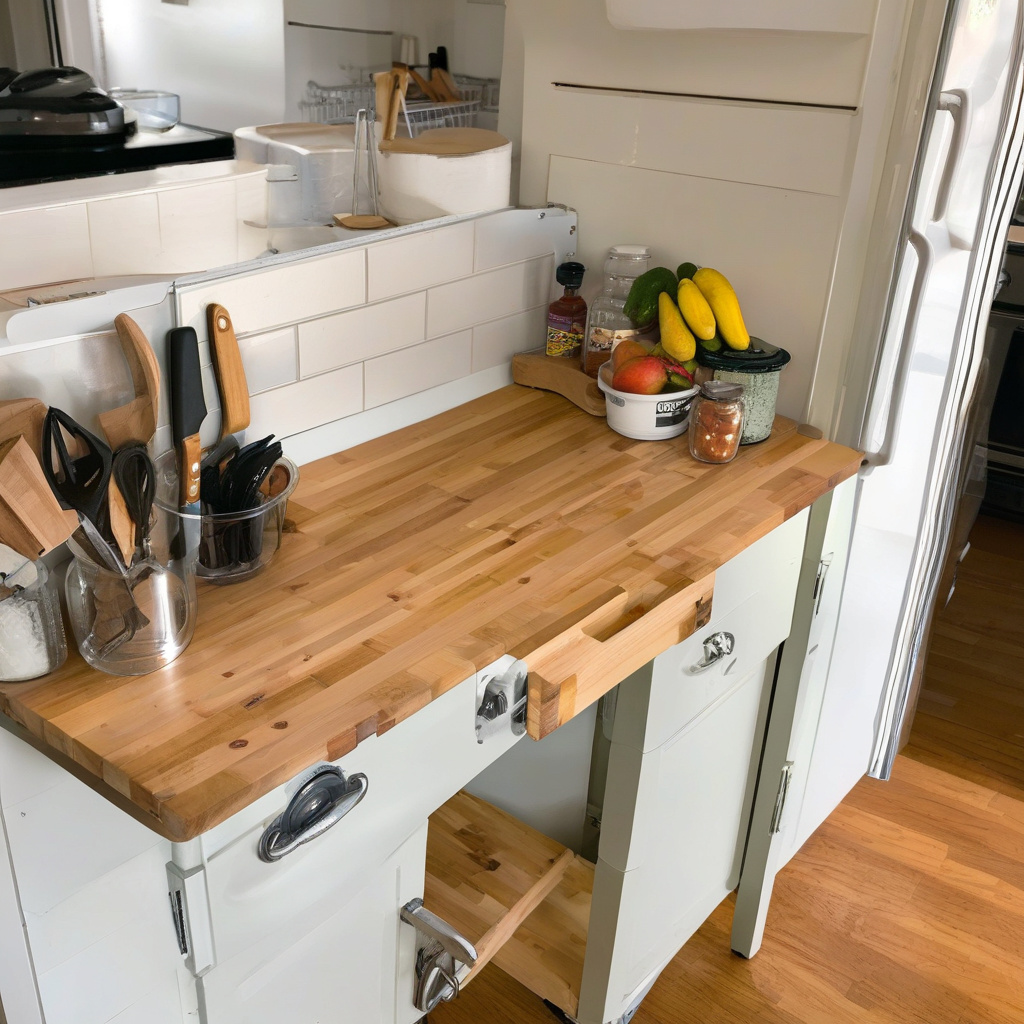
In compact Los Angeles rentals, better function can often come from narrower storage accessories, improved drawer organization, a correctly sized refrigerator, or a movable work surface rather than structural demolition. The design should also leave reasonable access to shutoff valves, appliance connections, and serviceable components.
Keep the Layout
Retaining appliance and plumbing locations makes sense when circulation works, cabinet dimensions are usable, and the kitchen can be updated without opening walls or rebuilding adjacent finishes.
Change the Layout
Reconfiguration may be worthwhile when doors collide, work areas are unusable, required equipment cannot fit, or concealed damage already requires substantial demolition.
Practical note: A visually dated layout is not automatically a bad rental layout. If it supports safe movement, standard appliances, sufficient countertop space, and accessible utilities, refinishing it may control costs better than redesigning it.
Decide Whether to Paint, Reface, or Replace Cabinets
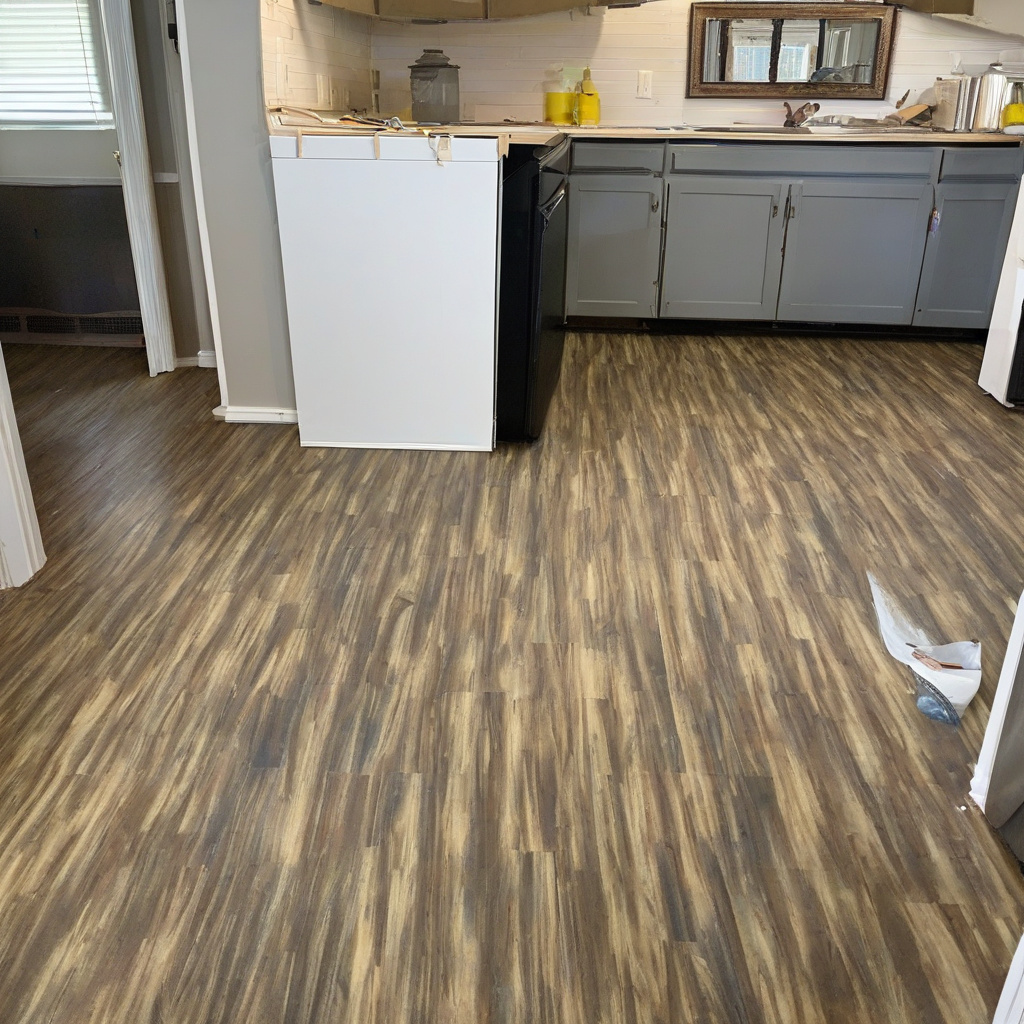
Cabinets often determine whether a rental kitchen needs a cosmetic refresh or a larger renovation. Start with the boxes, not the door style. Check for swelling near the sink, loose wall attachment, damaged drawer tracks, delaminated surfaces, odors, broken shelves, and frames that no longer hold hinges securely.
Painting can work when the boxes and doors are structurally sound, the existing coating can be prepared correctly, and the door profile is still appropriate. Refacing or replacing doors may make sense when the boxes are usable but the fronts are damaged or difficult to coat. Full replacement becomes more practical when multiple boxes have water damage, poor dimensions, failing hardware attachment points, or an inefficient configuration.
Before approving a cosmetic update, compare the preparation requirements involved in painting rather than replacing cabinets. A rushed coating over grease, failing laminate, or damaged substrate may look acceptable briefly but will not correct the underlying condition.
Cabinet Checks Before Requesting a Quote
- Inspect the sink base and nearby panels for swelling, staining, or softness.
- Open every drawer and confirm the slides remain aligned under normal load.
- Check whether hinges tighten securely without pulling out of the door or frame.
- Measure appliance openings before choosing replacement doors or cabinet boxes.
- Confirm whether the existing finish can be cleaned, sanded, primed, and coated properly.
What Affects the Cost of a Rental Kitchen Remodel?
The visible size of the kitchen is only one budget factor. Existing damage, demolition, utility changes, appliance dimensions, cabinet construction, countertop fabrication, wall preparation, flooring transitions, permit requirements, and access to the unit can all change the scope. Work in an occupied building may also require more coordination than work completed between tenants.
- Existing condition: Leaks, deteriorated subflooring, damaged drywall, or unstable cabinets add repair work before finishes can be installed.
- Layout changes: Moving plumbing, electrical connections, ventilation, or gas equipment can involve several trades and inspections.
- Cabinet format: Stock sizes usually control cost better, while unusual walls or appliance openings may require fillers, modifications, or custom pieces.
- Countertop details: Long spans, sink cutouts, seams, wall irregularities, and edge choices affect fabrication and installation.
- Material availability: Readily available products are generally easier to match after damage than discontinued colors or proprietary systems.
- Project coordination: Delivery timing, building access, debris removal, tenant communication, and trade sequencing can influence labor complexity.
Smaller improvements can still change how the kitchen looks and functions when the core construction remains serviceable. Replacing hardware, correcting lighting, refinishing walls, repairing drawers, renewing sealant, or changing a worn faucet may be more appropriate than full demolition. These targeted budget kitchen upgrades should be prioritized by condition rather than by how quickly they can be installed.
Standard Sizes Make Future Maintenance Easier
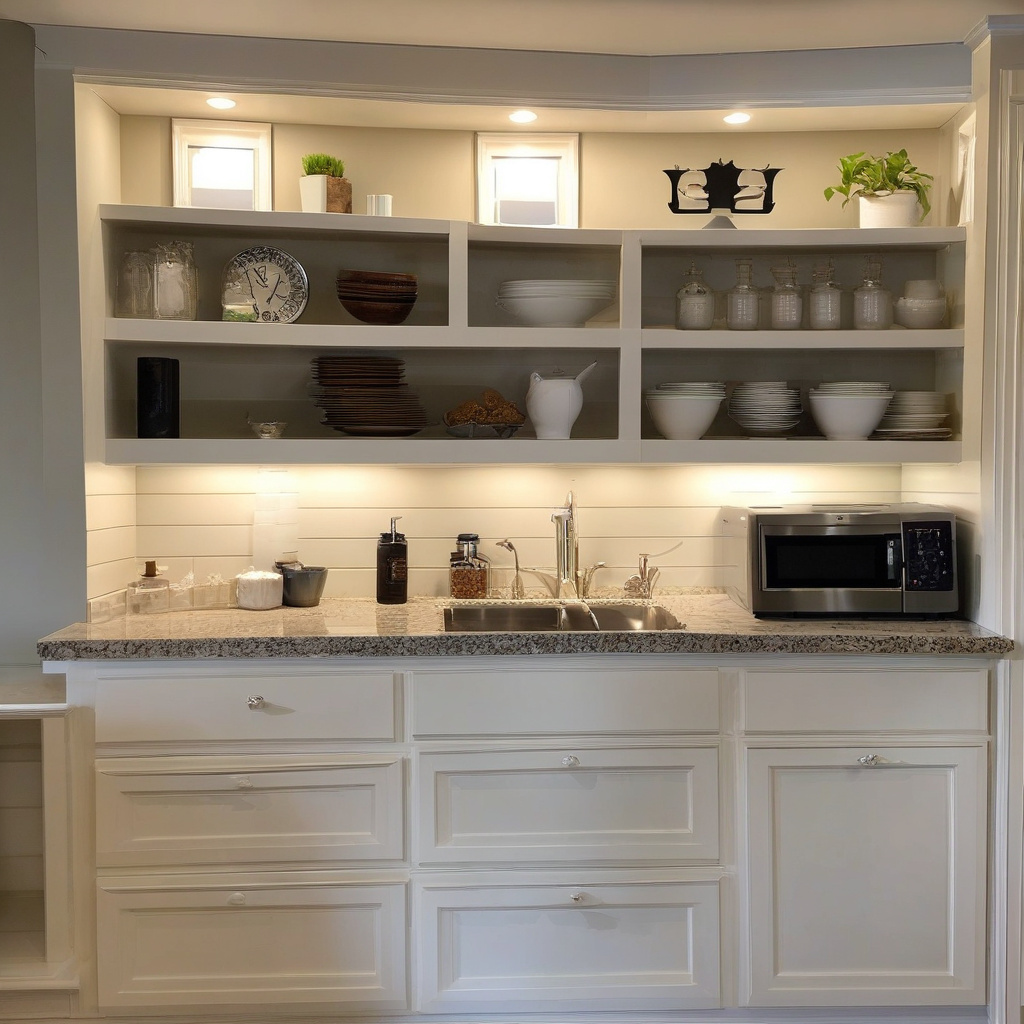
A rental kitchen should not require custom fabrication every time an appliance, door, drawer, or fixture fails. Standard-width cabinet boxes, familiar hinge patterns, common sink openings, accessible faucet connections, and conventional appliance spaces make future replacement more predictable. This is especially useful when a repair must be completed during a short turnover period.
Stock cabinets can suit straight walls and common room dimensions, while custom work may be justified around unusual corners, sloped ceilings, narrow infill areas, or utility conflicts. Semi-custom components can provide intermediate sizing without making every part unique. Comparing cabinet options for different budgets is most useful after the room has been measured and the existing walls have been checked for irregularities.
Do not force a standard cabinet into a space that blocks an appliance, covers an access panel, or leaves an unusable filler gap. Cost control comes from reducing unnecessary customization, not from ignoring site conditions.
Coordinate Plumbing, Electrical, Ventilation, and Permits Early
Cosmetic work may remain straightforward, but replacing or relocating electrical, plumbing, gas, ventilation, or permanently installed lighting can introduce code and permit requirements. The applicable process depends on the property type, jurisdiction, existing installation, and exact scope. Los Angeles projects should be reviewed against current local requirements before walls are closed or equipment is ordered.
When plumbing, electrical, and carpentry are combined under one remodeling contract, contractor licensing and trade coordination should be verified. Changes should be documented in the written scope rather than handled as informal verbal additions. The contractor should also identify which inspections, product documentation, and access arrangements apply to the unit.
Owners can safely document visible conditions, model numbers, dimensions, leaks, damaged finishes, and operational problems. They should not open electrical panels, alter gas piping, bypass permits, or conceal water damage behind new cabinets. Conditions inside walls cannot be confirmed from appearance alone.
Rental Kitchen Mistakes That Increase Long-Term Cost
The most expensive mistakes often begin with a decision that appears economical. Installing new countertops over failing cabinets, painting swollen doors, ordering appliances before measuring openings, or covering damaged flooring without correcting the substrate can shift rather than solve the problem.
Another common error is combining products that are difficult to service. A faucet without readily available parts, a discontinued cabinet color, an unusual sink size, or flooring that cannot be patched may turn a small future repair into broad replacement. Highly textured backsplashes, deep cabinet grooves, and delicate surfaces can also increase cleaning demands between tenants.
Avoid reducing useful storage simply to create a more open appearance. Removing upper cabinets may improve sightlines in a small room, but it can also move dishes and countertop appliances into visible work areas. Likewise, adding an oversized island can narrow circulation and interfere with refrigerator, oven, or dishwasher doors.
Build the Scope Around Condition and Maintenance
Before collecting proposals, prepare one written list showing what will remain, what must be repaired, and what may be replaced depending on inspection. Include cabinet dimensions, appliance openings, countertop length, sink size, flooring transitions, wall condition, utility locations, ventilation, and known leaks. Ask each contractor to price the same scope so differences are easier to evaluate.
The proposal should distinguish demolition, disposal, preparation, materials, installation, utility work, permit responsibility, protection of adjacent areas, and correction of concealed damage. Product selections should include enough detail to prevent vague substitutions. For a rental property, the final review should also confirm that doors and drawers operate correctly, fixtures do not leak, appliances can be removed for service, sealant is complete, and all retained surfaces are cleanable.
- Control rental kitchen costs by preserving the layout and repairing sound components.
- Choose materials by cleanability, repairability, and replacement availability.
- Do not install new finishes over damaged cabinets, walls, or subflooring.
- Use licensed professionals when the work affects utilities, structure, or permits.
- Document dimensions and existing conditions before requesting comparable proposals.
Frequently Asked Questions
What should be replaced first in an outdated rental kitchen?
Begin with components that are unsafe, leaking, unstable, difficult to clean, or likely to damage surrounding materials. A failed faucet, swollen sink cabinet, loose countertop, damaged flooring, or unreliable electrical fixture takes priority over color changes. After those issues are defined, improve the most visible serviceable elements, such as cabinet fronts, lighting, wall finish, and hardware. Condition should determine the sequence rather than appearance alone.
Is it cheaper to paint rental kitchen cabinets or replace them?
Painting is usually the smaller scope when cabinet boxes and doors remain dry, stable, cleanable, and capable of holding hardware. It becomes less practical when panels are swollen, laminate is peeling, drawers no longer align, or several boxes have been modified poorly. Proper cleaning, surface preparation, primer selection, and curing are part of the painting scope. A low-cost coating applied over contamination or damage may fail prematurely.
What countertop is practical for a rental property kitchen?
A practical rental countertop has a cleanable surface, durable edges, manageable seam locations, and a replacement path that fits the cabinet quality. The best category depends on heat exposure, sink configuration, span, maintenance expectations, and local fabrication options. Avoid choosing solely by appearance. Confirm how the material handles stains, impact, hot cookware, damaged edges, and future sink or faucet replacement before approving it.
Should a landlord move appliances during a kitchen remodel?
Appliances should usually remain in their established locations when the layout works and the connections are serviceable. Relocation may affect cabinets, counters, flooring, electrical work, plumbing, ventilation, or gas service. It is more defensible when the existing arrangement blocks doors, lacks usable work space, creates poor circulation, or cannot fit an appropriate replacement appliance. The complete construction impact should be reviewed before changing the plan.
Are stock cabinets suitable for a rental kitchen remodel?
Stock cabinets can work well when the walls, appliance openings, and plumbing locations suit standard dimensions. Their repeatable sizes can simplify ordering and future replacement. They may require fillers or modifications in rooms with uneven walls, narrow corners, unusual ceiling conditions, or utility conflicts. Cabinet construction, finish durability, shelf support, drawer hardware, and moisture protection around the sink still matter more than the stock label alone.
Can a rental kitchen be improved without full demolition?
Yes, when the layout and underlying construction remain serviceable. Cabinet repair, repainting, door replacement, new hardware, improved lighting, wall refinishing, drawer organization, faucet replacement, and selective countertop or flooring work can produce a meaningful update. Partial work should not conceal leaks, deteriorated substrate, unsafe connections, or unstable cabinetry. Inspect the retained components first so the cosmetic scope does not depend on materials that are already failing.
Does a Los Angeles rental kitchen remodel require a permit?
Permit needs depend on the property, jurisdiction, and work being performed. Surface refinishing may be treated differently from changes to plumbing, electrical systems, gas equipment, ventilation, walls, or permanently installed lighting. The current requirements should be confirmed before construction begins, particularly when utilities are relocated or concealed work is planned. The responsible contractor should identify permit and inspection duties clearly in the written scope.
How should rental kitchen remodeling proposals be compared?
Compare proposals only after each contractor receives the same measurements, retained-item list, product expectations, and repair assumptions. Check whether demolition, disposal, surface preparation, utility work, permits, protection, delivery, installation, and concealed damage are included or excluded. Product descriptions should be specific enough to identify cabinet construction, countertop category, flooring system, fixtures, and hardware. A lower total may simply represent a narrower or less clearly defined scope.