In the heart of Los Angeles, where space is at a premium and the sun seems to shine perpetually, homeowners are turning their eyes outdoors, seeking to transform their patios into elegant yet functional retreats. With a budget cap of under $10,000, these makeovers are grounded in creativity and practicality, eschewing major construction for strategic upgrades that elevate outdoor living spaces without breaking the bank.
Brief summary: This article explores budget-friendly patio makeover ideas under $10,000 that focus on strategic upgrades like resurfacing, lighting enhancements, and modular furniture. It highlights practical tips, real-life scenarios from Los Angeles, and industry trends to inspire homeowners seeking to refresh their outdoor living areas efficiently.
Smart Resurfacing: The Backbone of Budget Makeovers
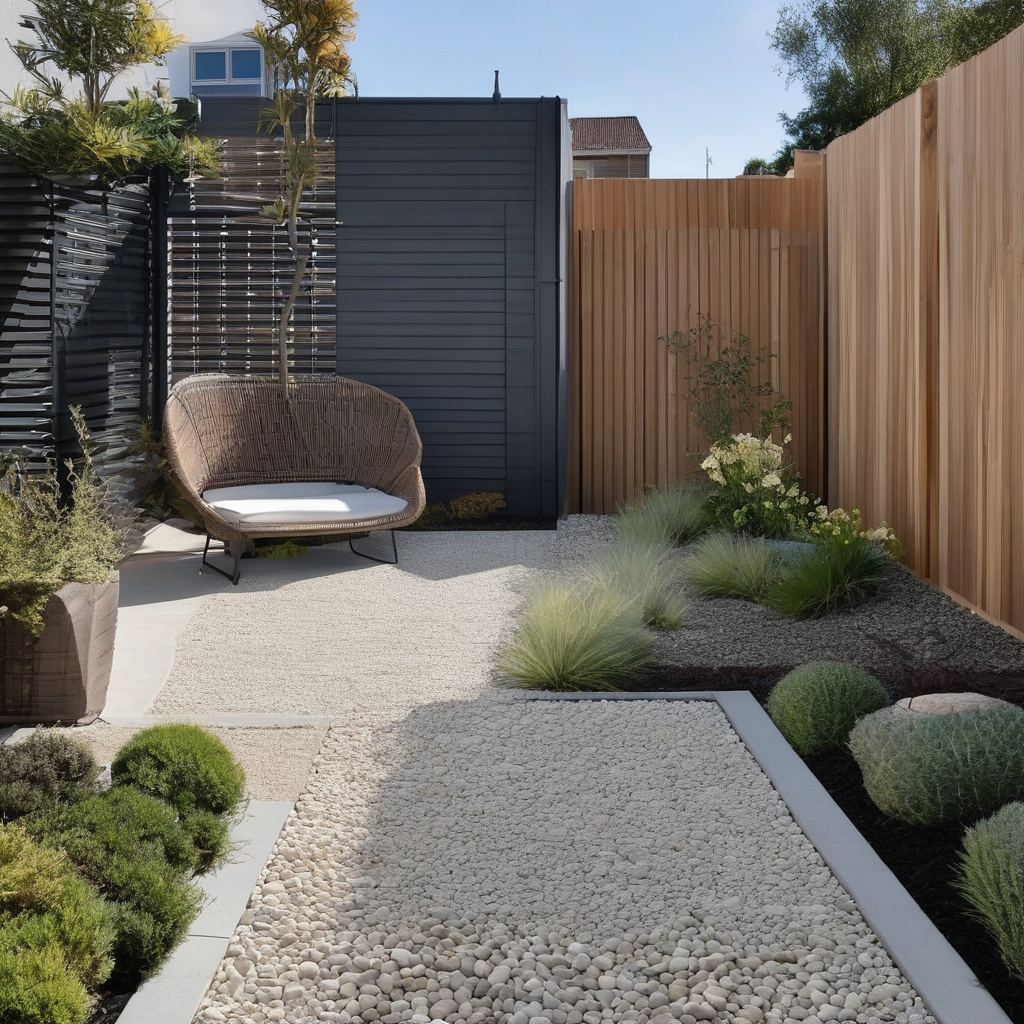
Resurfacing old or worn-out patio floors can be a game changer. In Los Angeles, where style meets practicality, accessible materials such as concrete, composite decking, and even eco-pavers are trending. These materials offer durability against the elements and require minimal maintenance, aligning perfectly with both budget and aesthetics. Many homeowners choose to color-treat or stamp these surfaces, injecting a personal touch while keeping costs contained.
One Los Angeles couple transformed their dusty, cracked patio into a sleek minimalist slab using concrete resurfacing. They opted for a polished finish, reflecting both the Californian sunshine and their modernist taste. This method not only renewed their patio’s functionality but significantly boosted their home’s curb appeal at a fraction of new installation costs.
Another innovative trend is the use of outdoor tiles. These can easily cover imperfections, offering stylistic flexibility and enabling unique designs that mimic natural stone or wood. For more about tiles suitable for the outdoors, see our guide to tile options that fit outdoor spaces seamlessly.
The rewards of patio resurfacing include an immediate aesthetic uplift and long-term durability, proving that with thoughtful selection, budget constraints do not necessarily limit design potential.

Let There Be Light: Upgrading Ambiance with Illumination
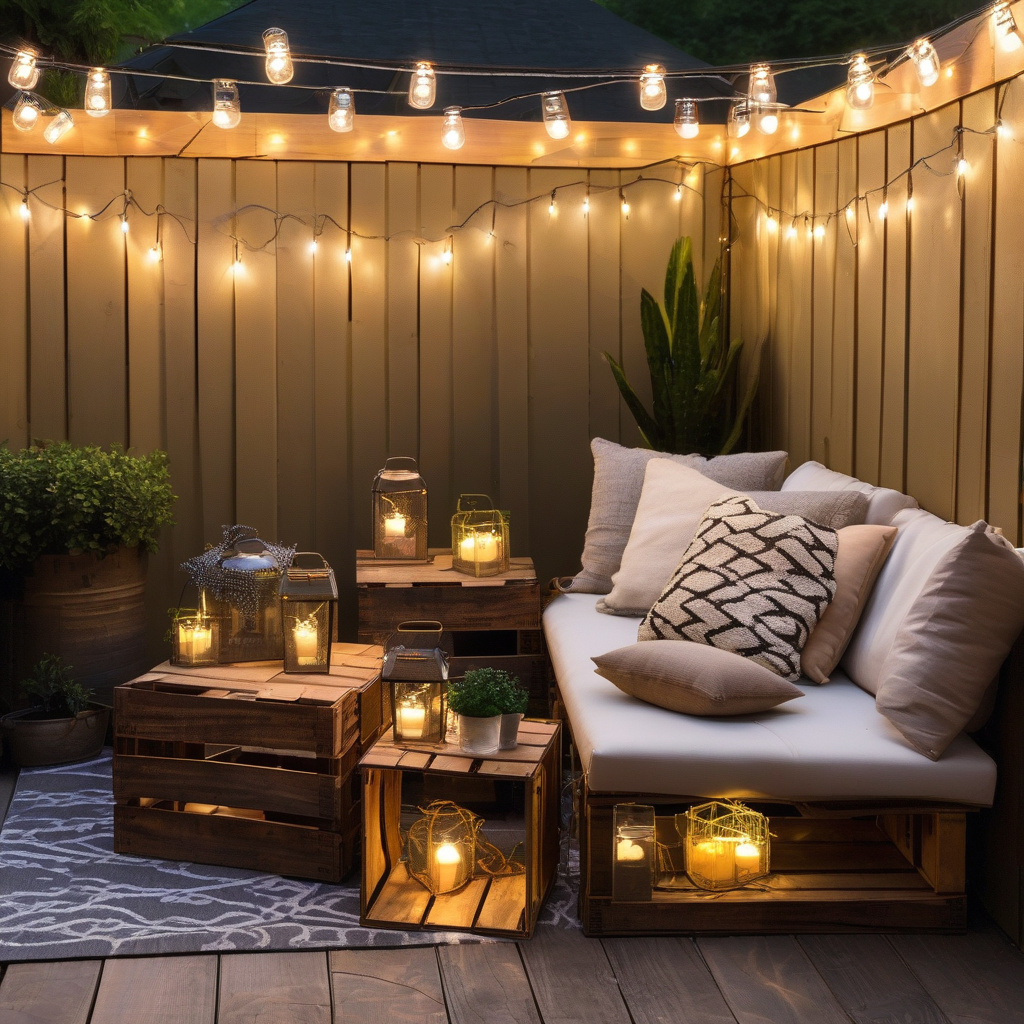
Lighting is the silent hero of any patio transformation. Proper illumination can carve out mood and character, nurturing an atmosphere where family dinners or weekend gatherings come alive under the stars. Los Angeles residents are embracing solar-powered lights, LED string lights, and lanterns to craft luminous ambiances that are both eco-conscious and easy on the pocket.
A Pasadena resident transformed his small backyard into a chic, well-lit oasis by draping LED string lights across an otherwise simple deck structure. This simple addition instantly set the scene for evening gatherings, with little electricity cost to show for it. Meanwhile, solar path lighting has been another favorite for pathways and garden borders, drawing soft outlines that enhance night-time safety and beauty.
Homeowners are also exploring smart lighting systems. Options like app-controlled LEDs bring high-tech solutions to classic spaces, allowing for customization of lighting intensity and color with the swipe of a smartphone. It’s this blend of tradition and innovation that continues to inspire savvy renovations in Southern California.
Ultimately, the right lighting can transform an ordinary patio into an extraordinary retreat, proving essential in any budget-friendly makeover plan.
Modular Furniture: Flexible Form Meets Function
Furniture can often be the centerpiece of any attractive patio design. In crowded cities like LA where adapting to limited space is key, modular furniture has risen to the forefront of patio design trends. These adaptable pieces can be reconfigured to fit various uses, from intimate coffee corners to expansive dining areas at a moment’s notice.
For an Echo Park family, a modular sofa set redefined their backyard. By day, it offered ample seating for their children’s playdates; by evening, it transformed into a cozy nook for adult gatherings. Their choice underscored a growing sentiment across the city: flexibility is the cornerstone of effective outdoor design.
Popular materials for modular furniture include weather-resistant wicker, durable aluminum, and treated wood. These materials withstand Los Angeles’ temperate climate, ensuring longevity while offering style versatility. For a playful touch, colorful cushions and throws can complement any scheme, refreshing the look with each season.
On balance, modular pieces marry style and practicality, confirming that adaptable, cost-effective furnishing solutions are a smart choice for spaciousness and diversity in outdoor living.
Integrating Nature: Beyond the Concrete Jungle
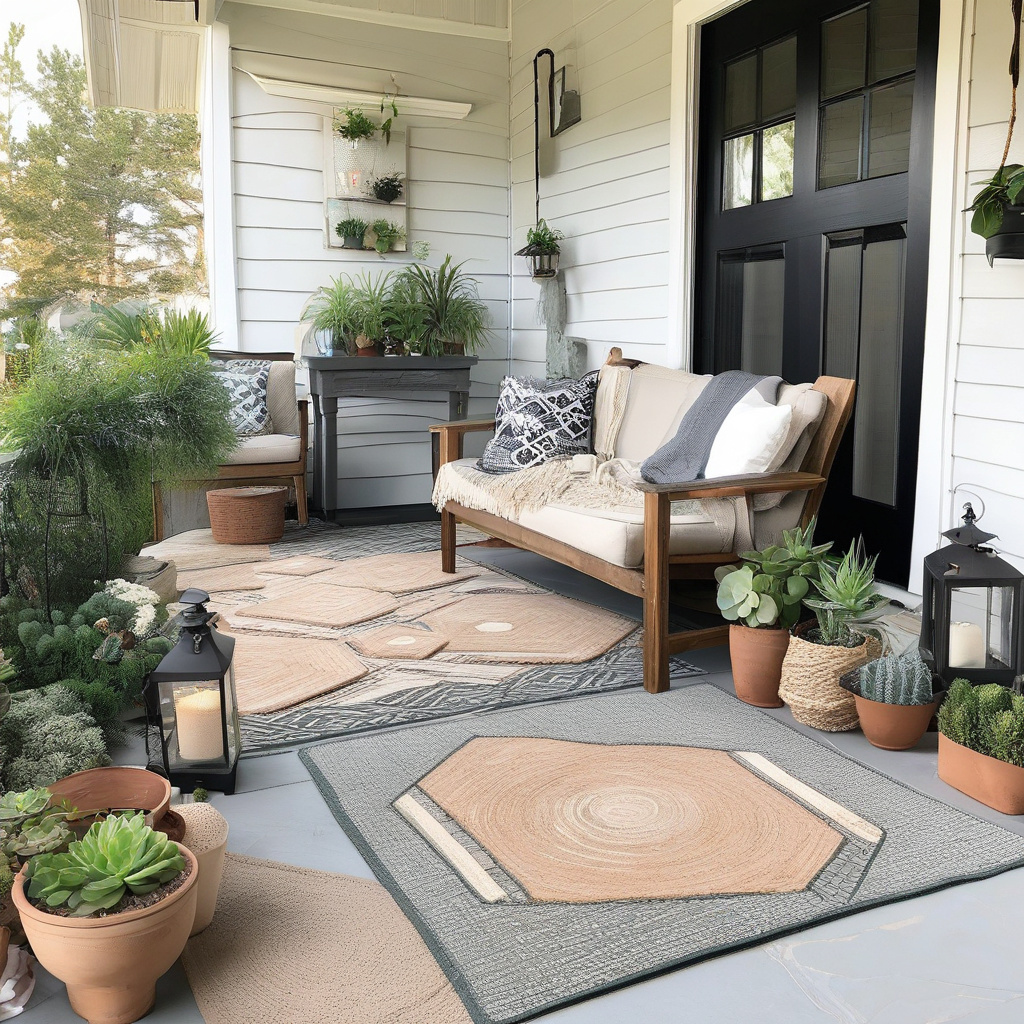
Adding green elements can significantly enhance your patio’s appeal, embracing the natural splendor of Southern California. While large landscapers might sound appealing, wallet-friendly options such as potted plants, vertical gardens, and small trees are reshaping Los Angeles patios efficiently.
For instance, a Venice-based homeowner utilized vertical planters along their patio fences to cultivate a lush, private backdrop. These living walls not only improved aesthetics but fostered a vibrant, refreshing feel amidst the city. Such design choices leverage limited floor space, allowing for ample greening without imposing on precious room.
Succulents, native to California, offer another budget-friendly approach with minimal water requirements, aligning with local environmental consciousness while introducing rich texture and color variations to any layout.
Ultimately, integrating nature effectively arches back to the fundamental tenet of outdoor design: harmonizing with the environment rather than overwhelming it. For more indoor-outdoor integration tips, visit our comprehensive section on current deck and patio trends.
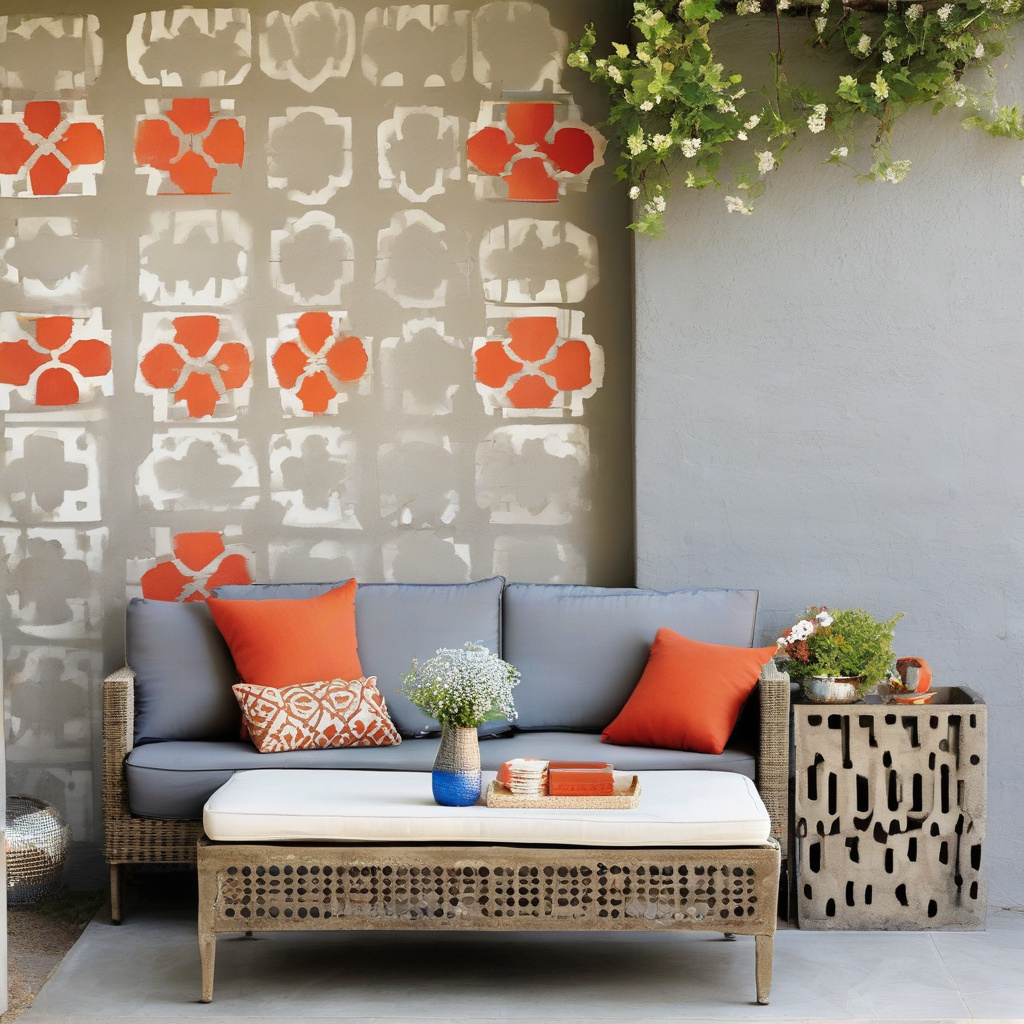
Deciphering Design: Planning and Layout Considerations
Before picking up a tool, strategic layout planning can determine the success of a patio makeover. Homeowners might start by sketching a plan that aligns with usage goals, from lazy loungers to dynamic family spaces. Many turn to modular plans to offer flexibility, allowing for easy updates as the needs of families shift and grow.
A Los Angeles homeowner might, for example, structure a shaded area for their children’s play, integrating items such as a sandpit or an all-weather mat. For inspiration on family-focused outdoor modifications, read our insights on creating a playful shaded space.
Meanwhile, incorporating existing landscape features, such as trees or walls, into the design not only economizes elements but provides organic focal points that enhance the overall experience without additional cost.
Ultimately, planning lies at the heart of successful patio makeovers—bringing a thoughtful, measured approach ensures functionality meets design, paving the way for a space that feels serendipitously complete.
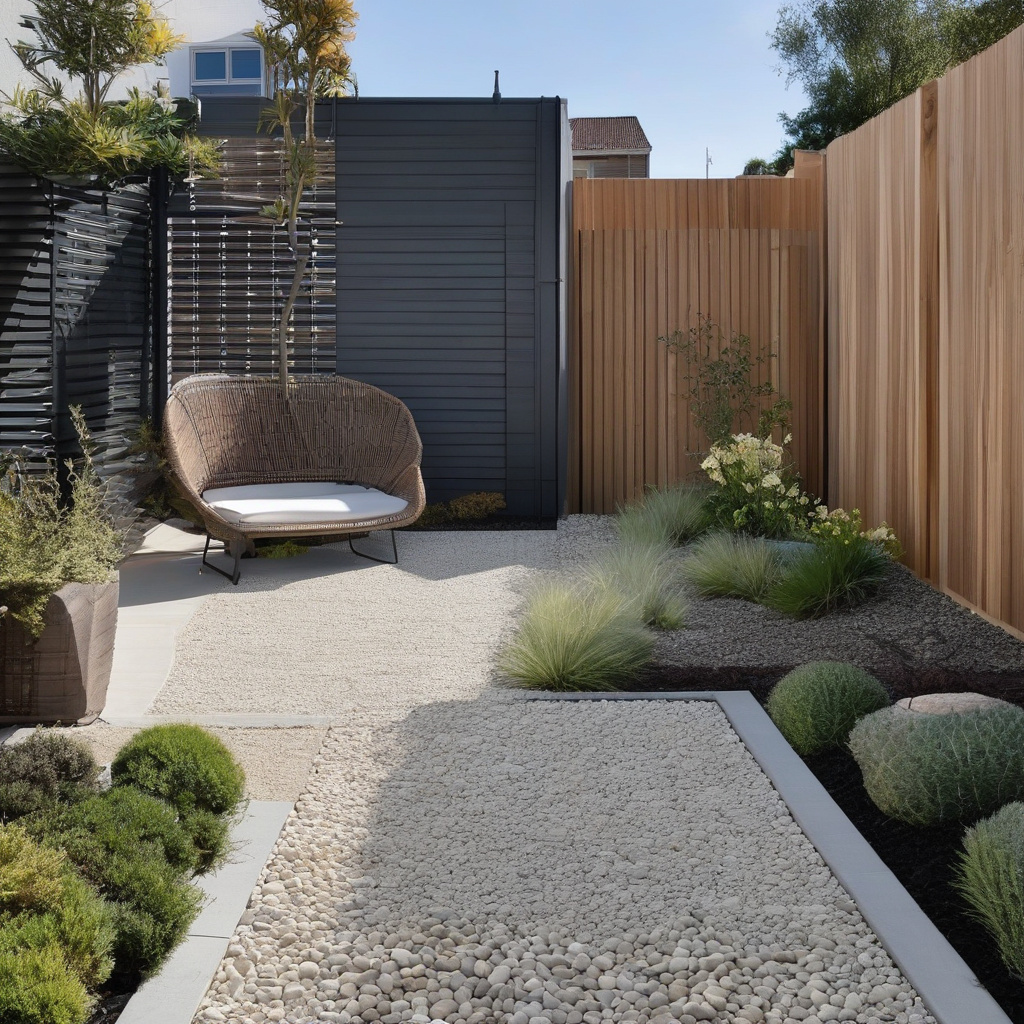
Patio Makeover Comparison: Costs and Benefits
When comparing patio renovation options, the primary consideration often circles cost-effectiveness versus the desired impact. For a clear visual understanding, consider the elements below that summarize key aspect transformations within various budget frameworks.
| Renovation Option | Material Cost | Installation Ease | Durability | Overall Impact |
|---|---|---|---|---|
| Concrete Resurfacing | $3,000–$5,000 | Medium | High | High |
| LED Lighting Installation | $500–$1,500 | Low | Medium | Medium |
| Modular Furniture Setup | $2,000–$4,000 | High | Medium | High |
According to the American Society of Interior Designers, spending on outdoor enhancements rose by 19% in 2022, reflecting heightened consumer focus on outdoor livability.
Ultimately, the pathway to a budget-conscious patio renovation in Los Angeles centers around maximizing the aesthetic and functional potential of each dollar spent. With judicious decisions and a focus on adaptability, homeowners can fold luxury into affordability, crafting spaces that invite relaxation and joy.
- Explore eco-friendly materials for cost-effective patio renovations.
- Modular furniture offers space-saving and versatile solutions.
- Lighting upgrades dramatically enhance evening usability.
- Integrating greenery personalizes and energizes outdoor areas.
- Strategic planning ensures functional and aesthetic outcomes.
“`html
FAQ
What are some budget-conscious patio resurfacing options?
In real renovation projects, resurfacing often provides an impactful transformation at a fraction of the cost of full-scale construction. Options like stamped concrete and stone-look pavers mimic high-end materials without the expense. For instance, stained or painted concrete can rejuvenate a worn patio while being cost-effective. Homeowners frequently underestimate the visual boost brought by these upgrades. A practical tip is to explore local suppliers, as sometimes they offer remnants or discounts that can further reduce costs.
How can lighting upgrades enhance a patio space?
Lighting plays a pivotal role in setting the mood and function of an outdoor area. Many experts point out that well-planned lighting can transform a plain patio into an inviting nighttime haven. String lights provide a whimsical touch, while solar-powered stakes are both eco-friendly and budget-friendly. In older properties, updating existing fixtures with energy-efficient LEDs not only enhances aesthetics but also reduces long-term costs. A thoughtful approach is to mix layer different light sources, combining overhead lighting with ambient fixtures, to create a cozy atmosphere.
What is the advantage of using modular furniture for a patio makeover?
Modular furniture is a boon for those looking to tailor their patio spaces without committing to custom-built solutions. The flexibility to rearrange pieces allows homeowners to adapt to different needs, whether hosting a large gathering or enjoying a quiet evening. Many homeowners find these pieces particularly advantageous for evolving families or rentals. However, one should consider the elements, as some modular materials, like non-treated wood, may weather faster. A common mistake is overlooking storage for cushions; investing in a weather-resistant storage box can extend the life of your investment.
What cost considerations should be taken into account for a patio makeover under $10,000?
When working with a budget of $10,000, allocation becomes critical. A significant portion should be devoted to structural necessities like resurfacing or foundational repairs. It’s essential to prioritize durable materials over decorative elements which can be updated later. Failure to balance between splurging on furniture vs. sustainable materials can lead to disappointments. Many experts recommend first tackling issues that may worsen over time, like drainage, before investing in aesthetic upgrades. This strategic approach prevents future unexpected costs.
How can one choose the right material for patio upgrades?
Choosing the right material is a blend of aesthetics, practicality, and climate considerations. In sunny states like California, UV-resistant materials are essential to prevent fading. While natural stone might appeal for its timeless look, many homeowners find concrete overlays or pavers offering similar looks at reduced costs. A common mistake is not factoring in maintenance; for instance, wood requires regular sealing, unlike composite materials. Consulting renovation professionals can offer insights about material longevity and long-term maintenance costs, aiding better decision-making. For specific queries, you might want to explore ways to enhance your outdoor area responsibly through expert advice.
What are the typical mistakes homeowners make during a patio makeover?
Homeowners frequently underestimate the importance of planning and tend to dive into purchasing without a coherent vision. Many overlook the necessity of integrating the patio with the home’s style, resulting in a disjointed look. It’s also common to neglect uses beyond summer, missing out on heating and adequate shelter, which could increase utility throughout the year. Additionally, without professional consultation, the risk of choosing unsustainable practices or materials increases. Enlisting an expert eye ensures a blend of style, function, and sustainability, aligning with current trends and home value enhancement.
What are the benefits and limitations of a non-stationary patio design?
Non-stationary designs offer adaptability and ease of reconfiguration which is invaluable for those who entertain frequently. It enables personalization, making the space versatile for various occasions. However, the downside includes potential instability in high winds or weather events and the need for more frequent arrangement adjustments. Many experts note the convenience of moving pieces during extreme weather, which minimizes wear and tear. Although it lacks the permanence of built-in options, its flexibility is unmatched.
How can a homeowner maintain upgrades to ensure longevity?
Maintaining patio upgrades requires regular checks and a proactive approach. Sealing surfaces annually can protect against weather damage, while regularly inspecting for wear such as cracks or loose pavers prevents small problems from escalating. Many homeowners neglect to clean outdoor fabrics, yet seasonal maintenance prevents mildew and discoloration. It’s wise to invest in covers for furniture during inclement weather. Such protective measures extend the life of the patio, ensuring the initial investment provides comfort and enjoyment for many years.
“`