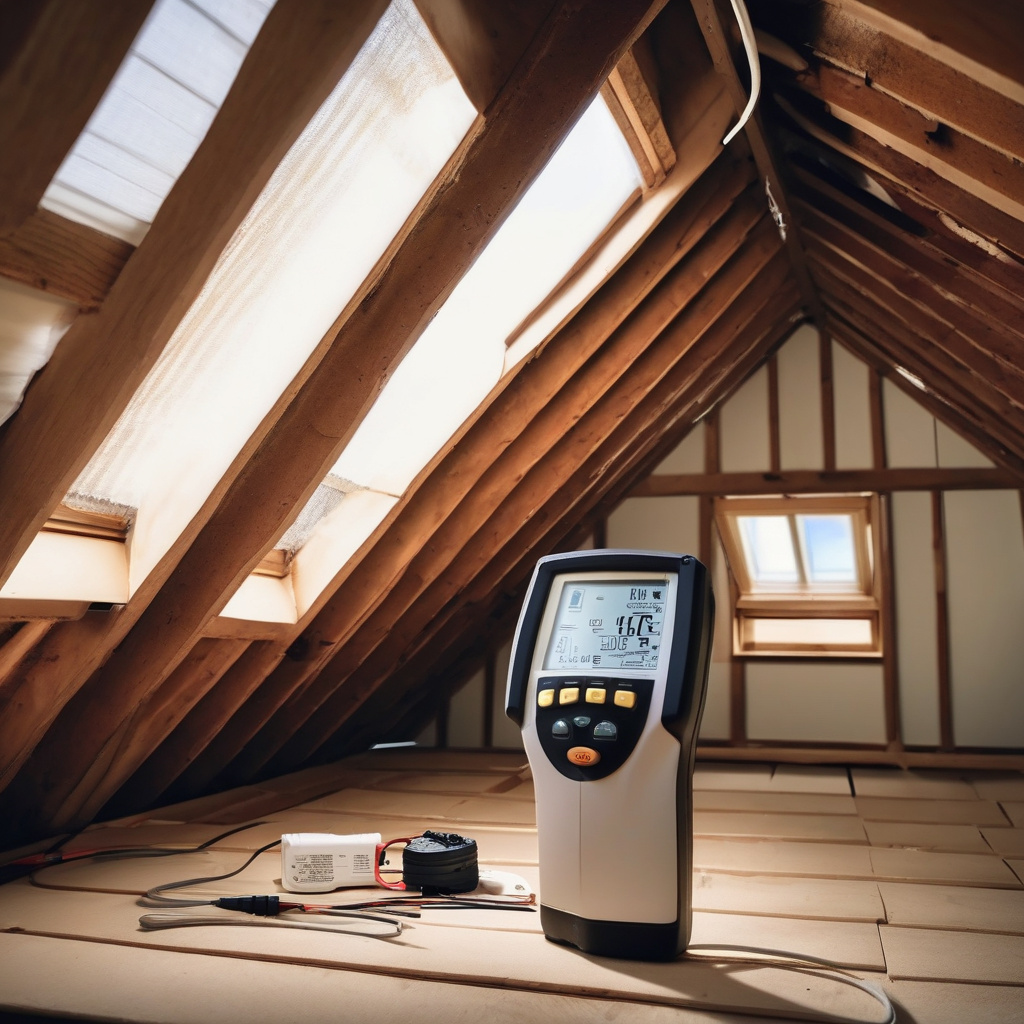
Year-Round Roof Care
Seasonal roof maintenance in Los Angeles should focus on clearing drainage paths, checking visible flashing and roofing damage, removing debris safely, and inspecting the attic or ceilings for moisture before small defects become active leaks.
The most useful schedule follows Southern California conditions rather than four equal seasons: inspect after the main rainy period, prepare before autumn storms, and check for sun, wind, tree, or wildfire-related debris during the long dry months.
Maintenance plan: Perform safe observations from the ground and inside the home, then use a qualified roofer for roof access, loose materials, flashing defects, drainage problems, or suspected leaks. Asphalt shingles, clay or concrete tiles, and low-slope membranes require different maintenance methods. Keep dated photographs so new movement, staining, and material loss can be compared over time.
What Seasonal Roof Maintenance Does a Los Angeles Home Need?
A practical roof care plan includes two scheduled reviews each year—one after the wetter months and another before the next rainy period—plus additional checks after strong wind, unusually heavy rain, nearby tree damage, or visible interior leakage. The exact frequency may need adjustment for roof age, material, slope, surrounding vegetation, coastal exposure, and previous repairs.
Homeowners can observe roof planes, edges, gutters, and drainage outlets from the ground, inspect accessible ceilings and attic areas, and document changes. Walking on a roof is not routine homeowner maintenance. Sloped, wet, brittle, deteriorated, or tiled surfaces can be unsafe and may also be damaged by improper foot placement.
Professional seasonal roof inspection and maintenance becomes appropriate when the roof cannot be evaluated safely, when components appear loose or displaced, or when stains suggest that water may already be entering the assembly.
Rain and Drainage
Blocked gutters, valleys, scuppers, and low-slope drains can redirect water toward vulnerable edges, walls, and penetrations.
Sun and Heat
Strong exposure can reveal aging sealants, brittle shingles, faded coatings, and movement at metal or membrane transitions.
Wind and Debris
Branches, leaves, palm debris, and windblown material can damage surfaces, obstruct drainage, or conceal broken roofing components.
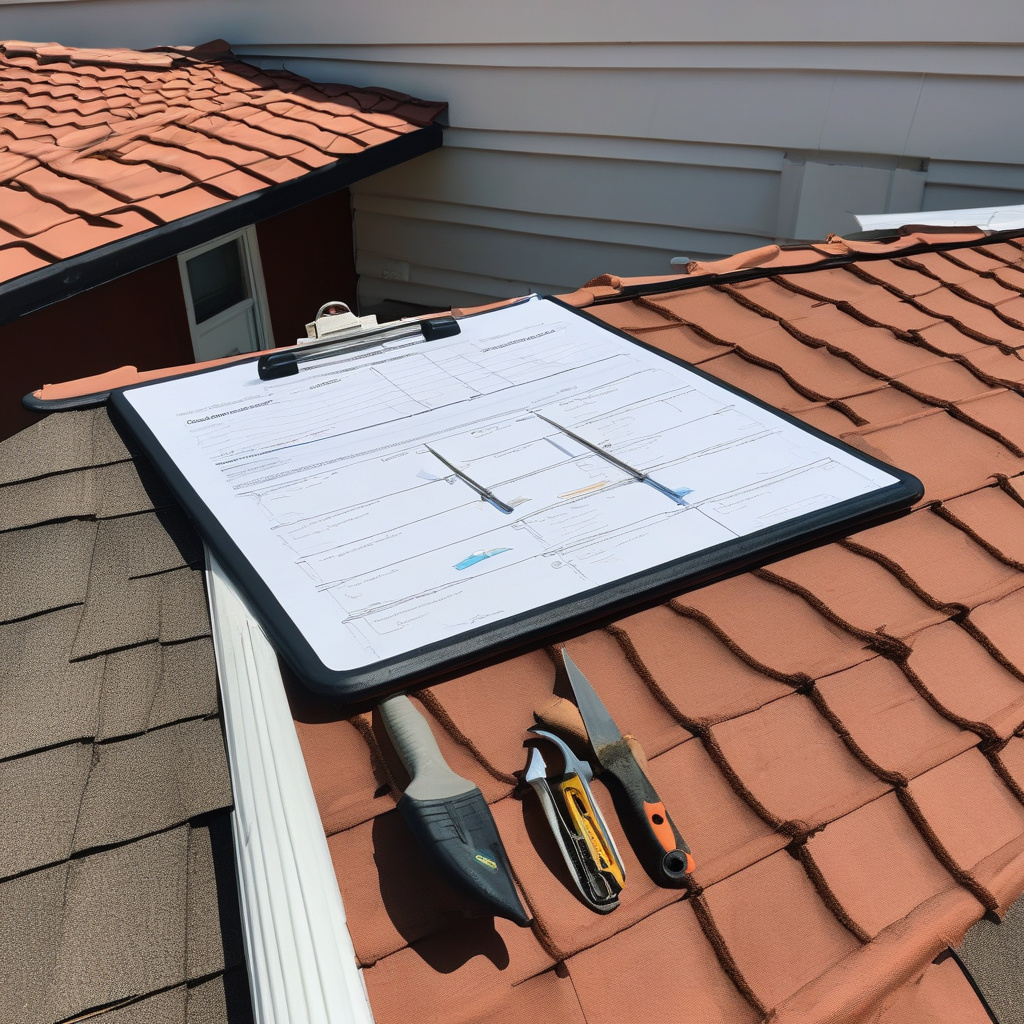
Use Spring to Find Damage Left by Winter Rain
After the main rainy period, inspect the home for evidence that water bypassed the roof covering or drainage system. Look for new ceiling stains, peeling paint near exterior walls, damp attic materials visible from a safe access point, discoloration around skylights, and moisture near chimneys or plumbing penetrations.
From the ground, scan for slipped tiles, missing shingle tabs, displaced ridge pieces, bent edge metal, sagging gutters, and debris remaining in valleys. A stain does not always identify the point where water entered because moisture can travel along framing, underlayment, pipes, or fasteners before becoming visible indoors.
Spring is also a useful time to review repairs completed during emergency rain response. Temporary sealant, patching material, or a tarp attachment should not be assumed to be a permanent solution. The surrounding roof assembly needs to be checked once conditions are dry enough for a proper assessment.
Practical note: Replacing one cracked tile may restore the visible surface, but it does not confirm that the underlayment, flashing, or roof deck beneath the tile remained dry.
Check Sun-Exposed Roofing During the Dry Season
Los Angeles roofs can experience extended periods of strong ultraviolet exposure and elevated surface temperatures. Maintenance should focus on visible aging rather than assuming heat alone means the roof has failed. Compare current conditions with earlier photographs and note areas that have changed faster than the surrounding material.
On asphalt-shingle roofs, warning signs may include missing tabs, lifted edges, exposed reinforcement, concentrated granule loss, or damage around roof-mounted equipment. Granules in a gutter do not automatically prove that replacement is required, but a marked increase combined with visible surface deterioration deserves evaluation.
Low-slope roofs should be checked for open seams, cracks, blisters, damaged coating, debris at drains, and areas where water repeatedly remains after rain. The appropriate repair depends on the membrane or coating system; incompatible patch products can interfere with adhesion and future warranty work.
Sealants around penetrations should not be treated as the primary waterproofing system. Cracked or separated sealant may indicate movement, but the underlying flashing and curb details determine whether the assembly can manage water correctly.
Prepare Gutters, Valleys, and Roof Drains Before Autumn Rain
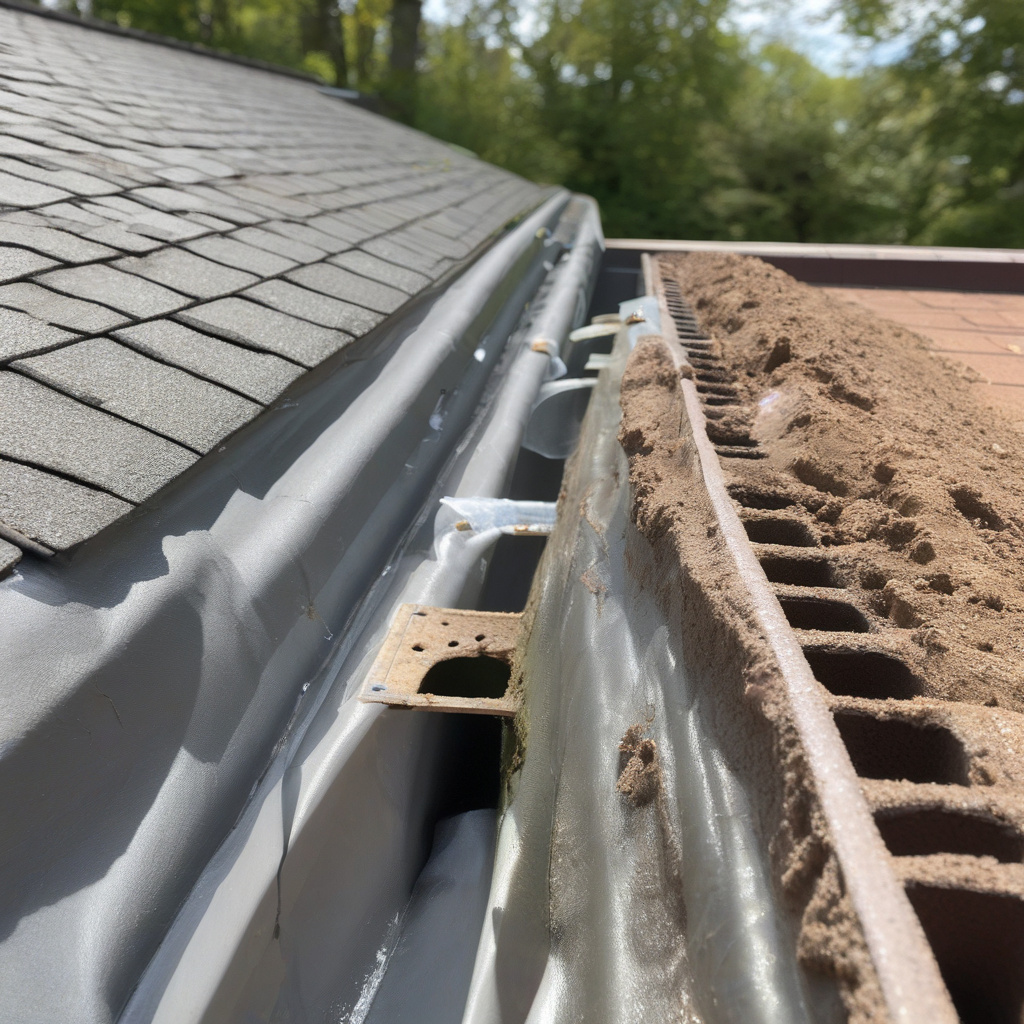
Drainage maintenance is one of the most useful preventive tasks for Los Angeles homes. Leaves, seed pods, palm material, roof granules, construction debris, and animal nesting can obstruct gutters or low-slope drains even when rainfall is infrequent.
Water should have an unobstructed route from the roof to the approved discharge point. Check for visibly sagging gutter sections, separated joints, loose downspouts, staining below overflow points, and soil erosion where water reaches the ground. On flat or low-slope roofs, pay particular attention to drains, scuppers, parapet corners, and transitions around equipment curbs.
Cleaning methods must match the roofing material. Guidance on cleaning and maintaining shingle roofs is especially important because aggressive pressure washing, harsh scraping, or unsuitable chemicals can damage the surface rather than preserve it.
Ground-Level Care Is Reasonable
Homeowners can document visible damage, monitor ceiling stains, keep ground-level downspout outlets clear, and arrange branch trimming without climbing onto the roof.
Roof Access Needs a Professional
Loose tiles, steep slopes, clogged rooftop drains, flashing repairs, membrane patches, and work near edges or power lines require suitable access and fall protection.
Match Maintenance to the Roofing Material
A seasonal checklist must account for the roof covering. Asphalt shingles can be damaged by aggressive cleaning or repeated foot traffic. Clay and concrete tiles may crack under concentrated loads even when they still look serviceable from the ground. Low-slope membranes depend heavily on intact seams, flashings, drains, and compatible repair materials.
For tile systems, the visible tile is only one part of the weather-resistant assembly. Broken field tiles, displaced ridge pieces, deteriorated mortar, metal flashing, battens, fasteners, and aging underlayment may require different corrective work. Review appropriate tile roof maintenance practices before approving a repair based only on replacing visible pieces.
| Roof component | Visible maintenance concern | What should be verified |
|---|---|---|
| Asphalt shingles | Lifted edges, missing tabs, exposed mat, concentrated granule loss | Wind damage, fastening, age-related deterioration, and nearby flashing |
| Clay or concrete tile | Cracked, slipped, missing, or displaced pieces | Underlayment condition, fastening, battens, and safe replacement access |
| Low-slope membrane | Open seams, punctures, blisters, cracks, or ponding | Membrane type, drainage, substrate condition, and compatible repair method |
| Flashing | Open joints, corrosion, movement, or failed sealant | Integration with roofing, walls, chimneys, curbs, and underlayment |
| Gutters and drains | Debris, overflow marks, sagging, or separated connections | Positive drainage, secure attachment, and clear discharge paths |
| Attic and ceilings | Stains, damp insulation, odor, or visible condensation | Leak source, ventilation configuration, plumbing, and interior moisture |
What Affects the Cost of Seasonal Roof Maintenance?
Maintenance pricing reflects access, roof configuration, material type, existing damage, and the difference between observation, cleaning, repair, and replacement. A simple inspection on an accessible roof is not equivalent to clearing blocked drains on a multi-level property or tracing an intermittent leak through several roof transitions.
- Roof area, pitch, height, and safe access conditions
- Asphalt shingle, tile, metal, or low-slope roofing system
- Number of valleys, skylights, chimneys, drains, and equipment curbs
- Tree debris, biological growth, or accumulated material requiring removal
- Loose roofing, damaged flashing, wet decking, or failed underlayment
- Previous patches that must be identified before compatible repairs are selected
A maintenance proposal should separate inspection, cleaning, minor repairs, material replacement, and concealed damage. Ask whether photographs are included, whether the contractor will identify temporary patches, and how additional work will be authorized if damaged decking or underlayment becomes visible.
Roof Maintenance Mistakes That Can Cause More Damage
Pressure washing is a common mistake on asphalt shingles because it can remove protective surface material and force water beneath laps. Tile roofs can also be damaged when someone unfamiliar with the walking pattern crosses unsupported portions of the tile.
Repeatedly applying caulk over an active leak can conceal movement without correcting the flashing or membrane detail beneath it. Thick layers of incompatible patch material may make later diagnosis and repair more difficult.
Another error is clearing a visible gutter while ignoring the upstream valley, scupper, drain bowl, or downspout connection. Water management must be reviewed as a complete path rather than as isolated components.
Do not paint over ceiling stains before documenting and assessing them. A dry stain may be old, but a stain that expands after rain, develops a soft surface, or appears near electrical components requires prompt professional attention.
Finally, avoid using a generic checklist as proof that the roof is sound. Surface observations cannot establish the condition of concealed underlayment, sheathing, fasteners, insulation, or framing.

Know When a Roof Inspection Should Become a Repair Evaluation
Schedule a professional evaluation when roofing materials are missing or displaced, when flashing has opened, when a low-slope roof repeatedly holds water, or when interior staining changes after rainfall. Active dripping, sagging finishes, wet insulation, or water near electrical fixtures should not wait for routine seasonal maintenance.
A qualified roofing contractor can determine whether the visible defect is isolated or part of a larger assembly problem. California’s C-39 roofing classification covers work that installs and repairs surfaces used to seal, waterproof, and weatherproof structures. Before authorizing roof repairs, verify the contractor’s license status and compare the written scope with the visible findings.
A detailed roof inspection checklist for buyers can also help current owners document roof planes, penetrations, drainage, attic observations, and prior repairs before requesting proposals.
What to Document Before Calling a Roofer
- Photograph stains before and after rain without opening finished surfaces.
- Record where missing tiles, shingles, or loose metal are visible from the ground.
- Note which gutters, drains, or scuppers overflow during rainfall.
- List previous leak locations, repair dates, and known roofing materials.
- Ask for findings, recommended work, exclusions, and repair materials in writing.
Adjust the Maintenance Plan After Severe Weather
Seasonal maintenance should become event-based after strong wind, prolonged rain, falling branches, nearby wildfire ash, or work by another trade on the roof. Solar, HVAC, satellite, chimney, and pest-control work can affect roofing or flashing even when the roof itself was not the main project.
After a storm, begin indoors and at ground level. Compare ceiling and wall surfaces with existing photographs, check accessible attic areas without stepping beyond safe flooring, and look for displaced roofing or blocked drainage from outside. Do not climb onto a wet roof to locate the source.
Periods associated with stronger or more persistent storms may expose weak flashing, overwhelmed drainage, and older underlayment. Understanding weather-related roof damage risks can help prioritize inspections before forecasted rain rather than relying on emergency patching after water appears indoors.
- Los Angeles roofs need drainage checks before rain and damage reviews afterward.
- The roof material determines the safe cleaning and repair method.
- Pressure washing and repeated surface caulking can worsen roofing problems.
- Loose materials, active leaks, and unsafe access require professional evaluation.
- Document current conditions before requesting a maintenance proposal.
Frequently Asked Questions
How often should a roof be inspected in Los Angeles?
A useful maintenance plan includes a review after the wetter part of the year and another before the next rainy period. Additional inspection may be appropriate after strong wind, heavy rain, falling branches, or work by solar, HVAC, or other trades. Older roofs, low-slope systems, properties beneath mature trees, and roofs with previous leaks may need closer monitoring based on their actual condition.
What roof maintenance can a homeowner safely perform?
Safe homeowner tasks generally include ground-level observation, photographing visible changes, monitoring ceilings after rain, checking accessible attic areas from proper flooring, and keeping downspout discharge points clear. Roof walking, edge work, rooftop drain cleaning, tile replacement, flashing repair, and work near power lines should be left to qualified workers with appropriate access and fall-protection procedures.
When is the best time for roof maintenance in Los Angeles?
Dry weather before the main rainy period is useful for clearing drainage, documenting material condition, and completing necessary repairs. A second review after winter rain can identify new staining, displaced materials, and drainage failures. The actual work date should account for safe roof conditions, material requirements, contractor access, and whether surfaces need to dry before inspection or repair.
Can gutters cause a roof leak?
Blocked, sagging, or separated gutters can allow water to overflow against roof edges, fascia, walls, and nearby openings. The actual entry point may involve damaged edge flashing, underlayment, siding, or roof-to-wall details rather than the gutter alone. Overflow marks and recurring water near the same location should be documented during rain and evaluated as part of the complete drainage path.
Should asphalt shingles be pressure washed?
High-pressure washing is generally unsuitable for asphalt shingles because it can remove surface granules, damage edges, and force water beneath the roofing. Cleaning should follow the shingle manufacturer’s instructions and address the specific material on the roof. Dark staining, debris, moss, or biological growth should first be identified so the treatment does not create more damage than the condition being corrected.
Does one cracked roof tile need immediate repair?
A cracked or displaced tile should be evaluated because it can expose the underlayment to additional weather and debris. The urgency depends on the location, break pattern, surrounding tiles, underlayment condition, and whether interior moisture is present. Replacement must be performed without damaging adjacent tiles, and the inspection should determine whether the visible break resulted from impact, movement, foot traffic, or installation conditions.
What are the first signs of a roof leak?
Early signs may include a new ceiling stain, bubbling paint, damp insulation, musty odor, discoloration near a skylight, or moisture appearing after wind-driven rain. Exterior clues can include displaced roofing, open flashing, blocked drainage, or deteriorated sealant. Because water may travel before becoming visible indoors, the stain location should guide an inspection but should not be assumed to identify the exact roof defect.
Does routine roof maintenance require a permit?
Basic observation and cleaning may not involve the same approvals as reroofing or structural repair, but requirements can change when work replaces roofing, modifies drainage, repairs decking, changes structural components, or affects other regulated systems. The responsible local building department should confirm permit requirements for the property and scope. HOA approval, when applicable, is separate from city or county review.