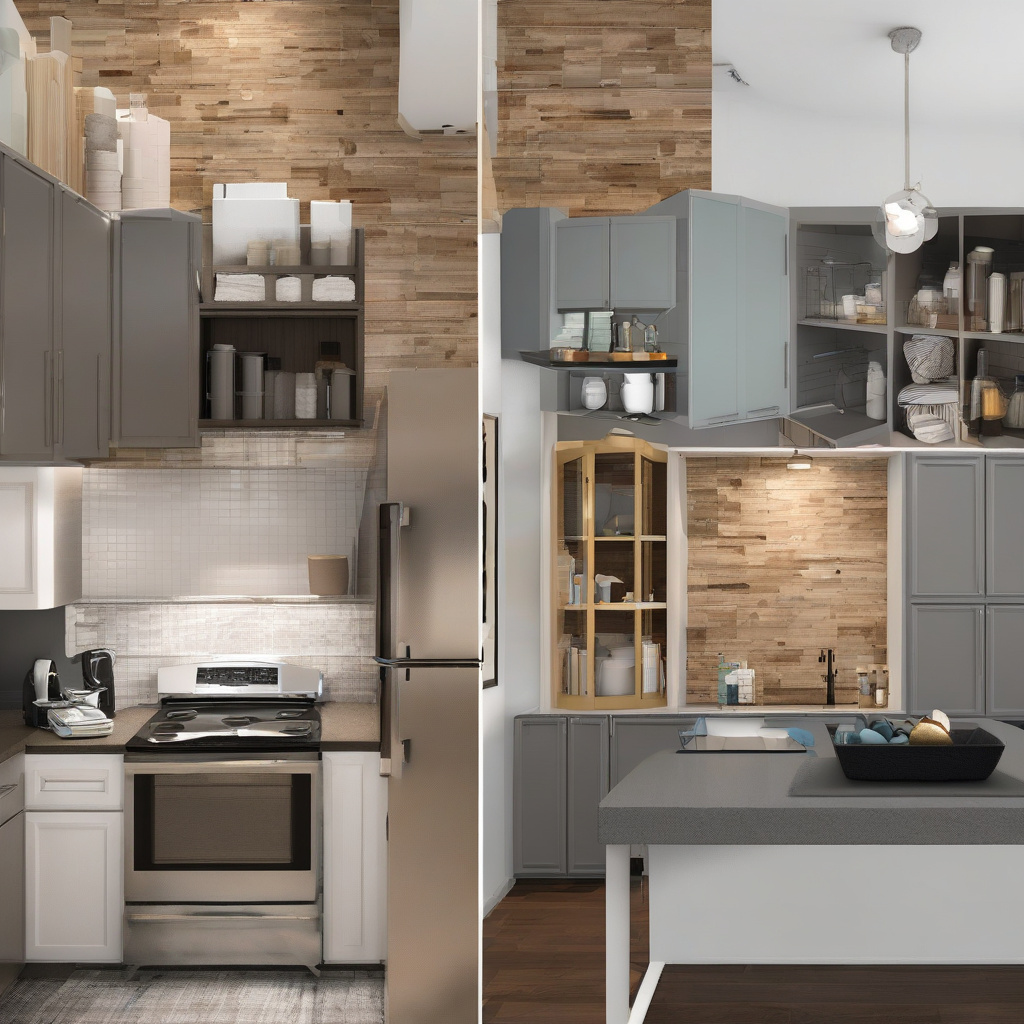
Strolling through the bustling streets of Los Angeles, one can’t help but notice the striking facades and vibrant interiors of its many condos. Behind each pristine coat of paint, though, lies a tale of meticulous planning and significant investment. The cost to paint a condo in this sprawling city isn’t merely a matter of brushes and color palettes; it’s an intricate blend of architectural challenges, regulatory demands, and the ever-prized Californian aesthetic.
Brief summary: This article provides a comprehensive analysis of the costs involved in painting a condo in Los Angeles. It explores the various factors influencing pricing, such as building rules, design expectations, and labor access, while offering insightful anecdotes and expert observations. The content serves as a practical resource for homeowners looking to navigate the renovation landscape in LA.
Understanding the Cost Dynamics of Painting in LA
When it comes to painting a condo in Los Angeles, the numbers can’t be reduced to a simple list of materials and labor costs. The very essence of LA’s condo architecture—often featuring high ceilings and diverse layouts—adds its own layers of complexity. To truly grasp the financial commitments involved, one must delve into the maze of building codes, contractors’ quirks, and the homeowner association guidelines that govern aesthetic consistency from Venice to Downtown LA.
A baseline figure for painting a typical 1,000-square-foot condo might float around $3,000 to $5,000, depending on the quality of materials and the specific scope of work. However, these figures can dramatically change as they are influenced by countless variables, such as the intricacies involved in surface preparation or the luxury finishes a swanky Santa Monica residence demands. In navigating this labyrinth, resources such as comprehensive painting guides offer invaluable assistance.

Local homeowners often express surprise at how substantial environmental guidelines weave themselves into the process. LA’s notorious air quality regulations add another layer to consider, often requiring specialized paints with low volatile organic compounds (VOCs), slightly nudging costs upward. At the end of the day, as many homeowners discover, ensuring both compliance and quality demands a thoughtful investment.
The Environmental Protection Agency (EPA) notes that low-VOC paint options are increasingly being mandated to comply with air quality standards, impacting overall project costs.
Thus, the initial quoting process—frequently a site of miscommunication—demands a thorough understanding of these hidden dynamics to allow for accurate budgeting.
Unveiling the Hidden Costs in Surface Preparation
To the untrained eye, painting may seem as straightforward as choosing a color and brushing it on. However, in the world of professional condo renovation, surface prep is not merely a step in the process; it’s foundational. The walls and finishes in many historic or luxury estates require detailed attention. Preparing surfaces here often means more than filling in a crack or two—it can involve comprehensive treatments.
The stories professionals share are a testament to the rigorous preparations involved. A condo in West Hollywood might necessitate actions such as removing old wallpaper, treating surfaces against moisture, or repairing plaster to restore wall integrity before a single drop of paint touches the brush. These pre-paint rituals are not just labor-intensive but serve as the keystones to lasting results.
Such intensive prep work is mirrored in the final invoices homeowners receive, where costs for labor frequently outdistance those for the actual paint. This financial reality checks assumptions about home improvement project planning, emphasizing the depth of groundwork essential for enduring finishes.
Ultimately, these pre-paint measures, while adding to the upfront cost, insulate owners from future expenses arising from deteriorating paint jobs. The adage that prepping a wall properly prevents a myriad of future issues holds as true today as when it was first coined.
Negotiating Access and Logistics
Few facets of condo painting in Los Angeles demand as much cunning and creativity as access. Each condo boasts its own unique hurdles, from cramped entryways to the exclusion of ladders in certain high-rise locations. This is where the art of project coordination truly shines—where building managers and contractors come together to devise access strategies.
Among the countless factors driving labor costs in LA, few are as unpredictable as traffic and scheduling. A contractor’s day can hinge on synchronized logistics, affecting man-hours and, subsequently, expense. Many firms have mastered this dance, applying their staging tips and trade secrets to complete projects efficiently without compromising quality or safety.
The proactive homeowner might find sage advice in managing such logistical elements, weighing options that range from predictive scheduling to negotiating access agreements ahead of time. As many find, a stitch in time saves nine, and proactive planning often translates to fiscal conservation in the broader renovation budget.
Industry expert Rob Caldwell notes that “effective planning and negotiation skills can reduce unforeseen delays by as much as 30% in complex painting projects.”
The Price of Design: High-End Finishes and Custom Colors
In the gleaming world of LA high-rises, condos distinguish themselves not only through architecture but also their palette. While some eschew complexity, others embrace bespoke finishes that add layers of cost and elegance. When homeowners choose to transition their space with colors that trend towards the artistic, costs can skyrocket. These decisions often arise from a desire to employ expansive color theories or take advantage of luxury paints that claim abrasion resistance, vibrancy retention, and environmental responsibility.
Behind these choices lies an intricate understanding of aesthetics—the visual language of color as it interacts with light, texture, and shape. In choosing palettes that negotiate emotional context or cultural references, each color becomes an investment. For those artfully painted residences, the portrait is completed with strokes of innovations like anti-microbial paints—a triumph of beauty meeting science.
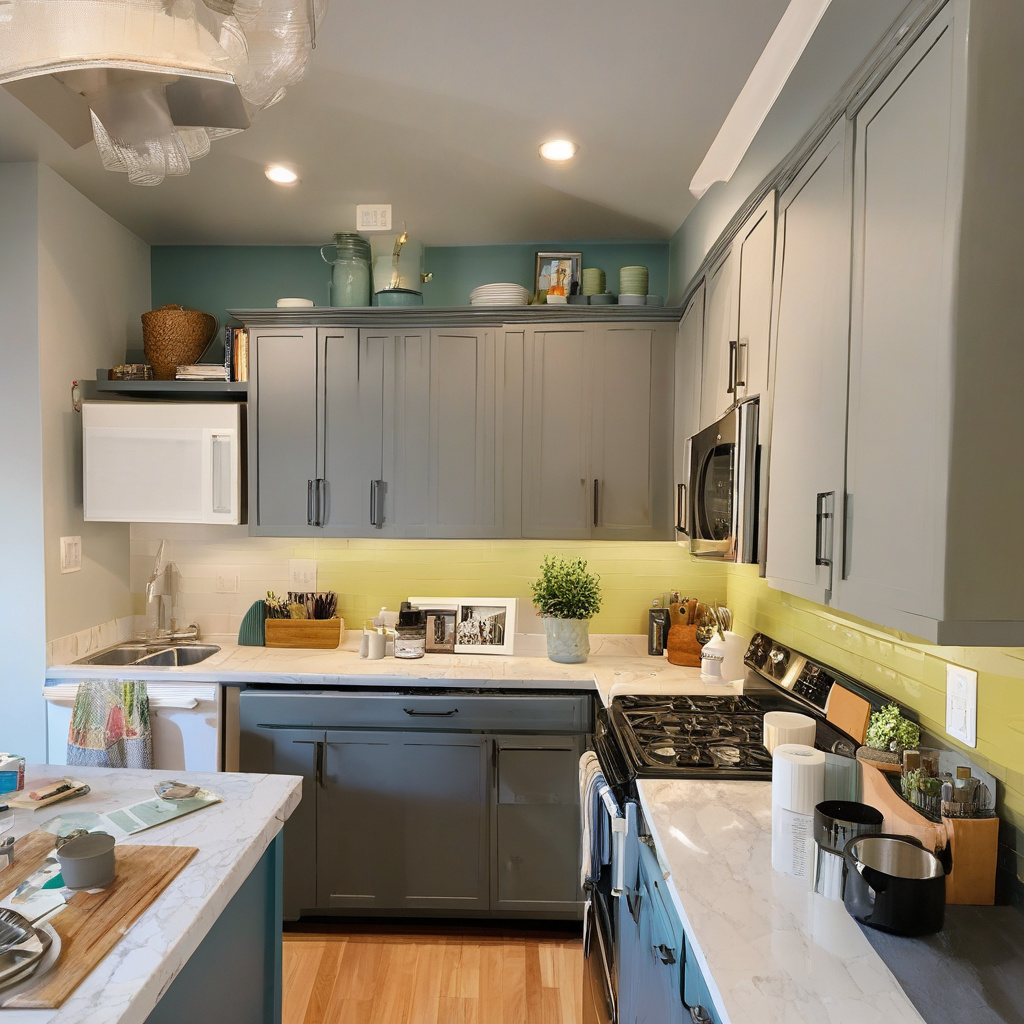
These personalized preferences and their associated expenses prompt some owners to investigate cost-effective strategies and approved color options. Thus while luxury choices provide abundant engagement with interior spaces, they also compel thoughtful considerations regarding expense management.
Design expert Lena Brook states, “A carefully chosen color palette can enhance spatial perception and yield up to a 15% increase in perceived property value.”
This luxury doesn’t unequivocally elevate costs; instead, it offers opportunities to enhance both value and aesthetic allure through strategic investment.
Weighing Convenience Against Customization: A Comparative Analysis
In weighing the convenience of traditional painting methods versus the allure of new-age customization, homeowners find themselves exploring a multifaceted decision-making process. In one column of the ledger, standard processes offer predictability and speed, oftentimes with the assurance of tried-and-true techniques. Opposite these considerations are the tantalizing prospects of personalizing or automating palettes via innovative technology or unique finishes.
| Factors | Traditional Methods | Customization and Technology |
|---|---|---|
| Cost | Typically lower, less variable | Potentially higher, more diverse pricing |
| Time | Predictable timeline | Variable timelines, influenced by design complexity |
| Result | Standard, consistent finishes | Unique, tailored results |
Prospective condo painters must consider these factors in conjunction, leading to a richer understanding of how best to allot their budget and indulge their design preferences. The comparative exercise, far from theoretical, plays out in real negotiations between residents and their enthusiastic, artistically inclined counterparts.
Ultimately, the balance between practicality and creativity is contingent upon individual preferences, enabling a tailored approach that aligns financial and creative goals.
Crafting the Perfect Outcome: Expert Tips and Final Thoughts
The perfect painting project in Los Angeles isn’t just about the most lavish finish or expedited timeline. It’s about aligning your vision with the realities of existing spaces, regulations, and pragmatic goals. Establishing clear plans, selecting paint with longevity in mind, and crafting a palette that complements your home’s architecture are all essential discussions between homeowner and contractor.
Seasoned renovators suggest outlining every aspect of the project ahead of time, from color mockups to budget allowances for unexpected detours. An artsy loft might benefit from experimentation, while a studio along the coast might best preserve tradition. A wise approach to any endeavor includes exploring creative painting techniques as a catalyst for imaginative solutions and an avenue for accentuating personal style.
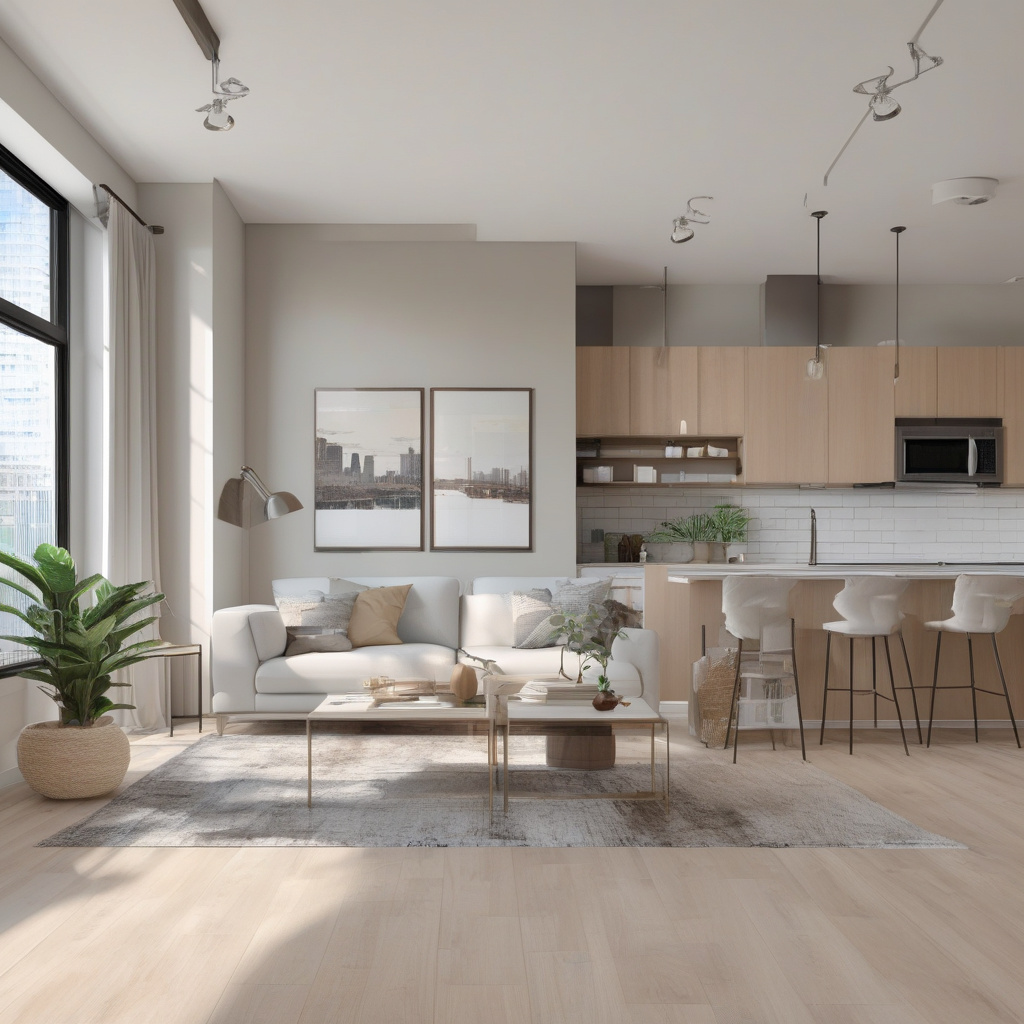
For homeowners who navigate LA’s painting landscape, satisfaction is often derived from a holistic understanding of project management—knowing when to embrace tradition and when to seek innovation. Ultimately, the process not only beautifies a space but also enriches it in spirit and value.
“A well-executed painting project enhances a condo’s market value and maximizes personal satisfaction,” states real estate professional Jordan Clancy.
So, the question becomes: how do you, a resident of LA, envision the canvas of your sanctuary, and at what cost?
- Condo painting costs in LA depend on building regulations and design preferences.
- Surface preparation is crucial for long-lasting paint jobs.
- Access and logistics continue to shape painting budgets.
- Luxury finishes require a balance between value and visual impact.
- Effective project planning can reduce unforeseen costs and add unexpected value.
“`html
FAQ
How much does it cost to paint a condo in Los Angeles?
In real renovation projects across Los Angeles, condo painting costs can range significantly, usually from $3,000 to $8,000. Factors like ceiling height, surface preparation, and the specific rules of a building can greatly influence the price. For instance, a high-rise with high ceilings will naturally incur a higher cost due to increased labor and material needs. Moreover, if your condo requires extensive surface prep or specialized finishes, expect to see a bump in your budget. The building’s regulations may also dictate certain labor hours or noise restrictions which can add to costs. Many homeowners find that talking with multiple contractors is the best way to get a realistic estimate specific to their situation.
What should I consider when choosing a painting contractor in LA?
When choosing a painting contractor in Los Angeles, consider experience, reputation, and the scope of services offered. Many experts point out the importance of verifying a contractor’s previous work, especially in urban settings. Speak with past clients or look for reviews online. It’s crucial to ensure that the contractor is familiar with local regulations, particularly in multi-unit buildings where work schedules can be restricted. Homeowners frequently underestimate the impact of a contractor’s insurance; make sure they are fully insured to avoid potential liabilities. Transparency regarding costs and timelines can prevent many common disputes, as can a clear contract outline from the start.
When is the best time to paint a condo in Los Angeles?
Timing for painting a condo in Los Angeles is less about seasonality, thanks to the mild climate, and more about your schedule and condo rules. Many contractors prefer periods when residents are typically less active, perhaps during weekdays, but you should consult your building management first. It’s often advantageous to plan around any other construction or renovation you might anticipate. For example, painting before moving in can save on disruptions and protect new furniture from accidental paint splatters. Professionals also advise avoiding holidays or busy times in the building when scheduling may be strained and parking for contractors might be limited.
What are typical mistakes people make during the condo painting process?
A frequent mistake in condo painting is underestimating surface preparation’s importance. In practice, old paint, uneven surfaces, or imperfections require thorough attention before painting begins. Ignoring this step often leads to unsatisfying results and added costs down the road. Additionally, many homeowners skip reviewing building rules regarding construction work—potentially causing scheduling conflicts or noise complaints. Another common oversight is neglecting to test paint samples on walls, which can lead to unpleasant color surprises once the paint dries. Practical experience shows that a bit of preparation upfront can prevent numerous headaches and extra expenses later on.
Are there benefits to hiring a professional condo painter versus a DIY approach?
Hiring a professional to paint your condo offers several benefits over a DIY approach, particularly in a busy city like LA. Professionals bring experience and expertise, especially in managing unexpected issues like repair needs or intricate finishes. They are well-versed in local rules and regulations, saving you potential headaches with building management. On the flip side, the DIY route might appeal to those looking to minimize costs or enjoy a personal touch in their renovations. However, the effort and time required can be significant, and mistakes made could be costly. Therefore, many find that the upfront cost of hiring a pro saves time and yields a more polished result. If you need expert advice, you might find it helpful to reach out to a local renovation consultant.
How often should a condo in Los Angeles be repainted?
The frequency of repainting your condo depends on several factors, such as exposure to sunlight, wear and tear from indoor activities, and personal preferences. In general, interior painting is recommended every 5 to 7 years. In sunny Southern California, however, rooms with large windows or sun exposure might need fresh coats more often due to fading. Set against this is the durability of modern paints, where high-quality options can last longer, even with sun exposure. Many experts suggest evaluating wear signs annually, looking for issues like peeling, discoloration, or especially grimy areas, which might prompt earlier action.
What considerations should be made regarding paint finishes in a condo setting?
Choosing the right paint finish can have a significant impact on aesthetics and maintenance in your condo. In high-use areas, many painting professionals suggest opting for finishes like satin or semi-gloss that offer easier cleanup, which is particularly beneficial in homes with children or pets. For bedrooms or less trafficked areas, matte finishes can add a touch of elegance but may require more care to maintain. Condos in LA, often featuring modern design elements, may benefit from combinations of finishes to highlight architectural details or create visual space in smaller rooms. Experienced renovators caution against solely picking paints based on initial appearance without considering long-term practicality.
What are the pros and cons of low-VOC paints for condos?
Low-VOC (Volatile Organic Compounds) paints are increasingly popular, especially in the eco-conscious landscape of LA. The advantages are clear: they offer improved indoor air quality, reduce odors, and are generally safer for families and pets. On the downside, they might not be as durable as traditional paints, potentially requiring more frequent touch-ups. In real renovation scenarios, some professionals note that while low-VOC paints have come a long way, they’re still catching up in terms of color variety and coverage quality. However, given California’s strict environmental regulations, using low-VOC paints is often not just preferable but necessary, aligning with health benefits and local regulations.
“`