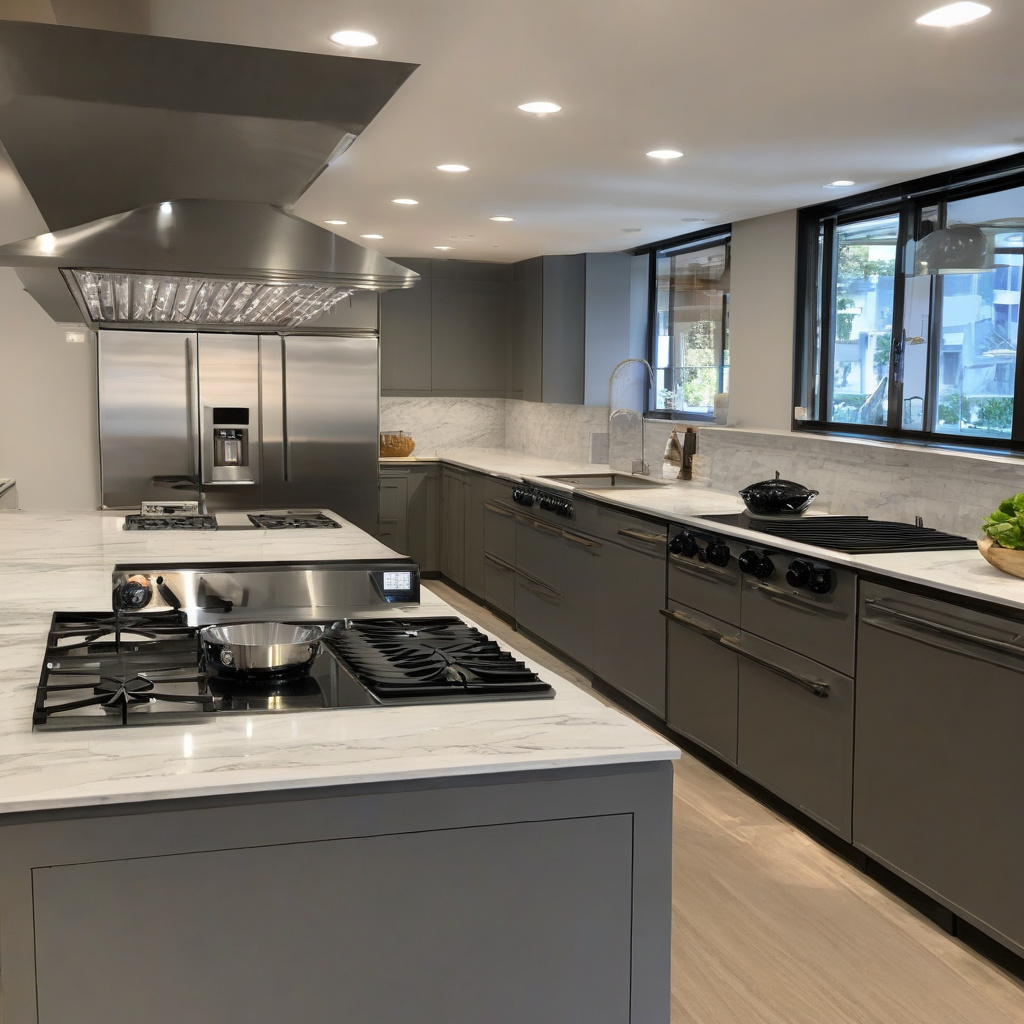
In the bustling neighborhoods of Los Angeles, where the culinary arts meet cutting-edge design, homeowners frequently face the perplexing decision of selecting the right cooktop for their kitchens. The question: Is it gas, induction, or electric? Each option presents unique benefits and challenges, reshaping how locals approach kitchen remodeling. From early-stage planning through to the final installation, the choice of cooktop is a critical element in crafting a functional and stylish kitchen.
Brief summary: This article explores the benefits and drawbacks of gas, induction, and electric cooktops, offering insights into how these choices impact kitchen renovations in Los Angeles. With a focus on energy efficiency, heat control, and lifestyle needs, homeowners are guided through practical considerations and expert advice to select the ideal solution for their culinary ambitions.
The Timeless Appeal of Gas Cooktops
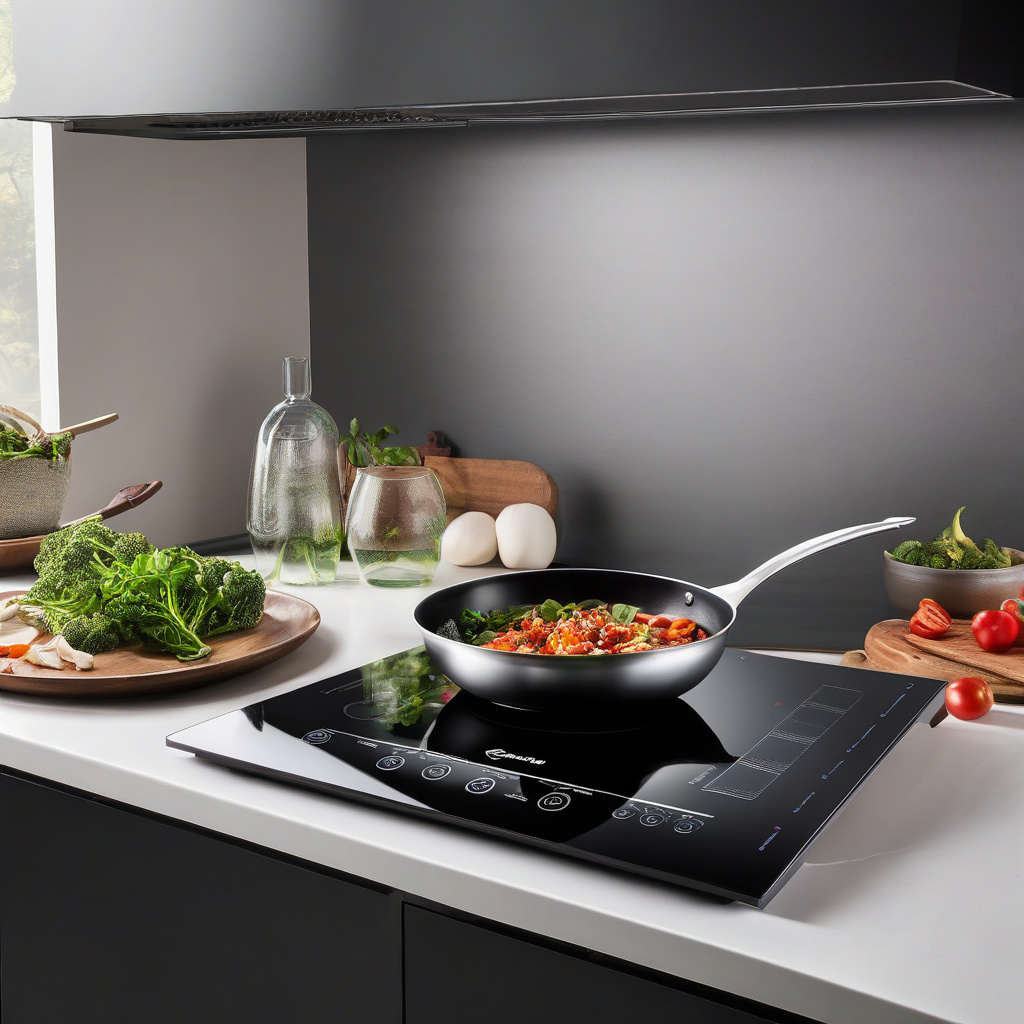
Gas cooktops have long been a fixture in Southern California kitchens, praised for their precise heat control and instant flame. In a city where every culinary endeavor begins with a spark of creativity, the immediacy of a gas flame allows chefs—both amateur and professional—to sear, simmer, and sauté with unparalleled finesse. Homeowners often appreciate the visual cues provided by the live flame, reassuring them of heat levels almost intuitively.
However, the reliance on gas has its pitfalls. With rising concerns about environmental impact and fluctuating natural gas prices, some Los Angeles residents are reconsidering this traditional choice. Installation can also be complex, requiring a dedicated gas line, which may not be feasible in older homes without significant renovations.
Yet, the emotional draw of gas cooktops remains strong. Many locals insist that the tactile feedback and sense of control they offer cannot be replicated. It’s a tool for the purist—a canvas for those who cook by intuition rather than numbers.
Ultimately, deciding on a gas stove involves weighing these passionate ties against modern sustainability concerns. A conversation about legacy versus innovation unfolds every day in homes across the city.
According to the California Energy Commission, leveraging the natural gas infrastructure could save homes significant energy costs annually, though it varies largely by location and usage patterns.
The Revolutionary Inductions
Induction cooktops represent a leap forward, embodying the future of kitchen design with their sleek surfaces and energy efficiency. These cooktops use electromagnetic fields to heat pots and pans directly, making them both incredibly fast and astonishingly precise. As many local homeowners in upscale Los Angeles districts can attest, the ability to boil a pot of water in under a minute is nothing short of magical.
For those attuned to the nuances of energy consumption, induction appliances offer significant advantages. Their efficiency is unmatched, converting about 90% of their energy into heat compared to about 40% for gas stoves. Such prowess has attracted environmentally conscious homeowners seeking to reduce their carbon footprint without sacrificing culinary performance.
That said, induction cooktops are not without their hurdles. Some find the upfront costs prohibitive, and not all cookware is compatible—an unexpected expense during installations. Retrofitting a kitchen with induction technology may also increase costs exponentially, impacting overall budgets and leading to unexpected planning adjustments.
Yet, for those who value progress and technology, induction emerges as a compelling choice. With precision and efficiency at its core, it represents where practical considerations meet ingenuity.
The Steadfast Electric Cooktops
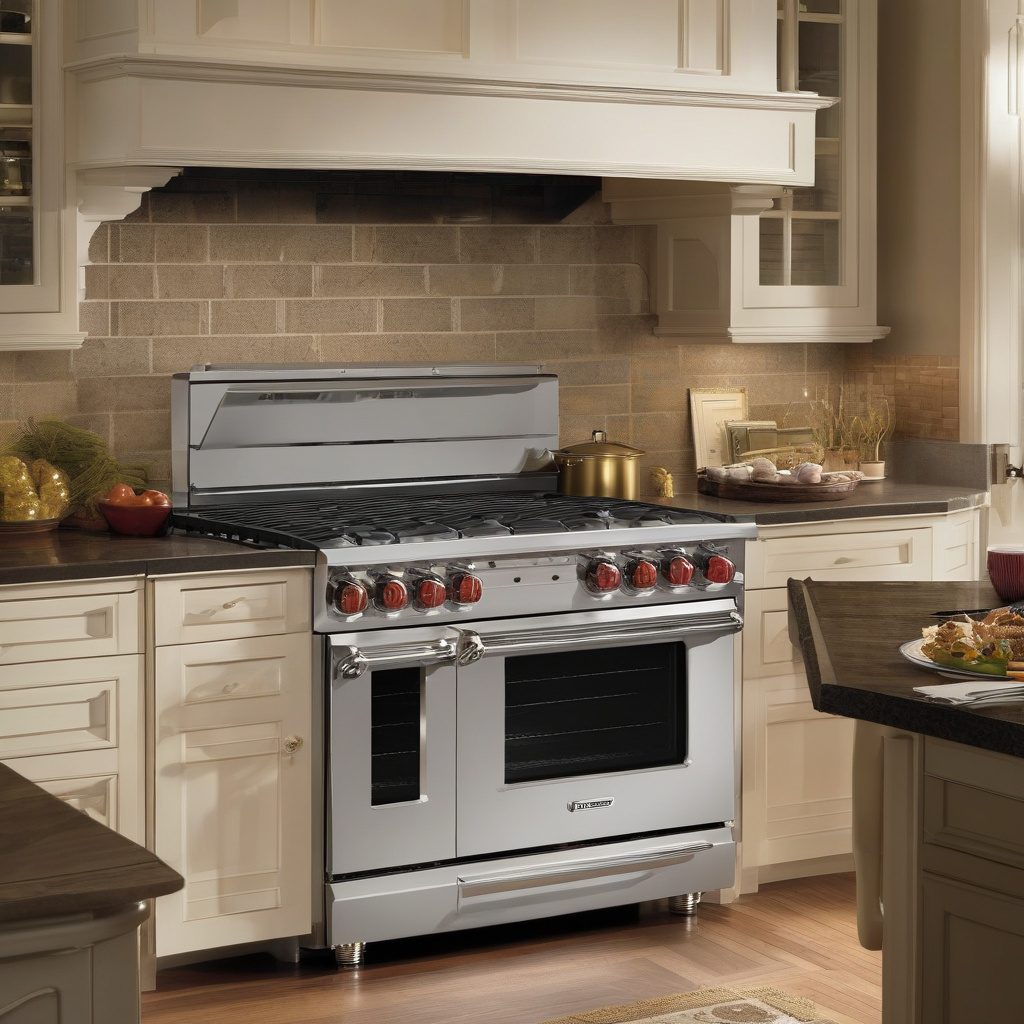
While less glamorous than their gas or induction counterparts, electric cooktops offer a reliable heart to many kitchens. Their design has evolved, with modern models boasting elegant glass-ceramic tops and an impressive array of cooking features. For those seeking straightforward operation without the fuss of gas lines or specialized cookware, electric options provide a confident middle ground.
In practical terms, electric cooktops excel in uniform heat distribution. Baked goods develop a consistent crust, and sauces are gently reduced without the risk of scorching—ideal for Los Angeles homeowners who entertain with casual sophistication.
Installation is generally simpler and less costly than gas or induction, though energy efficiency does lag behind induction models. Yet, despite higher electricity use, the lack of open flames makes electric cooktops desirable for families prioritizing safety.
The choice of an electric cooktop often boils down to convenience and budget. It’s a sensible, balanced choice deemed fitting for many, particularly in multi-unit residences where simplicity and safety take precedence over culinary theatrics.
Research from the Global Appliance Market Report indicates a steady rise in the preference for electric cooktops in urban areas due to improved safety features and ease of installation.
Cost Comparisons and Beyond
As renovation specialists will affirm, understanding the financial aspect is crucial in any kitchen upgrade. With installation costs varying widely, a comparison of your options is essential. In the competitive Los Angeles market, where kitchens are an art form unto themselves, the following table helps clarify where investments might be most effective:
| Type | Cost Range | Efficiency | Ease of Installation |
|---|---|---|---|
| Gas | $300-$1,500 | Moderate | Complex |
| Induction | $800-$2,500 | High | Moderate |
| Electric | $200-$1,200 | Low | Easy |
Risks, Rewards, and Renovation Realities
Many remodelers and clients alike grapple with the trade-offs inherent in kitchen upgrades. The decision extends beyond aesthetics to involve a calculus of lifestyle, safety, and potential returns on investment. The installation method alone could determine a project’s timeline and budget.
Gas, while offering unmatched control, can present safety risks. Induction, although efficient, requires a broader upfront investment. Electric cooktops, appearing conservative, shield families from open flames. These considerations create a complex landscape for those seeking harmony in their home spaces.
Any kitchen renovation project invariably demands strategic decision-making. It’s not just about the cooktop but also the ensemble of choices that must congeal into a functional and fashionable whole. Realistically, every option comes with an internal audit of personal and financial stewardship.
Knowing the potential value impact each renovation decision holds is then essential, as it will guide both the practical and aesthetic pursuits of a remodel.
An insight from a Los Angeles-based interior designer reveals that homeowners who align their renovations with efficiency trends tend to see up to a 20% increase in property value.
Making the Final Decision
The culinary crossroads of gas, induction, and electric offers a diverse range of functions catered to the unique nuances of cooking habits. In choosing, homeowners should not just consider checklist items but reflect on how each option harmonizes with their kitchen’s vibe.
A practical approach involves laying out one’s specific culinary needs and inviting professional insights. Recognizing incentives, such as rebates or eco-friendly programs, can further anchor your decision.
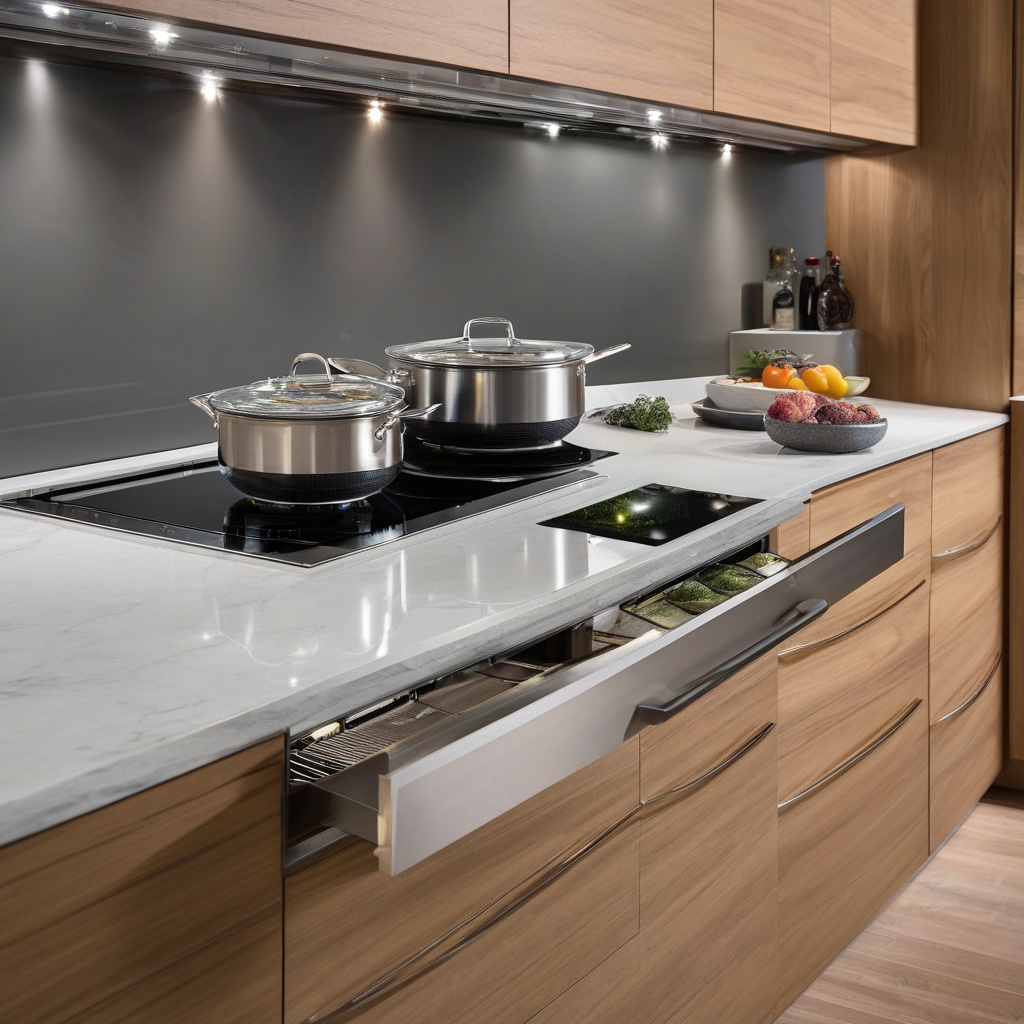
Understanding how each option fits into broader kitchen designs—be it a peninsula or an island—is integral. Interior layouts can subtlety guide decision-making towards the seamless integration of chosen appliances.
Looking towards deepening one’s understanding might even invite a visit to explore the dynamics of kitchen space allocation further.
Reflecting on the Future of Cooktops
The evolution of kitchen technology is no small affair. As time goes on, Southern California’s diverse communities continue to influence and be influenced by their kitchen choices. Emerging technologies and sustainable practices are set to redefine this essential space.
For the trendsetting Los Angeles homeowner, selecting a cooktop involves more than just immediate gains. It’s a question of legacy—how we cook today versus how we will in tomorrows yet to come.
The best approach remains one that involves both heart and head, balancing tradition and innovation through every turn of a burner dial or click of an induction switch. As preferences shift, so too should our understanding of the kitchen’s role in our lives.
In closing, homeowners must evaluate cooktops not just as standalone choices but as integral components of household harmony—a narrative captured in every sizzling pan and every shared meal.
- Gas, induction, and electric cooktops offer diverse advantages and challenges for Los Angeles kitchen renovations.
- Gas offers precision, induction provides energy efficiency, and electric ensures safety and ease of installation.
- A thorough cost-benefit analysis reveals that long-term efficiency gains come with premium upfront investments.
- Understanding the broader context of culinary lifestyles informs the ultimate choice of the right kitchen technology.
- Kitchen renovations in Los Angeles hinge on aligning technological advancements with personalized cooking needs and preferences.
“`html
FAQ
What are the core differences between gas, induction, and electric cooktops?
In real-life kitchen renovations, the choice between gas, induction, and electric cooktops is often dictated by a balance of heat control, energy efficiency, and installation logistics. Gas cooktops are beloved for their precise heat control — a feature that frequent chefs and serious cooks swear by. Believe it or not, they are much like the good jeans of kitchen appliances, adaptable and reliable. Induction cooktops, on the other hand, shine with energy efficiency and safety, heating only the pot, not the surface. They are the new, sleek model that’s catching many modern homeowners’ eyes. Electric cooktops lie somewhere in between, often chosen for their lower initial cost and ease of use. They’re the reliable friend — maybe not the fastest, but consistent and low maintenance. Understanding these distinctions can significantly guide you to a choice that aligns with your cooking style and home needs.
How do energy needs and consumption compare among these cooktops?
A common source of perplexity is the energy consumption of each cooktop type. Gas cooktops use your typical household natural gas and, while efficient for quick temperature control, they can be less so in terms of overall energy use, as much heat escapes into the kitchen. Induction cooktops, by contrast, are like the Tesla of cooktops – highly efficient, converting over 85% of their energy towards cooking. They operate quietly and safely, being an excellent fit for modern eco-conscious homes. Electric cooktops are generally slower to heat, hence using more electricity over time, but they still hold their ground, especially in areas where electricity rates are lower. It’s important to consult with professionals in your area, and if you need further assistance, simply reach out to an expert for personalized guidance tailored to your home.
What installation considerations should be made when choosing a cooktop?
Homeowners frequently underestimate the installation requirements that come with different cooktops. Gas cooktops require a gas line and proper ventilation, which is a significant point of consideration in older homes not originally outfitted with these infrastructures. Induction and electric cooktops circumvent this but may require higher voltage outlets to handle their power needs, especially in older properties where the existing electrical setup might be outdated. An appliance technician could prevent costly errors by helping assess whether an induction cooktop would cause flickering lights throughout the house due to power draw. Therefore, understanding your current home setup and future renovation goals is crucial in this decision-making process.
Which type of cooktop is best suited for a family interested in safety?
The concern for family safety can heavily influence the decision. Induction cooktops are the top contenders in this category. They only transfer heat to cookware, leaving the surrounding surfaces relatively cool, thus minimizing burn risk, especially around curious little hands. Many electric cooktops come with safety mechanisms that lock the controls when not in use, which can be reassuring for families with young children. Gas, while effective, inherently involves open flames and the potential for gas leaks, so it is advisable that anyone preferring this option invest in regular maintenance checks and fit appropriate safety measures, such as leak detectors. Balancing these safety aspects with lifestyle needs frequently proves essential in steering families towards the right choice.
What are the cost implications and long-term savings of each cooktop type?
Upfront costs and long-term savings are key factors affecting many renovation decisions. Gas cooktops generally come at a higher installation cost due to the need for a gas line, which can be a sizable investment in older homes. Yet, they might offer savings through reduced energy bills since natural gas is often cheaper than electricity. Induction cooktops boast higher initial costs but they offset this with considerable long-term electricity savings and enhanced efficiency; they also add a modern touch that could boost property value. Electric cooktops sit at the lower end of installation costs, appealing during budget renovations. Many experts point out, however, that over time, balancing these upfront and operational costs against cooking habits is crucial for sustainable savings.
What are the common user misconceptions about induction cooktops?
Induction cooktops often come shrouded in myths and misconceptions. One prevalent idea is that they cannot accommodate cast iron or stainless steel pans, but in reality, they function perfectly with magnetic cookware. Another misunderstanding is perceiving inductive cooking as unsafe due to its technology-forward nature, yet it’s one of the safest options available, preventing heat from escaping and ensuring surfaces remain cool. It’s also commonly thought that install couldn’t pay off financially; however, the electricity savings often outweigh these initial costs. Real renovation projects have shown that once homeowners have firsthand experience with induction’s precise heat control and rapid cooking times, any prior hesitations quickly dissolve.
How do personal cooking styles influence the decision?
Cooking style inevitably becomes a deciding factor in choosing among cooktops. Gas is often favored by culinary enthusiasts who need that direct flame for intricate dishes or high-heat cooking like wok stir-fries. It’s akin to a dancer needing a precise tempo. Induction is ideal for speed-sensitive preparations and energy-efficient lifestyle claims — think boiling water for pasta in record time. Electric cooktops cater to those who appreciate simple, consistent heat for steady cooking tasks. They are reliable for simmering sauces or slow-cooked stews that don’t require the frequent adjustments typical in gourmet cooking. Invariably, aligning the cooktop with cooking habits ensures a more joyful and effective kitchen experience.
What are the maintenance and longevity expectations of each type?
Maintenance and longevity should not be overlooked when choosing a cooktop. Gas cooktops require regular cleaning of burners to avoid clogs and irregular flames, a step often skipped by busy homeowners. Induction cooktops are relatively low-maintenance, with smooth surfaces that wipe down easily after spills without staining like the grates of a gas cooktop might. They do, however, rely on the durability of their electronic components, which could warrant a bit of future investment for repairs. Electric cooktops are similarly easy to clean, but their coil elements might need eventual replacement. In most renovation experiences, meticulous maintenance extends the lifespan of each appliance significantly, making it a crucial consideration for smart home management.
“`