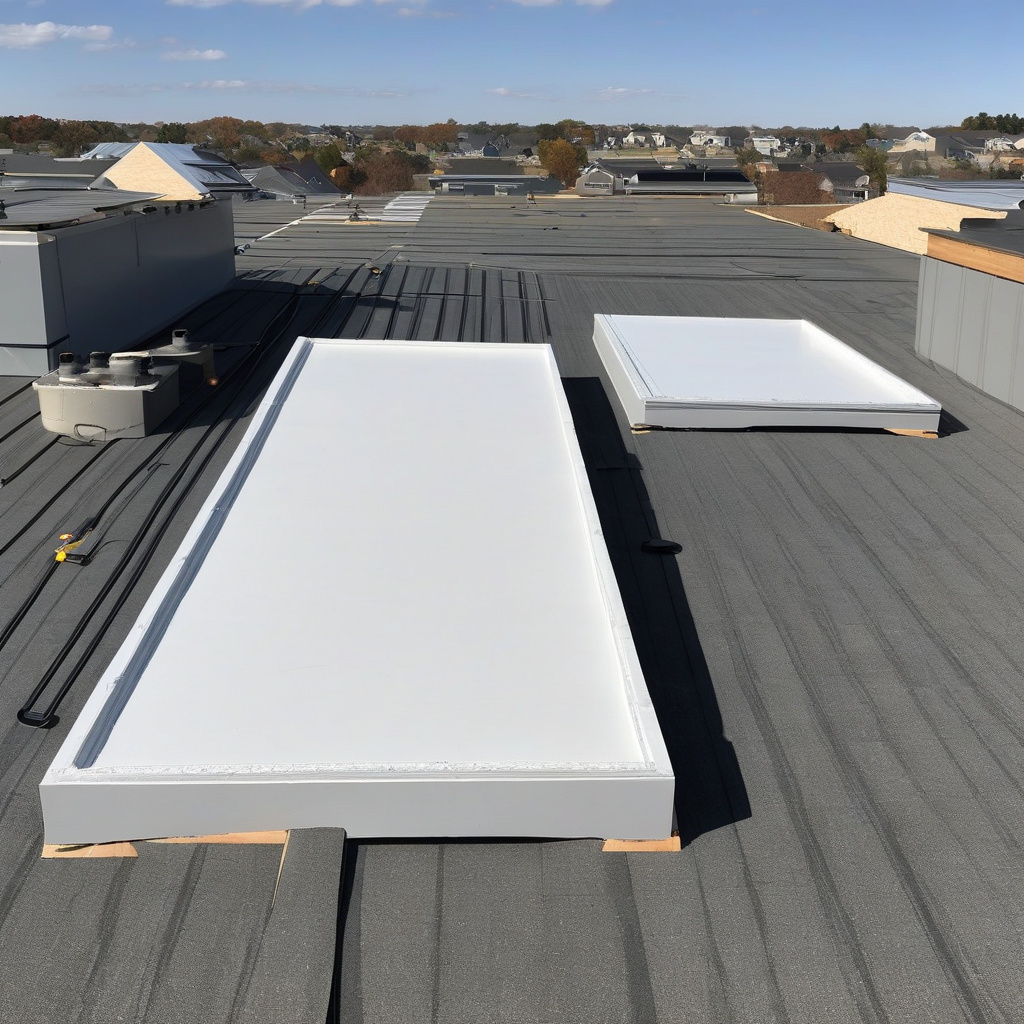
Low-Slope Roofing Options
The main flat roof solutions for Los Angeles homes include TPO, PVC, modified bitumen, and compatible restoration coatings. The right system depends on roof slope, drainage, deck condition, existing materials, rooftop equipment, heat exposure, access, and whether the roof needs repair, restoration, or complete replacement.
A flat roof is not truly level. It must direct water toward drains, scuppers, or gutters while maintaining a continuous waterproof layer around walls, penetrations, edges, and equipment. Material selection matters, but drainage design and installation quality usually have a greater effect on leak resistance than the membrane name alone.
Direct answer: TPO and PVC are reflective single-ply membranes with heat-welded seams. Modified bitumen is an asphalt-based system available in different application formats and surface finishes. Roof coatings can restore certain stable existing roofs but cannot correct saturated insulation, failed decking, major ponding, or widespread membrane deterioration. Every option requires compatible flashings, correct drainage, and installation by a contractor familiar with low-slope roofing.
What Makes a Flat Roof System Suitable for Los Angeles?
Los Angeles flat roofs must tolerate strong sunlight, prolonged dry periods, seasonal rain, rooftop temperature changes, and occasional debris from wind. Some homes also have parapet walls, skylights, HVAC equipment, solar components, vents, decks, or balconies that introduce additional flashing details. The best roof system is therefore the one that fits the building and can be installed continuously around those conditions.
Reflective membranes and coatings can reduce solar heat absorption compared with dark roofing surfaces. Actual indoor benefits depend on insulation, roof color, ventilation, building design, exposure, and the condition of the complete roof assembly. Reflectivity should be treated as one performance characteristic rather than a substitute for drainage or waterproofing.
The roof deck and insulation must also be evaluated. A new membrane installed over unstable decking or moisture-damaged insulation can conceal rather than solve the underlying problem. Professional flat roof repair and replacement should begin with an inspection that distinguishes isolated surface defects from failure within the assembly.
Waterproofing
Seams, penetrations, transitions, drains, scuppers, and roof edges must form a continuous water-resistant assembly.
Drainage
The roof must move water toward functional outlets without relying on the membrane to tolerate persistent deep ponding.
Heat Performance
Membrane color, insulation, solar exposure, roof condition, and rooftop equipment all influence surface and indoor temperatures.
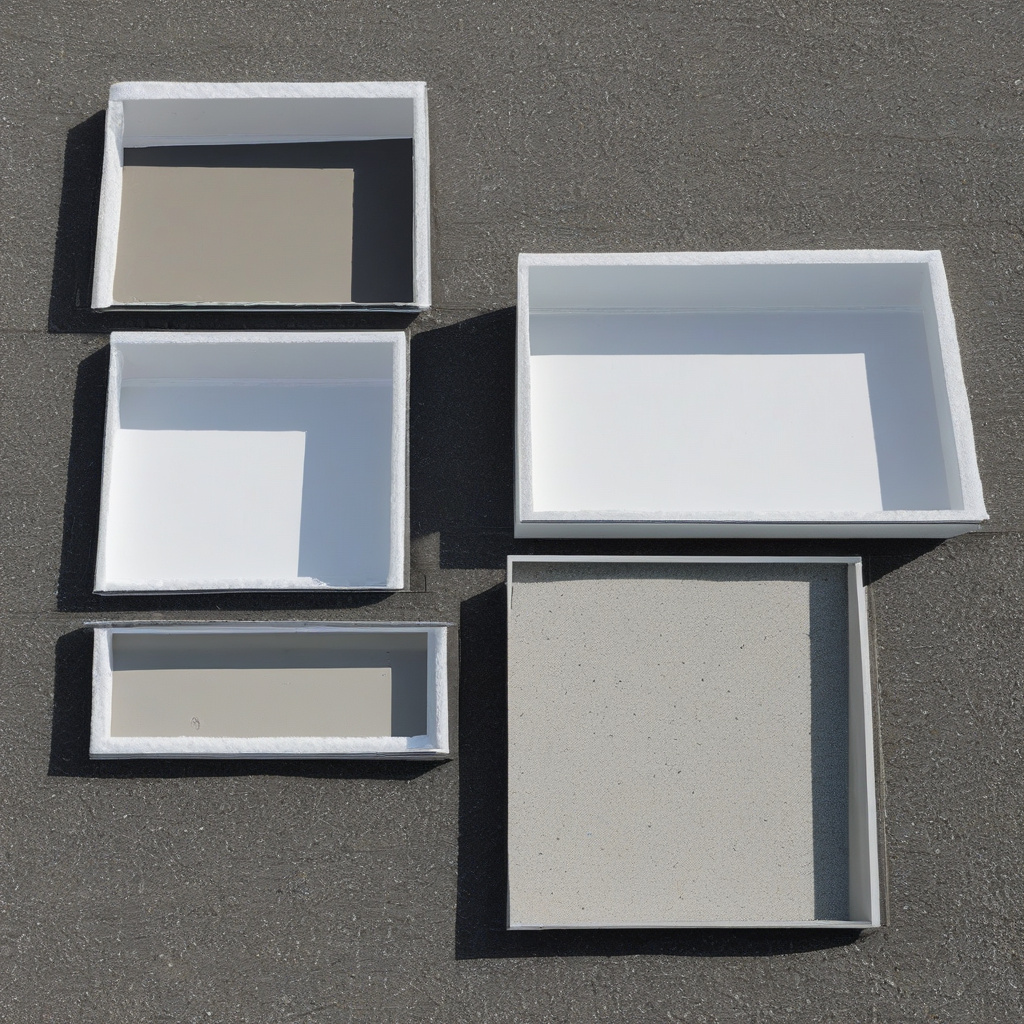
TPO Roofing for Residential Flat Roofs
TPO is a thermoplastic single-ply membrane commonly supplied in light, reflective colors. Sheets are arranged across the roof and joined with heat-welded seams. Depending on the approved assembly, the membrane may be mechanically attached, fully adhered, or installed through another manufacturer-specified method.
Homeowners often consider TPO when they want a reflective surface and a relatively simple membrane layout. It can work well on open roof areas, but residential roofs are not always simple. Parapets, skylights, pipes, drains, equipment curbs, irregular edges, and transitions require careful detailing using compatible accessories.
The completed system should be evaluated as more than a visible white sheet. Membrane thickness, reinforcement, attachment, cover board, insulation, flashing materials, seam quality, and edge securement can vary among assemblies. Contractors should identify the proposed manufacturer, product, thickness, installation method, and warranty requirements in writing.
TPO may not be the best choice when the existing roof cannot provide a stable substrate or when the planned assembly conflicts with rooftop conditions. A contractor should determine whether removal, deck repair, insulation replacement, or a recover system is appropriate before presenting the membrane as the final solution.
PVC Roofing for Los Angeles Flat Roofs
PVC is another thermoplastic single-ply membrane installed with heat-welded seams. Like TPO, it is available in reflective colors and can be detailed around penetrations and roof edges with system-specific components. PVC has an established history in low-slope roofing, but product formulations and complete assemblies differ between manufacturers.
PVC is often considered where owners value a welded membrane system and compatibility with the project’s exposure conditions. Its performance still depends on substrate preparation, attachment, seam work, flashing design, and protection from incompatible materials. The contractor should confirm whether separators or cover boards are needed over the existing assembly.
Price alone should not decide between PVC and TPO. A more expensive membrane installed poorly may perform worse than a less costly system installed correctly. Compare the full scope, including removal, insulation, deck work, edge metal, drains, flashings, penetrations, walkway protection, and manufacturer-required installation details.
Homeowners should also ask how future repairs will be performed. Rooftop equipment changes, new penetrations, solar work, and mechanical servicing can affect the membrane after installation. Repairs should use compatible materials and methods rather than generic patch products.
TPO May Fit
A reflective single-ply project where the proposed assembly, detailing, contractor experience, and budget align with the roof conditions.
PVC May Fit
A welded thermoplastic assembly where product compatibility, detailing requirements, exposure, and long-term service plans support its use.
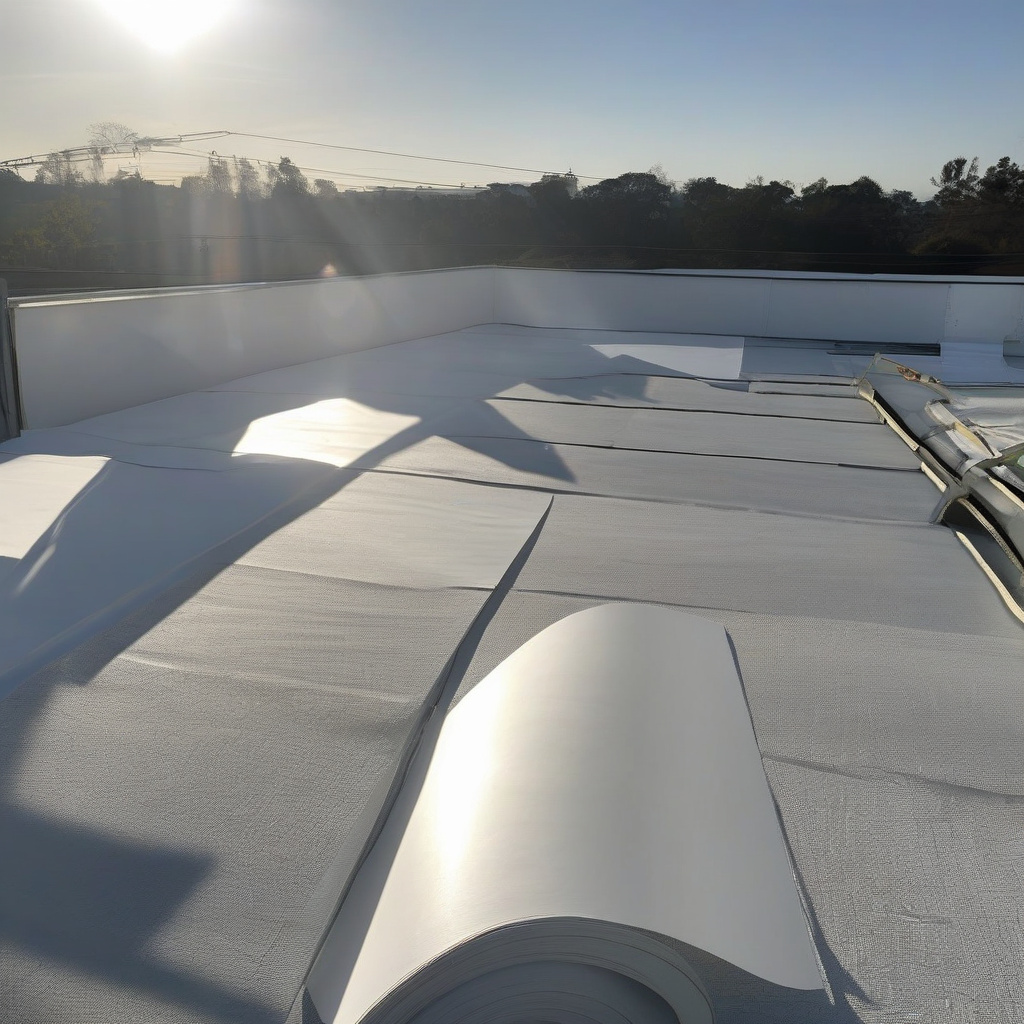
Modified Bitumen Roofing Systems
Modified bitumen is an asphalt-based low-slope roofing material reinforced and modified to improve performance. It is commonly installed in sheets and may be part of a multi-layer assembly. Application methods vary and can include self-adhered, cold-applied, hot-applied, or heat-assisted systems depending on the product and project requirements.
This system can be practical for residential roofs with numerous transitions, repairs, or established asphalt-based assemblies. Some products use mineral surfaces, while others receive reflective coatings or cap sheets. The selected surface affects appearance, heat absorption, maintenance, and compatibility with later restoration work.
Modified bitumen should not be described as a single universal product. Reinforcement, thickness, modifier type, number of layers, base sheet, attachment, cap sheet, and flashing methods vary. A proposal should identify the complete assembly rather than referring only to “torch-down” or “rolled roofing.”
Any installation method involving heat or open flame requires strict safety controls and may not be suitable for every occupied home or substrate. Alternative modified bitumen application methods may be available. The roofing contractor should explain the proposed process, fire precautions, ventilation considerations, and protection of the building and surrounding property.
Important distinction: Modified bitumen may tolerate routine service access when properly protected, but no standard waterproofing membrane should automatically be treated as a finished walking deck.
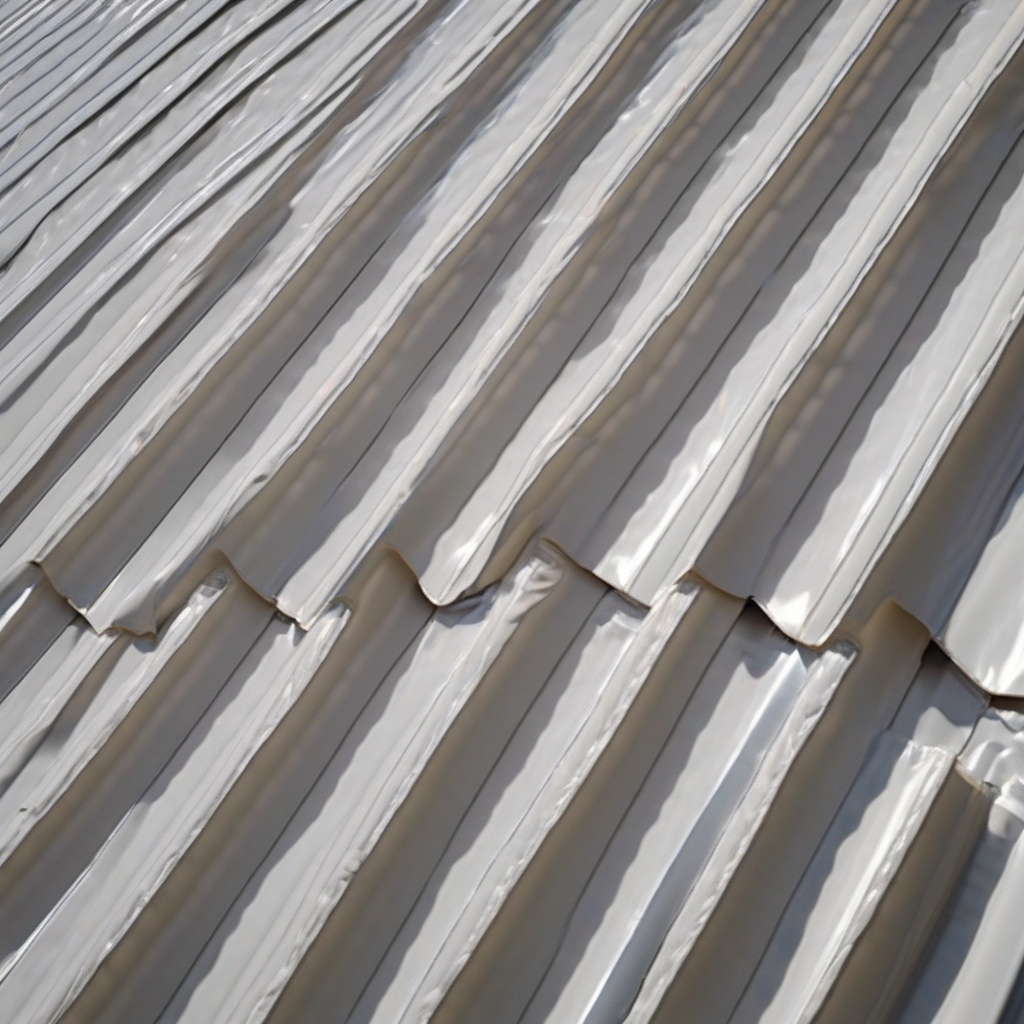
When Is a Flat Roof Coating a Suitable Solution?
A roof coating is a fluid-applied material that cures into a continuous surface over a compatible existing roof. Depending on the product, coatings may improve reflectivity, protect the membrane from weathering, and help seal prepared seams or minor surface defects. They are generally restoration products rather than replacements for damaged decking or saturated insulation.
Coating suitability begins with moisture evaluation and adhesion testing. The existing roof must be stable enough to remain in service, and incompatible contaminants or loose materials must be removed. Seams, flashings, cracks, penetrations, and drainage defects usually require repairs before the field coating is applied.
Silicone, acrylic, polyurethane, and other coating categories have different application limits, strengths, and substrate requirements. One product may perform well over a particular membrane but be inappropriate over another. The contractor should follow the coating manufacturer’s preparation, primer, thickness, cure, weather, and reinforcement requirements.
The guide explaining when flat roof coatings are suitable can help distinguish a viable restoration project from a roof that needs removal or replacement. Repeatedly coating over unidentified moisture or deteriorated materials can make later repairs more difficult.
Comparing the Main Flat Roof Solutions
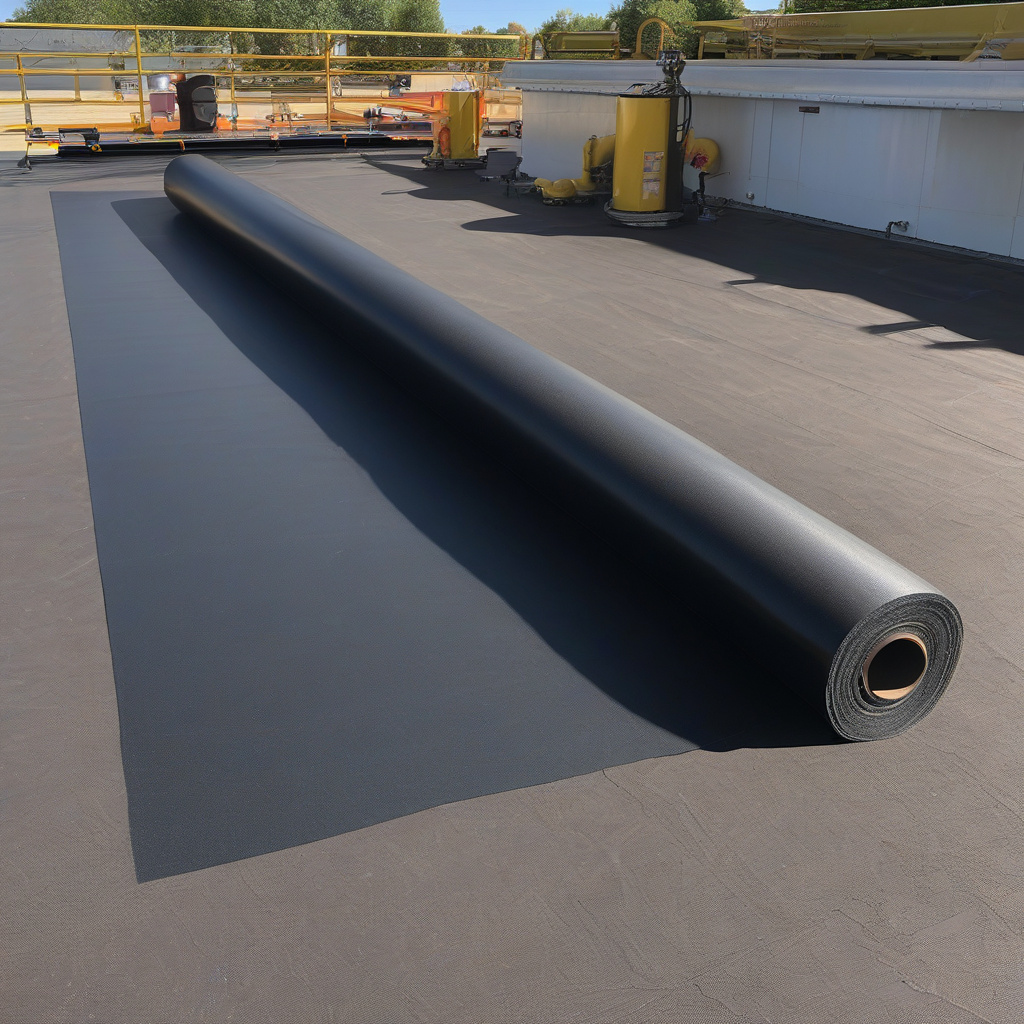
No flat roofing option is best for every Los Angeles home. A fair comparison must use the proposed assembly and actual roof conditions rather than broad material rankings. Membrane products within the same category may differ, and contractor workmanship can affect the result as much as the selected material.
| Roofing Option | Typical Strength | Main Evaluation Point |
|---|---|---|
| TPO membrane | Reflective thermoplastic surface with heat-welded seams | Product specification, attachment, welding quality, and flashing details |
| PVC membrane | Reflective welded single-ply assembly with established low-slope applications | Compatibility, substrate separation, detailing, and contractor experience |
| Modified bitumen | Layered asphalt-based system suited to many residential roof layouts | Application method, number of layers, surface type, and flashing integration |
| Roof coating | Restoration of a compatible roof that remains structurally serviceable | Moisture condition, adhesion testing, repairs, thickness, and drainage |
| Localized repair | Correction of limited defects on an otherwise serviceable system | Whether the failure is truly isolated rather than evidence of wider deterioration |
| Complete replacement | Access to wet insulation, damaged decking, and unsuitable existing layers | Tear-off findings, deck repairs, insulation, drainage, and full assembly design |
A broader comparison of modern flat-roof system options can help homeowners organize contractor proposals by assembly, installation method, drainage needs, maintenance, and expected rooftop use.
Drainage Is Central to Flat Roof Performance
Flat roofs require positive drainage even when they are described as low-slope systems. Water should move toward drains, scuppers, or gutters without being blocked by debris, misplaced equipment, raised seams, deteriorated insulation, or structural settlement. Some temporary water may remain after rain, but persistent ponding deserves investigation.
Ponding can increase stress on seams, flashings, coatings, insulation, and the roof deck. It may also collect dirt and biological growth, conceal punctures, and make routine inspection more difficult. Simply applying a reflective coating does not create slope or repair compressed insulation beneath the membrane.
Drainage corrections may involve clearing or modifying outlets, adding crickets, rebuilding tapered insulation, repairing low areas, adjusting scuppers, or addressing structural conditions. The right solution depends on why water remains. This guide to ponding water and drainage fixes explains why the visible low spot is not always the complete cause.
Flat Roof Drainage Checklist
- Confirm that drains, scuppers, gutters, and downspouts are open.
- Look for debris concentrated around outlets and parapet corners.
- Inspect staining that indicates recurring water paths or overflow.
- Check whether insulation or decking feels soft near low areas.
- Document how long water remains after normal rainfall stops.
Repair, Recover, Coat, or Replace?
Localized repair may be appropriate when the membrane remains serviceable and the defect is limited to a puncture, open seam, isolated flashing, or damaged edge. The repair material must be compatible with the existing roof. Generic cement, tape, or coating may interfere with future work or create only a temporary surface patch.
A recover system places a new approved assembly over an existing roof after evaluation and preparation. This approach can reduce demolition, but it is not suitable for every roof. Existing moisture, unstable materials, excessive layers, structural limitations, poor drainage, or incompatible substrates may require removal instead.
Coating can be considered when the roof is dry, stable, compatible, and capable of remaining in service after detailed repairs. Replacement is usually the more defensible option when deterioration is widespread, insulation is wet, decking is damaged, previous layers are unstable, or drainage changes require access to the underlying assembly.
The contractor should explain how the recommendation was reached. A proposal that offers coating, repair, or replacement without documenting roof condition leaves the homeowner unable to compare the actual value of the options.
Special Considerations for Balconies and Occupied Roof Areas
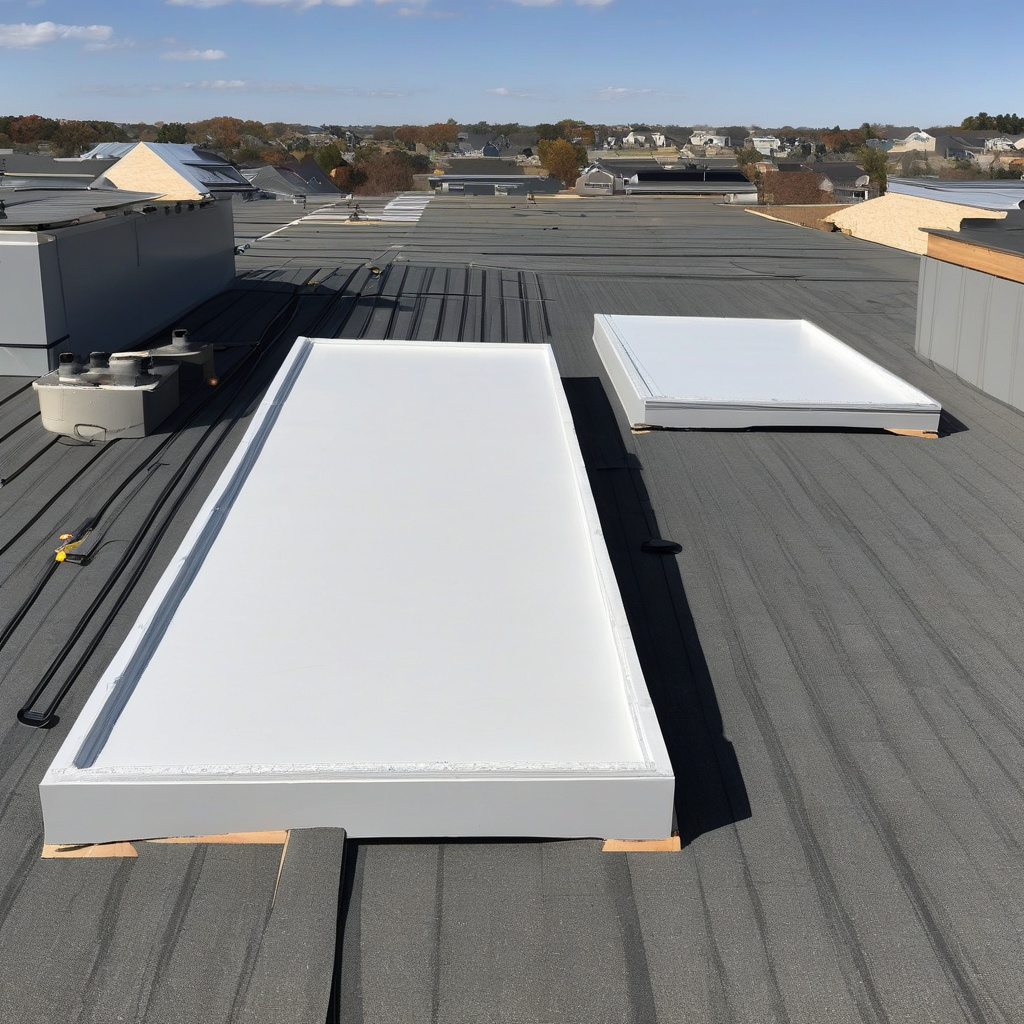
A waterproof flat roof and an occupied deck are not interchangeable. Balconies, patios, terraces, and frequently accessed roof areas may require assemblies designed for pedestrian loads, surface protection, drainage, transitions, railings, doors, and finished walking surfaces. Installing pavers, tiles, artificial turf, or decking directly over an ordinary membrane can create punctures or conceal blocked drainage.
Door thresholds and wall transitions are especially important. Waterproofing must integrate with the building enclosure while maintaining drainage away from occupied interiors. Railings and attachments should not create unplanned penetrations through the membrane, and any necessary penetrations require system-specific detailing.
Walkway pads or protected service routes may be used around HVAC equipment and regularly accessed areas when compatible with the membrane. They reduce direct wear but do not transform the entire roof into a recreational surface. Rooftop use should be included in the design before the roofing system is selected.
Maintenance requirements for combined waterproofing and outdoor-living assemblies are covered in the guide to flat roof maintenance for balconies and patios.
How to Compare Flat Roof Contractor Proposals
Every proposal should identify the existing roof condition, recommended work, material manufacturer, membrane or coating product, thickness or assembly, attachment method, insulation, cover board, flashing details, drains, edge metal, penetrations, demolition, disposal, and repair allowances. Vague descriptions such as “new flat roof” do not provide enough information for comparison.
Ask whether the contractor inspected the roof deck or used moisture-detection methods where appropriate. The proposal should explain what happens if damaged decking or wet insulation is discovered after removal begins. Unit prices or defined allowances can reduce disputes when hidden conditions cannot be quantified in advance.
Warranty terms should be read carefully. Manufacturer and contractor warranties may cover different issues, require specific maintenance, exclude ponding or unauthorized penetrations, and depend on approved installation procedures. A long stated warranty period is not meaningful unless the homeowner understands who provides it and what conditions apply.
Finally, confirm how the contractor protects walls, landscaping, skylights, rooftop equipment, drains, walkways, and occupied areas during construction. Flat roof work can involve debris, adhesives, equipment, hot materials, temporary openings, and changing access conditions that should be addressed before work begins.
- TPO and PVC use heat-welded seams and reflective single-ply membranes.
- Modified bitumen is a layered asphalt-based low-slope roofing system.
- Roof coatings suit stable, dry, compatible roofs after detailed repairs.
- Persistent ponding requires drainage investigation rather than surface coating alone.
- Choose the complete roof assembly, not just the membrane name.
Frequently Asked Questions
What is the best flat roof solution for a Los Angeles home?
The best solution depends on the existing membrane, deck condition, drainage, insulation, roof slope, penetrations, heat exposure, rooftop use, and budget. TPO, PVC, and modified bitumen can all be appropriate when installed as complete compatible systems. Coatings may restore some serviceable roofs. An inspection should determine whether repair, restoration, recover, or full replacement is justified.
Is TPO or PVC better for a residential flat roof?
Both are thermoplastic single-ply membranes with heat-welded seams and reflective product options. The comparison should consider the exact manufacturer, membrane specification, attachment method, substrate compatibility, flashings, roof complexity, contractor experience, warranty, and total installed scope. Neither category is automatically better for every home, and installation quality can outweigh general material differences.
Can a roof coating stop flat roof leaks?
A compatible coating can help restore a stable roof after seams, flashings, penetrations, cracks, and other defects have been repaired. It should not be expected to correct saturated insulation, damaged decking, unstable membrane layers, major ponding, or structural movement. Moisture evaluation, adhesion testing, preparation, reinforcement, and the required coating thickness are essential before relying on a coating system.
Why does water remain on my flat roof after rain?
Water may remain because drains or scuppers are blocked, the roof lacks sufficient slope, insulation has compressed, decking has deflected, previous repairs obstruct flow, or structural movement has created low areas. The cause should be identified before applying new roofing. Coating the surface may change reflectivity but will not create drainage or restore damaged materials beneath the membrane.
Can a new flat roof be installed over the existing roof?
A recover assembly may be possible when the existing roof is sufficiently dry, stable, compatible, and allowed to remain under the proposed system. Wet insulation, damaged decking, excessive layers, poor drainage, unstable surfaces, or structural limitations may require removal. The contractor should document the evaluation and identify any separator, cover board, insulation, or attachment requirements.
Is modified bitumen suitable for Los Angeles homes?
Modified bitumen can be suitable for many residential low-slope roofs, particularly when its layered asphalt-based construction and flashing methods fit the building. Product type, reinforcement, surface finish, application method, number of layers, drainage, and fire-safety controls must be considered. Reflective cap sheets or compatible coatings may be used when specified as part of the complete system.
How often should a residential flat roof be inspected?
Inspection frequency should reflect roof age, condition, access, surrounding trees, drainage history, previous leaks, and rooftop equipment. Homeowners should also check accessible areas after significant rain, wind, construction, solar work, or mechanical servicing. Professional evaluation is appropriate when water remains, seams open, coatings crack, surfaces feel soft, flashings separate, or interior moisture signs appear.
Can I use a residential flat roof as a deck?
Not unless the roof and building are designed for occupied use. A walking deck may require structural verification, code-compliant access and guards, protected waterproofing, compatible surfacing, drainage, door-threshold detailing, and safe integration of railings and penetrations. Standard TPO, PVC, modified bitumen, or coating surfaces should not automatically be treated as finished recreational flooring.