Designing a kitchen that serves as both a culinary workspace and an entertainment hub is a fine art coveted by many Southern California homeowners. Los Angeles, the epicenter of style and innovation, sets the tone for kitchen design that embraces sociability without compromising functionality. The city’s vibrant culture demands spaces that are both chic and practical, where the flow is seamless and the aesthetic, stunning.
Brief summary: This article explores essential aspects of creating a kitchen conducive to entertaining, covering layout optimization, counter space planning and seating design. It also discusses popular renovation trends, cost considerations, and material choices in the Los Angeles area.
Understanding the Flow: The Heartbeat of Entertaining Kitchens
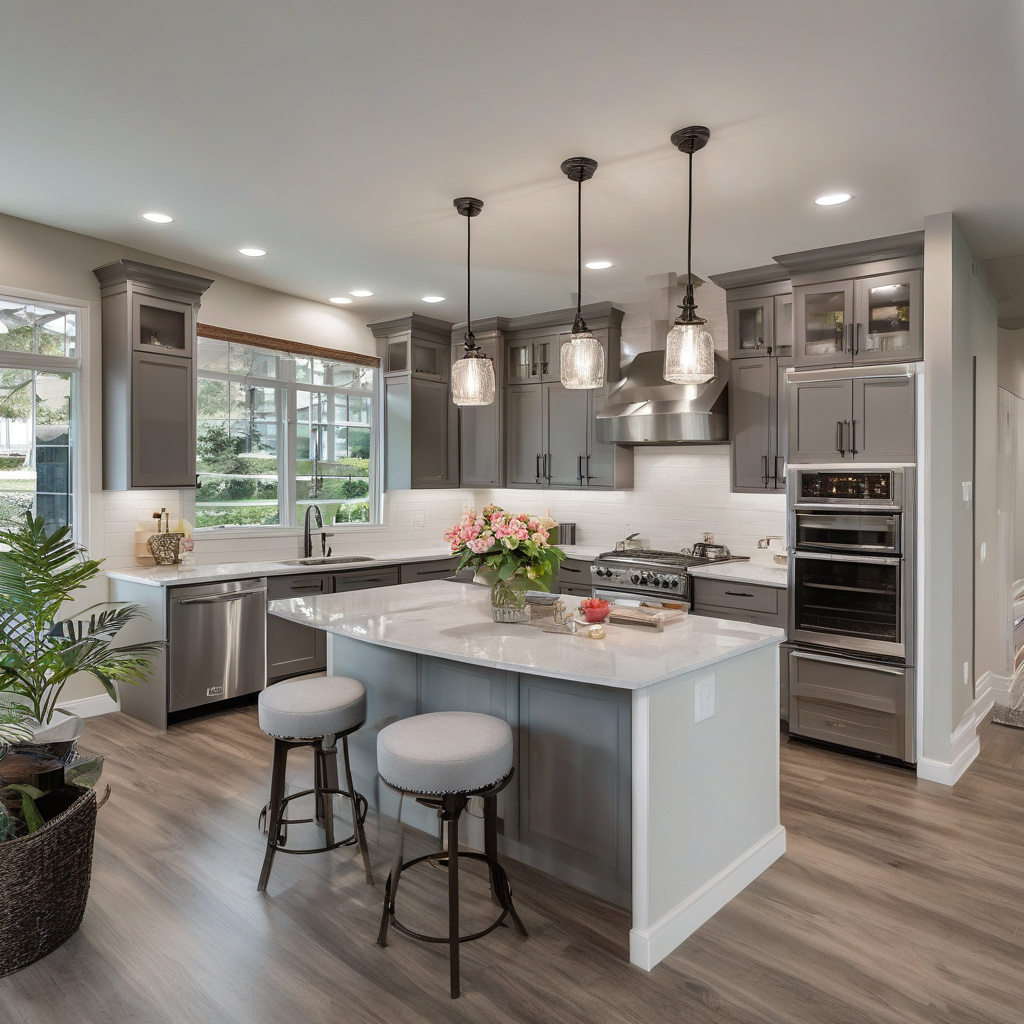
In Los Angeles, where home gatherings can feel as glamorous as the red carpet at the Oscars, the flow of a kitchen is akin to a well-orchestrated dance. The layout of any entertaining kitchen must facilitate easy movement and interaction. Homeowners are increasingly favoring open-plan kitchen designs, integrating the kitchen with living areas to ensure they remain part of the conversation while whipping up a feast.
For those planning kitchen remodels focused on entertaining, the triangular configuration involving sink, stove, and refrigerator remains a timeless choice for its efficiency. Such a setup reduces unnecessary steps, minimizing choreography mishaps during bustling gatherings.
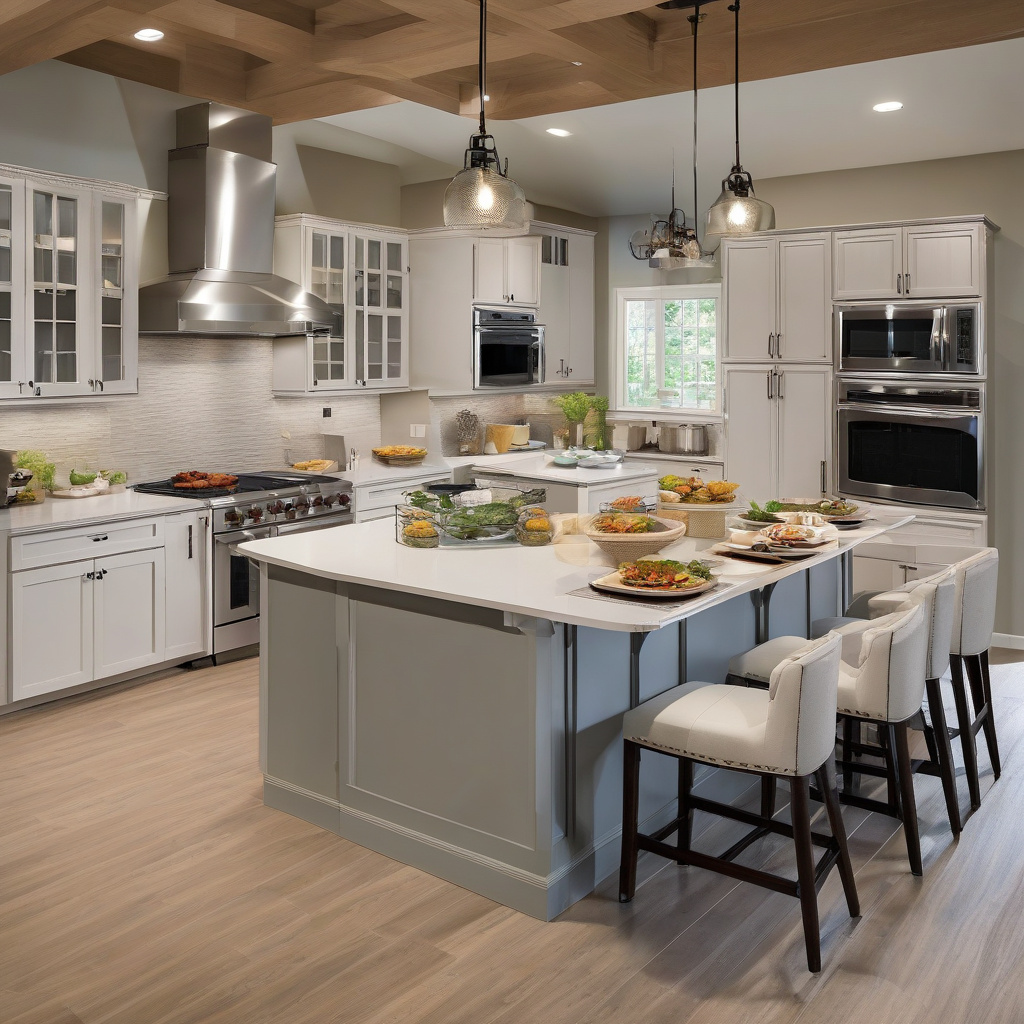
Real-world implementations in trendy LA neighborhoods reflect a preference for large islands, which act as the central hub for both preparation and social interaction. These islands often incorporate seating on one side, enabling the cook to engage with guests while working. It’s this integration that preserves the intimacy and connection central to memorable soirées.
Ultimately, creating an effective flow involves more than just traffic patterns; it’s about ensuring guests and hosts alike feel effortlessly immersed in the ambiance. As many local homeowners notice, updating or rearranging the kitchen layout significantly enhances the hosting experience.
“A well-designed kitchen serves as both the functional and social heart of the home, maximizing both utility and aesthetic appeal.” — Jane Simmons, Interior Designer.
Maximizing Counter Space: The Anchor of Preparation and Presentation
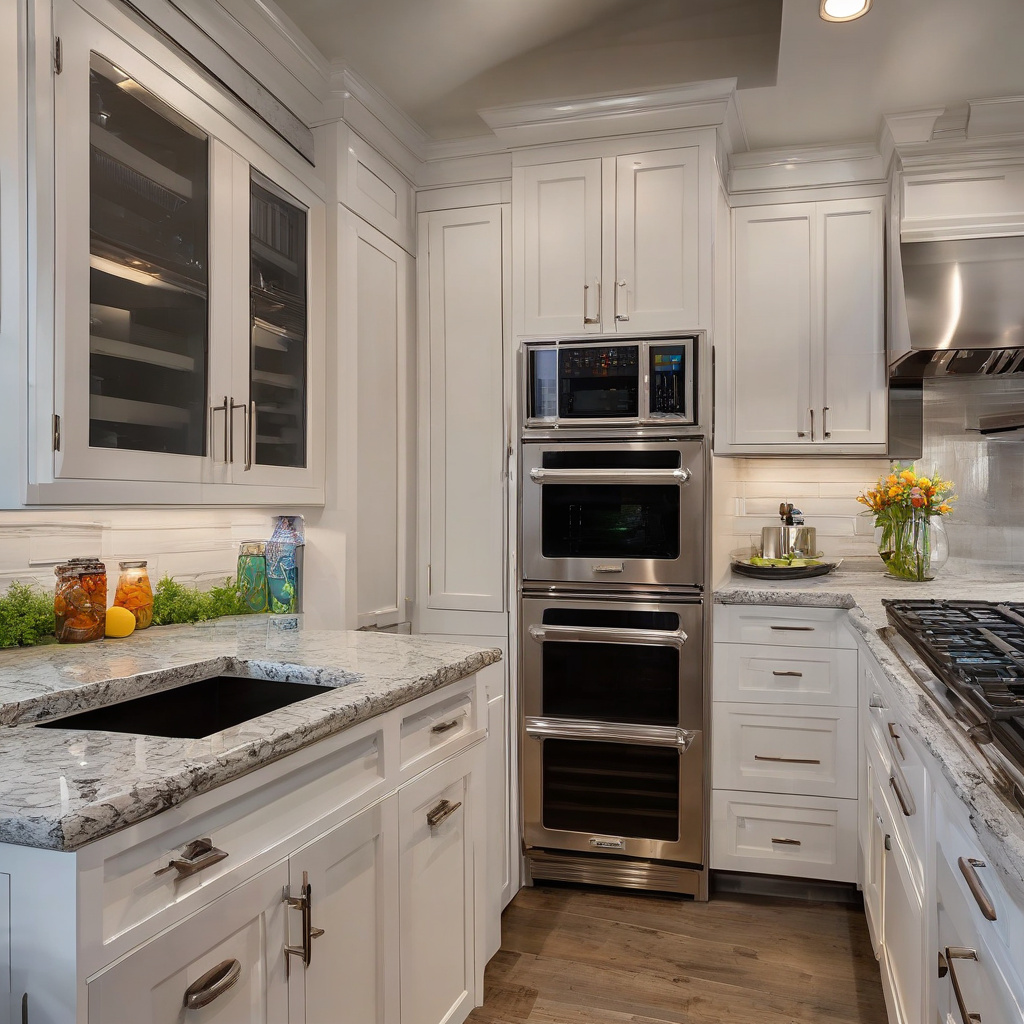
When it comes to counter space, more is invariably better, particularly for those who entertain frequently. Los Angeles homeowners are embracing expansive worktops that provide ample room for food preparation, easy access to ingredients, and space for appliances. This generous surface area doubles as a staging ground for buffet-style setups popular in the laid-back, yet chic, LA gatherings.
The materials chosen for counters can transform both functionality and the mood of the kitchen. Quartz and granite remain top choices for their durability and polished look. However, sustainable materials such as reclaimed wood are gaining traction among eco-conscious Angelenos, lending a rustic charm while maintaining modern sensibilities.
Integrating a variety of counter heights can also maximize utility — with lower levels for baking and higher zones for serving drinks. The diversity accommodates different needs, offering flexibility and enhancing the kitchen’s versatility.
The bottom line for counter design in entertainment-centric kitchens is ensuring practicality doesn’t overshadow aesthetics. The balance struck is what makes the kitchen both a haven for the culinarily inclined and a delight for designers.
- Optimal counter layout enhances host-guest interaction.
- Material choice influences both durability and design.
- Multi-height counters offer a dynamic culinary experience.
- Consider the balance of usability with visual appeal.
Seating Solutions: Keeping All Guests Comfortable
A crucial element of designing an efficient entertainment kitchen is creating comfortable and accessible seating. In the sun-drenched precincts of Southern California, the adoption of indoor-outdoor continuity allows for a natural extension of entertaining spaces. Bar stools around the kitchen island, cushioned banquettes, and strategically positioned dining sets ensure that guests can seamlessly transition between kitchen and other shared spaces.
Adaptability is key. Many homeowners are embracing modular seating arrangements to accommodate varied guest numbers. For instance, fold-away stools that tuck under counters can be a space-saving boon. Comfortable seating is not an afterthought but a deliberate insertion into the kitchen’s design layout.
Trends show a rise in mixed-material pieces, with wood and metal combinations striking a modern, yet inviting note. While design matters, ensuring enough seating for all at eye level with the entertainer is paramount to maintaining the kitchen as a centerpiece of the home.
Ultimately, smart seating solutions facilitate not just comfortable enjoyment for guests but maintain the cook’s position as both chef and party host.
“Eighty percent of kitchen design remodels focus on increasing seating capacity while optimizing comfort, according to recent industry reports.” — Design Trends Quarterly.
The Financial Latitude: Balancing Budget with Ambition
Renovating a kitchen to meet the demands of entertaining can vary widely in cost throughout Los Angeles. The average kitchen remodel budget in this area can start anywhere from $20,000, climbing effortlessly into six figures for high-end finishes and custom elements. Despite the potential expense, there are strategies to manage budgets without sacrificing quality.
Budget-friendly remodels often involve cosmetic updates, such as repainting cabinets or upgrading hardware, versus complete overhauls. Homeowners may opt for durable yet cost-effective materials such as laminate over stone.
Structural changes, like those found in a kitchen layout redesign, introduce complexity — involving electrical and plumbing modifications that increase costs and timeframes. Best practices suggest gaining multiple estimates and clearly defining priorities to ensure successful project completion within budget constraints.
Yet, a thoughtful balance of finances allows for personal style expression, providing a return on investment—both financial and experiential—that enhances the kitchen’s role as an entertainment haven.
| Element | Cost Range | Material Options | Timeline |
|---|---|---|---|
| Countertops | $2,000 – $8,000 | Quartz, Granite, Reclaimed Wood | 1-3 weeks |
| Appliances | $3,000 – $10,000 | Stainless Steel, Energy-efficient Models | 1-2 weeks |
| Cabinetry | $5,000 – $15,000 | Laminate, Hardwood | 3-6 weeks |
Risk vs Reward: The Hidden Realities of Kitchen Renovations
While the allure of a striking, entertainment-friendly kitchen is undeniable, the renovation process is peppered with potential challenges. It’s not unusual for homeowners to dive into projects underestimating the complexities involved. As one navigates through the maze of demolition, structural realignments, and the intricate web of local regulations, unexpected issues often arise.
A pertinent example involves structural load assessments or discovering unplanned plumbing reroutes, which can strain budgets and extend timelines. Engaging experienced professionals who anticipate and navigate these challenges is crucial to seamless kitchen makeovers.
For all its unpredictability, the risk of remodel challenges is often outweighed by the reward of an environment that facilitates connection and conviviality. Kitchens in Los Angeles aren’t just spaces for preparing meals; they’re the backdrop to cherished memories, where style, function, and family bonds intermingle.
In the end, tackling these risks requires a calculated approach, gleaning insights from those who’ve walked the path before and embracing the lessons inherent in each project stage.
“Surveys reveal that 60% of renovation projects exceed initial budgets due to unforeseen structural issues.” — Build Smart Journal.
Looking to the Future: Adapting to Leading Design Trends
As Los Angeles continues to evolve, so too does its approach to kitchen design, where blending the indulgence of modern style with timeless functionality continues to be revered. Sustainability has ascended as a guiding principle, dictating everything from material selection to energy-efficient appliances.
For those preferring multi-use configurations, adopting the multi-use kitchen layout design can offer an unparalleled blend of adaptability and innovation. Such spaces are crafted to morph effortlessly between cooking, entertaining, and working areas, reflecting the diverse needs of modern homeowners.
The rise in conscious consumers and the shift towards sustainable architecture mean that kitchen renovations in Los Angeles symbolize more than mere aesthetic uplifts—they embody a commitment to mindful living. As the city strides forward, its kitchens remain a testament to the balance of beauty, efficiency, and community engagement, forming the core of every home.
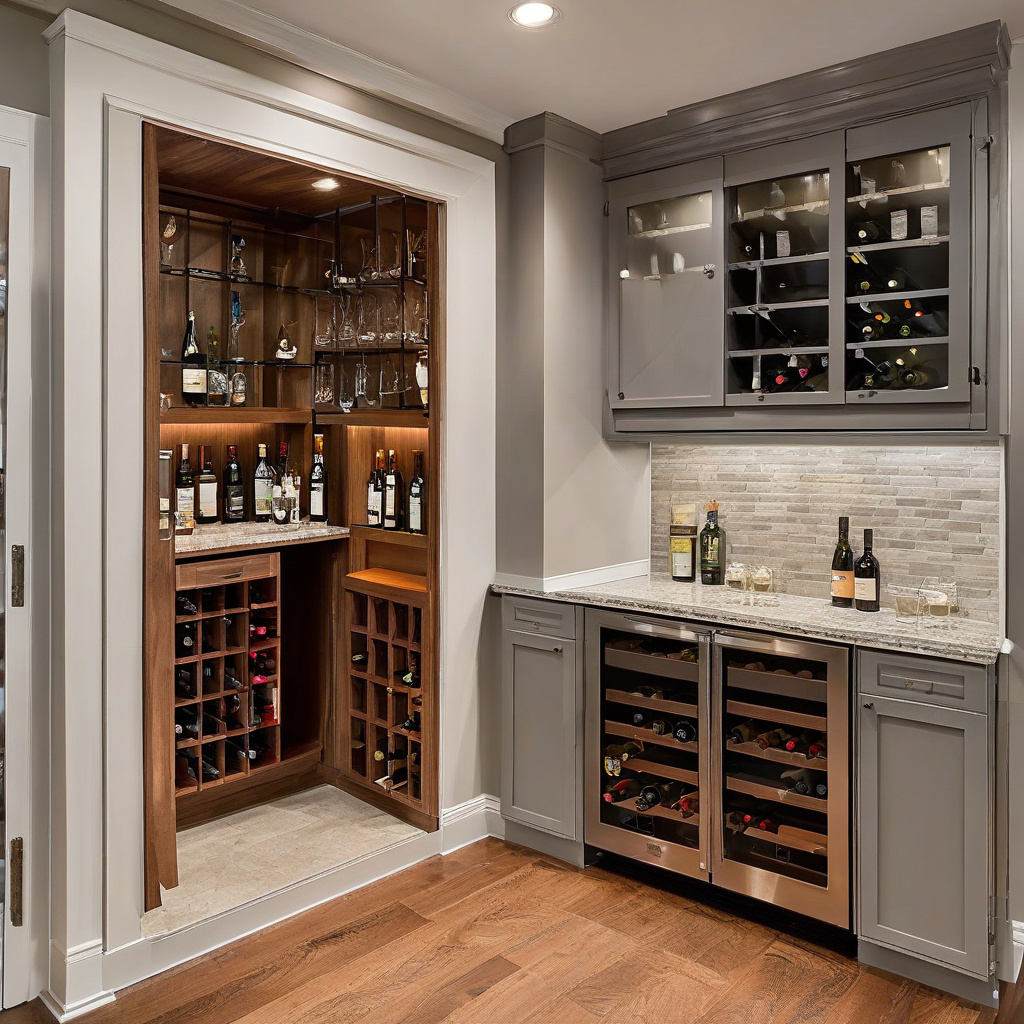
Looking further afield, adopting aspects like inclusive kitchen design elements could very well define the kitchens of tomorrow, creating spaces that cater to diverse cultural and culinary practices.
As these trends gain traction, homeowners stand poised to redefine their kitchens—not just as cooking spaces, but as dynamic environments where the heart of family and social life pulsed rhythmically through generations.
- Smart kitchen flow enhances entertaining and daily life.
- Optimized counter space anchors both function and design.
- Comfortable seating is integral to modern kitchen functionality.
- Budget considerations are pivotal in renovation planning.
- Modern trends emphasize sustainable and multi-use kitchen designs.
FAQ
What should be the focus when designing a kitchen for entertaining?
When you’re crafting a kitchen meant for entertaining, the key lies in optimizing flow, maximizing counter space, and ensuring ample seating. In real renovation projects, designers frequently emphasize the “work triangle”—the arrangement of sink, stove, and refrigerator. This layout fosters an efficient pathway that allows hosts to mingle with guests while preparing meals. Homeowners in open-concept layouts find this especially effective, as the integration between kitchen and living spaces fosters interaction. Maintaining visual and physical access to guests while you’re whisking up a dish is a game changer. Overlook this, and you might find a bottleneck where guests crowd an awkwardly placed counter space, disrupting the flow.
How do I choose the right seating options for a kitchen designed for entertaining?
Choosing seating options is where style meets function. Many experts point out that bar stools at a kitchen island or peninsula are extremely functional. They allow guests to sit at varying stages of meal preparation. In California homes with modern touches, you’ll often find seating that incorporates comfortable materials like leather or cushioned seats. Consider including a mix of fixed and movable options, like benches or extendable dining tables. This ensures flexibility for different types of gatherings, whether it’s a casual brunch or a more formal dinner party. However, watch out for seating that is too bulky, as it can disrupt flow and make the space feel cramped.
When is it worth investing in open shelving for kitchen entertaining spaces?
Open shelving can be both a practical and aesthetic choice, but its utility hinges on several factors. Homeowners frequently underestimate the visual clutter that open shelves can introduce. If you’re in a trendy California home with a spacious layout, open shelving offers an opportunity to showcase stylish dinnerware or collectibles, creating an inviting ambiance. On the flip side, for older properties where space may be tighter, cabinets with doors might be more fitting to hide less display-worthy items. If you love having everything within easy reach and are committed to keeping things tidy, open shelving can enhance accessibility and contribute to a seamless guest experience.
What are some potential pitfalls when designing a kitchen for entertaining?
Although designing these spaces can be exciting, there are pitfalls to be cautious of. Many homeowners erroneously assume that more appliances and seating automatically equate to better functionality. However, without considering space constraints, these additions can actually hinder movement. In my experience, another common mistake is underestimating lighting. A well-lit kitchen not only sets the mood but also ensures safety and functionality. Consider layering lighting with pendant lights, under-cabinet LEDs, and dimmable fixtures to adapt to the time and tone of your gatherings. Paying attention to these elements can significantly enhance the user experience, avoiding a cluttered and dim space.
How important is counter space in an entertainment-focused kitchen?
In the world of kitchen design, ample counter space is often considered non-negotiable, particularly for those who love to entertain. It serves as the primary prep zone, and more importantly, as a gathering spot for guests to engage with the host. In single-family homes, where kitchen islands are popular, this space often doubles as a bar or buffet. Homeowners frequently fail to anticipate the importance of uninterrupted horizontal surfaces. Whether you’re preparing a multi-course meal or setting up for a cocktail party, generous counter space prevents overcrowding and keeps the process fluid. Pro tip: consider using multi-level counters to delineate work and social areas, ensuring everyone can be part of the action without feeling cramped.
What are the cost considerations when designing a kitchen for entertaining?
Designing a kitchen for entertaining usually involves a mix of investments and potential savings. High-quality materials such as natural stone countertops, custom cabinetry, and state-of-the-art appliances can push the budget upwards, but deliver long-term durability and a touch of luxury. Many experts also suggest investing in energy-efficient appliances that balance initial cost with ongoing savings. It’s possible to economize by selecting off-the-shelf cabinets and focusing splurge funds on statement pieces like an impressive range or oven hood. Financial considerations should also include potential resale value, especially in high-value markets like California, where a well-designed entertainment kitchen is a significant asset.
What are the pros and cons of integrating smart technology into an entertainment-focused kitchen?
Smart technology integration can vastly enhance the functionality and ambiance of a kitchen designed for entertaining. Smart appliances, like programmable ovens and refrigerators with inventory tracking, streamline meal prep and management. Voice-controlled lighting and sound systems can shift the mood seamlessly from cooking to dining. However, as practical as these innovations appear, they do come with challenges. Initial costs can be high, and there’s always a learning curve associated with new technology. Furthermore, tech solutions can become quickly outdated. For homeowners curious about tech upgrades, it might be worth reaching out for professional advice to explore options that fit your lifestyle without overwhelming your space. Click here to discuss your ideas with a renovation expert.
What maintenance considerations should I keep in mind when designing an entertaining kitchen?
Maintenance is a critical factor that affects both the longevity and the enjoyment of your kitchen space. In real-world renovations, the choice of materials greatly impacts maintenance needs. Opt for durable, low-maintenance countertops like quartz and easy-to-clean flooring options, such as tile or sealed wood. Homeowners often overlook the wear and tear that frequent entertaining can impose on finishes and appliances. Regular upkeep, such as sealing countertops and maintaining appliance filters, can prevent costly repairs down the line. Moreover, kitchens with open shelving demand more frequent dusting and organization, so factor in the time and effort you’re willing to invest if you choose this popular option.