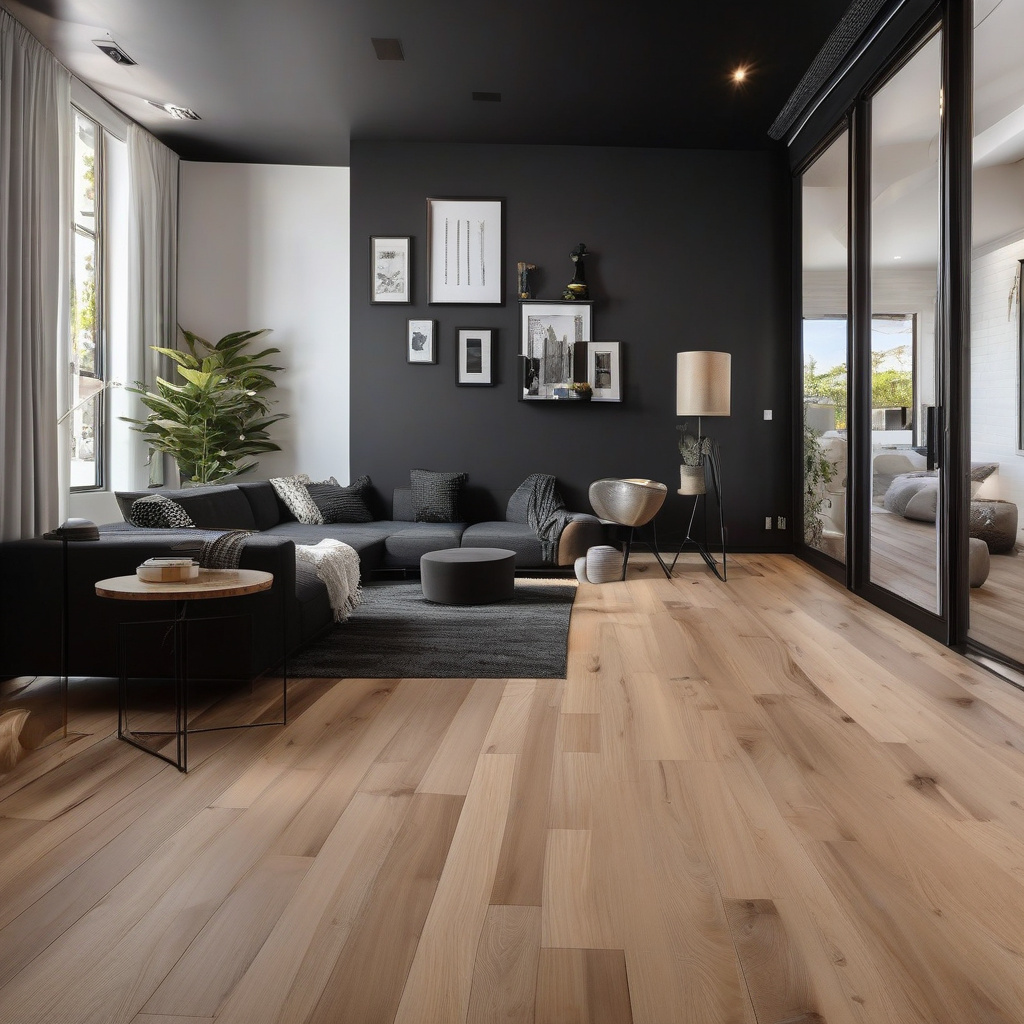
In Los Angeles, where aesthetics often meet innovation, black and dark paints are the new sophisticated trend making waves in interior design. These bold shades are redefining traditional concepts of space, adding an unexpected depth and character to homes that crave individuality. But the allure of these pigments extends beyond mere visual impact; they symbolize a departure from the mundane, delivering drama and elegance in equal measure.
Brief summary: This article delves into the growing trend of using black and dark paint colors in Los Angeles homes to create striking interiors. It covers practical tips for balancing these bold colors with lighting and layout, examines cost considerations, and offers insights into homeowner experiences. Additionally, it discusses different approaches and types of paints suitable for achieving the desired dramatic effect.
Setting the Dark Tone: The Rise of Black Interiors
The embrace of black interiors in Los Angeles speaks to a broader design evolution towards moody yet inviting spaces. As many design enthusiasts have noted, the city’s characteristic sunshine offers the perfect natural contrast to these darker tones, creating a balance that fosters intrigue. This trend isn’t just about aesthetics; it’s also about creating an ambience that reflects personality and a touch of boldness. One source of inspiration, as many homeowners have taken to exploring, can be found in the rich offerings at specialty paint sites, which showcase both variety in hue and quality.
Black interiors signify a move toward personalized spaces that offer a respite from the hustle and bustle of city life. The right shade of black, combined with strategic lighting, invites a sense of contemplation and serenity without sacrificing style. As with any burgeoning trend, the key lies in thoughtful execution. It’s about understanding the spatial dynamics and how light interacts with color, allowing for a home that feels both dynamic and tranquil.
In practical terms, utilizing black paint demands a keen eye for detail. Lighting, for example, plays a crucial role in ensuring that these spaces do not feel oppressive. Ambient lighting can highlight the subtle hues within the paint, including undertones that may not initially be apparent. Meanwhile, task lighting helps maintain functionality without clashing with the overall aesthetic. For homeowners willing to take the plunge, the payoff is a space that uniquely reflects their taste and sophistication.
A successful dark interior, done with care, is a testament to design prowess and attention to detail. By incorporating various textures—wooden elements, metallic accents, and plush fabrics—homeowners can prevent spaces from feeling monolithic and instead cultivate a nuanced environment. The result? Rooms that are not only visually stunning but also deeply personal, offering a canvas for self-expression.
Crafting Contrast: Practical Tips for Beautiful Balance
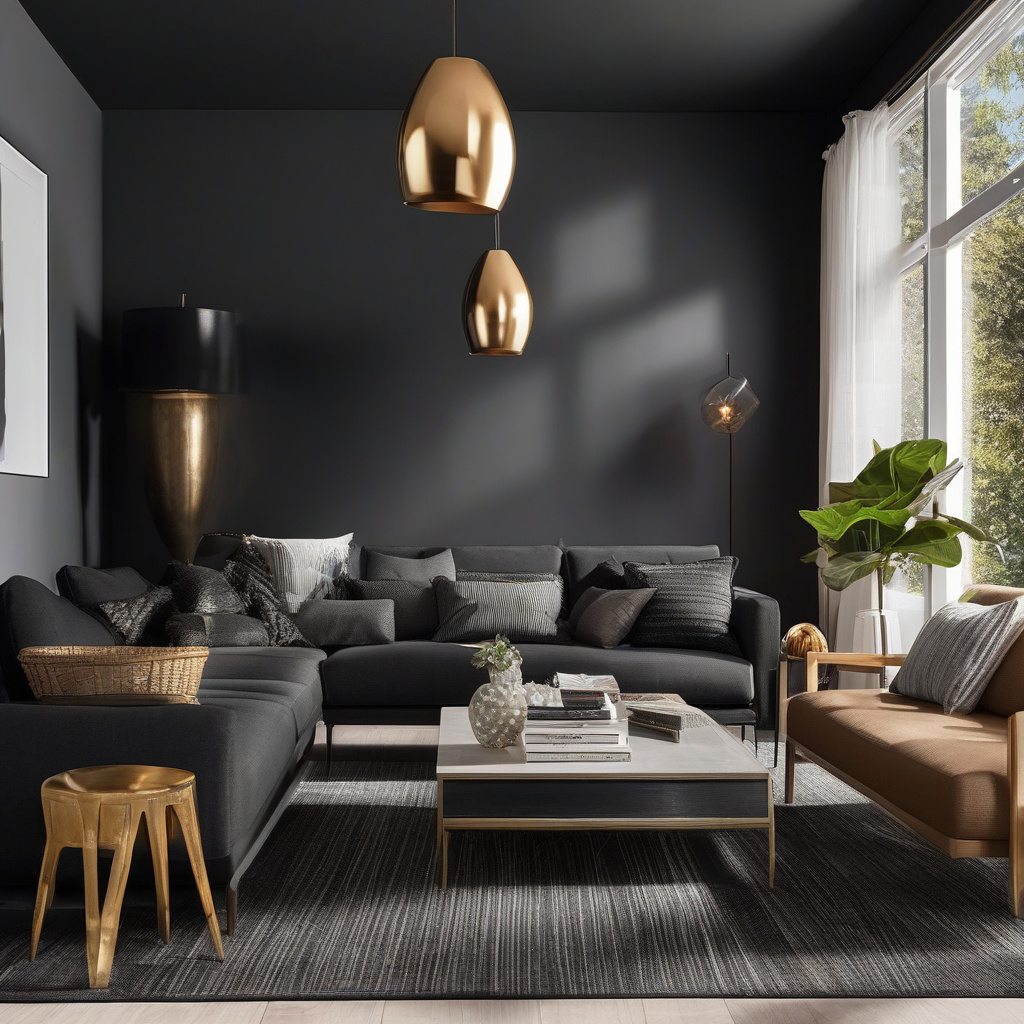
When embarking on the journey of dark interiors, balancing bold paint choices with the right design elements is crucial. Understanding the difference between accent walls and full room applications can significantly influence the outcome of a renovation project. As exploring nuanced painting strategies suggests, both methods offer unique advantages that can cater to different design goals.
Many Los Angeles homeowners, keen to embrace modernity yet aware of traditional comforts, often start with accent walls. This approach offers a gentle introduction to dark hues, allowing a single wall to become a focal point without overpowering the room. Such choices also enable homeowners to experiment with various shades and finishes to see what aligns best with their existing decor.
Complementary Elements: Pairing and Preparations
Complementary elements play an indispensable role in dark design schemes. Furniture, artwork, and accessories must coalesce harmoniously with the chosen paint color. For instance, metallic fixtures or lighter-toned furniture can create a beautiful dialogue with black walls, adding layers of depth and dimension. Statement pieces, whether colorful artwork or minimalist sculptures, can pop against a dark backdrop, becoming striking focal points.
The transformation process also involves practical considerations: ensuring surfaces are primed and using high-quality paint to avert common pitfalls like patchiness. Experienced homeowners advise taking the time to source paints with richer pigments and glossy finishes where appropriate, as they enhance light reflectivity and texture.
Ultimately, the contrast in dark and light elements facilitates an engaging visual narrative within the home. Well-executed, this balance can evoke a sense of intrigue and warmth, inviting guests to linger and enjoy. It is this juxtaposition—dark but not dour—that defines successful dark interiors.
Evaluating Costs and Materials: Playing with Palettes
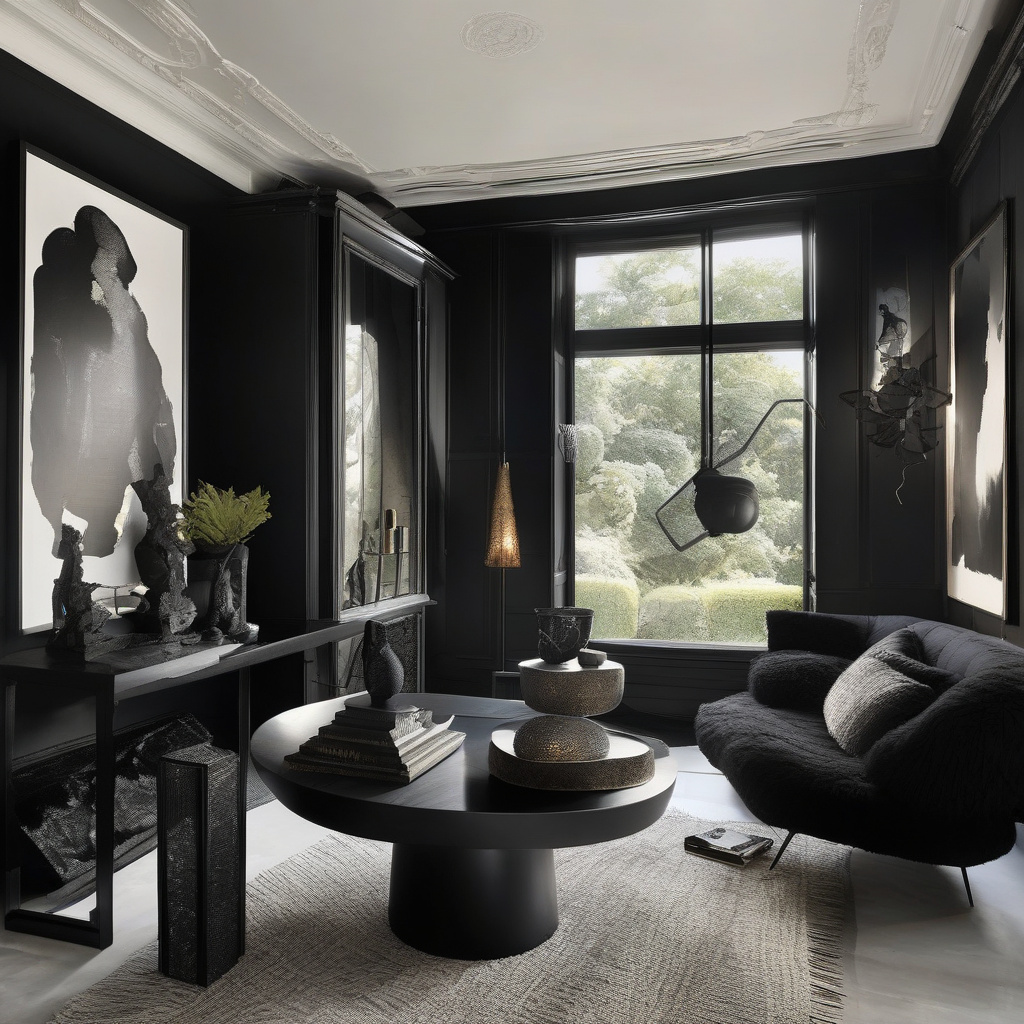
When diving into the world of dark interiors, understanding the financial implications and material characteristics is as crucial as creative vision. High-quality paints can range in price, but it’s essential to remember that investing in superior materials often pays off in longevity and finish. According to industry experts, a well-chosen paint can last up to 10 years, reducing the need for frequent touch-ups.
However, costs can escalate depending on additional factors such as surface preparation and the complexity of the desired finish. For those cautious about expenses, comparing material maintenance across different paint types provides a basis for making informed decisions about product durability and value.
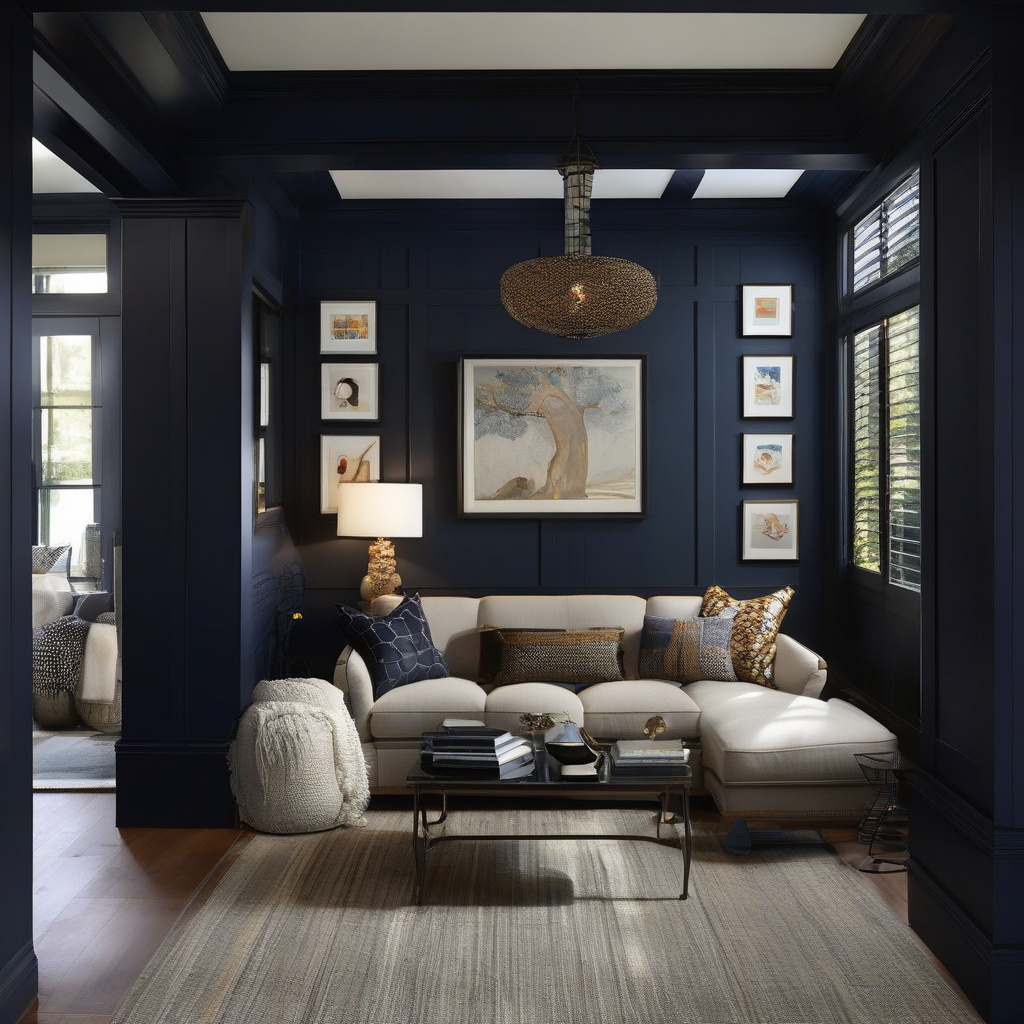
While some may find the initial cost of high-end paints daunting, the return on investment is visible in the richer color pay-off and ease of application. Modern formulations improve coverage, reduce drying time, and offer improved resistance to fading—a significant advantage in sunny locations like Los Angeles.
According to recent home renovation reports, nearly 60% of luxury homeowners prioritize paint quality over cost, favoring brand reliability and longevity.
When calculating renovation budgets, homeowners should consider all variables, from the paint type to labor costs involved in professional applications, to avoid any surprise expenditures. Whether engaging with a professional or undertaking a DIY project, understanding these components leads to smoother execution and superior final results.
Exploring the Risks and Rewards: Is Dark Worth the Gamble?
Taking the plunge into the world of dark interiors may seem like a gamble, but when weighed carefully, it’s a risk with rewarding potential. One of the inherent challenges is achieving the fine line between dramatic and oppressive, particularly in smaller spaces where darkness can diminish perceived size. Yet, with strategic planning and foresight, these hurdles are easily eclipsed by the aesthetic benefits.
For many Los Angeles homeowners, the rewards of luxuriating in a richly hued environment far outweigh the initial apprehensions. Black and dark colors inherently evoke a sense of intimacy, offering a hushed elegance that is often elusive to achieve with lighter tones.
The Commitment to Dark: When Aesthetics Meet Ambience
Committing to dark interiors requires resilience and a clear vision. Homeowners need to anticipate part of this journey—including potential challenges in maintenance and upkeep—to fully realize their dream space. For instance, dust and fingerprints are often more visible on darker surfaces, necessitating regular cleaning to maintain that pristine look.
Aside from potential drawbacks, an overwhelming consensus among design enthusiasts is that these spaces offer a unique canvas for expression, from traditional to avant-garde. Placing emphasis on design cohesiveness and a harmonious blend of modern and classic elements ensures that dark interiors remain timeless and elegant.
Design studies cite that homes with personalized color palettes hold perceived higher value, with dark-painted rooms drawing significant buyer interest during open houses.
In weighing these options, homeowners often find that the enriched aesthetic and atmospheric depth afforded by dark interiors far surpass any negatives. The key lies in understanding each room’s role within the home and planning accordingly, a strategy that transforms uncertainties into brilliant design narratives.
Practical How-To: Step-by-Step to Perfect Dark Rooms
Achieving the perfect dark-themed room is part art, part science, and wholly rewarding for those up to the task. Here is a simple roadmap to guide you through the process:
- Identify the Room’s Purpose: Before choosing a paint, consider the room’s primary function and how dark walls can enhance or detract from this purpose.
- Choose Complementary Textures: Balance dark walls with complementary textures—wood, metal, and soft furnishings for layers and contrasts.
- Select Appropriate Lighting: Good lighting is non-negotiable. Use a mix of ambient, task, and accent lighting to highlight different features.
- Test Paint Samples: Test several shades and finishes directly on the walls to see how they react to different daylight and artificial light circumstances.
- Hire Professionals or Prepare for DIY: Consider engaging experienced professionals for a flawless application, or prepare adequately if going the DIY route.
This framework provides a practical approach to transforming inspirations into tangible reality, offering a structured method to tame the seemingly daunting prospect of dark decor.
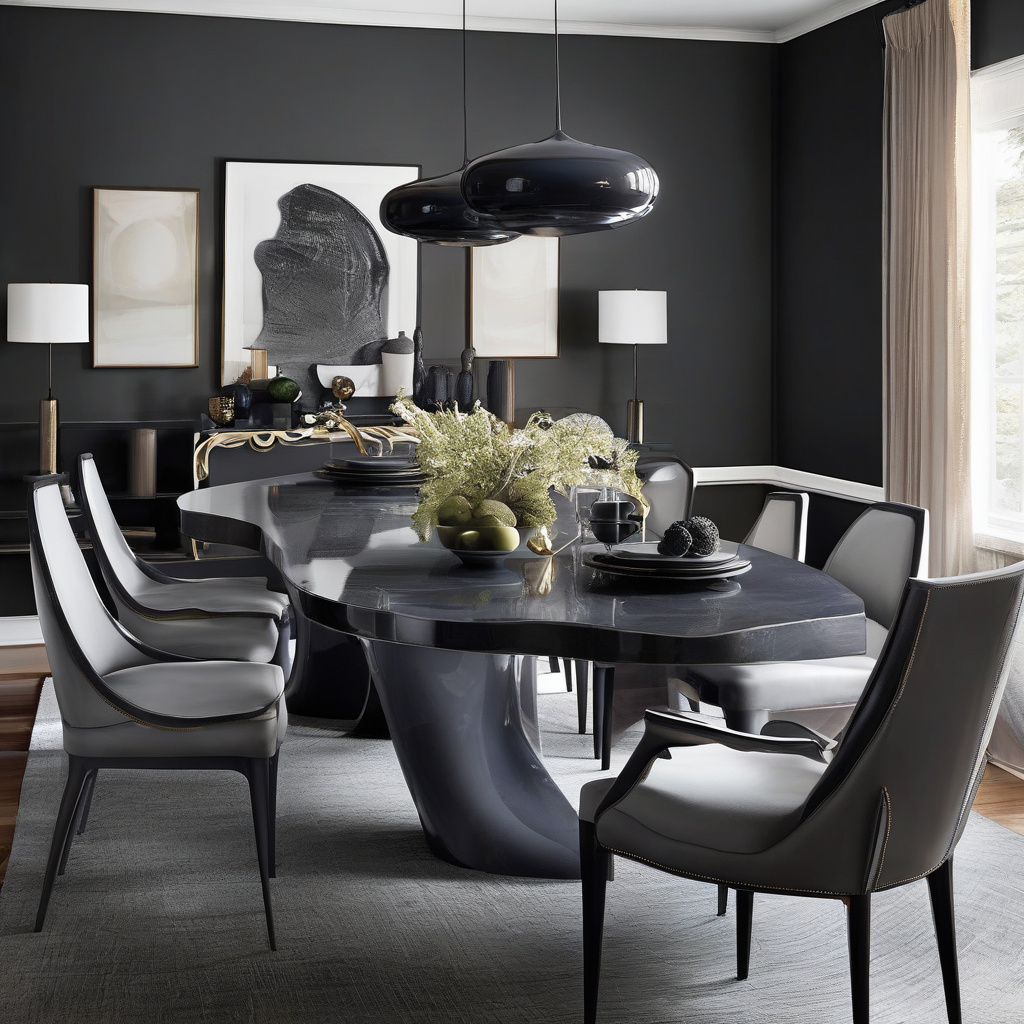
Renovation experts affirm that rooms with strategic color and texture pairings report a 20% uplift in homeowner satisfaction post-renovation.
Closing Thoughts and Next Steps: From Inspiration to Reality
Diving into the world of dark interiors is not merely about color—it is a bold statement of one’s design acumen and personal taste. With its increasing popularity among Los Angeles homeowners, this trend redefines the city’s residential style norms, offering an alluring blend of drama, depth, and distinction. If you’re considering taking this step, exploring innovative options like utilitarian paint solutions could be a sensible addition, merging practicality with aesthetics.
The world of dark interiors is vast and full of potential for those willing to explore its complexities. From achieving the right balance of light and shadow to selecting materials that meet both functional and emotional needs, the journey is as rewarding as the destination itself. As these shades continue to redefine domestic spaces, the challenge remains to embrace their possibilities and realize their full potential in creating distinctive and stylish homes.
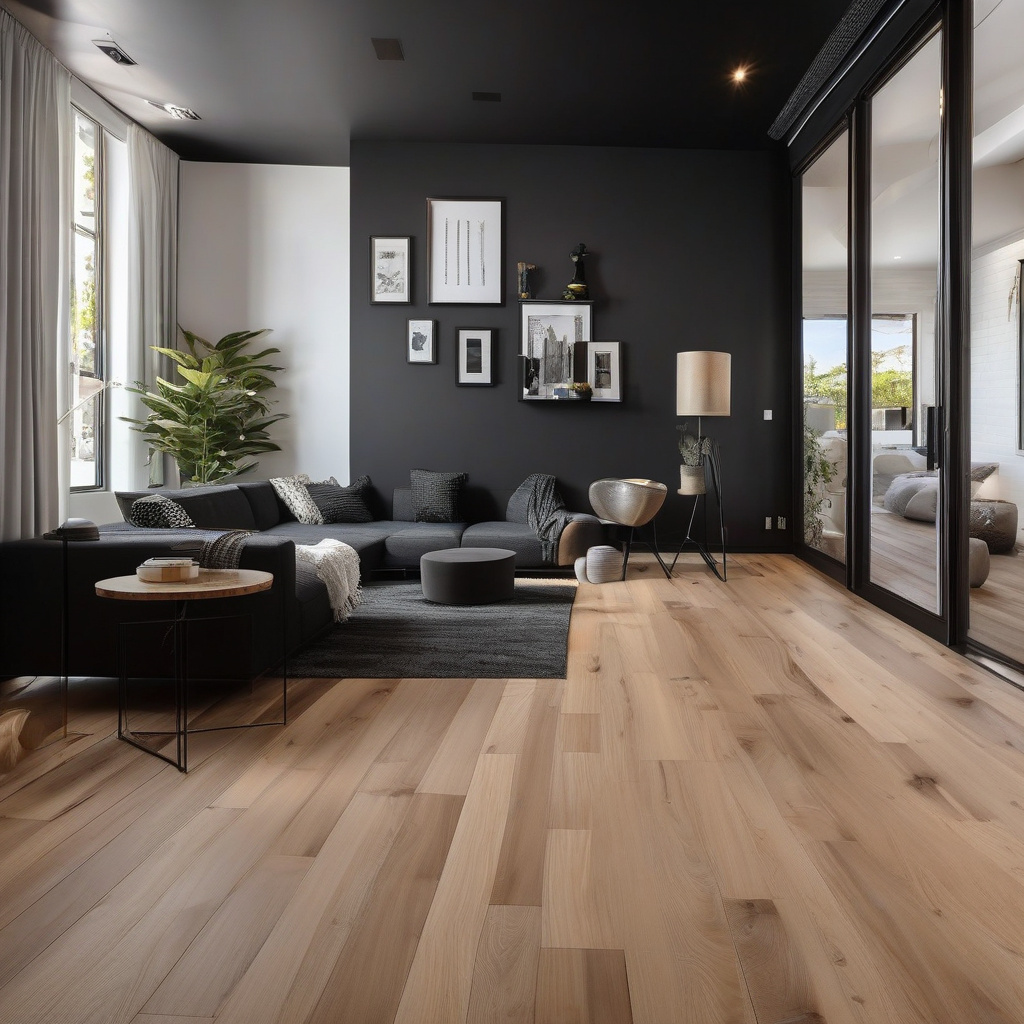
- Black and dark interior paints are key elements in creating sophisticated and dramatic home environments.
- The trend is gaining traction in Los Angeles, where dynamic lighting and bold design choices meet.
- Proper material selection and understanding of costs can lead to successful long-term results.
- Balancing risk and reward is crucial in adopting this bold style, requiring thoughtful execution and a keen eye for design.
- Embracing dark interiors offers a unique opportunity to express personal taste and meet evolving style preferences.
“`html
FAQ
What are the benefits of using black and dark paint colors in interiors?
Using black and dark paint colors in interiors can transform a space by adding visual depth and a sense of sophistication. In real renovation projects, these colors often serve as a bold statement that awakens a room’s potential. Many experts point out that when paired with balanced lighting and bright accents, dark paints can create a dynamic atmosphere that feels both engaging and intimate. However, one should also consider the room’s natural light availability, as inadequate lighting can make the space feel smaller than it is.
How do you choose the right shade of dark paint for your home?
Choosing the right shade involves understanding the existing elements in the room, such as furniture and flooring. In many older properties, darker shades like charcoal can pair well with natural wood, creating a warm yet modern look. It’s important to test paint samples in different lighting conditions throughout the day as color perception can change. Practical tips include considering the room’s intended mood and using complementary color palettes to ensure harmony. Remember, darker shades absorb more light, so think about how artificial lighting will play into your total design.
When is it advisable to use dark paints in home interiors?
Dark paints are particularly effective in spaces where you want to evoke a feeling of coziness or drama, such as dining rooms, bedrooms, or entertainment areas. For new builds with expansive open spaces, they can be used to create a more intimate environment or to highlight architectural details. Many homeowners often shy away from using dark tones due to fear of overwhelming the room, but with careful design and strategic lighting, they’re quite manageable. This is especially true in homes with large windows and plenty of natural light, common in many modern California residences.
What are the typical mistakes to avoid when using dark paint colors?
A common mistake is underestimating the power of lighting. In real home settings, poor lighting can turn a dramatic space into a gloomy one. Another error is failing to consider how dark walls will interact with existing furniture and fixtures. Some homeowners opt for a monochrome look which can backfire if not executed with variation in textures and materials. You should also avoid painting small, poorly lit rooms entirely in dark colors as this can close in the space. Ensuring that room accents or trims offer contrast can help prevent these pitfalls.
Are there cost considerations when using dark paints?
While the cost of paint itself may not vary between light and dark shades, there are other financial considerations. Darker colors often require more coats to achieve even coverage, which can increase labor time and expense. In renovation, it’s also common to spend additional resources on lighting solutions to optimize the room’s appearance. Many experts suggest investing in high-quality paint to ensure durability and ease of maintenance. The well-planned integration of these elements often keeps room investments reasonable while maximizing aesthetic impact.
What are the pros and cons of dark paint colors?
The advantages of dark paint colors include their ability to add depth and sophistication to a living space. They work exceptionally well to highlight artwork or create a focused space, like a study or media room. However, they can make a space feel more enclosed. Homeowners frequently underestimate this aspect, leading to a design that feels heavy if not carefully managed. The finish matters too—glossy dark walls can enhance luminosity, whereas matte can absorb light. Balancing these pros and cons requires a clear design vision and thoughtful execution.
How can dark paint colors be maintained over time?
Maintaining dark paint requires some anticipation of wear and tear. In high-traffic areas, scratches and marks are more visible on dark surfaces. Many homeowners overlook the importance of touch-up paint, which should be kept handy. Using a durable, scrubbable paint finish can make cleaning easier without compromising the look. Regular cleaning to prevent dust build-up will also help keep walls looking fresh. Visiting a resource like a local renovation consultancy can offer more in-depth maintenance tips specific to your region’s climate and common issues.
What should you consider when matching lighting with dark interior paints?
Selecting the right lighting is crucial when designing with dark colors. It’s a common oversight in renovation projects to leave lighting as an afterthought, but it’s integral to the overall design. Accent lighting, such as uplights or wall sconces, can bring out the richness of dark tones and highlight textures. Consider LED options to ensure energy efficiency while providing adequate illumination. If you’re unsure about options, speaking with a lighting specialist or contacting a renovation expert can offer customized advice tailored to your specific home setting so it’s worth checking with professionals using a phrase like “learn more about tailored lighting solutions.”
“`