When it comes to home security in the fire-prone landscapes of Southern California, homeowners literally can’t afford to ignore the role of roofing. Los Angeles, nestled beneath the oft-threatening blanket of wildfires, demands roofing materials that stand up to the test of flames. Enter Class A fire-rated roofing materials. Known for their formidable resistance to flame spread, these materials offer a line of defense as essential as the ocean view in Malibu.
Brief summary: In fire-prone areas of Southern California, Class A fire-rated roofing materials provide critical protection against wildfires by resisting the spread of flames. This article explores the options, costs, and real-life homeowner experiences related to this essential aspect of home renovation.
The Importance of Fire-Resistant Roofing
For many homeowners in Los Angeles, the term ‘fire danger’ isn’t just a blip on the news—it’s a season. Each year, the ominous whispers of a new blaze threaten the sanctity of life and property. Homeowners are responding with materials that not only comply with local building codes but also promise enhanced safety. According to experts, Class A fire-rated roofing materials have set a new standard. As noted by the local roofing authority, these products guard better than their counterparts, potentially saving lives and significant insurance hikes.
Homeowners opting for these robust materials often do so under duress, prompted by insurance prerequisites or wildfire fright. Yet, their advantages extend beyond flame taming. In many scenarios, these roofs also yield peace of mind, a commodity as unpredictable as the Santa Ana winds. John, a retired firefighter in Pasadena, recalls upgrading to a Class A rated roof after witnessing a neighborhood obliteration by fire. A decision he now sees as “priceless, really.”
The data supports such peace of mind. Studies reveal that houses equipped with these materials typically suffer less damage compared to those less prepared. More than just a safety net, these materials are a strategic investment in an increasingly volatile environment. Given the context, it’s no surprise that fire resistance has become an imperative, not a luxury.
Thus, the issue is unequivocal. Installing a Class A fire-rated roof helps cushion families against the hostile impacts of fire. More than a safeguard, it’s a necessity driven by undeniable risk factors. Beyond practical defense, they add long-term value to a property, resonating with fiscal prudence and overall safety.
Navigating Material Choices in the Market
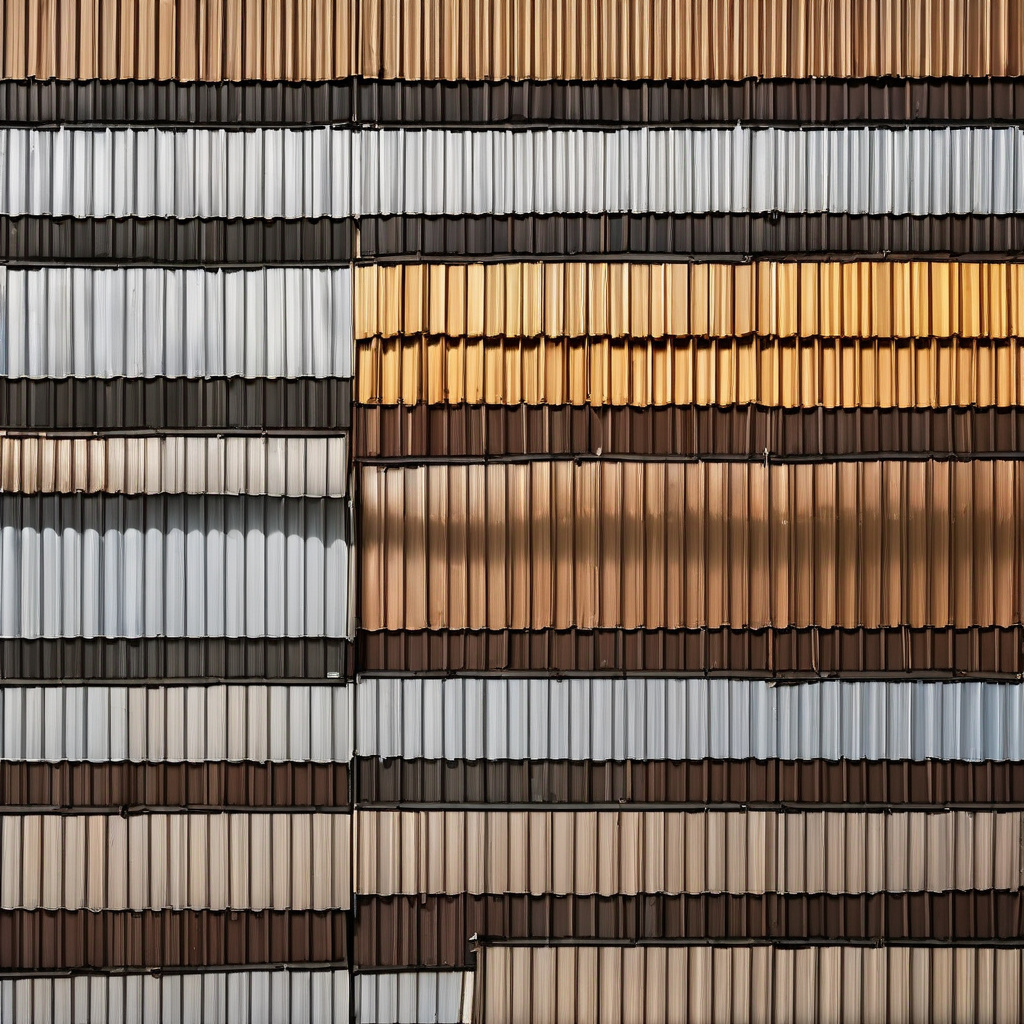
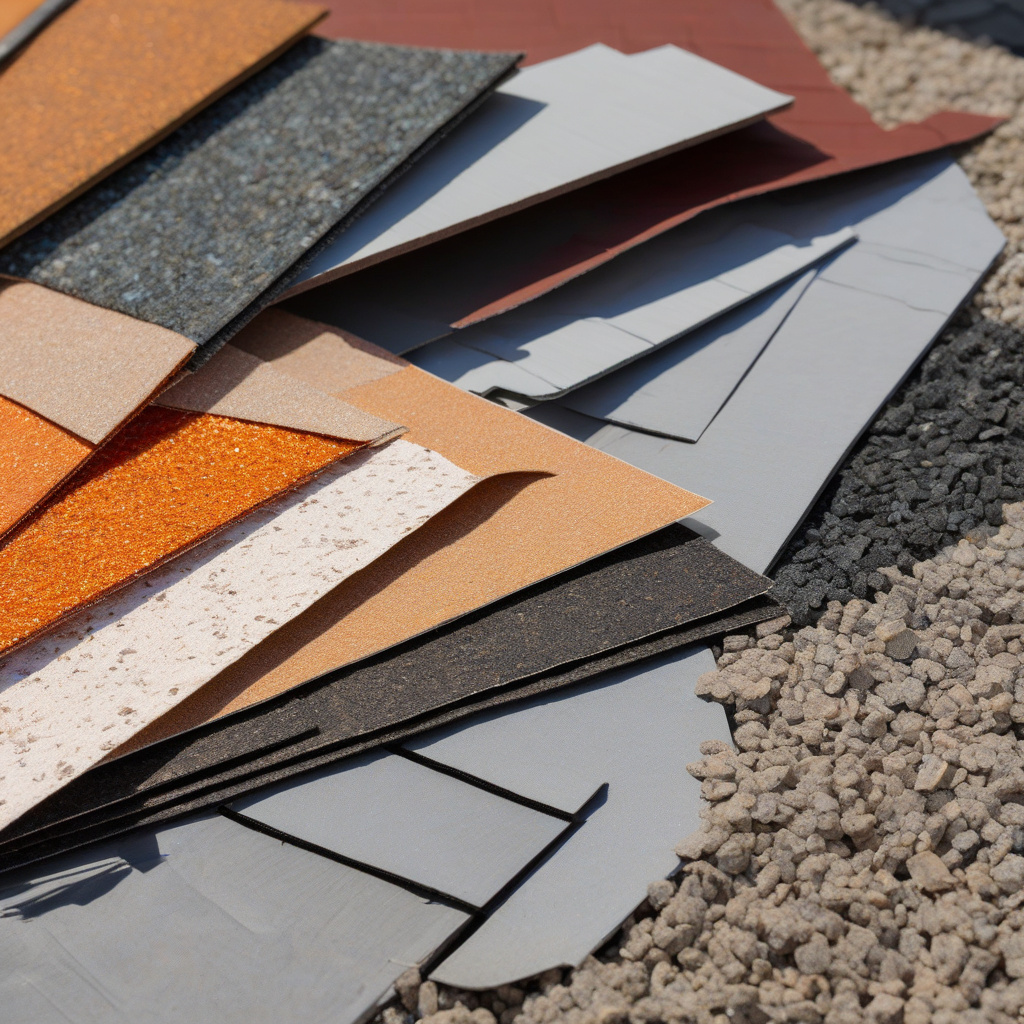
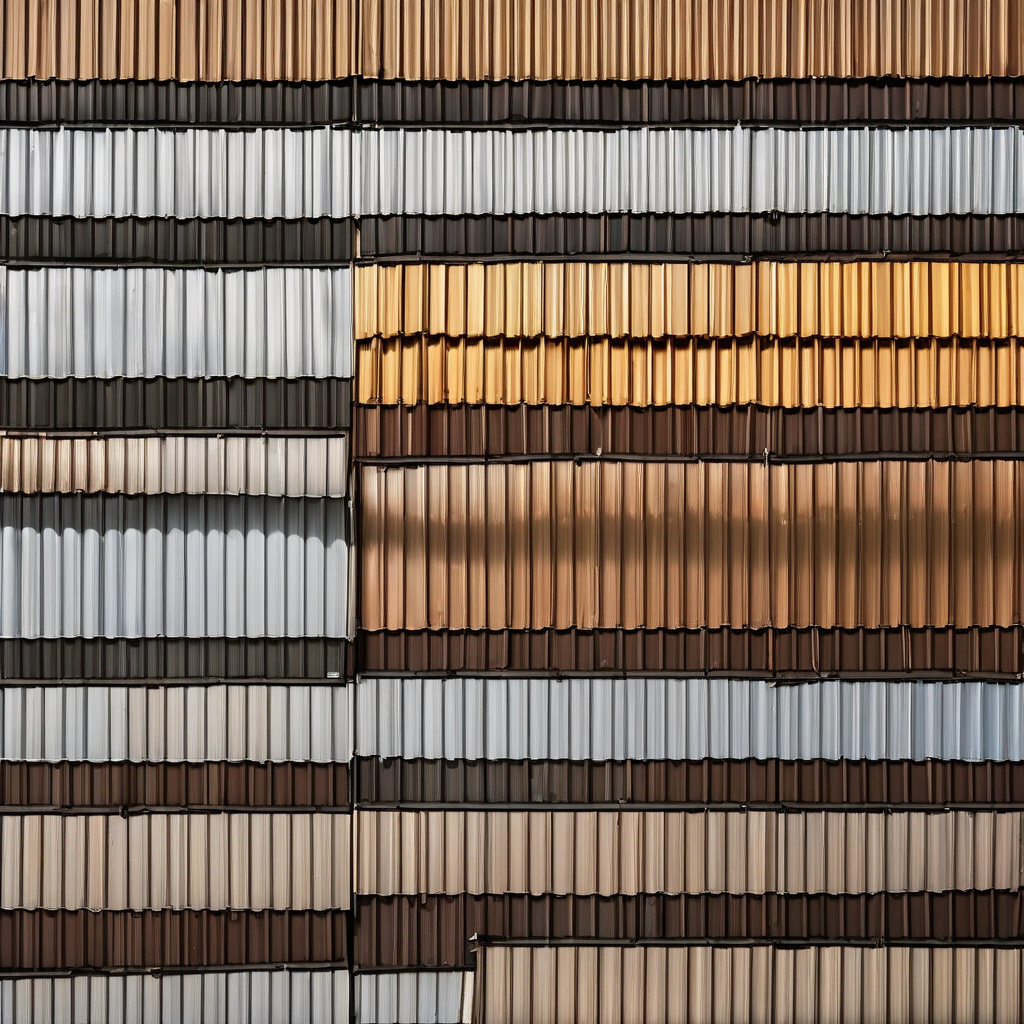
The plethora of roofing options can be as daunting as deciphering the Los Angeles freeway map during peak hours. Amongst the hodgepodge, certain materials rise above the fray, renowned for their flame-retardant qualities. Homeowners frequently stand at a crossroads, choosing between fiberglass-based shingles, metal roofing, or even concrete and clay tiles. Each option brings its own set of benefits and challenges, just like selecting the perfect taco truck on Santa Monica Boulevard.
Fiberglass shingles often appeal for their cost-effectiveness and ease of installation. They’re like the comfort food of the roofing world, reliable and straightforward. Yet, while practical, their longevity and aesthetic versatility leave something to be desired. On the flip side, metal roofing offers longevity and stylish adaptability that’s hard to match, assuming you’re prepared for its initial price shock. The names might sound pedestrian, but the benefits are anything but.
Concrete and clay tiles, meanwhile, evoke a classic, Spanish Revival charm that’s hard to resist. For many, these tiles have a dual appeal: high resistance to flames and an endearing aesthetic. Typically a darling among architectural purists, they do demand structural fortification, lest they test your home’s foundational mettle. As many local homeowners notice, the decision often boils down to matching these options to personal tastes and budget constraints.
While each material possesses its charm, selecting the right one is contingent upon a myriad of factors. Homeowners must weigh initial costs against long-term durability. Whatever the choice, these materials must shoulder both aesthetic and safety expectations, ensuring the home remains both a visual and practical masterpiece. In a region dictated by extremes, such decisions are neither simple nor taken lightly.
Cost, Budget, and Long-term Value
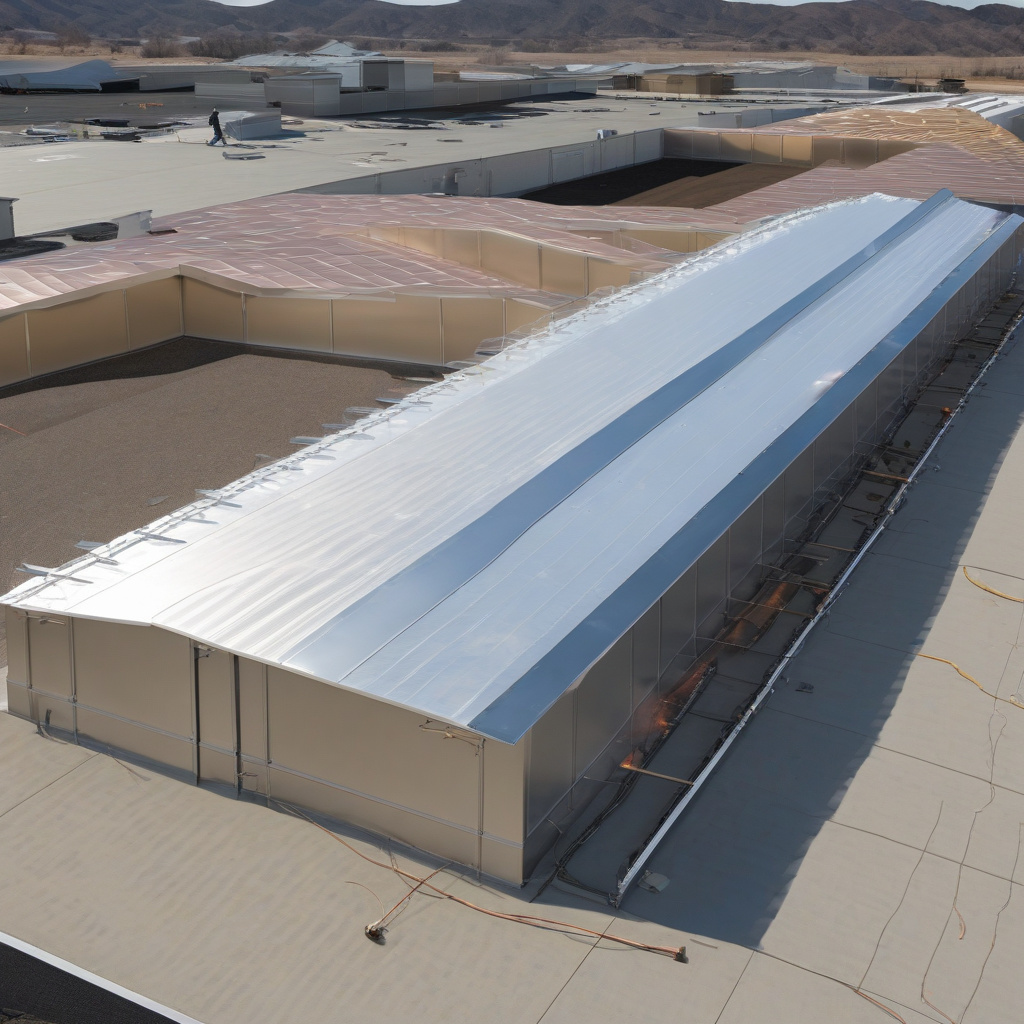
Understanding the pricing spectrum of fire-resistant roofing is crucial for budget-conscious homeowners. On the surface, the costs of these fire-safe saviors may seem prohibitive, yet their long-term value warrants a deeper dive. Most materials, while more expensive initially than their lower-rated counterparts, return their value in spades when considering insurance breaks, reduced repair bills, and, critically, the safety they assure.
Estimating costs requires a solid grasp of material types and roof sizes. Consumers typically pay per square foot, with prices varying significantly according to the material choice. Fiberglass shingles offer a relatively cost-effective entrance to the world of fire safety, while metal and tile options, though pricier, bring sturdier, stylish lifespans. With the stakes so high, many homeowners find it invaluable to calculate with precision, using resources like the roofing square estimator.
Moreover, several owners discover hidden savings in unexpected places. What’s money saved upfront without considering potential discounts on home insurance or resale price spikes? In many cases, the initial financial outlay pales in comparison to the long-term financial windfalls. Comments from satisfied homeowners often highlight this juxtaposition, underscoring the economical enlightenment following installation.
Ultimately, sound roofing choices foster financial stability, ensuring that the house can weather both fiscal and physical storms. The adage rings true: “You get what you pay for.” Knowing a sturdy roof stands sentinel above is often worth the investment. In an aspirational yet harsh climate, safety quotient merges seamlessly with property value protection.
According to the National Association of Home Builders, 78% of homeowners report higher satisfaction levels after installing Class A fire-rated roof systems.
Installation: Tactics and Considerations
With an understanding of cost and materials, the next step naturally gravitates towards installation. The task of installing a roof is part art, part endurance sport, demanding skills that range from the melodic rhythm of a jackhammer to the delicate artistry of tile placement. But worry not; with the right partners, achieving a Class A rated masterpiece is well within reach.
Homeowners contemplating an installation must first consider logistics. Who best to trust with this monumental task? What safety measures must be in place? These considerations need robust planning, especially for families balancing the lively cacophony of children and pets. For valuable insights, consider resources designed to support installations while living life uninterrupted, such as recommendations for maintaining a safe environment during construction.
Next comes the labor of love aspect, juggling timelines around unpredictable weather patterns. Southern California might boast a sunny disposition, but its occasional tantrums can throw wrenches into well-oiled planning machines. As seasoned contractors will vouch, the key lies in flexibility, accepting that timelines may ebb and flow like the Pacific.
With precautionary measures and adaptability in tow, the structural integrity once lacking in a home can begin its ascent. For many, seeing their new roof in real-time action is like watching safety materialize above their heads, one shingle at a time.
An industry expert noted, “The best roof is the one you forget about until you need it.”
Advantages vs. Disadvantages of Class A Roofing
An examination of Class A fire-rated materials must fairly acknowledge both the accolades and criticisms. On the positive end, safety and insurance perks top the list. Who could argue with the dual promise of preventing fiery devastation and saving on premiums? Yet, despite their merits, these high-performing heroes aren’t without fault lines.
The most oft-leveled criticism concerns cost. The supreme safety blanket these materials provide does carry a price tag—a thorn for budget challengers. While this investment typically pays for itself over time, the initial financial ask may test patience and resources. Additionally, homeowners often quibble about aesthetic limitations tied to high-grade budgets.
Still, the undisputed advantages offer powerful rebuttals to the challenges. California’s ecological perils don’t leave much room for compromise, making the flame resistance worth its weight in gold. Moreover, traditional concerns about visual appeal fade against modern design innovations, smashing the notion that safety and style must remain at odds.
All things considered, if safety and reliability top your list, Class A materials bear significant consideration. It’s a decision best viewed through a long-term lens, prioritizing safety while keeping an eye on under-the-radar financial benefits. Like the timeless balance between risk and reward, they deliver reassuring security, often surpassing their perceived limitations.
Future-Proofing with Eco-friendly Innovations
Once the cornerstone of safety is laid, many homeowners find themselves pondering further steps. After all, in a city constantly evolving, trends don’t just dictate fashion but architecture as well. The current wave of eco-responsibility has dictated another choice: merging fire safety with sustainable solutions. Cue solar roofing systems.
Marrying the low emission promise of solar technology with a high safety quotient, these innovative systems show unparalleled synergy. In Los Angeles, where both sunshine and wildfires are local cultural mainstays, the boon of solar roofing becomes evident. It’s more than a narrative of green technology; it’s an investment in future-proofing both your finances and environmental impact.
Heading down this road requires its own rigorous planning. Opting for solar-integrated options shouldn’t overshadow potential fire hazards, meaning due diligence in installation becomes critical. The result? A seamless blend of safety and sustainability. For a deeper exploration of combining these dynamic facets, consider seeking advice on integrating solar with new roofing.
Ultimately, the convergence of fire-resistant roofing with renewable energy paints a holistic picture—one of progress, safety, and sustainable benefit. Future development lies within these intersections, yelling innovation from rooftops across celebrity and cityscapes alike.
A recent survey highlighted that homes equipped with solar-paneled roofs experience a 15% increase in resale value.
- Class A fire-rated roofing is pivotal in wildfire-prone zones for safety and compliance.
- Material choices range from fiberglass shingles to concrete tiles, with each offering unique benefits.
- Cost considerations balance immediate expenses against long-term savings and safety reassurance.
- Installation requires careful planning around existing family dynamics and unpredictable weather.
- Emerging trends see eco-fusion with solar technologies paving the future of roofing innovations.
“`html
FAQ
What are Class A fire-rated roofing materials?
Class A fire-rated roofing materials are designed to offer the highest level of protection against flame spread. This type of material is essential for buildings located in wildfire-prone areas, such as many regions in Los Angeles. When renovating older homes or constructing new ones, incorporating Class A fire-rated roofs can deliver peace of mind while helping homeowners comply with local building codes. Many experts emphasize that in a real fire emergency, such materials might provide that critical buffer against advancing flames, allowing more time for evacuation or firefighting efforts.
How do I choose the right Class A fire-rated roofing material for my home?
Selecting the proper Class A fire-rated roofing material involves considering both the aesthetic and functional aspects of your home. Homeowners often find themselves drawn to materials like asphalt shingles, clay tiles, or metal roofing due to their fire-resistant properties and visual appeal. In practical terms, the choice might also depend on your home’s architectural style and your budget. A crucial tip is to consult with local roofing contractors who understand the specific climate challenges. Many homeowners overlook this consultation step, which can lead to costly mistakes. For instance, while asphalt is cost-effective, clay tiles offer superior durability against the elements of Southern California’s climate.
When does it make sense to install Class A fire-rated roofing materials?
Installing Class A fire-rated roofing materials becomes particularly senseful during both new constructions and major roof renovations. For homes situated in areas like LA, known for their severe wildfire risks, upgrading to these materials is a proactive safety measure. Homeowners should time such upgrades before peak fire seasons to ensure maximum preparedness. While these materials can be a significant upfront investment, the potential to save homes from catastrophic fire damage makes it worthwhile. In real renovation projects, aligning these upgrades with other home improvements can also provide economies of scale, reducing overall costs.
What are the typical mistakes homeowners make when selecting fire-rated roofing?
A common mistake is underestimating the complexity of fire-rated material selection. Homeowners might focus solely on cost, picking cheaper options that lack durability in local weather conditions. Another frequent error is not verifying the fire-rating with reputable sources or relying too heavily on online information without professional advice. Misconceptions about installation specifications can also lead to issues; incorrect installation can compromise the material’s fire resistance. In real-world settings, working with experienced roofers often reveals that choices made under time pressure rarely offer the best long-term benefits.
What are the cost considerations for Class A fire-rated roofing materials?
The initial cost of Class A fire-rated materials can be higher than standard roofing options, but they promise significant long-term savings by reducing fire-related risks. The costs vary widely based on the type of material selected, with asphalt and metal generally more economical than clay or slate. In many renovation projects, it’s observed that investment in quality materials pays off through increased property value and insurance savings. Homeowners should also consider the longevity and warranty of these materials, ensuring they choose those offering robust coverage. For detailed cost estimations tailored to your project, consider reaching out to professional consultants available through our expert network.
What are the pros and cons of using Class A fire-rated roofing materials?
The advantages of Class A fire-rated roofing materials are primarily their superior fire resistance and added safety in fire-prone areas, leading to peace of mind and potentially lowering insurance rates. However, on the flip side, these materials often come at a premium cost and may require professional installation, adding to the expense. In practical renovation terms, while the initial investment in such materials might seem daunting, the protection they offer against fire damage and their durability can result in lower long-term maintenance costs. Homeowners are advised to weigh these factors based on their regional fire hazards and budget constraints.
What maintenance is involved with Class A fire-rated roofing materials?
Maintenance for Class A fire-rated roofs involves regular inspections and cleaning to prevent debris buildup, which can compromise fire resistance. In practice, homeowners in wildfire-prone areas may schedule biannual roof inspections, typically in spring and fall. This not only checks for wear but also ensures gutters and downspouts remain clear, preventing combustible material accumulation. One real-world tip from experts is to trim any overhanging branches away from the roof to mitigate fire spread risks. Timely minor repairs can also prevent more considerable, costly damage in the future, preserving the roof’s integrity and fire rating.
Are there any risks associated with Class A fire-rated roofing materials?
While Class A fire-rated roofing materials offer excellent protection, they do come with potential drawbacks. Some materials can be heavier, requiring reinforced roof structures, which may not suit all homes. This can add to renovation costs if not factored early in the planning stage. In real renovation scenarios, overlooking this aspect can lead to structural issues down the line. Additionally, certain materials like clay or slate can be more fragile when walked on and might not handle impact as well as others. Despite these considerations, many still find the benefits far outweigh the potential risks, especially in high-risk fire areas.
“`