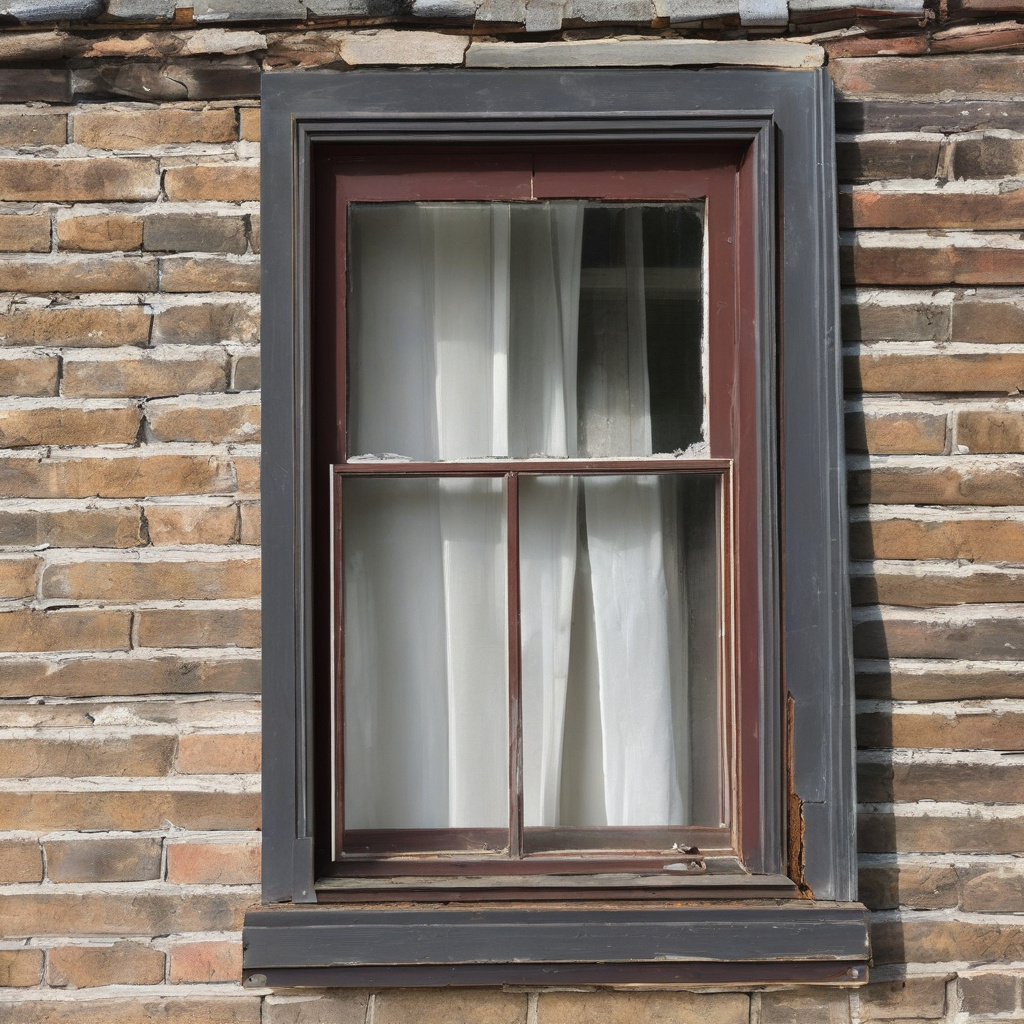
In the alluring streets of Southern California, ancient homes exude charm with their beautifully crafted wood window frames. Yet beneath this nostalgic appeal lurks a silent danger—lead paint. Homeowners, particularly in places like Los Angeles where historic preservation meets modern living, face the tricky proposition of safely updating their homes. The challenge is not only in the preservation of aesthetic beauty but also in protecting health while dealing with lead paint.
Brief summary: Discover effective strategies to manage the risks associated with lead paint in old wood window frames commonly found in historic homes. The article explores the balance between renovation and safety, offers practical insights for homeowners, and considers both the aesthetic and functional aspects of window frame updates.
Understanding Lead Paint Risks
The presence of lead paint in aging residences is a reality that many California homeowners confront. Studies have shown that homes built before the late 1970s often contain lead-based paint, creating a maze of potential hazards as the layers age and chip away. As beautifully crafted as these window frames may be, they harbor risks that could affect the entire household. No longer just a home with a history, it becomes a home with a hidden peril.
Lead exposure is a serious health hazard, especially for young children and pregnant women. Exposure occurs when lead paint deteriorates, releasing toxic particles into the environment. This is not merely an aesthetic inconvenience; it’s a significant health concern. With legislative measures increasingly stressing the importance of safe home environments, tackling this issue is becoming non-negotiable.
For Southern Californians skilled in balancing preservation with modernization, addressing lead paint is a quintessential aspect of restoration projects. While some homeowners may be tempted to give the window frames a fresh coat without stripping away the old paint, this solution could be dangerous, potentially sealing in the problem rather than solving it.
It is crucial for homeowners to be informed, knowing that several viable options exist for lead-safe renovations. Understanding these options empowers individuals to make informed decisions, preserving both their homes and the health of their families.
The U.S. Environmental Protection Agency (EPA) estimates that approximately 87% of homes built before 1940 contain lead-based paint.
Approaching Renovations Prudently
When it comes to renovating historic homes, many Los Angeles residents opt for meticulous planning. Early understanding of potential issues with lead paint, combined with an appreciation of their homes’ architectural nuances, aids in crafting a renovation strategy that respects both the past and the future of the property.
The primary concern for homeowners is often the cost associated with such projects. Here, the choice between DIY efforts and professional contractors becomes critical. While some homeowners might feel competent to undertake the task, professional lead paint abatement services provide expertise that is often worth the expense. Such services ensure that the removal process adheres to safety protocols, significantly lowering health risks.
Moreover, involving professionals means gaining access to advice on material selection and placement. New materials can be integrated into the existing aesthetic with minimal disruption, marrying tradition with innovation. Those in pursuit of preservation can explore options known for their efficacy, securing both a safe and visually satisfying transformation.
Ultimately, effective planning and execution allow for an enhancement of both form and function, making homes safer and more energy-efficient, a shift eagerly embraced in the context of Southern California’s contemporary values.
Explore various window frame designs suitable for California residences
Planning and Prioritizing Safety
A critical factor in any renovation is prioritizing health and safety. Homeowners must invest time in research, understanding regulations around lead paint, which can vary significantly from one area to another. The nuances of such regulations require attention, particularly in metropolitan regions like Los Angeles where guidelines are strictly enforced.
For those seeking government incentives, several rebate programs encourage the upgrade of energy-efficient windows, offering an additional layer of financial relief. These rebates often intersect with the necessity of removing lead paint, reducing the burden on homeowners undertaking more comprehensive improvement projects.
By leveraging these incentives, homeowners ensure their homes meet modern standards, enhancing both value and safety. Additionally, such investments yield high returns, particularly when local market trends suggest increasing demand for homes with upgraded, lead-safe windows.
Ultimately, a combination of intelligent planning and effective execution provides a roadmap to healthy homes that retains the charm of historic properties while optimizing them for modern living.
An analysis by the Joint Center for Housing Studies at Harvard University reveals that lead paint removal can increase a home’s market value by 5-10%, depending on the extent of renovations made.
Learn about the energy upgrade rebates available for California homeowners
Evaluating Costs and Materials
Financially, managing lead paint remediation might seem daunting; however, understanding the scope helps homeowners prepare adequately. In Los Angeles, the cost of safe lead paint removal varies significantly based on the contractor, the complexity of the job, and the materials selected for replacement or overlay.
When evaluating options, consider the long-term benefits of each material. Traditional wooden frames, once treated, maintain historical authenticity. Meanwhile, newer materials like vinyl or aluminum offer modern benefits such as improved insulation and lower maintenance requirements.
An informed decision requires a complete understanding of each material’s pros and cons. Structural engineers and renovation experts recommend a tailored approach, taking into account the specific architectural style of the home and the particular challenges posed by local climate conditions.
The analysis remains incomplete without assessing various styles and technologies available in the window construction market. As styles evolve, innovations in locks, latches, and other hardware become vital considerations for homeowners who value both security and aesthetic cohesion.
According to a leading architecture journal, replacing outdated windows can cut energy bills by 20%, attributing these savings to advanced materials and installation techniques.
Discover advanced window hardware styles improving both security and style
Weighing the Pros and Cons
Balancing the decision to undertake lead paint removal involves evaluating both immediate benefits and future implications. Homeowners must navigate this terrain with a clear perspective on what’s at stake. While updating windows can enhance energy efficiency and reduce long-term costs, the upfront cost and labor intensity must also be factored into the equation.
For some, the prospect of maintaining historical integrity is paramount, driving decisions to preserve as much of the original framework as possible. Conversely, those prioritizing functionality may opt for complete replacements with more advanced systems that offer superior insulation and ease of use.
It is also crucial to consider the impact on property value, both in the short term and long term. Authenticity and modern efficiencies contribute differently to perceived value, necessitating a balanced view. Homeowners stand at a crossroads, asking themselves whether the classic charm of lead-based frames justifies the extensive upkeep they require compared to the sleek practicality of modern designs.
Each renovation choice reflects broader lifestyle considerations: a dynamic between tradition, aesthetics, and contemporary convenience.
Consider how modern interior window designs can complement historic exteriors
Making Your Home Safer and More Modern
For those embarking on a transformation of their home’s image and safety profile, there’s no shortage of advice from the California renovation community. From architects specializing in period restorations to contractors focused on green building practices, craftsmanship dovetails with precautionary measures to deliver projects that respect historic lines while safeguarding modern health standards.
When envisioning the final product, it helps to incorporate input from a variety of sources. Whether by consulting with neighbors who have undertaken similar projects, or via forums, discussions, and workshops in the Los Angeles area dedicated to architectural history, the collective wisdom can guide choices imbued with both pragmatism and creativity.
For instance, some homeowners have successfully preserved historical aesthetics through the clever use of paint and finishing techniques that mimic the appearance of original materials while utilizing lead-free, sustainable options. These micro stories serve as a testament to the ingenuity and resilience of those willing to tackle these difficult projects.
Ultimately, as Los Angeles continues to harmonize its rich historical narrative with the demand for safer, greener living environments, homeowners play a pivotal role—showcasing how the careful interplay between old and new can redefine residential life.
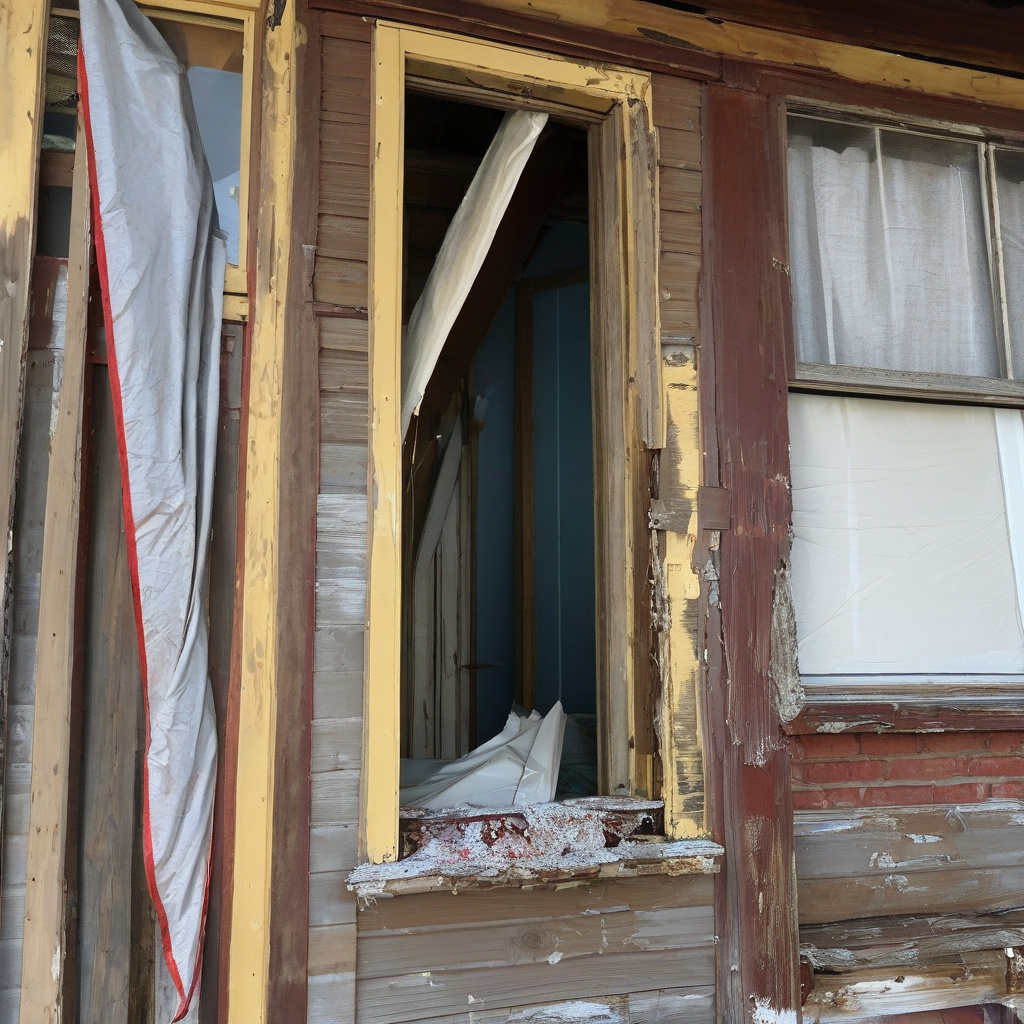
- Lead paint in older homes poses significant health risks, necessitating careful management.
- Renovations offer opportunities to improve both safety and energy efficiency.
- Homeowners should weigh the pros and cons of material choices and renovation methods.
- Financial incentives can alleviate some of the costs associated with updating windows.
- A balanced approach will ensure the preservation of historical integrity while enhancing modern functionality.
“`html
FAQ
What is lead paint and why is it a concern for old wood window frames?
Lead paint, commonly used in homes prior to 1978, contains lead particles that can be hazardous, especially during renovation activities. As windows are one of the most disturbed areas in a home, the paint around these frames poses a significant risk. When the paint starts to chip or peel, or when windows are replaced, dust containing lead is released, posing a health risk. It’s crucial to handle these situations carefully to avoid contamination. Many families in older homes are surprised to learn just how much paint dust is generated when working on these windows.
How can I test for lead paint on my old window frames?
Testing for lead paint is a critical step before starting any renovation work. Many experts recommend using an EPA-approved lead test kit, available at most hardware stores. These kits typically involve a swab that changes color if lead is present. For more accurate results, a professional inspection might be necessary, especially in areas like California where regulations can be stringent. I once had a client who believed her pristine paint meant no lead was present, but a quick swipe of the test kit told a different story.
What steps should homeowners take if lead paint is discovered?
Upon discovering lead paint, the first aim should be safety. Homeowners should consult with certified lead abatement professionals to execute or advise on the removal or mitigation process. It might involve sealing the paint with a new coat, or in some cases, removing it entirely. One crucial mistake to avoid is attempting to sand or dry scrape the paint, which many DIY enthusiasts might mistakenly consider. These actions can drastically increase airborne lead dust, which is hazardous to health. Keeping living areas clean and using HEPA-filter vacuums helps minimize exposure during any work.
Should I remove or replace old wood window frames with lead paint?
Deciding whether to remove or replace window frames involves weighing options. Replacing old frames might be more costly upfront yet can enhance energy efficiency and eliminate future lead risks. In contrast, removing paint might seem cheaper but could require recurring management and monitoring. In real renovation projects, it often becomes clear that replacement offers peace of mind, while removal needs caution to avoid disturbing lead. A balanced approach must consider both the home’s historical value and safety requirements.
Are there any regulations or guidelines for handling lead paint in home renovations?
Yes, there are stringent guidelines, especially under the EPA’s Renovation, Repair and Painting (RRP) Rule, which requires contractors working in homes built before 1978 to be certified in lead-safe practices. This makes contracting professionals not just a suggestion but often a necessity. I recall a renovation where homeowners were unaware of these rules, leading to avoidable fines and project delays. Understanding local ordinances or consulting experts can prevent such pitfalls. For additional guidance, you can consult specialists through resources available here.
What are common mistakes people make when dealing with lead paint around windows?
One frequent mistake is underestimating the amount of lead dust disturbed by opening or renovating sash windows. Many homeowners believe simply painting over lead-based surfaces solves the problem, yet lead can persist beneath the layers, posing risks if disturbed later. Also, improper disposal of contaminated debris can lead to unintended exposure. Another error involves DIY enthusiasts who often neglect necessary protective gear. Investing time to understand these precautions can prevent long-term health issues and financial repercussions.
What are the costs associated with lead paint removal or window frame replacement?
Costs can vary significantly depending on the extent of lead presence and the chosen remedy. Removing lead paint often demands professional intervention, with costs ranging based on scope but potentially reaching thousands for multiple windows. Replacement offers not just a lead-free environment but improved insulation as well, a meaningful savings on utility bills over time. However, this could also be more expensive upfront. Consulting with local contractors can provide accurate estimates and help in budgeting for such renovations appropriately.
How should I maintain my home to prevent lead paint hazards?
Routine maintenance involves ensuring that paint remains intact and doesn’t chip or peel. Regularly checking areas around windows for signs of wear can help catch potential issues early. Keeping surfaces dust-free with damp cleaning methods minimizes risks of inhalation. Conversely, dry methods, like sweeping or dry mopping, can spread hazardous dust, a common oversight among homeowners. If lead paint is confirmed, professional interventions combined with preventive measures allow a safer, healthier living space, particularly in historic or older homes.
“`