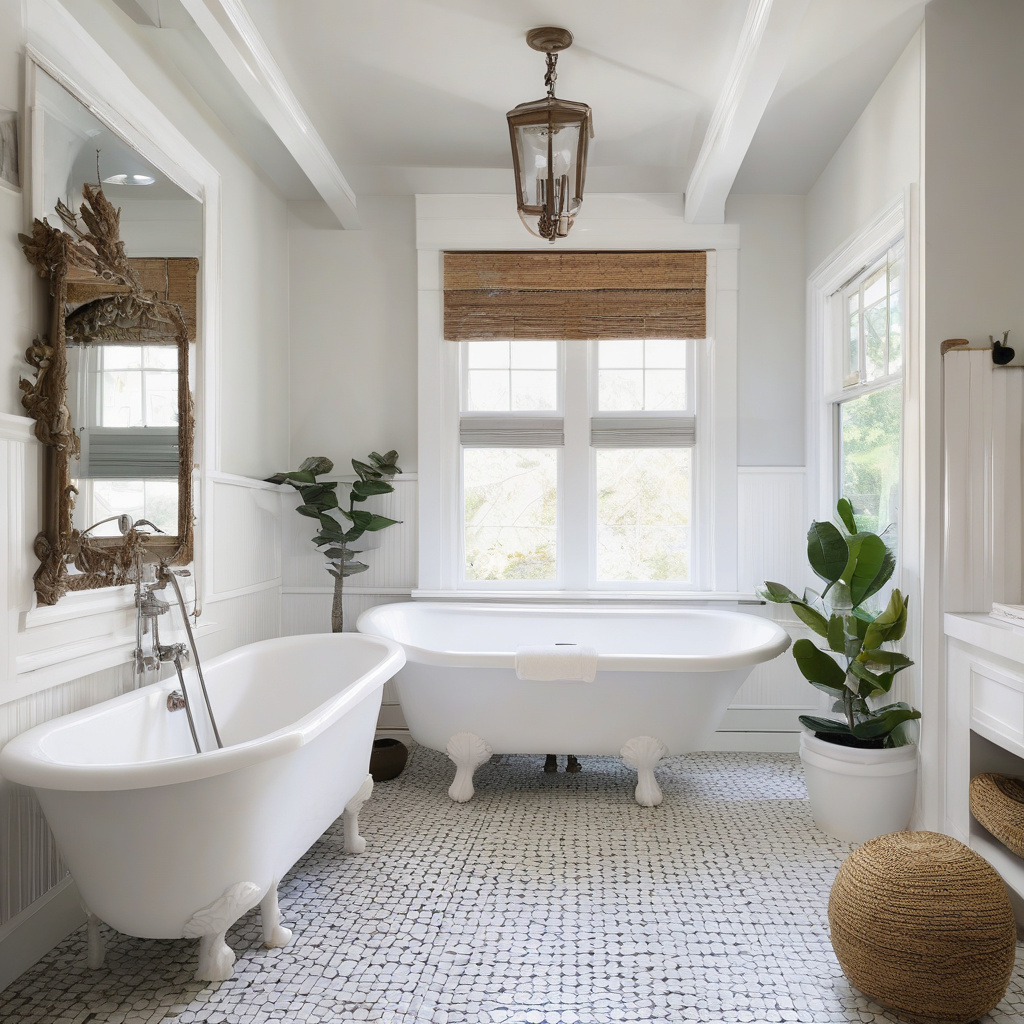
Freestanding and built-in bathtubs have become pivotal choices for homeowners embarking on a renovation journey. In Southern California, where housing styles range from sleek contemporary to charming Spanish revival, the choice of tub can define the bathroom’s tone and function. Each style has distinct impacts on space, installation, and overall visual effect.
Brief summary: This article provides a comprehensive analysis of freestanding vs built-in bathtubs, focusing on their design appeal, space consideration, and maintenance aspects. Real-world examples from Los Angeles renovations highlight how each option aligns with diverse homeowner needs and long-term bathroom utility.
Design and Visual Impact
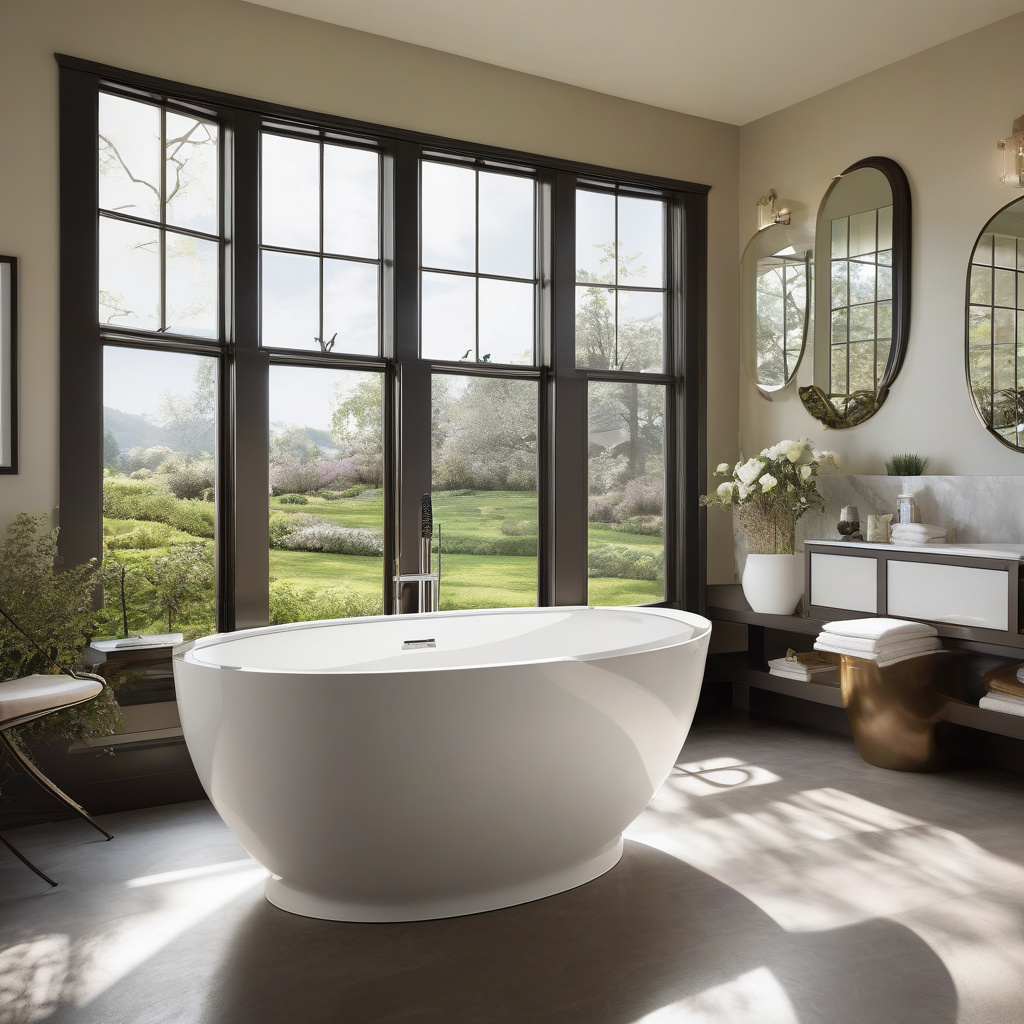
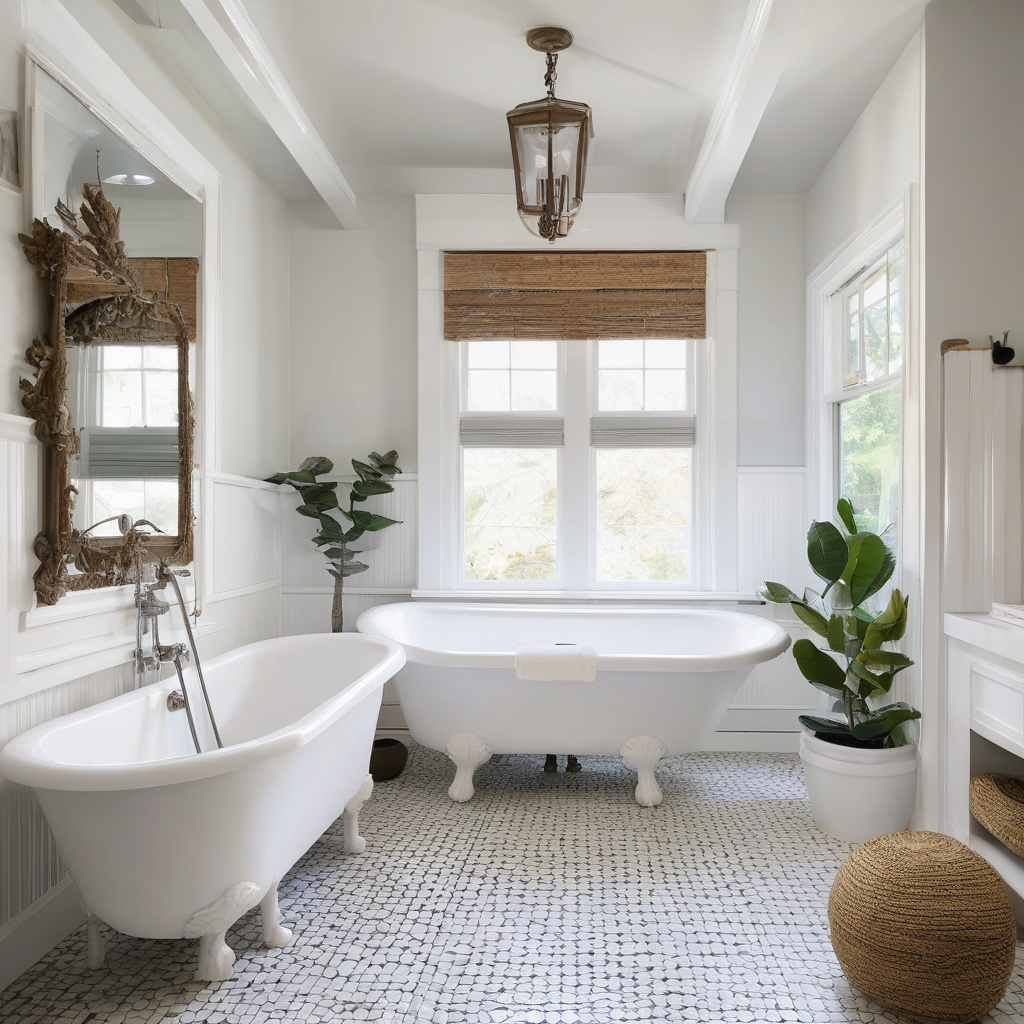
The visual appeal of freestanding tubs is undeniable. They deliver an air of sophistication and can transform an ordinary bathroom into a spa-like sanctuary. Freestanding tubs bring a sculptural element to the space, often appearing as a centerpiece, especially in more expansive bathrooms where they have room to shine. On the flip side, built-in tubs, nestled against walls or into alcoves, offer a more integrated look, perfect for streamlined or minimalist interiors.
In the diverse architectural landscape of Los Angeles, many homeowners lean towards the freestanding option for its elegance and flexibility in placement. Whether centered under a bay window overlooking a private garden or standing freely with a cityscape view, these tubs steal the show.
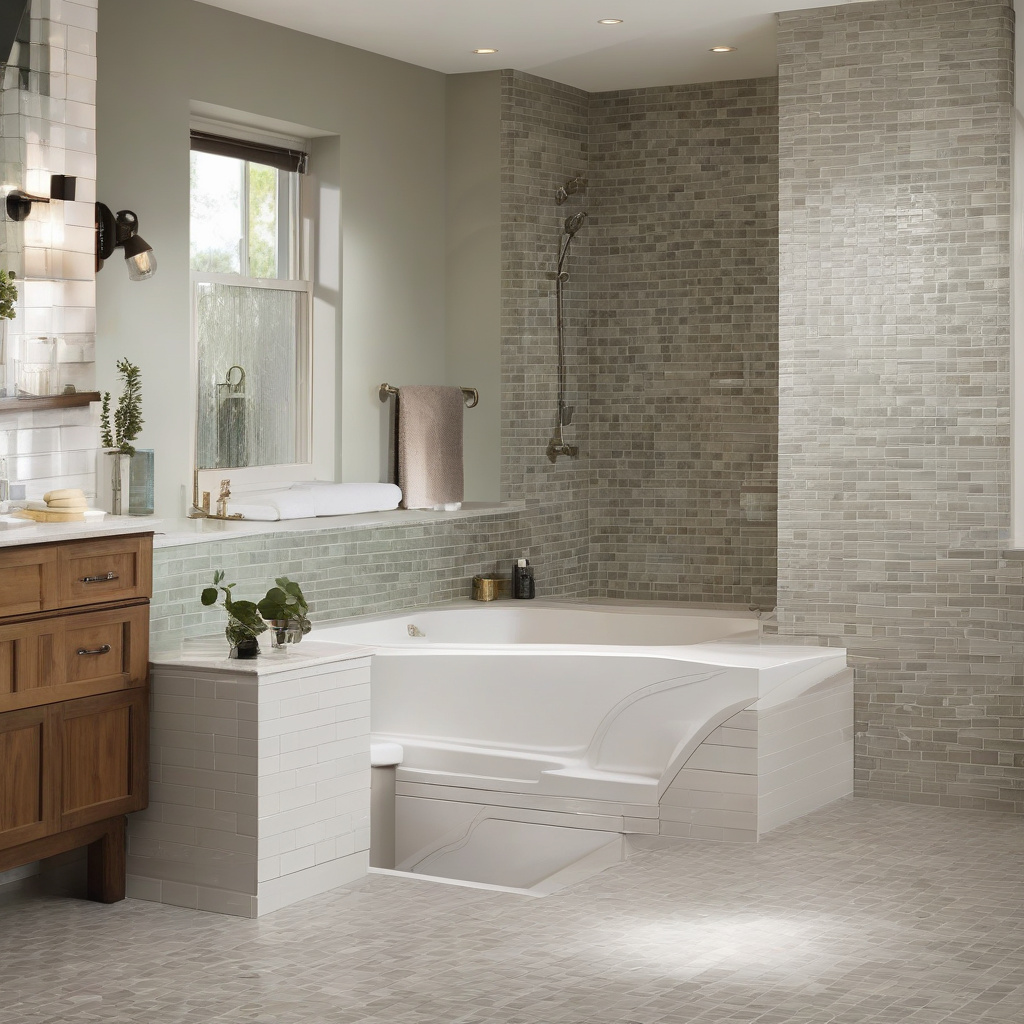
However, built-in tubs have their own charm. They provide opportunities for creative tiling and surface treatment, turning a simple tub surround into a canvas for artistic expression. It’s a choice ideal for those looking to maximize functionality without sacrificing design integrity. Explore inspiring design ideas to discover which type fits your vision.
Ultimately, the decision should align with personal aesthetic preferences and the desired ambiance of the bathroom. Both styles offer unique benefits, promising a distinct character to your bathing space.
According to the National Kitchen and Bath Association, 60% of bathroom renovations now include a freestanding tub as a focal point, up from 48% five years ago.
Space Utilization and Footprint
When it comes to spatial efficiency, the conversation becomes slightly more nuanced. Freestanding tubs demand an ample area around them for accessibility and to maintain their aesthetic appeal. Thus, they are a perfect match for larger bathrooms where space can be generously allocated.
Conversely, a built-in tub’s design is inherently space-saving. They tend to fit snugly into corners or against walls, making them a smart choice for smaller bathrooms or for those wishing to optimize floor area for other fixtures, such as a double vanity or additional storage.
In practice, many renovators in cramped Los Angeles apartments prefer built-in tubs for this very reason. They allow for a more compact design while still offering all the trimmings of a luxurious soak.
Yet, even large spaces can benefit from the sleek, tucked-away simplicity of a built-in design. It’s not just about what fits; it’s about what works best for everyday life in your bathroom.
The right choice will depend on your bathroom’s dimensions and how you envision navigating the space amid daily routines.
Installation and Maintenance Insights
Installing a freestanding tub generally involves less intrusion than a built-in model. These tubs often require only basic plumbing hookups, and thanks to their standalone nature, they sidestep the need for the extensive framework required by built-in variations.
Built-in tubs, by contrast, demand meticulous construction. They require waterproofing, structural support, and often, custom framework adjusting to fit into predetermined spaces.
Ease of Maintenance
When considering upkeep, freestanding tubs win hands down for their accessibility around all edges, facilitating straightforward cleaning routines—an appealing aspect for those who desire simplicity.
Meanwhile, maintenance for built-in tubs can become laborious. Tile and grouting around the edges require frequent attention to prevent mold and water damage, demanding regular care to uphold hygiene and aesthetics.
If ease of maintenance is a paramount concern, it’s worth contemplating the long-term implications of your bathtub choice.
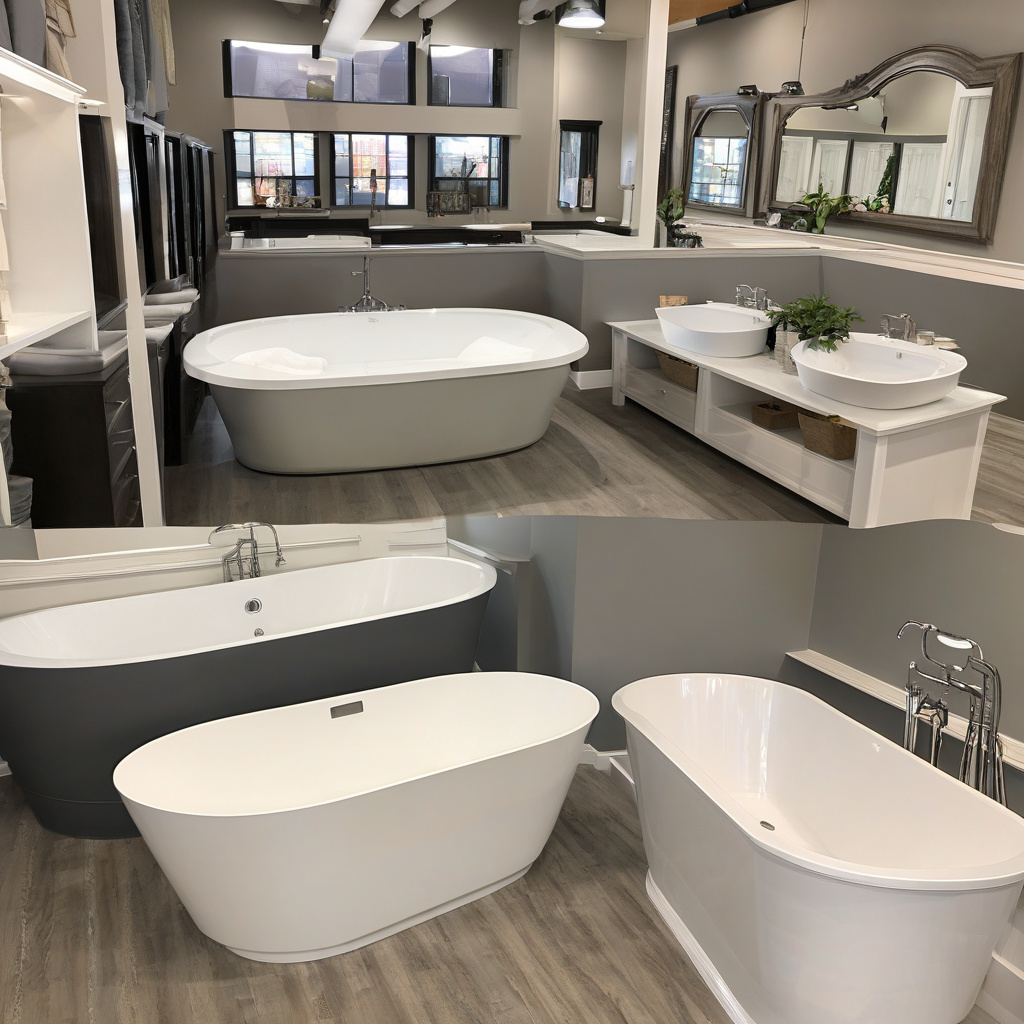
Consider diverse bathroom fixtures that pair well with your chosen tub style for a cohesive renovation project.
Expert tip: “Including a practical cleaning plan in your renovation can extend the life and appearance of your tub,” notes M. Davies, a renowned renovation specialist based in California.
Cost Considerations and Material Choices
The cost of a bathtub installation in your space can vary significantly between freestanding and built-in options. Freestanding tubs often come with a higher price tag, reflecting their design complexity and requirement for quality materials like cast iron or acrylic to achieve their stunning appearance.
Built-in options tend to be more budget-friendly, particularly when factoring in the possibility to use less expensive materials or elements already integrated into the rest of the bathroom design. Additionally, extra elements such as tiling can be really customized to manage spending.
Materials like porcelain enameled steel are common, though they might require additional structural support, impacting the final cost. For homeowners hoping to make informed choices, sourcing durable materials can ensure both safety and lasting value.
Ultimately, your decision should balance immediate desires with your project budget to craft a bathing area that enhances your home.
Research indicates that strategic renovations and material selection can deliver a return on investment as high as 70% for bathroom upgrades in premium locales.
Comparing Installation Process: A Practical Guide
Freestanding and built-in tubs require different approaches during installation. Understanding these differences can help forecast potential challenges and anticipate costs accurately. Below is a quick reference table to compare these processes:
| Aspect | Freestanding | Built-in |
|---|---|---|
| Footprint | High | Moderate |
| Installation Cost | $$$ | $$ |
| Material Options | Varied and premium | Cost-effective options |
| Structural Adjustment | Minimal | Extensive |
Through this comparison, it’s clear that both options present strengths and challenges, as no one-size-fits-all answer exists in the remodeling sphere.
Final Considerations and Steps Forward
The choice between freestanding and built-in tubs goes beyond mere aesthetics and functionality. It is about aligning with the homeowner’s lifestyle, budget, and long-term goals. These considerations are imperative in California’s vibrant housing market, where every bathroom modification needs to resonate with both personal preferences and market trends.
As you conclude your bathtub selection, it’s crucial to deliberate the entire process thoroughly. Every remodeler in Los Angeles strives to seamlessly incorporate new designs that cater to the evolving needs of family and space.
This high-stakes choice ultimately enhances not just your bathing experience but also the footprint of your home. For a successful renovation, staying informed and discussing options with professionals is key. As the project unfolds, expect possible adjustments, a common aspect in large remodels often explored in real-world renovation projects.
The decisions made today are the memories and comforts of tomorrow, and so, choosing wisely is more than an investment; it’s crafting a lifestyle.
- Freestanding tubs offer a central aesthetic component suitable for larger spaces.
- Built-in tubs save space and integrate smoothly into compact designs.
- Installation and maintenance differ significantly, linking closely to budget and lifestyle needs.
- Real-life examples from Los Angeles show the diverse applications of both tub styles.
- Strategic planning is key to satisfactory and sustainable renovation outcomes.
“`html
FAQ
What are the primary differences between freestanding and built-in tubs?
Freestanding tubs, often seen as elegant centerpieces, sit independently and can be placed nearly anywhere in a bathroom, offering unparalleled flexibility in layout. In contrast, built-in tubs, which are recessed or alcove installations, require integration with the walls. This often offers more straightforward plumbing connections and can optimize space in smaller bathrooms. For those revamping older homes, adding a freestanding tub could mean additional structural adjustments, but the aesthetic payoff is frequently seen as worth it. Whether prioritizing space efficiency or visual drama, the choice impacts both the room’s design and practical use in everyday life.
How should you choose between a freestanding and a built-in tub?
Choosing the right tub style involves evaluating your bathroom’s existing layout and your personal needs. Freestanding tubs often work best for spacious bathrooms because they allow full access around the tub and create a luxurious vibe reminiscent of spa retreats. For smaller or traditionally designed bathrooms, a built-in tub might fit better due to its space-saving design. Homeowners frequently don’t consider the long-term implications of cleaning; a freestanding tub requires cleaning around it, while a built-in might be simpler to maintain. Additionally, consider the ease of getting in and out, especially for those renovating with aging in mind. For personalized guidance, consider reaching out through this helpful contact source for tailored advice.
When does it make sense to invest in a freestanding tub?
Investing in a freestanding tub can make sense if you’re seeking to create a luxurious, open space within a larger bathroom. Many experts point out that these tubs can serve as a focal point, especially in modern homes where the design leans towards minimalist elegance. In real renovation projects, however, factors such as the adequacy of floor support and plumbing reroutes must be evaluated. Consider also the resale value; in high-end markets, the presence of a statement tub can significantly elevate a property’s appeal. However, in smaller bathrooms, this investment might be better directed towards expanding storage or improving shower facilities.
What are common mistakes when installing built-in tubs?
One of the most common mistakes with built-in tub installations is underestimating the plumbing requirements, which can lead to significant delays and additional costs. Another frequent oversight is neglecting adequate waterproofing; without it, moisture can seep into the walls, causing long-term damage. During renovations, homeowners may focus too much on the style of the tub rather than how it integrates with existing water lines or if it’ll fit through bathroom entrances. Engage a professional early in the process to evaluate the space and infrastructure to avoid costly pitfalls.
What are the cost considerations for freestanding vs built-in tubs?
Freestanding tubs generally come with a higher price tag, not only because of the tub itself but due to the potential need for reinforced flooring and specialized fixtures. The installation often requires more labor and expertise, which can add to costs. Built-in tubs, while typically less expensive to purchase, may also incur hidden costs related to tiling, carpentry, or waterproofing. In short, the initial purchase price is just one piece of the puzzle. Review all associated expenses with your contractor to ensure that your renovation budget accounts for these potential extras.
What are the pros and cons of freestanding tubs?
Freestanding tubs bring a sense of elegance and drama to a bathroom, often creating a spa-like environment at home. They offer flexible placement options and can accommodate a range of designs, from modern to vintage. However, their drawbacks include needing more space for placement, potential for complex plumbing work, and higher cleaning demands due to all-around exposure. Balancing these pros and cons against the intended use and the practical layout of your home is crucial. Homeowners frequently underestimate this aspect, focusing on aesthetics over utility in spaces with limited room.
How does maintenance differ between the two tub types?
Built-in tubs typically integrate well with the overall bathroom design, often involving less surface area for cleaning and maintenance. However, if not properly installed, they can lead to water damage over time, hidden behind tiles. Freestanding tubs require more attention to the entire bath space due to all-around exposure, but they offer easier access for repairs if plumbing issues arise. Regular cleaning around the base is necessary to prevent grime buildup, and their unique placement often necessitates specialized cleaning methods or tools. Understanding these maintenance needs helps in making an informed choice.
What installation specifics should homeowners know before choosing a tub style?
When considering tub installation, homeowners should be aware that freestanding tubs require sufficient space around them, which might not be feasible in compact bathrooms. Proper subfloor reinforcement is crucial, especially in older homes. Many experts suggest consulting with a structural engineer to assess these needs. For built-in tubs, understanding the wall hex structure becomes important, as waterproofing must be meticulously handled to prevent moisture issues. Real-world projects often uncover existing issues only during demolition, so factor in contingencies for such surprises. For expert evaluation tailored to your specific home, why not consider this professional advice portal as a starting point?
“`