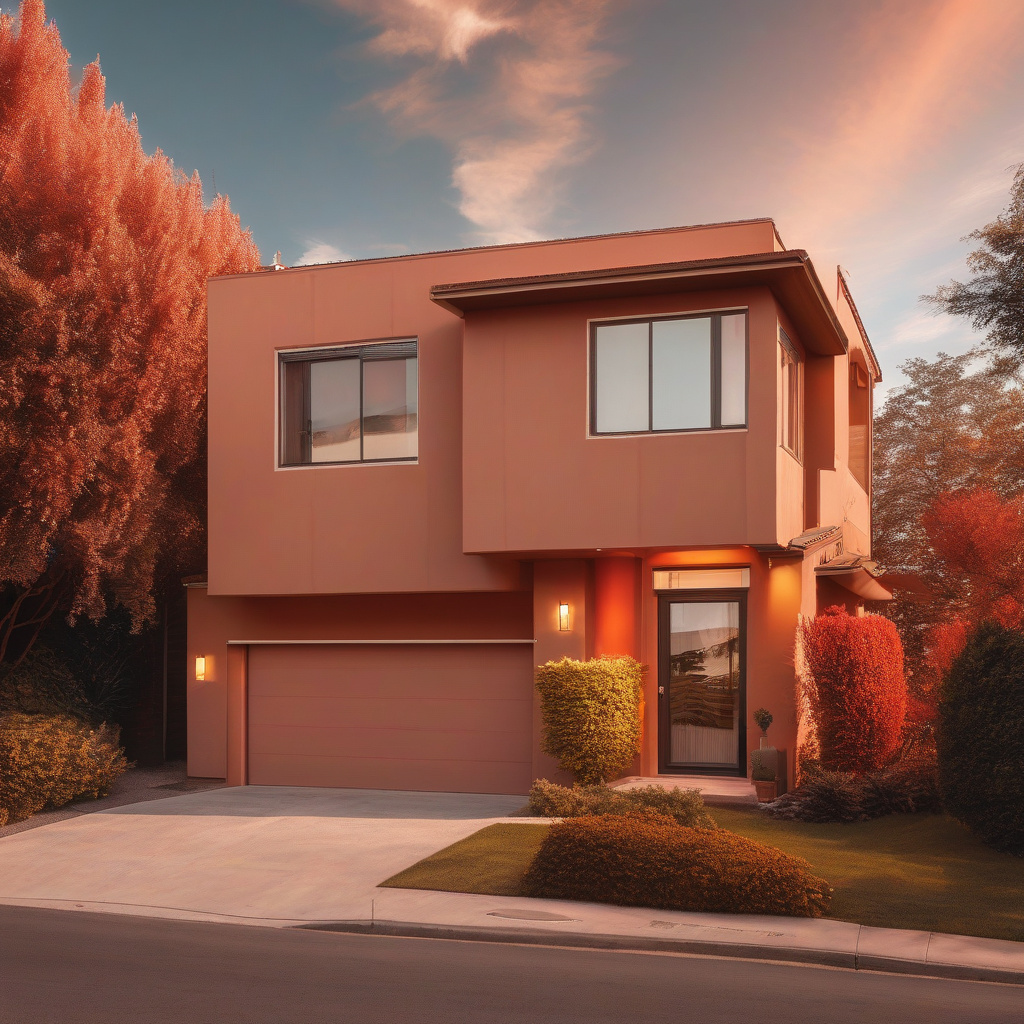
In Los Angeles, a city where the sun shines with unrelenting fervor, the paint color adorning the exterior of your home is more than a style choice—it’s a strategic decision that impacts energy efficiency and cooling costs. The debate between light versus dark hues on your home’s façade isn’t merely aesthetic; it’s a fundamental element influencing comfort and energy bills.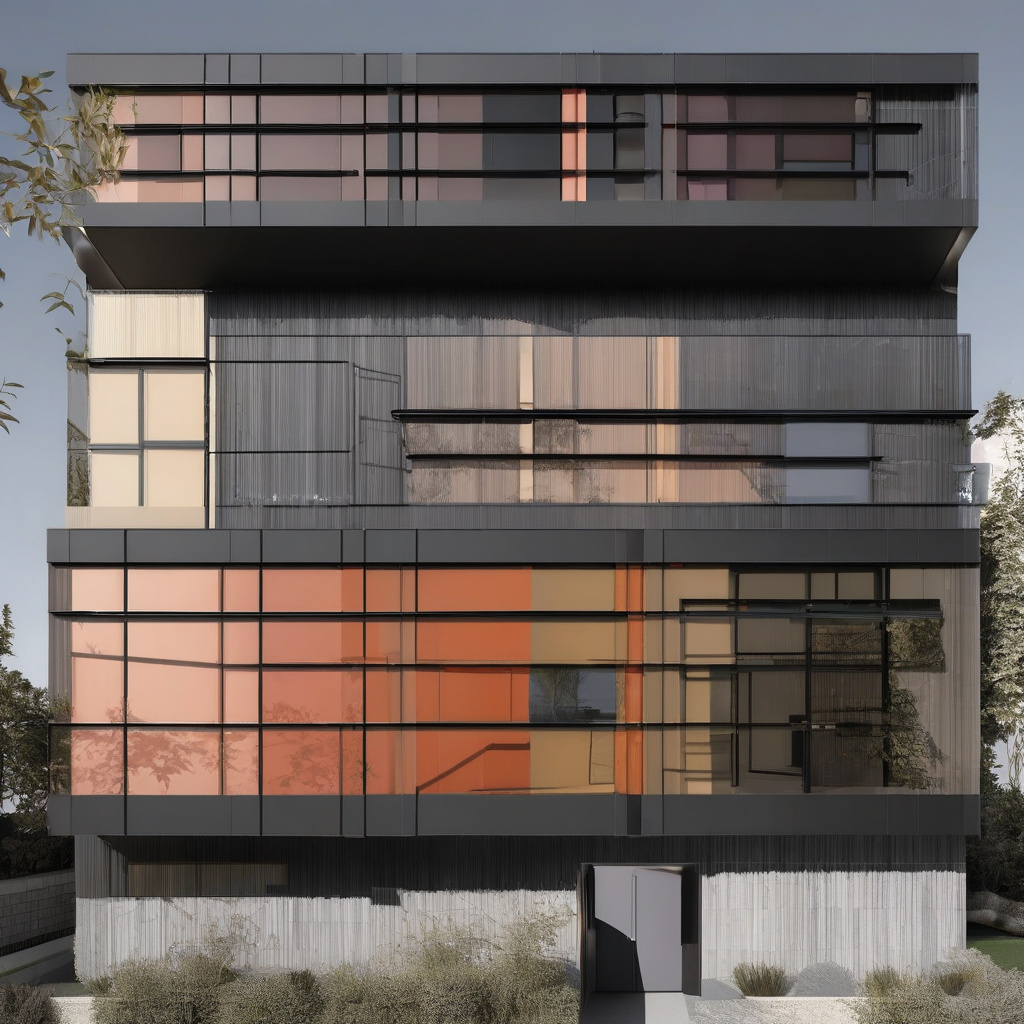
Brief summary: This article explores how exterior paint colors affect energy efficiency in Los Angeles homes. Lighter paints reflect sunlight, lowering cooling costs, while darker hues absorb heat, offering warmth. The analysis covers renovation trends, real homeowner experiences, and practical advice for choosing the right color.
The Role of Exterior Paint Colors in Energy Efficiency
When choosing a paint color for your home’s exterior, you hold a powerful tool for managing internal temperature and energy use. Light colors, renowned for their reflective properties, bounce back the sun’s rays, reducing the heat absorbed by your walls. This can significantly impact your air conditioning requirements, particularly in areas like Southern California, where temperatures frequently soar.
Conversely, darker colors absorb warmth, potentially hiking up cooling necessities. Homeowners in Los Angeles are gradually becoming attuned to these dynamics, often consulting local painting experts or resources such as home paint advisors to strategically choose their home’s colors.
Reflecting on this trend, a notable shift towards lighter hues isn’t just about aesthetics but also about practicality. As many local homeowners notice, houses painted in pastel shades often enjoy slightly reduced energy bills compared to their darker counterparts. This emerging consciousness about paint’s energy implications is shaping renovation strategies across the region.
In summary, painting decisions in Los Angeles today go beyond curb appeal; they integrate forward-thinking energy management principles, balancing creativity with cost-effectiveness.
Exploring Material Options: Light vs Dark
Choosing the right color isn’t the only decision; the type of paint and finish can further influence efficiency. Acrylic paints, often recommended for their durability and reflective quality, have become popular for exteriors facing the relentless Southern Californian sun. Meanwhile, oil-based paints, despite their rich finish, might not offer the same resilience against UV radiation.
An essential consideration in this process is protecting the surrounding environment, notably the verdant landscaping Southern California homeowners cherish. Strategies to safeguard flora during paint jobs can prevent unintentional damage. Homeowners often coordinate their renovations with landscaping plans to maximize both curb appeal and plant protection.
At the core of all these deliberations is a materials-based strategy where sustainability meets style. Examining what various substances offer in terms of energy efficiency can guide homeowners toward intelligent painting and renovation choices.
Ultimately, combining suitable materials with thought-out color selections plays a pivotal role in optimizing a home’s efficiency without compromising beauty.
The Influence of Historical and Modern Trends
The architectural history of Los Angeles is as diverse as its residents, influencing choices today. From mid-century modern to Spanish revival, each era offered its own take on environment-friendly design, impacting today’s palettes. Recent years have seen a resurgence in two-tone façades, a nod to the past wherein style and function seamlessly merge.
Exploring accent design techniques has gained traction recently, often using contrasting colors to highlight architectural features. This approach not only enhances the visual appeal but also employs light-dark dynamics to balance energy efficiency throughout the year.
Homeowners eager to blend legacy with innovation find two-tone strategies particularly appealing. These methods provide an effective compromise, preserving classic looks while adopting modern environmental considerations.
Therefore, balancing new inspirations with proven historical methods can guide thoughtful renovation strategies that leave lasting impacts on comfort and style.
According to the Environmental Protection Agency, homes leveraging reflective surfaces can reduce energy use by up to 10% during peak temperatures.
The Practical Decision Making: Risks vs Rewards
As attractive as certain color palettes might be, choices here are not without risks. Bold colors might capture attention and elevate a home above its peers but can lead to increased heat absorption and higher cooling costs. Conversely, selecting lighter, conventional colors might seem subdued yet proves beneficial cost-wise over time.
To assist in these decision processes, comparing the financials versus potential utility savings becomes pivotal. We’ve put together a comparison table to illustrate this point clearly:
| Aspect | Light Colors | Dark Colors |
|---|---|---|
| Energy Savings | High | Low |
| Aesthetic Appeal | Moderate | High |
| Cooling Costs | Lower | Higher |
| Initial Cost | Moderate | Moderate |
In this delicate balancing act, rewards in long-term savings often overshadow initial investment concerns, guiding most owners towards lighter hues for practical advantages.
Decisions here require weighing immediate desires against strategic gains—a rewarding process leading to smarter home management.
How to Choose the Right Exterior Paint Color
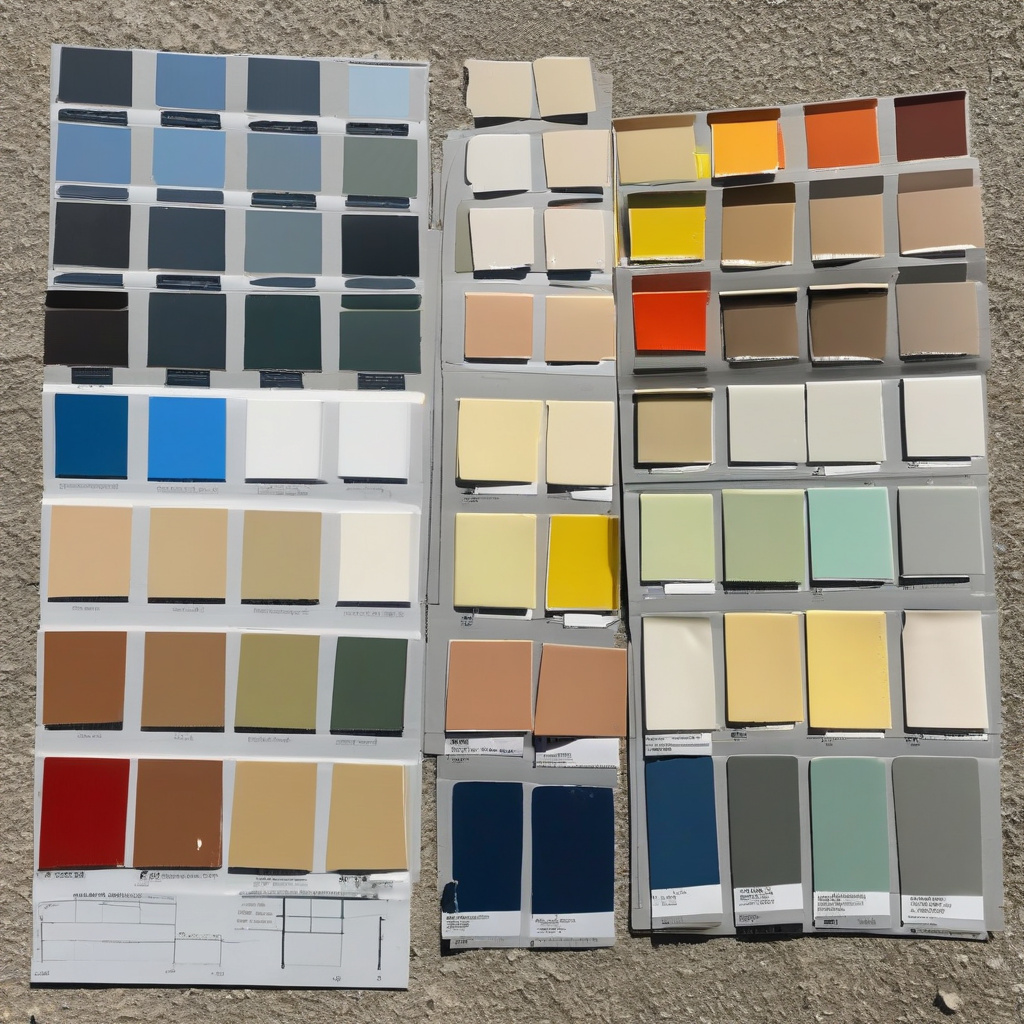
Embarking on a painting project begins with understanding your home’s architecture and environment. Start by considering your surroundings, climate, and style preferences. Consulting local regulations about permissible colors and finishes can help streamline the selection process. It’s worthwhile discussing options with a professional to optimize the balance between aesthetics and energy efficiency.
Steps to a Successful Paint Selection
- Evaluate your location’s climate and sunlight exposure.
- Research color palettes that align with your home style.
- Assess sustainability and reflective attributes of different paints.
- Choose colors that enhance architectural features.
- Seek professional advice for expert color insights.
Integrating these steps empowers homeowners to make informed decisions, seamlessly blending style and functionality.
Remember, color isn’t just a finishing touch; it’s an integral part of how your property withstands the elements, emphasizing practical elegance.
A recent study found that lighter homes could cut cooling expenses by up to 15% in high-sun regions like Southern California.
Future Innovations in Exterior Design
The rise of smart technologies and materials is shifting the landscape of exterior paint choices. Innovations, like heat-reflective coatings and self-cleaning paints, promise enhanced features for homeowners prioritizing energy efficiency. These developments represent a new frontier, challenging conventional color norms without sacrificing efficacy.
What Lies Ahead
Advancements are guiding people away from traditional choices toward more innovative, practical solutions. Whether through adopting heat-deflective topcoats or exploring layered design technologies, the future of home exteriors looks increasingly sophisticated and environmentally conscious.
Embracing these changes provides a unique blend of style, warmth, and efficiency, paving the way for future-ready homes that reflect personality and pragmatism alike.
With pioneering designs set to redefine renovation landscapes, the integration of technology becomes as vital as choosing the right shade.
Industry experts forecast increased homeowner inclination towards energy-conscious remodels, foreseeing a 20% growth in light color exteriors by 2025.
- Exterior paint choices affect residential energy efficiency in sun-rich locales like Los Angeles.
- Light colors offer energy savings by reflecting heat, while dark hues may result in higher cooling costs.
- Homeowners increasingly weigh aesthetic value against practical energy considerations.
- Modern trends and historical aesthetics guide balanced renovation strategies.
- Technological innovations are reshaping how exterior paint colors and materials are approached.
“`html
FAQ
How does the color of exterior paint affect energy efficiency?
In real renovation projects, it often becomes clear that the color of your home’s exterior paint can significantly influence energy efficiency. Light colors naturally reflect sunlight, which can help keep a house cooler in hot climates like Los Angeles. This reflection minimizes heat absorption, potentially reducing air conditioning needs and cutting cooling costs. Conversely, darker colors absorb more sunlight, which can increase warming. While this might be advantageous during colder months, it’s generally less efficient during sweltering LA summers, often leading to higher electricity bills as air conditioners work overtime.
What factors should I consider when choosing exterior paint color for my home?
When deciding on an exterior paint color, homeowners frequently underestimate the impact of climate and local weather patterns. For homes in LA, where the sun is intense most of the year, opting for lighter colors can foster energy efficiency by reducing cooling costs. It’s wise to consider the architectural style of the home; some designs might traditionally suit certain color palettes. Additionally, think about the long-term maintenance of the color, how it complements nearby homes, and whether the chosen hue could potentially affect resale value. Many experts point out that color psychology and neighborhood aesthetics should also be factors.
When might it make sense to choose a dark-colored exterior paint in LA?
In some cases, choosing a dark-colored exterior paint may be beneficial. For older properties, or homes in coastal areas where fog or overcast conditions are common, the warmth absorption of darker colors can be an advantage. These homes might benefit from the extra heat during cooler months, reducing the need for heating. Moreover, certain architectural styles or personal aesthetics might work better with deeper shades. Nevertheless, balancing energy efficiency with style can often be achieved by using dark accents rather than painting the entire exterior in a dark shade.
What are the typical mistakes homeowners make when selecting exterior paint color?
A common mistake many homeowners make when selecting exterior paint color is not considering the long-term implications on energy efficiency and maintenance. Often, the allure of trendy colors can overshadow practical decisions. For example, choosing a color solely based on current fashion trends without regard for how it handles sun exposure can lead to higher energy bills or quicker paint fade. Additionally, ignoring how color pairs with roofing materials can result in a discordant look. It’s vital to test paint samples in natural light over several days to see how the color reacts with your specific environment.
How do the costs of maintaining lighter vs. darker exterior paints compare?
Maintaining exterior paint involves regular cleaning, touch-ups, and eventual repainting. Lighter colors, while excellent for reflecting heat, can show dirt and mildew more prominently, potentially escalating cleaning frequency and cost. On the other hand, dark paints might hide grime but often suffer from more noticeable UV damage, leading to fading and peeling which requires earlier repainting. A balanced approach might involve selecting a mid-tone color that mitigates fade and hides dirt effectively. Considering the long-term financial aspect of maintenance is critical, as it can add up over time, impacting the overall renovation budget.
What are some pros and cons of light-colored paints for LA homes?
Light-colored paints offer several advantages, particularly in sun-drenched areas like LA. They effectively reflect solar radiation, keeping intruding heat at bay and improving energy efficiency by reducing the reliance on air conditioners. Furthermore, light colors can make your home appear larger and give it a fresh, vibrant look. However, they do have drawbacks – they can become easily stained or develop mildew, requiring more frequent cleaning and maintenance. Additionally, if not chosen carefully, they might clash with the surroundings or the existing architectural style, which could affect curb appeal.
Can energy-efficient paints offset the cost of heating and cooling in Los Angeles homes?
Modern developments in paint technology have led to energy-efficient paints that can contribute significantly to managing heating and cooling costs. These paints contain reflective pigments that enhance a color’s natural ability to reflect or absorb heat, providing an additional layer of efficiency beyond mere color choice. While the initial paint cost might be slightly higher, many homeowners find that the reduction in monthly energy bills offsets this expense over time. As noted by professionals in the field, the decision to invest in such technologies should factor in long-term utility savings and the environmental impact they can help lessen.
How does one decide when to repaint the home’s exterior in LA, considering energy efficiency?
Determining the right time to repaint a home’s exterior is a complex decision intertwined with aesthetics, maintenance, and energy efficiency. Many experts suggest a repaint every 5 to 10 years, but the timeline can vary based on exposure to elements and the quality of previous work. In warmer climates like LA, wait until old paint shows signs of fading, peeling, or cracking, as these are signals that the home’s energy efficiency could be compromised. When considering a repaint, it might be beneficial to consult with renovation experts who can offer personalized guidance. For further advice tailored to your home’s needs, you might consider reaching out through this contact page.
“`