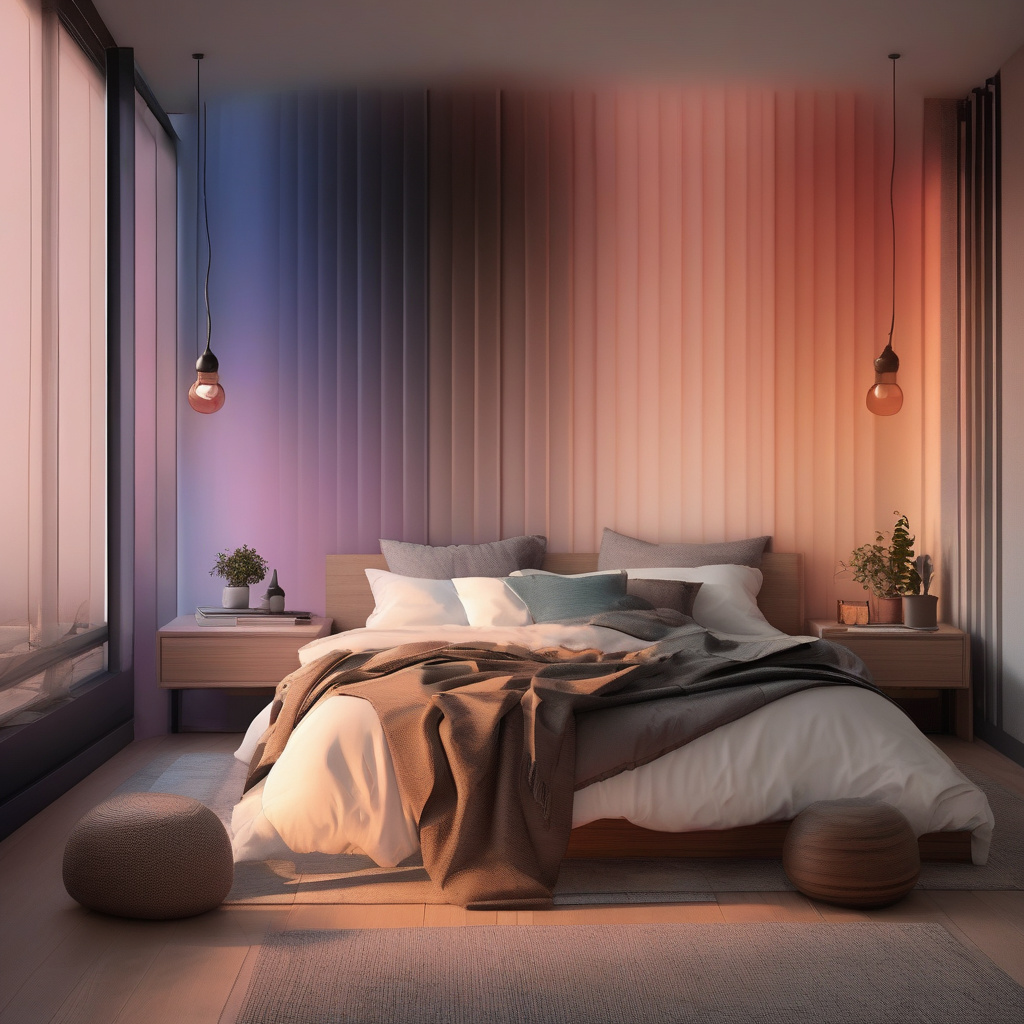
Accent walls have become a beloved feature in modern home design, injecting personality and elegance into spaces that are both functional and aesthetically appealing. In the sun-drenched locales of Los Angeles and Southern California, these walls serve as the canvas for homeowners to express their individuality, particularly behind beds and sofas where the right color, texture, or pattern can transform a room’s dynamic entirely.
Brief summary: This article explores the enduring appeal of accent walls in Southern California homes, focusing on their use behind beds and sofas. It explores the latest trends, practical renovation strategies, and cost considerations, providing insights into why these elements remain a popular choice among Angelenos looking to anchor their living spaces with distinct style.
The Allure of Accent Walls in the Heart of Los Angeles
In the sprawling cityscape of Los Angeles, homeowners constantly seek ways to infuse their residences with unique character while maintaining an air of sophistication. Accent walls, a staple of chic interior design, have proven particularly effective. With the ability to draw the eye and frame a space dramatically, these walls often become the focal point of a room, adding depth and personality.
Warm tones and subtle contrasts dominate the Los Angeles design scene, where the sunshine’s relentless beauty can be mirrored indoors through thoughtful use of color. Deep terracotta, dusky turquoise, and soft golds deliver impressive results, enhancing comfort and warmth, especially behind beds and sofas. Homeowners often rely on professional guidance, drawing inspiration from sources like expert painting resources to ensure their vision is brought to life flawlessly.
Several homes in Pasadena, for example, have embraced this trend, with many opting for textured finishes that add an extra dimension of intrigue. As many residents discover, an accent wall can alter a room’s feel entirely, transforming a simple sleeping area into a serene retreat or a living room into a conversation starter.
Ultimately, these walls do more than beautify a room—they offer an opportunity for homeowners to connect personally with their environment, making their spaces reflect not just style but sentiment.
Creative Considerations: Colors, Textures, and Patterns
Deciding on the specifics of an accent wall involves more than just picking a favorite color; it’s a detailed exploration into the realms of texture, pattern, and hue. As any renovation expert will attest, the foundational step lies in understanding the room’s purpose and the emotional tone desired. This profound interplay can transform a mundane wall into an artful masterpiece.
Sitting beneath a strikingly painted wall can alter the perception of a living area’s proportions. Patterns can break the monotony—think geometric shapes or abstract expressions that lend energy to a space without overwhelming other décor elements.
Material choice is equally crucial, offering varied experiences in terms of tactile engagement and visual appeal. Trending surfaces like reclaimed wood paneling or textured plaster provide aesthetic delight while catering to the organic, eco-friendly preferences of many Southern California residents. It’s worth noting that utilizing a professional service is paramount; avoiding pitfalls and mistakes is just as important as the planning itself. Investigation into ways to prevent painter mishaps serves as a crucial step in the design process.
Ultimately, the art of choosing the right colors and materials involves a balance of creativity and practicality, ensuring that the accent wall enriches the domicile while adhering to the homeowner’s interpretive vision.
The Craft and Expense of Accent Walls: An Analytical Lens
From a financial perspective, installing an accent wall can vary wildly depending on material choice, wall size, and complexity of the design. In Los Angeles, where renovation costs can soar, homeowners often weigh the aesthetics against the wallet—seeking the perfect balance between indulgence and reason.
The table below provides a simple comparison of popular accent wall options along with their estimated costs and timelines:
| Material | Average Cost | Installation Time | Pros and Cons |
|---|---|---|---|
| Paint | $3,00 – $700 | 1-2 days | Affordable, versatile; prone to wear |
| Wallpaper | $500 – $1,500 | 2-3 days | Stylish, diverse; difficult to change |
| Wood Paneling | $1,000 – $5,000 | 3-4 days | Durable, eco-friendly; costlier |
Labor costs also factor into the equation, urging careful budgeting and research. A thorough comprehension of the best practices for preserving painted surfaces can ameliorate long-term maintenance expenses, providing sustainable value for an often-substantial initial investment.
Meticulous planning ensures that the chosen wall option not only fits the desired aesthetic but remains economically sensible for years to come.
Practical Benefits: Rooms Reimagined
Accent walls serve more than just visual functions; they foster entire environments. In Southern California’s high-paced lifestyle, creating a relaxing bedroom sanctuary or lively living room can make a worldly difference. Positioned strategically, these walls redefine how space is perceived and used, drawing people in while subtly guiding the room’s flow.
For instance, an accent wall could offset a sofa in an open-plan living area, thus cohering the layout without clutter. Equally, in a bedroom, such a wall might highlight the headboard without overshadowing or underplaying complementary furnishings.
Numerous LA homeowners engage design professionals who creatively integrate wall art, shelving, and even bespoke lighting into the accent wall framework to deepen functionality and amplify comfort.
This multi-purpose use of accent walls showcases their transformative potential on spatial dynamics. It caters to the creative spirit prevalent in a city forever focused on innovation and advancement.
Accent walls embrace more than aesthetic appeal—they embody the freedom to manifest environments that serve practical needs while indulging in refined elegance.
Assessing the Trade-offs: Risks and Rewards
Like any worthy design decision, accent walls come with both potential boons and pitfalls. The advantages are clear: unique style statements, focal points for vast spaces, and opportunities to play with textures and palettes unavailable elsewhere in the home.
On the flip side, risks include overstatement or poor execution, resulting in a visually suffocating space rather than an inviting one. Mismatched textures or misplaced patterns can disrupt rather than delight, emphasizing the need for precision and professional oversight.
Research suggests that properly installed accent walls can boost a home’s resale value by up to 3%, yet poorly executed designs with bold, mismatched color schemes risk turning off potential buyers.
Homeowners should weigh these factors diligently, trusting experienced professionals to guide them past potential mishaps. Yet when done right, the rewards of an accent wall are boundless, offering both immediate gratification and long-term benefit.
Personal Touches: Integrating Your Style
Indeed, the crowning glory of an accent wall lies in its personal significance. It is an intimate expression sparked by the homeowner’s unique taste, be it subtle elegance or vibrant bravado. Custom artwork, carefully curated color palettes, and personalized textures and patterns reinforce both individuality and community connections.
To further naturalize this bespoke element, exploring additional resources such as lauded guides on painting interior bricks can offer practical insights, seamlessly propelling design ambitions forward.
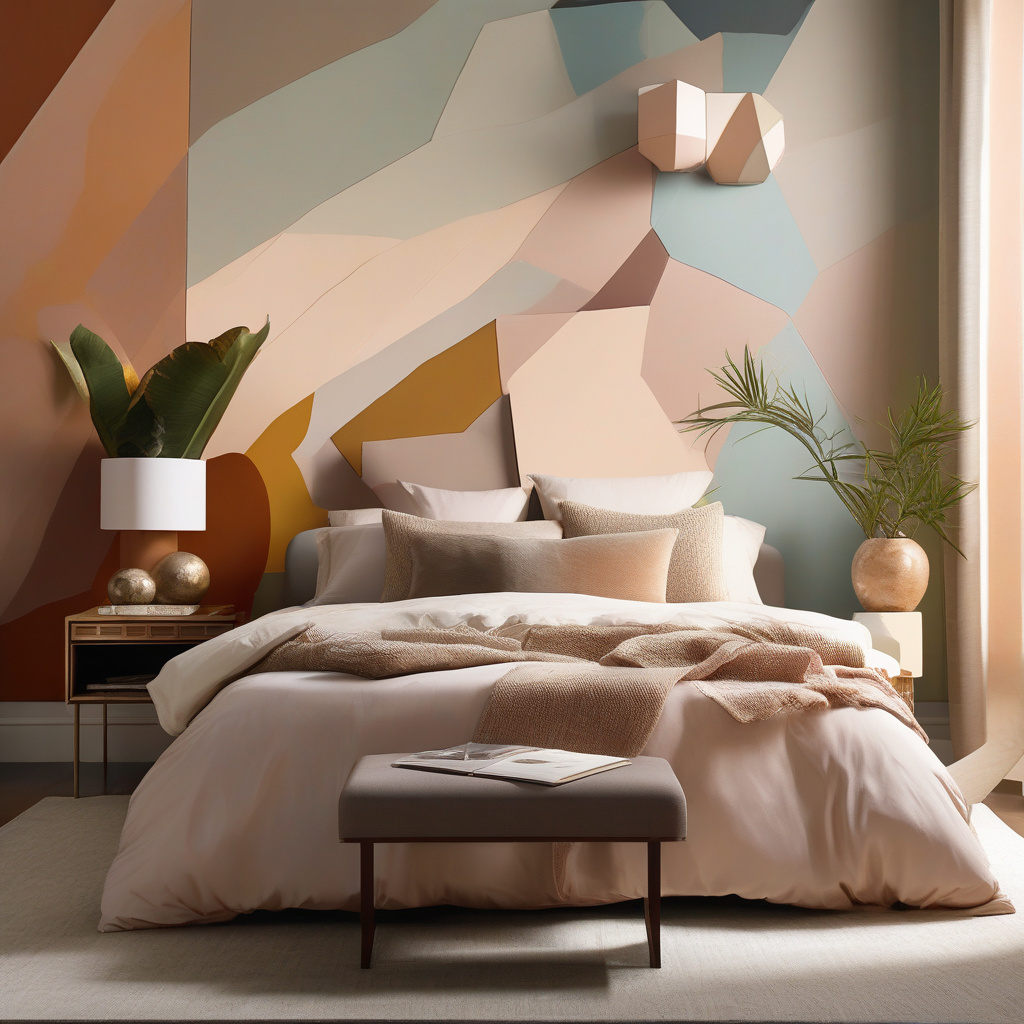
Whether standing back to admire a textured brilliance or contemplating the next stylistic shift, each time one glances upon the accent wall, it imparts an appreciation for what personal spaces can become.
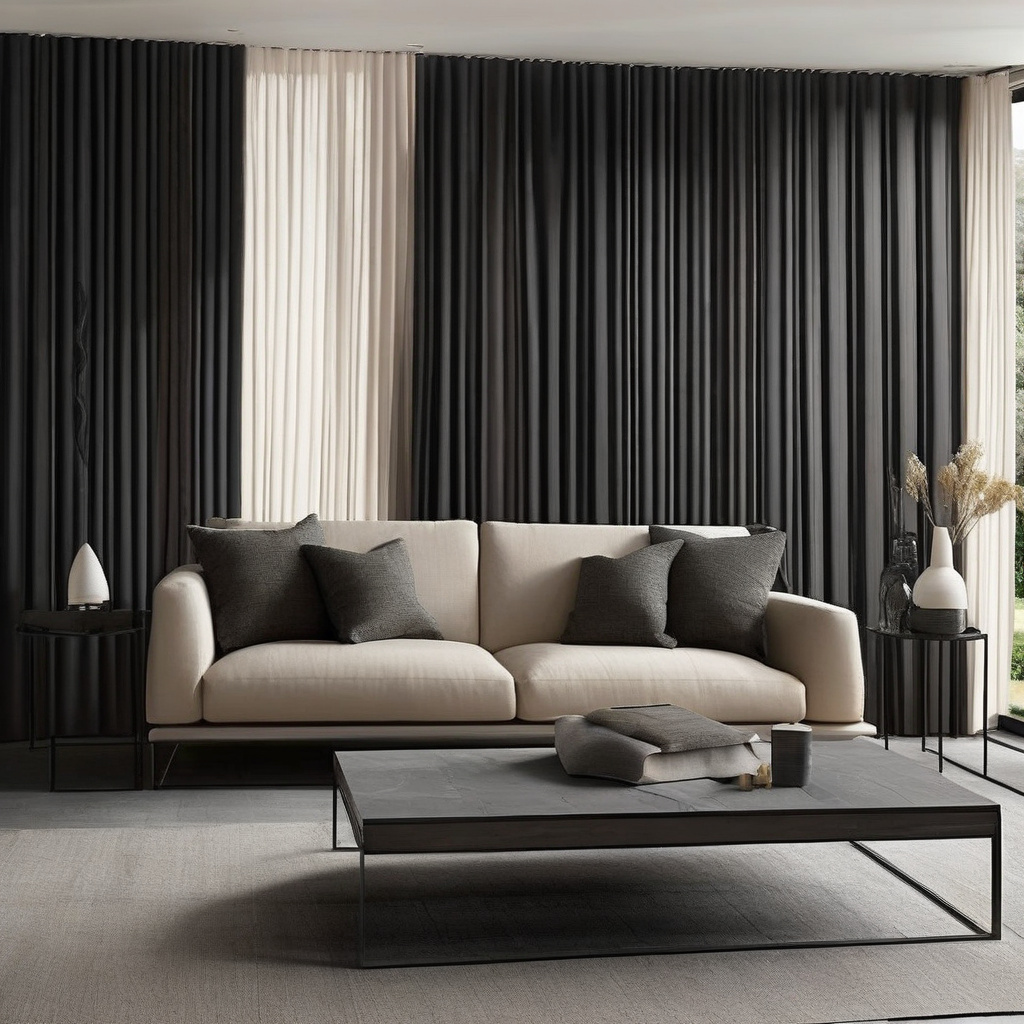
These richly personal spaces show no signs of waning popularity; as Californian stories unfold against their vibrant backdrop, one thing remains clear—accent walls are far from mere decoration. They are the stage upon which life in its myriad forms performs daily.
- The right accent wall can completely transform a room, focusing and balancing its visual dynamics.
- Understanding both material and color choices is essential to achieving the best aesthetic outcome.
- Accent walls offer practical benefits, enhancing space usage while adding personality and style.
- Personal expression and professional guidance go hand-in-hand for the best results.
- A well-planned accent wall adds both beauty and long-term value to any home.
“`html
FAQ
What are accent walls and why use them behind beds or sofas?
Accent walls are design elements that introduce a distinct color, texture, or pattern to a room, setting it apart from adjacent walls. In real renovation projects, selecting the right wall often anchors the space visually, focusing attention while adding depth. When strategically positioned behind beds or sofas, accent walls create a welcoming focal point. This not only enhances aesthetic appeal but also defines boundaries in open-plan spaces. For instance, in many Californian homes, an earthy toned or textured wall behind a sofa can effortlessly unite living room elements into a cohesive, inviting area. Homeowners frequently find it thrilling how a single wall can dramatically alter the feel of a room.
How can I choose the right color for an accent wall?
Choosing the ideal color involves more than just individual taste. Many experts point out that the room’s purpose and lighting play crucial roles. Warmer hues, like deep reds or burnt oranges, add coziness to bedrooms, while cooler tones are often preferred in living rooms to promote relaxation. In older Californian homes with limited natural light, opting for lighter shades can reflect light, offering a spacious feel. It’s also beneficial to sample colors on the wall before commitment. Homeowners commonly underestimate the changes in color appearance under different lighting conditions, so testing is key. Remember, colors also serve as emotional triggers; thus, aligning them with desired moods is vital.
When is it most effective to install an accent wall?
The timing for installing an accent wall is often tied to broader renovation plans. Installing during other major updates, such as painting or floor replacements, can streamline processes. In newer builds, consider accent walls early in design stages to ensure compatibility with overall aesthetics. An opportune moment arises when rooms feel too neutral or lack character. For example, if a bedroom appears mundane post-furniture installation, adding an accent wall can immediately rejuvenate the space. It’s pivotal to have a clear vision; otherwise, accent walls might feel out of place rather than harmonious. Seeking professional insights can be invaluable, and projects can be planned more effectively.
What are common mistakes to avoid with accent walls?
One prevalent mistake is choosing an overpowering color that conflicts with the room’s theme. In real practice, balance is key; a clashing wall disrupts harmony. Many homeowners elect poorly positioned walls, resulting in uneven focus. Painting a wall directly facing entrance points can overwhelm visitors, whereas strategic placement enhances fluidity. Scale also matters; extensive patterns in small spaces may shrink perceived room size. Home renovators often fail to consider texture; a textured wall in an otherwise sleek room may be jarring. Finally, overlooking lighting’s impact can alter intended effects, leaving spaces either too bright or unduly dark.
How do costs for accent walls vary?
Accent wall costs can fluctuate based on materials, size, and complexity. High-end materials like stone or custom tiles elevate costs significantly. Conversely, a painted wall remains budget-friendly. In California, wood paneling adds warmth to homes but can be costly due to installation intricacies. Labor costs should be factored in, with professionals charging more for complex designs. A mistake often seen is underestimating the cost of repainting should the initial color choice prove unsatisfactory. For homeowners on a budget, starting with simpler materials or DIY paint projects can maintain both quality and cost-effectiveness. For detailed and personalized advice, it’s wise to explore options through professionals near you and view their services and guidance.
What are the pros and cons of using textures for accent walls?
Textured accent walls offer a dynamic, tangible depth that paint alone often can’t achieve, making rooms feel richer. Textures such as shiplap or faux brick are popular in design-forward California homes. However, textures require diligent maintenance, as dust and debris can accumulate, and repairs may necessitate professional intervention. While visually engaging, textures can also make wall décor challenging if uneven surfaces hinder secure hanging. Yet, when done correctly, they can transform spaces into unique environments reflecting the homeowner’s style. Weighing ease against aesthetic benefits often helps homeowners decide if texture aligns with their vision.
How to maintain an accent wall to ensure longevity?
Proper maintenance extends an accent wall’s life, preserving its visual appeal. Regular cleaning, especially of textured surfaces, prevents buildup. Painted walls may need touch-ups over time; keeping leftover paint can aid quick fixes. Protecting walls from direct sunlight can mitigate fading—Californian homes often see this issue due to abundant sunshine. Avoid hanging heavy items which might stress the wall over time. Homeowners should also conduct scheduled inspections, checking for any signs of wear, particularly in high-traffic areas. By incorporating these practices, homeowners ensure that accent walls remain attractive focal points for years to come.
Should accent walls be considered in rental properties?
Accent walls can enhance rental properties by distinguishing units from competitors and providing character. However, landlords must balance personal style against tenant appeal. Neutral or widely accepted colors are safer bets to accommodate varied tastes. When renovating rental homes in regions like California, landlords often prioritize durability, selecting materials that withstand frequent tenant changes. Costs can escalate if frequent repainting is required after tenant turnover. Importantly, landlords should always consult lease agreements; some prohibit significant modifications without prior approval. Thoughtful consideration of such factors can lead to both enhanced aesthetics and tenant satisfaction.
“`