
The Southern Californian sunset ripples through a pane of shimmering glass, revealing the latest architectural marvel—a tilt-and-turn window. This European design is making waves in the Los Angeles renovation scene, offering a versatile blend of style and function. Homeowners are increasingly drawn to this adaptable window type, which has become synonymous with both elegance and efficiency.
Brief summary: Tilt-and-turn windows from Europe are gaining traction in Los Angeles, blending style and efficiency. This article explores their advantages, covering ventilation, maintenance, and compatibility with US homes. We assess the impact on renovation costs and share insights from real-life projects, along with practical tips for homeowners considering this trend.
The Allure of European Tilt-and-Turn Windows
Across Los Angeles, renovation enthusiasts are discovering tilt-and-turn windows—an innovation that combines the best of modern design with functional versatility. Rooted in European architecture, these windows provide a dual-axis operation, allowing for inward tilting for ventilation or full opening for cleaning and emergency exits. It’s a feature that resonates well in climates prone to fluctuating humidity and temperatures, as experienced in Southern California.
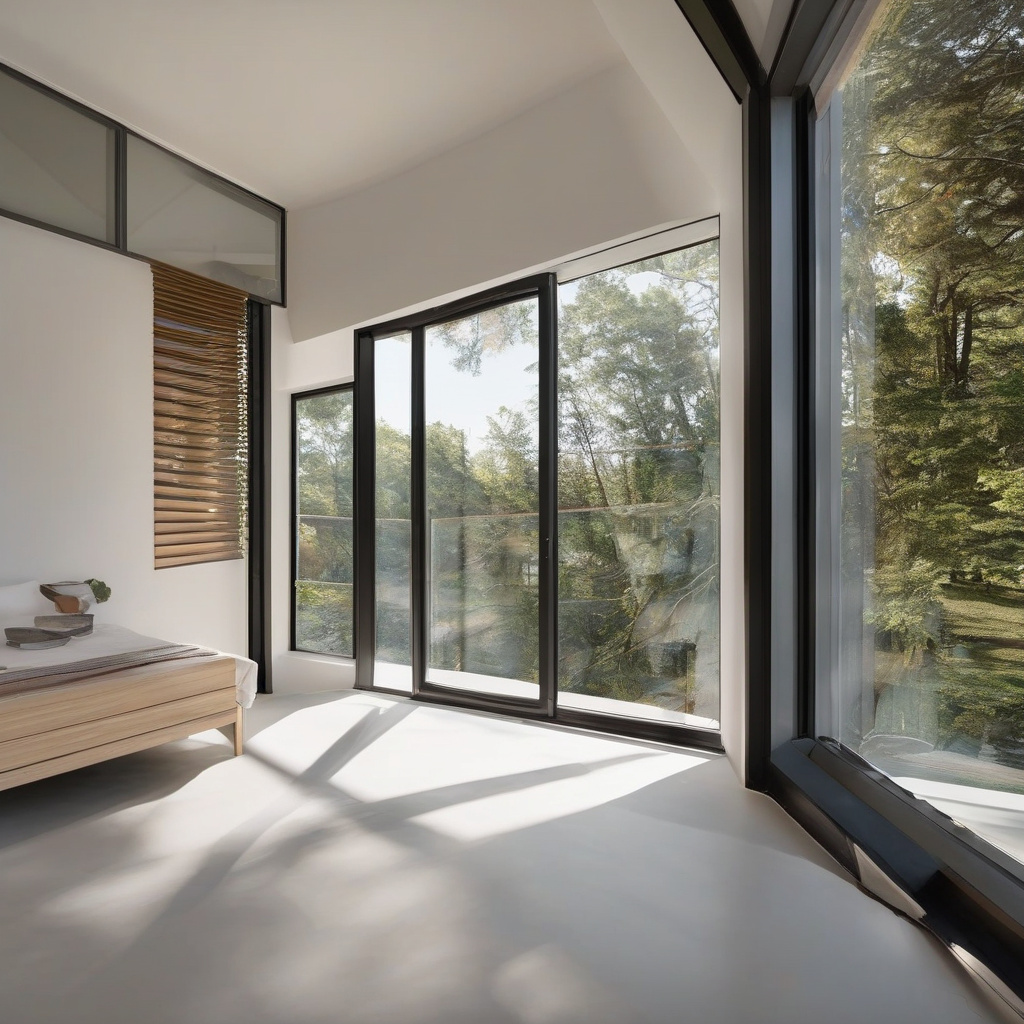
What’s captivating about this design is not just its practicality but its aesthetic appeal. The sleek, minimalistic frame maximizes glass exposure while granting unobstructed views, a welcome addition for those who bask in the Californian landscape. According to local industry insights, these windows are fast becoming a staple in contemporary builds, carving a niche amid traditional American preferences.
In a bustling city like Los Angeles, where every upgrade carries substantial weight regarding value, homeowners see these windows as ideal long-term investments. This trend echoes the broader shift towards greener, more energy-efficient homes—a move to harness natural light while minimizing artificial energy consumption.
Ventilation and Security: A Delicate Balance
One of the tilt-and-turn window’s standout features is its dual functionality in ventilation. Inward tilting allows a controlled air flow, a boon for those seeking to mitigate indoor allergens without sacrificing security. Unlike traditional windows, this setup eliminates easy intrusion opportunities, essential in an urban setting where safety is paramount.
Certain design experts suggest that “tilt-and-turn windows offer an optimal balance of ventilation and security, potentially boosting property appeal while reducing energy reliance.”
Thanks to a robust locking mechanism, these windows become formidable barriers, an advantageous feature considering the safety concerns prevalent in urban Los Angeles neighborhoods. However, some homeowners are tasked with balancing aesthetic preferences and practical upgrades, a process that can be daunting without professional guidance.
Security Meets Convenience
This dual-purpose design facilitates ease of maintenance; you can open windows inward for simple cleaning, a factor that’s especially useful for multi-story urban homes where exterior maintenance poses logistical challenges. Despite the higher initial costs, these windows may cut long-term cleaning and upkeep expenses, as reported by several local residents who have already made the switch.
The adoption of these windows invariably boils down to the value they add in terms of both beauty and practicality, a line many Angelenos are willing to tread to outfit their homes with the latest in innovation.
Compatibility with American Homes
European-style tilt-and-turn windows may boast a wealth of benefits, but how do they integrate with the traditional architecture prevalent in California homes? The transition does not always occur seamlessly, as these installations often require structural modifications. Yet, this is where bespoke renovation strategies become vital, marrying classic American designs with modern European flair.
Recent research cites that “integrating European window systems into American homes enhances architectural dynamism, encouraging holistic approaches to home renovations.”
Many properties require customized solutions to maximize the utility of tilt-and-turn windows. It’s advisable that homeowners consider custom versus standard window solutions to appropriately align with existing frameworks and ensure the synergy of new and old designs.
Despite these challenges, early adopters report that the transformative impact on curb appeal and interior ambiance is worth the effort, particularly when attempting to modernize older properties that lack modern amenities.
Costs and Renovation Insights
The allure of these European windows often hinges on a cost-benefit analysis. Initial expenditures can be substantial, which may concern financially conscious homeowners. However, analyzing renovation costs shows that a higher initial investment is often amortized over time through reduced energy bills and increased property value.

Below is a comparison of renovation costs for various window types:
| Renovation Option | Estimated Cost (USD) | Expected ROI (%) |
|---|---|---|
| Tilt-and-Turn Windows | $800 – $1500 / window | 15 – 20% |
| Traditional Windows | $300 – $700 / window | 5 – 10% |
| Energy-efficient Windows | $400 – $800 / window | 12 – 18% |
Homeowners looking to retrofit these innovative windows should consult detailed window quote comparisons to gauge feasibility and budget alignment before proceeding.
Real Experiences and Local Recommendations
For many, the path to choosing tilt-and-turn windows is intertwined with personal stories of renovation success. Tony, a long-time Los Angeles resident, shares his satisfaction with having transformed his 1950s bungalow into a bright, airy space using these European frames. “The clean lines and enhanced views changed how we engage with our home entirely,” he mentions.
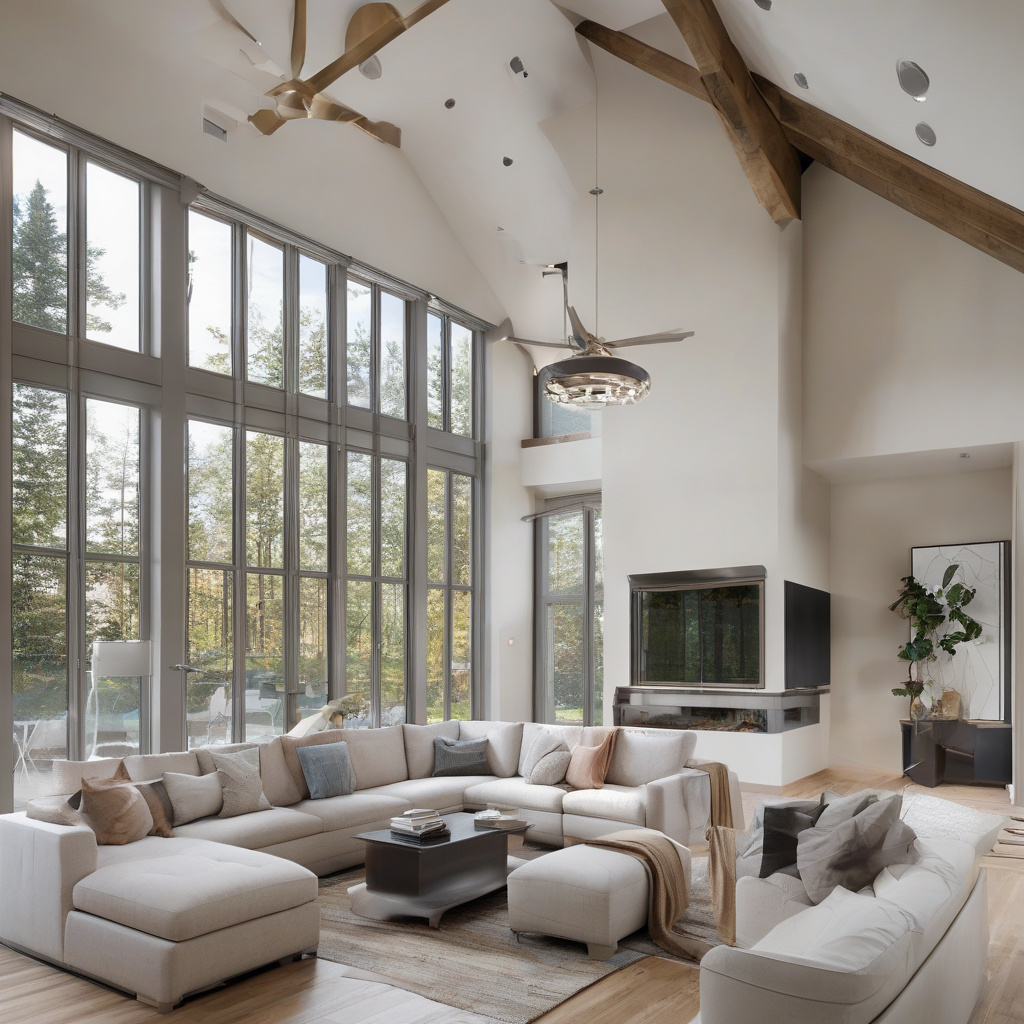
Notwithstanding challenges such as finding skilled professionals for the job, the consensus among early adopters is that their benefits far outweigh the hurdles. Many homeowners note an immediate boost in their property’s aesthetic appeal, aligning with the city’s ever-evolving architectural landscape.
Ultimately, like with any significant home upgrade, taking the plunge requires a blend of diligent research and creative vision, aspects that continue to propel tilt-and-turn windows into mainstream consciousness in Los Angeles.
Weighing the Pros and Cons
When deciding on tilt-and-turn windows, a structured approach to their benefits and limitations is crucial. While they bring sophistication and functionality, the decision-making process should also consider potential drawbacks, such as integration challenges with existing home aesthetics and higher upfront costs.
Industry professionals advocate for “a thorough evaluation of spatial needs and long-term maintenance strategies when adopting cutting-edge window technology.”

Despite these considerations, the general sentiment among many Southern Californians is positive, favoring the tilt-and-turn design for its ability to marry style and substance effortlessly. Understanding how these elements fit into your renovation narrative is essential before embarking on the transformation journey.
- The tilt-and-turn window design is gaining popularity in Los Angeles for its efficiency and style.
- Homeowners appreciate the blend of ventilation and security features.
- Initial investment costs are offset by long-term benefits such as energy savings.
- Successful integration with American homes often requires customization.
- The trend reflects a broader move towards sustainable and attractive home designs.
FAQ
What are tilt-and-turn European-style windows?
Tilt-and-turn windows are a versatile style originating from Europe, allowing for two modes of operation: tilting inwards from the top for ventilation and swinging fully open like a door for easy cleaning. Their practicality is evident in real-life applications, particularly in tight spaces where traditional windows might be cumbersome. These designs have made their way into US homes, especially in areas seeking a blend of modern aesthetics and functional benefits. Homeowners appreciate that the pivot mechanism provides excellent air circulation without compromising security. Still, many are often surprised by the initial learning curve involved in their operation, though it’s typically a brief adjustment period.
How do tilt-and-turn windows contribute to better ventilation?
In real renovation projects, experts often remark on the superior ventilation features of tilt-and-turn windows. By tilting inward from the top, they allow warm air to escape and fresh air to enter, creating a natural airflow that enhances indoor air quality. This feature is particularly beneficial in homes where cross-ventilation is required but not easily achievable with traditional window configurations. When fully opened, they enable a quick exchange of indoor air, perfect for those sweltering summer days in states like California. However, many might overlook that the tilt function is not meant for heavy rain, which could result in unwanted water ingress if not monitored properly.
Are European tilt-and-turn windows compatible with US homes?
Compatibility with US homes often concerns homeowners considering these unique windows. Many experts point out that tilt-and-turn windows lend themselves well to various American architectural styles, from modern builds to period home renovations. Their clean lines and sleek profiles integrate seamlessly into single-family homes, offering a contemporary update without detracting from the property’s original charm. However, a common oversight is assuming that standard frame sizes apply. Custom sizing or retrofitting may be necessary, meaning potential additional costs or modifications to existing window openings. Homeowners would benefit from consulting local experts to discuss specifics and explore solutions tailored to their property’s design and structural requirements.
What are the main advantages of tilt-and-turn windows compared to traditional US window styles?
Homeowners frequently face the decision between traditional window styles and these European imports, each offering a unique set of advantages. One significant benefit is their double-action functionality, allowing them to tilt for gentle ventilation or swing open entirely for easy cleaning and escape routes during emergencies. They also provide exceptional insulation, a noted difficulty in older homes with aging windows. Despite these benefits, it’s crucial not to overlook installation complexities, like ensuring a precise fit and proper sealing, to avoid air leaks. Therefore, a common piece of advice is to prioritize skilled installation professionals familiar with these specific systems.
What are the typical cost considerations when installing tilt-and-turn windows?
When integrating tilt-and-turn windows into US homes, cost becomes a frequently revisited topic. These windows tend to be more expensive upfront than traditional American styles due to their specialized hardware and multi-function design. Estimates often include not just the price of the windows themselves but also installation by skilled professionals who understand their unique mechanics. While they are initially pricier, many homeowners find the energy savings and added home value worth the investment. A common miscalculation involves overlooking potential savings from these windows’ excellent insulation and durability, which often balances out the initial expense over time.
How do tilt-and-turn windows handle maintenance compared to conventional windows?
Maintenance is a vital consideration for any long-term window investment. Many experts praise tilt-and-turn windows for their low maintenance requirements. The inward opening feature provides easy access for both interior and exterior cleaning, reducing the typical hassle that comes with reaching exterior panes in multistory homes. Their robust frames and hardware, usually made from materials like uPVC or aluminum, are resistant to rust and warping, commonly seen in traditional wood windows. However, a frequent mistake is ignoring the need for periodic checks on the window’s gaskets and hinges, ensuring smooth operation and prolonged lifespan.
What are the common pitfalls when selecting tilt-and-turn windows for renovations?
Selecting the right tilt-and-turn windows requires careful consideration to avoid common pitfalls. Many homeowners fail to fully appreciate the importance of professional measurements and installation, which are critical in retrofitting older homes where window apertures may not conform to standard sizes. Another frequent issue stems from overlooking local climatic conditions; although these windows perform exceptionally across various climates, their performance can vary based on specifications like glazing type suited for specific weather patterns. Therefore, consulting renovation specialists early on can clarify these details and prevent costly mistakes.
What are the drawbacks of using tilt-and-turn windows in US homes?
Despite their appealing features, tilt-and-turn windows are not without drawbacks in the US context. Their non-traditional operation may initially confuse those unfamiliar with them, requiring some user education. Additionally, they are typically more costly upfront compared to standard styles, an important consideration for budget-conscious homeowners. Moreover, their inward opening requires careful interior planning, ensuring furniture or decorations do not impede them. While homeowners are increasingly drawn to their benefits, such as enhanced ventilation and security, it’s essential to weigh these against potential limitations, consulting seasoned renovation pros to make an informed decision.