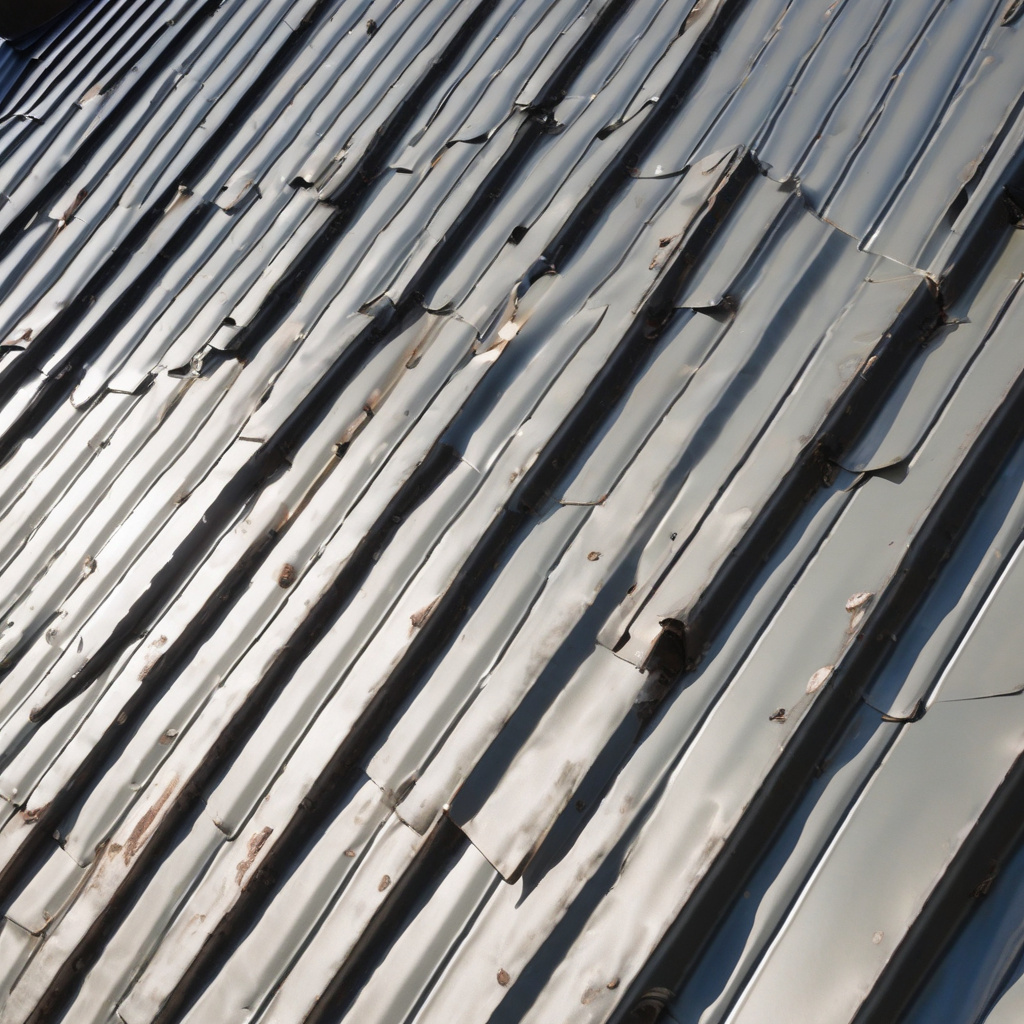
In the sun-drenched landscape of Southern California, roofs face an unrelenting assault from the elements. The region’s notorious heat and intense sun exposure take their toll, shortening the lifespan of roofs more than in milder climates. The longevity of a roof here is dictated by factors like material choice, quality of ventilation, and steadfast maintenance. Understanding these influences is crucial for homeowners keen on extending their roof’s tenure.
Brief summary: This article explores how Southern California’s sun-drenched climate influences roof longevity. Factors such as material selection, ventilation quality, and maintenance practices are key. Various roofing materials compared to reveal durability and cost implications for homeowners.
The Climate Challenge: Southern California’s Roof Longevity
Southern California’s climate throws down a gauntlet to roofs. With some 284 sunny days annually, the relentless heat bakes roofing materials, accelerating wear and tear. It’s a far cry from the gentler climes of the Pacific Northwest. Homeowners here face the challenge of balancing aesthetic desires with functional needs, knowing that the harsh sun can significantly reduce a roof’s lifespan.
Across Los Angeles, long conversations unfurl about the right choices, spotlighting elements like material resilience and heat resistance. As many local homeowners notice, the pivotal decision of roofing material can mean the difference between frequent replacements and a sound investment. Foresight, coupled with informed decisions, becomes their best ally.
When weighing options, homeowners quickly learn that Southern California’s environment demands a proactive approach. Alongside the usual aesthetic considerations, practical choices pivot heavily on durability and cost-effectiveness. For those seeking guidance, an abundance of resources, like California Renovation’s roofing insights, offers indispensable context.
As several residents can attest, factoring in climate-specific stresses into roof choices not only paves the way for longevity but also fosters peace of mind. Ultimately, aligning choices with local environmental demands mitigates the need for premature replacements, ensuring that roofs withstand what Mother Nature dishes out.
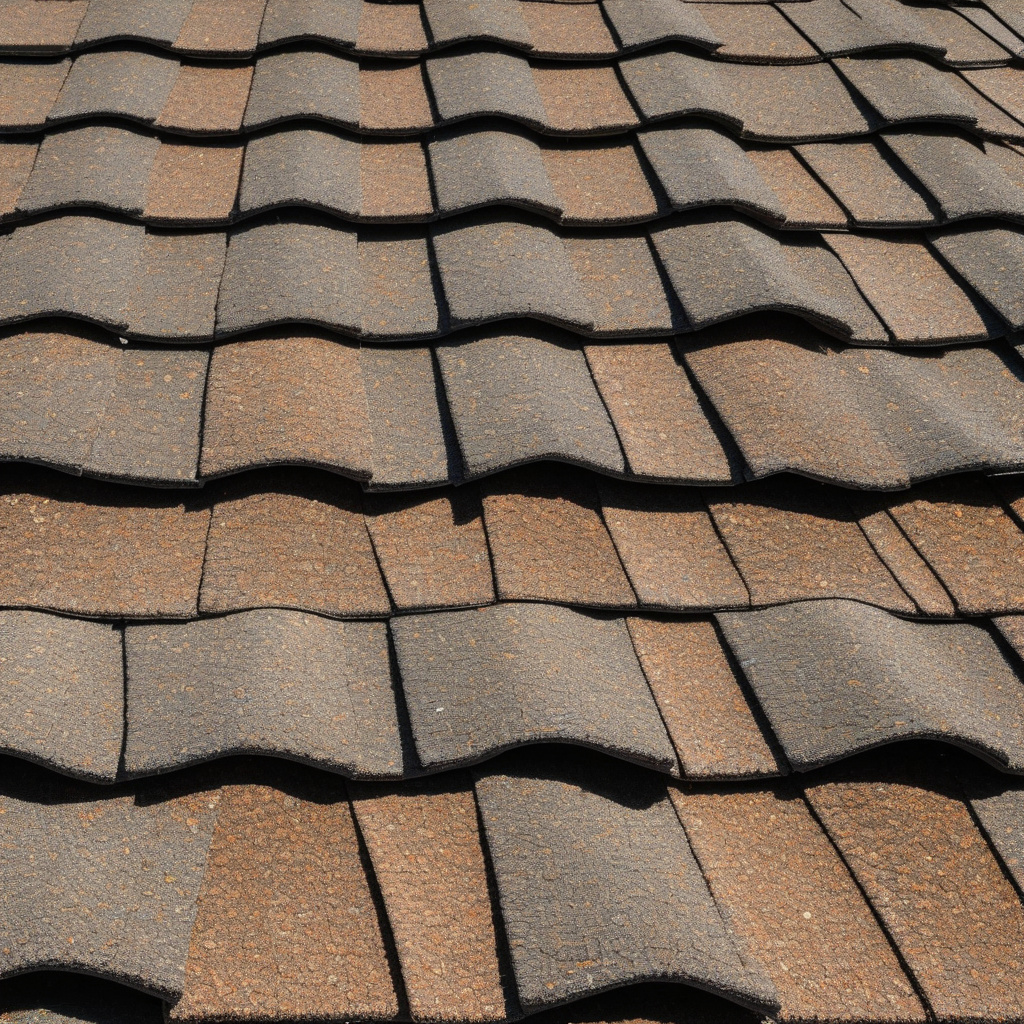
Exploring Material Choices: Durability and Cost
Choosing the right roofing material isn’t just about aesthetics; it’s about longevity and budget considerations, too. Homeowners in L.A. debate whether to go traditional with asphalt or opt for metal or tile, materials that promise extended durability under harsh sunlight. Each option comes with its list of pros and cons, strikingly highlighted when juxtaposed against long-term performance expectations.
Asphalt shingles are budget-friendly but often face a less favorable lifespan under intense sun. Meanwhile, those opting for metal roofing extol its exceptional durability and ability to reflect heat. Still, the higher initial cost can discourage some. Clay tiles hold the promise of longevity and visual appeal, yet they can weigh heavily on a home’s structure, demanding professional assessment before installation.
Choice depends significantly on what homeowners prioritize—whether initial investment or long-term endurance. It’s a decision that’s best made in consultation with experts familiar with the nuances of local climate impacts. Exploring various dimensions of roofing solutions can guide homeowners toward options tailored to their specific needs and expectations.
The choice of material sorely influences both the upfront cost and the feasibility of future repairs. Homeowners need to balance these factors against the backdrop of climate-induced stress. By weighing these considerations carefully, residents can make informed, resilient decisions that align with their financial and environmental objectives.
Expert insight: “Choosing roofing materials in Southern California isn’t just about aesthetics; it’s a crucial decision that impacts durability in a sunlit arena. Reflective surfaces and heat-resistant materials often yield the best ROI.” – Roofing Consultant
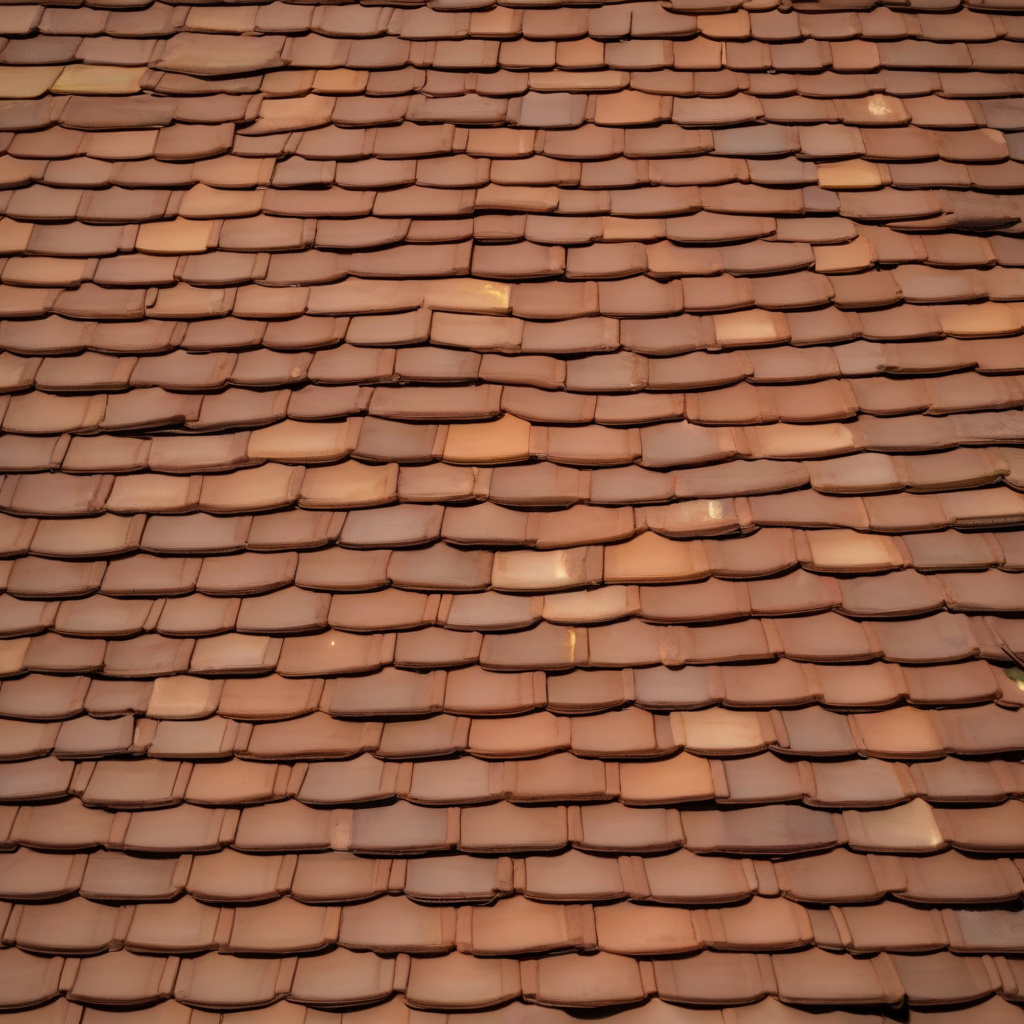
The Role of Proper Ventilation and Maintenance
Ventilation may not be the most glamorous aspect of roofing, but it’s a powerhouse when it comes to prolonging roof life. Proper airflow within the roofing structure mitigates heat buildup—a culprit notorious for diminishing material integrity and lifespan. As many professionals opine, adequate ventilation is an unsung hero in the quest for increased durability.
Ventilation systems strategically placed ensure that air circulates effectively, reducing the risk of heat-damage stresses on materials like shingles and tiles. Regular inspections allow homeowners to spot potential issues like clogged vents or stagnant air circulation before they escalate into costly repairs.
Maintenance further complements these efforts, acting as the steadfast guardian of a roof’s health. Routine checks and timely interventions, such as replacing broken tiles or resealing joints, bolster durability. Together, maintenance and ventilation form the bedrock of any longevity strategy—an approach increasingly emphasized by contractors in local renovations.
Homeowners, acquainting themselves with these robust practices, ensure that their roofing investments gain resilience. As several construction savvy residents report, a well-ventilated and maintained roof stands up better to environmental challenges, offering invaluable respite against the relentless Californian sun.
Choosing the right contractor becomes vital as professional expertise can make or break not just the roof’s performance but its longevity under the regional climate.
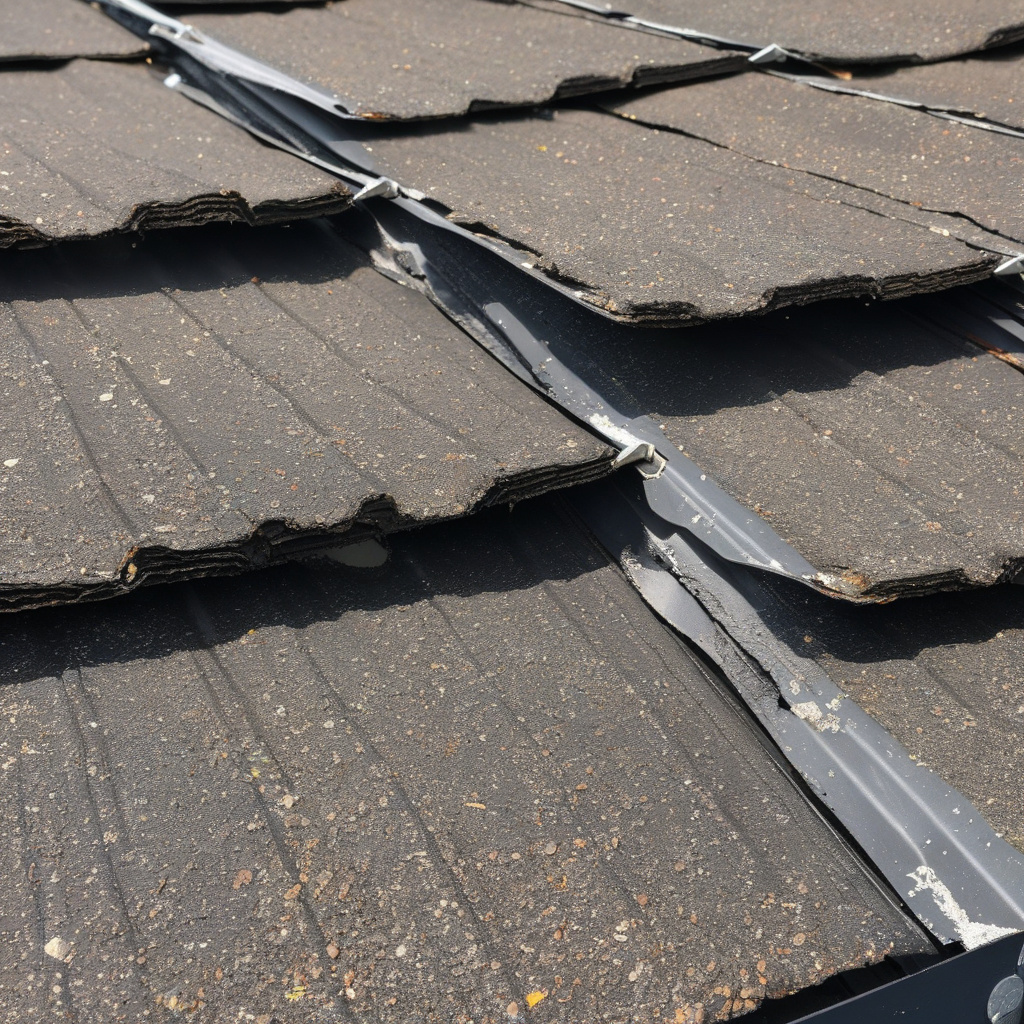
Insights into Local Renovation Trends
Revamping rooftops in Southern California isn’t purely need-driven; it’s woven into a larger narrative of home customization. Designs frequently integrate personal taste, sustainability ethos, and future-forward tech. Some homeowners even embrace green roofs and solar tiles, marrying utility with ecological stewardship.
These forward-thinking approaches echo the sentiments observed in Los Angeles’ broader home improvement landscape, affirming a shift toward greater personalization and responsibility in architectural design. Remodeling efforts often reflect broader lifestyle aspirations while catering to practical climate considerations.
Many L.A. neighborhoods are riding the wave of sustainable solutions, with more than aesthetics driving changes. Contractors report a marked increase in demand for eco-friendly products, driven by community consciousness and long-term financial savings. Solar-integrated roofs, for example, find growing favor, marrying resilience with energy efficiency.
As community stories unfold, they echo a harmonization of sustainable ambitions with home improvement projects that embrace both imaginative designs and pragmatic functionality. Witnessing this trend, it’s evident how embracing environmental shifts not only meets climate demands but also revives residential appeal.Environmentally adaptive roofing can be a game-changer for sustainability-minded homeowners.
Research-based observation: “Eco-friendly roofing solutions, such as solar tiles, are gaining traction in Southern California. These innovations bespeak an evolving notion: blending resilience with ecological responsibility can enhance both aesthetic value and utility.” – Home Renovation Journal
Risks vs. Rewards: Navigating Roofing Decisions
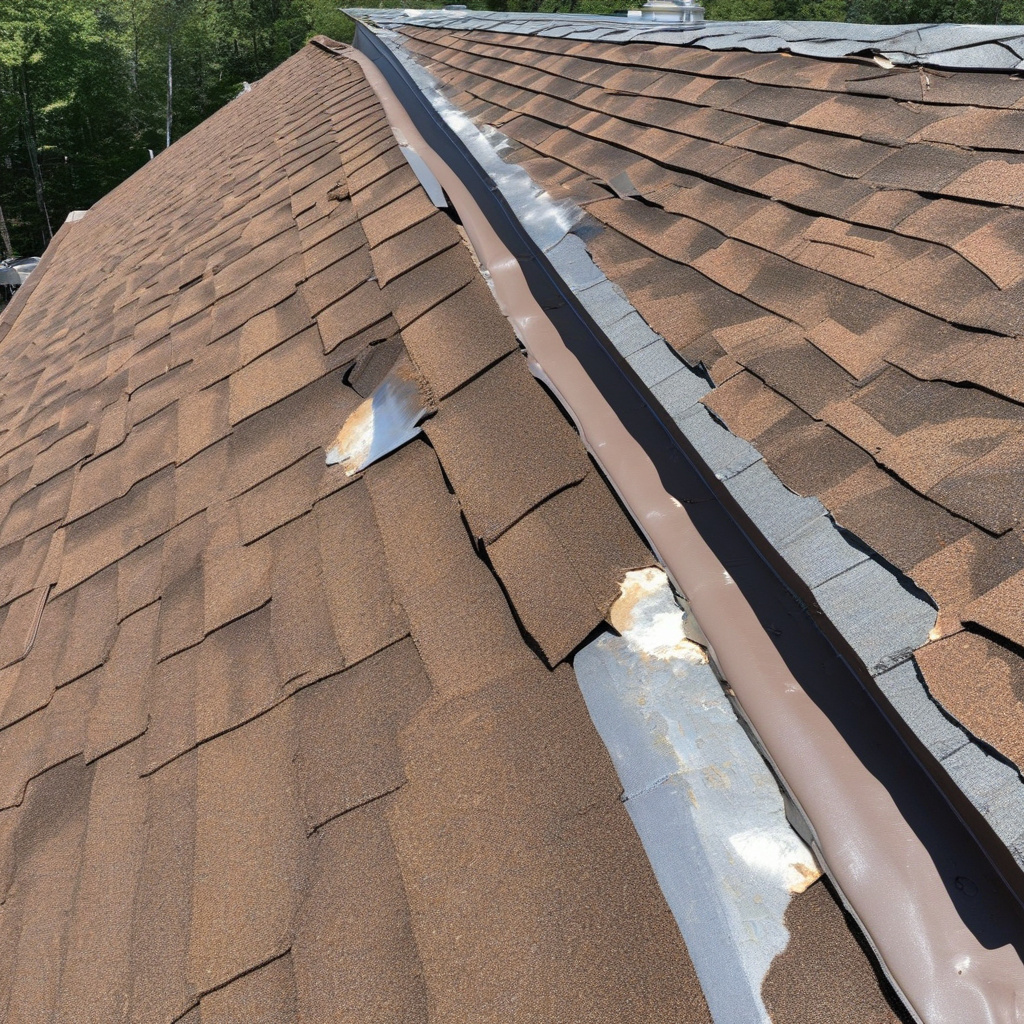
Every roofing material choice in Southern California resides within a spectrum of risks and rewards. The local climate underscores an urgency to juxtapose immediate costs with long-haul endurance—a notion keenly felt by homeowners when faced with the decision.
The risks of certain materials, particularly those with poorer sun resilience, translate into frequent repair cycles and unexpected costs. Asphalt, while cost-effective, may require regular upkeep to maintain its defense against heat. Conversely, higher initial outlays for materials like metal or tile often result in less frequent interventions and cost efficiencies over time.
Despite associated risks, the rewards for selecting enduring materials materialize over years in the form of reduced maintenance expenses and less hassle. Homeowners are thus encouraged to evaluate future-proofing strategies against potential drawbacks, navigating choices with prudence.
Ultimately, the calculus of risks versus rewards in roofing is best approached holistically. A balanced decision reflects consideration for both immediate affordability and long-run sustainability. Homeowners who deftly manage these decisions lay the groundwork for enhanced durability and reduced worry.
Industry statistic: “Surveys indicate that 60% of homeowners who invest in premium roofing experience a lifespan that exceeds standard expectations by up to 40%, validating initial expenditures through long-term cost reductions.” – National Roofing Association
Planning for Local Building Regulations
Even the most meticulously planned roofing endeavor requires alignment with local building regulations in Los Angeles. Navigating these waters may initially seem daunting, but understanding permits and codes is crucial for ensuring long-term compliance and peace of mind.
While appetite for innovative designs abounds, adherence to laws acts as a vital touchstone, preventing costly legal complications down the road. Homeowners poised to upgrade their roofs must acquaint themselves with regulations governing materials, installation processes, and environmental standards.
Attending to local statutes not only facilitates smoother construction but also aligns homes with broader urban development goals. Regulations often reflect prioritized safety and resilience considerations, thus maintaining housing quality across the sprawling metropolis.
Guiding homeowners through this crucial aspect are resources like local roofing permit information, offering pathways to understand regulations, permissions, and procedural counsel.
Affiliating projects with these frameworks, forward-thinking homeowners underscore the synthesis of legality into their long-term residential timeline.
By infusing awareness of regulatory dimensions into roofing projects, residents harmonize ambitions with compliance. The rewards of such diligence blossom in protected investments and stress-free living spaces, where roofs endure not just weather but also the test of legal prerequisites.
| Option | Cost | Durability | Installation Time |
|---|---|---|---|
| Asphalt Shingles | Low | Short to Medium | Quick |
| Metal Roofing | High | Long | Moderate |
| Clay Tiles | High | Long | Slow |
Conclusion: Crafting Resilient Roofs Under Southern Skies
In Southern California, harnessing climate understanding for roofing longevity is not just wise but essential. By examining material options, emphasizing ventilation, attending to legal guidelines, and embracing sustainable practices, homeowners emerge better equipped to navigate the complexities of roof lifecycle considerations unique to this vibrant landscape.
The narratives of mindful planning resonate with both seasoned professionals and everyday residents, underscoring a common aspiration for robust, enduring roofs that embrace both style and resilience. As the region continues to evolve architecturally, a shared commitment to thoughtful innovation is indispensable in maximizing roof potential under such alluring yet unforgiving skies.
By keeping systems well-regulated, materials carefully chosen, and practices thoroughly considered, homeowners are well-positioned to craft roofs that withstand the tests of climate and time, all while enriching the Southern Californian urban tapestry.
- Climate pressures in Southern California demand resilient, durable roofing.
- Material choice, ventilation, and maintenance are pivotal for roof longevity.
- Innovative and sustainable roofing trends enrich Los Angeles’ architectural landscape.
- Adhering to local regulations ensures compliance and long-term peace of mind.
- Informed decisions yield sustainable, cost-effective roofing solutions.
“`html
FAQ
How does the Southern California climate affect a roof’s lifespan?
Southern California’s climate, characterized by intense heat and relentless sunlight, significantly impacts roof longevity. In practical terms, this means that homeowners are facing roofs that simply endure more wear and tear than those in milder climates. Many roofs might see a diminished lifespan by several years compared to similar structures in cooler areas. This is because the UV rays can cause materials to deteriorate faster, accelerating issues like warping, cracking, and fading. Homeowners often recognize these problems during routine inspections when they notice shingles curling or discoloring. For those deeply concerned about this, investing in heat-reflective materials or utilizing ventilated attics can help mitigate these effects, extending the lifespan even in Southern California’s harsh environment.
What are the common roofing materials used in Southern California, and how do they hold up?
In Southern California, many homeowners choose roofing materials such as asphalt shingles, clay tiles, and metal roofing. Each has its characteristics and lifespan affected by the climate. For instance, while asphalt shingles are popular due to their cost-effectiveness, they may not last as long under the intense sun—typically around 15-20 years. In contrast, clay tiles are more resilient to heat, often lasting upwards of 50 years but come with a higher installation cost. Metal roofs provide durability and excellent heat reflectivity, making them a top choice for energy efficiency, often exceeding 40 years in lifespan. The choice often boils down to a balance of upfront costs, style preference, and consideration of how much exposure the roof gets. It’s vital to consult with a local renovation expert to align material choice with actual site conditions.
How does proper ventilation impact the lifespan of a roof?
Proper ventilation is often the unsung hero in extending a roof’s lifespan in Southern California. In real home renovation projects, overlooked ventilation issues can lead to a buildup of heat and moisture within the attic, accelerating the roof’s aging process. Many experts point out that without sufficient airflow, homeowners might encounter problems such as mold growth or material deterioration. A well-ventilated roof allows trapped heat to escape, reducing the likelihood of shingles curling or blistering. It’s crucial to install a balanced system of intake vents (like soffit vents) and exhaust vents (such as ridge vents) to ensure adequate circulation. This simple step can add years to your roof’s life, providing a significant return on what is an often minimal investment.
What maintenance practices are recommended to extend the lifespan of roofs in this region?
Routine maintenance is crucial for extending a roof’s lifespan in Southern California, where sun and heat can hasten wear and tear. Regular inspections, ideally twice a year, help spot issues like loose or broken shingles, allowing for timely repairs before small problems escalate. Many homeowners underestimate the importance of cleaning gutters and removing debris, yet doing so can prevent water back-up and potential leaks. A practical tip is to trim overhanging branches that could drop leaves or even scrape the roof during winds. Lastly, applying a high-quality sealant can be a wise decision, helping to shield roofing materials from harmful UV rays. By consistently attending to these tasks, homeowners can combat the challenging climate and maximize their roof’s durability.
Is it worth investing in more expensive roofing materials for better longevity?
Investing in pricier roofing materials can often be a wise move, particularly given Southern California’s climate challenges. While these upfront costs can be daunting, many homeowners find that higher-grade materials like metal or clay offer greater resistance to sun and heat damage, thus extending roof lifespan significantly—sometimes up to double compared to standard asphalt shingles. Going beyond mere durability, these materials often improve energy efficiency, potentially reducing air conditioning costs by reflecting more sunlight. But it’s essential to weigh this against distance from the coast and specific sub-climate zones, as certain materials perform differently depending on localized weather patterns. In conclusion, while the initial investment is higher, the long-term savings and peace of mind often justify the choice.
What are the typical mistakes homeowners make when choosing roofing materials?
Homeowners frequently make the mistake of prioritizing cost over quality when choosing roofing materials, not considering the long-term implications of their decision. In Southern California, where the climate can be unforgiving, opting for cheaper, lower-quality materials like standard asphalt without UV protection can result in frequent repairs or premature replacements. Another common error is ignoring the importance of a professional installation, as improper roofing techniques can void warranties and diminish material benefits. Additionally, not factoring in aesthetics and how new roofing materials might complement home style can be a significant oversight, affecting curb appeal. Consulting with a renovation expert often reveals that striking the right balance between cost, materials, and appearance is critical for a successful roofing project.
Are there any pros and cons to having a metal roof in Southern California?
Metal roofs offer several advantages in Southern California, such as exceptional durability and high reflectivity, which help in reducing cooling costs. They are resistant to cracks and leaks, common problems in areas with significant sun exposure. However, metal roofs can be more expensive upfront compared to other options and might require professional installation to avoid issues like panel misalignment or noise during rain. Another downside is the initial aesthetic adjustment some homeowners experience, as metal roofs have a distinctive look that may not fit every neighborhood or architectural style. Weighing these pros and cons is vital to ensuring that a metal roof aligns with both short-term needs and long-term goals. For more personalized advice, consider speaking with a local roofing consultant.
How can new homebuyers ensure their roof is ready to withstand Southern California’s climate?
New homebuyers should prioritize a comprehensive roof inspection as part of their purchase process, given the specific demands of Southern California’s climate. An experienced inspector will identify signs of wear and assess whether the existing materials are suitable for the area’s heat and sun exposure. It’s essential to review past maintenance records to understand how well the roof has been cared for. Many times, new homeowners underestimate the benefit of budgeting for immediate upgrades if the roof lacks modern, climate-resistant features. Installing appropriate ventilation or upgrading to more durable materials can be wise investments for long-term satisfaction. By taking these proactive steps, homebuyers can secure their investment against the region’s unique environmental challenges.
“`