Los Angeles homeowners have long been known for their flair for style and elegance, and when it comes to outdoor spaces, they have not held back. Nowadays, creating stunning outdoor living areas doesn’t have to come with a hefty price tag. By choosing budget-friendly paver patterns, you can achieve a high-end look without splurging on elaborate designs. Let’s delve into some innovative yet affordable ways to transform your patio into a chic, refined space.
Brief summary: Explore how simple and cost-effective paver patterns can achieve high-end aesthetics in Los Angeles gardens and patios. Using practical techniques like modular layouts and blended tones, homeowners can create elegant outdoor spaces without excessive spending. Discover real-life renovation experiences, expert insights, and the latest trends in Southern California landscaping.
Understanding Paver Patterns for Budget-conscious Homeowners
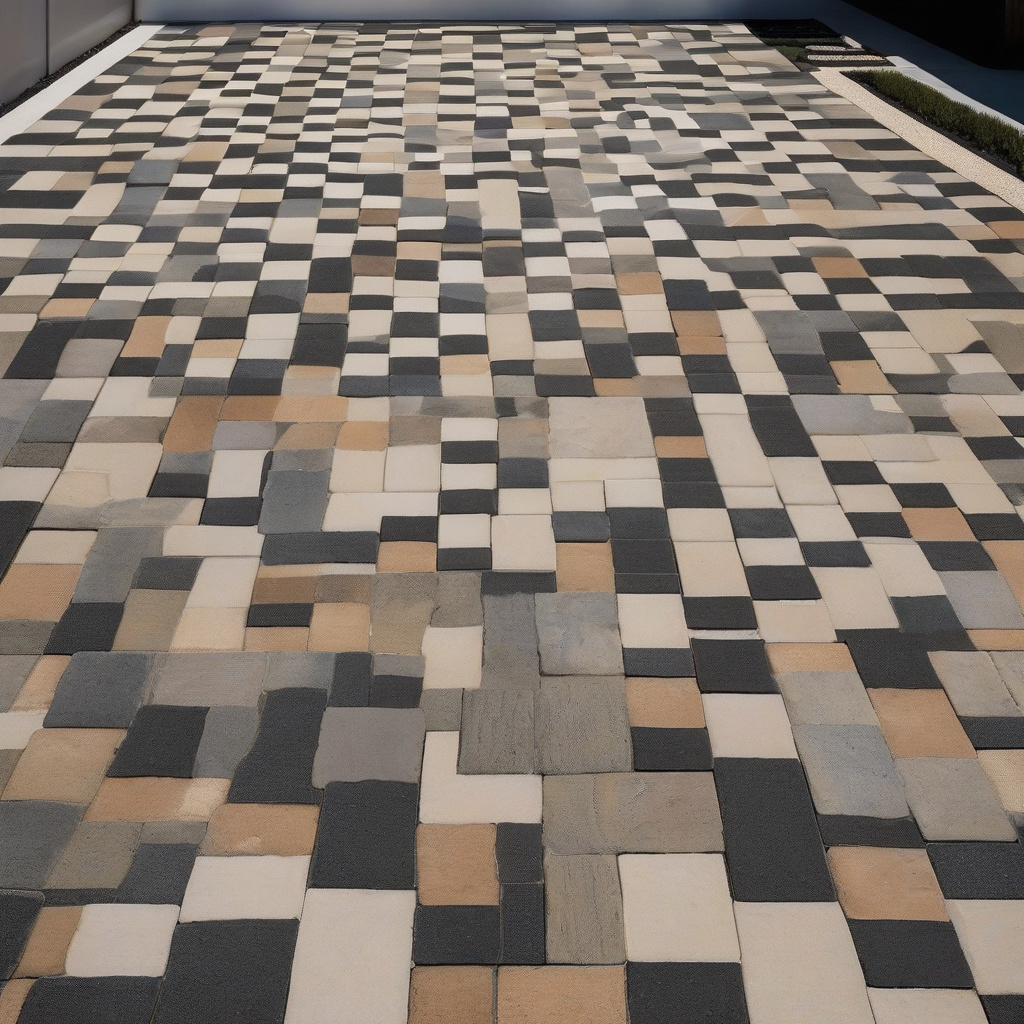
In the heart of Los Angeles, where luxury is often expected, more homeowners are turning to simple grid patterns to infuse style into their outdoor spaces. These patterns are not only visually appealing but also incredibly versatile. By arranging pavers in a straightforward grid format, you achieve a clean, modern look reminiscent of more costly designs without the accompanying expenses.
To further understand how this trend is catching on, one needs only to stroll through recent projects in upscale neighborhoods. Many local designers have embraced simpler plans that forego intricate customization in favor of repetitive, uniform shapes. This method significantly cuts costs as it relies on easily sourced materials and straightforward installation processes.
Even as these designs maintain an air of sophistication, they provide a blank canvas for additional features like built-in planters or lighting. For more on enhancing your patio’s appeal, consider the benefits of creative patio transformations using these tried-and-true methods.
In conclusion, budget-friendly grid patterns are a perfect example of making more out of less. By investing in this approach, you’re not only saving money but also creating a durable and stylish outdoor area.
The Elegance of Blended Tones
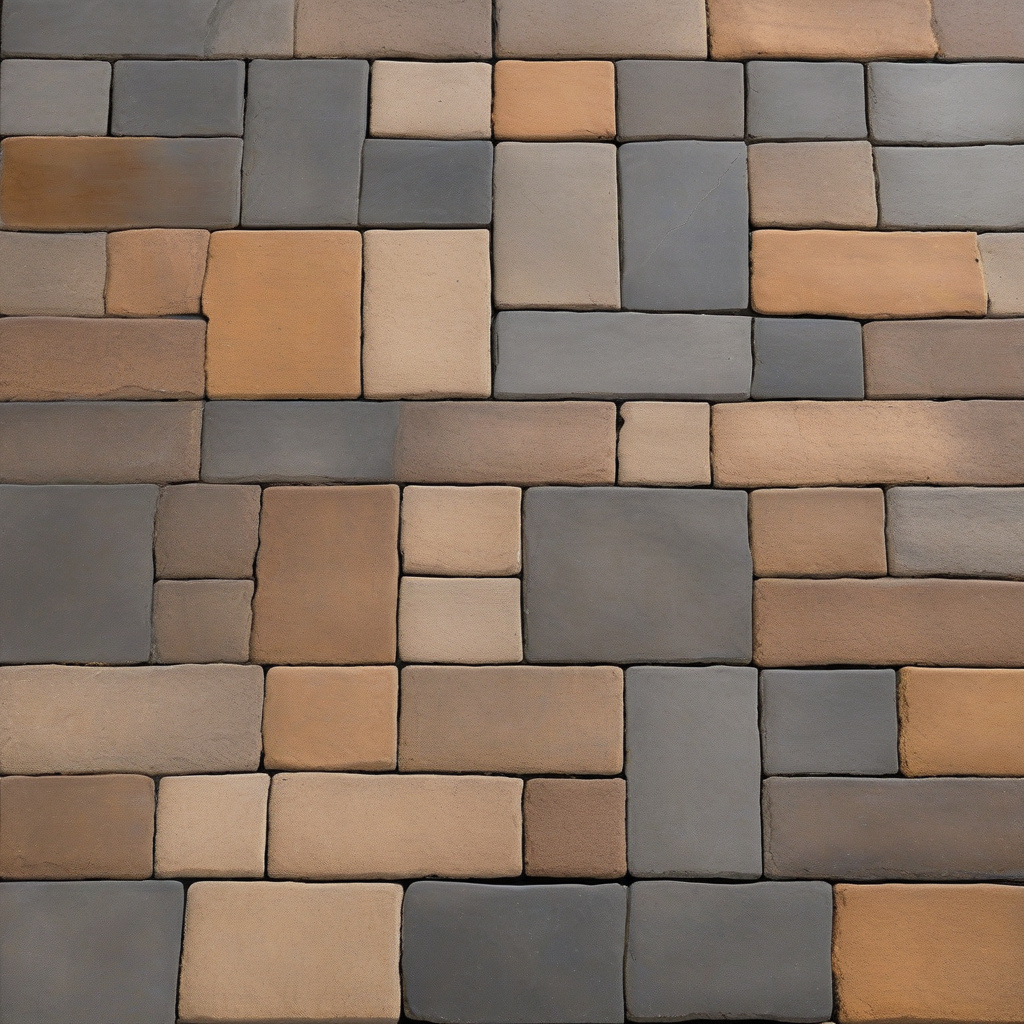
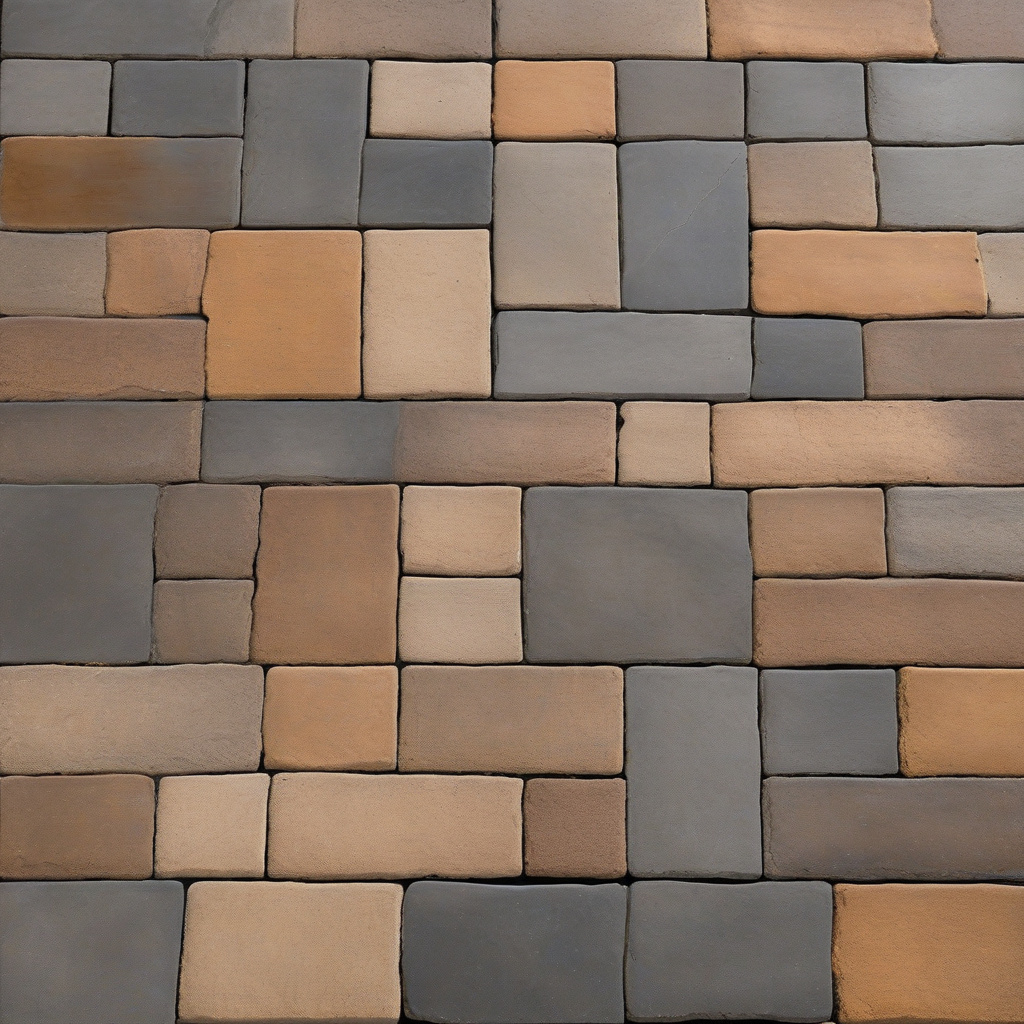
Blended tones are the unsung heroes of paver design, adding depth and warmth to any outdoor area. This technique involves mixing varying shades of pavers to create a harmonious blend that mimics natural stone formations. The resulting look is one of organic beauty that seems effortless yet thoughtful.
As many local homeowners notice, this style imparts a sense of natural elegance that pairs well with Southern California’s lush environments. By choosing pavers with subtle variations in color, patios can transition seamlessly into their surroundings, capturing the eye and inviting admiration.
A critical advantage of blended tones is their adaptability. They can suit any home aesthetic, from minimalist modern to rustic chic, offering a continuity that transcends fleeting design fads. Such versatility enables homeowners to enhance their patios over time, incorporating elements like plant beds or integrated planters without disrupting the overall vibe.
Summarily, blended tones elevate simple paver designs into sophisticated landscapes, all while accommodating an assortment of personal styles and preferences.
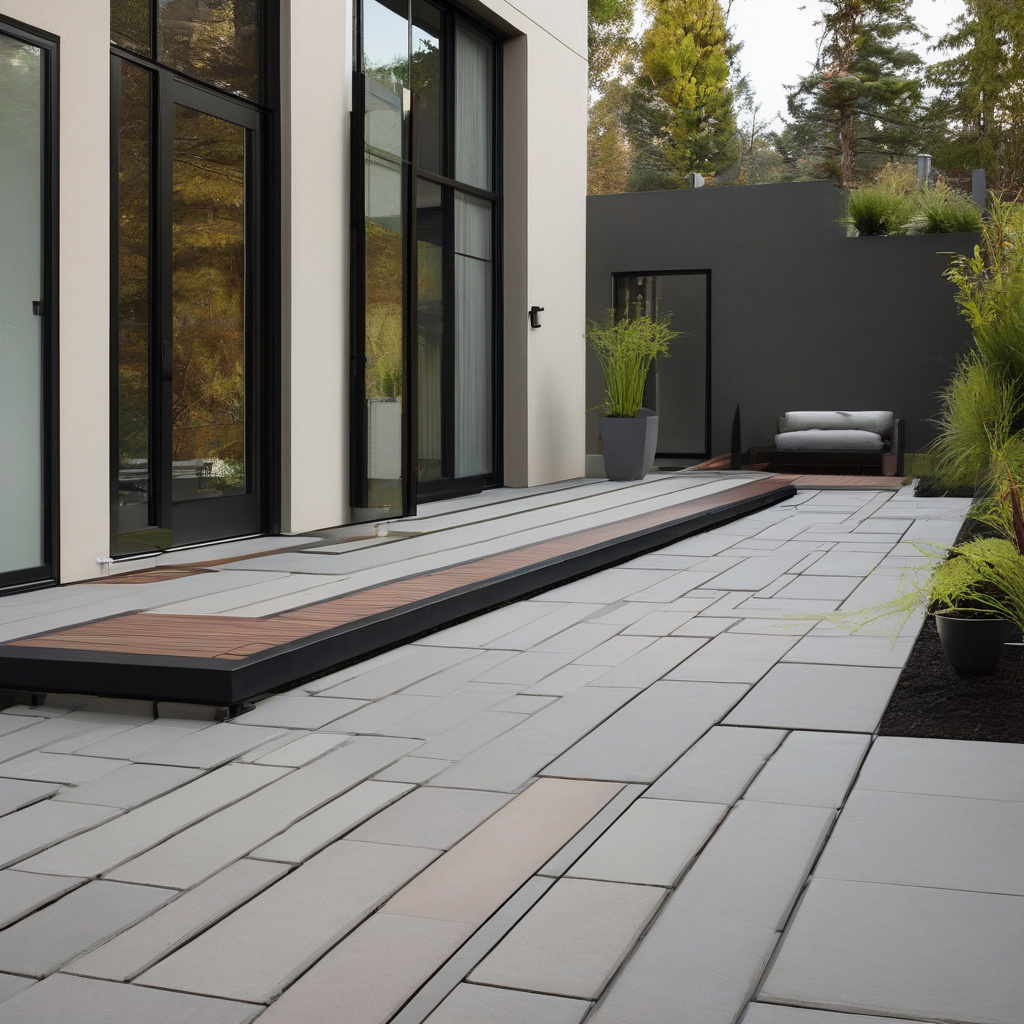
Maximizing Aesthetic through Modular Layouts
Modular layouts present another strategic avenue for the cost-conscious homeowner aiming for opulence. Consisting of geometric shapes fitted together in calculated arrangements, modular designs are both trendy and pragmatic.
These layouts are characterized by their repeatability and easy installation. Unlike custom designs requiring individual stone carving or cutting, modular layouts rely on pre-manufactured pieces, which can drastically reduce both time and labor costs.
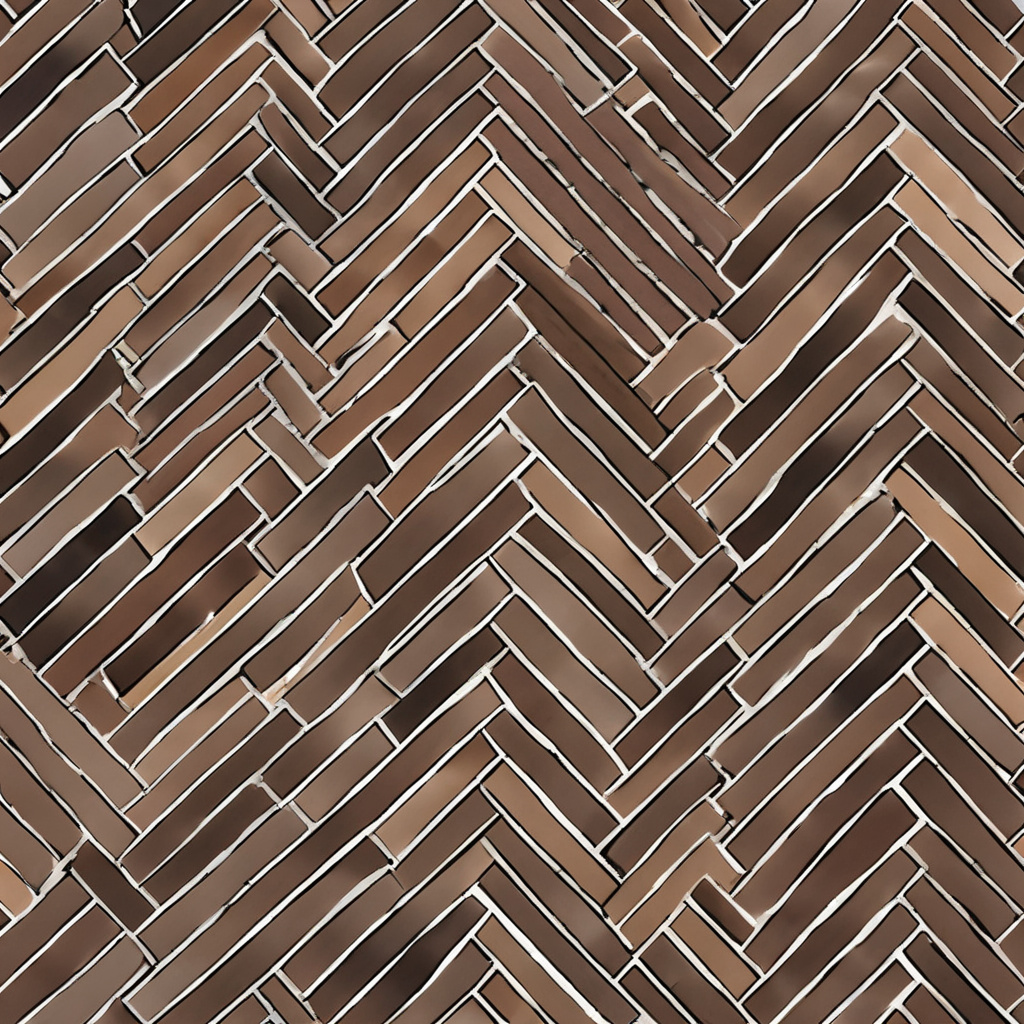
In practical terms, selecting a modular design offers the opportunity to vary textures and shapes, creating visually compelling spaces without the burden of lavish expenses. Installers can experiment with patterns like herringbone or running bond, each offering unique visual intrigue and personality.
For anyone considering a new patio installation, examining high-quality patio designs with nighttime views can provide inspiration and proof of value, emphasizing the charm of modular applications.
Ultimately, modular layouts stand as a testament to how structured creativity can meet affordability, delivering high-end looks at a fraction of usual costs.
Comparing Costs: The Smart Renovator’s Guide
When embarking on a paver renovation project, understanding cost implications is vital. The difference between a budget-friendly and a high-end installation can often boil down to material choice and labor intensity.
| Cost Factor | Budget-Friendly | High-End |
|---|---|---|
| Material | Concrete pavers | Natural stone |
| Layout Complexity | Simple grid | Custom intricate patterns |
| Installation Time | 2–3 days | 1–2 weeks |
| Maintenance | Low | Medium to high |
According to the National Association of Home Builders, opting for pre-manufactured pavers can save up to 30% on materials and labor costs compared to custom installations.
Through careful planning and strategizing, homeowners can maximize their investment, ensuring a tasteful remodel without budget overruns. It’s all about making informed decisions based on your desired look and the resources at hand.
Weighing Advantages and Disadvantages
While budget-friendly paver patterns offer distinct advantages in cost savings and ease of installation, there are cons to consider. On the upside, homeowners appreciate the speed and simplicity of such installations, delivering instant curb appeal that enhances property value.
However, some might argue that simple designs lack the distinctive, custom feel that bespoke arrangements provide. Additionally, if not creatively applied, there’s a risk that uniform designs could appear unremarkable or generic.
An industry expert notes, “It’s vital to balance cost-efficiency with creativity, ensuring that your space doesn’t just feel affordable but also inspiring.”
For those willing to venture into the frontier of unique outdoor spaces, incorporating diverse elements and subtle personal touches can turn standard pavers into stunning landscapes.
In essence, embracing the challenges and adapting flexibly can transform any potential drawback into an opportunity for creative expression.
Next Steps: Designing a Multizone Oasis
Achieving a high-end look on a budget doesn’t end with just choosing the right paver pattern. Transforming your outdoor area into a multizone oasis can further enhance its appeal and functionality. By strategically zoning areas for dining, relaxation, and play, homeowners can create a dynamic and harmonious space.
For ideas and inspiration on expanding your outdoor design, take a look at enhanced multizone patio concepts that offer practical insights for maximizing your project’s potential.
Homeowners should consider the flow between these zones, ensuring they complement one another and facilitate movement. Additionally, integrating physical elements such as varying textures and heights can provide depth and make delineations more distinct.
Research by the American Society of Landscape Architects reveals that well-planned multizone gardens can increase a home’s value by up to 15%, underscoring their worth as a long-term investment.
In conclusion, by investing in smart design choices and creative zoning strategies, you can transform any outdoor space into a picturesque retreat that not only looks expensive but feels inviting and wholly personalized.
- Use simple grid patterns for elegance without the expense.
- Blended tones add natural warmth and visual depth.
- Modular layouts provide chic looks with minimal effort.
- Compare costs thoroughly to make informed paver choices.
- Design a multizone setting to enhance outdoor experiences.
FAQ
What are budget-friendly paver patterns?
Budget-friendly paver patterns are design layouts that use cost-effective materials and techniques to create attractive hardscapes. They rely on straightforward grids, blended tones, and modular layouts. Instead of custom, expensive designs, they utilize standard pavers in innovative ways, maximizing aesthetics without straining your budget. In typical renovation projects, homeowners are often surprised by how minor adjustments in arrangement—like varying the direction or creating repeated sequences—can offer a high-end appearance. The key lies in subtly combining colors and choosing shapes that complement each other, enhancing the visual appeal without the hefty price tag.
How can one choose the right paver pattern?
Choosing the right paver pattern involves assessing the space, intended use, and architectural style of your home. Start by visualizing the area, considering practical aspects such as drainage and foot traffic. Popular choices include herringbone, basketweave, and running bond patterns, each offering distinct visual effects. Many experts suggest using a design that harmonizes with the home’s aesthetics. It’s crucial to avoid overly complex designs that may increase installation costs. Discussing your vision with a professional often reveals insightful, tailored suggestions. If you’re uncertain, visit a local supplier to examine different options firsthand, noting how the textures and tones interplay under natural light.
When is it worth investing in these budget-friendly options?
Investing in budget-friendly paver patterns makes sense when the project scope prioritizes both cost savings and aesthetic enhancement. For older properties needing an exterior facelift without extensive financial outlay, these options present practical benefits. Homeowners aiming to increase curb appeal before selling frequently find that efficient, eye-catching hardscapes can boost perceived property value. Additionally, in new builds where budget allocation leans heavily toward interior features, choosing these economical patterns ensures that outdoor spaces don’t lag behind. It’s valuable to weigh immediate savings against long-term durability, confirming that the selected materials are suited for local weather conditions to avoid issues like cracking or erosion.
What are common mistakes to avoid with budget-friendly pavers?
One frequent mistake is skimping on proper base preparation, which can lead to uneven surfaces and settling over time. Homeowners often underestimate the importance of a firm foundation, an oversight that jeopardizes the longevity and functionality of their pavers. Additionally, cutting costs by selecting mismatched tones can disrupt the visual continuity, leading to a disjointed look. Another issue is disregarding climate compatibility, which risks material degradation. Many seasoned renovators emphasize the need for thorough planning—considering everything from groundwater levels to sunlight exposure—before installation. Consulting a professional at the onset can mitigate these risks, ensuring efficient execution and meaningful long-term savings.
How do budget-friendly patterns compare to high-end designs in terms of cost?
Cost-wise, budget-friendly paver patterns are significantly less expensive than high-end custom designs. High-end patterns often require bespoke materials or intricate installations that can inflate costs exponentially. In real renovation projects, a savvy adaptation of this approach can yield striking results at a fraction of the price. By leveraging commercially available pavers and focusing on intelligent design strategies—such as creating texture through varied laying patterns or integrating plants and natural features—homeowners can achieve a polished look. The Japanese concept of “wabi-sabi” often serves as inspiration, celebrating simplicity and imperfection. Remember, financial prudence aligned with creative thinking can often replicate or even surpass the allure of costly alternatives.
What are the pros and cons of budget-friendly paver patterns?
The advantages of budget-friendly paver patterns include cost efficiency, simplicity in design and installation, and the ability to enhance curb appeal without significant investment. However, they may lack the bespoke intricacy of more expensive options and could require more frequent maintenance due to material quality variances. In many real-world applications, homeowners appreciate the opportunity to express personal style affordably, but it’s crucial to balance cost with quality considerations. Durable materials like concrete or brick pavers in simple, understated arrangements often mitigate wear and weather-related wear. Weigh the initial savings versus potential long-term maintenance needs to make an informed decision.
What are some installation specifics to consider with modular layouts?
Modular layouts require precision and planning to ensure symmetry and functionality. A practical tip is to pre-plan the layout by creating a scaled blueprint, which helps visualize the space and identify potential alignment issues. In real-world scenarios, ensuring evenness and proper leveling during the installation phase can prevent water pooling and future tripping hazards. Many contractors recommend using spacers to maintain consistency in gaps between pavers and to accommodate seasonal shifts caused by soil expansion. Depending on the region, it’s also wise to consider edging restraints, providing stability and preventing paver migration.
Why might blended tones in paver patterns be appealing?
Blended tones in paver patterns offer a sophisticated appearance, reflecting the diverse color palette often seen in natural settings. This approach adds depth and interest to surfaces, making spaces feel more inviting. Homeowners frequently appreciate how blending tones can mask minor imperfections or irregularities that would otherwise be pronounced in uniform colors. By considering color variations, you can achieve a seamless integration with both your landscape and architectural elements. A common inspiration for this practice is the nature of California’s scenic vistas, which harmonize multiple hues effortlessly. For personalized advice on implementing this approach, you might want to discuss it with a local expert.