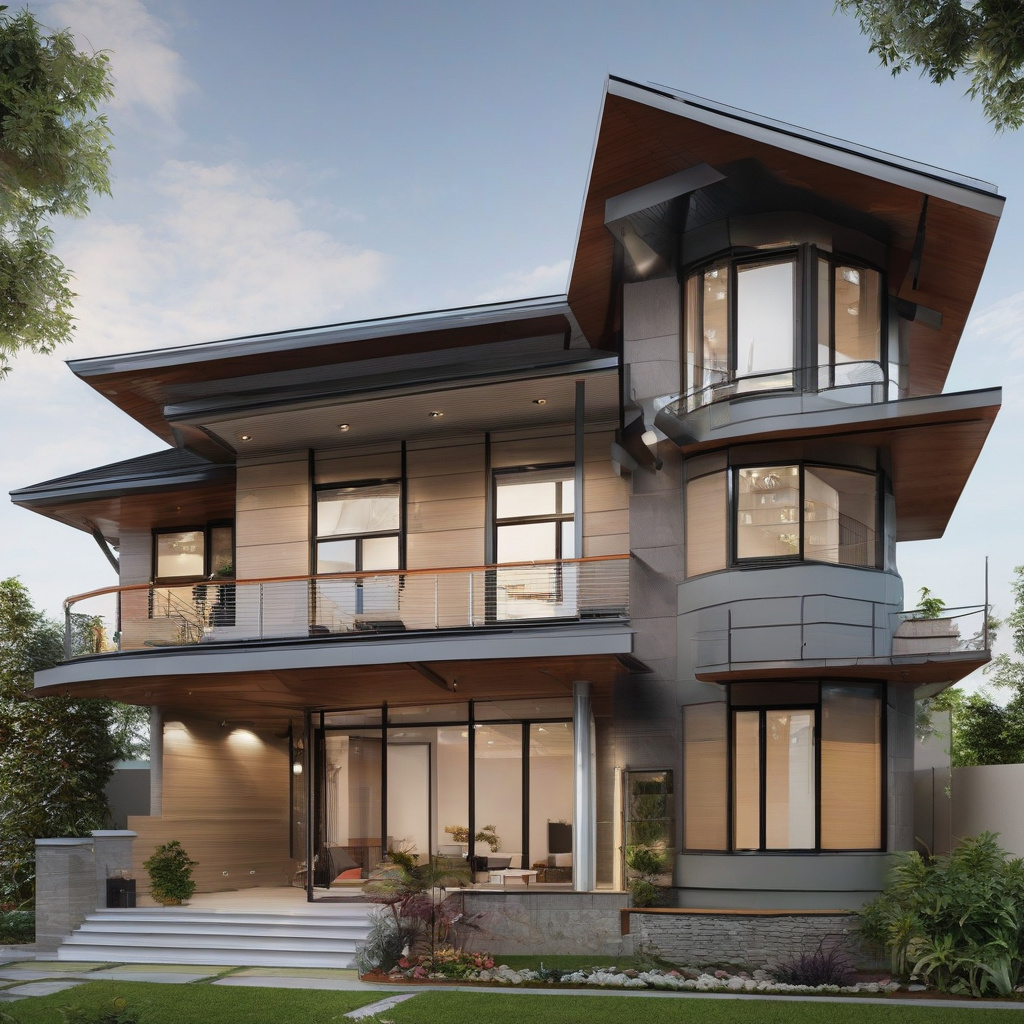
The hip roof is an architectural gem, often seen gracing the skylines of sun-soaked Californian neighborhoods. Its unique design offers not only aesthetic appeal but also a range of practical benefits. Exploring the intricacies of a hip roof design unveils a world where form meets function, providing homeowners with an elegant and effective roofing solution.
Brief summary: Discover the allure of hip roofs, from their architectural charm to technical prowess. Understand why these roofs are a popular choice among Los Angeles homeowners and explore the elements that make them a blend of beauty and practicality.
Understanding the Hip Roof: A Brief Overview
A hip roof is defined by its sloping sides that meet at the roof’s peak, creating an elegantly balanced structure. This design isn’t just about looks; it’s a masterclass in stability. Homeowners often opt for hip roofs to resist strong winds, especially vital in the coastal breezes of Los Angeles. This all-around slope provides an aerodynamic advantage, reducing uplift forces exerted by the wind.
What sets the hip roof apart is its sturdy structure. Unlike traditional gable roofs, which can falter under lateral loads, the hip design offers inherent strength. This makes it a popular choice in regions prone to severe weather conditions. The four-sided symmetry distributes weight and tension evenly, reducing the risk of damage over time.
Moreover, hip roofs excel at water drainage. The sloped design prevents waterlogging, a common concern in areas with frequent rainfall. This functionality is particularly appreciated by those keen on preserving their home’s roofing materials. For more on quality materials, consider exploring the various metal tile coatings used in roofing.
These roofs are versatile. Whether opting for asphalt shingles or more luxurious slate, the architectural styles remain seamless and cohesive. Aesthetic adaptability, coupled with technical prowess, defines the hip roof as both a practical and stylish home accessory.
A Deeper Dive into the Benefits
What You Should Know About Hip Roofs’ Structural Integrity
Los Angeles residents, accustomed to the occasional shake, will appreciate the resilience offered by hip roofs. The pyramidal or trapezoidal profile contributes to seismic resistance, an essential feature for areas along fault lines. This robustness does not come by chance but by design.
The four-sided roof converges at a point, creating a structure with a lower center of gravity. For those contemplating monolithic ceiling installations, the added layer of stability proves beneficial. It ensures that the roof remains intact even when the ground beneath shifts.
But it’s not just seismic activity that the hip roof can withstand. The design aids in load distribution during snowfalls, though this is less of a concern for sunny California. Nevertheless, the peace of mind from knowing your roof is robust against any unforeseen weather is invaluable.
Conclusively, the hip roof’s sturdy nature makes it a commendable choice. Homeowners find comfort in a product that promises longevity and reliability, ensuring their homes remain safe havens for years to come.
How to Choose the Right Materials for Your Hip Roof
Material selection plays a pivotal role in the performance and aesthetics of your hip roof. Asphalt shingles offer a budget-friendly and versatile option. They’re not only easy to install but also offer a variety of colors suited to any neighborhood style.
If durability and luxury are your priorities, consider options like slate. Known for its longevity and classic appeal, slate can transform your roof into a statement piece. However, it comes with a heftier price tag, which might not suit all remodeling budgets.
An emerging favorite among homeowners is metal roofing, particularly in regions with variable weather patterns. For more insights on material selection, check out our detailed guide on polycarbonate roofing specifications. These choices balance cost, longevity, and aesthetics, depending on your preferences.
Ultimately, choosing the right material involves balancing personal taste, budget constraints, and long-term performance. Each option has a unique set of pros and cons, worthy of consideration in your roof renovation quest.
According to a 2022 report by the National Roofing Contractors Association, “Roofs with a hip design consistently rank highest for durability and resistance to harsh weather conditions.”
When It Makes Sense to Select a Hip Roof
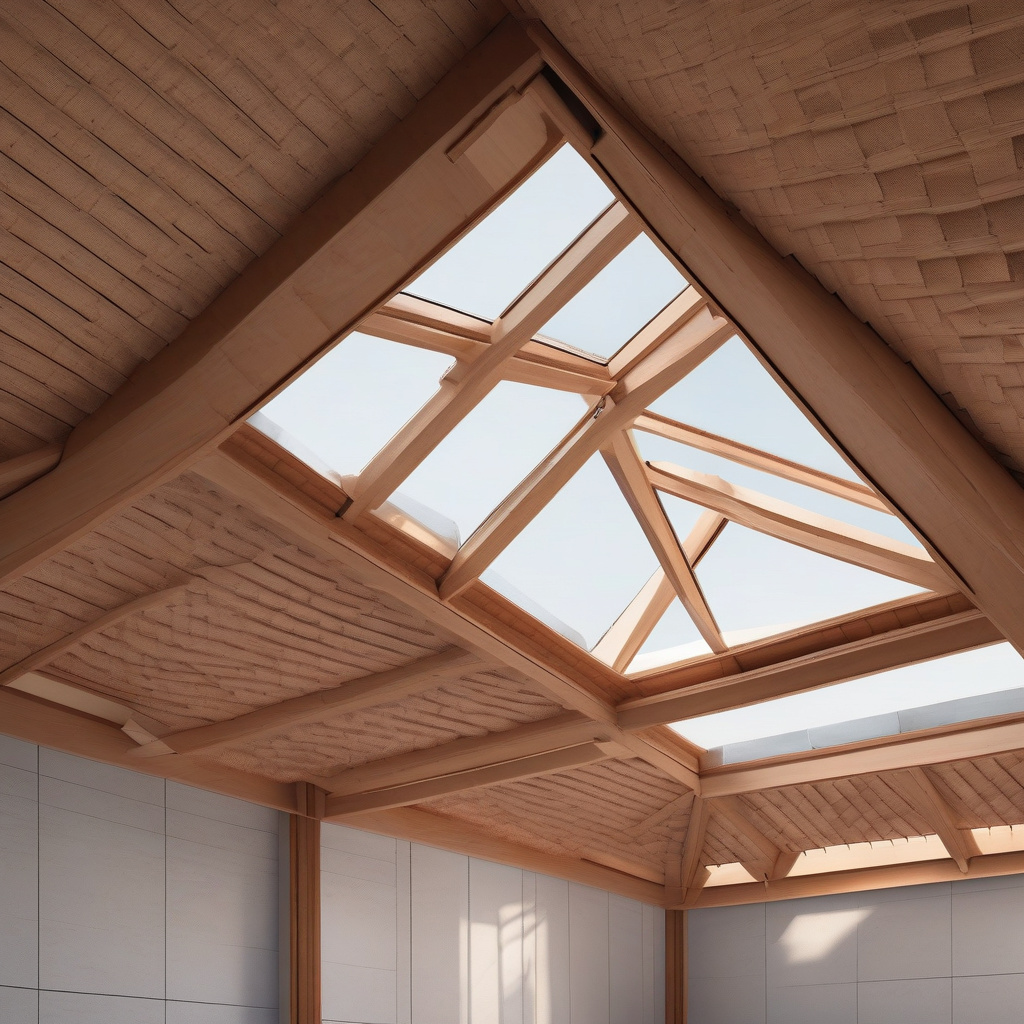
Choosing a hip roof comes with several benefits, but timing and circumstance are key. When considering a full home build or a major renovation, incorporating a hip roof from the beginning streamlines the design process. Starting fresh allows architects to integrate the roof seamlessly with the building’s overall structure.
Homes exposed to high winds or regular storms gain significantly from the weather-resistant properties of the hip roof. Many local homeowners in wind-prone areas appreciate its durability, which offers a reassuring sense of security.
Furthermore, the aesthetic uniformity of a hip roof fits perfectly with modern design sensibilities. It provides a cleaner silhouette against the backdrop of urban landscapes, a feature that boosts curb appeal. Here’s a tip for those involved in landscaping: pair your hip roof with a minimalist garden for a cohesive exterior look.
In conclusion, opting for a hip roof makes sense not just aesthetically but also functionally. Weigh its benefits against specific homeowner needs to determine the best fit.
Evaluating Cost and Time Efficiency
| Factor | Gable Roof | Hip Roof |
|---|---|---|
| Construction Cost | Moderate | Higher |
| Material Options | Wide | Varied |
| Installation Time | Shorter | Longer |
| Longevity | Good | Excellent |
The Construction Process: Step-by-Step Guide
Embarking on a hip roof installation can seem daunting, but with the right steps, the process becomes more manageable. To begin, engage a reputable contractor with experience in hip roof projects. Their expertise will guide you through the technical intricacies.
Next, inspect and prepare the roof deck. This ensures the foundation is sound and ready to support the new roofing materials. Don’t skip inspecting the underlying structures, as any weaknesses here will compromise the entire build.
Follow up with material selection, focusing on options that complement both aesthetics and environmental conditions. Options like asphalt roofing provide durability for urban settings.
Finally, coordinate the installation process, ensuring the project adheres to both time frames and budgetary constraints. Proper planning prevents last-minute scrambles, allowing homeowners to enjoy their new hip roof stress-free.
Comparing Pros and Cons: A Realist’s Perspective
The sophistication of a hip roof design does not come without challenges. While it’s certainly an aesthetic triumph, the higher costs of materials and labor cannot be ignored. Installation requires skilled craftsmanship, adding to the overall expense.
However, these costs are offset by the roof’s lasting durability, reduced maintenance needs, and resilience against extreme weather. For those who prioritize longevity, investing in a hip roof delivers returns over decades.
The limitations primarily exist in terms of architectural restrictions; not every home design accommodates a hip roof. This might require compromise in terms of stylistic cohesion.
Ultimately, assessing the advantages against potential shortcomings allows for an informed decision tailored to individual goals and budgets.
An industry insight reveals that “hips and valleys in roofing enhance structural integrity and are critical for strategic water runoff.”
The Role of Hip Roofs in Enhancing Home Value
The decision to retrofit or build with a hip roof goes beyond mere aesthetics. Real estate experts agree that such thoughtful additions can significantly increase property value, especially in high-demand areas like Los Angeles. Homes with high architectural finish easily capture the interests of discerning buyers.
For sellers looking to maximize their returns, hip roofs present an attractive proposition. Not only do they offer functional benefits, but they also contribute to a home’s visual appeal, a key factor in determining market value.
To capitalize on the burgeoning interest in architectural uniqueness, homeowners should consider a comprehensive approach, including landscaping and interior upgrades, to enhance curb appeal. Combining these elements drives value creation, proving the hip roof to be a wise investment.
Ultimately, integrating a hip roof enriches a property’s profile, making it a candidate for top-tier real estate listings.
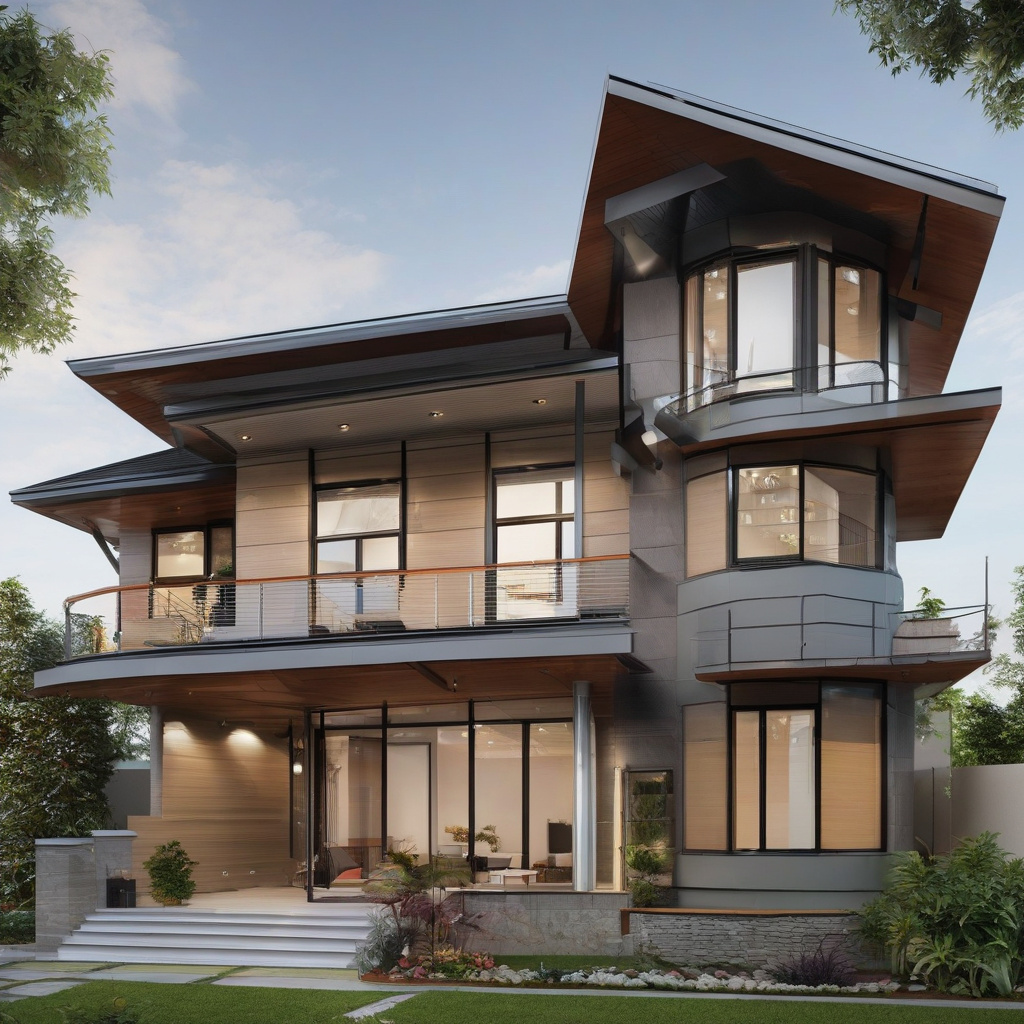
Research from Home Renovation Insights suggests, “Properties with stylish architectural details like hip roofs exhibit a 10–15% increase in market value upon resale.”
Final Thoughts on Choosing a Hip Roof
Choosing a hip roof demands careful consideration of its architectural beauty, structural benefits, and long-term value. This investment in your home’s exterior can yield dividends in terms of reliability and aesthetic appeal. As many Los Angeles homeowners notice, the integration of such a design reflects thoughtfulness and sophistication.
Beyond allure, the true value lies in the peace of mind offered by its robust construction, ensuring that your home withstands the whims of nature while standing out in elegance.
For those embarking on home improvement journeys, the hip roof stands out as a worthy contender—an embodiment of both style and substance, suited to elevate any Californian dwelling.
- Hip roofs combine aesthetic appeal with durable weather resistance, vital for coastal climates.
- Material selection is crucial, balancing costs with architectural preferences.
- Real estate values benefit from the unique elegance provided by hip roofs.
- Proper installation is key, necessitating experienced professionals.
- Consider the hip roof for both new constructions and major renovations.
“`html
FAQ
What is a hip roof and how does it differ from other roof types?
A hip roof is an architectural feature where all sides slope downwards to the walls, usually with a gentle pitch. In contrast to gable roofs, which simply have two slopes meeting at a ridge, hip roofs are more structurally stable due to their self-bracing design. This makes them particularly well-suited for regions experiencing heavy winds or seismic activity, such as California. In real-life renovations, contractors often encounter the challenge of incorporating adequate attic space due to the consistent slopes. Nevertheless, their aesthetic appeal and practical durability make them a favored choice among many homeowners.
How should homeowners choose the right hip roof for their property?
Choosing the right hip roof involves considering factors like climate, existing architectural style, and budget. In California, where varied climates exist, materials like clay tiles or metal can both offer benefits. For instance, many experts point out that metal roofs are energy efficient, while tiles provide natural insulation. Homeowners need to consider both immediate aesthetics and long-term maintenance costs, ensuring the choice aligns with their renovation goals. Consulting a local expert often reveals additional nuances such as zoning laws and neighborhood requirements, which are crucial during the early design phase.
When does it make sense to install a hip roof in a renovation?
Installing a hip roof makes sense when durability and a lower profile are desired. In regions prone to high winds, the design’s inherent stability often justifies the initial higher cost when compared to simpler gable roofs. Homeowners renovating older properties frequently underestimate the added value a hip roof can provide, especially in aesthetic cohesion with the rest of the home. Another prime opportunity arises when seeking improved attic ventilation or attempting to create a more modern look for an upgrade from an existing structure.
What are some of the common mistakes homeowners make with hip roofs?
A frequent mistake in hip roof installations is insufficient attention to ventilation. Because of the slopes meeting at the roof edges, proper air circulation can be disrupted if not carefully planned. Another common oversight is neglecting the impact of material choices on energy efficiency. In real renovation projects, it often becomes clear that those who rush the selection end up with higher energy bills or require more maintenance. Homeowners are advised to engage thoroughly with contractors on these specific aspects before making final decisions to avert costly corrections later.
What are the main advantages of a hip roof?
The main advantages of a hip roof include its stability, aesthetic versatility, and energy efficiency potential. Unlike flat or gable roofs, hip roofs provide enhanced resistance to wind damage due to their aerodynamic design. Additionally, they can complement a wide variety of architectural styles, from traditional bungalows to modern, sleek homes. Importantly, the potential for effective insulation and reduced energy costs is often highlighted by experts, making it easier to justify the initial investment.
What limitations should be considered before opting for a hip roof?
Despite its many advantages, a hip roof does come with limitations. The more complex design can increase both materials and labor costs, potentially stretching budgets for many projects. Some homeowners find the attic space to be limiting, given the inward slopes of the roof. There’s also the consideration of extensive support required during installation, which can disrupt existing structures if not carefully planned. On balance, these factors must be weighed against the benefits based on specific homeowner priorities and local conditions.
How do the costs of a hip roof compare to other roof types?
Hip roofs generally carry higher costs than gable roofs due to their complexity and the extra materials required. That said, the price is often justified by increased durability and potential energy savings over time. In practice, it is critical for homeowners to gather multiple quotes from reputable contractors and to consider long-term savings on energy and maintenance when evaluating the initial outlay. Additionally, those in earthquake-prone areas might find added value in the strength provided by a hip roof, balancing out the higher cost.
What are the maintenance requirements for a hip roof?
Regular maintenance is crucial to extend the lifespan of a hip roof. This includes periodic inspections of shingles or tiles for wear and damage, ensuring gutters are clear for proper drainage, and monitoring the structural integrity following severe weather. A common misconception is that hip roofs require no more attention than other types, when in reality, their multifaceted slopes can demand more frequent inspections to prevent leaks and structural compromise. For expert local advice and assistance with hip roof maintenance, reach out to a trusted contractor in your area like this team who specialize in California homes.
“`