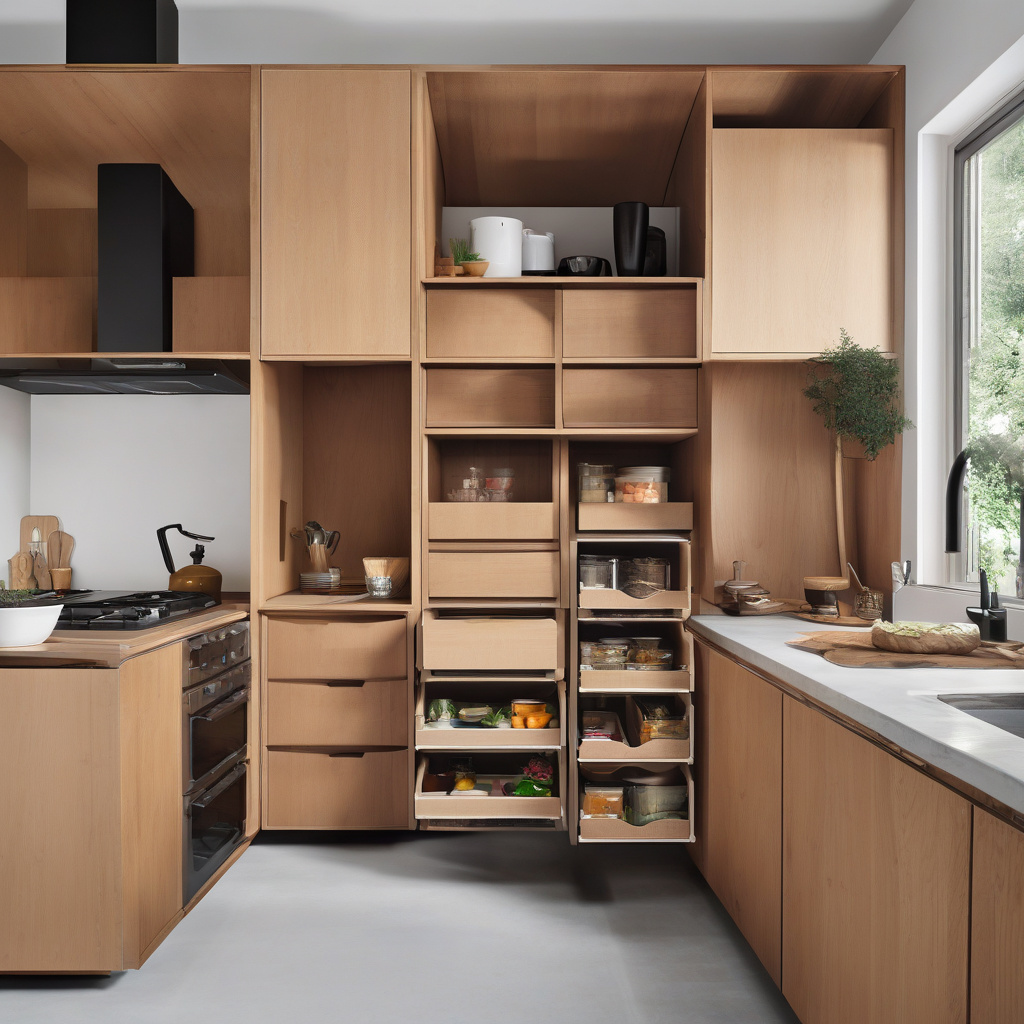
In the bustling realm of Los Angeles, where space is often at a premium yet style knows no bounds, the art of designing compact kitchens within ADUs (Accessory Dwelling Units) and guest houses has taken center stage. The mission is to morph confined quarters into functional culinary spaces, without surrendering an iota of panache. This endeavor encapsulates a delicate balance of incorporating sleek appliances, capitalizing on vertical storage, and curating layouts that exude both efficiency and aesthetic charm.
Brief summary: Compact kitchens in ADUs and guest houses are redefining functionality with innovative designs in Los Angeles. They focus on space-saving appliances and smart layouts to enhance usability while maintaining a stylish appearance. The article explores renovation trends, cost-effective strategies, and the experiences of homeowners and experts in the Southern Californian context.
Transforming Small Spaces: Design Innovations in Los Angeles
Los Angeles, a city renowned for its architectural ingenuity, is witnessing a surge in compact kitchen designs tailored for ADUs and guest houses. Driven by escalating real estate values and a keen demand for flexible living spaces, homeowners are seeking creative ways to maximize every inch of their abodes. The compact kitchen has emerged as a poster child for efficient living, offering solutions that are both charming and utilitarian.
It all begins with the strategic selection of appliances. Sleek, slender models tailor-made for small spaces provide the functionality one would expect without dominating the room. Residents and designers favor systems where less is more, turning to multifunctional appliances that double up on utility.
Top that with a vertical storage approach, and you’re halfway to nirvana. Exploiting wall space with overhead cabinets and cleverly designed shelving ensures that clutter remains a stranger. As many local homeowners notice, even the traditionally mundane act of storage can become an artistic facet of the home.
Of course, the coup de grâce of any compact kitchen is its layout. Thoughtful design ensures easy navigation and accessibility while keeping the heart of the home open and inviting. Constrained environments demand non-traditional designs, presenting a delightful blend of form and function.
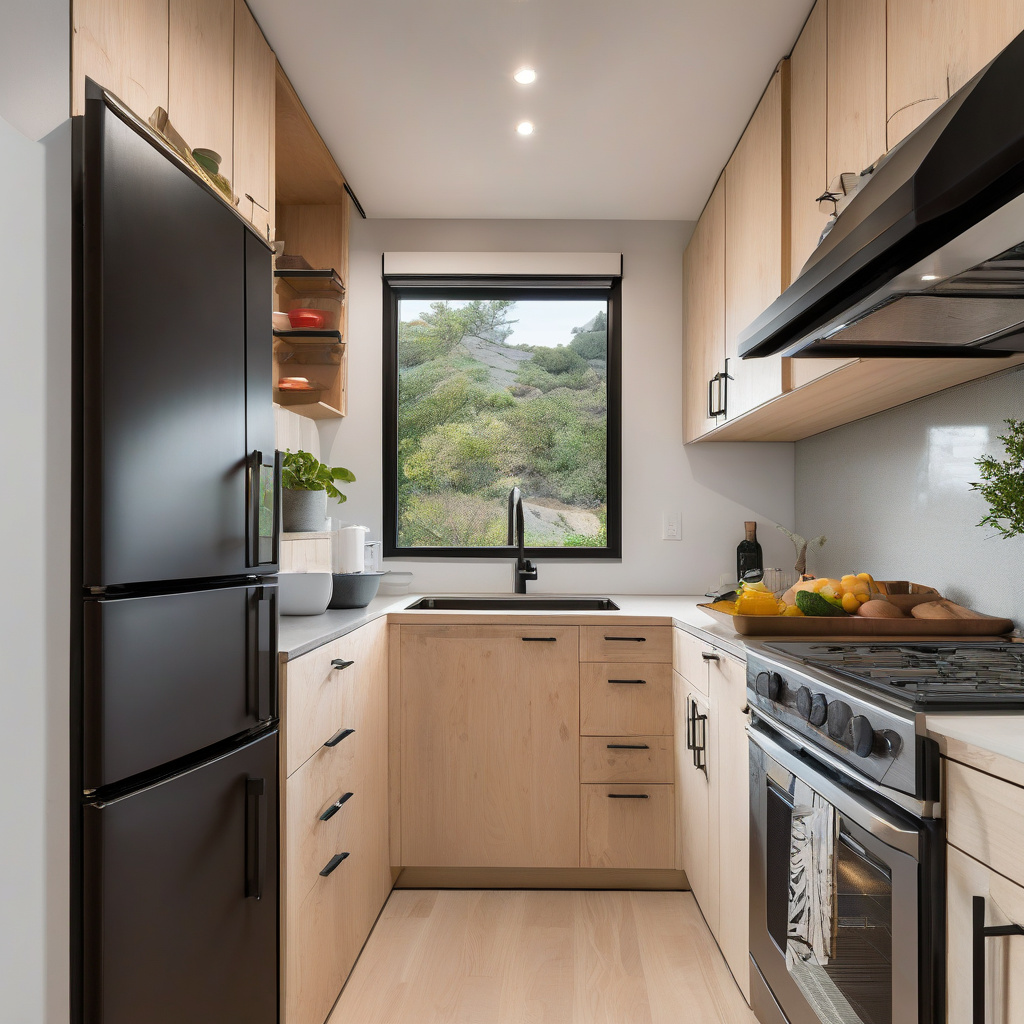
The rise of compact kitchens in this sprawling metropolis is a testament to human creativity, transforming necessity into virtue.
The Economic Appeal of Small-Scale Remodeling
As homeowners across Southern California dive into renovations, the financial component of compact kitchen design often steals the spotlight. An attractive advantage of these smaller projects is their cost-effectiveness compared to full-scale remodels. Ironically, the apparently simple task of scaling down can often become a noteworthy economic boon.
In Los Angeles, experts highlight the importance of balancing initial investments with long-term savings. Homeowners soon discover that sourcing high-efficiency appliances and quality materials pays dividends, both in reduced energy bills and in the durability of their kitchens.
A well-planned compact kitchen renovation can increase property value significantly, as more prospective buyers and renters prioritize convenience and contemporary style. Industry insiders predict that compact kitchens with stylish creativity will continue to capture the hearts and minds of savvy investors.
This shift towards smaller yet elegantly designed kitchens signifies an architectural evolution where efficiency orchestrates the symphony of city living.
Planning and Layout: Maximizing Functionality
Bringing a compact kitchen to life requires meticulous planning. Homeowners embarking on this journey in the labyrinth of Los Angeles have access to a plethora of resources and design inspiration. Whether through architectural consultations or digital design tools, planning a small space renovation is both an art and a science.
One strategic choice is to incorporate universally popular layouts like the one-wall or galley style, which naturally lend themselves to constrained environments. For those seeking to maintain cultural culinary practices, specialized design solutions offer clever adaptations that maximize utility while respecting traditional practices.
The key to winning the layout game lies in customization; a bespoke design is pivotal in ensuring that every square foot is optimized for utility. Homeowners in Los Angeles are gravitating towards layouts that reflect individualized preferences and lifestyles.
From clever corner storage systems to strategically placed lighting and countertop extensions, the customization possibilities are boundless.
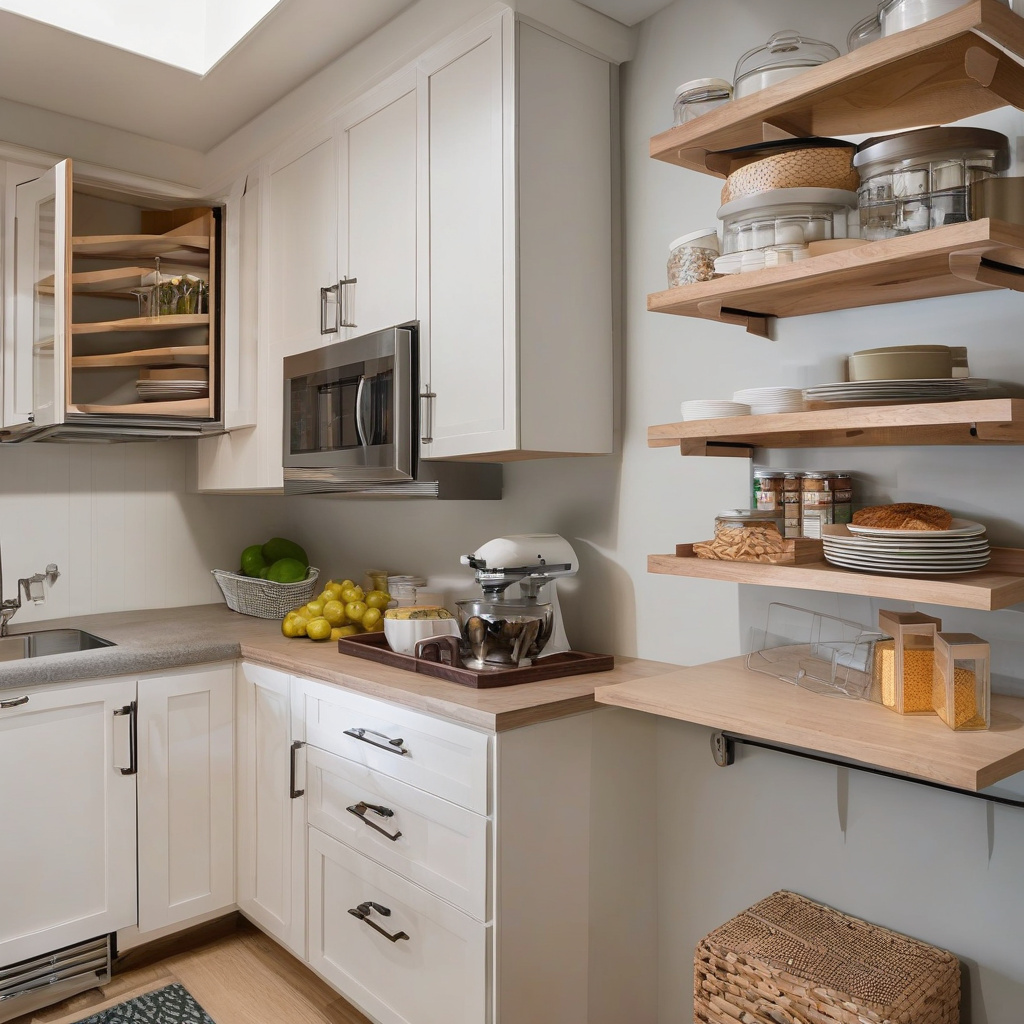
Ultimately, a well-planned compact kitchen is about turning visions into reality. It’s about harnessing small spaces as a canvas for personal expression and practical living.
From Materials to Finishes: Decoding Costs and Choices
The choice of materials and finishes can make or break a compact kitchen renovation. In the realm of tiny kitchens, every component must serve multiple purposes while maintaining an exquisite appearance. Homeowners are increasingly realizing the importance of quality materials in creating both timeless charm and robust utility.
Given the frenetic pace of urban life, a carefully curated finishes checklist becomes invaluable. Durable options such as quartz countertops or hardwood flooring ensure longevity, while smart tech innovations offer a modern touch.
A keen eye for aesthetics does not preclude practicality. The use of lighter hues, reflective surfaces, and subtle textures amplify the sense of space, creating an illusion of grandeur in limited quarters.
Budget-conscious homeowners may opt for high-quality laminates or acrylics that mimic more expensive surfaces without the financial strain. This strategic mingling of materials and finishes creates a harmonious blend of style and sustainability.
“Real estate experts suggest that kitchens renovated with premium materials increase property value by 5–10% on average, making it a wise investment.”
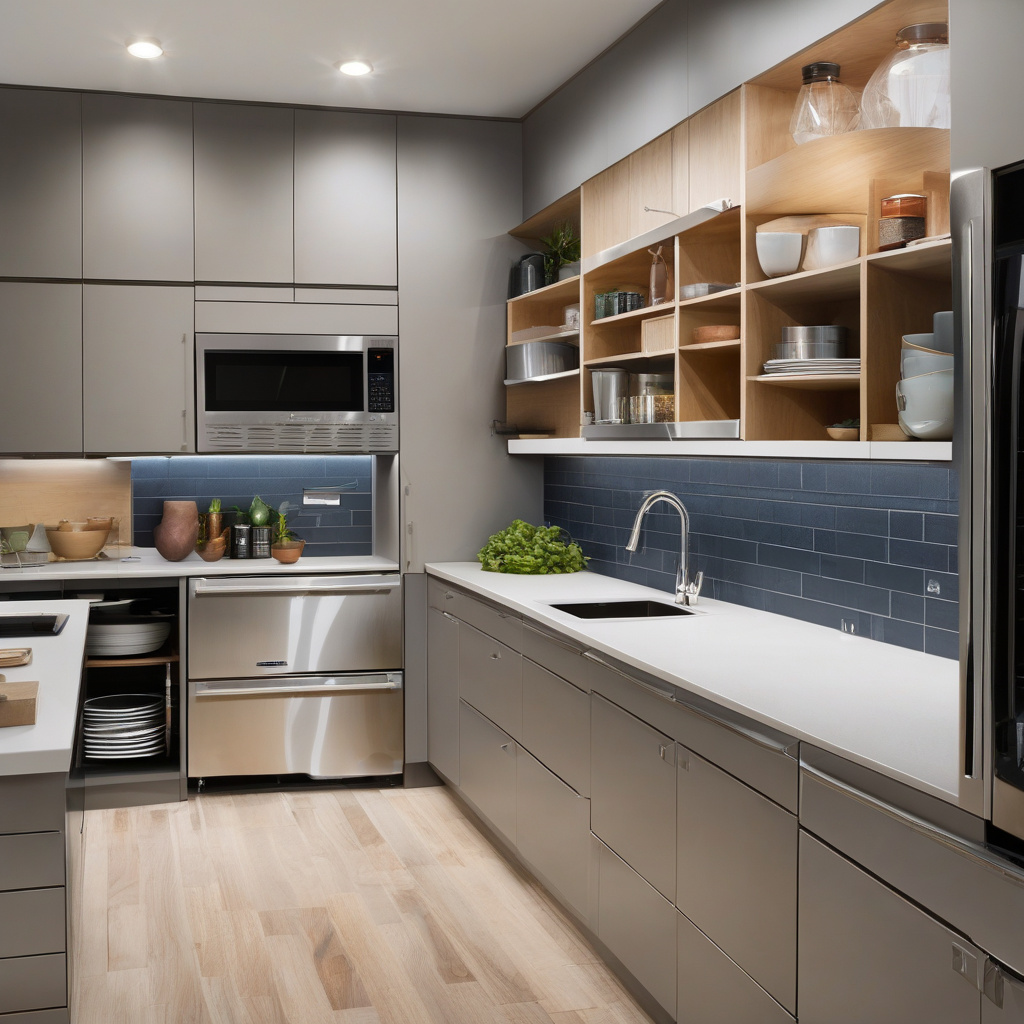
When chosen wisely, materials in a compact kitchen do more than just fill a need—they define the character and soul of the space.
Risks vs. Rewards: The Compact Kitchen Equation
Venturing into the world of compact kitchens certainly carries its own set of risks and rewards. On one hand, the promise of a streamlined, efficient, and stylish unit that adds value to the home is enticing. On the other, navigating the constraints of limited space can be challenging for the uninitiated.
The rewards often outweigh the risks, especially for those willing to embrace innovation. The integration of smart storage solutions, energy-efficient appliances, and creative layouts can elevate even the smallest of spaces. Industry professionals frequently comment on the long-term savings generated by efficient design choices and reduced energy consumption.
However, pitfalls await the unprepared. Over-customization, budget overruns, and poor layout planning can quickly turn a dream renovation into a nightmare. Planners stress the importance of thoughtful design and detailed budgeting to avoid common mistakes.
“Designers caution it’s crucial to maintain a balance between customization and practicality, lest the kitchen become overly complex and unaffordable.”
For many homeowners, the joy of transforming an underutilized area into a showpiece exceeds any hurdles faced along the way.
A Future-Focused Approach: Next Steps in Kitchen Design
With compact kitchens capturing the imagination of Los Angeles residents, the next frontier lies in further improving functionality and sustainability. As savvy homeowners explore alternatives between prefabricated and bespoke cabinets, innovation continues to thrive.
In the relentless pursuit of progress, the merging of smart technologies with kitchen design is already underway. Future trends indicate a continued emphasis on energy efficiency, automation, and minimalistic luxury.
Urban living will consistently present challenges, but the compact kitchen evolution represents a collective step towards a more agile and adaptable lifestyle. By weaving the threads of functionality, style, and innovation, homeowners constantly redefine the kitchen space as the embodiment of modern living.
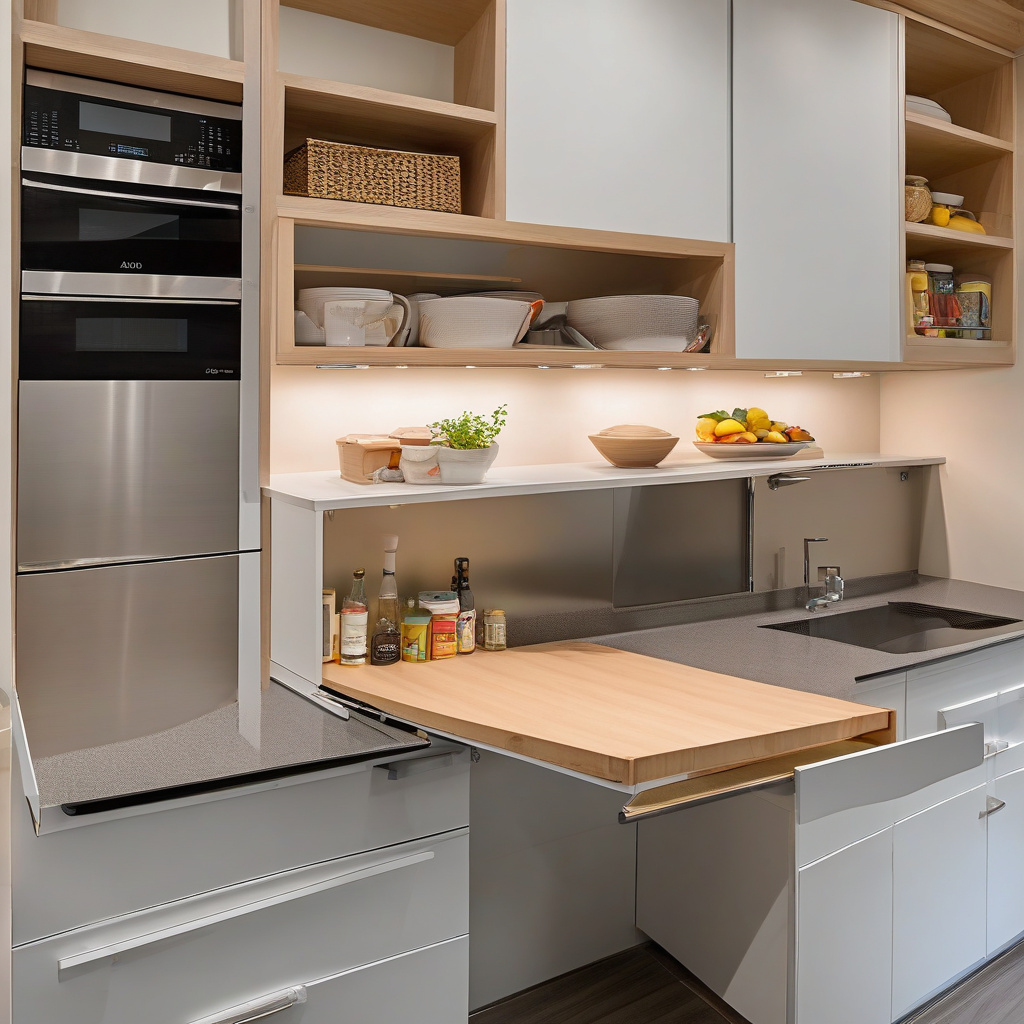
These new paradigms don’t merely promise to improve kitchen functionality—they endeavor to change how space is perceived and utilized in urban environments.
- Compact kitchens in ADUs are transforming limited spaces into stylish and efficient culinary hubs.
- Smart design choices enhance functionality, adding value and appeal in Los Angeles housing.
- Exploration of high-quality materials and innovative layouts drives sustainability and efficiency.
- Future trends promise increased integration of smart technologies in compact kitchen designs.
- Effective planning and budgeting are crucial to maximizing both space and potential resale value.
“`html
FAQ
What is a compact kitchen design for ADUs and guest houses?
Compact kitchen designs for ADUs (Accessory Dwelling Units) and guest houses prioritize space-efficiency without compromising functionality. In real renovation projects, it often becomes clear that utilizing vertical storage solutions and slimline appliances, like counter-depth fridges and two-burner stoves, can make a significant difference. These designs focus on streamlined layouts to prevent the space from feeling cramped while maintaining all the essentials of a functional kitchen. Efficient use of every inch means that even the tightest spaces can offer robust cooking and prep areas, essential for making daily living comfortable.
How do you choose the right appliances for a compact kitchen?
Choosing the right appliances for a compact kitchen is all about balancing efficiency with functionality. Many experts point out that it’s critical to select appliances scaled to the kitchen’s size. Opt for narrower, multifunctional appliances, such as a microwave convection oven, which combines several cooking methods while occupying less space. Carefully planning the kitchen layout to accommodate appliance dimensions and ensuring ease of access is another key factor. Homeowners frequently underestimate the value of integrated appliances, which can provide a seamless look while maximizing available space without sacrificing quality or features.
When does a compact kitchen design make the most sense?
Compact kitchens are especially ideal in urban environments where space is at a premium, or in California’s ADUs where maximizing available square footage adds value. For older properties where floor plans cannot be easily expanded, incorporating a compact design can breathe new life into what might be an otherwise outdated or dysfunctional kitchen space. This approach is also a smart choice for homeowners who frequently entertain overnight guests, ensuring that visitors enjoy both privacy and functionality without the homeowner needing to compromise their primary living space.
What are some typical mistakes in compact kitchen designs?
One common mistake is overloading the space with too many appliances or excessive cabinetry, leading to a cluttered and congested area. In many renovation projects, it becomes evident that aspiring to include too much storage can actually reduce functionality. Another common error is neglecting natural light, which can make the space appear more cramped. In practical terms, opting for open shelving instead of bulky upper cabinetry can visually expand the space. Consulting with a professional can help avoid these pitfalls and tailor the design to meet specific needs efficiently.
How do cost considerations influence compact kitchen designs?
Cost is a crucial factor in designing compact kitchens, with many renovation experts emphasizing budget-friendly solutions that don’t skimp on quality. While slimline appliances can be more pricey upfront, they offer space savings and energy efficiency, which can offset costs in the long run. Investing in high-quality, durable materials can also reduce maintenance expenses over time. For those working within a budget, it’s wise to focus spending on essential areas like efficient appliances and durable surfaces, while using cost-effective materials in less utilized parts of the kitchen. To discuss personalized budget strategies, reach out through the contact page.
What are the pros and cons of compact kitchen designs?
The primary advantage of compact kitchen designs is their ability to maximize functional space without overwhelming a small area. They are often easier and cheaper to furnish and can create a cozy, efficient kitchen environment. On the downside, compact kitchens can sometimes feel limiting, lacking the storage and cooking capacity of larger spaces. Some homeowners might find the minimalist style too restrictive if they enjoy expansive cooking endeavors. Thus, understanding your specific needs and how often you plan to use the space for cooking can guide this decision effectively.
What should be considered during the installation of a compact kitchen?
Installation of a compact kitchen must be approached with an eye toward optimizing space and ensuring functionality. Contractors recommend implementing a clear timeline to prevent delays, as aligning plumbing and electrical needs with the compact layout can be intricate. It’s also essential to assess how installation decisions impact everyday use; for instance, positioning the refrigerator close to the prep area for efficiency. Many experts suggest involving professional designers early to foresee potential hurdles, particularly in layouts where every inch counts, to integrate functional and aesthetically appealing solutions.
How can vertical storage be effectively utilized in compact kitchens?
Effective use of vertical storage is pivotal in compact kitchens, transforming previously unused wall space into valuable storage solutions. In real remodels, adding open shelves or tall cabinets maximizes storage without overwhelming the room. Innovative solutions such as magnetic strips for utensils or pegboards can be both functional and attractive, keeping necessary items within reach. However, many homeowners underestimate the importance of balance — too much on the walls can lead to a cluttered feel, so combining open shelving with strategically placed closed cabinets can provide a cleaner look while ensuring practicality in daily use.
“`