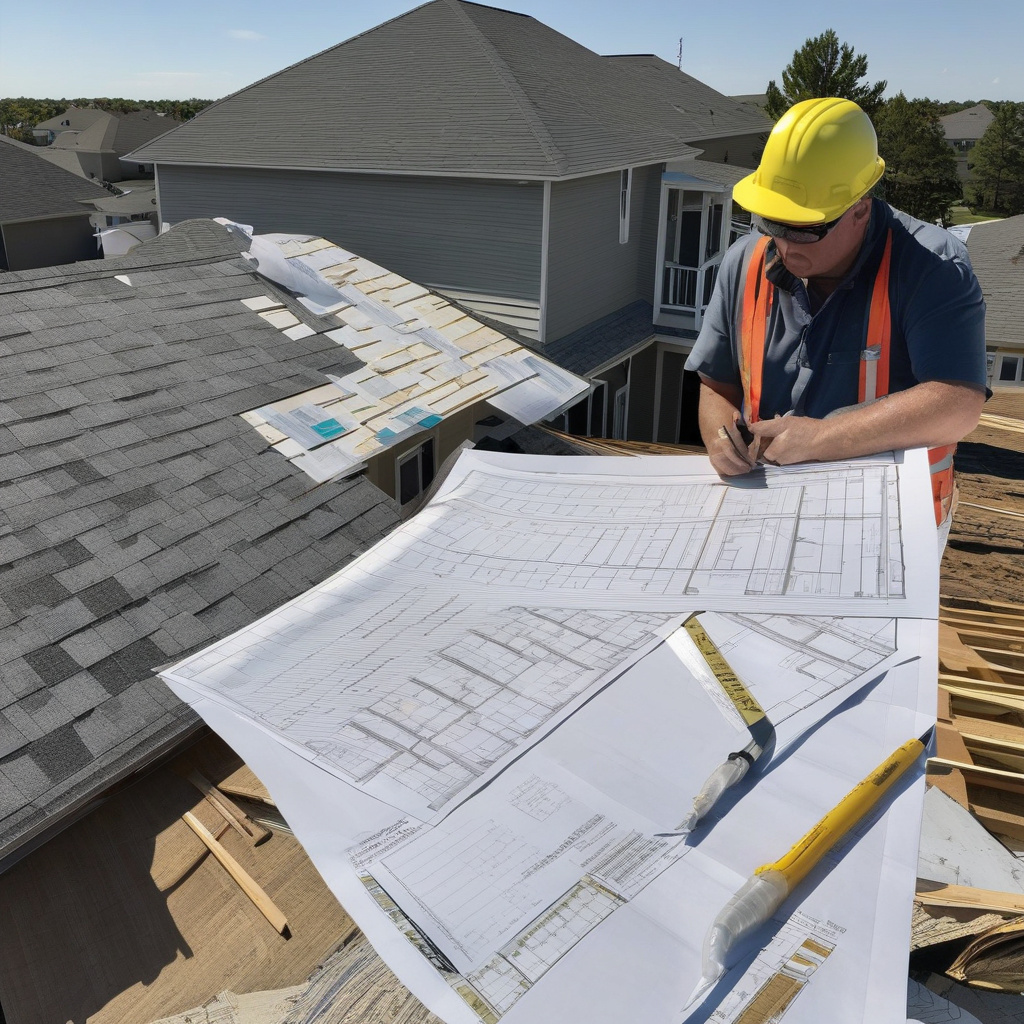
Los Angeles: a sprawling tapestry of cultures, dreams, and architectural marvels. Among its multitude of buildings, the roofs—practical guardians against the elements—play an unsung hero’s role. Yet, when a roof in this Southern Californian city fails an inspection, the consequences stretch beyond mere inconvenience. Corrections range from simpler tasks like improving ventilation systems to more complex maneuvers, such as correcting installation missteps to meet local building ordinances. Understanding the cause and action necessary can transform the daunting prospect of a failed roof inspection into a navigable challenge.
Brief summary: In Los Angeles, failed roofing inspections demand immediate attention to meet building codes through a mixture of simple adjustments and comprehensive fixes. Homeowners must navigate local regulations, potential costs, and logistical hurdles, making an informed approach essential for successful improvements.
The Ramifications of a Failed Roof Inspection
In Los Angeles, the city where sunshine dances across terracotta tiles and adobe walls, roofing inspections are serious business. When an inspection reveals flaws, it signals a need for corrective measures that could range from minor tweaks to significant overhauls. Homeowners, architects, and contractors must first delve into the specific reasons for failure to initiate the right remedies.
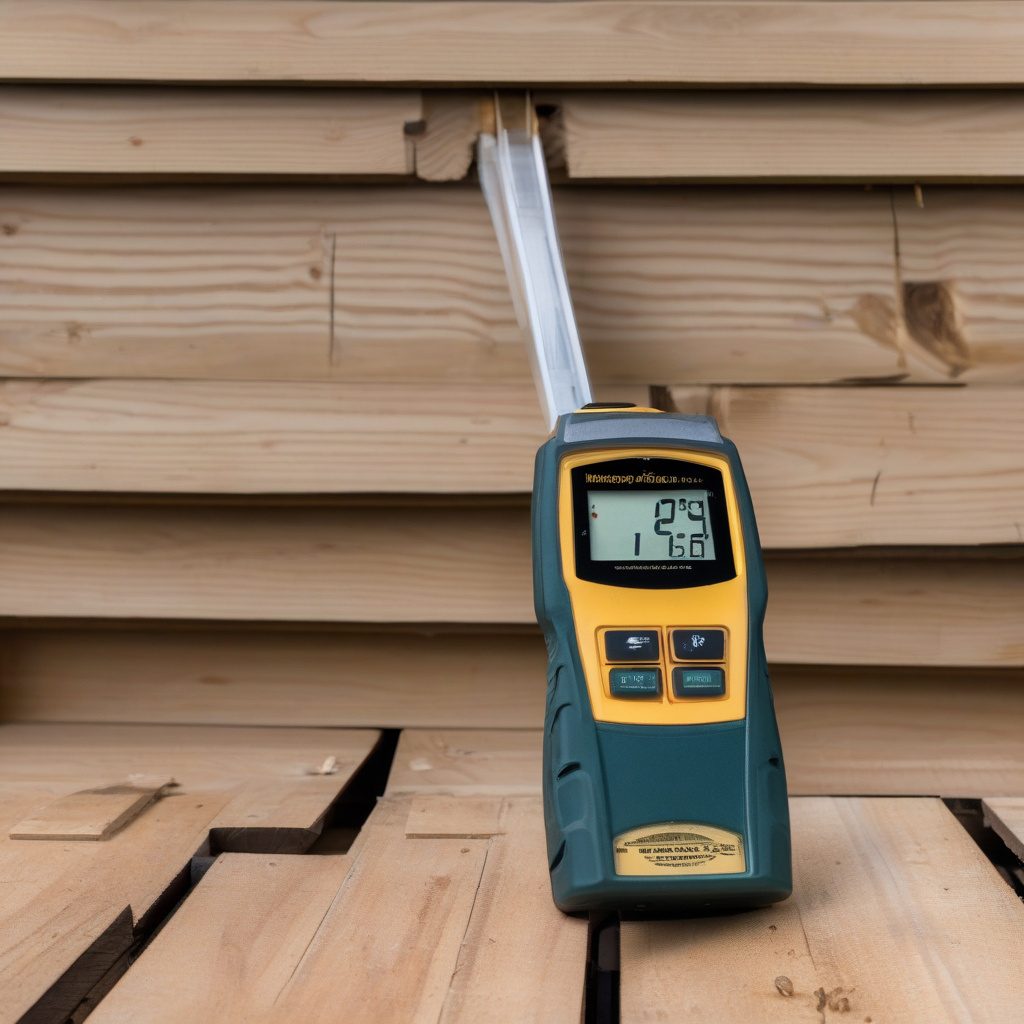
Imagine a typical scenario: a newly installed roof fails its inspection due to inadequate ventilation. Without proper airflow, the temperature within can soar, impacting energy efficiency and comfort. The fix? Perhaps adding ridge vents or improving existing ones. However, the nuances of roof repair don’t always end at ventilation issues. Decisions extend to other components like flashing and materials, all aiming to meet the stringent codes set by Los Angeles building authorities.
Flashing, the thin material used to prevent water penetration, is another common culprit in inspection failures. Any oversight during installation might necessitate reworking these critical details. Problematic flashing can lead to leaks, water damage, and exorbitant repair bills if left unaddressed.
Cost considerations frequently drive decisions to either repair or replace. To navigate options wisely, local homeowners often consult resources like Los Angeles roofing and renovation guides, offering insights into industry standards and practical solutions.
According to a local construction expert, “Proper ventilation is critical in a city like Los Angeles, where summer heat can push materials beyond their limits, compromising integrity and longevity.”
Decoding the Steps: From Failure to Fulfillment
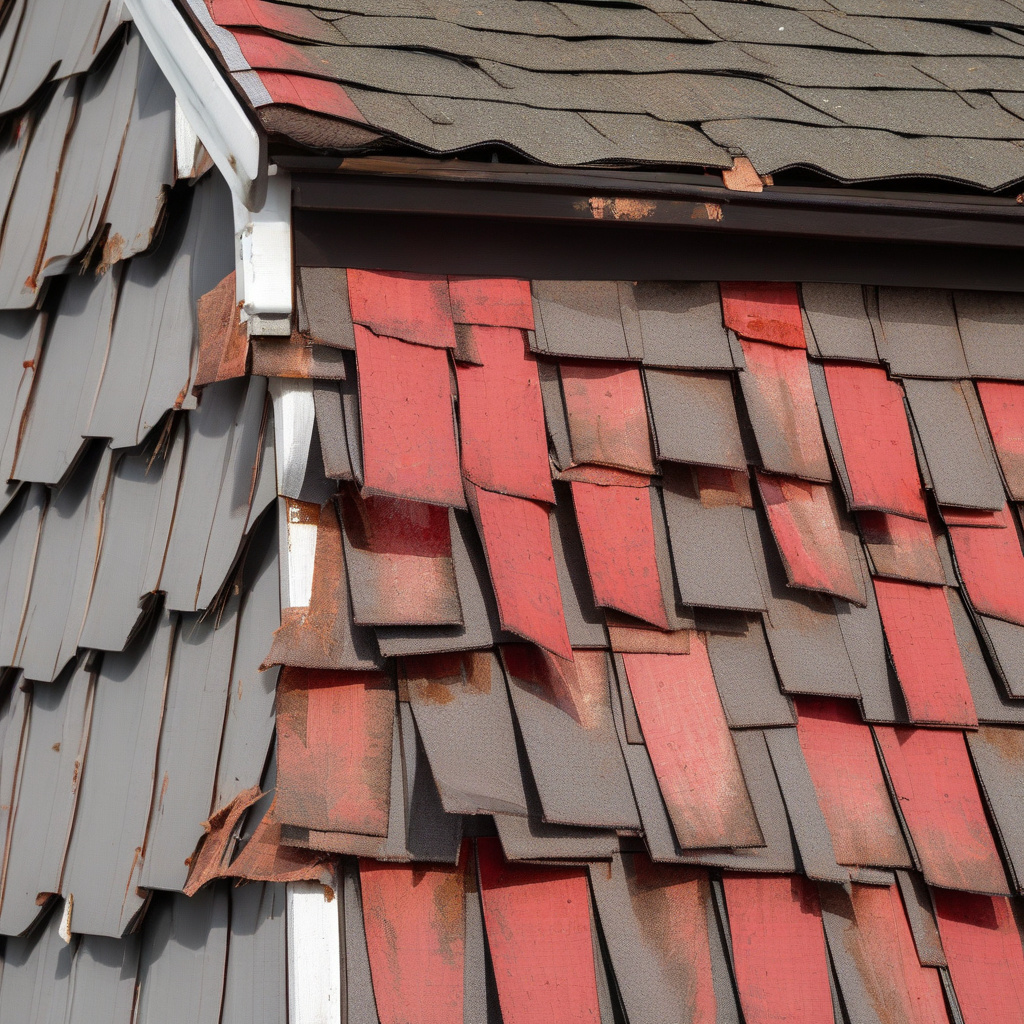
The pathway from inspection failure to compliance demands a series of strategic steps. First, stakeholders must interpret the inspection report’s findings meticulously. Understanding whether the issues lie in the materials or the methods employed will shape the corrective approach. This often means consulting with a specialist attuned to local standards and roofing repair methodologies unique to Los Angeles.
Next, devising a plan of action becomes paramount. An effective strategy could involve direct consultation with the contractor responsible for the original work. If their craftsmanship falls short, accountability measures, including warranty leverage, should apply. Alternatively, seeking a new contractor may introduce fresh problem-solving perspectives.
Integrating New Solutions
In complex cases, solutions might extend beyond simple repairs to integrating novel architectural techniques. Specialized coating systems or membrane overlays could fortify the roof’s resilience. Fancy a flat roof? That option demands understanding nuances like ponding water and additional loads.
Despite the technicalities, savvy homeowners weigh pros and cons meticulously. Availability and quality of materials drive choices, as do timelines, impacted by factors such as worker availability and weather conditions.
One study highlighted, “Roofs upgraded post-inspection report consistent energy savings, with potential for a 20% reduction in cooling costs following proper improvements.”
Costs and Materials: Brentwood and Beyond
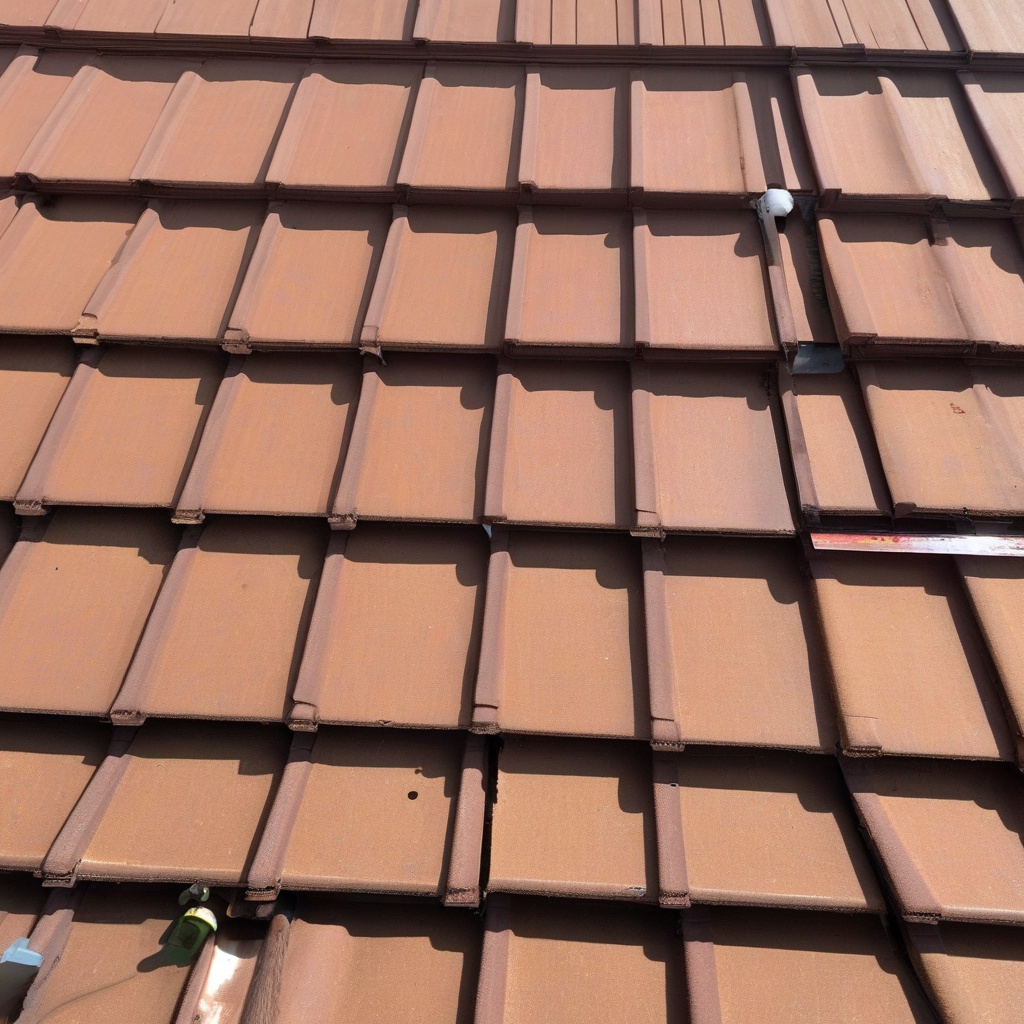
Homeowners pondering repair or replacement costs face varied pricing layers in Los Angeles. Material selections—such as clay tiles versus asphalt shingles—bear significantly on financial outlays. For instance, high-end choices like authentic slate could command prices beyond most budgets, yet offer longevity and prestige.
Roof type and repairs required further influence overall expenses. A shingle repair may be uncomplicated, while a tiled roof with intricate patterns demands meticulous handling. Homeowners, keen to economize, investigate local resources like answers to common issues like flat roof ponding, guiding practical decision-making.
The following table offers a concise comparison of typical roofing options:
| Roofing Type | Average Cost | Lifespan | Maintenance |
|---|---|---|---|
| Asphalt Shingles | $5,000–$8,000 | 15–30 years | Low |
| Clay Tiles | $10,000–$14,000 | 30–50 years | Medium |
| Slate | $25,000–$50,000 | 50+ years | High |
Thus, choosing materials and methods that balance cost, aesthetic value, and long-term durability is essential. Such choices, when informed by detailed insights, transform potential pitfalls into opportunities for enhancements.
“Selecting the right materials is akin to an investment in home value; informed choices can elevate both performance and appeal,” states an industry insider.
Weighting Risks Against Rewards
The decision between repair and replacement stacks considerations of risks against rewards. Replacement can promise modern convenience, advanced efficiency, and prolonged coverage. However, upfront costs and project intricacies must be justified by projected benefits.
Conversely, repair—typically more budget-friendly—can salvage resources and restore functionality. Its pitfalls potentially arise in recurring issues that might demand repeated attention and, ultimately, more investment than comprehensive replacement.
Deciphering Homeowner Needs
At the crux lies the individual homeowner’s ethos: sustainability, efficiency, aesthetic desires, and budget constraints. Harmonizing personal preferences with practical necessities guides the ultimate decision.
For many Angelenos, opting for solutions that converge different advantages—from aesthetics to economic rationale—constitutes the most judicious path.
Planning and Execution: Timing is Everything
Strategic timing frames the discussion on roof amendments. In Los Angeles, tackling roof projects during the dry seasons minimizes weather-related delays. Project durations, uncertain as they might be, call for precise scheduling to avoid unexpected interruptions.
Proactive maintenance plans rival corrective repairs in efficacy. Homeowners recognize the merit in routine upkeep, echoing sentiments from local guidelines on how to maintain their roofs long-term. Such preventive steps can avert costly interventions in the future.
How-to: Schedule Maintenance Like a Pro
1. Conduct bi-annual inspections to identify emerging issues early.
2. Employ professional assessments for an expert perspective.
3. Budget for minor repairs annually to avoid cumulative damage.
4. Integrate water-tight features during initial installations.
5. Embrace modern, eco-friendly materials that withstand local climates.
Layered with diligent planning, roofing projects metamorphose from mere fixes into holistic improvements—an evolution inevitably appreciated by L.A.’s discerning homeowners.
Forecasting the Future: Trends and Innovations
Scanning the horizon, emerging technologies hint at transformative approaches in roofing solutions. Innovations divert focus towards sustainability and smart home integration, elements that Los Angeles architecture increasingly embraces.
For instance, solar panel incorporation on rooftops harbors dual advantages: energy capture and reduced utility costs. Such forward-thinking installations, albeit initially steep in pricing, promise advantages aligned with California’s progressive environmental policies.
As many local homeowners notice, integrating energy-efficient systems with durable materials like reflective coatings further boosts property value. This synergy exemplifies a merged narrative of tradition and modernity that defines much of Los Angeles’ evolving cityscape.
Ultimately, combining robust materiality with eco-minded functionality presents a wise, future-proof approach to overcoming roofing failures.
- Failed roofing inspections necessitate strategic, code-compliant corrections.
- Homeowners must balance costs, materials, and timelines effectively.
- Thinking forward includes eco-friendly improvements and solar integration.
- Proactive maintenance plays a pivotal role in mitigating future issues.
“`html
FAQ
What are the common reasons for failed roofing inspections in Los Angeles?
In real renovation projects across Los Angeles, it’s not uncommon for roofing to fail inspections due to a few typical issues. One frequent offender is inadequate ventilation, which homeowners often overlook, thinking it’s a minor aspect. Proper ventilation is crucial as it helps regulate indoor temperature and prevents excess moisture, which can lead to mold. Another common issue involves improper flashing installation, where leakage is a real risk if not correctly handled. Many experts point out that poorly aligned shingles or insufficiently secured ones are also to blame, posing a future risk of roof damage. Homeowners learning from these setbacks recognize the importance of experienced roofing contractors.
How can homeowners prepare for a roofing inspection in Los Angeles?
Preparation is key to passing a roofing inspection in Los Angeles. Homeowners should start by researching local building codes, which vary from city to city, to ensure their roof meets these standards. A pre-inspection by a licensed contractor can identify issues before the official inspection. Documenting everything, from materials used to installation processes, can provide a clear demonstration of compliance. Real-life scenarios show that attention to repair details, such as fixing loose shingles and ensuring flashing is secure, can make a significant difference. Many families in the city recommend hiring a contractor with local experience for personalized advice.
What are the consequences of a failed roofing inspection in Los Angeles?
If your roof fails inspection in Los Angeles, expect several consequences beyond mere inconvenience. Initially, homeowners will need to address the cited issues, which may involve additional costs and time delays. They must work with contractors to correct problems like ventilation adjustments or flashing repairs. Failing to resolve these can lead to fines or penalties, and potential issues with future property sales. In extreme cases, non-compliance might result in safety hazards. Many residents acknowledge that the corrective phase, though tedious, offers an opportunity to ensure your roof’s longevity and compliance, ultimately safeguarding your investment.
How does the cost of roofing corrections vary in Los Angeles?
The cost of roofing corrections in Los Angeles can vary widely depending on several factors. For instance, simple adjustments, such as improving ventilation, might involve modest costs. However, extensive repairs, like reworking faulty installations or replacing improper materials, can quickly elevate expenses. Homeowners frequently find that contracting multiple specialists, such as roofers and HVAC experts, can further impact the budget. It’s advisable to get detailed estimates from several contractors to gauge your options realistically. Many experts recommend setting aside an emergency fund for unforeseen expenditures during the correction process to mitigate potential financial strain.
Why is proper flashing installation crucial during roofing?
Proper flashing installation is critical to any roofing project, particularly in areas like Los Angeles prone to diverse weather conditions. Flashing serves as a shield at joints and edges, preventing water from seeping into the structure. Improper installation can lead to severe water damage over time, often manifesting as leaks within the home. Many local roofers highlight the importance of quality flashing materials and techniques adapted to the specific roof design. Homeowners must prioritize this aspect to prevent costly damage and ensure a durable roofing system. It’s worth noting that addressing flashing errors can be more expensive if corrective action is delayed.
What are the pros and cons of hiring professional roof inspectors in Los Angeles?
When considering whether to hire professional roof inspectors in Los Angeles, there are notable pros and cons. On the positive side, professionals bring expertise and can identify issues that an untrained eye might miss, potentially saving homeowners from future costly repairs. They ensure compliance with local codes and provide peace of mind. On the downside, hiring inspectors involves additional costs, which some may find unnecessary, particularly if they’ve worked with reputable contractors. However, many find the investment valuable for accurate assessments. The decision often depends on the complexity of the roofing job and the individual’s confidence in their own inspection capabilities.
How do seasonal changes impact roofing inspections in Los Angeles?
Seasonal changes in Los Angeles can significantly influence roofing inspections. During the wet season, inspections may reveal leaks or inadequate drainage systems that remain unnoticed in drier months. Conversely, summer heat can exacerbate roofing material wear, affecting inspection outcomes. Experienced contractors often adjust their inspection checklists based on the time of year to account for such variations. Homeowners are advised to plan inspections around these seasonal changes to catch potential problems early. For personalized advice on timing and seasonal considerations, consider reaching out to local experts like those available through this local contact resource.
What is the role of building standards in roofing inspections?
Building standards play a vital role in roofing inspections by ensuring safety and uniformity in construction practices. In Los Angeles, these standards help maintain the structural integrity of homes, neighborhood aesthetics, and occupant safety. Inspections aim to verify compliance with these guidelines, which cover everything from material quality to installation techniques. An often-seen misconception is that standards remain static; however, they evolve to incorporate technological advancements and environmental considerations. Homeowners need to stay informed about the latest standards to ensure their roofs meet current requirements. Misalignment with building codes can lead to inspection failures, emphasizing the need for professional guidance and up-to-date knowledge.
“`