
In the bustling world of Southern California home renovations, the humble kitchen sink often takes center stage. It’s a pivotal element that not only affects the aesthetics but also the functionality of your culinary space. In areas like Los Angeles, where home styles vary as widely as the surf along Malibu, selecting the right sink type becomes an art form. Farmhouse, undermount, and stainless sinks each offer unique appeals and practical benefits, catering to diverse homeowner preferences around the region.
Brief summary: This article explores the intricacies of choosing the right kitchen sink type in Southern California, detailing the pros and cons of farmhouse, undermount, and stainless steel options. Through real-life examples and expert insights, it discusses style, cost considerations, and practical functionality to help homeowners make informed renovation decisions.
The Charm and Challenge of Farmhouse Sinks
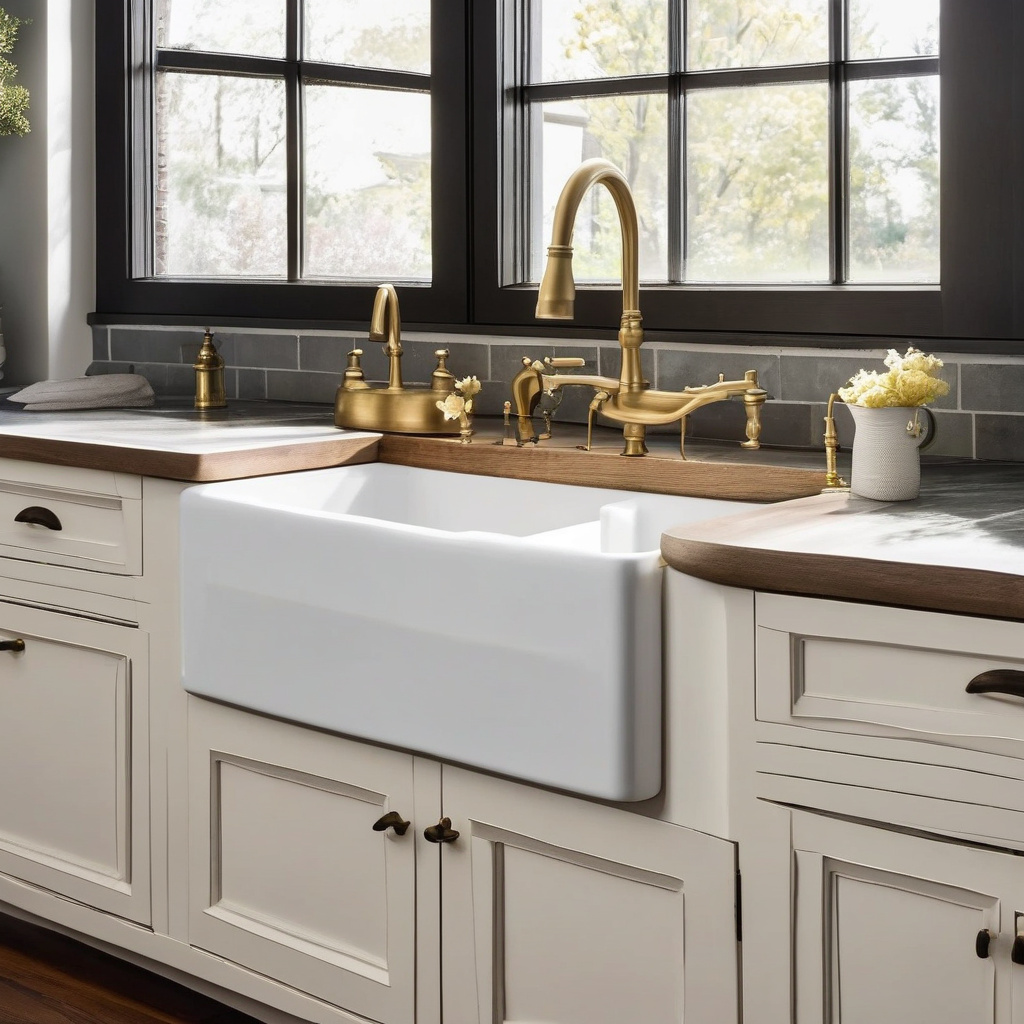
Farmhouse sinks, with their deep basins and apron fronts, hold a timeless appeal, evoking rustic charm that harks back to simpler times. In Los Angeles, where blending traditional and modern styles is a prevalent trend, these sinks resonate with those aiming to capture a bit of countryside coziness amidst urban hustle. Yet, their size and installation can present challenges. Placement is key, and modifying existing cabinetry may be necessary, adding to the remodeling costs.
Los Angeles homeowners often appreciate the versatility of farmhouse sinks, not just for their visual impact, but for their practicality in managing large pots and pans. However, their hefty weight and potential for causing counter overhang may be a stumbling block for some installations. As a facet of many Californian kitchen transformation projects, the farmhouse sink often requires careful planning to integrate seamlessly.
A major consideration is the material choice. Fireclay and cast iron are traditional favorites, each offering durability but requiring thought for support structures due to their weight. Additionally, these sinks can be more susceptible to impacts and require gentler cleaning methods to maintain their integrity and finish.
While farmhouse sinks significantly enhance aesthetic value, practical considerations such as increased cleaning surface area and the need for periodic maintenance are important for long-term satisfaction. For many, however, the pay-off in style and function is well worth it.
Despite their challenges, this sink type remains beloved for its striking presence and capacity to anchor a kitchen’s design around a singular focal point.
Undermount Sinks: Sleek Simplicity and Functionality
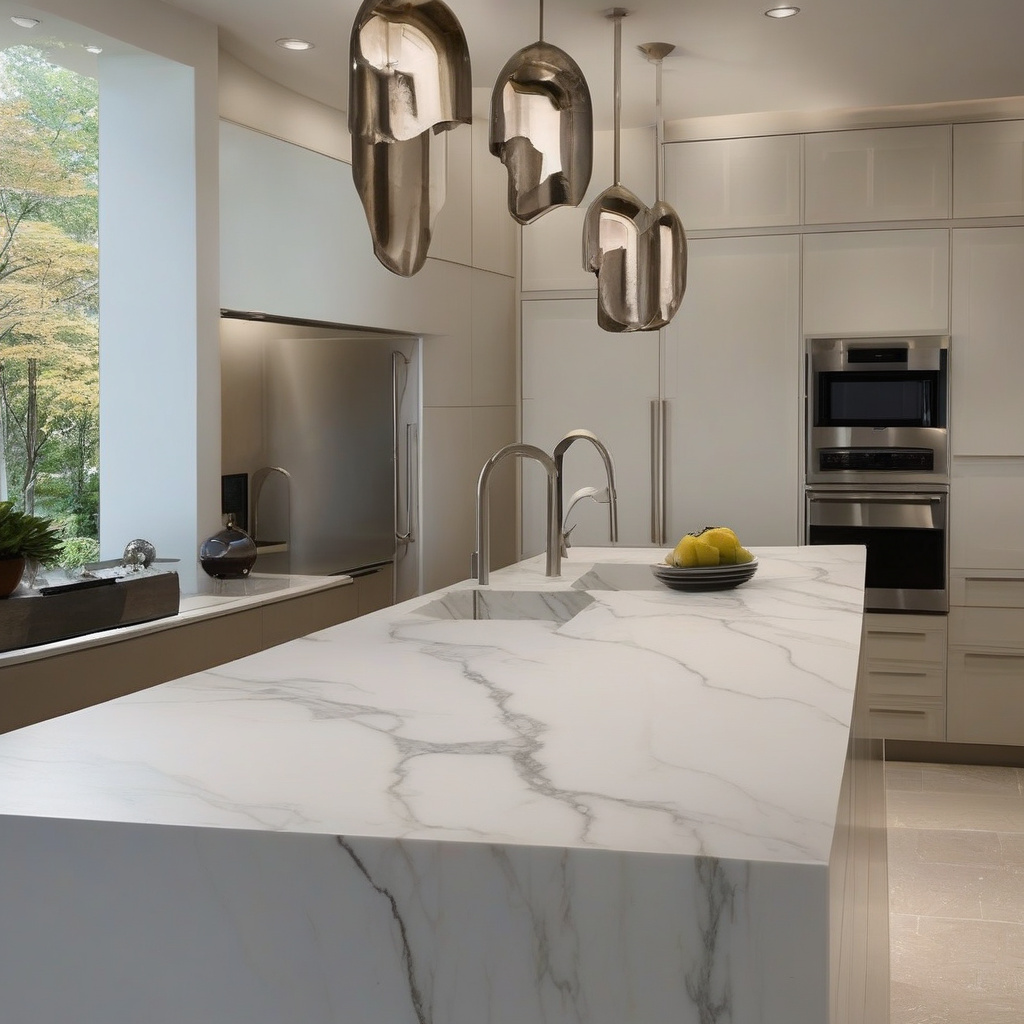
When sleek, seamless design is a homeowner’s priority, undermount sinks are often the go-to choice. Unlike their drop-in counterparts, these sinks are mounted beneath the countertop, creating a smooth, uninterrupted flow from surface to basin. This characteristic not only enhances the overall aesthetic but simplifies cleaning—no pesky sink rims to trap debris!
In the realm of coastal kitchen layouts, popular for their sleek, open feel, undermount options frequently feature. With no exposed sink lip, these sinks complement minimalist designs and are particularly favored in contemporary settings where every line and surface exudes purpose and precision.
However, installation demands precision. The sink cutout must be exact to prevent seepage issues, which can be a concern for any sink type. Many homeowners find themselves debating various materials, with options ranging from stainless steel to composites that offer diverse colors and finishes.
Though elegant, undermount sinks can be less forgiving than other types, particularly if countertops experience accidental impacts. Selection of a durable counter material is hence critical in maintaining long-term performance and aesthetic resistance to damage.
Overall, the sleekness of an undermount sink aligns with modern sensibilities, offering both functional and visual harmony that appeals greatly to style-savvy Southern Californians.
Stainless Steel Sinks: Durable and Versatile
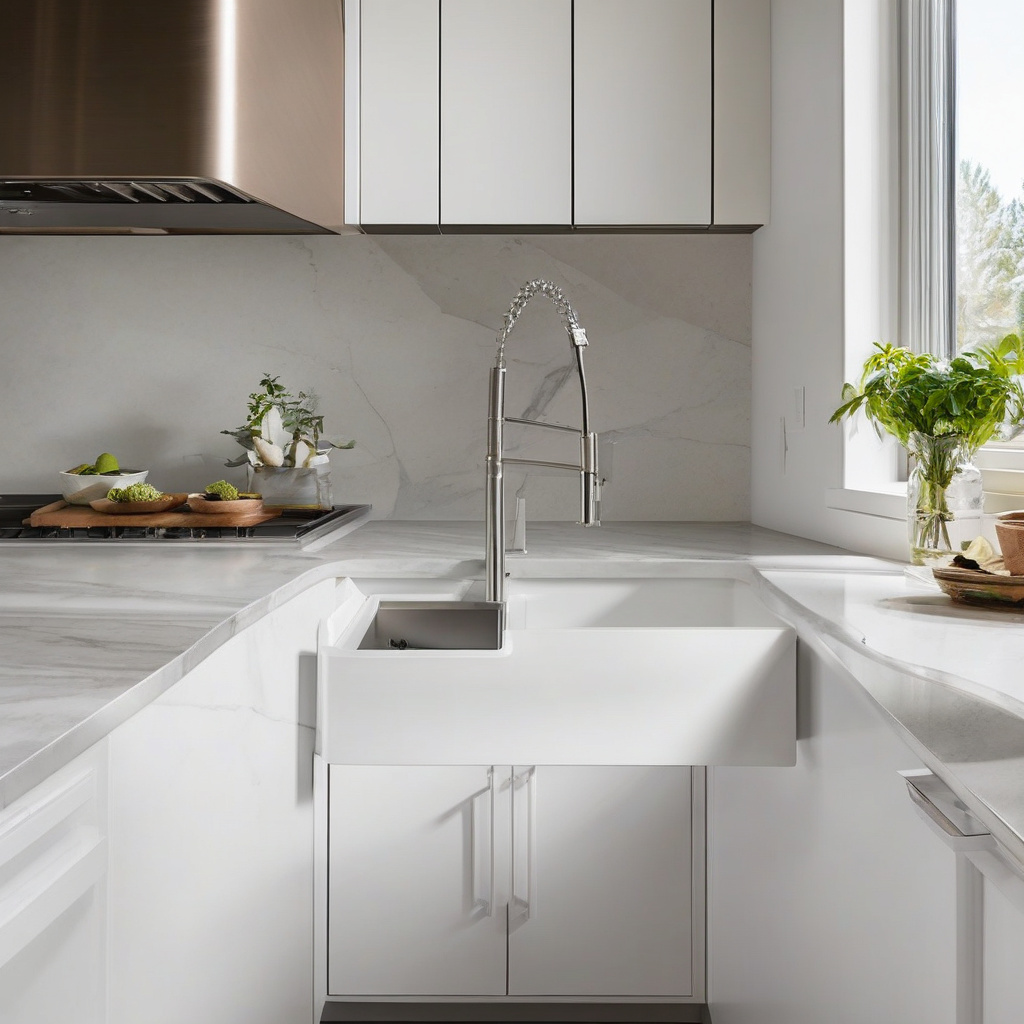
The mantra of “functional simplicity” seems to encapsulate the allure of stainless steel sinks. Known for their durability, resistance to stains, and ease of cleaning, these sinks are a staple in high-traffic kitchens throughout Los Angeles. Their versatility and relatively affordable cost make them particularly appealing to budget-conscious homeowners.
In professional settings where constant use is standard, stainless steel shines—literally and figuratively. It’s a material that can withstand temperature fluctuations and resist impacts, a practical benefit that numerous homeowners echo in their choice. The metal’s finish can also range from satin to brushed, each bringing a distinct texture to the kitchen palette.
Stainless, however, isn’t flawless. Its susceptibility to scratches and propensity for losing its sheen if mishandled or improperly cleaned is a consideration. Experts advise regular cleaning with mild detergents and soft cloths to sustain its appearance.
Functionally, these sinks are easy winners, their industrial aesthetic lending itself well to both urban modern and transitional designs. As a practical choice for long-term kitchen usability, this type continues to attract a diverse demographic seeking understated style combined with hardy serviceability. The decision to incorporate stainless steel elements can also help keep budget hikes at bay, offering a smart balance of cost to performance.
For many, the stainless steel sink remains a paragon of efficiency, seamlessly bridging the gap between trendy and timeless.

Comparing Sink Options: A Comprehensive Overview
Each sink type beckons with its own set of promises and practicalities. Let’s break down these choices in terms of cost, functionality, and overall impact on renovation projects in Southern California:
| Sink Type | Features | Approximate Cost | Installation Complexity | Popular Materials |
|---|---|---|---|---|
| Farmhouse | Deep basin, vintage appeal | $700 – $2,500 | High | Fireclay, cast iron |
| Undermount | Sleek, modern lines | $200 – $1,000 | Moderate | Stainless steel, granite composite |
| Stainless Steel | Durable, versatile | $100 – $500 | Low | Stainless steel |
A balanced understanding of what each sink type offers can significantly mitigate long-term renovation challenges. By aligning choices with specific kitchen needs and styles, homeowners can choose the best fit with confidence.
Practical Steps for Sink Selection
For those ready to dive into the decision-making process of selecting the perfect kitchen sink, a structured approach can make all the difference. From initial considerations to final execution, following a systematic plan is crucial.
Step 1: Evaluate Kitchen Needs
Consider how you use your kitchen daily. Are you an avid chef, using every pot and pan available? Or is your kitchen more of a social hub, where aesthetics take precedence over function? Understanding these needs helps narrow down sink types from the outset.
Step 2: Determine Your Design Aesthetic
Align your choice with the overall style of your kitchen. Whether it’s rustic chic or contemporary elegance, the sink should complement your chosen design narrative. Examine whether the right material decisions for your sink and counter match your kitchen’s visual and functional goals.
Step 3: Consult with Professionals
Engage with renovation experts who can provide insights on practical challenges and installation intricacies. An experienced professional can highlight potential pitfalls and offer solutions tailored to your home’s unique needs.
By carefully evaluating these elements, homeowners can embark on a renovation journey that is both inspired and informed, setting the stage for a kitchen that truly feels like the heart of the home.
Balancing Cost and Quality: Smart Decisions
Crafting a kitchen that showcases style without eclipsing the budget is a common challenge. In a state known for both its laid-back lifestyle and penchant for glamour, homeowners must evaluate how best to achieve high returns on their investments.
One shouldn’t underestimate the importance of budgeting when selecting a kitchen sink. Each type has its specific cost tier, affecting not only the immediate purchase but long-term maintenance and professional upkeep. A significant concern often highlighted by industry experts is the risk of budget creep—unexpected increases in costs. Addressing the nuances of sink selection through detailed planning can help minimize financial overextensions.
The National Kitchen & Bath Association reports that kitchen remodels offer one of the highest returns on investment, with quality installations yielding strong resale value increases in home markets.
In conclusion, making informed choices about sink types and installation strategies is paramount. By considering both cost and functional needs, homeowners can enjoy a kitchen that merges form and function, suited to the diverse demands of Southern California living.

A survey of LA-area residents found that over 60% prefer renovation options that offer both modern conveniences and a nod to traditional styles, with the kitchen sink being a focal point in these designs.
Industry experts note that the versatility of sink options available today allows for significant customization, aligning closely with individual homeowner aspirations and budget constraints.
- Understanding sink functionality and aesthetics is key to successful kitchen remodeling.
- Farmhouse, undermount, and stainless sinks each have distinct pros and cons.
- Proper budgeting and planning can help prevent cost overruns during renovations.
- Evaluating personal kitchen usage assists in making informed decisions about sink types.
“`html
FAQ
What are the key differences between farmhouse, undermount, and stainless sinks?
In real renovation projects, choosing between farmhouse, undermount, and stainless sinks isn’t just a matter of aesthetics; each type has distinct functional benefits suited to different needs and preferences. Farmhouse sinks, with their traditional appeal, feature a deep basin that’s perfect for washing large pots and pans, making them ideal for homes with a rustic or country design. Undermount sinks offer a sleek look and a seamless countertop-to-sink transition, simplifying daily cleaning routines by enabling easy wipe-down of crumbs and liquids. Stainless sinks, known for their durability and resistance to stains and rust, are a favorite in contemporary kitchens where functionality meets style. Homeowners often choose based on their kitchen’s design theme, maintenance preferences, and daily kitchen activities. Understanding these elements helps in making an informed decision suited to your lifestyle.
How do I decide which sink type is right for my home?
Deciding on the right sink type for your home hinges on a few key considerations: your kitchen’s design style, your installation preferences, and your cleaning habits. For instance, a farmhouse sink might be the right choice if you favor a traditional or rustic aesthetic and require a large space for washing. If your priority is having a modern, streamlined countertop, an undermount sink could be ideal, eliminating the lip of a sink edge. For those who value low-maintenance options that never go out of style, a stainless steel sink might be preferable. It’s also important to think about how often you cook and clean; regular, heavy-duty use may favor a more robust material like stainless steel, whereas occasional cooks might prioritize design over function. Conducting a thorough evaluation of how you use your kitchen will guide you to the perfect sink type.
When does it make sense to install an undermount sink?
Undermount sinks make a lot of sense when aiming for a modern, clutter-free kitchen design. These sinks offer a continuous flow from countertop to sink, which greatly facilitates effortless cleaning—no annoying rim to gather crumbs or grime. This is particularly beneficial in newer builds where countertops like quartz or granite offer an expansive surface for seamless integration. However, the installation requires a solid, non-porous surface to prevent water damage. That’s why it’s critical when planning a renovation to ensure that the countertop material can support and reinforce the sink’s weight. In settings like busy family kitchens or open-plan designs where every inch of space counts, the undermount sink doubles as both a functional feature and an aesthetic asset.
What are some common mistakes homeowners make when selecting sink types?
Homeowners frequently underestimate the importance of aligning sink choice with their daily habits and kitchen design. One common mistake is selecting a farmhouse sink purely for its aesthetic appeal without considering its weight and the structural reinforcement needed, which can be significant in older homes. Others might choose an undermount sink without assessing if their countertop material is suitable, risking water damage over time. It’s also typical to overlook the importance of sink depth, impacting usability—too shallow, and you’ll splash water; too deep, and it might strain your back. Practicality often takes a back seat to style, leading to choices that don’t match lifestyle needs. Ensuring that function complements form is the key to a successful kitchen remodel.
What are the cost considerations for different sink types?
When planning a kitchen renovation, understanding the cost implications of different sink types is crucial. Farmhouse sinks, due to their size and intricate installation requirements, often incur higher expenses both in purchase price and labor. They might also necessitate additional cabinet modifications to support their weight. Undermount sinks, while moderately priced, demand a higher overall installation cost because they require precise fitting and durable countertop materials. Stainless sinks tend to be more budget-friendly, particularly if chosen in standard styles and sizes, but can vary in price depending on gauge and finish. Balance the long-term benefits and potential resale value against upfront costs for a well-rounded decision. For personalized advice on costs, consider reaching out through this helpful expert contact resource.
What are the maintenance requirements for each sink type?
Each sink type comes with its own set of maintenance tasks to ensure longevity and aesthetic appeal. Farmhouse sinks, often crafted from materials like fireclay, require gentle, non-abrasive cleaning agents to preserve their finish. Undermount sinks demand regular sealing and meticulous edge cleaning to prevent mold and mildew, owing to their flush installation. Stainless sinks are lauded for their easy upkeep; they resist stains but benefit from occasional polishing to fend off water spots. In real-world usage, many homeowners find that understanding these maintenance quirks can avert common inconveniences. A tip? Keep a polishing cloth and pH-neutral cleaner handy to stay ahead of grime across any sink type.
What are the pros and cons of stainless steel sinks?
Stainless steel sinks are a popular choice in many American homes for several reasons. To their advantage, they’re incredibly durable, corrosion-resistant, and can withstand high heat, making them ideal for busy kitchens. They also blend well with various countertop materials and kitchen styles. However, they do have a downside: they can be noisy and are prone to scratches and water spots, which means regular cleaning and maintenance is necessary to keep them looking pristine. On the flip side, the noise issue can be mitigated by choosing a thicker gauge. Weighing these pros and cons in your specific kitchen environment and lifestyle will help determine if a stainless steel sink aligns with your living space.
In what scenarios might a farmhouse sink be a disadvantage?
While farmhouse sinks are beloved for their vintage charm and deep basins, they can present challenges in specific scenarios. Their heavy weight often requires cabinetry modification, which may not be feasible in all renovations, especially if you’re working with existing cabinetry that can’t be easily adjusted. The installation itself can be expensive and time-consuming. Farmhouse sinks are also less space-efficient, consuming more countertop and below-sink storage area. Finally, the extended front poses a difficulty for homeowners with small kitchens or compact layouts. In such cases, considering alternative options, such as single-bowl undermount sinks, can provide a similar level of functionality without disrupting the kitchen’s existing flow or design.
“`