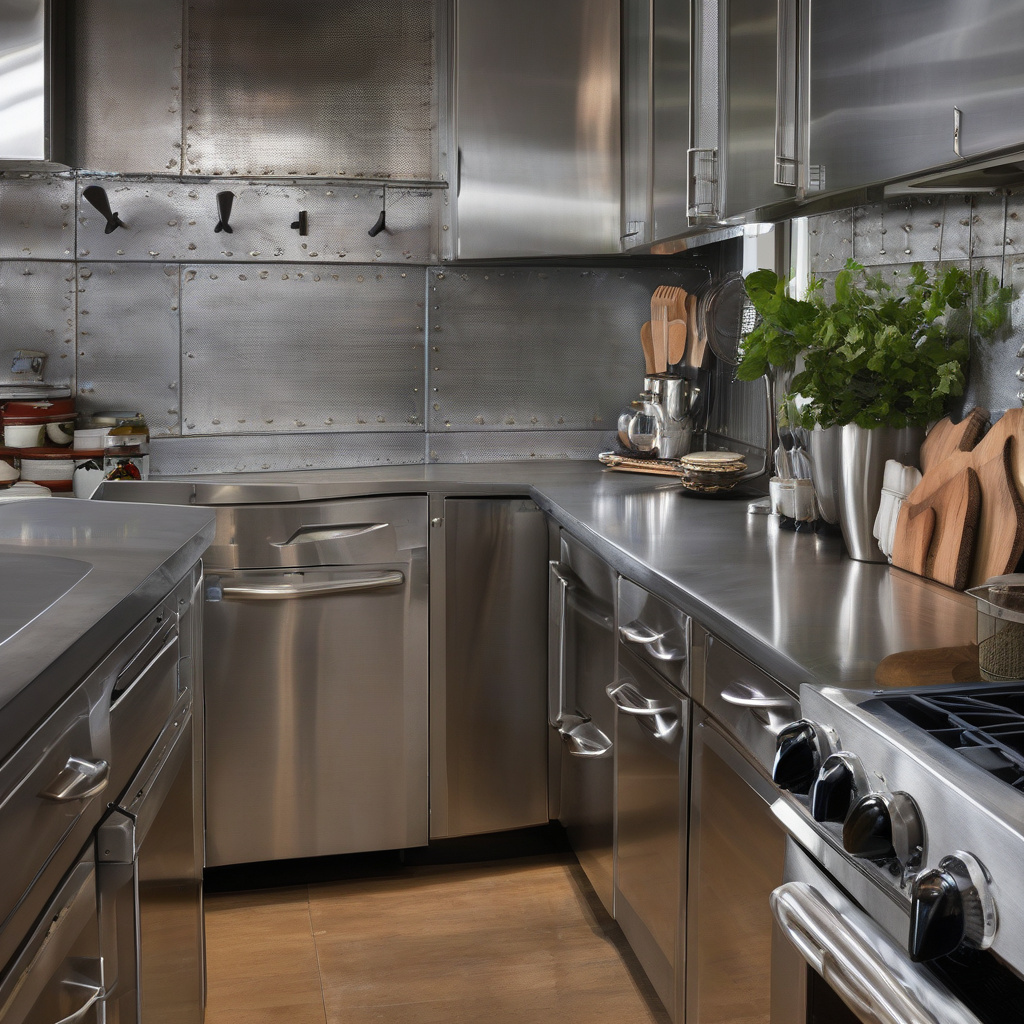
Amidst the sprawling urban tapestry of Los Angeles, the industrial-style kitchen emerges as a bold expression of modern lifestyle aesthetics. With its distinct combination of metal accents, exposed hardware, and concrete textures, this design trend offers not just visual allure but also remarkable durability. It’s the ideal choice for LA homeowners seeking to marry functionality with an urban artistic touch.
Brief summary: This article explores the growing trend of industrial-style kitchens in Los Angeles, highlighting their urban appeal and durability. It covers the use of metal and concrete elements, discusses the practicalities and challenges, and provides insights for homeowners considering renovations.
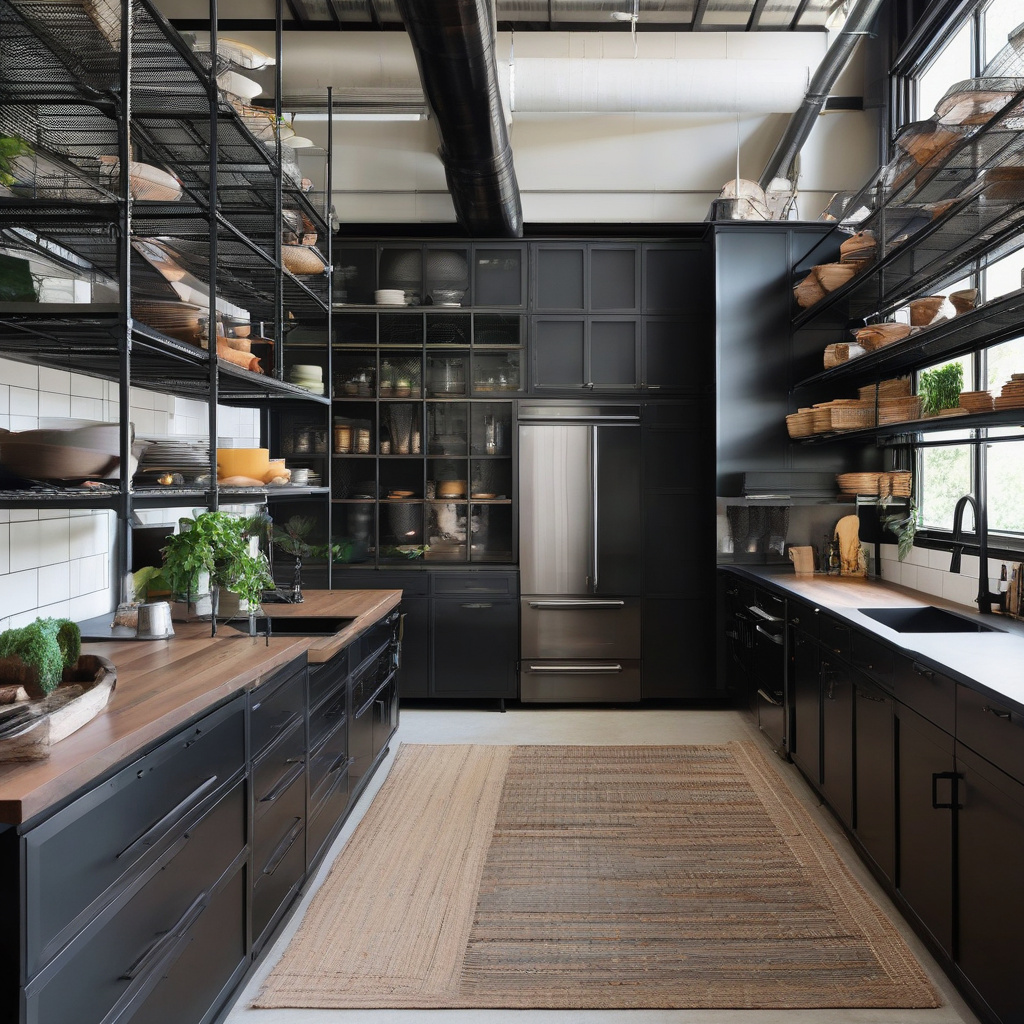
The Rise of Industrial Kitchens in Urban Homes
Los Angeles, renowned for its eclectic architectural styles, has seen a rise in industrial kitchens reflecting the city’s urban culture. This trend, characterized by sleek metallic surfaces and raw concrete elements, offers residents not only a modern aesthetic but also a touch of the practical. As local experts note, the industrial kitchen is not just about appearance; it’s built for the rigors of daily use, particularly suited to the active lifestyles of Angelenos.
Industrial designs draw inspiration from old factories and industrial spaces, converting them into warm yet contemporary kitchens. With its roots firmly planted in history, this style offers a sense of nostalgia, transporting homeowners back to a time of innovation and industry. This juxtaposition delights modern homeowners who seek both innovation and functionality in their living spaces.
Cost-effectiveness is another draw for those considering an industrial overhaul. Many find investing in durable materials, such as stainless steel and weathered wood, can be financially wise in the long run. For more information on budgeting and finding suitable materials, you can discover expert remodeling tips here.
Ultimately, the industrial kitchen is not just a trend—it’s a lifestyle choice. It appeals to those who see beauty in the simplistic and power in the unrefined. For Los Angeles homeowners, the allure of industrial kitchens lies in their resilient nature and timeless charm.
Structural Foundations: Metal and Concrete
At the heart of the industrial kitchen’s appeal lies its foundational elements: metal and concrete. These materials, once relegated to the world of construction, have stepped into the limelight as the avant-garde face of modern interior design. Their inclusion in kitchen design is both a nod to minimalism and a celebration of robust, lasting architecture.
The appeal of concrete is multifaceted. Its raw texture and neutral palette offer a versatile background that pairs seamlessly with more vivid elements like brightly colored appliances or intricate tilework. As many local homeowners notice, concrete provides the perfect canvas for creative expression while standing the test of time.
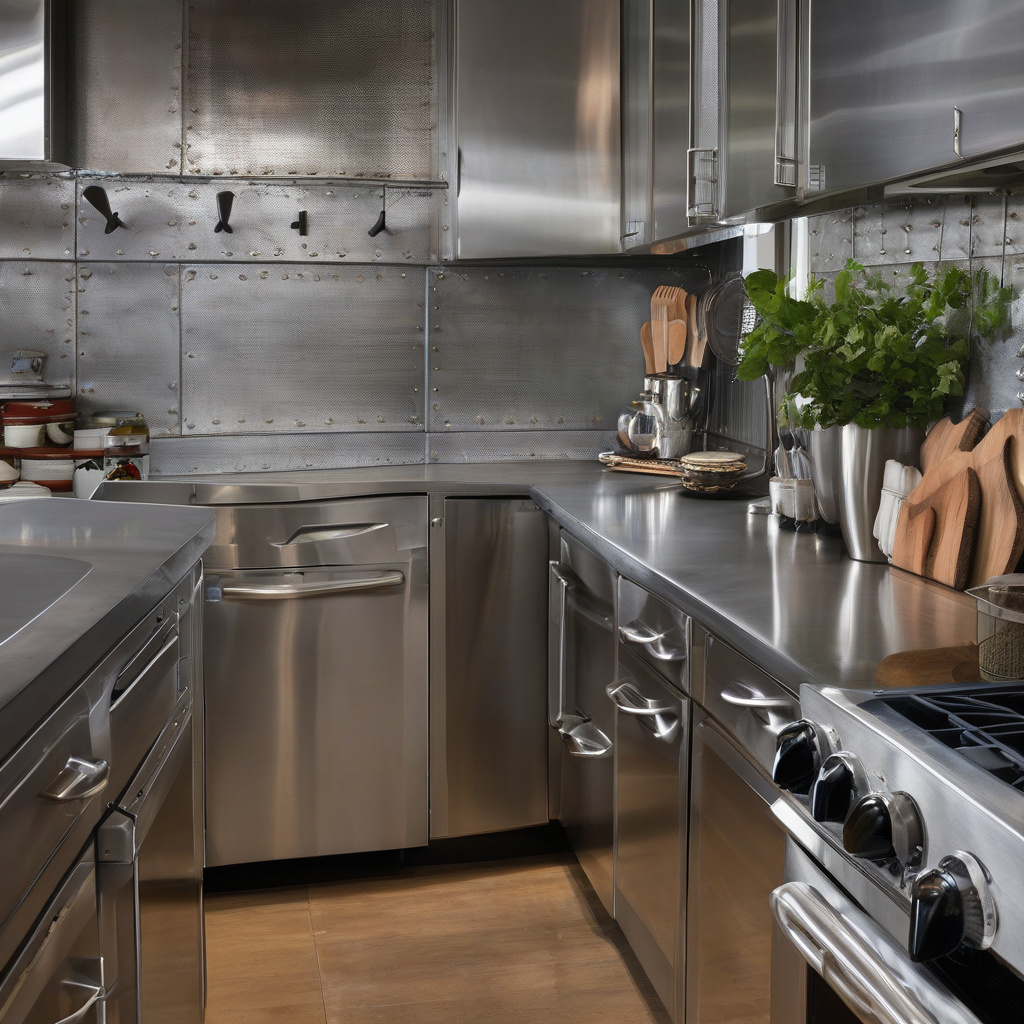
Metal accents further embellish the industrial style, with surfaces reflecting light and adding a sense of spaciousness to even the smallest of kitchens. The durability of stainless steel, in particular, makes it a coveted choice for countertops and cabinetry. With its non-porous surface, cleaning becomes a breeze, a practical consideration for any homeowner.
Understanding the unique balance between these materials is crucial when planning an industrial kitchen. For a detailed guide on selecting rental-friendly options and balancing aesthetics with practicality, explore this comprehensive resource.
Ultimately, combining metal and concrete allows homeowners to create a space that’s not only visually impactful but also supremely functional.
Design Considerations and Layout Choices
When designing an industrial kitchen, attention to layout is paramount. Open floor plans are popular choices, allowing for a seamless flow between the kitchen and adjoining living spaces. This openness enhances the airy, urban feel desired by many city dwellers.
Incorporating island countertops can serve multiple functions, from food preparation to casual dining. They offer additional storage solutions and can be a central gathering spot for family and friends. It’s the perfect intersection of style and pragmatism. Selecting finishes that blend with existing home décor is crucial to maintaining harmony across spaces.
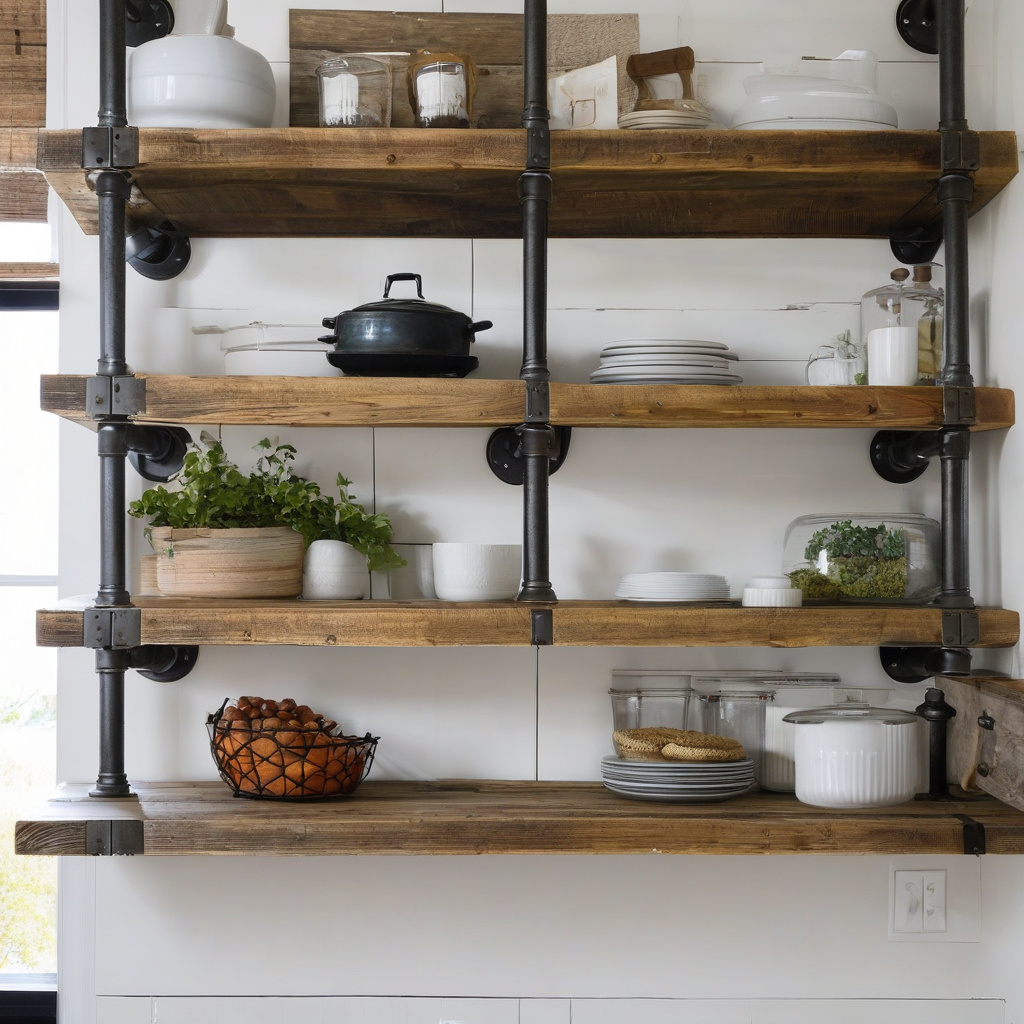
For those wondering how to begin integrating these industrial elements into their kitchens, a step-by-step approach can be helpful. Start by identifying key areas that need transformation—perhaps replacing old cabinets with open shelving or introducing a concrete countertop to replace worn surfaces.
The decisions you make should echo both your personal taste and the practical needs of your home. For those seeking inspiration from real-life transformations, you might find it insightful to view stunning before-and-after transformations that encapsulate the essence of industrial charm.
As always, consider the implications of structural changes and possibly consult with professionals who can provide valuable insights and ensure your project’s success.
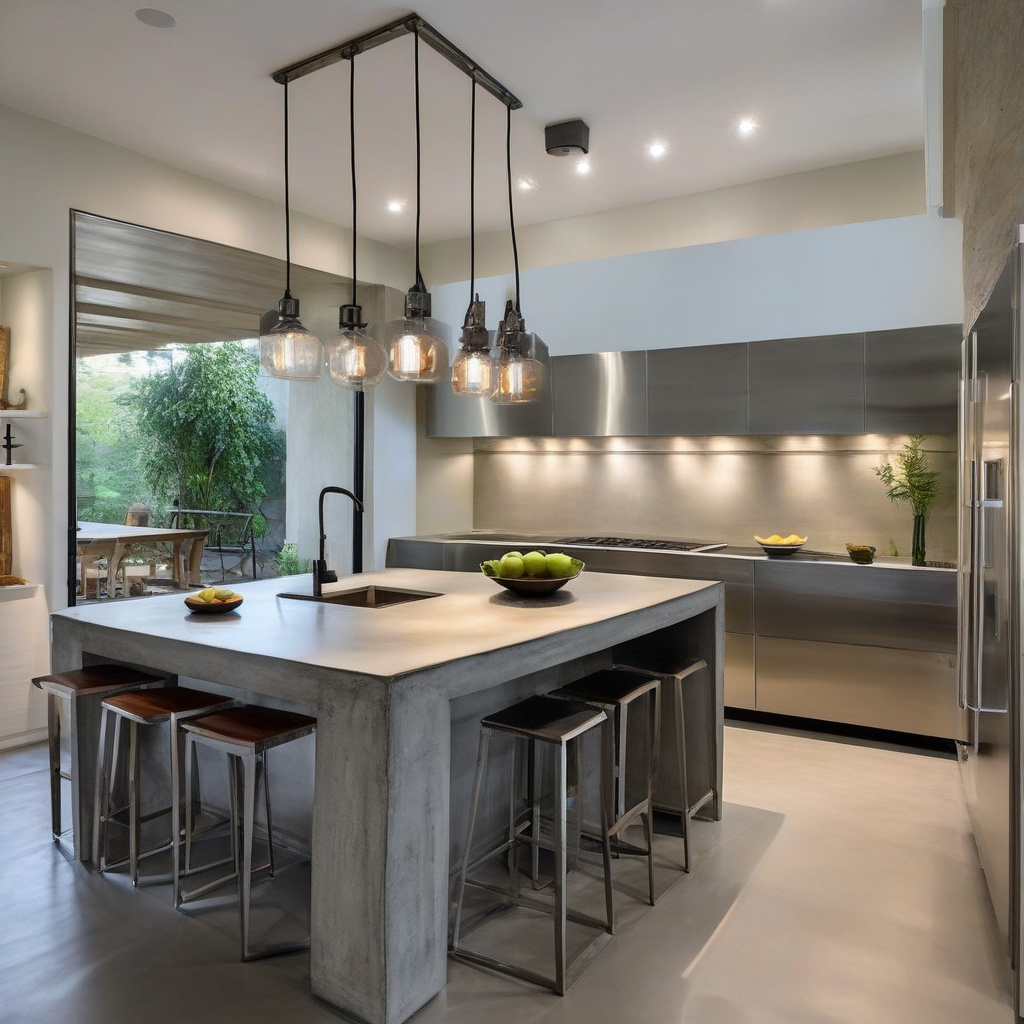
Advantages and Challenges of Industrial Kitchens
While industrial-style kitchens offer various advantages, they do come with their set of challenges. Acknowledging these can help homeowners make informed decisions when transitioning to an industrially inspired space.
The durability of industrial materials is undeniable, making them excellent choices for those prioritizing long-term wear and tear over short-term aesthetic pleasure. However, the initial cost of some industrial elements, such as bespoke metallic fixtures, might exceed traditional options. It’s important to balance immediate outlay with the potential savings on maintenance over time.
Furthermore, while the minimalist industrial style appeals to many, it may not suit homeowners who prefer a cozier or more traditional look. The stark lines and raw materials can sometimes feel too austere, requiring soft touches—such as textiles or lighting— to introduce warmth into the space.
Lastly, the complexity of working with materials like concrete should not be underestimated. Professional assistance might be required to navigate the structural intricacies involved, particularly in older homes. For an exploration into various backsplash options that complement industrial designs, learn more about different designs here.
Embracing the industrial aesthetic is a commitment to a lifestyle that values both enduring quality and cutting-edge design.
A 2023 renovation report indicates that 50% of LA homeowners opting for industrial kitchens prioritize durability above all other design elements.
Microstories from the Metropole
Consider the story of Jane and Tom Greene, a couple residing in West Hollywood who, amidst the hustle and bustle of city life, longed for a kitchen that echoed both their modern sensibilities and artisanal spirit. Embarking on an industrial renovation, they discovered the joys and trials of working with concrete and metal. Their journey, fraught with choices over finishes and fixtures, ultimately led them to a bespoke space that marries utility with urban elegance.
As Jane reflects, the path to their dream kitchen was paved with decisions reflecting both aesthetic and functional priorities. They opted for exposed shelving to display their curated collection of vintage cookware, perfectly complementing the utilitarian yet chic metal countertops.
Like their experience, many Angelenos find that an industrial kitchen is not merely a design project but a labor of love that combines family heritage with contemporary style. For some, creating the perfect kitchen space is a pursuit that involves as much personal discovery as it does practical planning.
These anecdotal narratives illuminate the diverse paths Los Angeles residents take towards achieving industrial design harmony in their homes.
Implementing Your Industrial Kitchen Design
First, establish a clear vision by collecting inspiration from various sources such as magazines, online portals, and home tours. With a vision in mind, assess your current kitchen space and identify which elements must align with your industrial aspirations. Consider consulting with contractors who have a proven track record in industrial renovations.
- Define your budget and prioritize spending on essential materials.
- Choose materials that balance both style and endurance, such as engineered concrete and sustainably sourced metals.
- Optimize layout efficiencies by considering workflow and accessibility.
- Finally, add personal touches that reflect the unique tastes of those who will inhabit the space.
Translating industrial ideals into realized spaces is a process, one that is as rewarding as it is labor-intensive.
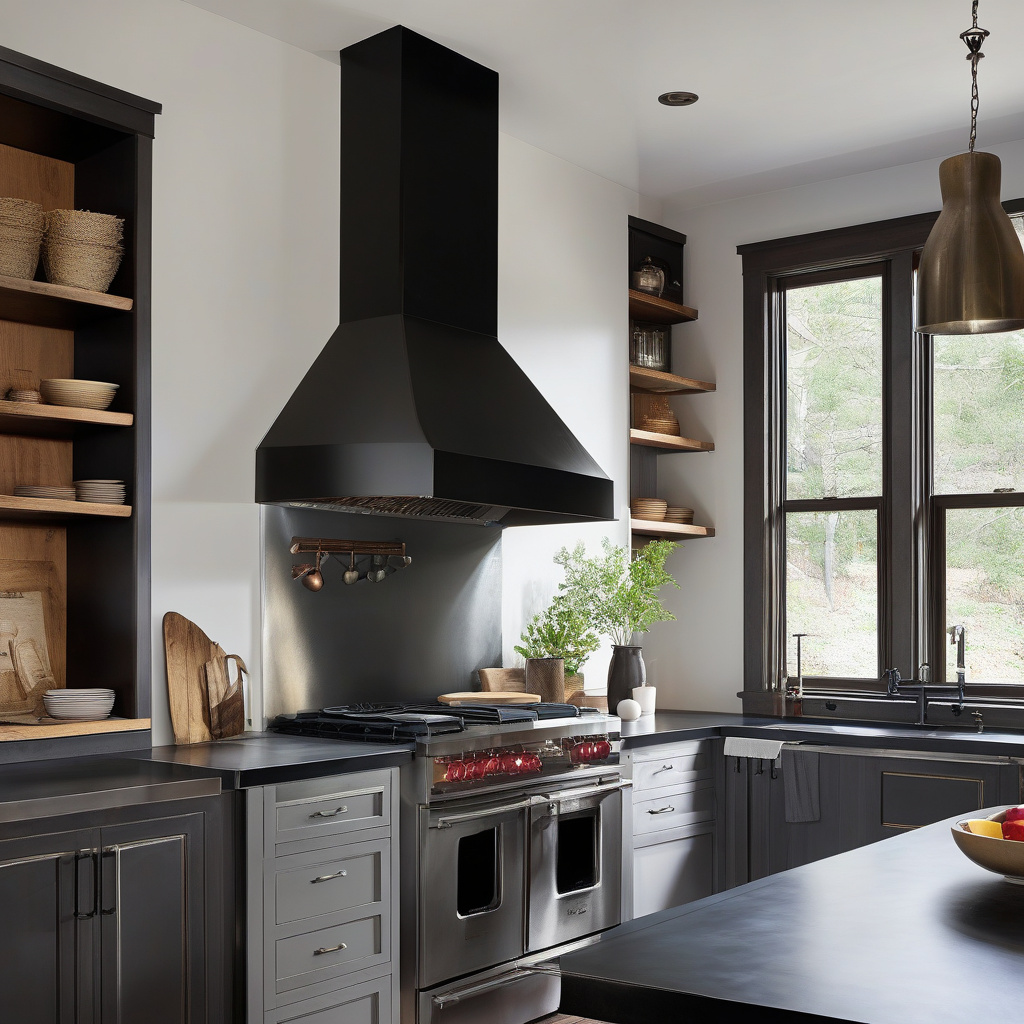
Comparing Costs and Material Values
When it comes to costs, project comparisons reveal that while some elements of industrial design may command a premium, others offer significant savings. It’s beneficial for homeowners to weigh these aspects against potential returns on investment.
| Element | Estimated Cost Range | Durability |
|---|---|---|
| Concrete Countertops | $60 – $120 per sq. ft. | High |
| Stainless Steel Cabinets | $800 – $1,500 per linear ft. | High |
| Metal Fixtures | $150 – $500 each | Moderate |
As with all major investments, it’s crucial to balance the quality of materials and installation with the overall design intent and expected return on investment.
According to industry professionals, incorporating stainless steel in your kitchen can increase a home’s resale value by up to 7%.
Final Thoughts on Industrial Kitchen Designs
As this exploration of industrial kitchens illustrates, the trend offers homeowners a unique opportunity to transform their spaces into expressions of personal style and resilience. As with any renovation, committing to an industrial design is both an emotional and financial investment, but one that promises rich rewards for those daring enough to embark on it.
For those attracted by the rugged elegance of concrete and the brilliant practicality of metal, embracing an industrial kitchen is an opportunity to write their own chapter in LA’s design history. The combination of durability, style, and urban appeal presents a compelling case for any homeowner wishing to stand apart.
As architect Diana Gutierrez comments, “Industrial kitchens are not just about going with the current; they are about anchoring a home in both the past and the future.” Thus, the journey to achieving an industrial kitchen is as much about understanding your personal style as it is about celebrating the vibrancy of urban life.
Ultimately, this design path invites homeowners to reflect on what they truly value, both in their daily routines and their broader lifestyle goals. As you consider your next steps or further explore kitchen aesthetics, taking a closer look at tile vs. slab backsplash options might offer insightful next decisions in your renovation journey.
Design trends indicate that industrial kitchens will evolve, but their core appeal—durability, simplicity, and urban flair—remains steadfast.
- Industrial-style kitchens combine metal and concrete for urban allure and durability.
- These kitchens appeal to those valuing modern aesthetics intertwined with historical industrial charm.
- Practical layouts and open designs enhance kitchen functionality.
- Balancing costs and material choices can optimize both style and investment returns.
- Personal stories reveal the intricate journey of adopting industrial kitchen styles.
FAQ
What defines an industrial-style kitchen?
An industrial-style kitchen is characterized by its use of raw and rugged materials, such as exposed metal and concrete textures. In practice, this style often features open shelving, stainless steel countertops, and visible ductwork, creating a functional and sleek urban aesthetic. Many experts point out that homeowners love the balance between the modern vibe and the durability that these elements provide. This style is particularly popular in Los Angeles due to the industrial history and warehouse conversion trends in the city.
How do I choose materials for an industrial kitchen?
Choosing materials for an industrial kitchen involves selecting robust options that withstand daily wear and tear. In real renovation projects, it often becomes clear that concrete, stainless steel, and reclaimed wood are favorites for their longevity and minimal maintenance. Homeowners frequently underestimate the importance of consistent material use, which ties the space together visually and functionally. For those in California homes, it’s wise to also consider materials that cope well with local climate variations, ensuring durability over time.
When does it make sense to invest in an industrial-style kitchen?
Investing in an industrial-style kitchen makes sense when you are looking for a timeless yet contemporary design that offers durability and easy maintenance. For older properties undergoing renovation, this style can breathe new life into outdated spaces while retaining character. Newer builds with modern systems can leverage this design for a cohesive blend of aesthetics and functionality. Additionally, for heavy daily use, the rugged nature of industrial elements holds up well, providing a practical solution to a busy home environment.
What are common mistakes when creating an industrial kitchen?
A frequent mistake is overloading the design with too many raw elements, which can make the space feel cold and unwelcoming. Many experts point out that balancing metals with warmer tones, like wood or softer textiles, can prevent this issue. Another common error is neglecting practicality in favor of aesthetics: choosing open shelving without considering the upkeep can lead to a cluttered look. It’s crucial to marry the rugged aesthetic with usability, ensuring both functionality and style are achieved.
What are the cost considerations for an industrial-style kitchen?
Cost considerations for an industrial-style kitchen can vary significantly based on material choices and complexity of design. Concrete and stainless steel are durable but may require a higher upfront investment compared to conventional materials like laminate. On the flip side, their longevity can provide savings over time. Homeowners should also budget for specialized finishes or treatments that protect surfaces from inevitable exposure to heat and moisture. To get a precise estimate, consulting with experienced professionals can help understanding specific costs related to your home. For personalized advice or to discuss options, feel free to reach out to a renovation expert.
What are the pros and cons of metal accents in the kitchen?
Pros of metal accents in the kitchen include their durability and modern aesthetic that pairs well with industrial designs. Stainless steel, for example, is resistant to heat and staining and provides a sleek and hygienic surface. However, metal can show smudges and fingerprints, necessitating regular cleaning. Additionally, excessive use of metal might introduce a colder feel, so it should be balanced with warmer materials. Many homeowners find that mixing metals or incorporating softer fabrics can mitigate this issue while still retaining the kitchen’s industrial charm.
How can concrete textures enhance a kitchen’s design?
Concrete textures can significantly enhance a kitchen’s design by adding an authentic industrial touch. Beyond just floors and countertops, concrete can be used in unexpected ways, like as a finish for cabinet fronts or backsplash. Its tactile, raw appeal adds depth and character. In California’s diverse living spaces, ranging from downtown lofts to suburban homes, concrete’s thermal properties are beneficial as well, helping to moderate indoor temperatures. While it requires sealing to prevent stains, many appreciate its raw elegance and longevity, judging it worth the extra care.
What maintenance is required for an industrial-style kitchen?
Maintenance for an industrial-style kitchen focuses primarily on keeping metal surfaces clean and ensuring concrete is well-sealed. Stainless steel surfaces are best maintained with regular wiping using a non-abrasive cloth and cleaner to prevent smudging. For concrete, many experts recommend applying a sealant every few years to guard against water damage and stains; this is a practical tip that extends the material’s lifespan. Additionally, exposed hardware requires periodic checks to ensure everything remains securely fastened and in working order, preserving both form and function.