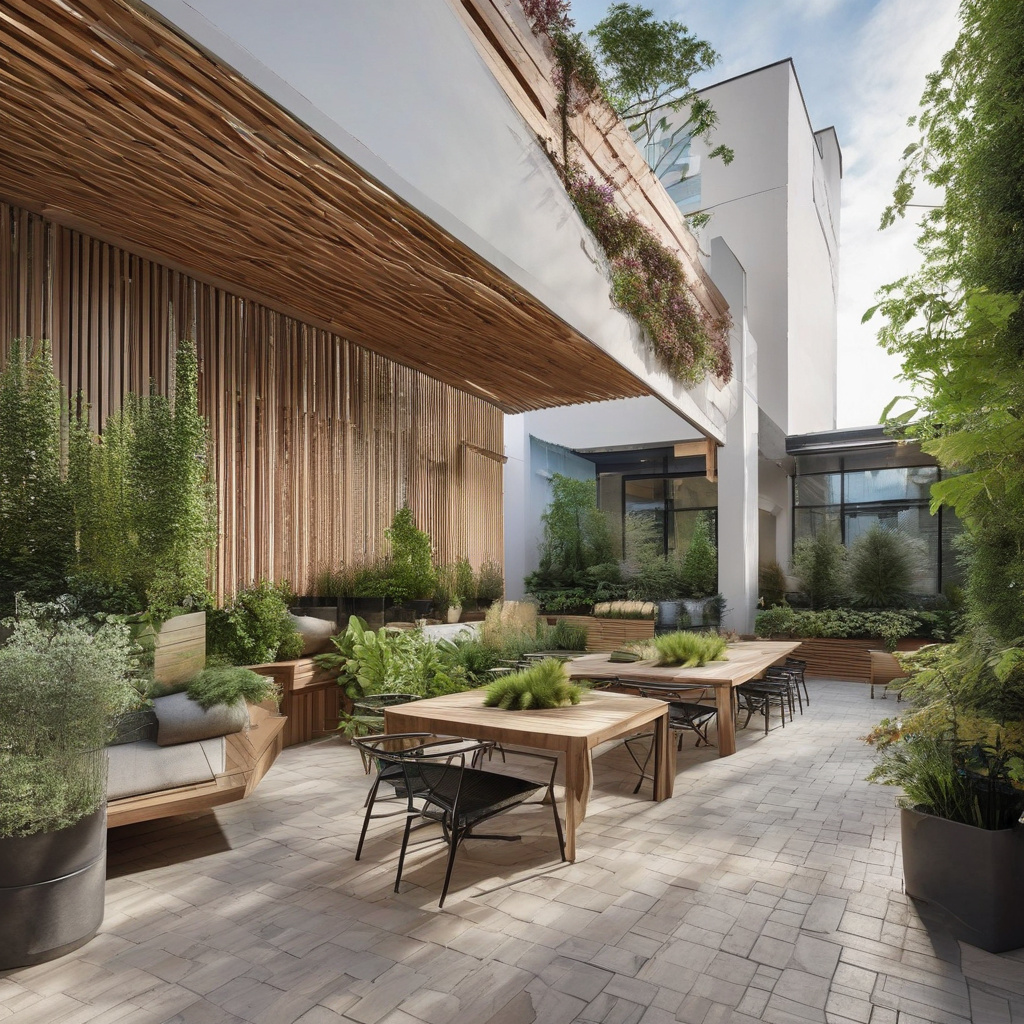
As the City of Angels steadily basks in the golden hues of the setting sun, its residents are redefining outdoor spaces with a flair that blends form, function, and a touch of the unexpected. The deck and patio trends of 2026 in Los Angeles are ushering in a revolution where heat-tolerant materials, soft neutral palettes, and multifunctional designs open new dimensions for year-round outdoor enjoyment.
Brief summary: The article explores the emerging deck and patio trends in Los Angeles for 2026, emphasizing the use of innovative, heat-resistant materials and versatile designs that promote continuous outdoor living. We delve into the practical considerations and aesthetic values transforming these external spaces in tune with Southern California’s unique climate and lifestyle demands.
The Rise of Heat-Tolerant Materials
Los Angeles, famed for its sunny climate, faces the challenge of high heat degrading outdoor materials. This quandary fuels an architectural shift towards heat-tolerant materials in deck and patio renovations. Understanding modern patio options for Los Angeles gives homeowners insight into materials that withstand the sizzling sun. Composite decking is taking center stage, praised for its ability to resist fading and warping, unlike traditional wood.
Engineered stone is making waves, offering a sleek, polished finish with resilience against extreme temperatures. The once-popular redwoods and natural stones are transitioning to history books as homeowners seek longevity and less maintenance. The science behind these materials—often a blend of recycled plastics and bamboo dust—adds an eco-friendly bow to the package.
These innovations aren’t just about aesthetics or durability; they’re about marrying technology with nature. As the industry sources improved materials that mimic the elegance of natural finishes yet outperform their predecessors in withstanding heat, many homeowners are reassured that beauty doesn’t need to be fleeting.
The trend towards such advanced materials isn’t just for comfort—it’s a smart investment in the longevity of outdoor spaces. Experts suggest that the upfront cost is offset by enhanced durability, resulting in lower long-term maintenance expenses.
According to industry insights, composite decking can last up to 25 years, easily doubling the lifespan of traditional wooden decks.
Neutral Palettes: A Symphony of Subtlety
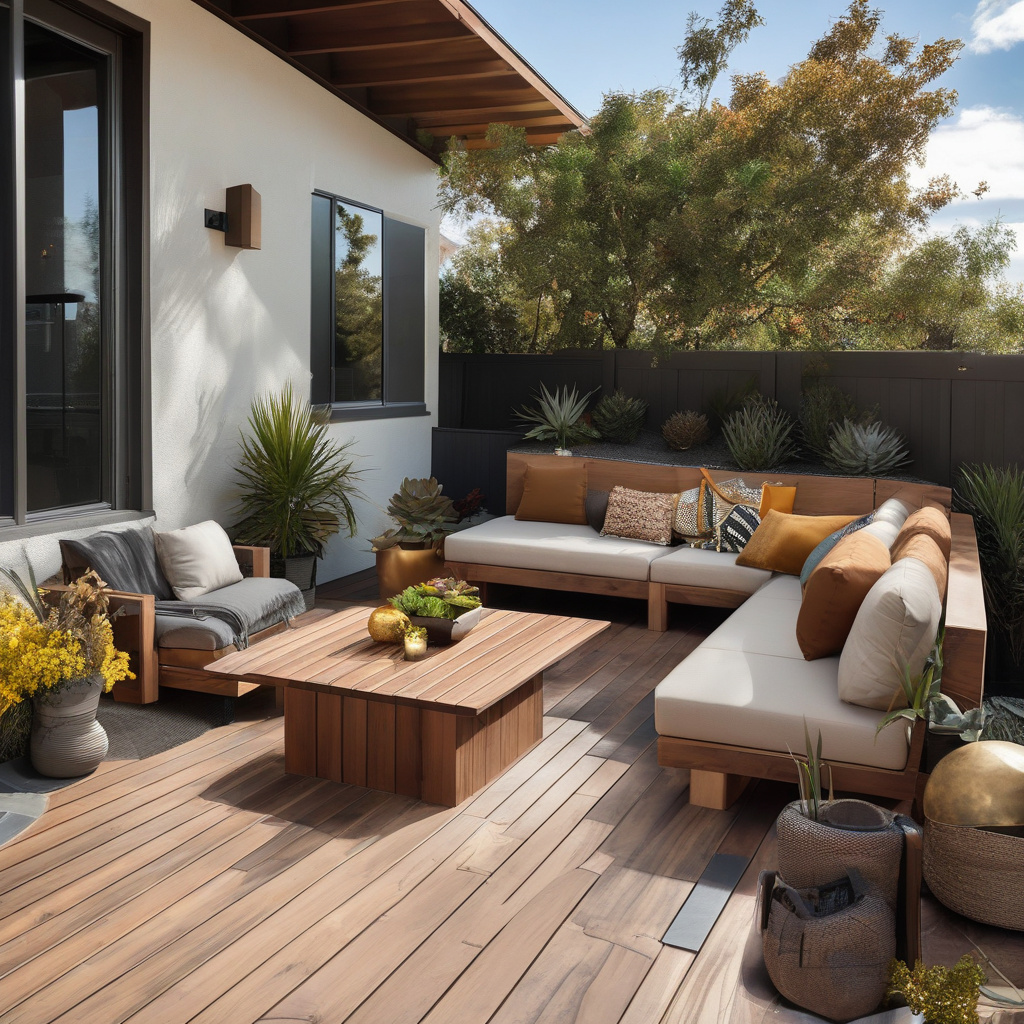
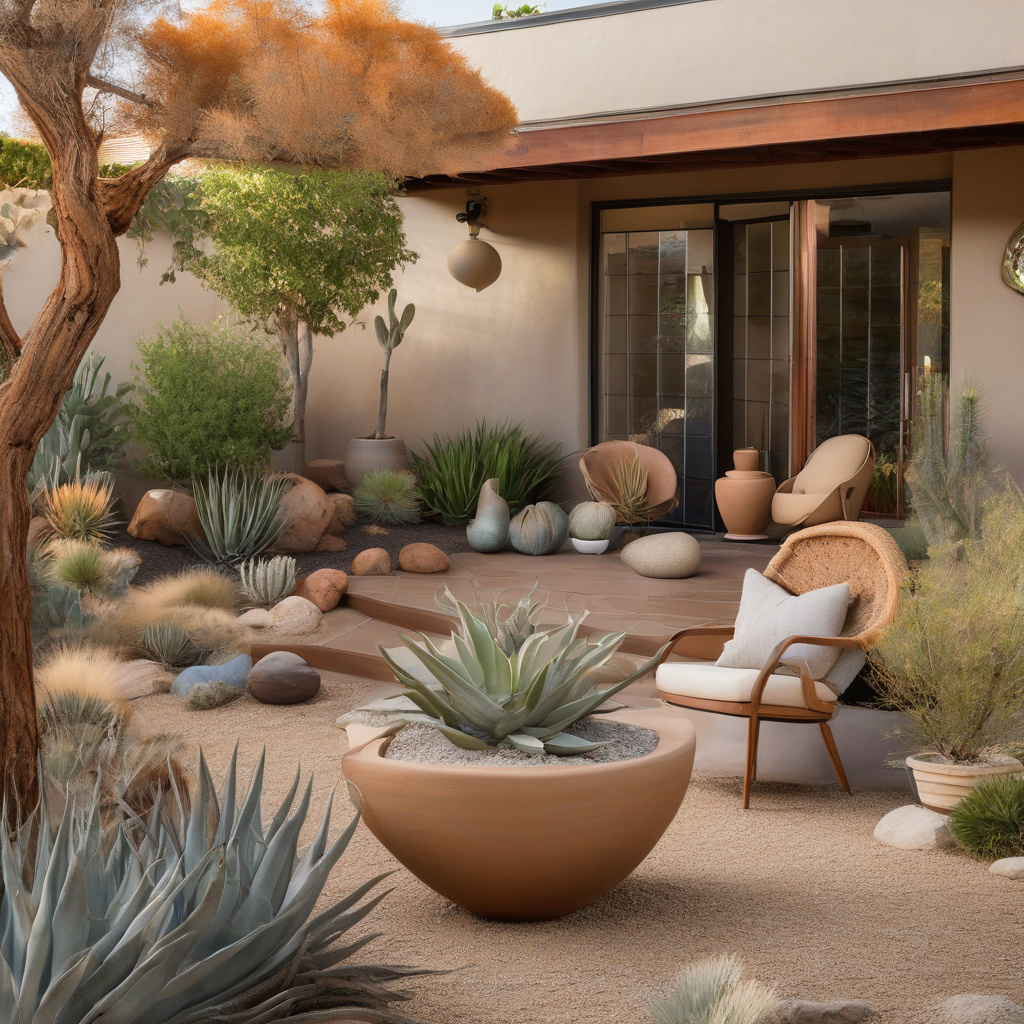
Stepping away from the garish, the palette for decks and patios in 2026 is an ode to nature’s whispers—a hushed extension of the environment. This shift towards inviting exterior aesthetics with a focus on safety not only reflects the urbane tastes of Los Angeles’s homeowners but also enhances the ambiance of these outdoor retreats.
Soft greys, taupe, and muted earth tones dominate, offering a cohesive backdrop that complements both lush greenery and urban landscapes. Neutral palettes possess an intrinsic adaptability, harmoniously aligning with varied architectural styles, from mid-century modernist homes to contemporary minimalist spaces.
The simplicity of neutrals offers a dynamic versatility. These tones allow for seasonal flexibility—adding bursts of color through plantings or accessories becomes effortless. This adaptability is particularly appealing for the design-savvy homeowner who relishes periodic refreshes without major overhauls.
These color schemes aren’t mere visual choices; they are a strategy. By erasing the lines between indoor and outdoor living areas, neutral palettes create a seamless flow, making spaces feel larger and more cohesive.
Research indicates that integrating neutral palettes in outdoor spaces can increase perceived property value by up to 10%.
Multifunctional Layouts: Design Meets Lifestyle
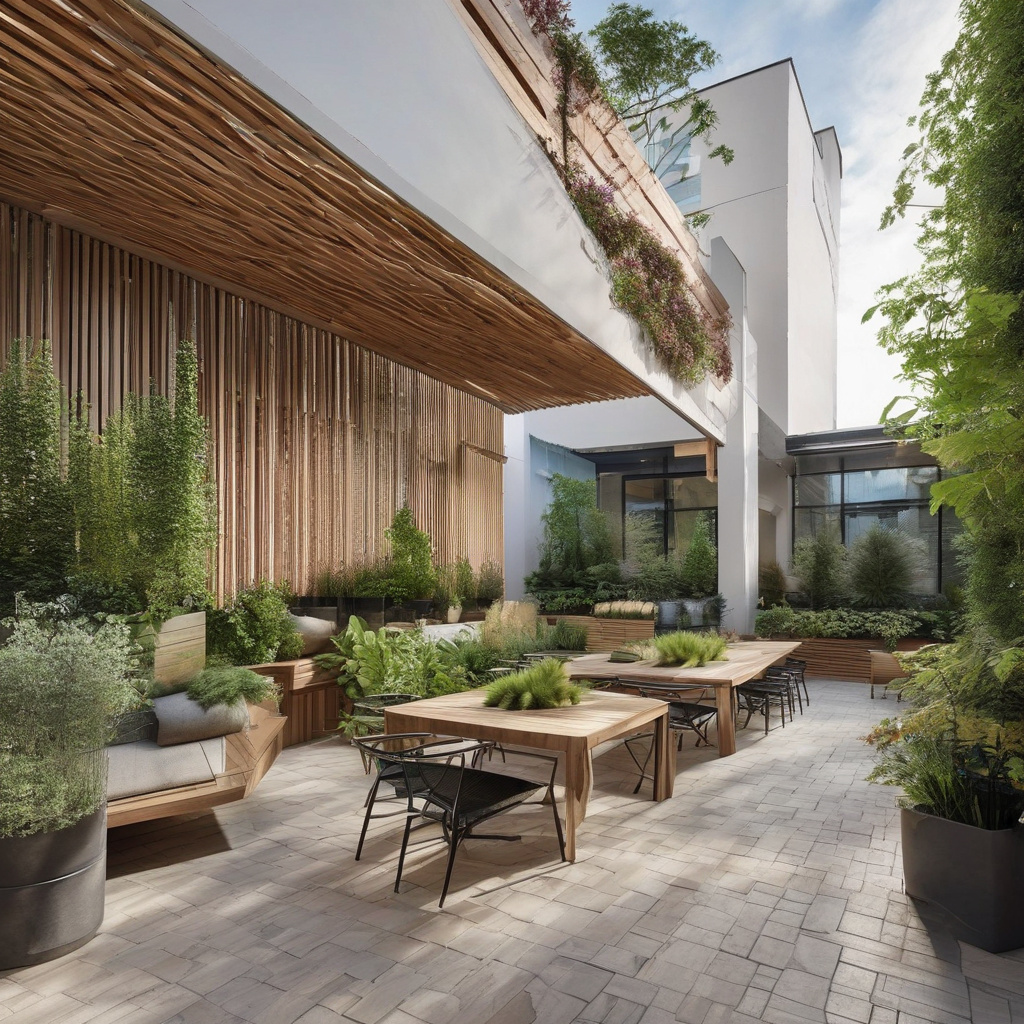
In the heart of Los Angeles’s design ethos for 2026 lies a commitment to multifunctionality. Decks and patios are evolving beyond static spaces into dynamic extensions of the home. It’s about crafting areas that serve multiple purposes—entertainment hubs, serene retreats, and even dining venues.
Versatility begins with clever spatial planning. Modular furniture systems are the new icons, providing flexibility for rearranging spaces to suit every need, from casual lounging to formal dining setups. Adding custom-built features imbues these areas with personality and utility.
Considerations extend to tech-infused innovations. Integrated sound systems, adjustable lighting, and smart outdoor appliances, like grills and pizza ovens, cater to tech-savvy residents looking to enhance their outdoor experiences. These elements echo a growing desire for personalization that reflects the homeowner’s unique lifestyle.
The trend of multifunctional outdoor spaces reflects an industry shift towards optimizing every square inch of a property. It’s about embracing a lifestyle where outdoor living isn’t a seasonal luxury but a year-round necessity, blending seamlessly with the day-to-day activities of its residents.
An expert in outdoor design notes, “The modern deck or patio isn’t just an addition—it’s an integral part of your everyday life.”
Comparing Modern Layout Options
| Feature | Traditional Decks | Multifunctional Spaces |
|---|---|---|
| Purpose | Single-use | Multiple activities |
| Design Flexibility | Limited | High |
| Cost | Lower initial | Potentially higher |
| Longevity | Moderate | Extended |
Embracing Concrete Slabs for Durability
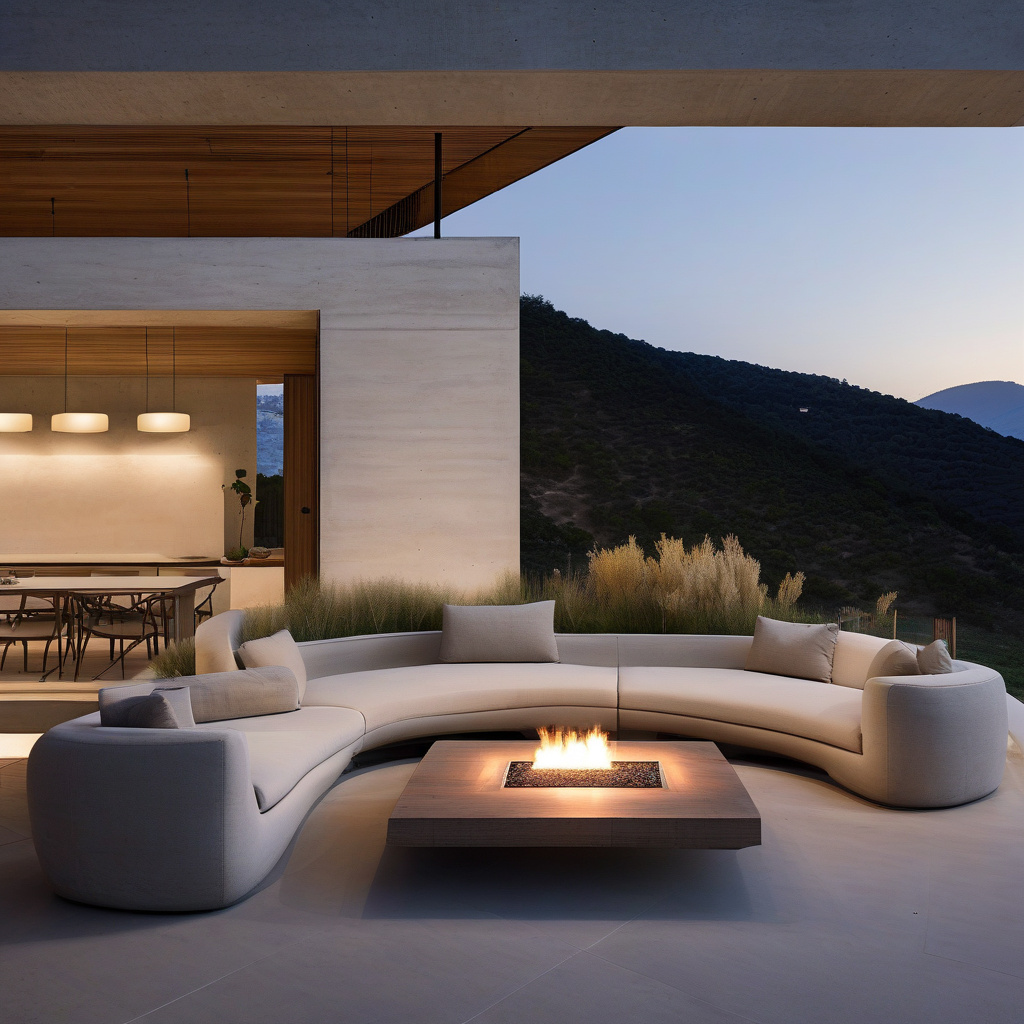
The concrete slab, often viewed as mundane, is now being celebrated for its rugged durability and aesthetic versatility in decking and patio spaces. In a city where chic minimalism and industrial cues are in vogue, exploring the potential of concrete-based renovations offers a compelling proposition for Los Angeles homes.
The advantages of concrete extend beyond its sturdy nature—it is a canvas for creativity. Staining and stamping techniques offer a bespoke touch, transforming plain surfaces into eye-catching art pieces fit for a modern gallery. Such innovations have catalyzed the material’s resurgence in outdoor emboldenment.
From an economic standpoint, concrete slabs offer both cost-effectiveness and fly in the face of convention with their surprising flexibility. They cater to various design preferences, ensuring any deck or patio can assume unique character traits that reflect the owner’s vision.
This concrete clarity in style and function is echoed in the industry’s appetite for sustainable excellence. Although initially significant, the investment yields dividends through diminished maintenance costs compared to more complex structures.
Outdoor Fireplaces: The Centerpiece of Comfort
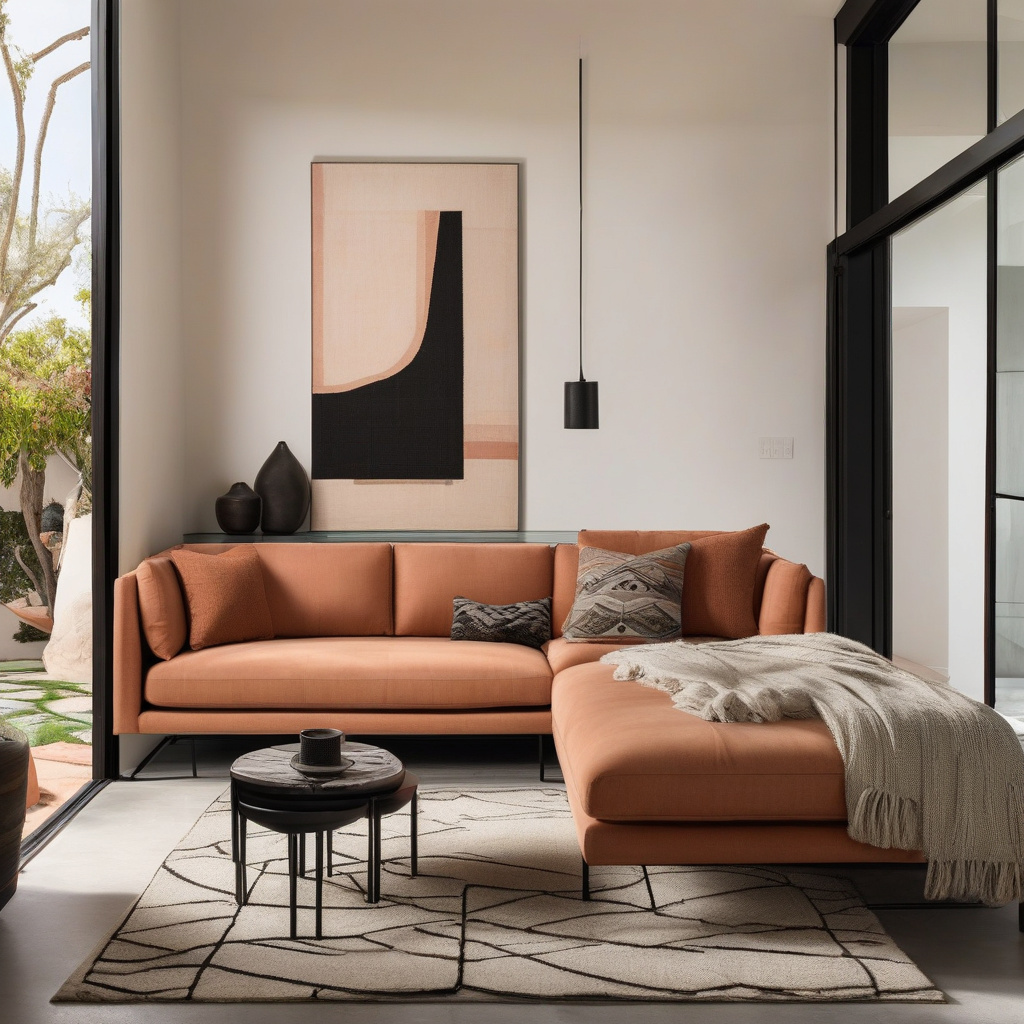
As daylight dwindles and the stars take their stations, the allure of an outdoor fireplace becomes irresistible. Patios and decks in Los Angeles are being transformed with elegantly designed hearths that draw friends and families into their warm embrace—promising coziness across cool Californian evenings. For homeowners looking to add moody elegance, creating an inviting atmosphere with fireplaces is a pathway to heightened pleasure and prestige.
Fireplaces foster an intimate ambiance, ideal for tranquil nights and lively gatherings. They command attention as visual focal points, with modern installations showcasing avant-garde designs. Ethanol burners, linear aesthetics, or rustic stone creations become sculptural installations within the outdoor narrative.
Functionality melds with form here, serving both practical and aesthetic purposes. Integral seating configurations often weather surrounding hearths, encouraging extended hours savoring the gentle crackle of flames dancing against the cool night air.
Such fireplaces embody a dream—a promise that outdoor spaces aren’t restricted by the seasons. With the right design and planning, these installations invite continued enjoyment throughout the year, reflecting the Angeleno spirit of perpetual sunshine.
Studies suggest that adding an outdoor fireplace can enhance property appeal by offering an impressive return on investment of up to 80%.
Installing Your Outdoor Fireplace: A Step-by-Step Guide
- Select the appropriate fireplace style and location that compliments your existing deck or patio layout.
- Consult with a professional to ensure safe installation, following local building codes and regulations.
- Consider integrating seating areas and lighting to enhance functionality and ambiance.
- Maintain regular maintenance checks to preserve operational efficiency and safety.
Conclusion: The Future of Los Angeles Outdoor Living
The deck and patio trends of 2026 capture a meaningful evolution in Los Angeles residential design—one that embraces the climate, the city’s aesthetic diversity, and its homeowners’ discerning tastes. Through heat-resilient materials, muted natural tones, and spaces birthing multifaceted experiences, Angelenos are forging environments that extend a warm invitation all year round.
This renaissance in design not only augments private living enhancements but adds broader cultural significance as Los Angeles stands at the forefront of an outdoor living revolution. As these trends unfold, expect decks and patios to further push the envelope in innovation and livability.
- Contemporary deck and patio designs in Los Angeles prioritize heat-resilient materials.
- Neutral palettes offer seamless integration with diverse architectural styles.
- Multifunctional spaces support varied activities, enhancing everyday living.
- Concrete slabs offer an optimal blend of durability and artistic flexibility.
- Outdoor fireplaces magnify the appeal and functionality of patios year-round.
FAQ
What are the key trends in deck and patio design for 2026 in Los Angeles?
In 2026, Los Angeles decks and patios are embracing heat-tolerant materials, soft neutral palettes, and multifunctional layouts. The warm climate necessitates materials like composite or treated wood that withstand intense sun without warping. Designers are also opting for soft earth tones that blend seamlessly with natural surroundings, enhancing the relaxing outdoor experience. Many homeowners are integrating multifunctional layouts, such as combining dining and lounging areas, making outdoor spaces viable year-round. Real renovation projects often reveal the necessity for these practical design choices to ensure durability and usability.
How do heat-tolerant materials benefit Los Angeles decks and patios?
Heat-tolerant materials like composite decking or thermally modified wood significantly enhance the lifespan of decks and patios in Los Angeles. These materials resist the harsh, constant sun exposure that can cause traditional wood to splinter, fade, or warp. Many experts point out that investing a bit more in these durable materials upfront can save homeowners from costly repairs down the line. It’s a common mistake to choose cheaper options that ultimately fail under local climate conditions.
Why are soft neutral palettes becoming popular for patios?
Soft neutral palettes are favored for their timeless appeal and ability to enhance the natural beauty of outdoor spaces. In Los Angeles, where the landscape is often part of the design, these tones help create a seamless transition between indoor and outdoor areas. They also reflect sunlight, keeping outdoor spaces cooler. A renovation tip is to pair these neutral tones with lively plantings or colorful decor for visual interest. Homeowners frequently underestimate how impactful a harmonious palette can be in creating a cohesive and inviting outdoor environment.
What should homeowners consider when designing multifunctional outdoor spaces?
When designing multifunctional outdoor spaces, consider the specific needs and lifestyle of your household. In areas like Los Angeles, where outdoor living is frequent, combining spaces for entertaining, dining, and relaxation is key. In real home projects, it’s often found that flexible furniture and space-saving designs such as built-in benches or retractable canopies enhance usability. Always ensure ease of access and flow between areas; otherwise, the space can feel cramped. Engaging a professional can help navigate these design challenges effectively.
What are the cost considerations when upgrading a deck or patio?
Cost considerations for upgrading a deck or patio in Los Angeles involve not just material expenses but also labor and future maintenance. Heat-tolerant materials may have a higher initial cost but offer longevity, reducing expenses over time. Many experts emphasize the hidden costs like permits, professional design fees, or additional features such as outdoor lighting and heating. It’s important not to overlook these when budgeting. For a more detailed guide tailored to your specific project, you might want to seek professional advice through resources like this renovation consultation page.
What are the pros and cons of installing a deck versus a patio?
Installing a deck offers the advantage of elevation, which can provide better views and improved drainage. Decks are often quicker to install and can be less disruptive to an existing landscape. However, they typically require more maintenance over time, especially in sunny climates like Los Angeles. Patios, by contrast, are more durable and offer a solid foundation that can withstand heavy furniture and foot traffic. Yet, they often involve more groundwork preparation. The decision often depends on personal preference, budget, and property characteristics.
How does one maintain decks and patios year-round in Los Angeles?
Year-round maintenance of decks and patios in Los Angeles involves regular cleaning and inspection. Composite materials require less upkeep but should still be checked for cracks or fading. For wood decks, periodic sealing helps preserve the surface from sun and rain. Many homeowners in sunny climates underestimate the impact of UV on sealants and often delay this step. Patios often endure staining from prolonged heat exposure, hence power washing before and after peak summer months is advised. Seasonal maintenance can prevent minor issues from becoming costly repairs.
What mistakes do people commonly make when designing outdoor spaces?
A common mistake in designing outdoor spaces is not considering the climate, leading to unsuitable materials and layouts that fail over time. Many homeowners prioritize aesthetics over functionality, underestimating the local sun exposure and weather conditions. Another frequent error is neglecting maintenance requirements, especially in choosing plants or structures that are hard to upkeep. In real renovation scenarios, the lack of integration with the home’s overall design can make outdoor spaces feel disconnected. Proper planning with climate-specific considerations ensures long-lasting enjoyment.