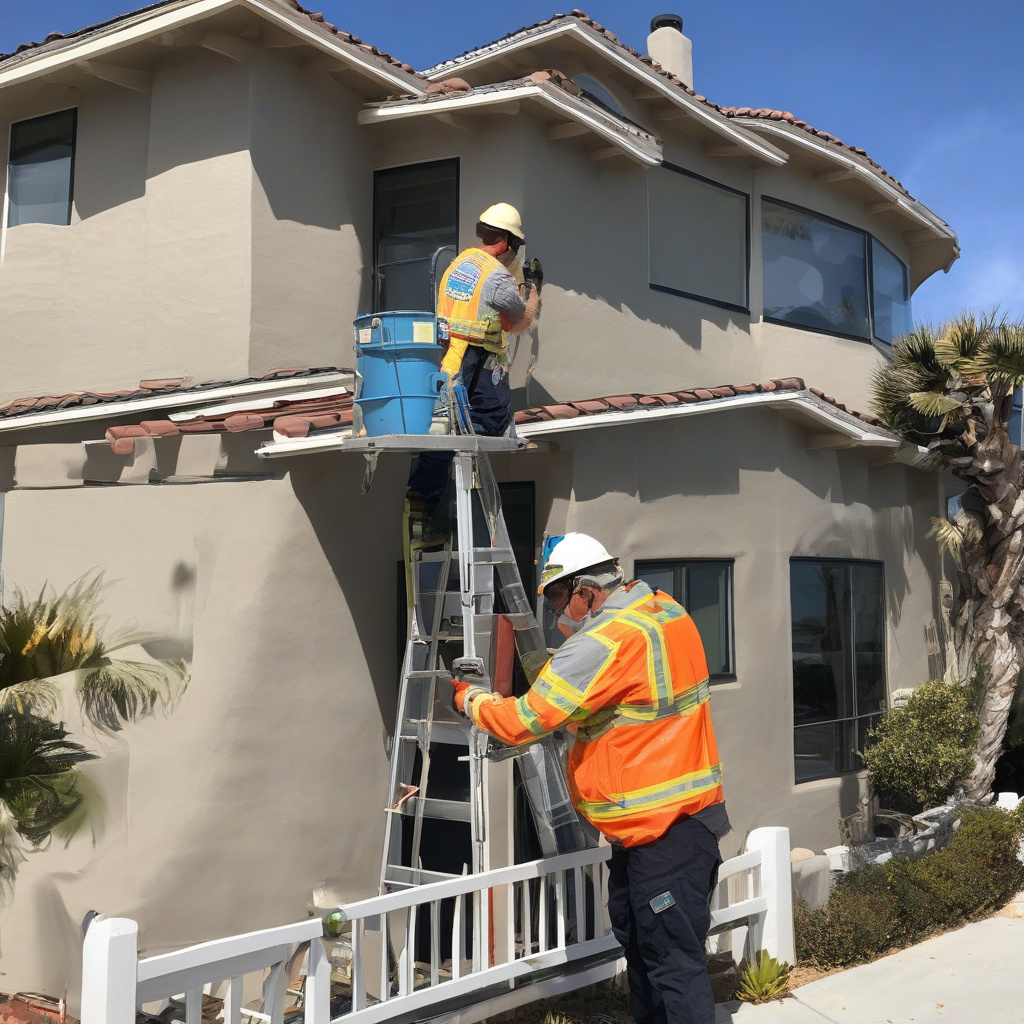
In the sprawling metropolis of Los Angeles, where the sun mercilessly bakes and coastal mists flirt with the city’s edges, maintaining the aesthetic integrity of a home’s exterior becomes both an art and a necessity. Picture this: you finally find the perfect hue to transform your surfaces, but without the right maintenance tactics, that vibrant facade may soon give way to weather-induced deterioration. Here, we delve into the essential strategies to help homeowners extend the life of their exterior paint — from early crack repairs to protective measures against the sun’s relentless rays.
Brief summary: This article explores effective maintenance strategies for exterior paint longevity, focusing on washing techniques, crack repairs, sealants, and coping with California’s challenging climate. Tips and industry insights highlight practical steps for homeowners to protect their investment and maintain curb appeal.
The Importance of Regular Washing
Home beautification is a perennial pursuit in Los Angeles, but when it comes to exterior painting, it’s not just about the color. The formidable duo of sun and pollution can spell doom for your pristine paint job. Regular washing, far from being a mere chore, is pivotal in this sun-drenched land. Clean surfaces significantly reduce dust and debris accumulation, which can wear down paint prematurely. California’s unique combination of smog and sea breeze makes regular maintenance an unsung hero in the fight against paint degradation.
Many homeowners don’t realize that a simple garden hose can be an ally in maintaining their paintwork. A gentle rinse twice a year can effectively eliminate the surface soot and grime that would otherwise promote mold growth or paint chipping. This is an easy, low-cost preventative measure that saves substantial costs in repainting over time.
According to a recent survey by the American Coatings Association, homes that undergo exterior washing at least once per year claim a 15% longer paint life on average, highlighting the value of this straightforward practice.
Incorporate this washing routine right after the winter rains and the heat of summer to keep your home looking fresh.
For those particularly keen on achieving lasting results, professionals recommend integrating a mild detergent wash. This approach not only enhances curb appeal but also acts as a safeguard against environmental wear. Protecting your paint means protecting your home — a concept more and more Californians are embracing.
Patch Up Those Early Cracks
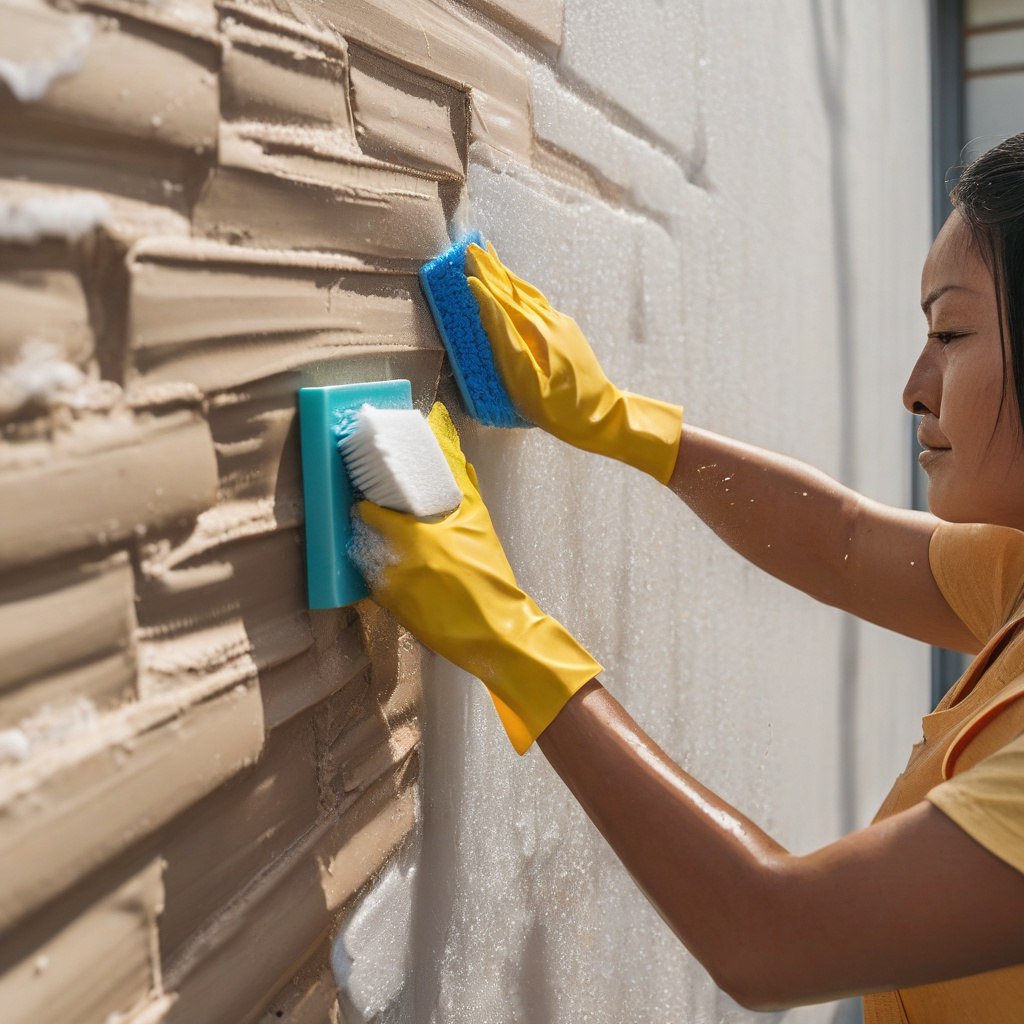
As we dive deeper into exterior maintenance, the importance of prompt crack repairs becomes an essential point for discussion. Los Angeles, with its distinctive weather patterns, presents unique challenges that demand attention from every diligent homeowner. Perpetual sunshine and occasional seismic activities can crack even the most robust surfaces.
Early detection and repair of these cracks preempt far more costly repairs down the line. Cracks often act as an open invitation for moisture ingress, leading to paint delamination. Therefore, spotting these issues early is both a money-saving strategy and a preservation tactic.
Many Los Angeles residents have turned to local experts for strategies on keeping their paint jobs pristine. Crack filling should be done promptly to prevent exaggerating these issues and maintain the structural integrity of the walls beneath your paint.
An expert from the Southern California Contractors Association warns, “Neglecting even small fissures can result in water intrusion, leading to significant structural damage over time.” This underscores the importance of treating cracks swiftly to avert larger issues.
Every crack you fill strengthens your defense against environmental damage, reinforcing both your home’s appearance and its foundational soundness.
Sealants: The Unsung Heroes
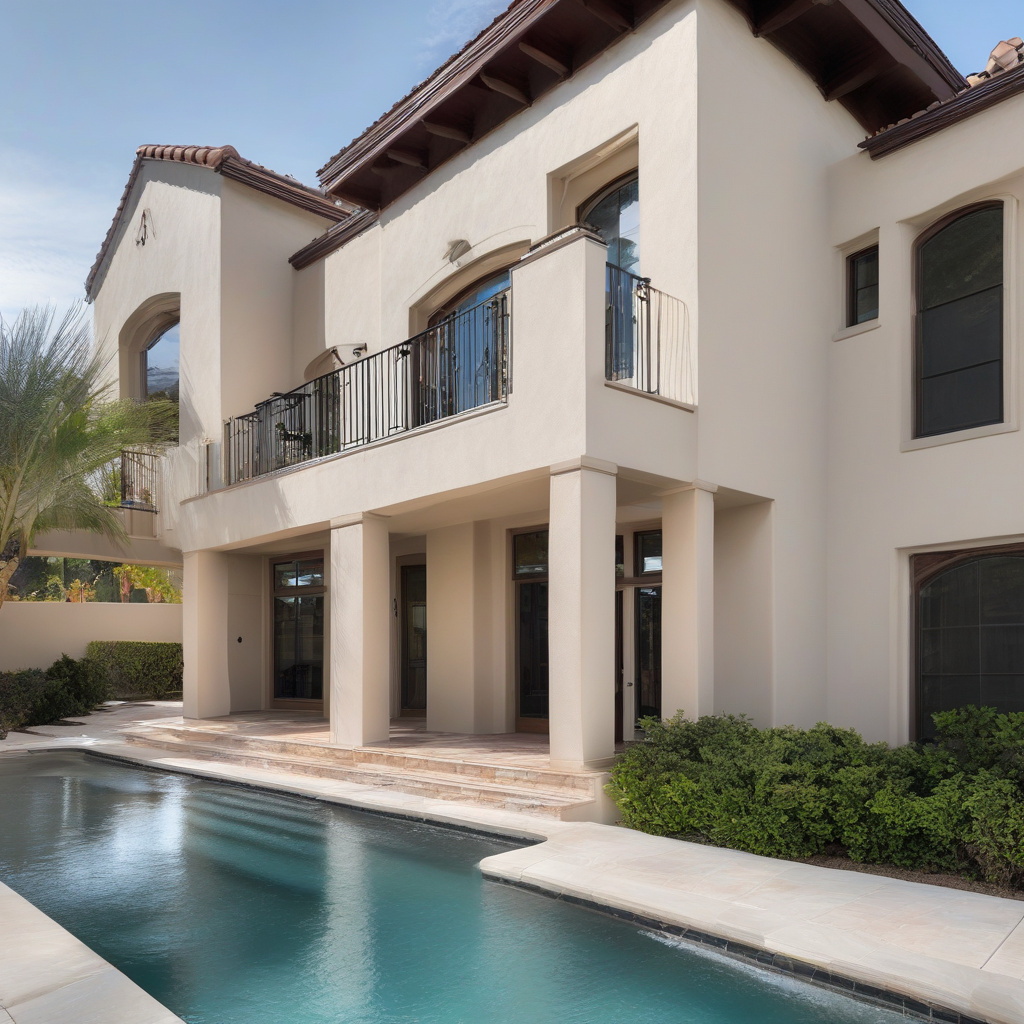
Protective sealants could easily be the unsung champions of the exterior paint world. Particularly in regions like Southern California, where temperatures are capricious and the skies unyieldingly bright, sealants ensure that your painted surfaces defy the odds.
Sealants function by providing a defensive layer that repels water and UV rays. This is critical as these elements can cause the paint to fade and bind pigmented layers more effectively to the surface beneath. Typically, sealants are most effective when applied immediately after painting, although they can also rejuvenate older exterior paint jobs.
Smart homeowners also realize the potential of combining sealants with strategic paint choices. A sealant, when paired with paints designed to withstand humidity or heat fluctuations, acts as a formidable duo. More insights into specialized techniques can be garnered from local painting experts who emphasize the significance of combining high-quality paint with the right sealant to optimize results.
If you’re wondering about the practicality of applying sealants, here’s a quick guide: Choose a sealant compatible with your paint type, apply after thoroughly cleaning and, if needed, patch up any existing paint imperfections. This method shields your paint job, extending its life considerably.
Material Deliberation: Getting the Best Out of Paints
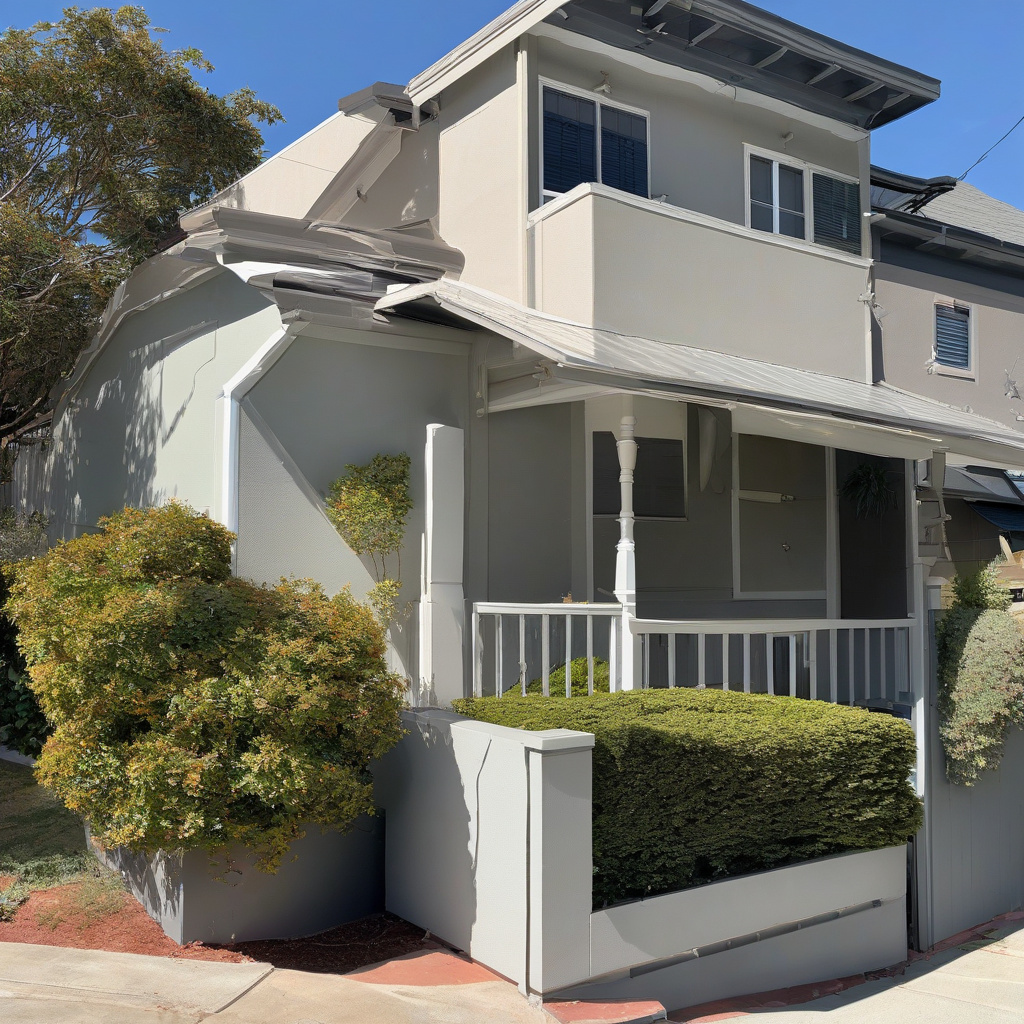
The bustling cityscape of Los Angeles demands resilience from its architecture. When it comes to paint, select materials that are designed for endurance. The local climate isn’t forgiving, and investments in quality materials will pay dividends.
Choosing the right type of paint is as much about aesthetics as it is about functionality. Paints formulated to withstand bathroom moisture are excellent choices for coastal homes that face humidity challenges. Fortunately, there are numerous resources, like expert guides, to help homeowners make informed decisions about choosing the right paints and attendant costs.
Los Angeles homeowners often weigh options between oil-based and water-based paints. While oil-based paints are known for their longevity, water-based variants offer greater flexibility and are generally more environmentally friendly. It’s also wise to invest in paints with mildew-resistant properties, especially given the city’s exposure to marine moisture.
Here’s a concise comparison to help you navigate your options:
| Attribute | Oil-Based Paints | Water-Based Paints |
|---|---|---|
| Durability | High | Moderate |
| Eco-Friendliness | Low | High |
| Flexibility | Low | High |
| Mildew Resistance | Moderate | High |
Clearly, selecting the right paint for your home means considering several factors beyond mere color preference. Each choice carries potential long-term impacts on your renovation’s success.
How to Address Paint Fading with Simple Steps
While the stunning sunshine is indeed an element that many adore about Los Angeles, it’s also a harsh companion when talking about paint fading. The relentless solar exposure requires specific tactics to keep exteriors vibrant. Luckily, there are straightforward methods to minimize fading effects.
Firstly, adopting shades or awnings to shield your home’s most exposed areas from direct sunlight works wonders. These structures not only preserve the paint but also offer an appealing architectural element. Secondly, another way to combat fading is through applying UV resistant coatings, which provide an extra layer of protection against the sun’s harsh rays.
Thirdly, consider scheduling repaints during less extreme seasonal changes when the paint is less likely to dry too quickly, causing flaws in the application. This careful timing can influence the uniformity and longevity of the paint job, something essential for any high-quality renovation.
Those contemplating such renovations can explore further creative ideas that incorporate functionality and aesthetics into their exterior designs. By aligning these protective measures with your maintenance regimen, preserving your paint’s fresh look becomes a feasible endeavor.
Balancing Costs and Returns: The Renovation Equation
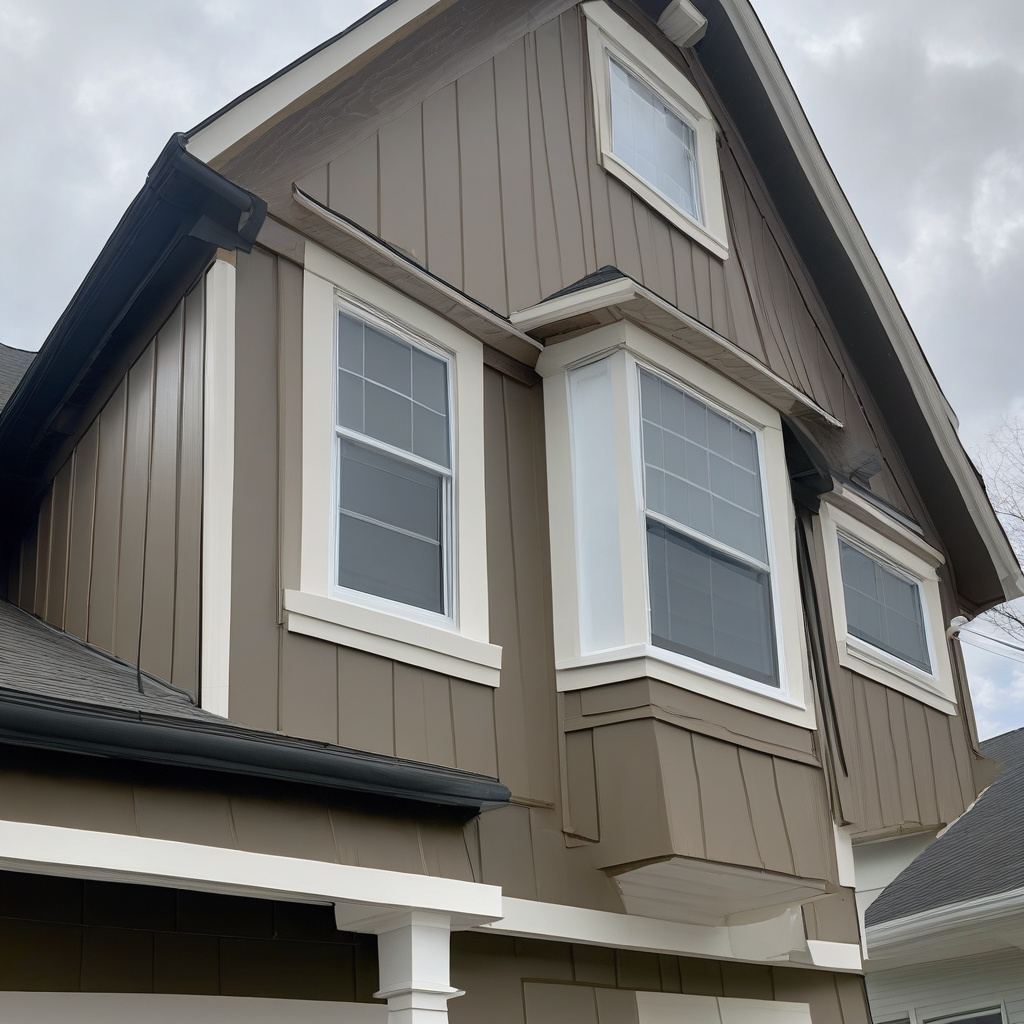
Renovating or painting the exterior of your home is a significant investment, one that carries an expectation of lasting appeal and value addition. In a city where appearances and first impressions count for much, the exterior becomes the first point of contact with the outside world.
The balance between costs and benefits is crucial. While local market trends indicate that homes with well-maintained exteriors typically fetch higher resale values, it’s important to calculate the costs involved wisely. Initial expenses may be daunting, but the return on investment for well-maintained paint jobs can be substantially rewarding.
An insightful tip is to structure your home maintenance budgets considering both current stylistic demands and future paint longevity. By setting aside funds for both immediate patchwork and future full repaints, your home retains its elegance without financial strain.
A recent real estate analysis found that homes with fresh and well-maintained exteriors in Los Angeles experienced a 3-5% increase in resale values, emphasizing the financial upsides of diligent paint maintenance.
The equation is clear: investing in your home’s exterior pays off, both tangibly and aesthetically.
- Regular washing significantly prolongs exterior paint life by removing damaging residues.
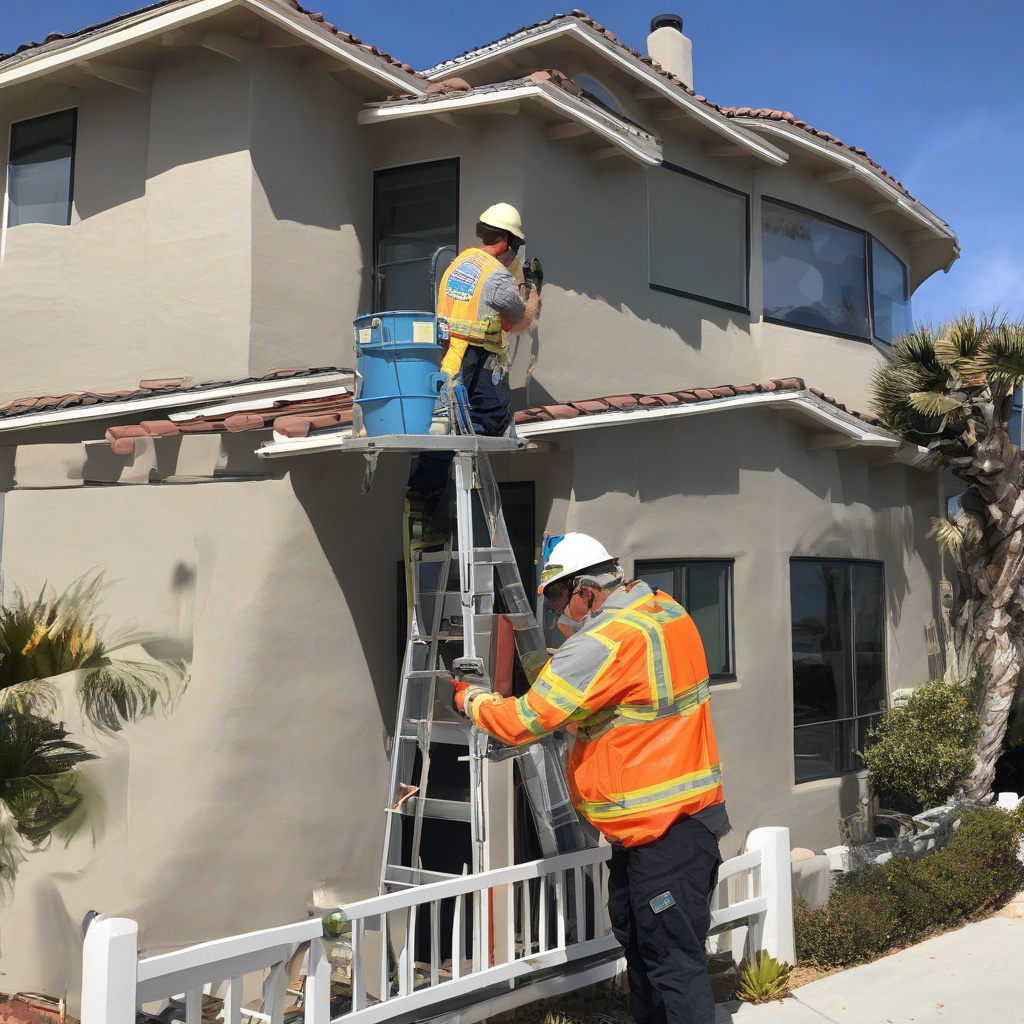
- Immediate crack repairs are crucial to prevent further structural damage.
- Sealants offer critical protection against environmental adversaries.
- Choosing the right paint material can influence both durability and eco-friendliness.
- Scheduled maintenance and protective measures balance costs and increase resale values.
“`html
FAQ
Why is regular washing important for exterior paint maintenance?
Regular washing of exterior walls is crucial because it removes dirt, dust, and pollutants that can degrade paint over time. Many homeowners believe a simple rinse will suffice, but in reality, using a gentle detergent and a soft brush can extend the life of the paint significantly. In areas like LA, where the pollution is high and the sun is relentless, dirt can get baked onto the surface, making it harder to clean later. A proactive cleaning schedule every six months can prevent the buildup of grimy layers, offering longer protection and saving on future repaint costs. This practice not only maintains aesthetics but also minimizes mold and mildew growth, which can secretly damage surfaces.
How do I know when it’s time to repair cracks in exterior paint?
In real renovation projects, cracks often are the first signs of underlying issues. It’s wise to inspect your exterior bi-annually. Small, hairline cracks can appear harmless but can quickly expand, especially under LA’s intense sun exposure and temperature fluctuations. Addressing them early by sealing or repainting can prevent more significant damage to the structure. If moisture penetrates through these cracks, it risks wood rot and more serious deterioration. Many experts point out that unaddressed cracks can make subsequent repairs more costly, not to mention decrease your home’s curb appeal. Immediate action ensures your exterior paint job remains protective and visually appealing.
What types of protective sealants work best in California’s climate?
Homeowners frequently underestimate the importance of choosing the right sealant. In California, where UV exposure is high, and moisture from coastal areas is prevalent, acrylic-based sealants are often recommended. These provide excellent UV resistance and moisture protection. Additionally, silicone caulking is great for joints and edges to prevent water infiltration. While researching, consider regional climate variations; areas closer to the coast versus inland may present different challenges. Consulting with a local supplier or contractor can offer insights based on specific locations. Choosing inappropriate sealants can lead to failures that compromise your paint’s longevity.
What are the cost considerations for maintaining exterior paint?
Cost considerations vary widely, but long-term savings often outweigh initial expenses. Investing in good-quality paint and sealants can be costly upfront; however, they reduce the frequency of repainting. Regular maintenance, like washing and inspecting for cracks, is relatively low-cost and can significantly extend paint life. A common mistake is to opt for cheaper materials that may require more frequent touch-ups. It’s also worth noting that well-maintained exteriors retain property value and curb appeal, potentially increasing resale value. Financial planning for exterior upkeep should include both immediate and long-term perspectives to capture both savings and aesthetic benefits.
What are the typical mistakes homeowners make regarding exterior paint maintenance?
One common mistake is neglecting regular inspections, believing that if the paint looks fine, it doesn’t need attention. Small issues like minor cracks or emerging mold are easier to handle early on. Another mistake is using high-pressure washers without knowing the appropriate techniques, which can strip paint or force water behind walls. Homeowners sometimes skip protective coatings, assuming their impact is minimal. Finally, some may ignore the local environment, choosing products unsuitable for their climate. Realistically, exterior paint maintenance demands both visual and tactile vigilance, responding promptly to the first signs of trouble.
What are the pros and cons of using eco-friendly paint?
Eco-friendly paints offer the major benefit of reduced environmental impact and fewer VOCs (volatile organic compounds), which is better for indoor air quality and health. However, some homeowners find they may lack the durability of traditional paints, especially under harsh conditions like intense sun exposure. Despite this, new advances continue to make eco-friendly options more robust. It’s crucial to evaluate how well the paint performs specific to your local climate. Another con might be the higher cost, but many find it a worthwhile investment for a healthier home and environment. Balancing environmental benefits with practical performance requirements is key.
How often should exterior paint be reapplied to ensure longevity?
The frequency of reapplication depends on several factors, including paint quality, local weather conditions, and how well the initial application was performed. In areas with extreme weather changes, like parts of California, every 5 to 7 years is a standard timeframe. However, homes with weaker structures or low-quality previous paint jobs might require more frequent updates. Many experts recommend using this timeline only as a guideline, as real-time inspections might reveal fading or cracking much earlier. It’s always wise to maintain a vigilant eye, checking for signs that extend beyond just a faded appearance.
When does it make sense to hire a professional for exterior paint maintenance?
While some confident DIY homeowners may tackle smaller maintenance tasks, hiring a professional makes sense in many scenarios. Large homes, intricate architectural details, or hard-to-reach areas benefit significantly from expert attention. Professionals have the tools and expertise to perform thorough inspections, accurate repairs, and use specialized products that might not be available to the average homeowner. Furthermore, a pro evaluation can uncover hidden issues, saving more extensive repairs down the line. If you’d like to explore professional services, consider reaching out through this professional consultation contact link for tailored advice and assistance.
“`