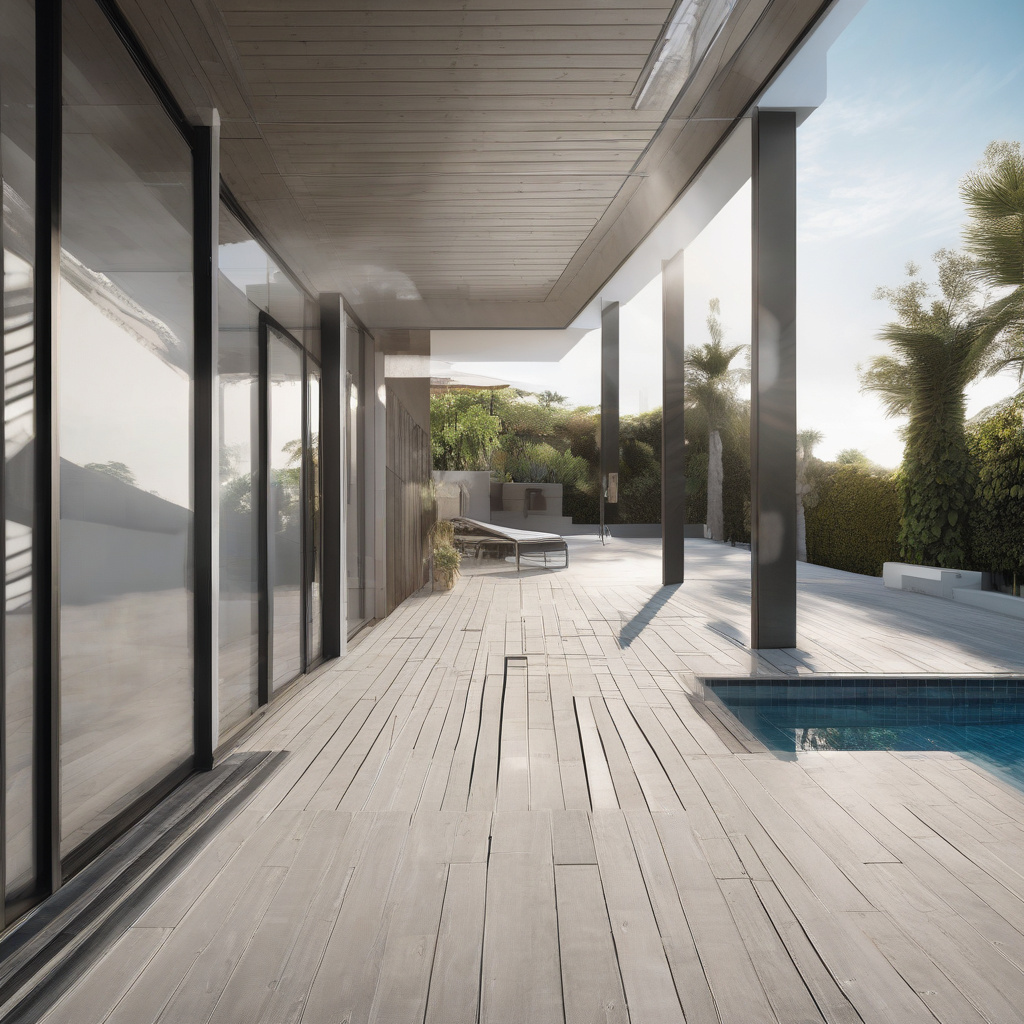
In the golden embrace of Southern California’s sunshine, outdoor decks become the heart of a home, serving as arenas for family gatherings, leisure, and sometimes, introspection. Yet, when the sun decides to flex its might, these spaces can turn into infernos, testing the resolve of both homeowners and materials. The answer to this sun-drenched conundrum? Heat-resistant decking surfaces designed to remain cooler under intense solar glare.
Brief summary: This article explores the emerging trend of heat-resistant decking surfaces in Southern California, highlighting materials, design innovations, and real-life applications. It focuses on options that employ light tones, ventilated profiles, and low-conductivity materials to maintain comfort during sunny days, while covering renovation costs, homeowner experiences, and practical advice for those considering similar upgrades.
The Trend Toward Heat-Resistant Decking
In Los Angeles, where the sun refuses to take a day off, the pursuit of cooler decking materials has grown into a significant trend. Homeowners are increasingly turning to innovative designs and materials that promise to keep surfaces bearable during the hottest hours of the day. Modern patio designs often incorporate such solutions, reflecting a keen understanding of local climate needs.
What’s driving this surge? Simply put, comfort. Traditional decks can heat up to a point where they become unusable, negating the purpose of outdoor relaxation. To combat this, materials like composite decking with reflective finishes or advanced polymers are being utilized, known for their ability to reflect more light and reduce thermal absorption.
Yet, it’s not just about keeping cool. As many local homeowners notice, these materials also offer the bonus of improved durability and lower maintenance, effectively justifying their often higher initial costs. The investment, it seems, pays itself back through years of superior performance and aesthetic appeal.
Encapsulating these advantages, industry experts note that heat-resistant decking can sometimes cut heat retention by up to 30%, creating inviting spaces where you don’t have to tiptoe around in the midday sun.
Innovations in Heat-Resistant Materials
Breakthroughs in material science have introduced a variety of heat-resistant options, each with its own unique properties and benefits. A popular choice is the use of lighter-colored surfaces. These hues reflect more sunlight than darker tones, significantly reducing heat absorption. Composite materials, which cleverly blend wood fibers with recycled plastic, are eco-friendly and known for their lower thermal conductivity.
Such materials often integrate the latest in sustainable technology, emphasizing not only heat resistance but also environmental responsibility. This is paired with the growing trend of ventilated profiles, another cooling innovation that allows for better air circulation beneath the decking surface.
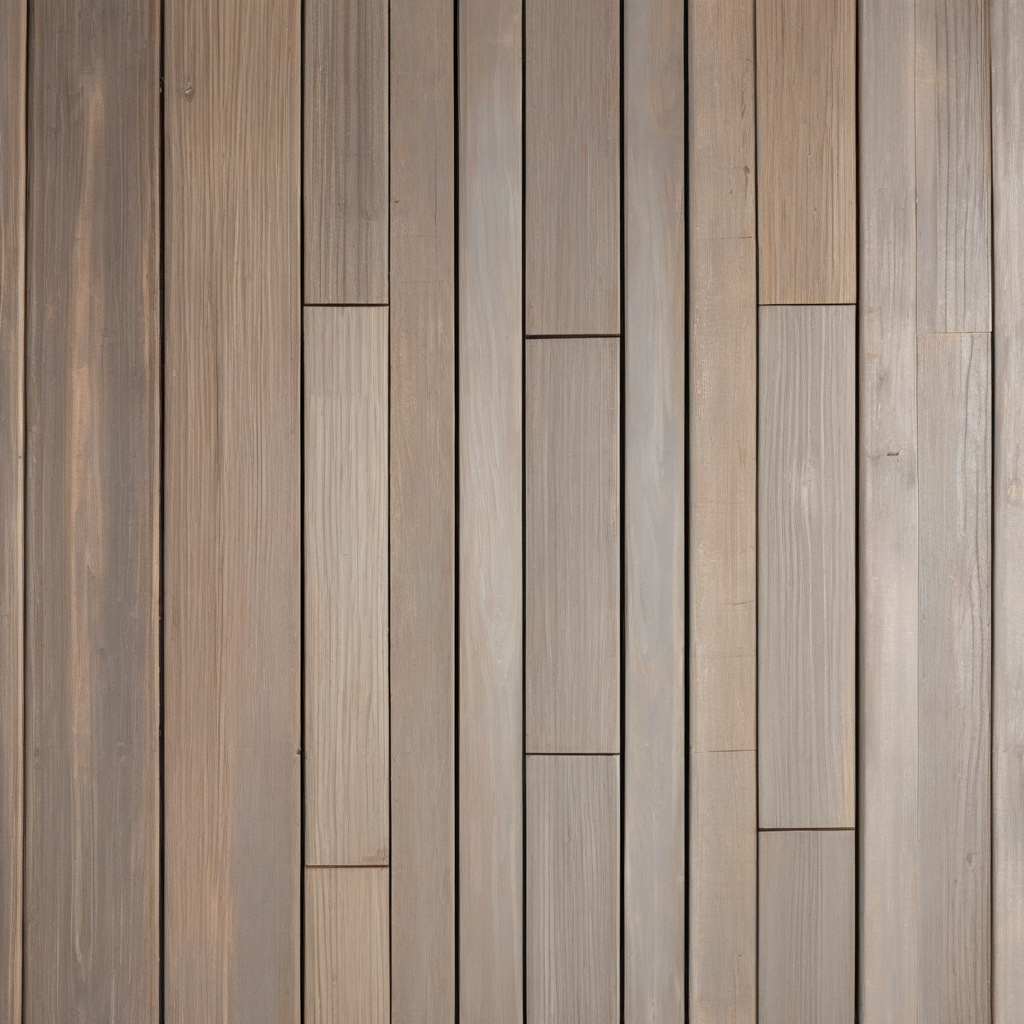
Moreover, the layering techniques used in new composite decks ensure less heat gets trapped, thanks to improved thermal dissipation. The advances in these materials often make patio extensions and modifications more accessible and appealing, both financially and logistically.
The real beauty of these materials is their adaptability. They can seamlessly blend into different architectural styles, ensuring that even historic homes can benefit from modern decking solutions without compromising aesthetic authenticity.
According to a recent study by the National Association of Home Builders, heat-resistant materials can effectively extend the usability of outdoor spaces by up to four hours per day during peak summer months.
Planning Your Heat-Resistant Deck
For homeowners planning to dive into the refreshing pool of heat-resistant decking, the planning phase is crucial. It involves selecting the right materials, considering the structural design, and budgeting for the project. One must first assess the amount of direct sunlight the deck receives, the property’s aesthetic, and whether the existing structure supports additional anti-heat features.
When planning the layout, it’s critical to consider not just the materials but also the deck’s intended use. Is it a space for sunbathing, or do you need it to accommodate dining and social gatherings? This helps in making informed decisions about the size and structural integrity of the decking material used.
Another consideration is budget. While some might shy away from the perceived costs of heat-resistant materials, pursuing an efficient hot tub deck guide can help offset expenses by highlighting areas where savings can be made without sacrificing quality.
Lastly, homeowners should also question the sustainability practices of the materials and contractors they choose. Many want to ensure that eco-friendly processes are a part of their home’s outdoor transformation.
Step-by-Step Planning Guide
- Evaluate sun exposure and current deck condition.
- Define the deck’s primary function and use.
- Select materials based on durability, color, and environmental impact.
- Plan the layout with features like shading and ventilation.
- Set a realistic budget and schedule for the project.
Costs and Benefits: Weighing Your Options
Investing in a heat-resistant deck, while potentially costly upfront, offers numerous long-term benefits. It’s essential to recognize that the decisions made in selecting materials and layouts significantly impact both initial costs and lifetime value. Here’s a closer look at some common choices and their financial implications:
| Material | Average Cost per Sq Ft | Features | Longevity |
|---|---|---|---|
| Composite | $15–$35 | Eco-friendly, low maintenance | 25+ years |
| PVC | $20–$45 | Highly resistant to staining and fading | 30+ years |
| Wood | $10–$25 | Traditional, natural look | 10–20 years (with treatment) |
The key takeaway here is balance: finding the sweet spot between budget considerations and desired quality. As the table demonstrates, higher initial investments in materials like PVC or composite may offer significant lifetime savings due to reduced maintenance and replacement costs.
Industry expert Mark Johnson notes, “Investing in quality decking materials is akin to investing in a comfortable lifestyle; it pays dividends in both enjoyment and property value.”
Advantages Versus Disadvantages
Every home improvement project presents its own set of pros and cons, with heat-resistant decks no exception. On the upside, such decks extend the usability of outdoor spaces, provide aesthetic upgrades, and often enhance property values. Lighter, heat-reflective surfaces also ensure safety by minimizing the risk of burns.
However, these advantages are offset by initial costs, which can be higher than traditional materials. Additionally, the selection of eco-friendly and high-quality materials may limit options based on availability and regional supplier networks.
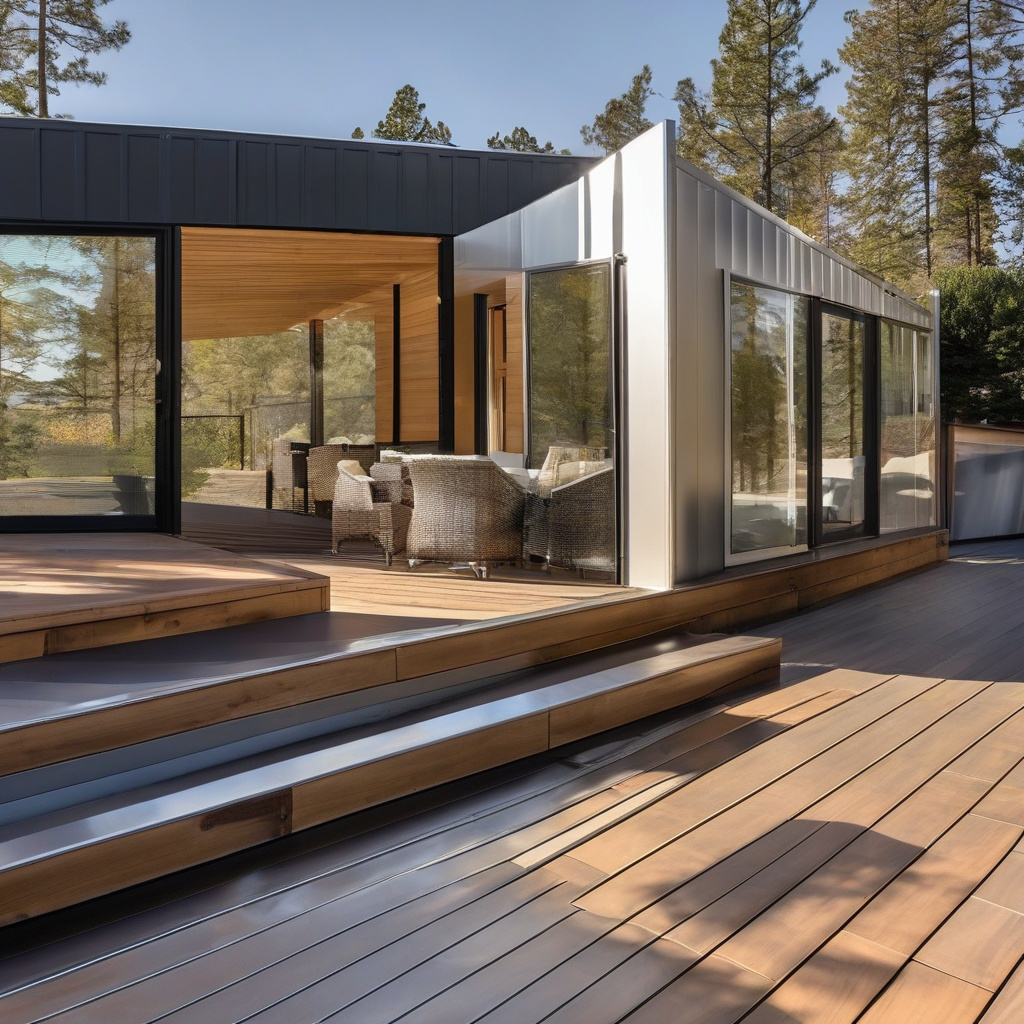
There’s also the question of potential incompatibility with existing structures, which might require structural modifications for optimal integration.
In summary, choosing heat-resistant decking involves careful consideration of costs versus benefits. The final decision boils down to personal needs and priorities, weighing immediate expenses against long-term gains.
A survey from HomeAdvisor indicates that nearly 65% of Los Angeles homeowners consider the initial higher costs worthwhile due to the lasting comfort and upgrade in home aesthetics.
Getting the Most Out of Your Deck
Once completed, the real fun begins: breathing life into your newly heat-resistant outdoor area. This involves creative touches like picking complementary outdoor furniture, setting up dining spaces for those languid Southern California evenings, and integrating plants to create shaded, cooler pockets.
For homeowners with children or pets, incorporating safety measures such as gentle slopes or protective railing should also remain a priority. Personalization, whether through color coordination or thematic decor, makes a world of difference, ensuring the deck feels like a true extension of your home.
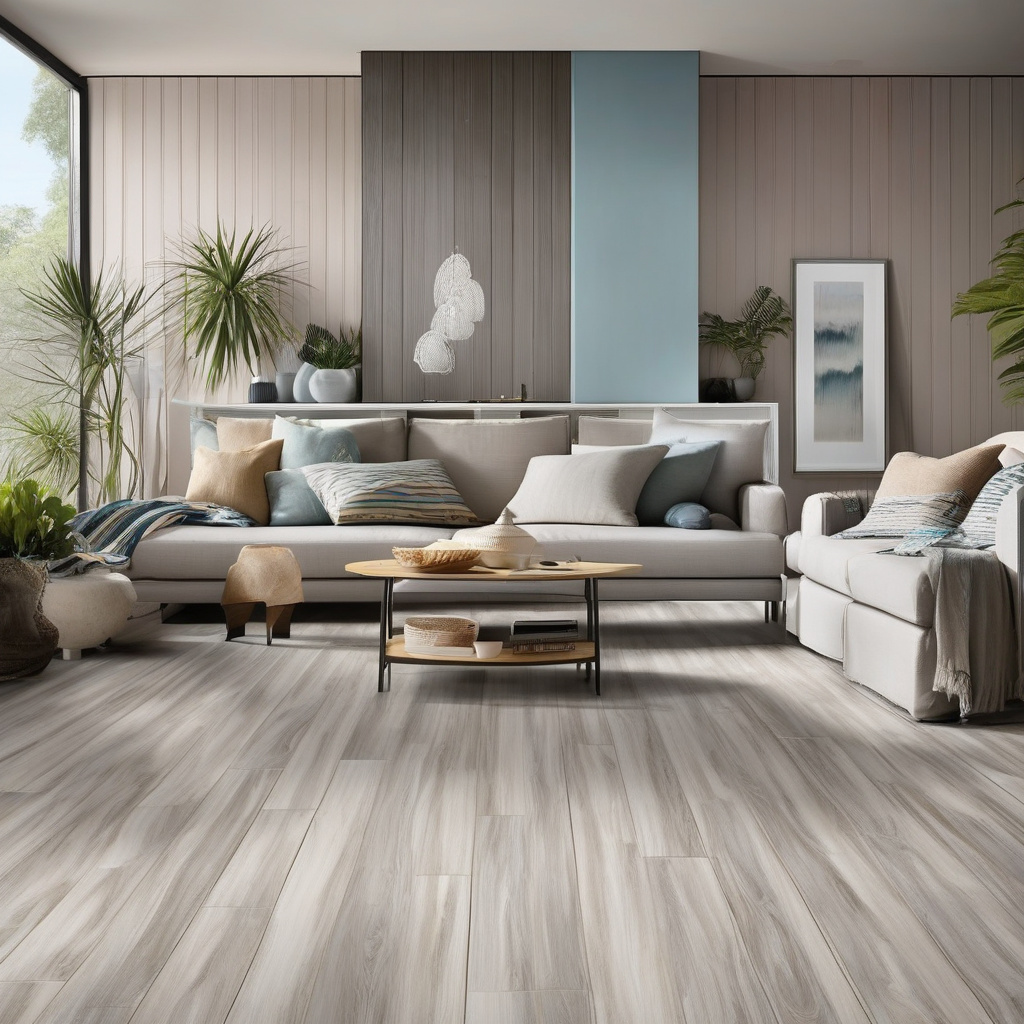
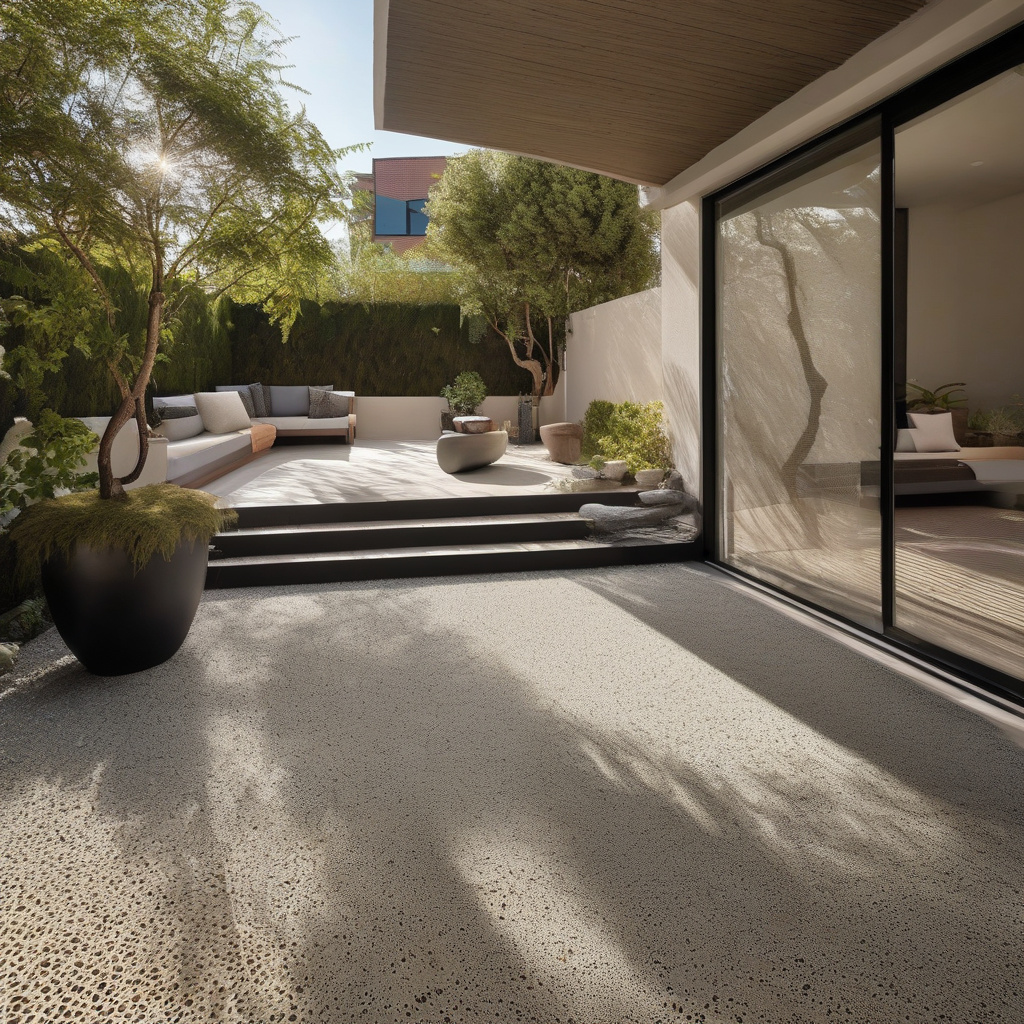
The transformation doesn’t just stop with the deck. Many homeowners extend these upgrades to surrounding areas such as garden spaces or driveways, creating a seamless and cohesive exterior environment.
Ideas for Personalization
- Add outdoor lighting for ambiance and safety.
- Incorporate portable fans for additional cooling.
- Use rugs or fabric canopies to provide shade and comfort.
- Set up a fire pit for cooler evenings.
- Choose weather-resistant decor to maintain style.
Ultimately, each choice contributes to crafting a personal paradise, offering respite from the everyday heat and cementing your home’s place as a sanctuary.
Conclusion: Navigating the Future of Outdoor Living
The journey to a cooler decking experience in Southern California may come with its challenges, but the rewards are as abundant as the sunshine itself. Heat-resistant surfaces redefine comfort by turning intolerable scorchers into pleasant havens. As more homeowners embrace these innovations, the landscape of outdoor living continues to evolve, offering promises of both practical benefits and luxurious comfort.
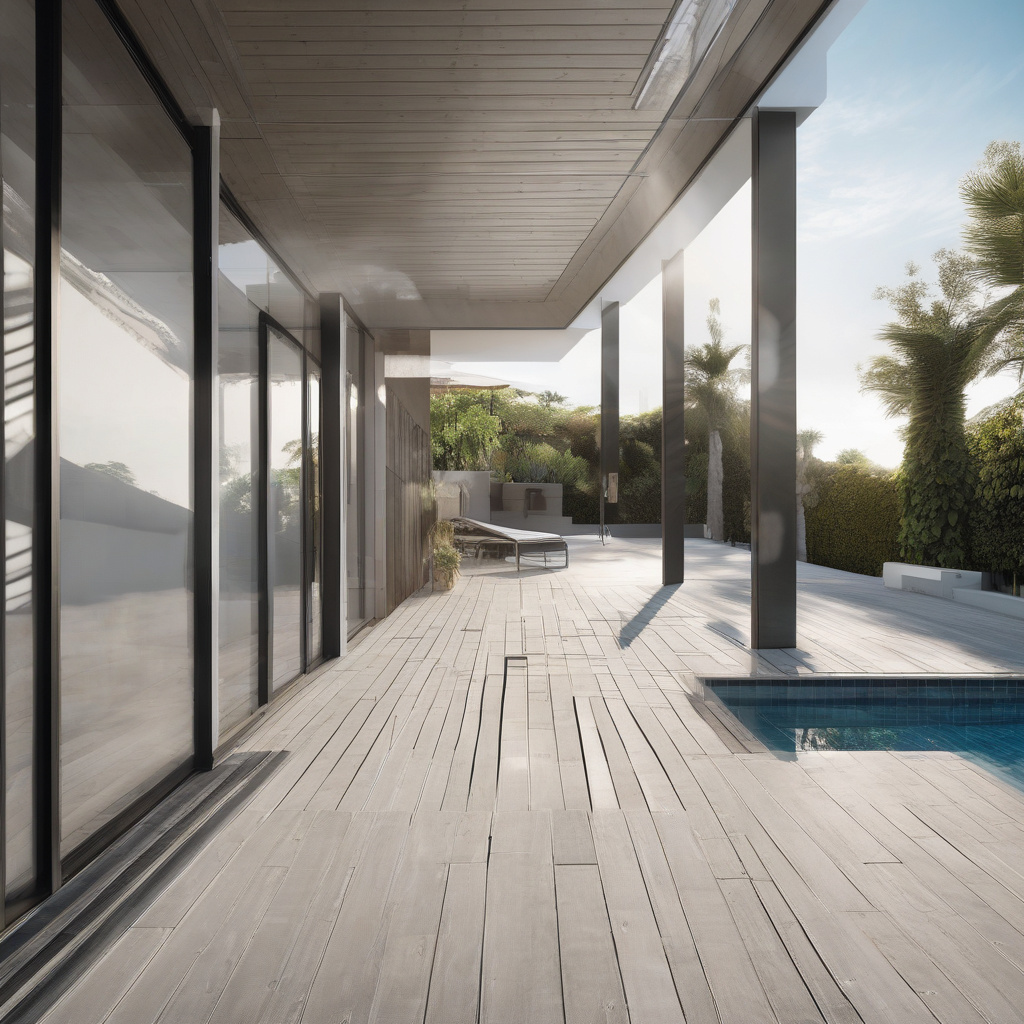
Looking ahead, as technology continues to advance, we can expect even more exciting developments that will make our outdoor spaces not just extensions of our homes, but central components of our lifestyle and well-being.
- Heat-resistant decking uses light tones and ventilated designs to stay cooler.
- Materials like composites offer durability without compromising comfort.
- The cost versus benefit balance is crucial for long-term satisfaction.
- Personalizing your deck with decor and plants enhances its functionality.
- These innovations signify a paradigm shift in Southern California’s outdoor living.
FAQ
What are heat-resistant decking surfaces?
Heat-resistant decking surfaces are innovative materials designed specifically for regions experiencing intense sun exposure, like Southern California. They employ lighter tones, reflective coatings, and materials with low thermal conductivity to reduce heat absorption, helping maintain a cooler touch. In real renovation projects, it’s common to see homeowners overlooking how surface color and material choice can impact the usability of their outdoor spaces during peak sun hours. Employing materials such as composite decking with specialized finishes can significantly enhance comfort, minimizing the risk of burns and enabling consistent use of decks throughout the summer.
How do I choose the right heat-resistant decking for my home?
Choosing the right heat-resistant decking involves considering your specific climate needs, aesthetic preferences, and budget. Many experts point out that selecting lighter-colored surfaces can decrease heat absorption. Ventilated profiles add to this by allowing airflow, preventing heat entrapment. In practice, many homeowners look at both aesthetic harmony with their home design and the practical benefits. Visiting showrooms or browsing samples during peak sun can offer real insight into how these materials perform. Never underestimate the power of consulting with a knowledgeable contractor—they can provide advice tailored to your home’s existing architecture, helping you select a decking option that fits seamlessly with your lifestyle and climate requirements.
When does installing heat-resistant decking make sense?
Installing heat-resistant decking makes perfect sense during new construction or an outdoor renovation, particularly in sun-drenched areas like Southern California. In many older properties, homeowners struggle with the high surface temperatures of traditional wood decks, which can limit enjoyment during hot periods. For those upgrading outdoor spaces, integrating heat-resistant options can transform usability, ensuring comfort year-round. Many newer builds are capitalizing on these advanced materials from the start, seamlessly blending form and function. This investment is especially wise for homes with exposed outdoor areas where traditional materials can become too hot, causing discomfort or even safety concerns.
What are common mistakes to avoid when selecting heat-resistant decking?
A frequent mistake homeowners make is focusing solely on the immediate visual appeal of decking materials while overlooking functional needs. Many underestimate how quickly certain materials can heat up, reducing the deck’s usability. Opting for darker tones might match your aesthetic vision, but it contradicts the core function of heat resistance. Additionally, ignoring airflow needs or surface texture can lead to discomfort. Ensure materials are not only light in color but also designed with airflow in mind, utilizing ventilated profiles. It’s also wise to avoid materials with high thermal conductivity, such as certain metals without reflective coatings, as they can magnify heat exposure.
How much does it cost to install heat-resistant decking?
The cost of installing heat-resistant decking varies greatly depending on materials, design complexity, and regional labor rates. In Southern California, where sun exposure demands more specialized solutions, prices can range from moderate to premium compared to traditional wood decks. Typically, composite materials with heat-reflective finishes may be more expensive initially. However, their longevity and reduced need for intensive cooling solutions or regular maintenance often make them cost-effective in the long run. It’s helpful to contact a professional to discuss specific project costs, as they can provide accurate estimates customized to your unique circumstances and design goals. For more tailored pricing information, consider reaching out through this [customized contact option](https://californiarenovation.top/contact/).
What are the pros and cons of heat-resistant decking?
The pros of heat-resistant decking include increased comfort during sunny days, reduced heat absorption, and often a longer lifespan due to durable materials like composites or treated wood. These materials reduce the likelihood of warping or cracking associated with thermal stress. However, the cons include a higher initial investment, and in some cases, limited color options might mean compromising on aesthetic choices. In practice, though, many homeowners find the benefits far outweigh the drawbacks, particularly in climates where unrelenting sun exposure can drastically limit outdoor enjoyment. Understanding these trade-offs is essential for choosing the decking that meets both functional needs and fits personal design aspirations.
How should I maintain heat-resistant decking to ensure longevity?
Proper maintenance of heat-resistant decking focuses on periodic cleaning and inspection. Removing debris regularly prevents mold and maintains its aesthetic appeal. Many experts suggest cleaning with a mild detergent and water, avoiding harsh chemicals that can degrade surface finishes. Annual inspection for any wear or potential issues is wise, particularly if the decking is composite or engineered wood, which can sometimes hide problems. While these materials are designed to withstand the elements, keeping an eye out for any signs of damage ensures small issues don’t become costlier problems later on. Regular maintenance keeps your decking looking and functioning at its best over the years.
What are the environmental considerations of heat-resistant decking?
Environmental considerations for heat-resistant decking revolve around the materials used and their lifecycle impact. Composite deck materials often incorporate recycled content and are designed for longevity, minimizing the need for frequent replacement. Despite the higher initial energy input in manufacturing processes, these decks can be more sustainable over time. In real-world renovations, selecting materials certified for low environmental impact is a popular approach for eco-conscious homeowners. Additionally, proper installation and maintenance ensure maximum lifespan, reducing waste and replacement frequency. Many modern heat-resistant options provide a balance between comfort, durability, and environmental responsibility.