When considering the aesthetics and durability of your outdoor living spaces, especially in Southern California, the choice of stain for your decks and fences is paramount. Should you preserve the natural charm of the wood grain with a semi-transparent stain, or opt for the bold, full-bodied coverage of a solid stain? This quintessential question shapes not just the look of your home but its long-term resilience against the elements and the unique challenges presented by the Southern Californian climate.
Brief summary: This article explores the differences between semi-transparent and solid stains for decks and fences, focusing on aesthetic and durability outcomes relevant to homeowners in Los Angeles. It provides practical guidance on materials, costs, renovation trends, and expert insights to help readers make informed decisions.
The Aesthetic Appeal: Semi-Transparent Magic
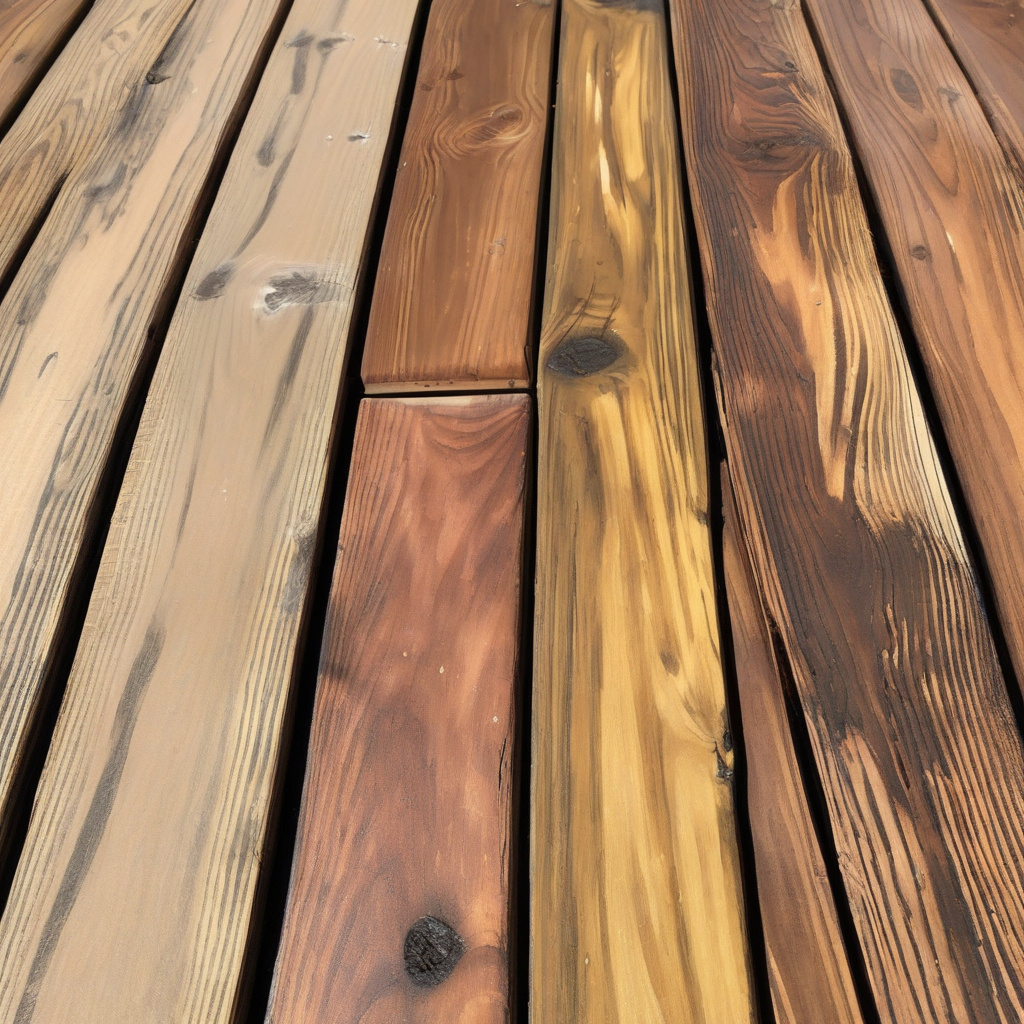
Semi-transparent stains are like a subtle, sophisticated accessory that highlights the natural beauty of wood without overshadowing it. In neighborhoods where architectural styles range from Spanish Revival to Mid-Century Modern, many homeowners in Los Angeles find semi-transparent stains a compelling choice for maintaining their homes’ authentic charm. These stains not only maintain the wood’s texture but also allow the intricate patterns of the wood grain to remain visible, offering a warm, organic touch that melds with any landscape design.
For those who admire nature’s palette, a semi-transparent stain provides a moderate hue that enhances the wood’s natural color while providing protection from the harsh Californian sun. As many residents have noticed, this type of stain helps integrate the deck with the surrounding environment, creating a seamless transition from the rigidity of concrete structures to the soft lines of the garden.
The palette of semi-transparent stains is broad, enabling homeowners to match or complement other outdoor elements, be it the vibrant hues of succulents or the calming neutrality of desert sands. Such flexibility allows for personalization while maintaining a cohesive visual narrative.
However, with beauty comes responsibility. Semi-transparent stains need regular maintenance, typically reapplication every two to three years to maintain their protective effectiveness against UV rays and environmental wear and tear. This might be a point of consideration for those juggling hectic schedules.
According to the American Coating Association, maintaining a regular staining schedule can extend the life of wooden structures by up to 30%.
In conclusion, semi-transparent stains offer a delicate balance of beauty and durability that suits homeowners looking to preserve the original allure of their wood with minimal intervention.
Bold and Beautiful: Solid Stains for Robust Coverage
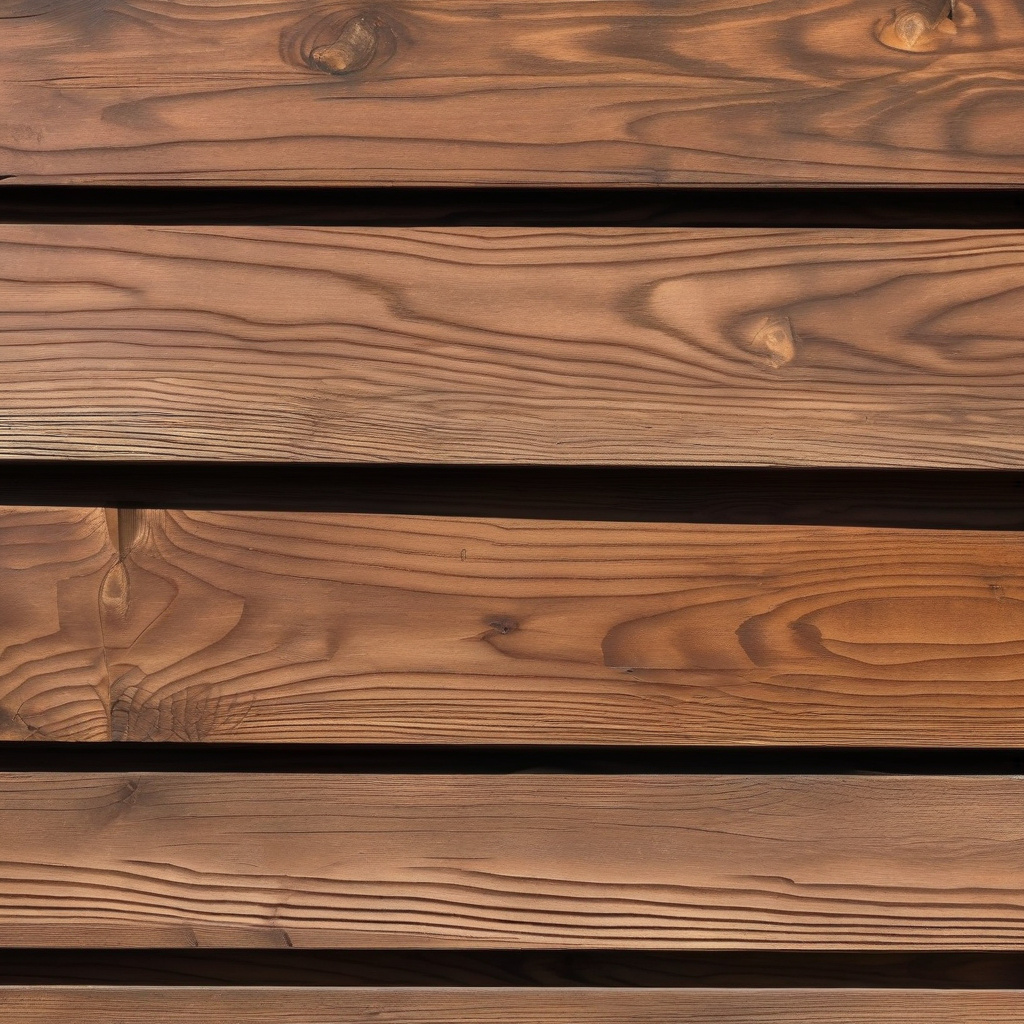
On the opposite side of the spectrum, solid stains are the heavyweights of deck and fence protection. They work as opaque paints, offering an exhaustive shield against the elements. For homeowners seeking a fresh, clean start or attempting to mask imperfections in older wood, solid stains are an irresistible choice.
These stains carry a full-bodied color that can rejuvenate a weary-looking fence or deck, providing a uniform appearance that aligns with contemporary minimalism trends often seen in architectural designs across Los Angeles. While they obscure the natural wood grain, they bring the advantage of an almost paint-like finish in a wide variety of colors.
Solid stains are known for their long-lasting performance, typically outlasting semi-transparent stains by a year or two before requiring maintenance. This makes them an economically viable option for those seeking longevity without the hassle of frequent upkeep.
Yet, they bring their own challenges. The initial preparation is key — surfaces must be meticulously primed to ensure even application and adherence. As one might consult experts for additional painting guidance, similar diligence is required when using solid stains to avoid peeling or flaking.
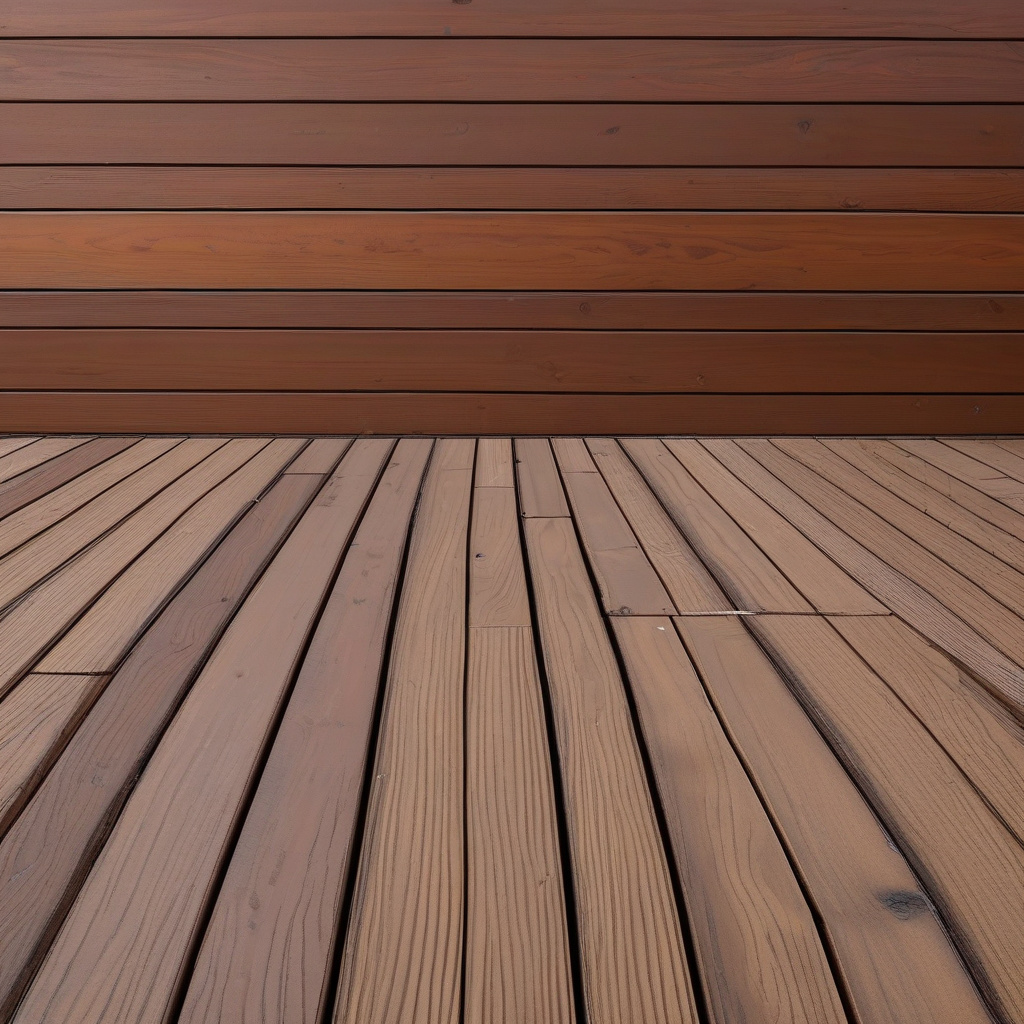
Ultimately, solid stains cater to those who prioritize coverage and consistency, setting a foundation for other outdoor elements to shine.
Practical Considerations in Your Renovation Journey
When embarking on this renovation adventure, starting with a clear vision of what you aim to achieve is crucial. Whether capturing the essence of a rustic garden or achieving sleek modernity, consider how each stain aligns with your broader aesthetic goals.
Planning these key steps can dramatically affect the outcome of your project:
- Evaluate your existing wood surfaces for repair needs.
- Decide on a color scheme that enhances your home’s façade.
- Budget for both initial costs and potential ongoing maintenance.
- Research contractors and DIY options that fit your lifestyle—and timeline.
While reviewing several renovation examples in Los Angeles, many homeowners find it beneficial to integrate unique solutions like innovative paints, offering functional creativity alongside their deck and fence designs.
Whether selecting a stain type based on aesthetic preferences or practical constraints, it’s essential to balance initial enthusiasm with functional realities.
A Deep Dive into Costs and Materials
Cost factors heavily into renovation decisions, especially when contemplating changes as significant as deck and fence treatments. While semi-transparent and solid stains fall within a similar price range per gallon, their application and long-term maintenance differ significantly.
| Stain Type | Initial Cost per Gallon | Average Longevity | Maintenance Frequency |
|---|---|---|---|
| Semi-Transparent | $25 – $40 | 2-3 Years | Every 2-3 Years |
| Solid | $25 – $35 | 3-5 Years | Every 4-5 Years |
Given these time frames, a solid stain may appear more cost-effective in the long term, especially in areas requiring frequent repainting due to high exposure.
Though costs can vary based on brand, color, and project size, investing wisely in quality materials is essential to avoid recurrent expenses and prolong the life of your outdoor spaces.
Understanding the Risks and Rewards
Every stain choice involves weighing risks against potential rewards. Semi-transparent stains connect with those who take pride in their wood surfaces, willing to invest time for minor yet regular upkeep to enjoy the authentic wood charm.
Conversely, solid stains delight in offering robust protection and a consistent finish that masks imperfections. This trade-off suits those prioritizing ease and longevity over revealing the wood’s inherent beauty.
As professional contractors often advise, engaging a service that understands the meticulous demands of Southern California’s climate can save both time and money in the long run.
The key takeaway is to understand your priorities: what you value more — aesthetics or convenience? Recognizing this will lead to a choice that harmonizes with your long-term vision.
Conclusion: Finishing Touches and Beyond
In the scope of home renovations, decking and fencing projects sit at the intersection of functionality and design. They require thoughtful consideration to achieve a lasting impact over the years. Once a decision on the stain type is made, it’s crucial to extend this intentionality throughout the home. Even seemingly minor details, like matching colors for interior doors and trims, contribute to a coherent aesthetic.
Professionally managed or DIY, each project stage offers a learning curve where aesthetics meet engineering. Deliberation today ensures satisfaction tomorrow as every brushstroke solidifies or enhances the bond with your home.
For those at the helm of such renovation endeavors, remember: Whether softening your deck with semi-transparent warmth or invigorating it with solid boldness, your choices ride on the current of creativity intertwined with practical wisdom.
Home renovation sentiments in Southern California have shifted towards sustainable and aesthetic-oriented choices that promise not only comfort but also increased property value.
- Deciding between semi-transparent and solid stains hinges on balancing aesthetics with maintenance needs.
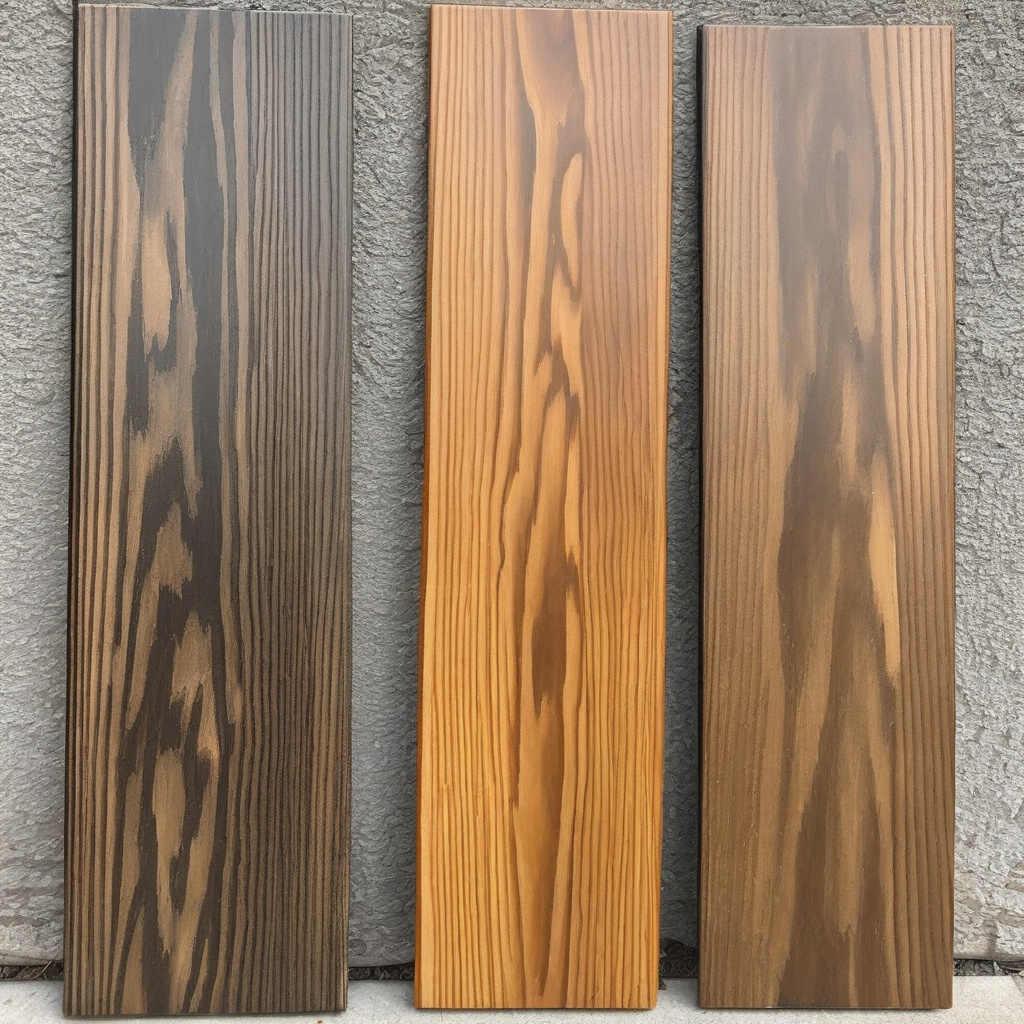
- Semi-transparent stains highlight wood grain, while solid stains offer more durable, opaque coverage.
- Consideration of weather, environmental factors, and design coherence is crucial in decision making.
- Professional insight can enhance understanding and streamline the renovation process.
- Align outdoor stains with broader home aesthetic goals for a cohesive look.
FAQ
What are the main differences between semi-transparent and solid stains for decks and fences?
In real renovation projects, these two stain types stand out for their unique offerings: semi-transparent stains allow the natural wood grain to peek through, letting the beauty of the wood’s texture shine while providing some pigment. This approach works wonders in older, character-rich properties where every swirl and knot adds to the charm. Solid stains, on the other hand, offer full coverage, almost like a coat of paint, rendering a uniform look that’s often sought in modern homes or for a fresh start on weathered surfaces. Experts advocate using solid stains where the goal is to cover imperfections, giving the structure an entirely new aesthetic. But it’s crucial to avoid using solid stains over decaying or moldy wood, as this can trap moisture and worsen deterioration over time.
How do I choose between semi-transparent and solid stains for my California home?
Choosing between the two depends heavily on your project’s goals and local climate considerations. In many Californian environments, where the sun can be harsh, solid stains win out for their superior UV protection, which shields the wood beneath. Semi-transparent stains are ideal if retaining the natural look is a priority or if the project is in shaded areas where sun exposure isn’t as intense. Also, if you’re working with a particularly stunning piece of wood, going semi-transparent can highlight its unique features beautifully. Many experts point out the importance of assessing the existing condition of your deck or fence; strong, healthy wood might benefit more from a semi-transparent stain’s protective but subtle finish, whereas compromised wood may need the complete coverage of a solid stain to ensure durability.
When does it make sense to use semi-transparent over solid stains?
The decision to use semi-transparent stains over solid ones typically arises when the wood’s inherent beauty is a vital feature of your design. In coastal regions or forests, where natural aesthetics blend seamlessly with the environment, semi-transparent stains allow for a harmonious integration. Real-life renovations often showcase this choice at vacation homes or getaways, where tranquil, organic appearances reign supreme. However, keep in mind that they do require more frequent reapplication compared to solid stains. They can subtly wear off with weather elements, demanding a refresh every few years to maintain that flawless look.
What are typical mistakes homeowners make when staining their decks or fences?
Homeowners frequently underestimate the importance of proper surface prep before staining, often leading to uneven finishes or premature wear. Overlooking simple steps like cleaning debris, treating mildew, and allowing the wood to dry properly can drastically affect both aesthetics and longevity. Another common error is failing to test the stain on a small patch first; a stain’s appearance can significantly differ from expectations based on the wood’s original color and texture. This oversight can result in an undesirable hue or finish. Additionally, in areas like California, where specific weather factors are at play, such as high UV exposure, skipping a UV-blocking stain can lead to quick fading.
What are the cost considerations for using semi-transparent vs solid stains?
Cost is a crucial factor in any renovation, and when comparing these two stain types, there are several angles to consider. Semi-transparent stains are generally less expensive per gallon than solid stains. However, they may need more frequent reapplications, especially in regions with intense weather conditions like the strong California sun, leading to higher maintenance expenses over time. Solid stains, while possibly more costly upfront, may offer better long-term value due to their durability and extended protection. It’s not just the initial purchase price one should focus on but the holistic financial picture, including application frequency and future touch-ups.
What are the pros and cons of using solid stains?
Solid stains boast many advantages, not least of which is their comprehensive coverage, providing a fresh, even finish that can help hide imperfections and previous stains—a practical choice in renovation overhauls. They also offer superior protection against UV rays and moisture, critical factors in regions susceptible to extreme weather variances. However, one must consider that solid stains obscure the wood’s natural beauty, which can be a significant drawback if preserving the aesthetic of the grain is important. Additionally, removing solid stains can be labor-intensive if a change in finish is desired later. In deciding, weigh these pros and cons against your specific project goals and home environment.
What should I know about maintaining stained decks and fences?
Maintaining a stained deck or fence begins with regular inspections for signs of wear or damage. For semi-transparent stains, it’s important to check for signs of fading or erosion due to UV exposure, a common occurrence especially in sunny areas. Depending on weather conditions, expect to reapply semi-transparent stains every 2-3 years, while solid stains may extend this period to about 4-5 years. Routine cleaning to remove dirt, mildew, and other build-ups will also help maintain the stain’s integrity and appeal. Remember, these efforts not only preserve aesthetics but also prolong the life of the wood. For personalized advice and services tailored to your unique needs, feel free to get in touch with experts who can guide you based on detailed assessments of your specific situation.
What are the benefits vs limitations of semi-transparent stains?
Semi-transparent stains offer the beautiful benefit of highlighting the natural grain while providing a touch of color, making them indispensable for showcasing the wood’s innate beauty. They can enhance the wood with subdued tones, perfect when integrating architectural elements into a natural landscape. However, their protection is not as robust as solid stains, meaning they’re less effective at hiding previous blemishes or repairs, often a consideration in renovation projects where surfaces aren’t pristine. Furthermore, their vulnerability to UV exposure means they tend to wear down quicker, demanding more frequent attention and reapplications. This duality of charm and upkeep plays a crucial role in planning and budgeting for home renovations.