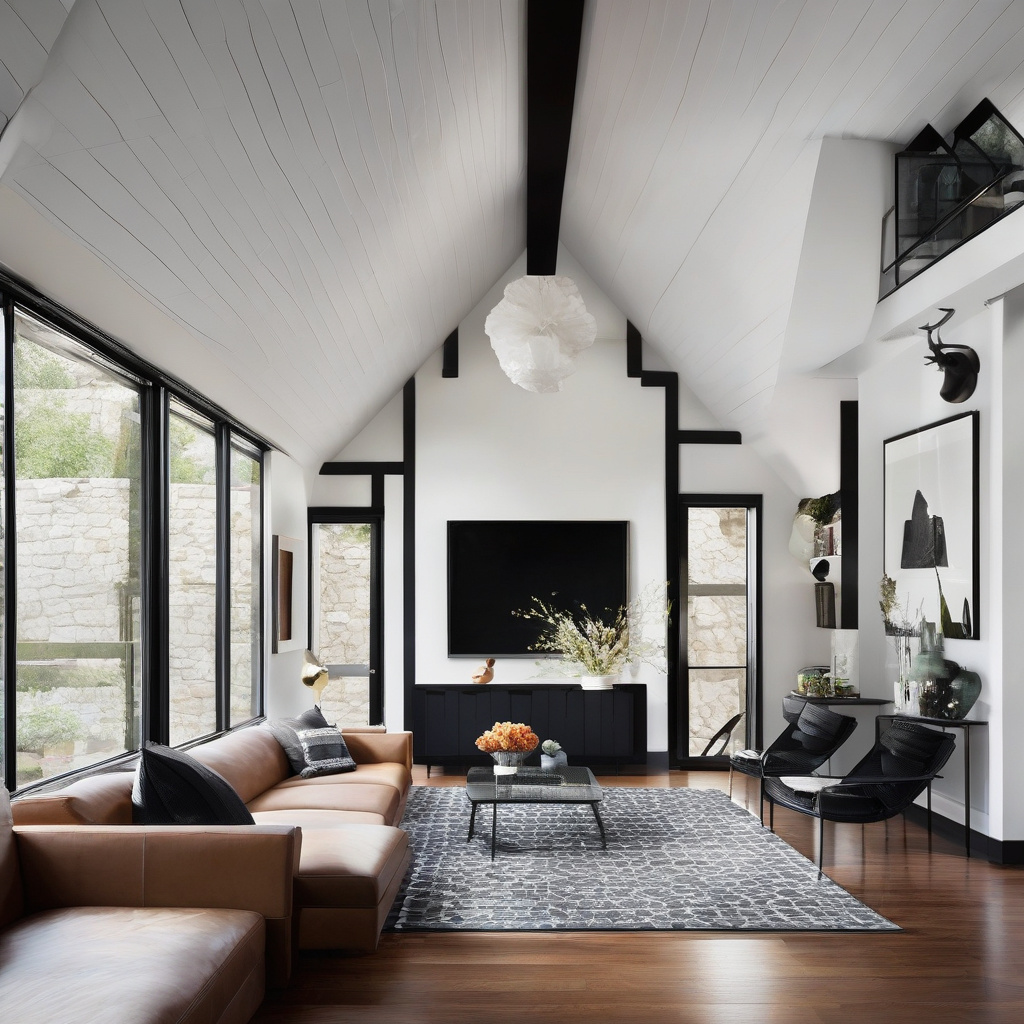
In the ever-evolving realm of interior design, accent ceilings have emerged as a compelling trend among homeowners in Los Angeles and Southern California. With their ability to transform a space by drawing the eye upward and adding architectural depth, accent ceilings are more than just a novelty; they are becoming a staple in modern renovations. Whether using color, texture, or both, these highlighted ceilings can redefine room dynamics and create memorable focal points.
Brief summary: This article explores how accent ceilings can elevate the interior design of homes, particularly in Los Angeles and Southern California. It discusses when and how to use different materials, colors, and textures, as well as offers practical tips and homeowner experiences to guide renovations. Insights include cost considerations, timeline expectations, and the diverse range of aesthetic impacts.
The Rise of Accent Ceilings in Los Angeles
Los Angeles, often at the forefront of design innovation, has seen a noticeable uptick in the adoption of accent ceilings across its residential landscape. This trend reflects a broader enthusiasm for personalized and striking interiors. The cultural melting pot of LA inspires a fusion of styles, encouraging homeowners to explore bold and personalized designs.
Many homeowners in the city find accent ceilings particularly appealing because they offer a way to introduce unique visual interest without overwhelming a room’s existing decor. A splash of color or an unexpected texture on the ceiling can act as the perfect enhancement to a minimalist interior, balancing simplicity with sophistication.
Within this urban expanse, contrasting styles from sleek contemporary to warm, rustic aesthetics invite the use of creative ceiling treatments. Whether a vivid palette or subtle hue, the accent ceiling responds to the varied tapestry of Los Angeles’ residential environments, echoing the city’s multifaceted charm. For those seeking inspiration, painting techniques tailored to ceiling design can provide an array of options to pursue a unique aesthetic, as highlighted in various paint modernizations available for ceilings.
The increasing popularity of such techniques showcases homeowners’ desire to cultivate personalized spaces that resonate with the eclectic energy of their city. In conclusion, accent ceilings are more than a fleeting trend in Los Angeles; they are a reflection of a city driving forward the spirit of innovative design.
Best Materials for Accent Ceilings
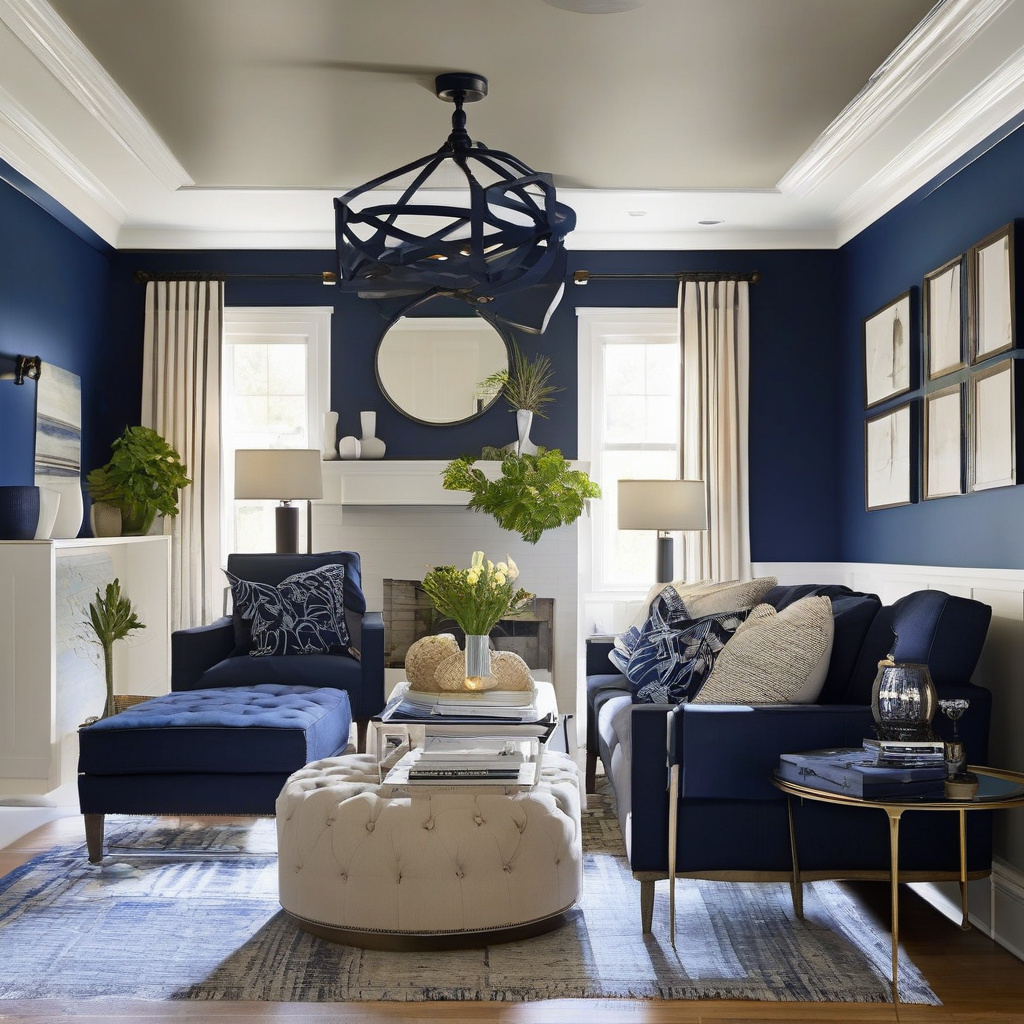
The choice of material significantly influences the overall effect of an accent ceiling. From timber beams to modern metallics, each material carries its unique set of characteristics and benefits. Timber, for instance, introduces warmth and an organic feel, ideal for homes seeking a connection with nature amidst the urban sprawl.
On the other hand, metallic finishes such as copper or brushed aluminum can instill a contemporary edge, enhancing environments with a touch of futuristic flair. Plaster is another favored option, offering flexibility in shaping intricate patterns and details that stand as works of art in themselves.
Choosing the right material also involves practical considerations. Durability, maintenance, and cost are critical factors to account for. In many instances, homeowners consult professionals to ascertain compatibility with existing structural elements. Consulting resources on material staining and finishing options provides insights into how finishes can enhance or protect ceiling materials.
The breadth of options available means homeowners can tailor their ceiling designs to suit budget constraints while achieving the desired visual impact. Ultimately, the right material can set the stage for a striking transformation, resonating with the architectural language of the home.
Considerations for Material Selection
- Assess the structural integrity and load capacity.
- Review maintenance requirements and long-term durability.
- Consider cost against aesthetic and functional value.
Planning for Impact: Colors and Textures
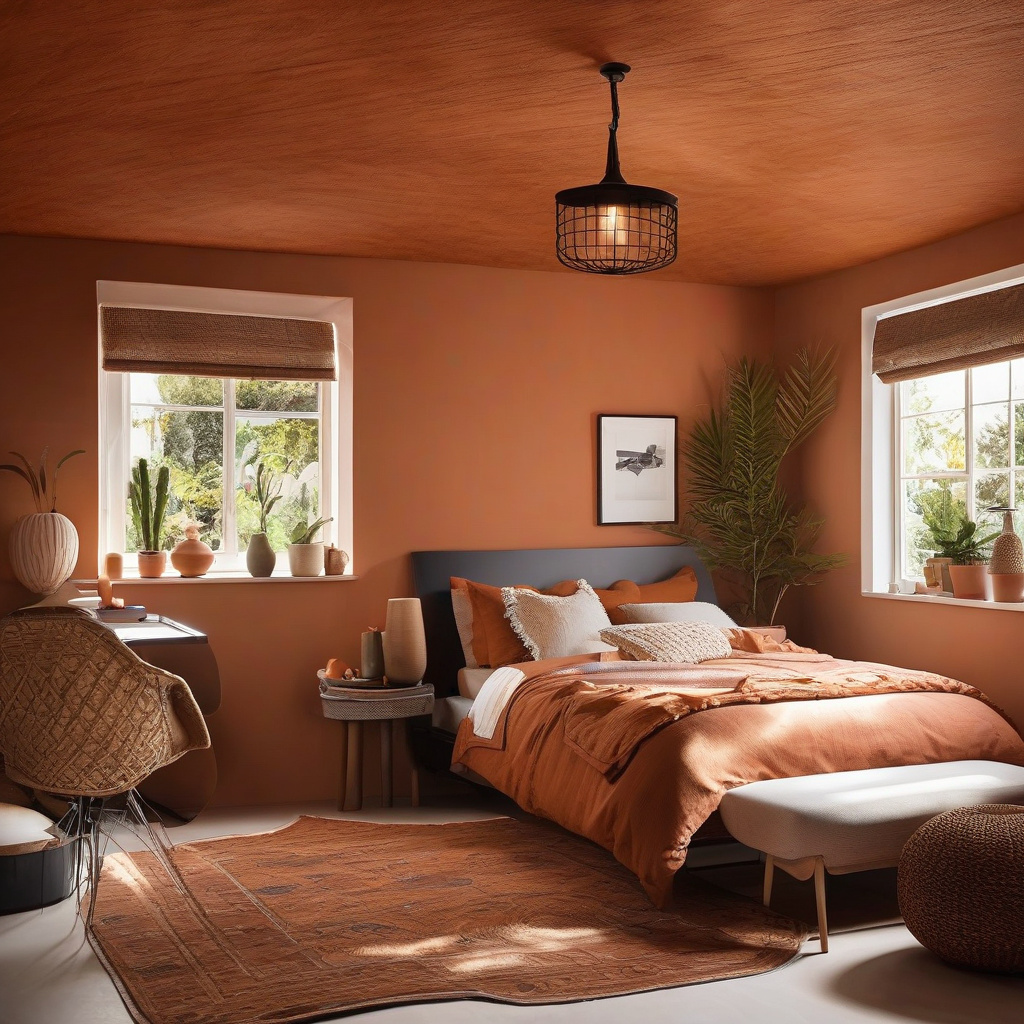
When planning an accent ceiling, color and texture become formidable allies. The spectrum of choices ranges from bold, saturated colors to nuanced pastels, each invoking distinct moods and atmospheres. Here, the psychology of color plays a pivotal role, as different hues can create varying emotional responses.
Textural variations further offer sensorial depth, from smooth, polished surfaces to rugged, tactile designs. A textured ceiling redefining a living space can cultivate an immersive experience, drawing attention to the craftsman’s detail and adding layers of complexity to the room’s ambiance.
Such decisions are best made through a careful examination of the room’s existing palette. Consideration should extend to how the ceiling will interact with elements like lighting and furnishings. The interplay of these factors together impacts the overall harmony of the design.
Developing a successful ceiling concept often involves repairing any existing wall imperfections that may affect the visual balance of the room. This ensures that the ceiling’s new look achieves its intended impact without distraction.
Ultimately, the union of color and texture in an accent ceiling can breathe new life into a space, tailoring it to the preferences and lifestyle of the homeowner. The reward lies in a living environment that feels dynamic and invigorating.
Cost and Consideration: What Homeowners Need to Know
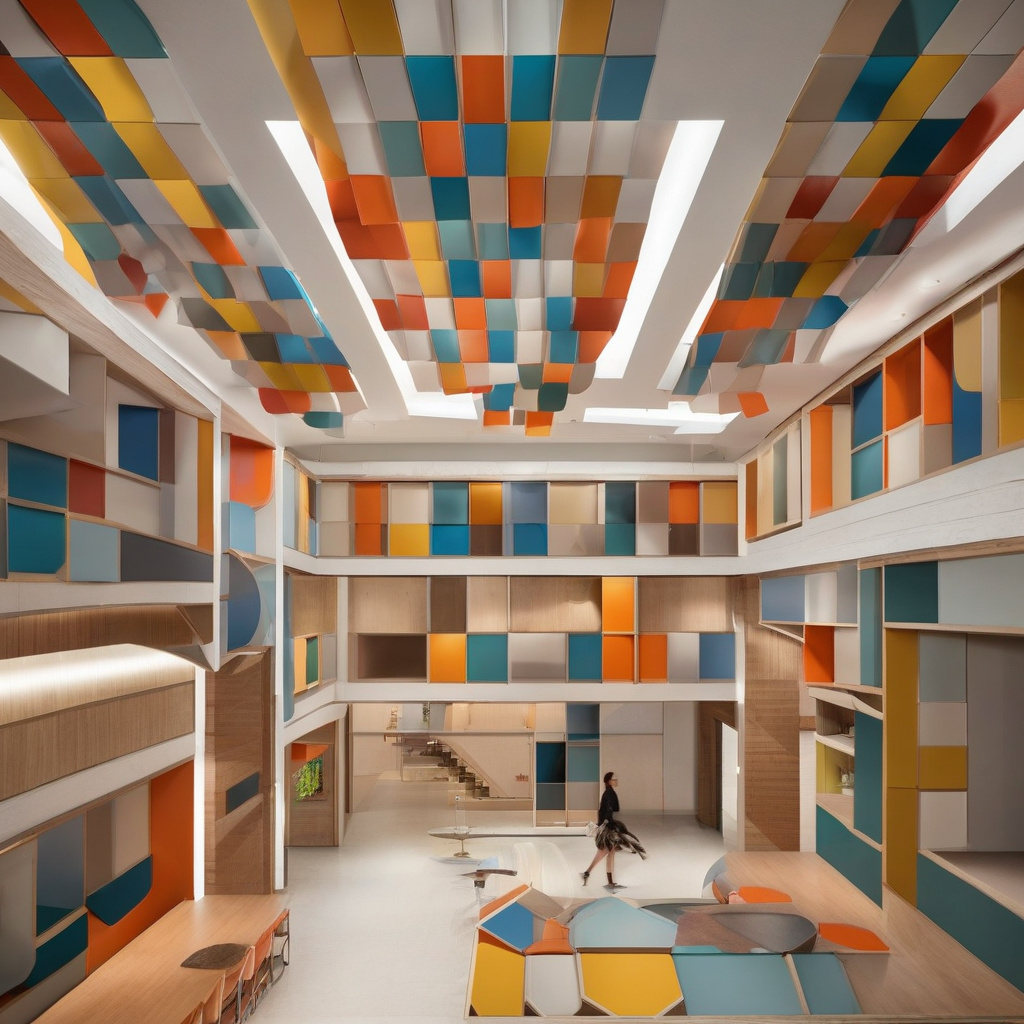
Renovating a ceiling to include an accent isn’t merely an aesthetic decision; it’s a financial one too. The cost of materials, labor, and additional factors such as scaffolding or special finishes can add up quickly. Understanding these expenses is critical for ensuring the project remains within budget.
The average cost can vary widely depending on the project’s scope and the materials chosen. For instance, a simple coat of specialty paint may incur only a few hundred dollars, while more elaborate installations with custom details or exotic materials can reach several thousands.
Homeowners often weigh these costs against the expected return on investment. An accent ceiling can enhance home value by creating a memorable feature that distinguishes it in the marketplace. Moreover, the psychological benefits of living in a visually rewarding space can also be factored into the equation.
Timelines are another consideration. From design through completion, understanding the duration of the project helps manage expectations and minimize disruptions to daily life. Current trends in which colors boost curb appeal can also assist in aligning the interior design with overall home upgrades.
In summary, an accent ceiling offers tremendous potential but requires careful financial and logistical planning. Homeowners who budget wisely and undertake thorough research reap the benefits of a beautifully executed vision.
| Option | Estimated Cost | Timeline | Impact |
|---|---|---|---|
| Simple Paint | $500 – $1,500 | 1-2 weeks | Moderate |
| Textured Install | $2,000 – $5,000 | 2-4 weeks | High |
| Custom Molding | $3,000 – $8,000 | 4-6 weeks | Very High |
Real-World Success Stories
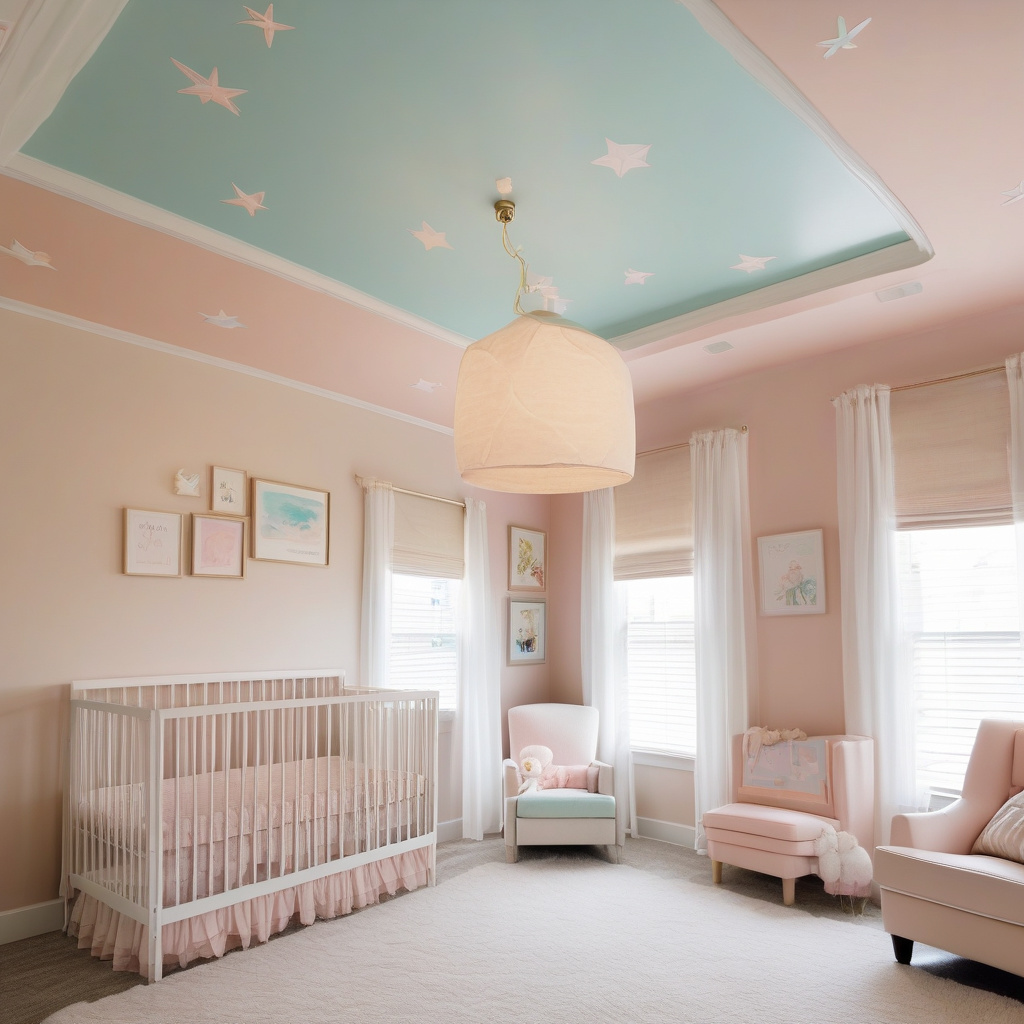
As accent ceilings gain traction, inspiring stories from local homeowners highlight their transformative impact. Consider Jessica, a resident of Silver Lake who sought to add some character to her century-old bungalow. By opting for a richly patterned ceiling in her kitchen, Jessica achieved a delightful interplay of tradition and modernity, drawing the family together around the heart of her home.
Meanwhile, in the artsy enclave of Venice Beach, a young couple turned a dull, cramped apartment into an inviting sanctuary through the introduction of a sleek, metallic ceiling in their living room. The reflective surfaces not only expanded the visual space but also introduced dynamic light play, enhancing the interplay between indoor and outdoor elements.
Moreover, local real estate agents report that such features often serve as conversation starters during open houses, influencing buyers to pay a premium for homes with unique design elements. The desire for distinctive, memorable interiors aligns with the creative spirit of Los Angeles, wherein artful expressions are celebrated.
These stories underscore the broader narrative: accent ceilings aren’t just about aesthetics; they’re about crafting a home that tells a story, lays a canvas for shared experiences, and brings joy to its inhabitants.
In conclusion, the implementation of accent ceilings goes beyond mere design — it crafts environments that reflect personality, foster creativity, and ultimately contribute to the allure and ambiance of Los Angeles homes.
Risks and Rewards: Final Considerations
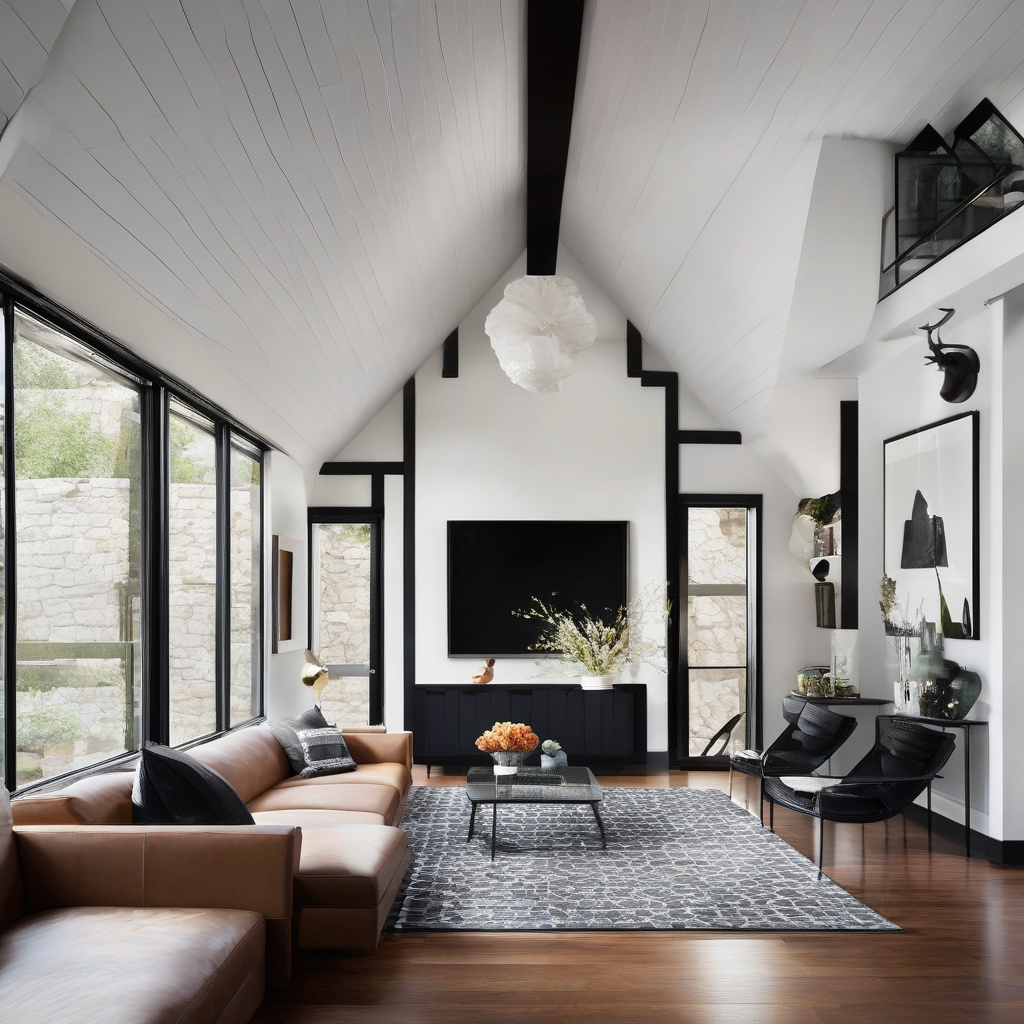
As with any home improvement project, accent ceilings come with their share of risks and rewards. The complexity of some designs may elevate both cost and installation timelines, requiring intricate coordination of materials and craftspeople.
Potential risks include structural limitations if not properly assessed or potential difficulties in future renovations if the design becomes dated or burdensome. As many local homeowners notice, comprehensive planning is key to mitigating such risks while maximizing aesthetic impact.
Conversely, the rewards can be profoundly satisfying. Professionally executed, an accent ceiling can set a home apart, inviting a sense of wonder and personal satisfaction. This sense of pride, paired with tangible enhancements to property value and livability, makes accent ceilings a worthy consideration.
Homeowners considering an accent ceiling should weigh their aspirations against practical concerns, ensuring their investment reflects both their aesthetic desires and functional needs.
Smart Strategies for Accent Ceiling Success
- Consult professionals to evaluate structural feasibility.
- Research materials and color schemes extensively.
- Anticipate cost variables and budget accordingly.
- Engage with communities or forums for shared experiences and advice.
Ultimately, accent ceilings embody creative possibilities that speak to the timeless allure of home as art. The path to realizing these aspirations involves both inspiration and informed decision-making. For those willing to embark on this journey, the rewards can be as enduring as they are profound.
“According to a recent industry report, homes with unique design elements like accent ceilings can increase resale value by up to 20%, attracting more buyer interest in competitive markets.”
“Expert designers emphasize the importance of balancing bold design choices with the overarching theme of a home’s interior, to ensure coherence and visual harmony.”
“Studies suggest that thoughtfully designed living environments, including elements like accent ceilings, can significantly enhance mental well-being and overall life satisfaction.”
- Accent ceilings are a rising trend in Los Angeles, offering a fusion of color, texture, and architectural interest.
- Homeowners have diverse choices in materials and designs, each carrying distinct advantages and cost considerations.
- Creative ceiling designs not only boost home aesthetics but also add value, appealing to potential buyers.
- Practical planning and expert insights are crucial in managing costs and achieving desired visual impacts.
- Accent ceilings reflect Los Angeles’ vibrant spirit, turning homes into spaces of personal expression and innovation.
FAQ
What is an accent ceiling and how does it enhance a room?
In the realm of interior design, an accent ceiling is a design element where color or texture is strategically applied to the ceiling, turning it into a focal point. In practice, applying a bold paint color or an intriguing texture like wood or tin can transform a mundane space into something extraordinary. It draws the eye upward, creating an impression of greater space and vitality in the room. For instance, adding a coffered ceiling can introduce an old-world charm to a modern living area, thus enhancing its appeal. Many experts believe accent ceilings are particularly effective in rooms with unique architectural details that deserve to be highlighted. This is especially true for Californian homes where diverse styles flourish.
How do you choose the right materials for an accent ceiling?
Choosing the right materials for an accent ceiling largely depends on the room’s existing decor, the desired effect, and practical considerations like humidity and lighting. If you’re aiming for a rustic look, utilizing reclaimed wood can add warmth and character, as seen in many Northern California ranch homes. On the other hand, modern lofts might benefit from sleek metal tiles that reflect light. It’s crucial to assess the room’s purpose; for example, in a kitchen, materials that resist moisture and are easy to clean are best. In real renovation scenarios, discussing options with a professional can also help to avoid costly mistakes. For further details or personalized advice, reach out to a renovation expert—a good starting point might be to [find a trusted renovation consultant](https://californiarenovation.top/contact/).
When is it most beneficial to install an accent ceiling?
Installing an accent ceiling makes the most sense during a larger renovation where changes to other elements like lighting or HVAC systems are being considered. Experts often advise incorporating accent ceilings in open-plan living areas or family rooms where a distinct visual separator can define spaces without walls. When working on older properties, particularly in San Francisco where Victorian and Craftsman homes are prevalent, retrofitting these elements during necessary repairs or updates can provide both aesthetic benefits and respect the home’s historical architecture. Homeowners frequently underestimate the power of a well-timed ceiling update in enhancing a space’s grandeur and utility.
What are common mistakes to avoid with accent ceilings?
A frequent pitfall is overpowering the space with a very dark or bright ceiling that dominates rather than complements the room’s design. Another mistake is neglecting the ceiling’s interaction with lighting; glossy finishes can reflect too much light, while matte finishes absorb it, impacting the room’s mood. Additionally, installing overly intricate designs or heavy materials in rooms with low ceilings can make the space feel cramped. Always evaluate the height and natural light of the room before selecting materials or colors. A practical tip from real-life renovation projects is to test a small area or use digital visualization tools to preview how the ceiling will influence the room’s dynamics.
What are the cost considerations for accent ceilings?
The cost of an accent ceiling varies widely depending on the materials chosen and the complexity of installation. Basic paint jobs can be relatively inexpensive, while materials like custom wood, tin tiles, or intricate moldings can quickly increase costs. Labor expenses also depend on the complexity and locale; for example, in a high-cost area like Los Angeles, skilled labor might be pricier. A practical approach in budgeting is to balance material quality with professional expertise, ensuring the accent ceiling not only raises the room’s aesthetic value but also its financial worth—a key consideration for property-owning investors in evolving housing markets.
What are the pros and cons of using textured versus painted accent ceilings?
Textured accent ceilings, such as those using wood panels or molded tiles, add depth and can introduce a tactile dimension to the space, making them ideal for rooms with minimal decor. However, they often come with higher costs and require more maintenance compared to simple applications of paint. Painted ceilings are versatile, allowing for bold color choices or soft pastels to create the desired ambiance. While they lack the depth that textures impart, they are simpler to apply and alter, offering flexibility for future redesigns. A balanced approach could involve combining subtle texturing with paint to maintain versatility without losing depth.
How can accent ceilings impact a home’s resale value?
An accent ceiling can potentially increase a home’s resale value by adding unique character and style that set it apart from comparable properties. In regions like Southern California, where style and modern design are highly valued, such features can capture the attention of potential buyers. However, it’s important to match the design with the property’s overall style to ensure it attracts rather than detracts. Overly personalized or mismatched ceilings might alienate some buyers. Having a ceiling design that complements and enhances the home’s inherent architectural features, while maintaining a broad appeal, is usually seen as a wise investment strategy.
What maintenance is required for accent ceilings?
The maintenance of accent ceilings depends on the materials used. Painted ceilings, especially those with deeper hues, may need periodic touch-ups to address fading or damage. Textured ceilings, such as those made from tin or wood, may require regular cleaning and periodic resealing or re-varnishing to maintain their appearance and protect them from humidity or pests. In renovation experiences, it’s evident that ignoring ceiling maintenance can lead to deterioration, impacting the room’s overall feel and the home’s structural integrity. Regular inspections, especially in climates like those in California, with their varying humidity and temperature, ensure longevity and sustained visual appeal.