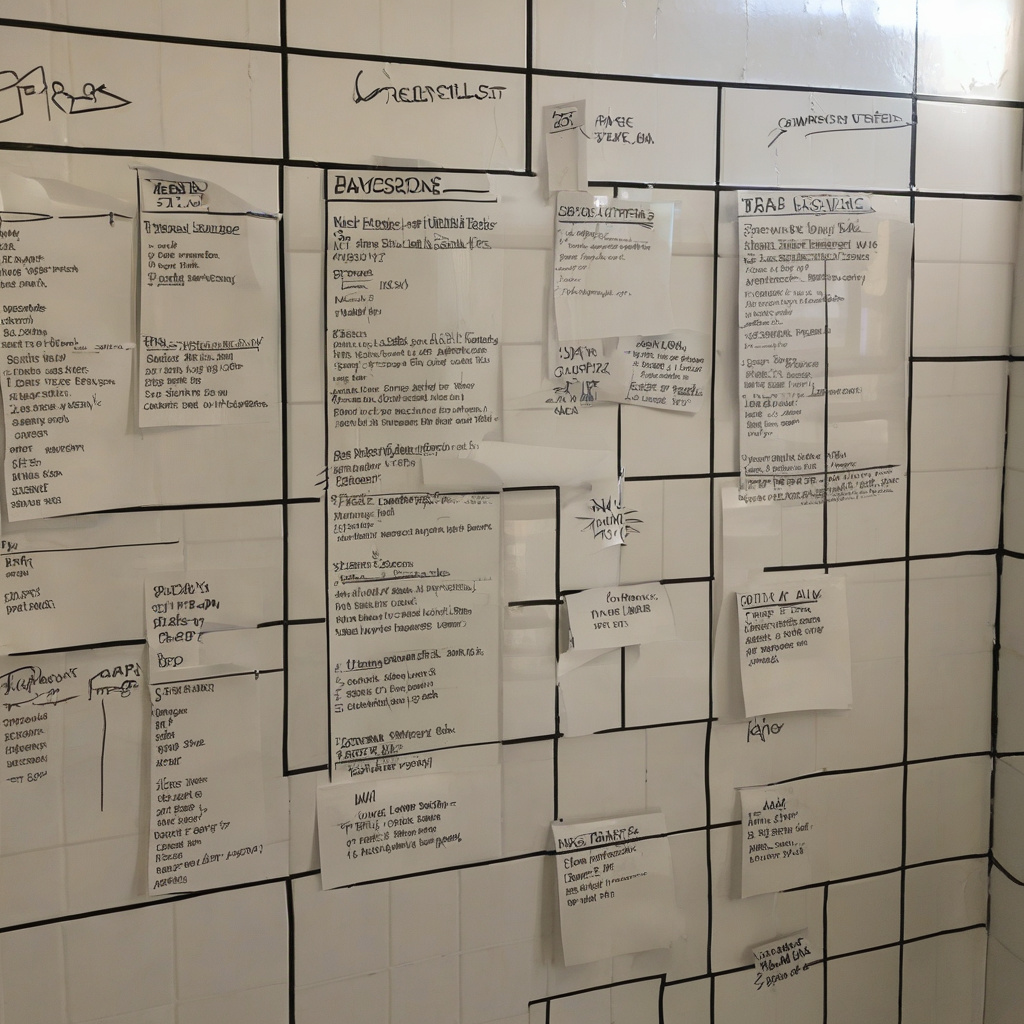
In the sun-soaked realm of Southern California, where architectural prowess meets the whims of nature, waterproofing challenges emerge as silent saboteurs. Homeowners venturing into remodeling or new constructions are often blindsided by leaks and subsequent costly repairs, owing to simple yet pivotal waterproofing mistakes. Here, we delve into the intricate and often underappreciated world of waterproofing, a domain that demands precision, meticulous planning, and the wisdom of experience.
Brief summary: This article explores common waterproofing mistakes in Southern California that lead to leaks and expensive repairs. Insights into construction practices, local renovation trends, and industry tips are provided to help homeowners avoid costly pitfalls. The guide emphasizes the importance of proper execution in waterproofing techniques to ensure durable and leak-free home renovations.
The Unseen Cost of Weak Seams
Picture a homeowner in Los Angeles, a city where real estate is as much a lifestyle as an investment. They invest in a stunning bathroom remodel, envisioning serene, leak-proof environs, only to find the dream crumbling under the persistent drip of water. The culprit? Weak seams, those inconspicuous joints where waterproof membranes overlap and seal.
Weak seams often occur due to haste or inattention to detail during installation. Overlapping membranes must be securely bonded to prevent water ingress, a task demanding precision and time. Contractors juggling deadlines might rush, unintentionally setting the stage for future leaks.
As many local homeowners notice, such minor installation flaws amplify over time, transforming a seemingly benign issue into an expensive ordeal involving mold remediation and structural repairs. It’s not just an expense; it’s an exercise in patience, testing the resolve of the most stoic property owner.
Addressing weak seams requires expertise and an unwavering commitment to quality. Reliable contractors emphasize the importance of appointing trained professionals who refuse to cut corners. In-depth knowledge about bathroom renovation trends in California can be pivotal, guiding the choice of materials and methodologies that thrive in the local climate. For further insights into careful bathroom planning, visit exploratory bathroom renovation advice.
In conclusion, understanding seam vulnerabilities and investing in competent craftsmanship are vital steps in dodging financial pitfalls.
The Perils of Improper Sloping
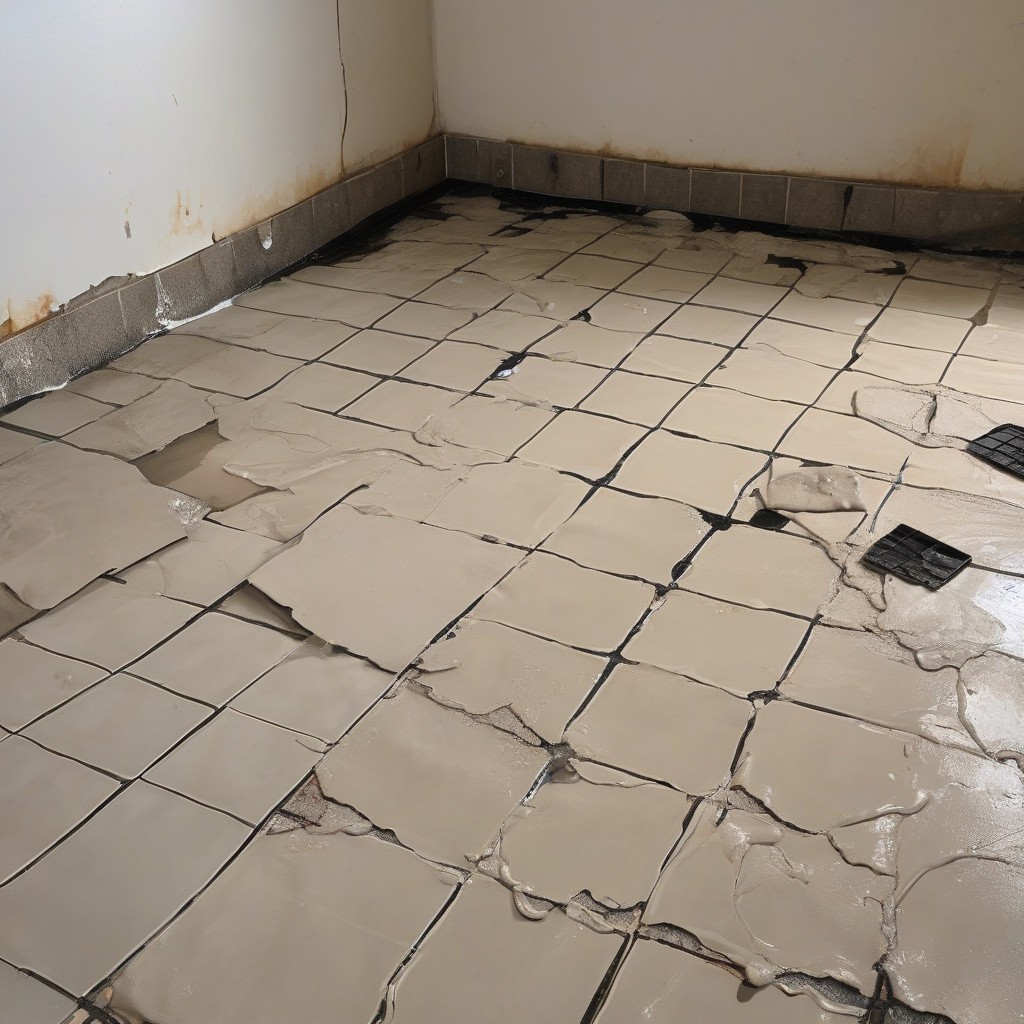
In Southern California, water mismanagement often masquerades under the guise of improper sloping. Among lush backyards and sprawling residential complexes, how a floor is angled can make or break a waterproofing system. The realization frequently dawns post-construction, when water refuses to drain, puddling in inconvenient spots, relentlessly eroding surfaces and inviting dampness.
Improper slope disrupts both function and aesthetics. Instead of guiding water towards a drain, an inadequate gradient nudges it into crevices or corners, unnoticed until significant damage has already occurred. Unfortunately, these errors often stem from miscalculations during initial planning phases, where budget constraints prioritize visible features over structural soundness.
Corrective measures entail reshaping surfaces, a disruptive and costly process. Homeowners are urged to precisely plan gradients before the pour, ensuring alignment with drainage systems, as described in strategic bathroom technology layouts. Experts advocate for proactive measures, incorporating a slight incline towards outlets, necessary in preventing water stagnation.
The essence of clever slope design lies in marrying form with function. A calculated approach between ambitious design and sustainable safety can forestall the financial and structural fiasco posed by improper gradients.
In summary, attention to gradient design fortifies the resilience of waterproofing systems, sparing homeowners from potential disaster.
“Inadequate sloping is a primary catalyst for water-related repairs, accounting for nearly 30% of corrective interventions in recent architectural reviews of Californian homes.”
The Overlooked Imperative of Membrane Coverage
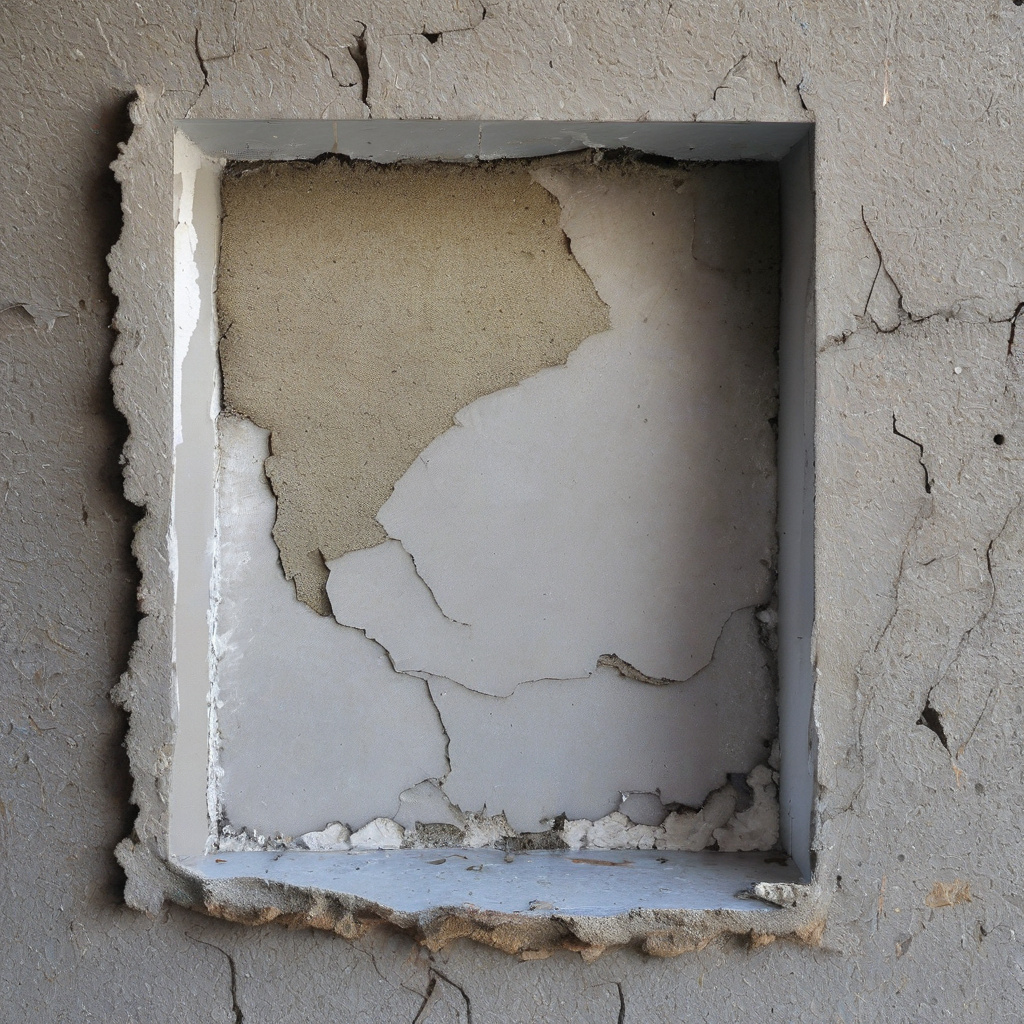
Imagine the allure of a well-appointed Mediterranean bathroom, its allure marred by unexpected water damage. The root of despair? Often, insufficient membrane coverage. Membranes, invisible layers of defense against moisture, are indispensable yet frequently underestimated.
Cultural emphasis on design often eclipses invisible necessities. In bustling Los Angeles, a city known for trendsetting styling, the importance of membrane placement during the construction phase cannot be overstated. Too often, membranes are skimped on, either through oversight or cost-cutting decisions.
Effective membrane application covers every surface vulnerable to water exposure, forming a comprehensive barrier. Insufficient coverage leaves pathways for water intrusion, with damaging consequences to both structure and surface finishes.
| Renovation Element | Average Cost with Proper Membrane | Cost of Repairs from Faulty Membrane |
|---|---|---|
| Floor Tiling | $10,000 | $25,000 |
| Shower Walls | $8,000 | $20,000 |
For those eyeing an intricately unique design, such as the distinctive Mediterranean bathroom approach, embrace holistic and inclusive membrane applications from inception.
In closing, comprehensive membrane installation exceeds its apparent cost, yielding long-term savings and safeguarding aesthetic integrity.
“Studies reveal that comprehensive waterproof membrane systems reduce subsequent repair costs by up to 50%, underscoring their role in sustainable construction.”
Real-Life Consequences: Stories from the Suburbs
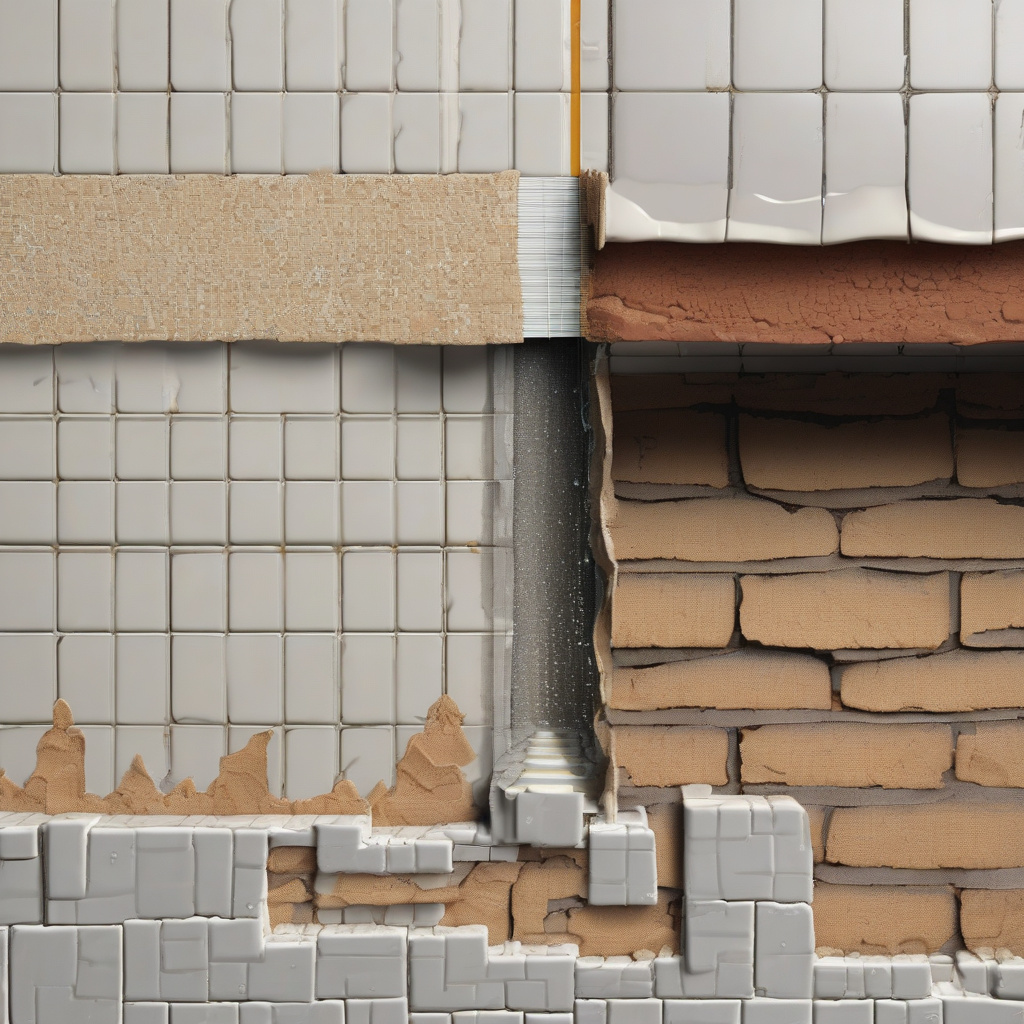
Married couple Alex and Jessie embarked on a bathroom remodel, aspiring for a spa-like sanctuary. Initially, optimism reigned until minor dripping from their ceiling unveiled underneath waterproofing flaws. The lack of immediate response cascaded into a significant home repair situation.
In their perspective, blame lay partially with their over-reliance on aesthetic elements over infrastructure reliability. Unfortunately, aesthetics overshadowed the more mundane yet critical aspect of ensuring comprehensive waterproofing.
Ultimately, Alex and Jessie’s ordeal echoes across numerous Los Angeles households, entwining the renovation tales with hard-earned wisdom. Recognizing waterproofing as a fundamental architectural backbone could avert these recurring plumbing dramas.
Their solution was retrospectively simple: balancing superficial allure with essential waterproof integrity while ensuring diligent project oversight.
In summation, learning from those who’ve navigated similar construction pitfalls provides a practical framework for preemptive resilience.
“As many industry insiders assert, 80% of home leaks result from neglected preliminary waterproofing measures.”
Risks vs Rewards: A Compelling Case for Quality
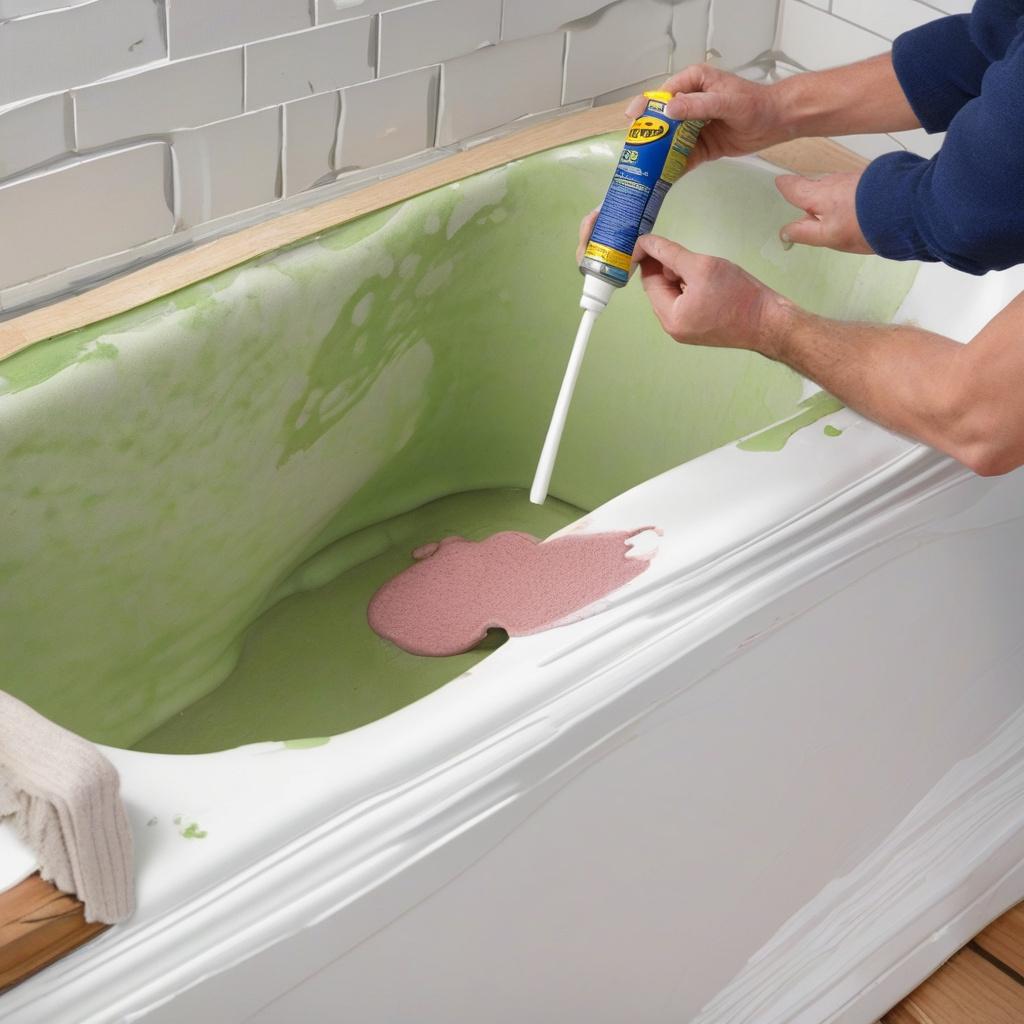
When contemplating whether to invest in high-grade waterproofing or not, property owners often consider the immediate and tangible rewards. These investments bring peace of mind, knowing that future repair costs resulting from leaks are minimized.
Conversely, the risks of subpar waterproofing lie in the unseen, with potential implications spanning financial and structural domains. Often, this debate unfolds early in project planning, where the intersection of budget limitations and project ambitions takes center stage.
The key takeaway for Southern Californians? Recognizing waterproofing as an asset, not an afterthought, and adopting strategic investments that align long-term stability with upfront costs.
When undertaken with informed scrutiny and precise execution, comprehensive waterproof strategies convincingly tilt the scales towards lasting rewards. Investigating among options and seeking relevant information on practical renovation methodologies can aid substantially.
In wrap-up, sound waterproofing practices consistently demonstrate their potency in reshaping maintenance experiences, achieving enduring allure.
Step-By-Step: A How-To on Preventing Waterproofing Blunders
Homeowners embarking on renovations can mitigate waterproofing blunders by following a structured approach, detailed below:
Step 1: Engage Expertise Early
Recruit skilled contractors familiar with California’s unique climate challenges. Their insights often offer unanticipated solutions to complex waterproofing needs.
Step 2: Detailed Planning
Align design ambitions with realistic construction capabilities, ensuring thorough planning incorporates intricate waterproofing schematics.
Step 3: Quality Over Cost
Allocate a meaningful portion of budget towards quality waterproofing materials and certified workmanship. Cheaper alternatives rarely justify long-term fiscal strain.
These practical precepts, executed with diligence, build a resilient waterproofing system attuned to the Californian ethos, transcending simple protection beneath an opulent exterior.
In totality, methodical and informed preparations are the cornerstone of avoiding budgetary surprises wrought by inferior waterproof installation.
- Weak waterproofing seams often lead to significant future expenses.
- Proper gradient design is essential to effective waterproofing.
- Comprehensive membrane application reduces repair costs by half.
- Insight from real stories highlight crucial waterproofing lessons.
- Investing in quality materials pays off in long-term stability.
“`html
FAQ
What common waterproofing mistakes often lead to leaks?
In real renovation projects, it often becomes clear that missteps like weak seams and improper sloping are frequent culprits in waterproofing failures. Many experts stress that when seams are not properly reinforced, water finds its way through, creating leak risks. Homeowners frequently overlook slight imperfections that over time, transform into costly repair jobs. Imagine a bathroom remodel where the shower wasn’t pitched correctly; water stays put and seeps through small gaps, eventually damaging the underlying structure. To avoid this, professionals meticulously ensure each seam is tightly sealed and every surface is appropriately sloped towards drains.
How can homeowners ensure effective waterproofing during renovations?
Ensuring effective waterproofing involves close attention to materials and installation techniques. Many homeowners underestimate the importance of membrane coverage, yet this is crucial to preventing moisture intrusion. In practice, using quality membranes and ensuring comprehensive coverage around risky areas like corners and edges make a noticeable difference. When selecting products, look for those with a proven track record for durability and compatibility with your region’s climate. If in doubt, you can always seek advice from a seasoned professional who offers in-depth consultations tailored to your specific project needs; this can be invaluable in safeguarding your investment against leaks.
What are the signs that waterproofing might have failed in my home?
When waterproofing fails, there are several red flags that homeowners should not ignore. The presence of persistent dampness or moldy odors in areas that should remain dry, like basements or bathrooms, often signals a problem. Stains on walls or ceilings, particularly with a water ring pattern, indicate moisture has seeped into places it shouldn’t. In more advanced cases, you might notice peeling paint or bubbles in wall coverings, pointing to unseen moisture damage. This usually means that the waterproofing system must be reassessed or even fully replaced to protect against further damage, demanding an urgent response.
Should older properties be prioritized for waterproofing during renovations?
Many industry professionals recommend prioritizing waterproofing in older properties during renovations. These homes, while rich in character, often possess outdated materials that have deteriorated over time. In California, where old homes abound, ensuring these timeless structures are fortified against moisture is crucial. Updating these homes with modern waterproofing solutions prevents future damage and preserves their historical charm. The investment in proactive waterproofing not only increases longevity but also can enhance property value. Consulting with experts to evaluate the specific needs of an older home can guide you in making informed decisions.
What are the potential costs involved in waterproofing a home, and can they be reduced?
The cost of waterproofing a home can vary significantly based on factors like the size of the area, materials used, and labor. On average, homeowners could see a range from a few hundred to thousands of dollars, depending on complexity and location. One way to manage costs is by prioritizing critical areas prone to leaks, such as bathrooms and basements. Opting for long-lasting materials might represent higher up-front expenses but can reduce future repair costs. Many find it beneficial to schedule maintenance checkups after major renovations, catching minor issues before they require significant expense. For tailored advice on managing these costs efficiently, consider reaching out to experts in your locality for personalized guidance; they often offer insights necessary for making cost-effective decisions and optional consultations are available at places like contacting knowledgeable experts in your area.
Are newer builds less prone to waterproofing issues than older properties?
While newer builds incorporate advanced materials and technologies designed to address waterproofing challenges, they aren’t immune to issues. Builders equipped with state-of-the-art materials like integrated waterproof membranes in roofs and foundations often reduce potential leaks. However, even the most modern homes can experience problems if there’s a lapse in installation standards. In practice, errors occur during builds due to rushed schedules or inexperienced labor, leading to weak seams or improper material usage. Thus, periodic inspections are recommended to ensure construction quality hasn’t been compromised, emphasizing the need for vigilance in both older and newer houses alike.
What is the role of slope in effective waterproofing?
Slope plays a pivotal role in effective waterproofing by directing water away from critical structures. A practical example can be seen in shower installations where a proper slope ensures water funnels efficiently towards the drain. Without appropriate grading, water accumulates, causing pressure on encasements and leading to leakage. Many professionals consider the appropriate gradient a non-negotiable part of design, particularly in rain-heavy regions. This technique applies both to interior surfaces like shower floors and exterior spaces like patios, preventing pooling and ensuring longevity. To achieve the best results, engaging with a contractor well-versed in slope dynamics is advised, especially when tackling complex areas.
How can waterproofing systems be maintained to prevent leaks over time?
Maintaining waterproofing systems demands vigilance and regular attention to detecting wear and tear. Simple actions, like inspecting for visible signs of damage or malfunctions in drainage systems, can go a long way. Ensuring gutters are clean and efficient reduces potential for overflow, protecting foundational barriers. Utilizing sealants periodically and checking roof integrity before and after harsh weather further fortify a home against leaks. For homeowners, being proactive in scheduling preventative maintenance not only preserves the home’s waterproofing integrity but also can prevent costly repairs down the line, making it a wise part of any home care routine.
“`