In the sprawling expanse of Los Angeles, where architectural innovation and practicality often collide, the choice of roofing vents is more crucial than one might assume. Ridge vents, box vents, and turbine systems serve as silent arbiters of airflow, each offering distinct advantages that can directly impact the longevity of a roof. As homeowners strive to make informed decisions, understanding the nuances of these ventilation options becomes a linchpin in fostering sustainable home environments.
Brief summary: This article dives into the critical role of roofing vent systems—namely ridge vents, box vents, and turbines—in maintaining attic airflow and enhancing roof longevity. By examining their types, costs, and real-life applications in the Los Angeles area, the piece guides homeowners through decision-making in renovations. Essential insights, expert opinions, and practical advice help navigate these roofing options effectively.
Understanding Ridge Vents
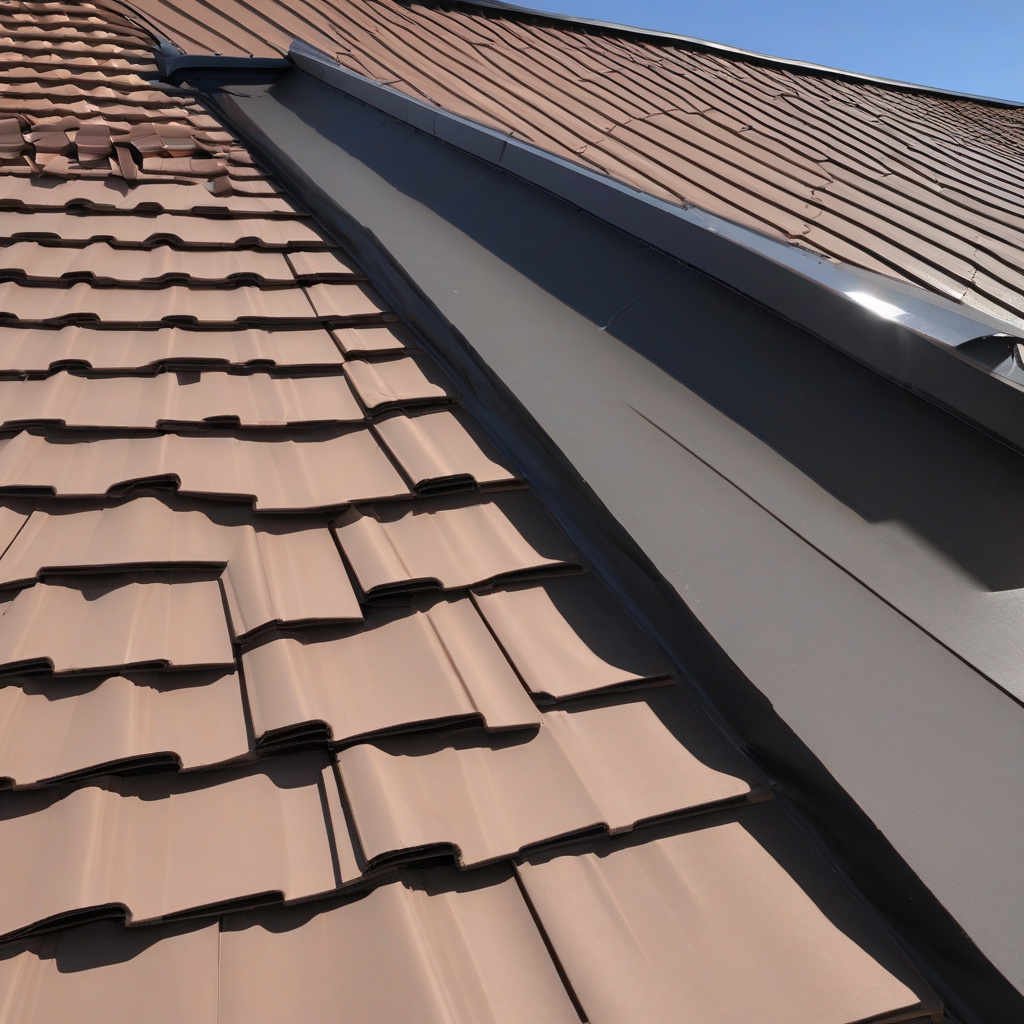
Ridge vents are a popular choice among homeowners who value both function and aesthetic. These vents run along the peak of a roof, effectively blending with the architecture while providing a subtle yet efficient escape for hot air. Particularly suited to the dry climate of Southern California, ridge vents leverage natural convection to promote airflow, reducing heat build-up in attics. This can be especially advantageous given Los Angeles’s tendency towards long, hot summers.
Ridge vents work seamlessly within a roof’s ridge cap, allowing for a continuous air outlet that supports consistent temperature regulation. Many homeowners notice a notable reduction in cooling costs once these systems are implemented, underscoring their value. Moreover, ridge vents have no moving parts, leading to minimal maintenance needs over the years. As pioneers in roofing technology, they represent a forward-thinking choice for environmentally conscious homeowners.
In the competitive Los Angeles housing market, adding ridge vents can also enhance property value, tying into broader trends of sustainability and energy efficiency sought after by potential buyers. While installation can be slightly more complex, the benefits in terms of home climate management and long-term energy savings are well documented.
Ultimately, ridge vents serve as an effective solution for maintaining a balanced attic climate in the typically warm Southern Californian environment. Their unobtrusive appearance and proven efficiency make them a top choice for many roof renovations.
According to the National Roofing Contractors Association, ridge vents can reduce attic temperatures by up to 30 degrees, contributing to reduced energy costs and increased shingle lifespan.
Exploring Box Vents
Box vents, also known as louvered vents, offer an alternative approach, often visible as raised squares on the roof surface. They are a preferred option for homes with complex roof designs where continuous ridge systems might not fit seamlessly. Box vents are easy to install and require no additional framework, making them financially attractive to homeowners navigating renovation budgets.
This style functions by creating localized pockets of ventilation, beneficial for sectional temperature control in attics. Despite their non-continuous nature, box vents are effective for homes where wind direction and weather patterns facilitate natural airflow. Southern Californian homes situated in windy locales might find box vents particularly advantageous.
However, box vents might not achieve the uniform ventilation of ridge systems, making it crucial for homeowners to evaluate their specific needs. Consulting with a qualified roof expert can provide insight into whether box vents can harmonize with a home’s unique roof layout and weather exposure.
The decision to incorporate box vents should balance initial cost savings with the holistic ventilation needs of the attic space. When wisely chosen, they can be a key component in maintaining optimal roof health.
“Box vents offer a cost-effective solution, but their effectiveness heavily depends on proper placement and adequate installation,” states architecture expert Leslie Chang in Roofing Magazine.

The Functionality of Turbine Vents
Turbine vents certainly bring a dynamic element to roof ventilation strategies. Known for their iconic spinning tops, these vents harness the power of wind to actively draw out attic heat. A significant benefit of turbine systems is their ability to move large volumes of air, particularly advantageous in areas where high winds are common.
For Los Angeles dwellers, turbine vents may offer benefits during the more temperate months as they can efficiently manage heat dissipation. Nonetheless, careful consideration is needed concerning their visual profile, as some homeowners prefer less conspicuous alternatives.
Regular maintenance is necessary to ensure turbine vents operate smoothly, as debris can hinder their mechanism. When examining turbine vents as an option, homeowners should weigh the balance of effectiveness against potential ongoing upkeep costs and aesthetic impact.
Ultimately, turbine vents provide a proactive solution for homes seeking enhanced ventilation through renewable means. Their distinctive appearance can also add character, resulting in both functional and aesthetic enhancements to a property.
| Vent Type | Average Cost | Ease of Installation | Maintenance | Efficiency |
|---|---|---|---|---|
| Ridge Vents | Moderate | Complex | Low | High |
| Box Vents | Low | Simple | Low | Moderate |
| Turbine Vents | High | Moderate | High | Variable |
Costs and Considerations
When undertaking roof renovation in Southern California, understanding costs is critical. Ridge and box vents often have lower initial costs due to simpler materials and installation compared to turbine vents, which can be pricier due to their mechanical components.
While ridge vents provide superior overall ventilation, their installation can demand a higher investment in terms of skilled labor. Box vents, though cheaper, may require strategic placement assessments to achieve desired results, especially when dealing with irregular roof shapes.
Homeowners weighing the options should consider their home’s specific environmental exposure and intended energy efficiency outcomes. To streamline this decision-making process, one might visit resources for detailed comparison of roof quotes to gauge potential investments.
Balancing upfront costs with long-term savings is essential. A vent system that efficiently reduces energy bills or extends roof life can justify higher initial expenses over time.

Green Roofing Considerations
In an era increasingly defined by sustainability, many Los Angeles homeowners are interested in joining the green movement through their renovation choices. Installing a green roof can enhance the environmental benefits of ridge, box, or turbine vents.
Green roofs support natural insulation and provide added shading, further benefiting the efficiency of roof vent systems by reducing the thermal load. Such dual-purpose solutions align with the broader trends of sustainable building practices that are rapidly gaining traction in Southern California.
Integrating green systems can be more complex, requiring careful engineering to accommodate added weight and ensure adequate drainage. The rewards, however, are reflected in enhanced energy efficiency, improved local air quality, and increased biodiversity, all of which contribute to the home’s value and aesthetic.
These eco-friendly options go beyond mere functionality, potentially transforming homes into self-sustaining entities and significantly boosting property appeal to environmental enthusiasts.
Research by the Green Building Council shows that homes with integrated sustainable features, including green roofing, experience approximately 14% higher property value appreciation.
Practical Remodeling Steps
For homeowners embarking on a roof renovation project, understanding the step-by-step process can simplify the journey. Assessing your current roof condition is the logical first step, allowing for a clear understanding of the existing ventilation system’s strengths and weaknesses.
Next, engaging with a professional to evaluate ventilation requirements ensures you choose a system that aligns with both structural requirements and personal preferences. Many homeowners find this phase crucial in determining suitable ventilation types for their area’s specific climate and roof layout.
Upon deciding the vent type, obtaining and comparing quotes is essential. Leverage resources like guides on installing skylights or new vent systems for insights on costs and timelines.
Finally, oversee the installation process, staying informed about any required adjustments or preventive steps. A well-executed installation facilitates a vent system that maximizes comfort and extends your roof’s lifecycle.
- Ridge vents offer seamless integration with high efficiency, ideal for hotter climates.
- Box vents provide budget-friendly solutions for complex roof layouts.
- Turbine vents utilize natural forces for effective air circulation but may require more maintenance.
- Careful planning and professional consultation can optimize vent system choices for homeowners.
- Integrating sustainable elements like green roofs further enhances overall benefits.
“`html
FAQ
What are ridge vents, box vents, and turbine vents?
Ridge vents, box vents, and turbine vents each serve the purpose of improving attic ventilation but in different ways. Ridge vents run along the peak of the roof and are nearly invisible, allowing warm air to escape naturally through convection. Box vents, or static vents, are installed near the roof ridge but do not utilize moving parts. They offer passive airflow at strategic points. Turbine vents, with their rotating design, use wind to pull air out actively from the attic. In real renovation projects, homeowners frequently notice that proper attic ventilation extends shingle life by preventing heat buildup and reducing moisture. The choice of vent often depends on the local climate and roof design, making it worth considering expert advice to match your specific needs.
How do you choose the right vent type for your home?
Choosing the right vent type involves several considerations. First, assess the climate: hot regions might benefit more from ridge vents to efficiently release heat. Next, consider the architecture—some homes are better suited for the subtle, aesthetic appeal of ridge vents, particularly in newer builds with modern systems. On older properties, box or turbine vents might be easier to retrofit. Many experts emphasize consulting with a seasoned roofing contractor, as they can perform a roof and attic assessment to suggest the most effective solution. Don’t overlook factors like prevailing winds or even HOA restrictions, which can impact suitability.
When does it make sense to install ridge vents?
Ridge vents come into play as an excellent option during new roof installations or if you’re performing a major roof overhaul. They are ideal for homeowners seeking a seamless look, as they are less visible compared to turbine and box vents. Many roofers recommend them due to their efficiency in offering uniform ventilation across the roof. This helps in preventing hot spots that can damage shingles prematurely. However, in areas prone to high winds without adequate intake vents, ridge vents alone might not perform optimally. It’s crucial to balance intake and exhaust to make the most of their capabilities.
What are common mistakes to avoid with roof venting?
A typical error homeowners make is mixing different vent types, such as using both ridge and turbine vents, which can disrupt airflow patterns and reduce efficiency. Additionally, skipping intake vents or improperly sealing the attic can significantly hinder performance, forcing your chosen system to do double duty. It’s also a mistake to ignore regular inspections—vents can become clogged with debris, or their functionality might be compromised due to extreme weather. Many experts point out that consistent maintenance is key; simple seasonal checks can prolong the life of your vent system and protect your home’s structure.
What are the cost considerations for different vent systems?
Budgeting for a ventilation system involves both materials and installation costs. Ridge vents tend to be more costly due to the need for precision installation along the roofline. On the other hand, box and turbine vents are often less expensive, offering a budget-friendly option for tight projects. However, it’s vital to consider long-term costs as well: poor ventilation can cause shingle and structural damage, leading to far more expensive repairs down the line. In real renovation scenarios, it’s a balance between upfront expenses and potential future savings that often guides decision-making.
What are the pros and cons of turbine vents?
Turbine vents have several advantages, including active air movement driven by wind, making them effective even on still days. They can be cost-effective for certain homes, particularly those in windy regions where maximum airflow is desired. However, their performance can be inconsistent in areas with sporadic wind patterns. They also include moving parts that may require more maintenance than static options. Additionally, homeowners sometimes overlook their aesthetic impact, as they protrude more than ridge vent options. In practice, assessing these factors against your local climate and aesthetic preferences is crucial.
How does maintenance differ between vent types?
Maintenance needs vary across vent types. Ridge vents are generally low-maintenance, benefiting from their passive function and flush design that rarely traps debris. Box vents need periodic checks for blockages, particularly in areas with dense foliage. Turbine vents, while effective, require regular lubrication and cleaning to ensure the spinning mechanisms function smoothly. On occasion, extreme weather can misalign or damage them, necessitating repairs. Homeowners frequently underestimate this aspect, but assigning a regular inspection schedule can prevent small issues from becoming significant problems. If you need further advice, a great way to get specific recommendations would be by reaching out to local renovation experts.
How do vent types impact roof longevity?
Ventilation plays a crucial role in prolonging roof life by minimizing the risk of heat-related shingle damage and wood warping from excess moisture. Ridge vents provide balanced ventilation that is uniformly spread out, which is excellent for maintaining roof temperature consistency. While effective, box vents may require careful placement to ensure they cover the entire attic space. Proper function of turbine vents largely depends on wind availability, but when operational, they quickly reduce attic temperatures. Each type, when installed correctly and maintained, can enhance roof longevity by battling the hidden threats of heat and humidity, a consideration that is crucial for maintaining the overall health of any California home.
“`