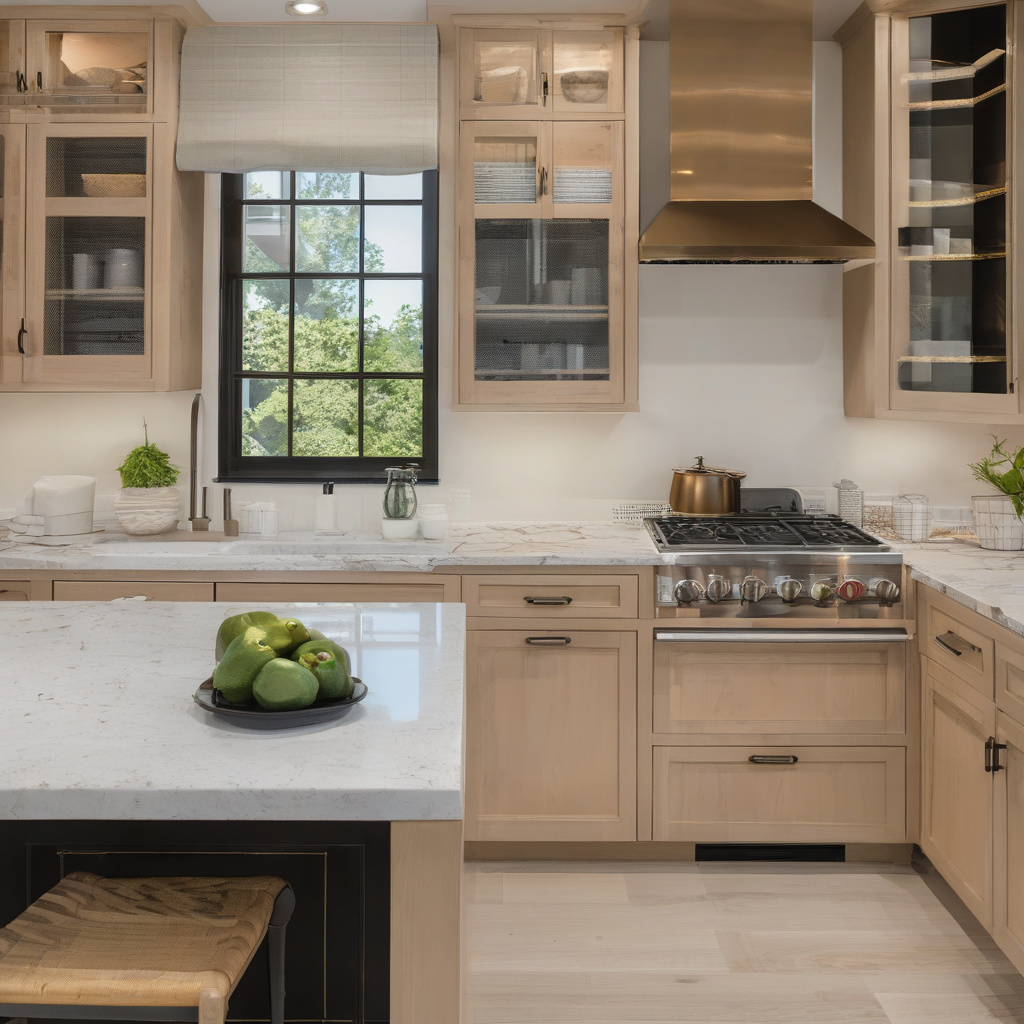
Quartz, granite, and porcelain countertops—three contenders vying for the top spot in kitchen renovations across Los Angeles and Southern California. Whether you’re a novice in the world of remodeling or a seasoned pro, these surface materials bring their own distinct flair and functionality to the table. Understanding their differences in durability, maintenance, and heat resistance can transform your decision-making process from overwhelming to streamlined.
Brief summary: This article explores the key differences between quartz, granite, and porcelain countertops, focusing on durability, maintenance, and heat tolerance. It gives practical advice for homeowners in Los Angeles on selecting the best material based on their cooking habits and design aspirations. It also features real-world costs and renovation tips.
Why Quartz Is a Popular Choice Among Homeowners
Quartz countertops have quickly ascended the ranks in popularity among Los Angeles renovators. Known for their non-porous nature, quartz promises a stain-resistant experience that many in the bustling metropolis find ideal. There’s no need to worry about red wine spills or pasta sauce stains penetrating, as this engineered material offers an almost impenetrable surface.
On the durability front, quartz shines with equal intensity. It’s crafted to withstand the manhandling it may receive in a high-traffic kitchen, and it resists both chips and scratches considerably better than natural stone options. Maintenance is minimal; a damp cloth and mild detergent often do the trick, sparing busy homeowners an extensive upkeep routine.
However, the benefits come at a price. Quartz can be on the expensive side, though many argue its low maintenance and durability make it a worthy investment. As southern Californians weigh these factors, it’s crucial to consider how often they entertain and cook at home. Discover more about kitchen makeover essentials to help decide if quartz aligns with your lifestyle.
For those seeking an aesthetically consistent kitchen without compromising on quality and functionality, quartz is a compelling contender. Its versatility and reliability are hard to overlook.
Granite’s Timeless Appeal and Strength
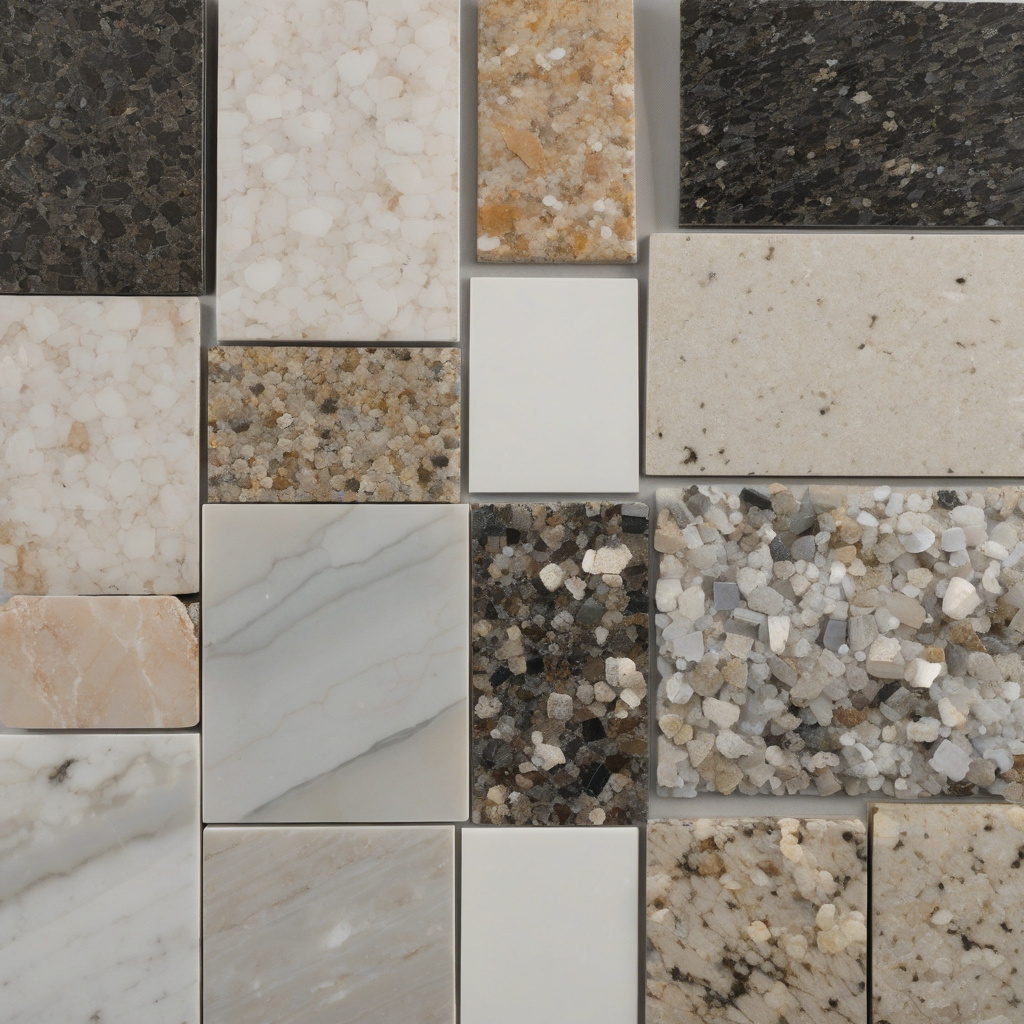
For those yearning for a touch of earthy elegance in their kitchens, granite countertops offer unparalleled beauty. Each granite slab is unique, quelling concerns of cookie-cutter aesthetics. Homeowners in Los Angeles with an eye for timeless, natural stone frequently gravitate towards this option. Granite doesn’t just score high on looks; it’s revered for its robustness as well.
The heat resistance of granite is exceptional, which is perfect for culinary enthusiasts who frequently engage in lengthy cooking sessions. Place hot pots and pans directly on their granite surface without fear of damage, a feature many home chefs in Southern California treasure.
Nevertheless, it’s worth noting that unlike quartz, granite is porous and does require regular sealing to keep stains at bay. Yet, for many, this small commitment pales in comparison to granite’s striking appearance and heat-handling capabilities. Consider incorporating a cohesive tile or slab backsplash for a truly harmonious design.
Ultimately, granite caters to those who prize organic charm alongside reliability—a combination not easily underestimated in any renovation decision.
Porcelain: The Rising Star in Countertop Materials
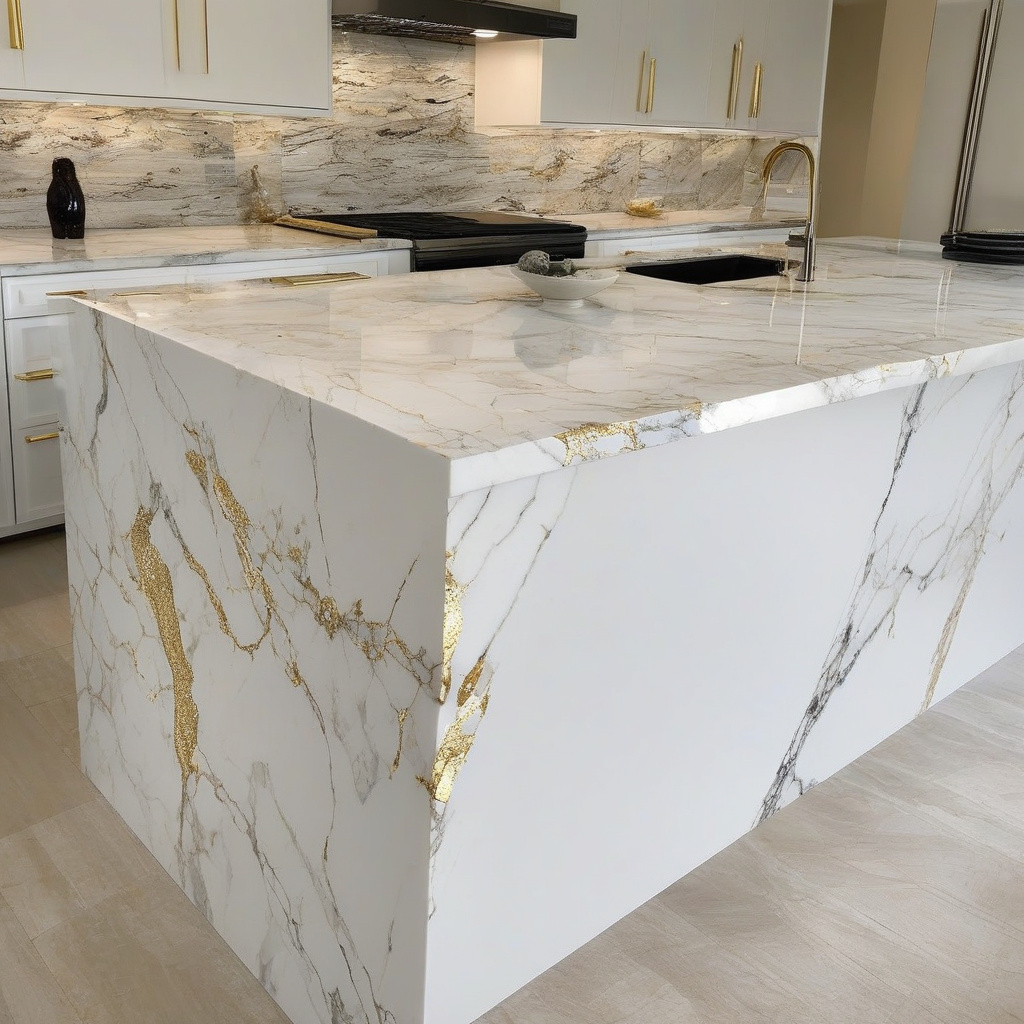
Emerging from the shadows of quartz and granite, porcelain countertops are witnessing a surge in popularity. In Los Angeles, where aesthetics often take precedence, porcelain shines due to its availability in a variety of colors and patterns that mimic more expensive materials like marble.
High on durability, porcelain resists scratches and chips remarkably well, continuing to look pristine even with frequent use. Its heat tolerance mirrors that of granite, allowing culinary experiments without fear of unsightly burn marks.
Perhaps its most appealing feature is its non-porous nature, naturally resisting stains and making maintenance blissfully easy. However, it’s important to consider the intricacies of its installation—a task best left to professionals to ensure the seamless look remains uncompromised. Additionally, match it with the optimal kitchen sink choice for a beautiful and functional ensemble.
In essence, porcelain offers an innovative solution to those seeking both beauty and practicality without skimping on resilience.
Head-to-Head Comparison: Making an Informed Choice
When it comes to selecting the right countertop material, it’s important to consider several factors: cost, functionality, and aesthetic appeal. Let’s dive into a succinct comparison to simplify your selection process.
| Factor | Quartz | Granite | Porcelain |
|---|---|---|---|
| Cost | Moderate to High | Moderate | Moderate |
| Durability | High | High | Medium to High |
| Maintenance | Low | Moderate | Low |
| Heat Tolerance | Moderate | High | High |
A balanced comparison reveals that while each material has its advantages and drawbacks, the choice ultimately relies on what factors resonate most with the homeowner’s vision and lifestyle requirements.
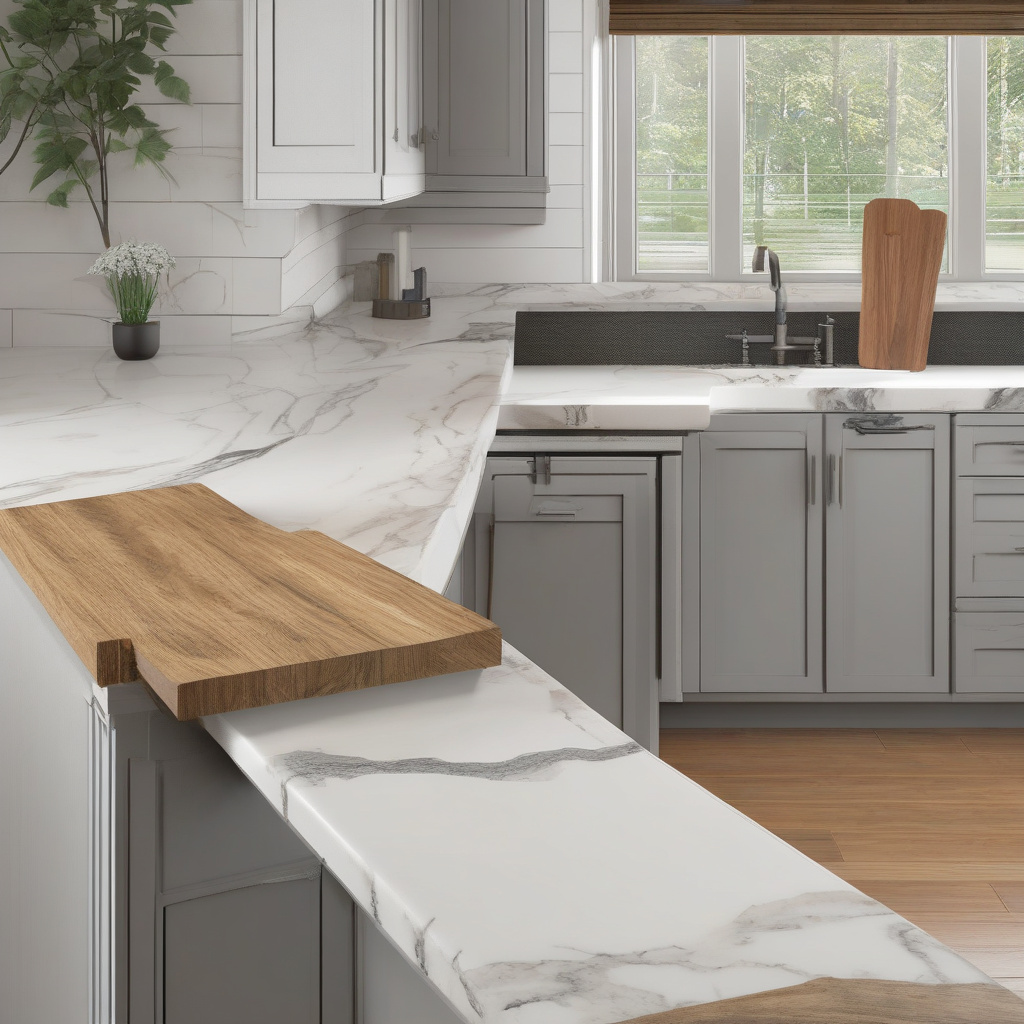
Steps to Incorporate the Perfect Countertop
Choosing countertops is a significant decision for any home. Start by identifying your priorities—whether it’s durability, ease of maintenance, or a specific aesthetic. Step 1: Reflect on your daily kitchen activities and how each material may handle your unique cooking and cleaning habits.
Step 2: Establish a budget. Factoring future maintenance costs and initial expenses will ensure a choice that suits both immediate and long-term needs.
Step 3: Consult professionals. Realtors, interior designers, and kitchen specialists can provide insights uniquely tailored to your space, balancing both functional and stylish demands.
Step 4: Plan for installation. Align with a reputable contractor who understands the idiosyncrasies of local architecture and style to avoid common pitfalls.
Following these steps will not only refine and expedite your decision-making process but ensure a smooth transition from planning to execution.
The Next Steps in Your Renovation Journey
As you contemplate the pros and cons of quartz, granite, and porcelain, remember that a harmonious kitchen also depends on supplementary features. Consider factors like maximizing natural light to bring life into your redesigned space. This doesn’t just enhance aesthetics but improves functional lighting—a vital component for culinary endeavors.
Once you’ve adorned your kitchen with the perfect countertops, it’s worth considering complementary elements such as lighting, cabinet choices, and backsplashes. Each plays a vital role in achieving a cohesive and inspiring environment.
The journey to the ideal kitchen is an intricate one, laced with personal preferences yet guided by practical needs. Armed with knowledge, you can proceed confidently in crafting a space that suits both your lifestyle and your dreams.
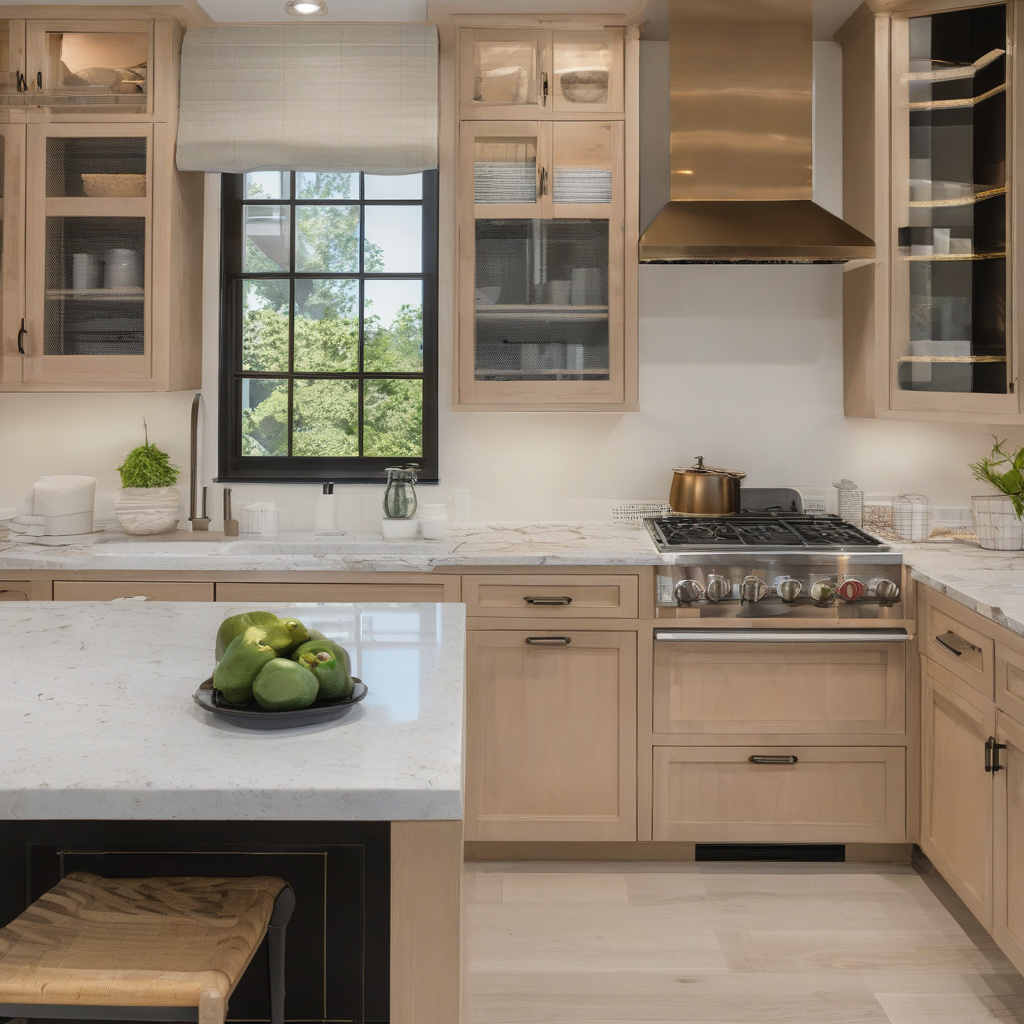
A recent study reveals that 70% of homeowners in California prioritize durability over cost when selecting kitchen materials.
“Ultimately, ROI in kitchen renovations depends on choosing materials that resonate with both the local aesthetic and market trends,” says Sarah Tyson, a leading renovation consultant in Southern California.
According to industry reports, kitchens with a mix of materials like quartz or porcelain combined with strategic lighting see a 50% increase in perceived value during home sales.
- Quartz offers stain resistance and easy maintenance, ideal for busy kitchens.
- Granite provides natural beauty and superior heat resistance, with moderate upkeep.
- Porcelain emerges as a durable, aesthetic choice with a range of styles.
- Cost, durability, and maintenance are key factors to consider when choosing countertops.
- Consider complementary features like lighting and backsplashes to enhance kitchen design.
FAQ
What are the main differences between quartz, granite, and porcelain countertops?
In real renovation projects, the choice between quartz, granite, and porcelain often hinges on personal priorities. Quartz is engineered, offering uniform patterns and colors, making it a favorite for contemporary designs. Granite is natural, with its unique veining, perfect for homes seeking a classic touch. Porcelain, rising in popularity, presents an incredibly durable and versatile option, often mimicking the appearance of natural stone. Understanding these differences helps homeowners harmonize their kitchen aesthetics with practical needs.
How do I choose the best countertop for my kitchen?
Choosing the right countertop involves assessing your family’s cooking habits and design goals. For instance, avid bakers might lean towards quartz for its uniform surface, perfect for rolling dough. Granite might suit a bustling family kitchen due to its natural resistance to scratching and heat. Porcelain is an excellent choice for those who want durability without sacrificing style. Homeowners frequently underestimate how these nuances can impact daily use, so consider a material’s strengths relative to your lifestyle before making a decision.
What are the pros and cons of quartz countertops?
Quartz countertops boast high durability and require minimal maintenance, making them ideal for busy households. They resist stains, thanks to their non-porous surface, which is a huge plus in active kitchens. However, they can be less resistant to heat compared to natural stone, so always use trivets or pads under hot pans. In older properties with traditional décor, the engineered look might not blend as well as natural stone varieties do. Weighing these factors ensures you make a balanced, informed choice.
What should I consider in terms of maintenance for granite countertops?
Granite countertops are renowned for their resilience but do require sealing to maintain their stain resistance. In real homes, especially single-family ones with kids, this aspect often becomes a decisive factor. Sealing granite annually can prevent damage from spills and enhance its natural beauty. Many experts point out that neglecting this can lead to unnecessary costs and headaches. Regular cleaning with pH-balanced soaps and immediate attention to spills elongate the stone’s lifespan, ensuring it stays stunning year after year.
Are porcelain countertops worth the investment?
Porcelain countertops might not be as traditional as other materials, but they offer significant advantages. They’re incredibly durable, resisting scratches, heat, and UV damage, making them perfect for both indoor and outdoor kitchens. However, porcelain can be pricier upfront, and complex installation may require professional services, increasing costs. Yet, their low maintenance and versatility can add value to your home. For those considering installation, it’s always wise to reach out for expert advice to ensure it suits your long-term renovation plans.
When does it make sense to choose granite over quartz?
Opting for granite over quartz often makes sense when aiming to showcase nature’s unique artistry. Each granite slab is distinct, making it ideal for homeowners desiring one-of-a-kind kitchen aesthetics. Its robust nature is well-suited for homes where cooking frequently involves high heat, as granite stands up to hot pans better than quartz. Many kitchens undergoing rustic or classic remodels incorporate granite for a touch of authenticity and elegance. Such choices reflect how embracing natural materials can be both practical and appealing.
What are the common mistakes to avoid when selecting countertops?
Common mistakes when selecting kitchen countertops include prioritizing appearance over functionality and overlooking long-term maintenance. Homeowners frequently select based on looks alone, only to realize the practical shortcomings later. Another pitfall is underestimating future family needs; a growing family might necessitate more durable surfaces like granite or porcelain. It’s essential to evaluate not just the current kitchen use but predict how those needs might evolve. Insightful planning, alongside professional consultations, can significantly boost your project’s success.
How does the cost of different countertops compare?
Cost plays a pivotal role in countertop selection, with each material offering different price points and value. Granite, traditionally a premium choice, can vary greatly depending on the rarity of the stone. Quartz tends to offer mid-range pricing but promises consistent quality and less maintenance. Porcelain, although potentially more expensive upfront, can offer long-term value through durability and low upkeep. Carefully balancing initial expenditure with expected longevity and maintenance can lead to a wise investment that complements both your kitchen’s needs and financial plans.