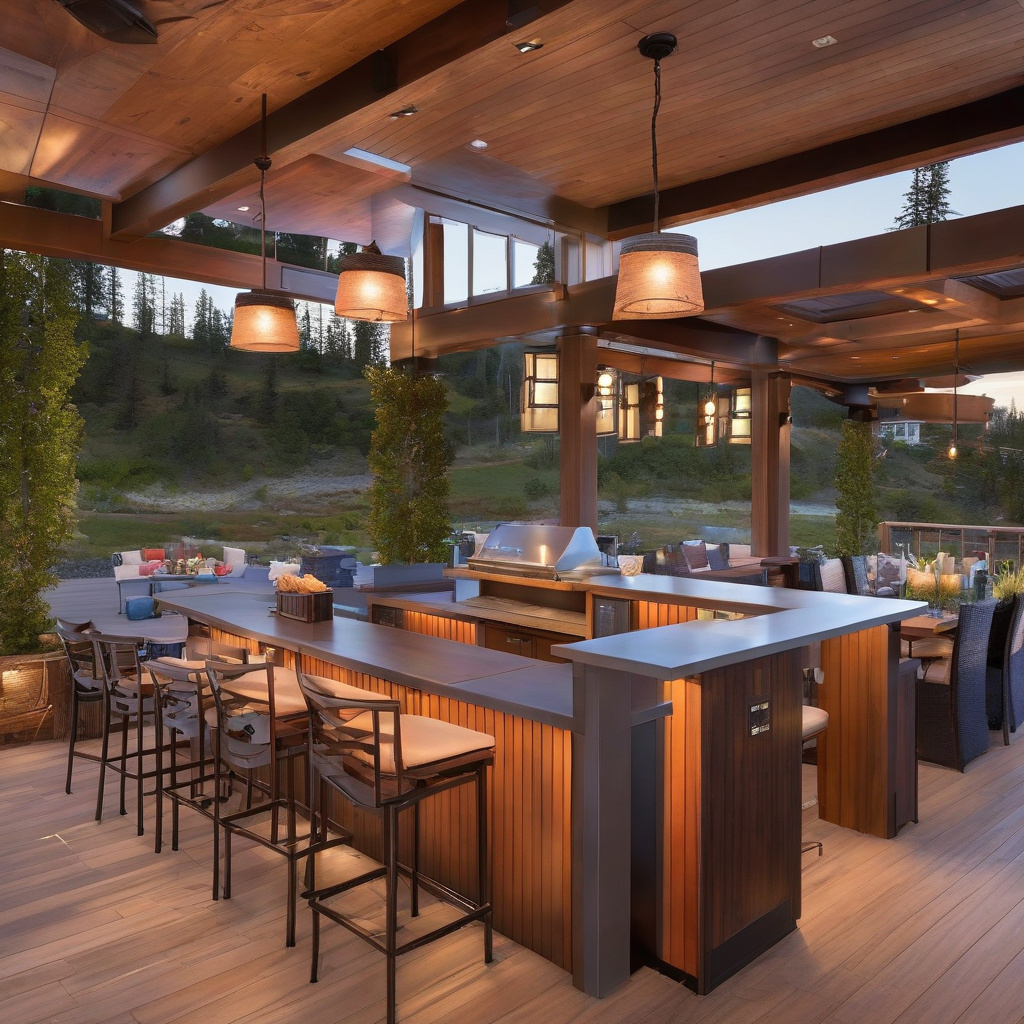
Crafting the perfect outdoor dining experience in Los Angeles isn’t merely about aesthetics—it’s about weaving the quintessential LA lifestyle into every fiber of design. With sunshine, star-filled nights, and the gentle rustle of ocean breezes as staples, designing an outdoor area becomes an art form that marries functionality with effortless elegance. This confluence of form and function is where the true essence of Southern California living is realized, making outdoor spaces a must-have for every homeowner seeking to embrace the unique lifestyle this part of the world offers.
Brief summary: Explore the art of designing outdoor dining spaces in Los Angeles with flexibility, comfort, and style that complements the local lifestyle. From strategic shading to seamless integration with the environment, this article delves into practical solutions and trends for crafting your perfect outdoor retreat in sunny Southern California.
Embracing the SoCal Climate
When stepping into the local scene, the first thing that strikes any visitor is Los Angeles’ idyllic climate. This city basks under the sun for over 280 days each year, presenting both a challenge and an opportunity for outdoor dining design. Embracing this climate means leveraging its benefits—plentiful sunshine, a cool ocean breeze, and mild temperatures—to create spaces that invite relaxation.
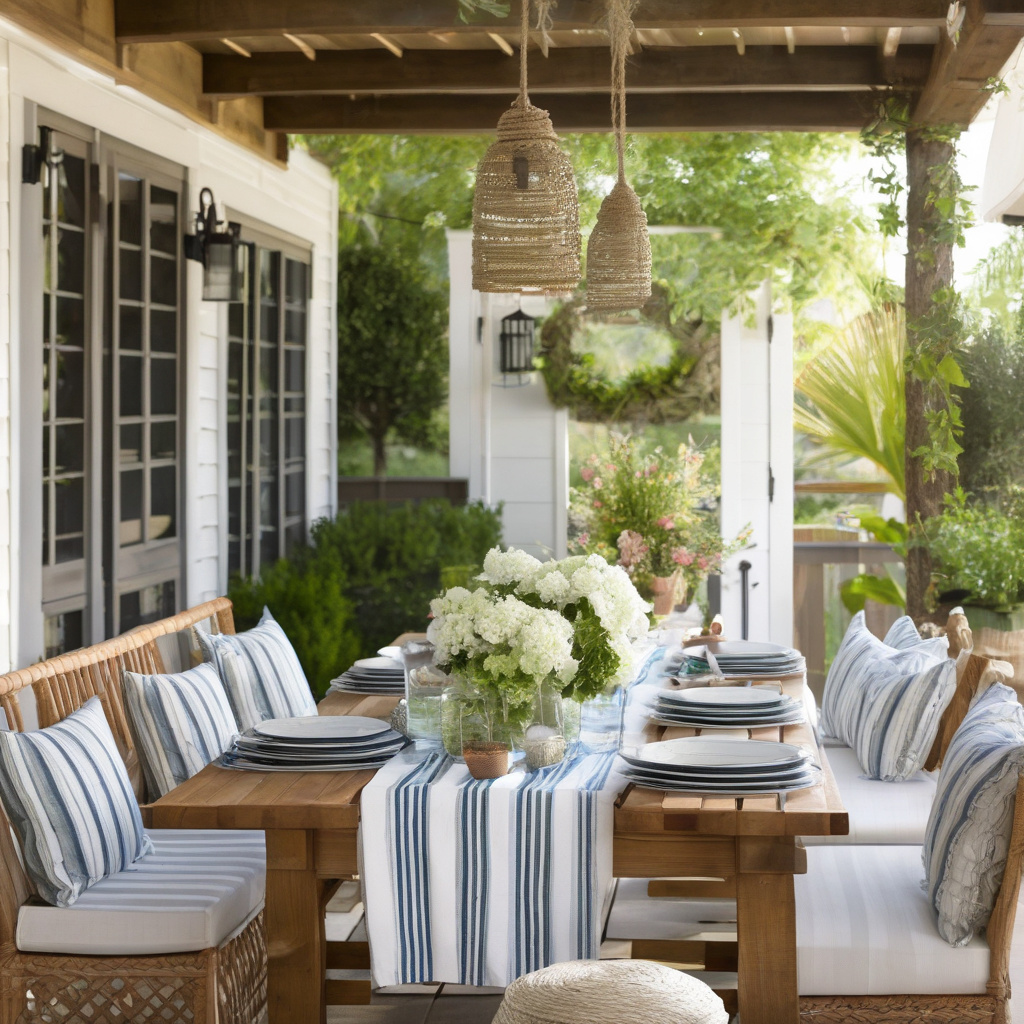
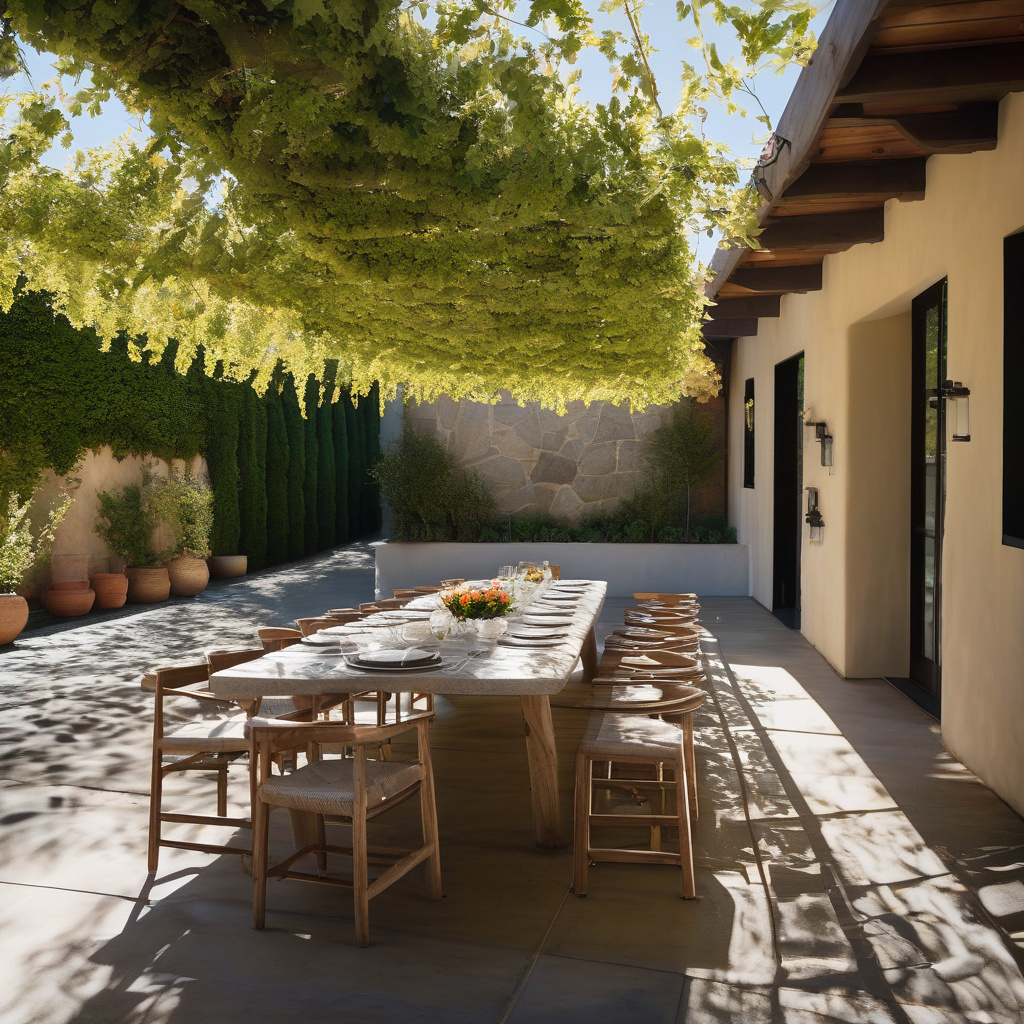
Strategically placed umbrellas, pergolas draped with vibrant Bougainvillea, and shade sails become the heroes of these dining areas. They do more than just protect; they add aesthetic depth and architectural intrigue to spaces that might otherwise go unnoticed. As noted by many seasoned designers in the region, balance is key. Protection from harsh sunlight must be coupled with elements that allow airflow to keep guests comfortably cool.
Picture yourself in a lush, shaded patio where a gentle breeze rustles palm fronds and hints of jasmine waft through the air—this is the luxury that the right design can offer. Balancing these elements requires experience in choosing the right mix of natural and structural features.
In conclusion, designing for the Southern Californian climate isn’t just practical; it’s an opportunity to celebrate the vibrant outdoor lifestyle that LA locals hold dear while ensuring spaces remain functional and inviting.
Creating Comfortable and Flexible Seating
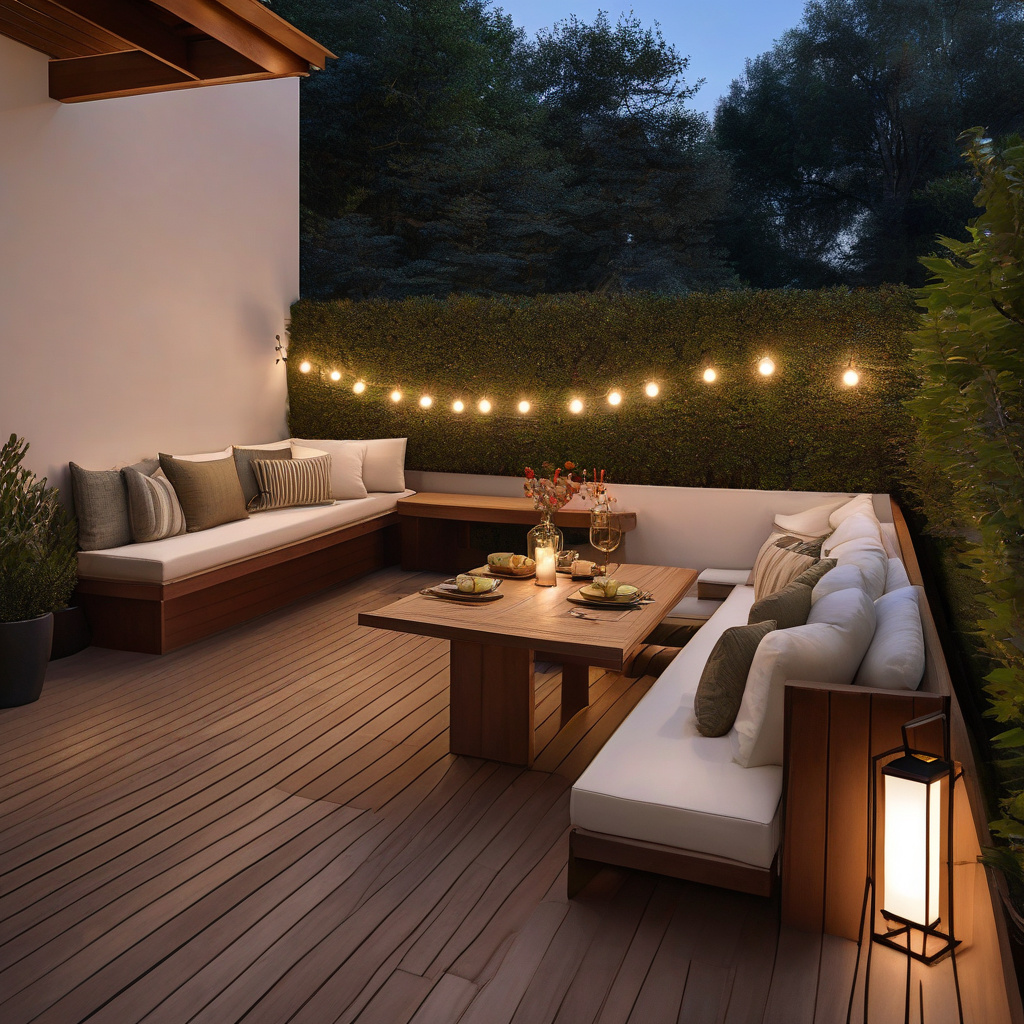
The next cornerstone of any noteworthy LA outdoor dining area is flexible seating arrangements. As gatherings range from intimate dinners with loved ones to impromptu soirées with the click of the social media invite button, adaptability becomes a crucial design principle. Imagine having a seating layout that extends gracefully from a casual setting to an elaborate dining experience with minimal effort.
For Los Angeles residents, versatility means integrating modular furniture that allows effortless reconfiguration. Picture sofas and seating benches that can be rearranged to facilitate large dinners or broken apart for smaller, more intimate gatherings. This adaptability is a common talking point among local homeowners, many of whom emphasize the importance of versatile designs in optimizing their space usage.
The variety of seating connected through cohesive design elements, such as neutral palettes punctuated with colorful throw pillows or sleek furniture made from sustainable materials, embodies the relaxed elegance typical of LA’s stylish abodes. This focus on adaptable design choices caters perfectly to both aesthetic and functional demands.
Ultimately, the goal here is to create a setting that can evolve with the changing needs of those it serves, ensuring seamless transitions from casual brunches to formal dinners as the suns sets over tinsel town.
Material Selection in the Modern Age
Material choice is the silent testament to the quality and durability of any outdoor dining space. With a keen eye on sustainability, the trend in Los Angeles leans towards materials that offer both longevity and minimal environmental impact. Options like reclaimed wood, weather-resistant metals, and composite materials made from recycled plastics are currently capturing homeowners’ attention.
Beyond mere aesthetics, each material tells its own story. Reclaimed teak offers warmth and character, while modern composites suggest innovation and resilience. This is about more than just following trends; it’s about making informed decisions that reflect a commitment to sustainability without sacrificing style.
Moreover, when the sundown transforms Los Angeles into a canvas of twinkling city lights, the choice of lighting becomes crucial. Implementing smart lighting solutions not only enhances outdoor dining enjoyment but ensures these spaces remain welcoming and secure. From solar-powered fixtures to LED strips artfully embedded in structures, these choices reflect the modern efficiency synonymous with LA’s progressive outlook.
In sum, selecting materials for an outdoor dining area should balance sustainability with elegance, ensuring each component aligns with both environmental values and aesthetic desires of the homeowner.
Contrast of Costs, Materials, and Design Timelines
| Material | Cost (per sq ft) | Durability | Timeline |
|---|---|---|---|
| Reclaimed Wood | $10–$15 | 15–20 years | 8–12 weeks |
| Composite Materials | $8–$12 | 20–30 years | 6–10 weeks |
| Weather-resistant Metals | $12–$18 | 10–15 years | 10–14 weeks |
For a more comprehensive look at outdoor renovations, these material choices represent the finest blend of budget, durability, and design preferences, perfect for crafting an inviting LA retreat.
Planning the Perfect Layout
The start of any successful outdoor project is rooted in careful planning. It’s not simply about where to place the table; it’s about envisioning an entire ecosystem where lighting, foliage, seating, and shade meld seamlessly. In Los Angeles, where outdoor spaces are often celebrated extensions of the main living area, layout considerations can be as pivotal as the home’s interior design choices.
Homeowners often take cues from the natural rhythm of their daily lives, ensuring their outdoor spaces serve multiple purposes—be it a quiet refuge during the busy workday or a vibrant entertaining area come evening. Thoughtfully sculpted pathways guide guests through lush greenery to dining spaces framed by the soft glow of string lights, reflecting the heart of this design ethos.
The first step is a straightforward inventory of the needs and wishes specific to each unique lifestyle. Crafting spaces where guests float effortlessly from one area to another embodies the essence of a truly well-planned layout. Step-by-step guides on developing these designs provide clarity on executing your vision efficiently.
If these ideas resonate with the laidback yet sophisticated style of LA’s outdoor design approach, then leveraging efficient budget makeover strategies can help bring these visions to life within a reasonable financial framework.
According to accredited architectural sources, well-designed outdoor spaces can increase property value by 10–20% while significantly enhancing lifestyle quality.
In conclusion, intentional planning stands as the backbone of any successful project, ensuring not only visual appeal but also practical functionality that reflects the unique rhythms of homeowners’ lives.
Integrating Nature and Technology
Bridging the beauty of nature with the convenience of technology embodies modern LA lifestyles, marrying the organic with the digital. Plant life provides more than just a visual feast; it’s a key player in the ambience and microclimate control of outdoor spaces. Native flora not only thrives in LA’s climate but requires less maintenance, ensuring long-lasting beauty with minimal intervention.
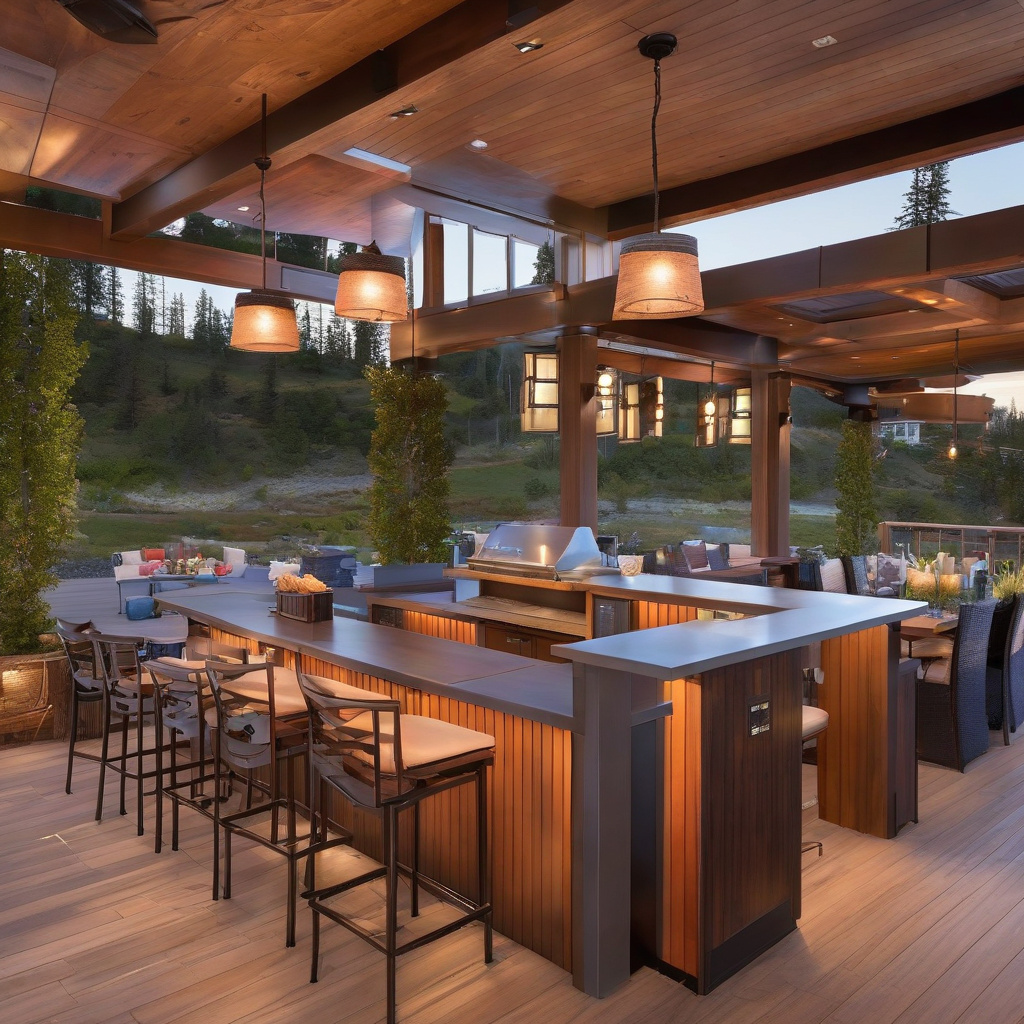
Combining greenery with tech innovations such as automated irrigation systems or smart lighting not only enhances ease but also champions environmental sustainability. These integrations simplify ongoing maintenance efforts, ensuring spaces remain pristine all year round. Such designs showcase the future of outdoor living where tech quietly underpins natural beauty.
Adopting a nuanced approach to tech integration highlights a conscious shift towards sustainable practices. With numerous smart tech options available, homeowners can tailor solutions that perfectly fit their lifestyles. This connection between technology and nature epitomizes the forward-thinking nature of Southern Californian design.
As per industry experts, blending technology with natural elements invokes a synergy that elevates not only the aesthetic but also environmental value of outdoor spaces, aligning perfectly with the eco-conscious LA ethos.
Expert designer Harriet Langley notes, “Technology, when harmoniously integrated, turns outdoor spaces into intuitive environments that adapt to every need while respecting their natural surroundings.”
In summation, merging the natural world with technological advancements shapes a future-ready outdoor environment that boasts efficiency, beauty, and sustainable function.
Ensuring Accessibility and Practicality
It is imperative for any design to retain a sense of open accessibility, making outdoor areas welcoming to all individuals, including families with pets, and guests of varying ages and abilities. Considerations for wider walkways, non-slip flooring, and low-maintenance materials now frequently top the list for savvy homeowners aiming to maximize usability.
The integration of practical features such as pet-friendly decks and barrier-free access points ensures spaces accommodate everyone’s needs without compromising on style. A measured mix of aesthetic beauty and functional design elevates outdoor success.
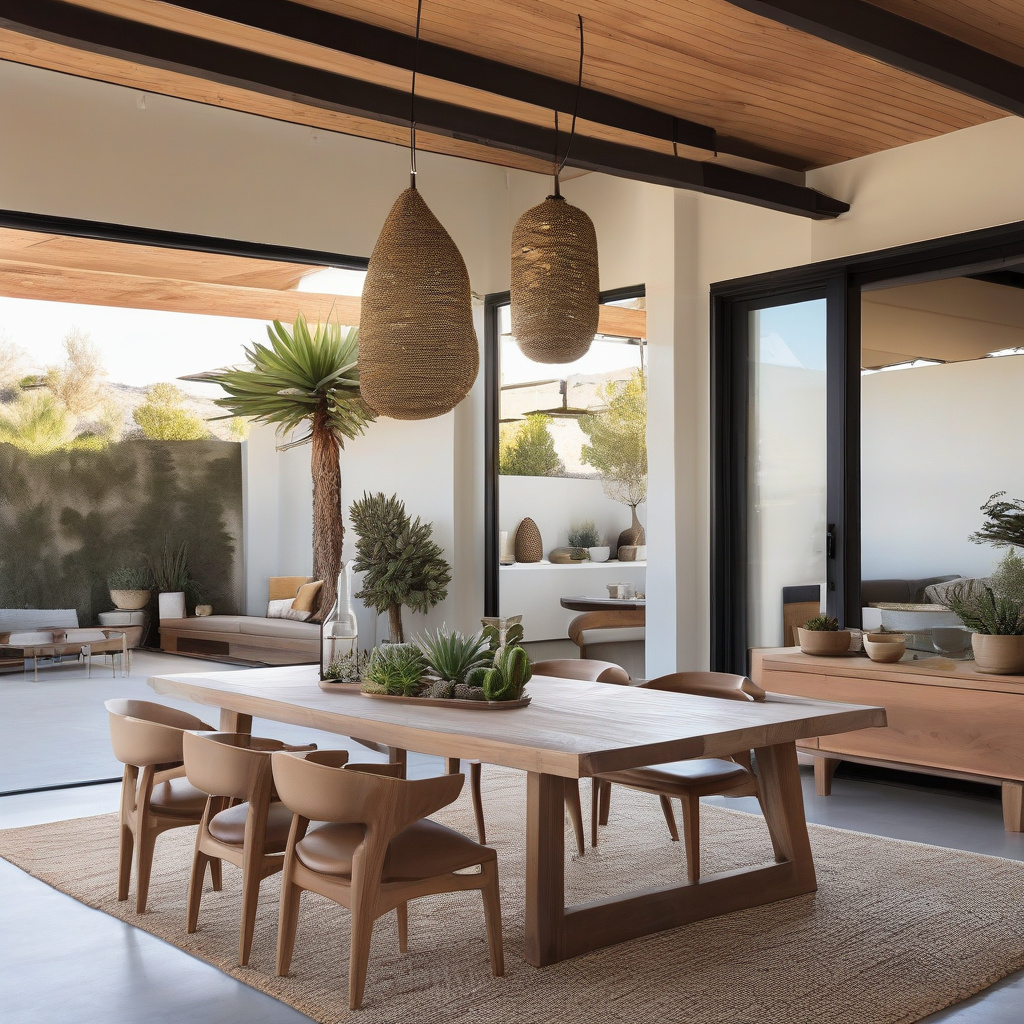
The balance rests on thoughtful planning, addressing every aspect from mobility to maintenance, while personal touches breathe life into these spaces. Careful curation of the available materials and designs results in areas designed not just to look good but to serve the nuanced needs of occupants efficiently.
In conclusion, prioritizing accessibility and practicality achieves a harmonious, inclusive environment that serves as a natural extension of the home’s indoor comfort, creating a truly inviting and versatile space.
Statistics from The American Institute of Architects reflect that demand for inclusive design in outdoor spaces has surged by 30% in the last five years, highlighting a growing trend towards universal accessibility.
By fully realizing the potential of their outdoor spaces, Los Angeles homeowners transform everyday environments into immersive extensions of their personal haven, emblematic of the boundless possibilities that modern design can yield.
- Design adaptable outdoor seating arrangements that cater to varied social gatherings.
- Embrace sustainable materials to enhance longevity and reduce environmental impact.
- Leverage smart technology to create intuitive and efficient outdoor settings.
- Plan layouts meticulously to ensure both aesthetic appeal and functionality.
- Adopt practical, accessible design choices to maximize usability for all occupants.
FAQ
What are the key elements of an outdoor dining area designed for LA lifestyles?
In Los Angeles, outdoor dining spaces often reflect the city’s balmy climate and laid-back culture. Key elements include effective shade solutions like pergolas or large umbrellas to protect from intense midday sun. Strategically placed plants or vertical gardens enhance natural airflow, while diverse seating options like movable chairs and built-in benches accommodate social gatherings. In real renovation projects, blending hardscape with soft, verdant touches, such as native succulents or palms, ensures the space feels lush yet sustainable.
How do I choose the right shade features for my outdoor dining space?
Selecting appropriate shade elements depends on several factors such as the orientation of your outdoor space, typical sun exposure, and existing landscaping. A popular choice in Southern California is the pergola, which provides structure while allowing for climbing plants. However, many experts point out that retractable awnings offer flexibility for changing weather conditions. Homeowners frequently underestimate the durability needed for these features; hence, opting for weather-resistant materials like metal or treated wood is a smart move. To explore customized solutions, you might want to inquire with a local expert who can assess your specific needs.
When is it most sensible to invest in an outdoor dining area?
Timing your investment in an outdoor dining area can hinge on seasonal utility and personal lifestyle shifts. For instance, in Southern California, where the weather is favorable almost year-round, enhancing your outdoor area in late winter or early spring allows you to enjoy it throughout peak outdoor seasons. If you’re planning renovations on older properties, aligning the upgrade of your patio with broader landscape redesign efforts can result in both financial and aesthetic synergies. Consider life changes such as a growing family or a newfound interest in at-home entertainment as optimal times to make this investment.
What are typical mistakes to avoid when designing an LA-style outdoor dining area?
One common mistake is underestimating scale, either leaving too little or too much room which can impact both functionality and flow. Another error is neglecting to incorporate adaptable features; a space that is too rigid can’t accommodate spontaneous gatherings. In real homes, I’ve seen outdoor areas fail due to the lack of adequate lighting—forgetting that warm evenings require thoughtful illumination to maintain ambiance and safety is a frequent oversight. It’s also crucial to avoid choosing furniture not meant for outdoor use, as rain and sun quickly degrade untreated materials.
What are the cost considerations for creating an outdoor dining area in Southern California?
The cost of establishing an outdoor dining area varies widely based on design complexity, material choices, and professional fees. Simple setups with basic furniture and minimal landscaping might start from a few thousand dollars. However, integrating custom features like built-in seating, bespoke hardscaping, and high-end appliances can exponentially increase costs. Many experts suggest setting aside an additional 10-15% for unexpected expenses that arise during renovation, such as drainage improvements or permitting fees. A key financial error homeowners make is under-budgeting the ongoing maintenance costs associated with outdoor upkeep.
What are the pros and cons of a flexible seating arrangement outdoors?
Flexible seating, such as lightweight chairs and modular sofas, provides adaptability for various occasions—from intimate dinners to larger social gatherings. In practice, this versatility encourages more frequent use of outdoor spaces. On the flip side, movable furniture may not always withstand high winds or intense sunlight typical in California climates. The ease of reconfiguring seating comes at a potential cost of durability unless high-quality, weatherproofed materials are selected. Moreover, frequent movement might necessitate regular maintenance to prevent wear and tear, which could deter some homeowners.
What maintenance or installation specifics should I be aware of?
Maintenance specifics hinge on materials. Wood requires regular sealing to resist moisture damage, while metals might need anti-rust treatments. Real projects often highlight the importance of cleaning patios regularly to prevent mold and debris accumulation. Installation considerations include ensuring even surface grading to facilitate proper water drainage and prevent pooling during rare rain periods. Many experts advise incorporating irrigation solutions for any integrated planting, maximizing their longevity and appeal, while also recommending automated lighting systems for convenience and consistent use.
How can shade, airflow, and flexible seating contribute to relaxed gatherings in LA?
In Los Angeles, the synergy between shade, airflow, and flexible seating creates an inviting environment for relaxed gatherings. Shade structures mitigate intense heat, fostering comfort, while strategically positioned foliage or structures enhance airflow, naturally cooling the space. Flexible seating allows hosts to effortlessly accommodate varying group sizes and dynamics, ensuring every gathering feels inclusive and flowing. In practice, I’ve seen such spaces thrive with the infusion of ambient lighting and careful site layout, echoing the casual yet sophisticated lifestyle that defines Southern California social settings.