In the heart of Los Angeles, a revolution is taking place, not in the glitzy film studios or the trendy cafes, but quietly in the kitchens of those who have embraced the remote work lifestyle. Adapting these spaces into effective multi-use environments is far from a mundane task; it’s a delicate balance of aesthetics, functionality, and lifestyle needs. As the boundaries between home and work blur, the kitchen has emerged as a central hub for cooking, collaborating, and concentrating.
Brief summary: This article explores the design trends in multi-use kitchens for those working from home in Los Angeles, focusing on adaptable layouts, ergonomic setups, and practical renovation strategies. It discusses the costs, materials, and expert insights into transforming kitchens into efficient workspaces.
Form and Function: Creating a Seamless Transition
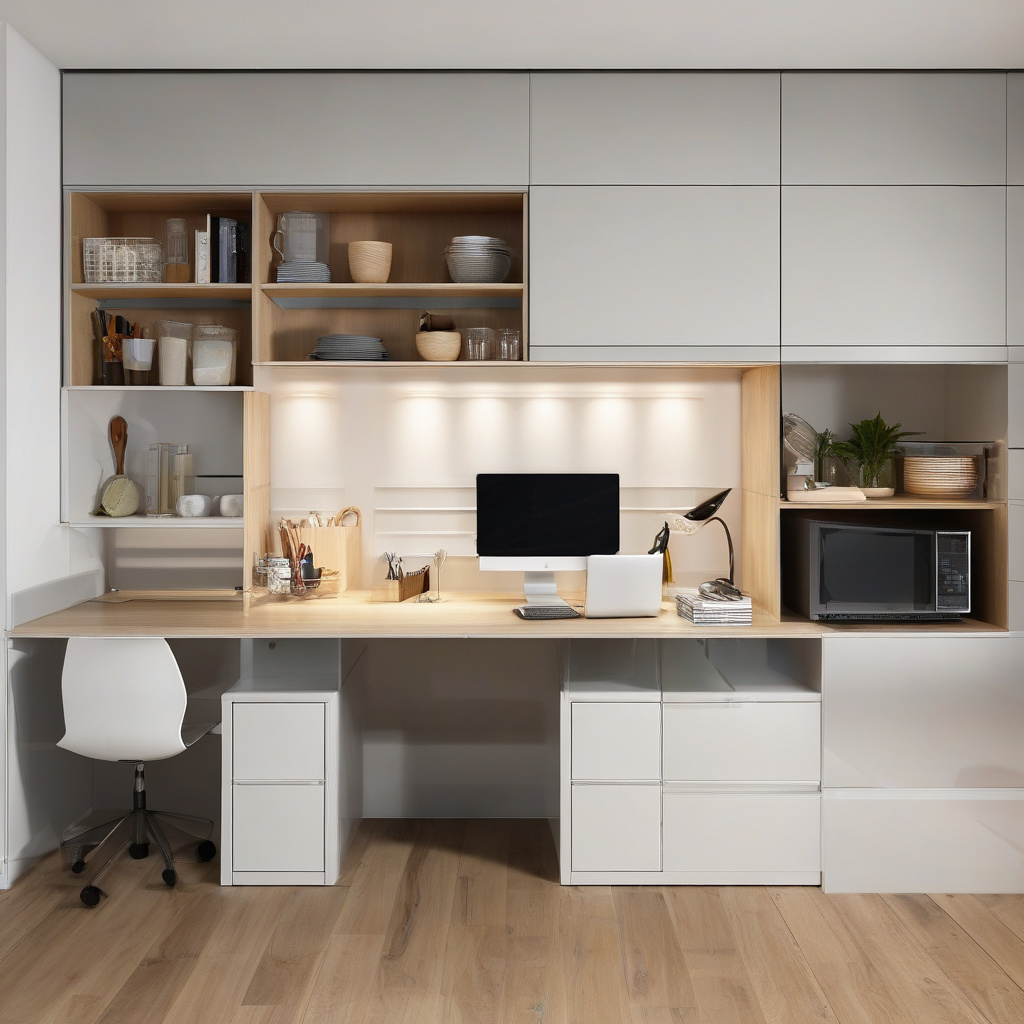
Designing a kitchen that can effortlessly transition between meal prep and a productive workspace demands thoughtful planning. This is especially true in the bustling city of Los Angeles, where space can be a premium. A well-executed kitchen remodel can offer a smart blend of form and function, optimizing every square inch.
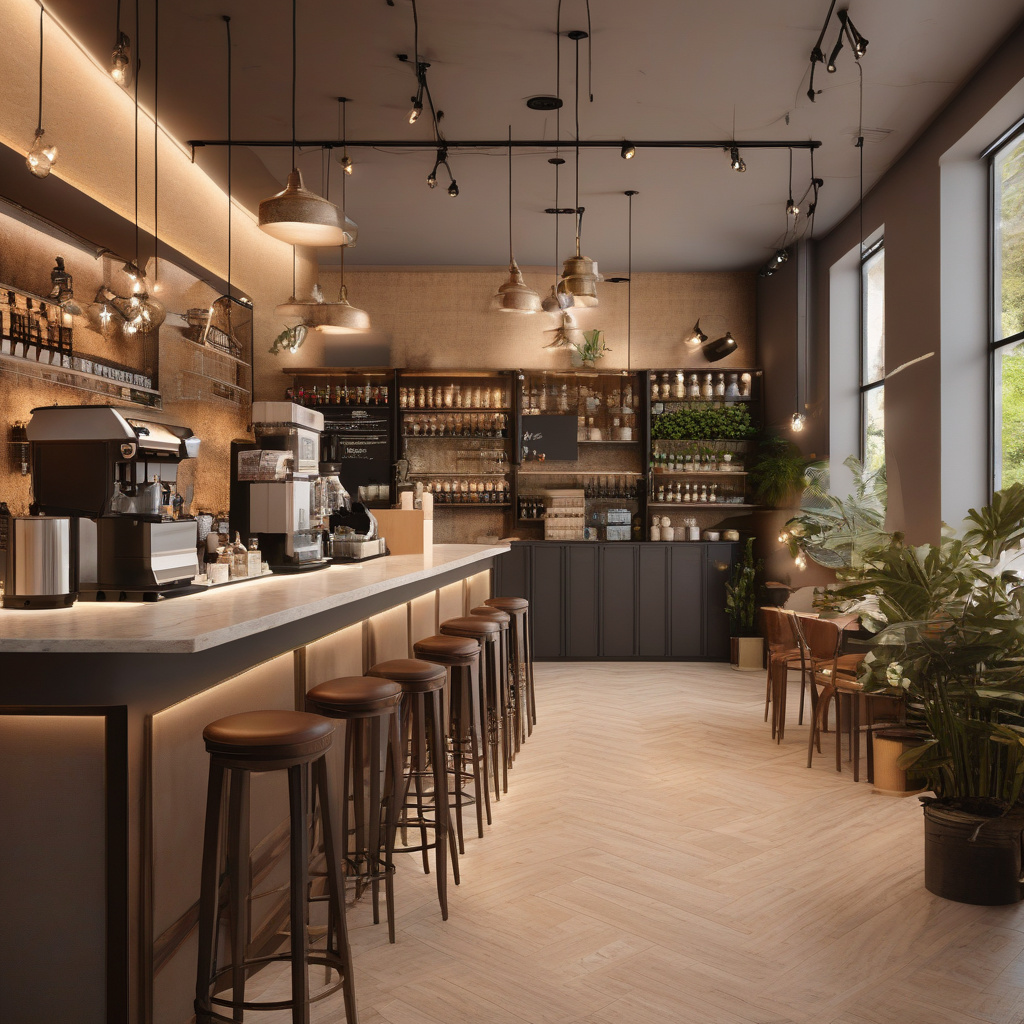
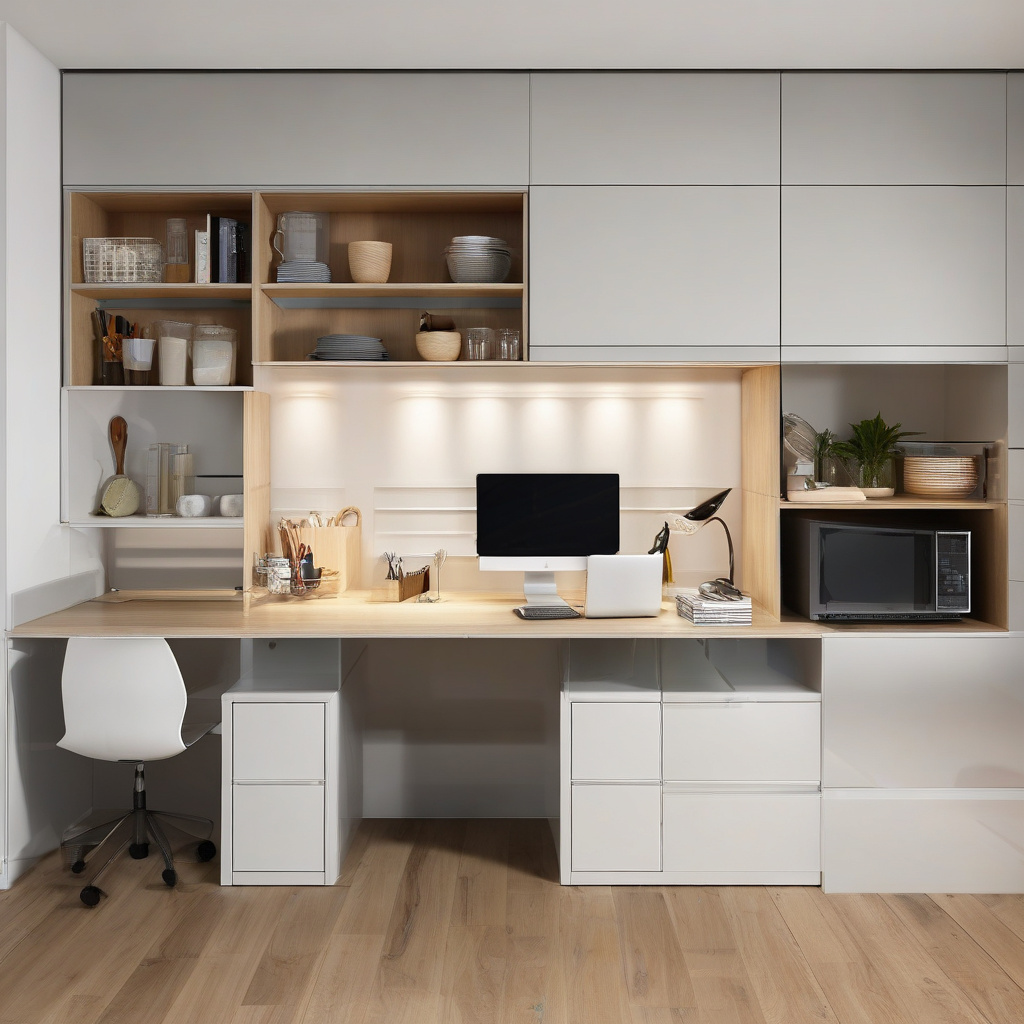
Ergonomic design plays a crucial role in ensuring that your kitchen serves both culinary and professional needs. Comfortable seating, whether in the form of bar stools at an island or a small breakfast nook, allows for smooth shifts from sipping a morning latte to joining a video conference. Integration of technology-friendly features, such as under-cabinet lighting and outlets conveniently located, further refines the operational flow of a multi-use kitchen.
Natural light is another essential component. Often, simple solutions like a strategically positioned mirror or a well-placed window can dramatically change a room’s atmosphere, enhancing both work productivity and culinary creativity. Incorporating greenery, whether through indoor plants or a view of nature, can also contribute to a more vibrant and calming work environment.
Los Angeles homeowners are starting to see the value in these transformations. With the right guidance, an all-in-one kitchen becomes not just a workspace, but a sanctuary of efficiency and style. Ultimately, your kitchen should inspire and empower you to navigate both the culinary and professional aspects of your day seamlessly.
Strategic Layouts: Balancing Open and Closed Spaces
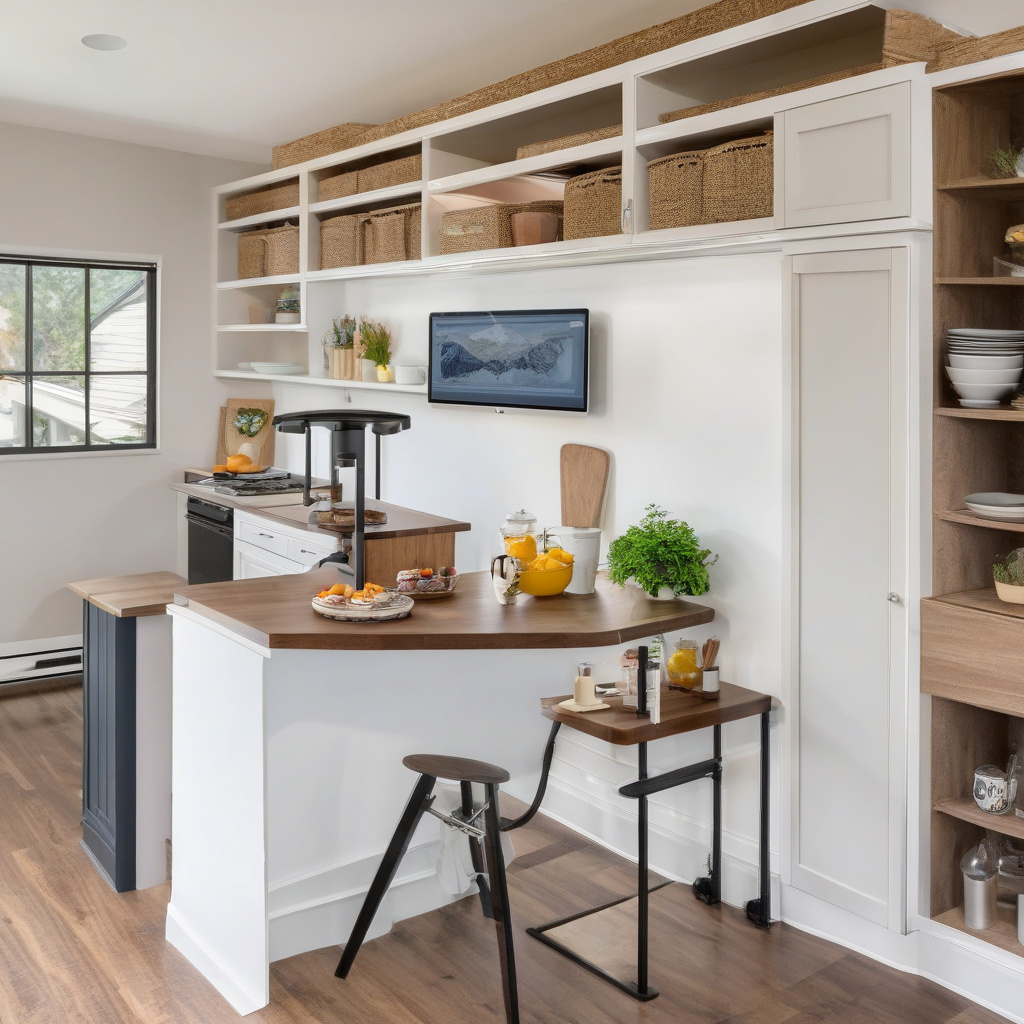
The layout of a kitchen plays an instrumental role in its ability to function as a multi-use space. Open layouts, which dominate many Southern California homes, foster an airy and inclusive atmosphere, ideal for both cooking and co-working. However, achieving a sense of calm and order amid this openness often leads homeowners to consider strategic partitions or dual-purpose furniture.
Designers are getting creative with breakfast nooks that double as quiet workstations. With the addition of cozy seating and a table, these spaces facilitate informal meal times and serve as efficient remote office spots, separated from the main cooking area.
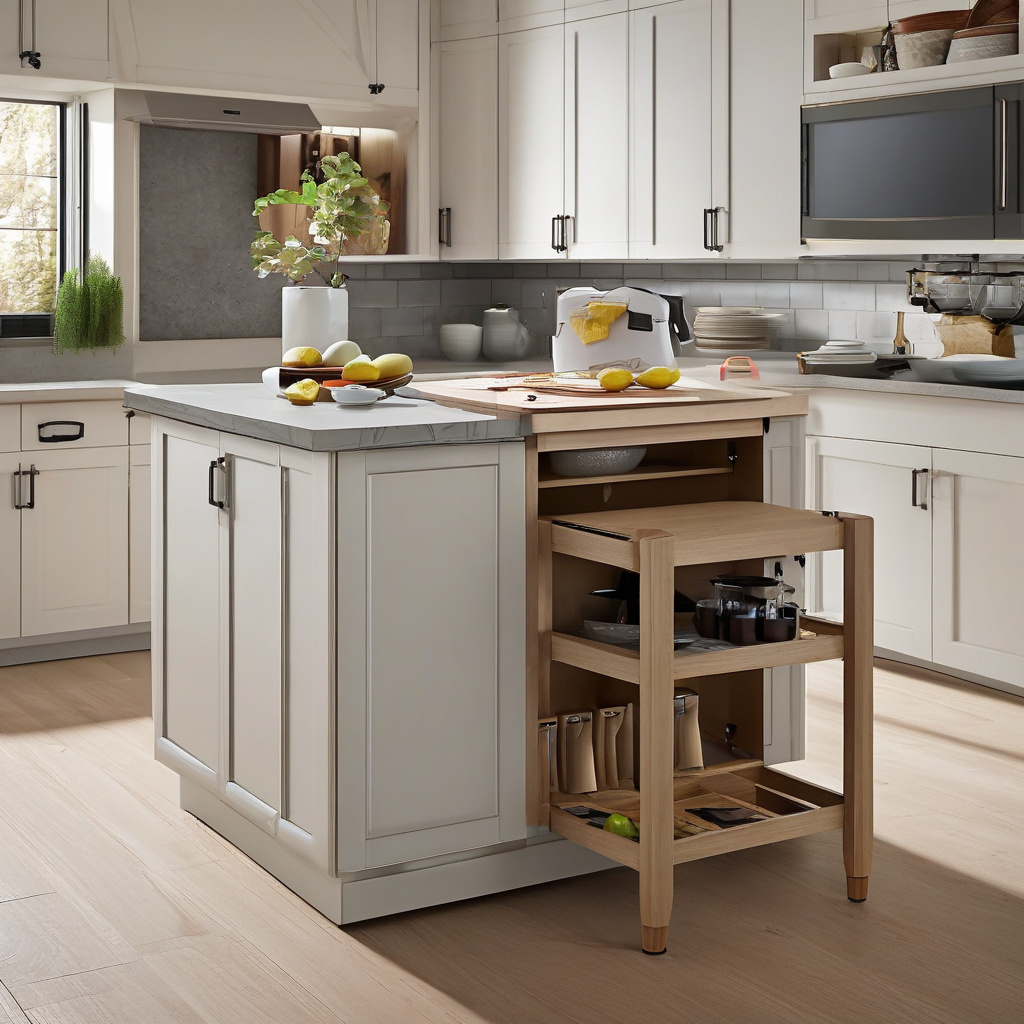
In contrast, some families opt for hybrid strategies that mix open and closed cabinets, helping to maintain a sleek and organized appearance even in the midst of daily chaos. This configuration ensures everything necessary remains within reach yet concealed, promoting tidiness and focus. The modular organization within closed cupboards allows the homeowner to tailor storage to specific professional and culinary tools.
As many local homeowners notice, the adaptability of these layouts is invaluable, keeping the serenity of home life undisturbed by professional tasks. By capitalizing on flexible designs, the transition from culinary creation to intellectually demanding work can be as smooth as possible.
Cost Calculation: Investment for Style and Substance
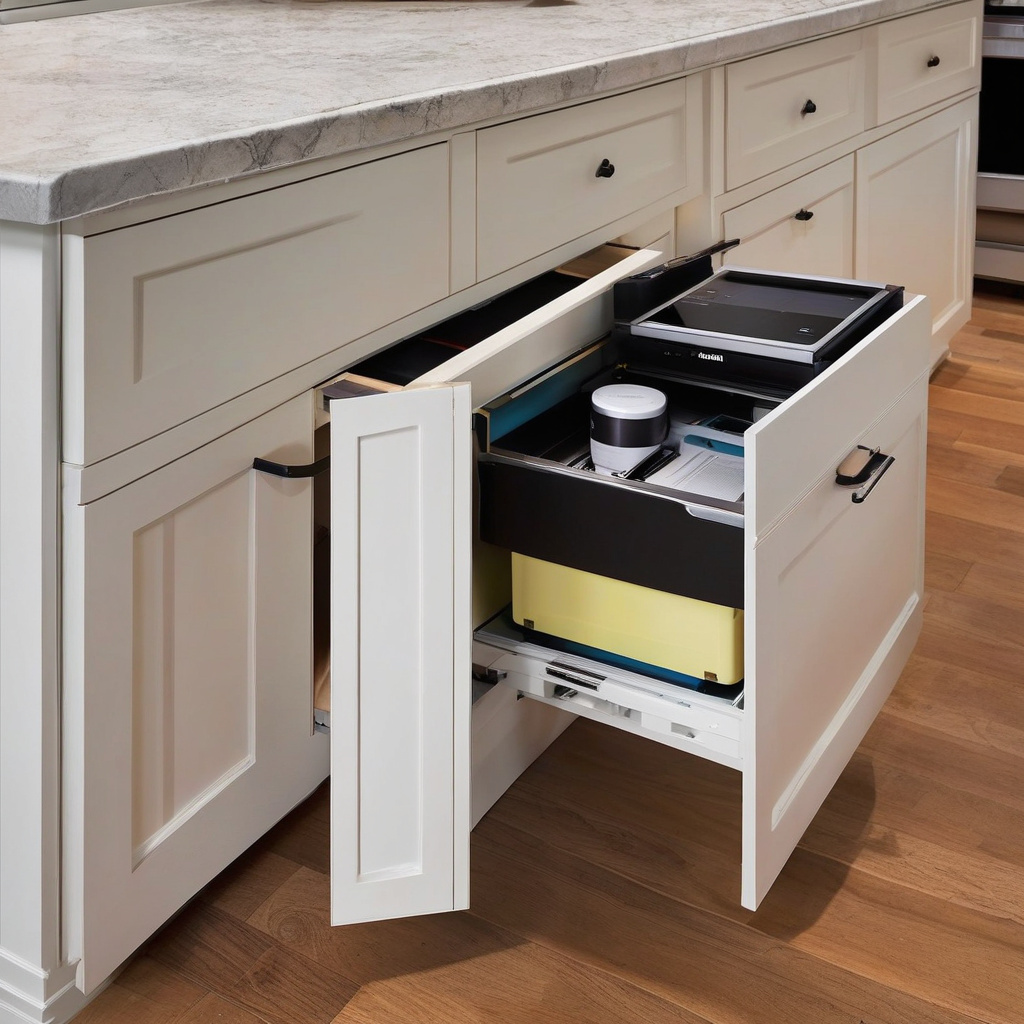
Budget considerations are paramount when contemplating a kitchen renovation aimed at accommodating home-based work life. In Los Angeles, the costs can vary significantly depending on the extent and nature of the project. A partial renovation, focusing on updating essential elements like lighting, seating, and workspace enhancements, can be a more economical choice.
However, for those looking to make a comprehensive transformation, material selection becomes key. Opting for durable yet stylish surfaces like quartz or granite not only elevates the kitchen’s visual appeal but also ensures longevity and value. Contrasting color schemes can create a sophisticated aesthetic, with black offering a sleek, modern look and white providing a bright, expansive feel.
The timeline of such projects should also be considered. While minor updates might be completed within a few weeks, more complex overhauls could extend to months. Engaging with experienced contractors who understand both the local market and the specific demands of dual-function spaces can help streamline the process.
Investing in a multi-use kitchen is not just about practicality; it’s about creating an environment that enhances daily life. By balancing budget, material choices, and personal needs, homeowners can achieve a harmonious space that serves both professional and personal purposes.
Material Matters: Choosing the Right Elements
When reimagining a kitchen to support remote work, the choice of materials is crucial. It’s essential to strike a balance between aesthetic appeal and functionality. Hard-wearing countertops such as quartz or recycled glass resist scratches and stains, making them perfect for both meal prep and desk work.
Cabinets also play a significant role; selecting colors and finishes that complement the broader home design can create cohesion. A mix of textures, like wood with metal accents, crafts a dynamic and inviting space. Using contrasting colors can break up monotony and emphasize distinct areas within your kitchen.
The flooring choice, often overlooked, can transform a kitchen. Options like sustainable bamboo or polished concrete provide durability and ease of maintenance, reducing the stress of transitioning between cooking and working modes. Their resilience to wear makes them ideal for high-traffic areas.
Lastly, integrating smart appliances and eco-friendly fixtures not only minimizes environmental impact but also enhances daily convenience. From energy-efficient refrigerators to water-saving dishwashers, the right features add value and sustainability to your kitchen redesign.
“According to a recent survey, homeowners can expect a return on investment of up to 70% when remodeling their kitchens, particularly when incorporating multi-use functionality.” — National Home Builders Association
Steps to Achieve a Multi-functional Kitchen
Embarking on a kitchen remodel that serves dual purposes involves careful planning. Here are some steps to guide you through the transformation process:
- Assess your needs: Consider how much space you need for dining, working, and cooking.
- Plan your layout: Decide which areas will serve specific functions and how they will integrate.
- Choose materials wisely: Opt for durable and low-maintenance surfaces that can withstand a range of activities.
- Invest in ergonomic furniture: Ensure your seating and work surfaces promote good posture and comfort.
- Integrate technology: Install appropriate lighting and power outlets to support devices and appliances.
Los Angeles homeowners embarking on such renovations often start by consulting with local experts, who can provide insights into both emerging trends and practical considerations. With the right planning and execution, your kitchen can become a versatile hub that effortlessly marries culinary and professional pursuits.
Future-proofing Your Investment
The decision to create a multi-functional kitchen is an investment in the future. As remote work continues to shape lifestyles, flexible living spaces are becoming increasingly desirable. Mixing open and closed storage solutions helps in maintaining a clean and organized look.
Beyond practicality, a well-designed kitchen can enhance the value of your home. Potential buyers are drawn to homes offering modern conveniences tailored to contemporary living needs. Moreover, the ability to seamlessly blend professional and personal spaces speaks volumes about foresight and adaptability.
Homeowners focusing on energy efficiency also reap benefits, both environmentally and financially. Implementing sustainable practices, such as low-flow faucets or solar-powered appliances, aligns with growing environmental awareness and future regulatory trends.
Ultimately, the goal is to create a space that reflects your lifestyle while supporting evolving demands. In doing so, you transform your kitchen into more than just a room—it’s an asset that elevates your entire living experience.
“A recent industry report highlights that homes with adaptable kitchen spaces, especially those incorporating smart technology, have seen a 15% increase in market value.” — California Real Estate Journal
“Experts in interior design assert that kitchens designed with a focus on both technology and tradition are better equipped to meet future demands and changes in living trends.” — Design Trends Quarterly
- Adapting kitchens for remote work requires thoughtful planning and strategic design.
- Budget, layout, and material choices significantly influence renovation outcomes.
- Multi-use kitchens enhance both personal enjoyment and home value.
- Investing in smart technology and energy-efficient appliances is key to future-proofing.
- Expert insights and resources are invaluable in navigating kitchen transformations.
“`html
FAQ
What are the key features of a kitchen designed for people who work from home?
Incorporating flexible layouts, ergonomic seating, and quiet task zones are essential when designing a kitchen for remote work. Many homeowners find success by integrating multi-use furniture like a dining table that doubles as a workspace. Home design mustn’t neglect the need for efficient storage systems to keep the area clutter-free, critical for productive desk time. In real renovation projects, creating distinct task zones within the kitchen – such as a nook with a comfortable chair and charging station – allows for easy transitioning between meal prep and professional tasks.
How can I choose the best kitchen layout for work-from-home functionality?
Selecting the right layout involves assessing your specific needs and existing space constraints. Many experts point out that U-shaped or L-shaped kitchens often offer more corner spaces that can be adapted for work zones, balancing cooking functionality with desk space. In older properties, it might be necessary to remove non-load-bearing walls to create open plan areas. Consider the flow of foot traffic as well and how noise from appliances might affect concentration. Consulting a renovation expert can help tailor these considerations to your exact circumstances.
When does it make sense to integrate a work zone in the kitchen?
Integrating a work zone makes sense when kitchen space is both ample and central to the living area. Single-family homes with open concepts especially benefit from this arrangement, as it harnesses the kitchen’s natural role as a household hub. This setup can also be practical in compact urban apartments looking to maximize space utilization. Homeowners frequently underestimate the psychological benefits of being near the kitchen during work breaks, contributing to task-switching ease and productivity boosts.
What are common mistakes when designing a multi-use kitchen space?
A prevalent mistake is underestimating the importance of ergonomics. It’s crucial to choose seating that supports prolonged comfort, something often overlooked. Inadequate lighting is another issue; task lighting should be adjustable to suit different activities. Many overlook soundproofing elements, contributing to distractions during focused work periods. In real remodeling cases, skimping on durable finishes can also be a false economy when the kitchen sees increased traffic and diverse usage, as regular wear becomes pronounced more quickly.
How do cost considerations impact kitchen design for remote work?
Cost plays a significant role, as a comprehensive redesign can be expensive. However, thoughtful use of existing space and budget-friendly renovations can mitigate expenses. Upgrades such as built-in desks, extra shelving, or portable kitchen islands are often economically viable. Many experts suggest phasing renovations over time to spread costs. In California, where housing can be pricey, contacting local professionals through resources like this expert consultation guide can provide insights into aligning budget realities with renovation aspirations.
What are the pros and cons of having a multi-use kitchen space?
The major advantage of a multi-use kitchen space is its versatility and ability to enhance living space efficiency. It fosters a vibrant atmosphere, perfect for families or individuals desiring seamless lifestyle adjustments between cooking and work. On the downside, noise management may become challenging, as kitchen gadgets can distract during work hours. Privacy is another factor to consider, especially in shared living arrangements. Weighing these pros and cons carefully ensures that the design meets both personal preferences and daily functional requirements.
What specific installation considerations should I be aware of?
Installation should prioritize robust electrical setups; power outlets must be suitable for both kitchen appliances and office equipment. In practical terms, assess whether wireless connections in the kitchen maintain strong, consistent signals. Counter heights and lighting installations should support varying uses. During installation, ensure smooth integration of plumbing for any adjustments in layout, as water lines might be rerouted. Experienced professionals often observe that involving electricians and plumbers early can avert costly mishaps mid-renovation.
How can maintenance routines differ in a multi-function kitchen?
Maintaining a multi-function kitchen necessitates frequent cleaning of multi-surface areas used for both dining and work. Ergonomic furniture, often subject to greater wear, requires regular checks for reliability and cleanliness. Plan for occasional deep cleans, as dust and crumbs from work and meals accumulate. In newer builds, integrating modern systems like air purifiers can significantly enhance maintenance efforts by controlling dust and improving air quality, essential in high-traffic areas. In practice, setting a structured schedule for maintenance can save time and prolong the kitchen’s pristine condition.
“`