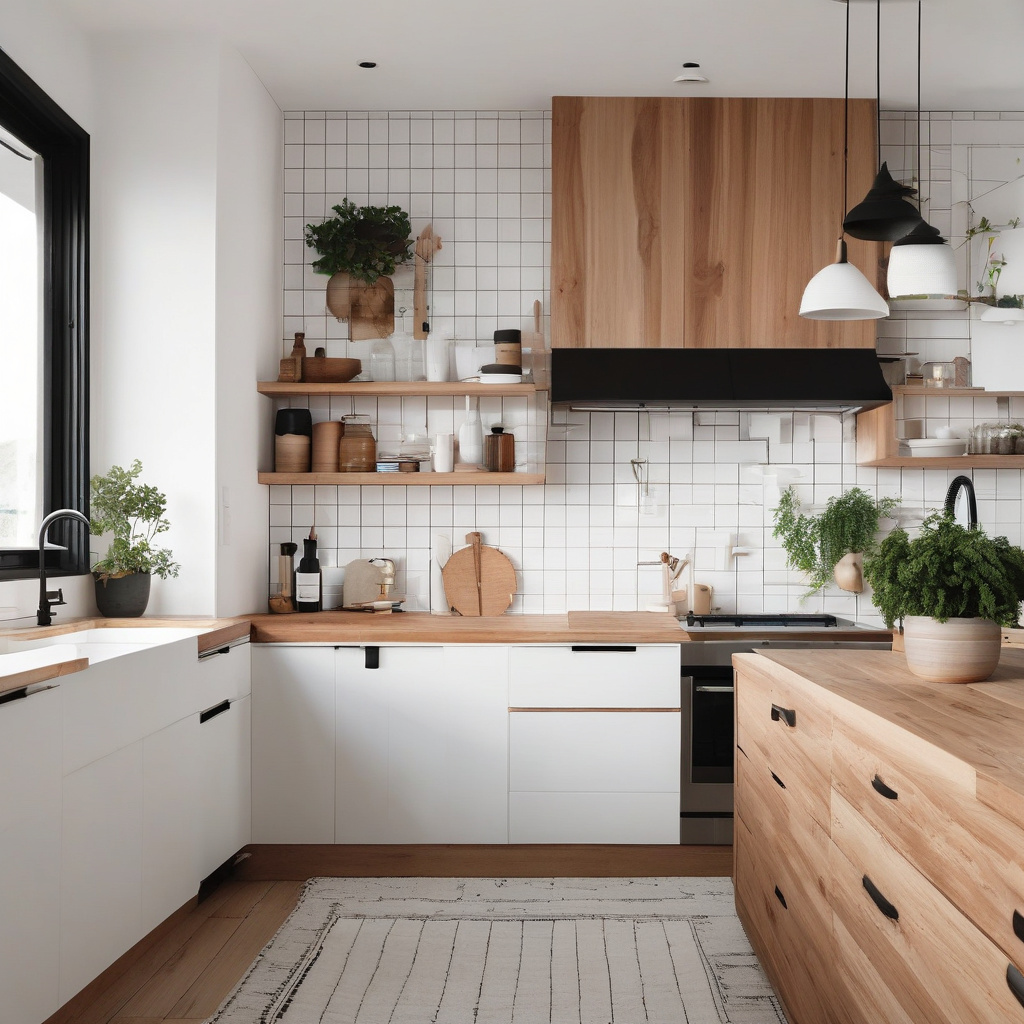
Amid the sun-drenched vistas and laid-back lifestyle of Southern California, the kitchen emerges not just as a culinary space but as the heart of modern living. The sleek, minimalist, white-and-wood kitchen design fits seamlessly into this ecosystem, offering both aesthetic appeal and functional space. As Los Angeles homeowners know, less can indeed be more when it transforms their cooking area into a haven of clean lines and warm textures.
Brief summary: This article explores the trend of minimalist white-and-wood kitchen designs in Los Angeles, focusing on aesthetics and practicality. It delves into real renovation stories, compares cost-effective options, and emphasizes the cultural fit of such designs in Southern California homes. Readers are guided through decision-making and design processes with expert insights and practical examples.
The Allure of Minimalism: A New Design Frontier
In the bustling metropolis of Los Angeles, a minimalist kitchen stands as a beacon of peace and order in the chaos of daily life. The allure of clean lines and the harmonious blend of white and wood create a tranquil environment, reminiscent of an art piece in its simplicity. It’s not just a design but a lifestyle choice—a pathway to decluttering physical and mental spaces.
Minimalism is not a fad but a design ethos flourishing in many Los Angeles homes. As homeowners embark on kitchen renovations, they are drawn to the functional elegance that minimalism promises. The strength of this style lies in its ability to offer a blank canvas, one that complements any personal touch, whether through colorful kitchenware or contrasting materials.
Practicality plays a crucial role, with Southern California’s design focus often leaning towards spaces that are both stylish and livable. By minimizing clutter, these kitchens open up, allowing natural light to flood through, creating an inviting and open atmosphere suitable for family gatherings or solo culinary adventures.
The minimalism trend in Los Angeles is empowering homeowners to rethink their spaces entirely. Instead of a place purely for meals, the kitchen becomes an extension of one’s living area. This transformation is a testament to a deep understanding of function and form, tailored to modern living needs.
As more Los Angeles residents embrace a minimalist aesthetic, architects and designers find themselves pushed creatively to balance simplicity with personalized elements, crafting spaces that feel as unique as the personalities who reside within them.
Renovation Journeys: Real-life Stories from Los Angeles
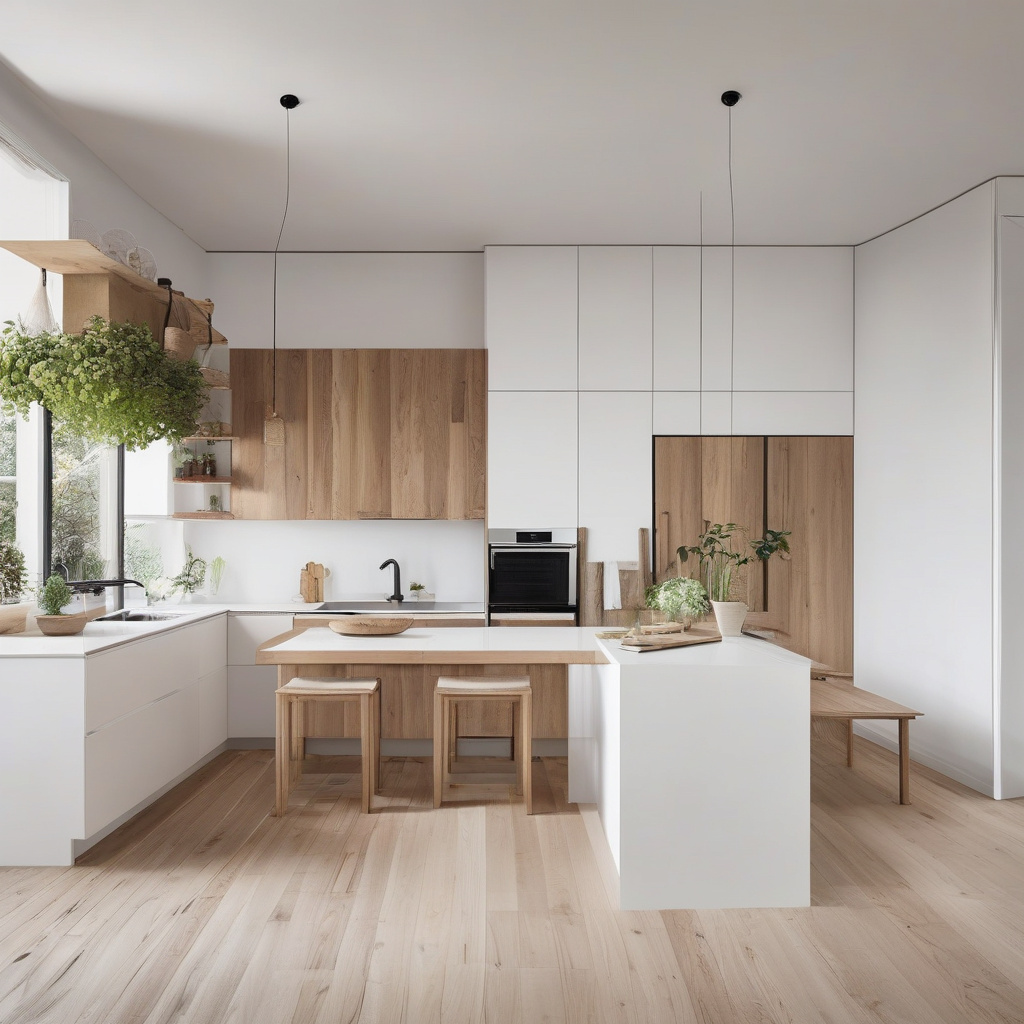
The drive for simplicity has led to compelling tales of transformation. Consider the Smith family, who turned their outdated kitchen into a modern masterpiece of minimalism. Initially overwhelmed by the myriad choices, they opted for the tranquility offered by white cabinetry and wood accents, bringing warmth into their minimalist sanctuary.
These renovation efforts are not mere aesthetic pursuits. In Los Angeles, a kitchen’s design is often the hallmark of home value, potentially increasing resale value significantly. Homeowners like the Smiths find their investments not only enhancing their daily lives but also ensuring financial returns.
The stories of these renovations highlight the challenges and triumphs of bringing a minimalist vision to life. Each decision—from selecting durable surfaces to choosing appropriate lighting—demands careful consideration, ensuring that beauty does not come at the cost of usability.
Engaging local experts can make or break a renovation project, providing insights into sustainable materials and efficient layouts. Minimalism in kitchen design is about crafting a space where every element serves a purpose, fostering an environment of control and creativity.
These real-life stories anchor the narrative of minimalist design within Southern California’s unique lifestyle, where the kitchen is much more than where meals are prepared—it’s where life unfolds.
The Practical Palette: White and Wood’s Timeless Appeal
A well-executed blend of white and wood surfaces exemplifies a timeless design strategy, allowing kitchens to appear both classic and contemporary. The interplay of these two elements brings a natural warmth that counters the starkness often associated with minimalistic spaces.
White surfaces provide a blank, reflective background that complements the robust and varied textures of the wood, facilitating an aesthetic that is as soothing as it is striking. For designers, this palette offers a versatile foundation upon which various design stories can develop.
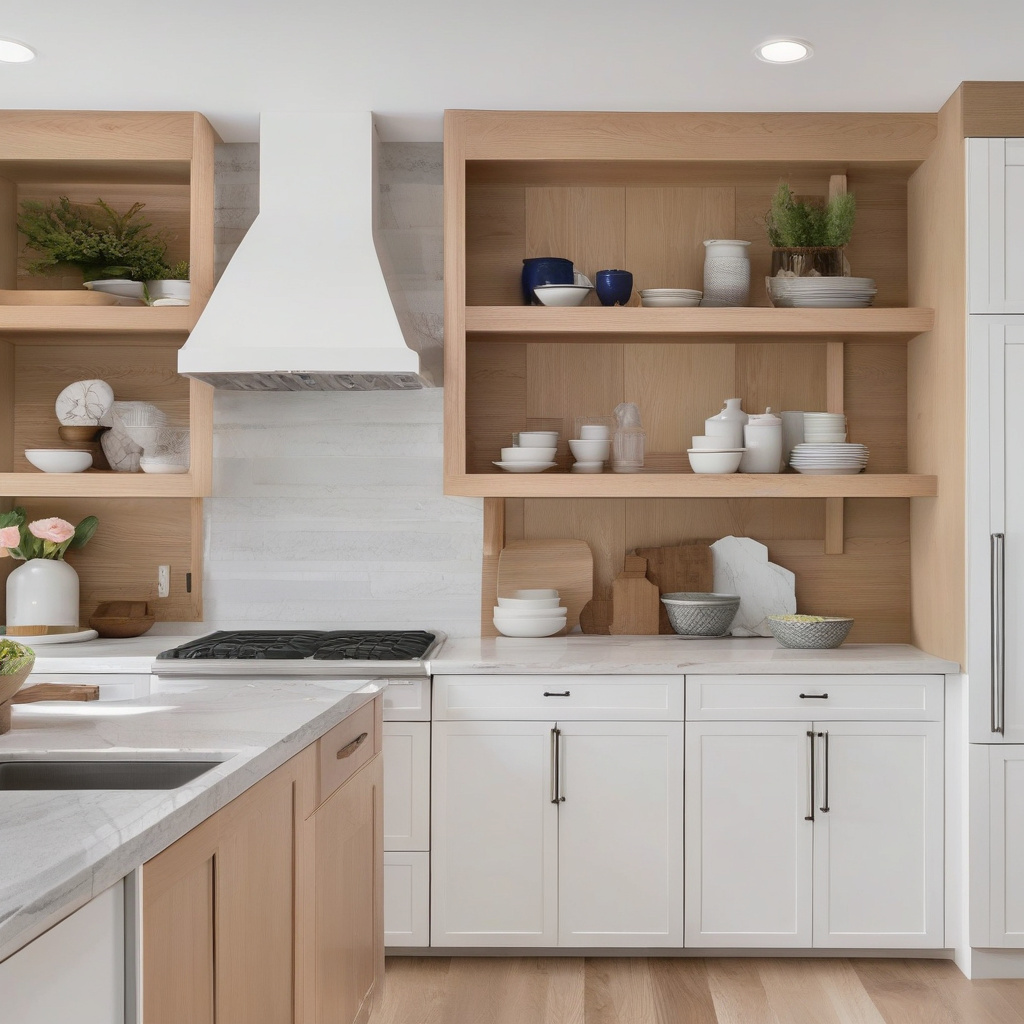
Practicality also defines the white-and-wood trend as it pairs beautifully with the frequently used open shelves, enhancing accessibility without sacrificing style. Maintenance remains straightforward with this combination, a boon for busy households eager to retain cleanliness without constant effort.
In Southern California’s vibrant housing market, homeowners are increasingly seeking out these combinations, drawn by their ability to remain tasteful throughout changing design trends. As many locals say, in this land of sun and surf, simplicity never goes out of style.
Thus, white and wood not only define the visual character of a kitchen but also symbolize the broader cultural simplicity that many Angelenos strive for in their lives.
Decoding Costs: Investing in the Heart of Your Home
Budget considerations are essential when undertaking a kitchen renovation with a minimalist theme in mind. Costs vary depending on material choices, design complexity, and the extent of customization desired by homeowners. Yet, with strategic planning, achieving a stunning minimalist kitchen need not break the bank.
Considerations for a minimalist renovation should factor in material resilience and aesthetic harmony. With a focus on streamlined functionality, minimal embellishments can contribute to cost savings while maintaining the desired modern aesthetic.
Here’s how some material choices stack up:
| Material | Approximate Cost per Square Foot | Durability |
|---|---|---|
| Laminate | $5 – $10 | Moderate |
| Quartz | $50 – $100 | High |
| Solid Wood | $30 – $60 | High |
In crafting your dream kitchen, carefully weigh the options of affordability versus lasting quality. For instance, opt for more resilient materials in high-traffic areas to ensure longevity and maintain the minimalist charm over time.
Interestingly, homeowners seeking kitchens that accommodate aging in place might prioritize functionalities over design elements, integrating universal access features for future-proofing their homes.
With budgets aligning with personal priorities, a minimalist kitchen becomes not just a design statement, but a sound investment in one’s daily comfort and well-being.
Planning Your Remodel: Layout and Functionality
When embarking on a minimalist kitchen remodel, one must consider the essence of kitchen design—organization and layout. In Los Angeles’s bustling neighborhoods, every square inch should be optimized for functionality, merging form with purpose seamlessly.
Effective layout planning prioritizes the flow between key elements such as the stove, sink, and refrigerator. Strategic placement enhances efficiency, simplifying tasks within the limited space often found in urban homes. As such, a well-thought-out layout is the cornerstone of a successful remodel.
Innovative elements like a built-in coffee bar can cleverly enhance a minimalist kitchen’s utility, weaving lifestyle elements into the fabric of design without disrupting the aesthetic flow. An integrated layout respects the minimalist ethos, reducing visual clutter through the unity of elements.
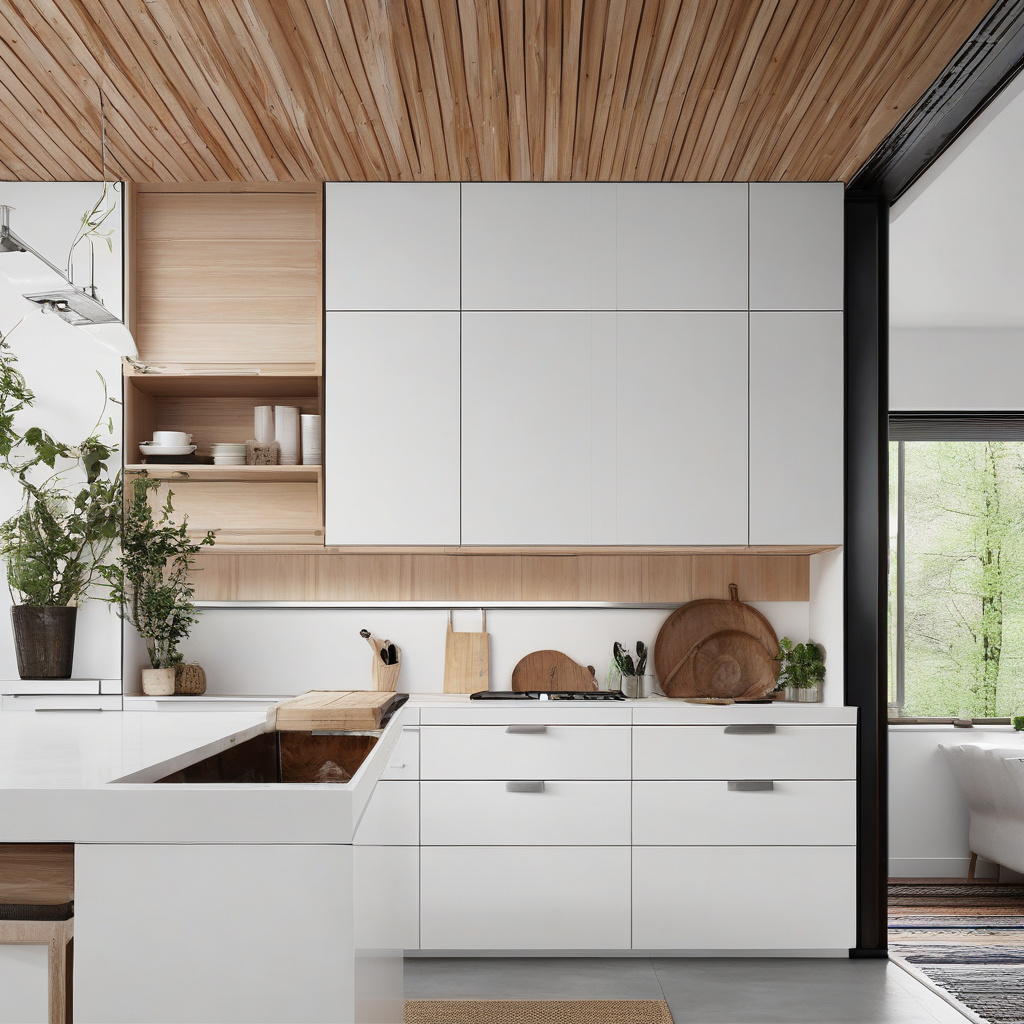
Smart storage solutions, like pull-out cabinets and hidden compartments, are vital in maintaining clean lines. In a minimalist context, the absence of conventional adornment sharpens the focus on practical design and understated sophistication within every element.
Designing a minimalist kitchen isn’t just about stripping back—it’s a celebration of thoughtful inclusion and deliberate balance, ensuring each element resonates with the overarching theme of simplicity.
Evaluating Illumination: Natural vs Artificial Light
Lighting in minimalist kitchens goes beyond mere illumination—it becomes part of the design narrative. Natural light is a valuable tool in the arsenal of Southern Californian homes, enhancing the bright, airy qualities central to minimalist design.
The juxtaposition of natural and artificial lighting solutions magnifies the kitchen’s elegance, casting soft shadows that add dimension to white and wooden surfaces. For discerning homeowners, carefully curated lighting fixtures become an investment in ambiance and a testament to personal style.
A balanced lighting scheme harmonizes aesthetics and practicality, ensuring every detail is visible yet nothing is overexposed. Strategic lighting placement can also enhance specific areas of interest, guiding the eye through the space in a cohesive visual journey.
Choosing Between Open Shelves and Cabinets
Decision-making in a minimalist kitchen often confronts one enduring debate: open shelves versus cabinets. Each option provides distinct advantages, aligning with different homeowner preferences and practicality considerations.
Open shelves are celebrated for their accessibility and display potential, inviting expression through artful arrangement of everyday items. They embody the core of minimalism—showing only what is essential. However, the downside might be the constant vigilance required to maintain their aesthetic appeal in an active kitchen environment.
According to a recent survey, “72% of minimalist enthusiasts prefer open shelving for its ease and adaptability.”
Conversely, cabinets offer a more contained approach, hiding clutter and easing maintenance in family-centric settings. The dilemma lies in balancing the desire for openness with the practical necessity of storage in high-demand households.
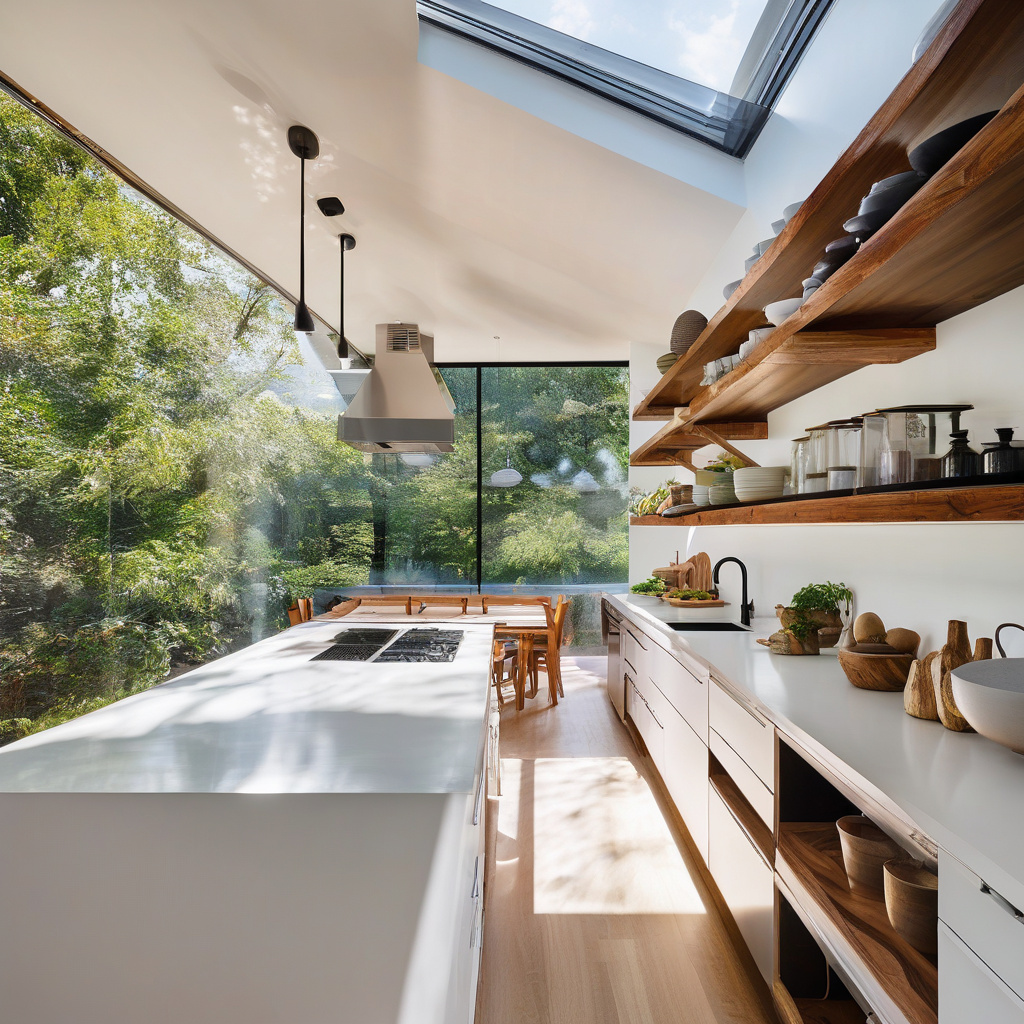
For those deliberating on storage tackle points, exploring ways to harmonize both styles may present an ideal solution, blending display with discretion with remarkable style and efficiency.
Ultimately, the choice between open and closed spaces reflects more than just function but also ties individuality to the soul of the kitchen, telling a personal story within a minimalist framework.
Insight from interior designer Taylor Johnson: “Minimalism is not just about less but about renewal—transforming chaos into calm.”
Why Minimalist Kitchens Continue to Resonate
The heart of the white-and-wood minimalistic kitchen beats in tandem with Southern California’s rhythm, capturing the essence of relaxed yet sophisticated living. It’s a style that appeals to both new homeowners and seasoned renovators, a testament to its enduring appeal and adaptability.
A minimalist approach transcends trends, representing a conscious return to simplicity. It reflects a yearning for environments that nurture rather than overwhelm, spaces that simplify rather than complicate. For Los Angeles residents, the minimalist kitchen offers both a sanctuary and a revitalized living space, underscoring the synergy between design and daily life.
The popularity of this aesthetic persists because it speaks to an intrinsic desire for balance amid urban hustle and contrasts strikingly with the contemporary quest for sustainability and personal well-being.
A study noted that “minimalist designs can enhance mental well-being by reducing visual noise.”
As many in Southern California are discovering, the minimalist kitchen isn’t just an area for culinary endeavors—it’s a lifestyle choice that restores order and emphasizes quality at home.
Looking ahead, the minimalist kitchen in white and wood continues to promise innovation and individuality, shaping experiences and creating spaces that truly feel like home for today’s homeowners and those of tomorrow.
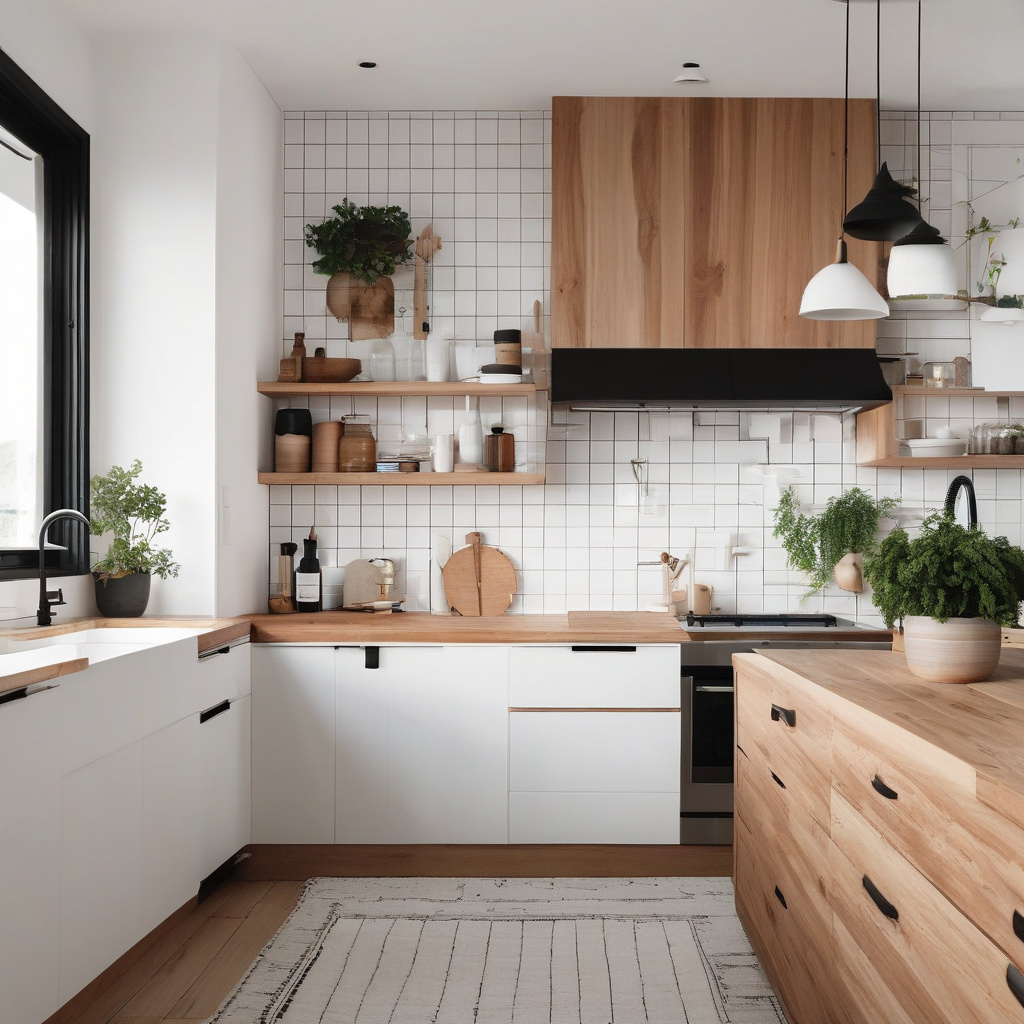
- Minimalist kitchen designs blend aesthetics with functional space for a calm living environment.
- White and wood combinations offer timeless appeal and ease of maintenance.
- Consider budget and material choices for efficient investment in kitchen remodels.
- Effective planning and layout maximize space and functionality.
- Balance open shelves with cabinets to suit both style and organizational needs.
“`html
FAQ
What defines a minimalist modern kitchen design in white and wood?
A minimalist modern kitchen design in white and wood is characterized by its simplicity and use of natural materials. In real renovation projects, clean lines dominate the aesthetic, with white serving as a backdrop to highlight the warmth of wood. These kitchens emphasize functionality with sleek cabinetry and uncluttered countertops. Many experts point out that the essential idea is to create an airy, spacious feel, leveraging natural light and minimizing decorative elements. This approach suits Southern California’s laid-back, indoor-outdoor lifestyle, where openness and simplicity enhance everyday life.
How do I choose materials for a white and wood kitchen?
When selecting materials for a minimalist kitchen, the choice of wood is pivotal. Many homeowners prefer hardwoods like oak or walnut for their durability and classic appeal. It’s crucial to complement these with cabinetry in a soft white or warm cream. In practice, balancing the wood’s tone with the right paint hue is essential. Consult a sample board in your kitchen’s natural light for the best results. Don’t overlook practical aspects; for instance, a matte finish can help disguise fingerprints on wood, which is a common concern in real homes.
When is a minimalist white-and-wood kitchen design ideal for my home?
A minimalist white-and-wood kitchen suits those seeking a modern yet timeless look, particularly in Southern California where outdoor-indoor living is embraced. It’s perfect if you wish to create a serene and spacious atmosphere. This design also works well in open-plan spaces, older homes being updated, or new builds where a neutral, cohesive aesthetic is desired. Importantly, it offers adaptability to personal style shifts over time. However, some may find maintaining its pristine look challenging, especially in busy households.
What are common mistakes when remodeling to a minimalist kitchen style?
Homeowners frequently underestimate the importance of balance in design elements, leading to a space that feels stark rather than inviting. One pitfall is selecting surfaces that are too sterile, missing the warmth that wood naturally provides. Many experts advise against over-customizing storage solutions at the expense of essential counter space. Moreover, ignoring the practicality of easy-to-clean materials can result in a kitchen that looks great but is hard to maintain. Taking the time to plan storage and surface functionality meticulously can prevent these common woes.
What cost considerations should I keep in mind for a minimalist kitchen remodel?
Budgeting for a minimalist kitchen involves several layers of consideration. High-quality materials like solid wood can be expensive, but they offer longevity and timeless appeal. In real projects, the costs of sleek and custom-made cabinetry can add up significantly. It’s practical to allocate funds for professional installation to ensure clean lines and precision. Yet, many homeowners find the return on investment in increased home value and personal satisfaction well worth it. Keep in mind that expenses for high-end finishes, while initially higher, often result in less frequent repairs and replacements.
What are the pros and cons of a minimalist white-and-wood kitchen design?
The minimalist white-and-wood style has numerous advantages, like enhancing light and space, making it ideal for smaller kitchens or open-plan designs. It also adapts well to various architectural styles, from modern to mid-century. However, one downside is the potential coldness from overuse of white, counterbalanced by the warmth of wood. Additionally, maintaining those clean, uncluttered surfaces requires discipline. Some homeowners also find the need for constant tidiness can become a chore over time. Despite the challenges, the design’s sophistication and ease of adaptation remain significant benefits.
What maintenance is required for a white-and-wood minimalist kitchen?
Maintaining a white-and-wood kitchen involves regular cleaning to preserve the aesthetic appeal. In real homes, white surfaces may show stains and smudges more easily, necessitating a disciplined cleaning routine. Wood surfaces typically benefit from occasional oiling to maintain their sheen and prevent drying. Some homeowners find using natural cleaning solutions helps preserve both the wood and the finish of other materials. Simple strategies, such as wiping spills immediately and using coasters for hot items, can also extend the life of your surfaces significantly.
Where can I find professional advice for my kitchen remodel?
Consulting with professionals who specialize in modern residential renovations can be invaluable. Whether you’re working on a new single-family home or renovating an older property, their insights can help avoid costly errors. For detailed advice tailored to your specific needs, consider reaching out to a local renovation specialist who can provide guidance throughout the process. Utilizing such resources often leads to a more seamless and satisfactory renovation experience.
“`