Amidst the architectural smorgasbord that is Los Angeles, mid-century modern design endures as a timeless staple. Its appeal lies in its simplicity, warmth, and natural integration with the surrounding environment—perfect for creating serene patio spaces in the bustling cityscape. From Malibu’s cliffs to Pasadena’s leafy streets, the mid-century modern patio has become an emblem of Southern Californian style, a blend of function and subtle elegance.
Brief summary: This article explores the charm of mid-century modern patio design for LA homes. Delving into material choices, typical layouts, stylistic elements, and real homeowner experiences, it offers a comprehensive guide for those seeking to infuse their outdoor spaces with timeless elegance while considering practical renovation choices.
Embracing Clean Lines and Open Spaces
Mid-century modern patios capitalize on the Southern Californian climate, inviting the outdoors in with expansive layouts and uncluttered designs. This style champions functionality as much as aesthetic appeal, often characterized by minimalistic furnishings and open plans that facilitate seamless movement.
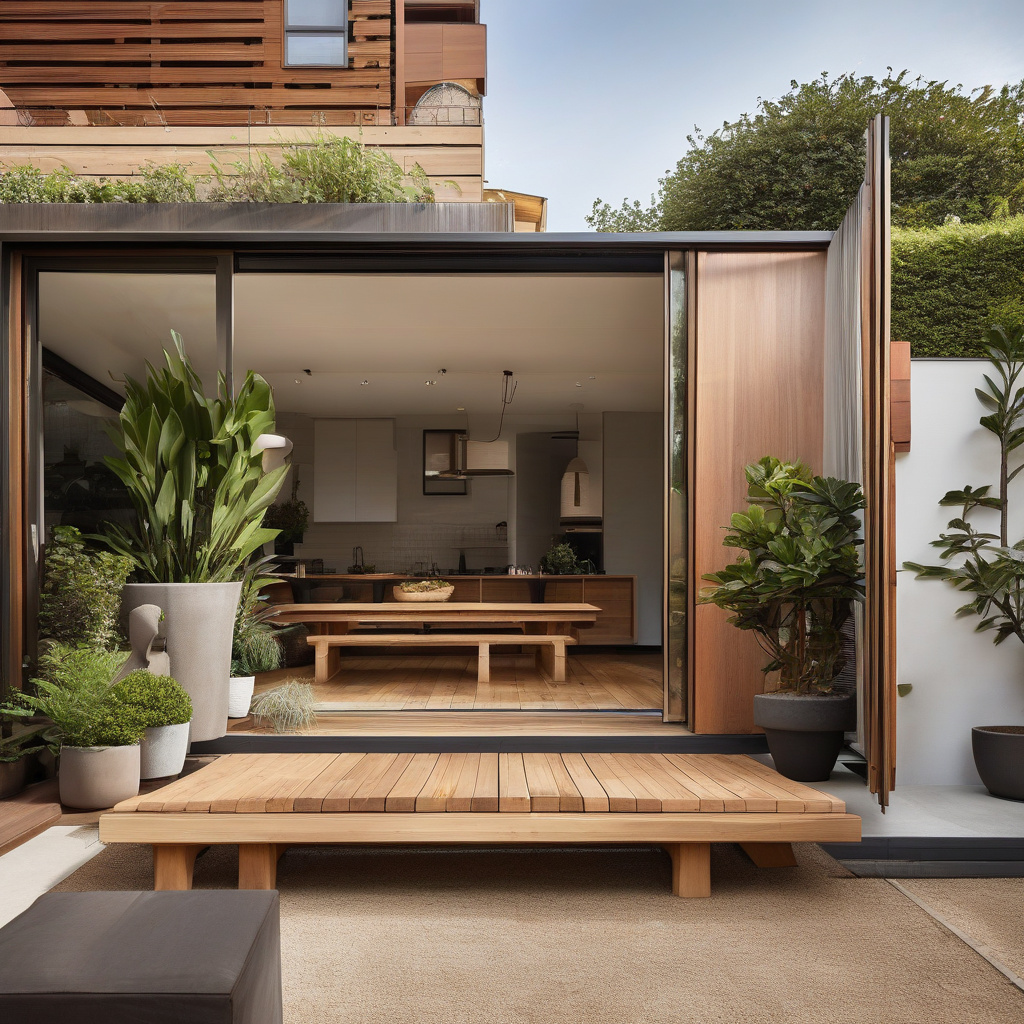
Encouraging fluidity is key. Many homeowners opt for sliding glass doors that open directly onto patios, erasing the barrier between indoor and outdoor settings. This continuity extends to the choice of materials—wooden deckings such as teak or ipe blend with the natural environment and match mid-century architecture’s emphasis on organic integration.
This guide to contemporary patio integration highlights the recurring theme of nature-inspired cohesion that resonates throughout Southern Californian design. Rather than imposing design elements onto a landscape, the creation of a mid-century modern patio relies on complementing the natural surroundings.
Ultimately, mid-century modern patios in LA are expressions of simplicity—clear of the unnecessary, they reflect the Californian ethos of accessible luxury and relaxed charm.
According to architecture expert Jane Thorne, “A true mid-century patio is an extension of the interior living space, capitalizing on California’s mild climate to create a seamless flow.”
Balancing Warm Tones and Functional Elements
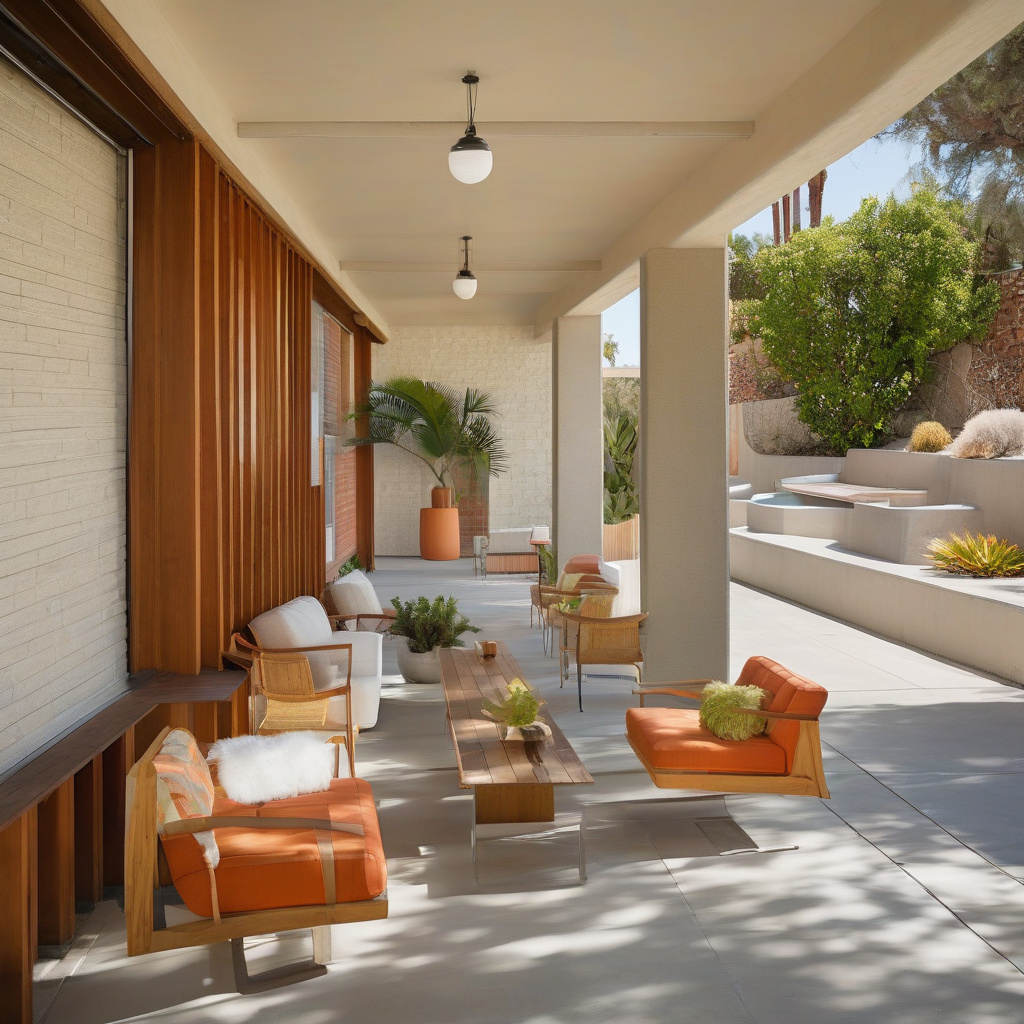
Color palettes play a pivotal role in setting the mood for these spaces. Warm woods, deep earth tones, and splashes of vibrant color—a nod to the era—define the typical mid-century modern outdoor area. The selection of materials not only complements these hues but reinforces the architectural narrative.
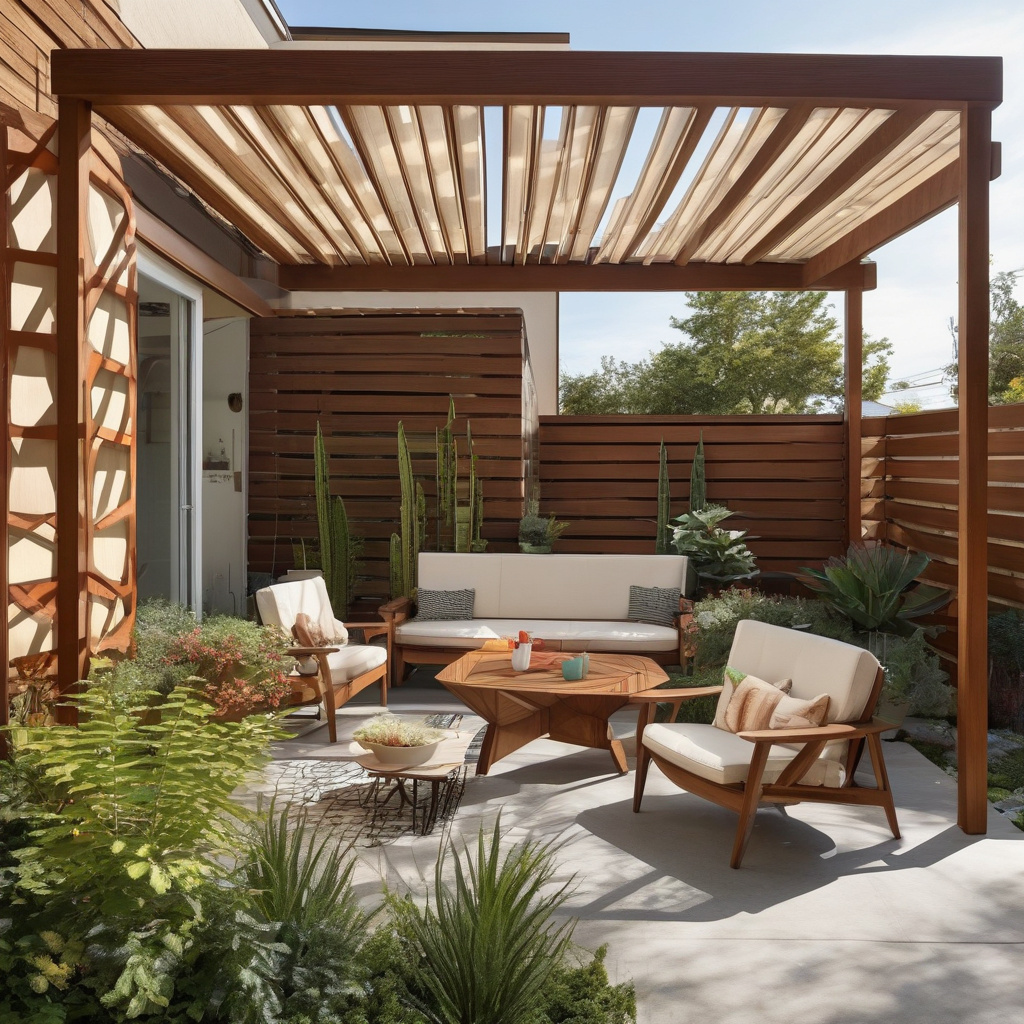
Wood remains a predominant feature. Whether through decking, pergolas, or furniture, its presence brings warmth and a natural sense of belonging to the space. Many homeowners choose tough, resilient varieties like eucalyptus or cedar, which are both aesthetically pleasing and practical given California’s climate.
However, the thoughtful infusion of colors like aquamarine or mustard yellow in cushions or art pieces can disrupt predictability and inject personality. Innovative heating solutions like discreet patio heaters can also keep these areas hospitable year-round, seamlessly blending into their surroundings while performing a crucial function.
The interplay between warmth and utility is crucial to not just design but comfort—a cornerstone of mid-century design.
Incorporating Sculptural and Organic Accents
Beyond practical design considerations, interspersing bold statements or subtle accents can elevate a patio into an artistic enclave. Sculpture, pottery, or art pieces give the patio a curated feel, reflective of its owner’s taste and individuality.
Sourcing vintage or reproduction pieces such as abstract sculptures or geometric planters can impart style without clashing against the otherwise serene backdrop. Likewise, soft elements—think strategically placed potted plants or hanging ferns—introduce organic fluidity and movement, creating a multi-sensory experience.
As highlighted in examination of celebratory mid-century designs, the contrast between structured furniture and flexible, natural forms generates a dynamic harmony that fascinates and invites exploration.
Ultimately, these accents serve to tie the space together, providing focal points or statements that defy banality and embrace uniqueness.
An LA-based designer posited, “Effective patio design melds art and function—mid-century aesthetics prize individualism through seamless artistry tempered by purpose.”
Considerations for Maintenance and Upkeep
When designing these spaces, maintenance mustn’t be overlooked. Some woods require regular sealing to resist sun damage, while certain metal elements demand periodic polishing. Thoughtful choices can minimize upkeep; for instance, outdoor fabrics have seen technological improvements, offering water and fade-resistant properties.
Hardscape solutions like terracotta tiles or polished concrete surfaces limit the need for interventions while offering enduring style and function. These choices lay the groundwork for hassle-free enjoyment of one’s environment.
Comparing Materials: Wood vs. Concrete
One significant decision that renovators face is the choice between wood and concrete for flooring. Each comes with its own set of advantages and considerations, influencing the function and feel of a mid-century patio.
| Material | Advantages | Considerations |
|---|---|---|
| Wood | Natural warmth, visually irreplaceable, versatile | Higher maintenance, risk of warping |
| Concrete | Durable, low maintenance, modern aesthetic | Can be cold, limited textural appeal |
Each choice must align with the homeowner’s lifestyle and aesthetic vision. Concrete’s clean, stark lines appeal to the minimalist, while wood may entice those seeking warmth and classic appeal. These considerations often dictate the ultimate atmosphere and utility of the patio.
Awareness of these preferences, combined with understanding neighborhood trends, ensures a revitalization project’s success for present enjoyment and future resale value.
Balancing Aesthetics with Practicality
The modern patio’s charm lies in its dual ability to offer beauty and practicality—yet both must be addressed early in the design process. The diverse environs of LA, from the breeze-kissed beaches to the arid inland valleys, can dictate different priorities, impacting material and design choices.
Sustainability often influences decision-making. Eco-friendly considerations effortlessly merge with the ethos of mid-century design, which focuses on harmony with the natural world. Choosing reclaimed woods, integrating solar lighting, or employing native plants not only reduce environmental impacts but also enthrall from a design perspective.
Strategic shading elements provide comfort, allowing any outdoor flooring selections to deliver beauty and function without compromise. The integration of shading structures such as pergolas layered with climbing vines can contribute significantly to both sustainability and aesthetic appeal.
Making the Most of Limited Space
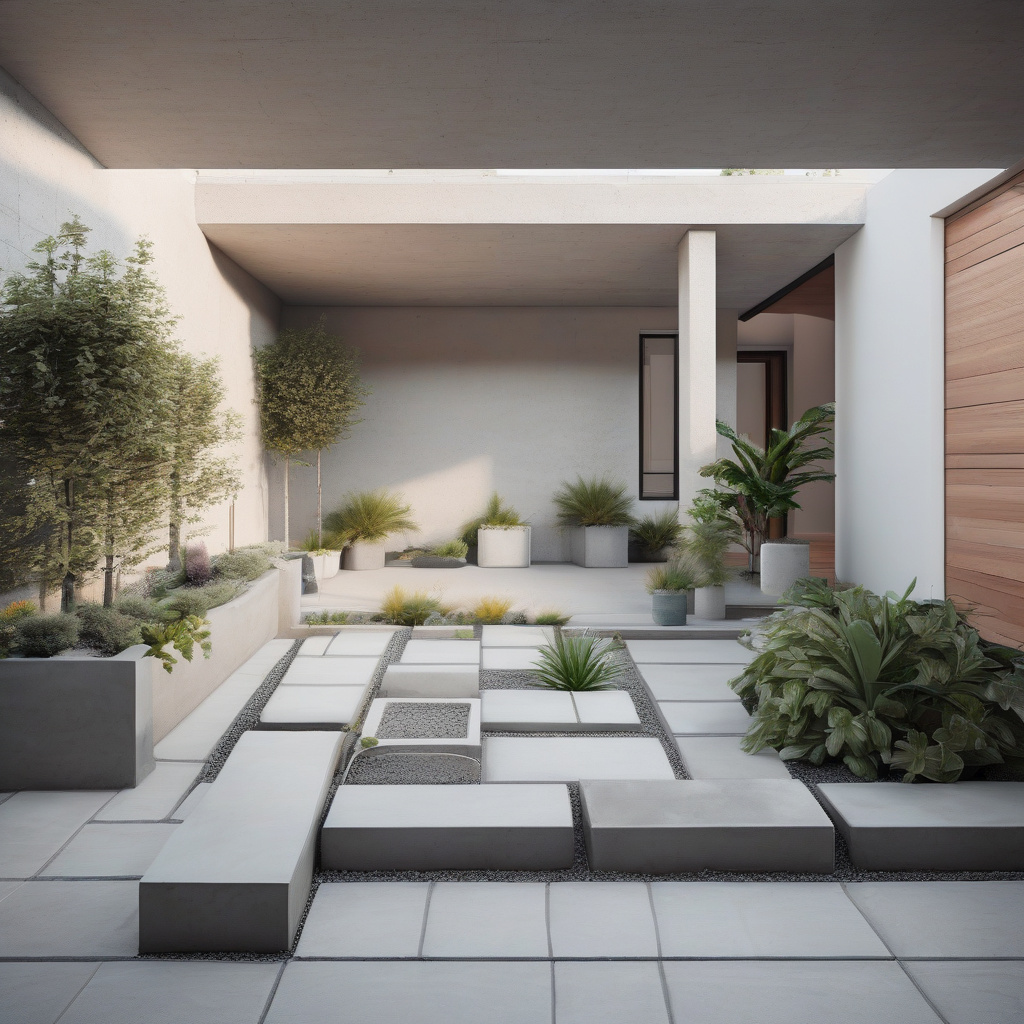
Urban dwelling often limits private outdoor spaces, demanding innovative layouts and design principles. Larger installations may be prohibitive, prompting clever opt-ins such as vertical gardens or modular seating that adapts to different uses, from family gatherings to quiet reflection.
In these settings, adaptability reigns supreme. Designing flexible spaces that transition from everyday relaxation to entertaining guests ensures maximum utility for any homeowner while maintaining a modern ambiance.
Mid-century Modern: An Enduring Inspiration
From the hills of Hollywood to the shores of Santa Monica, mid-century designs contribute to the varied tapestry of Los Angeles’ neighborhoods. Their appeal? An effortless integration of nature, nostalgia, and novel design that respects history while accommodating modern lifestyles.
For aspiring renovators or long-time enthusiasts, the opportunity remains to craft these distinctive spaces. Driven by a commitment to quality and a love for design, the journey from concept to execution becomes an intricate tapestry of exploration and expression.
By connecting with experienced professionals and community wisdom, homeowners can embark on a design adventure that brings to life classic elements of mid-century marvel, offering an enduring refuge from the clamor of city life.
Real estate analyst John Belmont notes, “Inclusion of mid-century elements in outdoor design not only elevates charm but enhances property value in competitive markets like Los Angeles.”
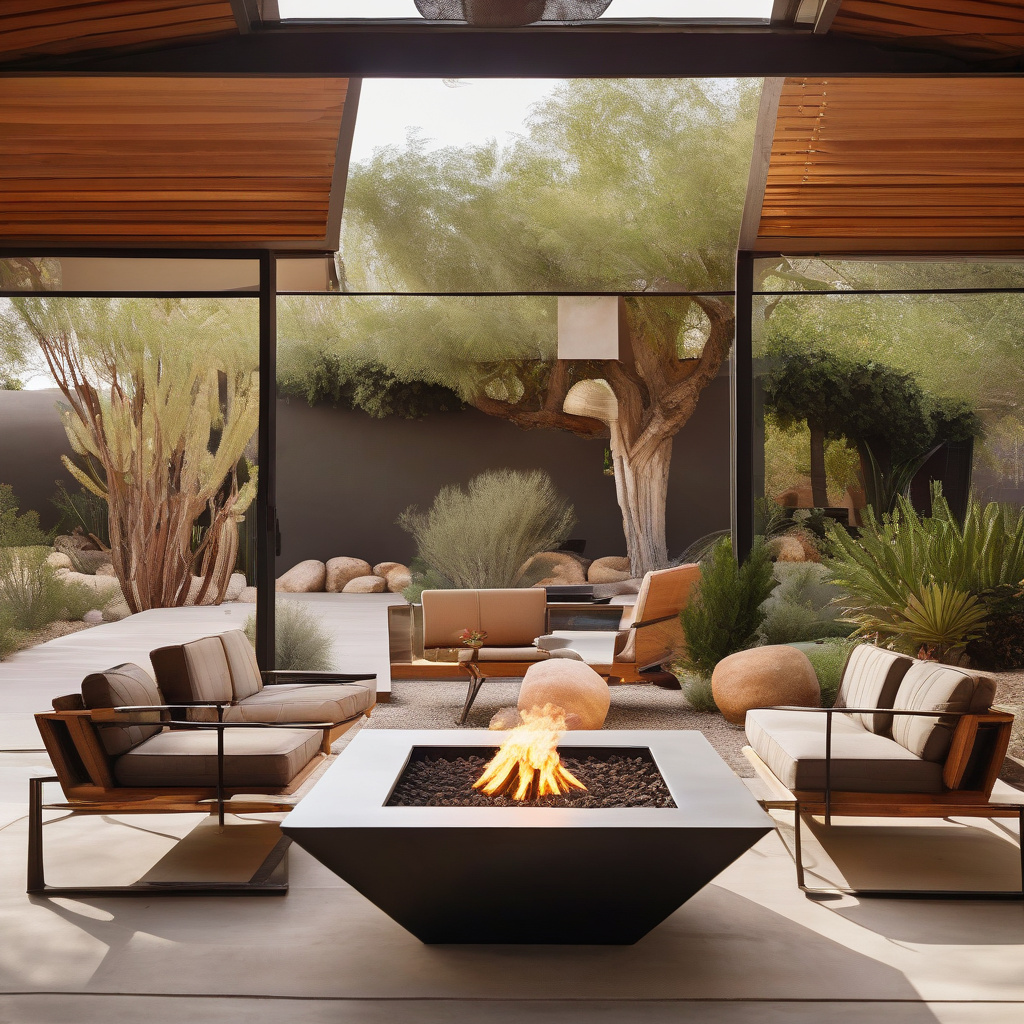
- Mid-century modern patios encompass clean geometry and organic integration, reflective of Californian culture.
- Colour palettes with warm wood tones and strategic accents distinguish these designs.
- Balance between aesthetic and practical considerations is essential for successful implementations.
- Material choices such as wood or concrete significantly influence the atmosphere of outdoor spaces.
- Designs maintain relevance and value, bridging past inspirations with modern living.
“`html
FAQ
What defines a mid-century modern patio design in LA homes?
Mid-century modern patios in LA are characterized by their clean geometry and warm wood tones. In real renovation projects, they often include elements such as teak or ipe wood, known for their durability. Homeowners might add sculptural accents, like a vintage fire pit or Eames chairs, blending functional art with outdoor living. Many experts point out that incorporating native plants can enhance this look, providing not just aesthetic appeal but also water conservation, a critical factor in Southern California. These patios create a seamless transition between indoor and outdoor spaces, which is commonly appreciated in the region’s mild climate.
How do I choose materials for a mid-century modern patio?
Choosing materials involves balancing aesthetics with practicality. Warm woods like cedar or redwood resist decay and look beautiful with minimal maintenance, often seen in mid-century modern designs. Concrete, used for flooring, offers clean lines. In practice, many homeowners opt for a blend of natural stone and wood to achieve that classic feel. Steel can be an excellent choice for structural elements, providing durability and a modern touch. Homeowners frequently underestimate this aspect as initial costs are higher, but the long-term savings in resilience and maintenance are worth considering. Solar lighting can be an eco-friendly addition, keeping the patio functional in the evening while subtly highlighting architectural features.
When should I consider renovating my patio to a mid-century modern design?
Timing your renovation ideally revolves around your own seasonal use and the weather pattern. For LA homeowners, spring is a lucrative time to start, allowing for pleasant living spaces through summer and fall. Older properties undergoing renovation will find that an updated patio design complements newly improved interiors, blending styles seamlessly. If you’re acquiring a property with an outdated style, this might be the opportunity to enhance both functionality and your home’s market value. While expenses can be a concern, aligning renovations with periods when you’re less likely to use the outdoor space can minimize inconvenience and expedite the process.
What common mistakes should I avoid when designing a mid-century modern patio?
A frequent mistake is ignoring scale and proportion, resulting in a cluttered or underwhelming space. Many people overlook how patios must harmonize with existing architecture. It’s vital to select furnishings and fixtures that match mid-century aesthetics yet fit comfortably within the available space. Another common oversight is inadequate drainage—a crucial aspect for longevity, especially with concrete or stone surfaces. Skimping on initial quality for cost savings can lead to water pooling issues and eventual surface degradation. Seeking professional consultation can help you avoid these pitfalls and maintain a cohesive design.
What are the cost considerations for a mid-century modern patio renovation?
When budgeting, homeowners should account for materials, labor, and potential landscaping needs. Modern systems or eco-friendly materials like reclaimed wood or permeable pavers, while potentially more expensive upfront, can offer long-lasting performance. Hidden costs often involve design fees or the necessity for structural adjustments, especially in older homes needing foundation work. A practical tip is to get multiple quotes and discuss your ideas with a renovation expert. This can provide clarity on potential costs. For a personalized assessment and further pricing details, consider reaching out to a local renovation expert who can guide you through options tailored for your budget and vision.
What are the pros and cons of adopting a mid-century modern patio style?
The style is celebrated for its timeless aesthetic, creating a seamless extension of your living space. It complements California’s climate and lifestyle, encouraging outdoor entertainment and relaxation. However, there are limitations, such as material availability. Sourcing genuine, period-authentic pieces and materials like specific woods can be costly and challenging. On the upside, the investment often increases property value and appeal. Conversely, overcomplicating the design with too many elements can detract from the desired simplicity, a common issue due to the spectrum of available period-reminiscent accessories.
What specific maintenance considerations are there for a mid-century modern patio?
Maintaining a mid-century modern patio involves regular upkeep of both natural and man-made materials. Wood requires treatment to prevent weathering and insect damage. Homeowners often underestimate how seasonal climate variations influence material expansion and contraction. Concrete surfaces might need sealing to prevent stains and cracks from developing over time. Metal elements, like railings or furniture, should be periodically checked for rust, which can compromise structural integrity. Incorporating drought-resistant plants can reduce the amount of water needed for upkeep, simultaneously emphasizing the patio’s sustainable design.
What are the typical design features of a mid-century modern patio that align with newer builds?
Newer builds often integrate modern building techniques with mid-century design elements. Features like bi-fold glass doors remove barriers between indoor and outdoor areas, a signature mid-century concept enhanced by contemporary engineering. Solar panels can be seamlessly installed to power outdoor features, aligning sustainability with style. The use of smart home technology, such as automated lighting and irrigation systems, offers convenience while maintaining aesthetic simplicity. The combination of eco-friendly installations with traditional design elements ensures compliance with current building codes while preserving the classic appeal of mid-century architecture.
“`