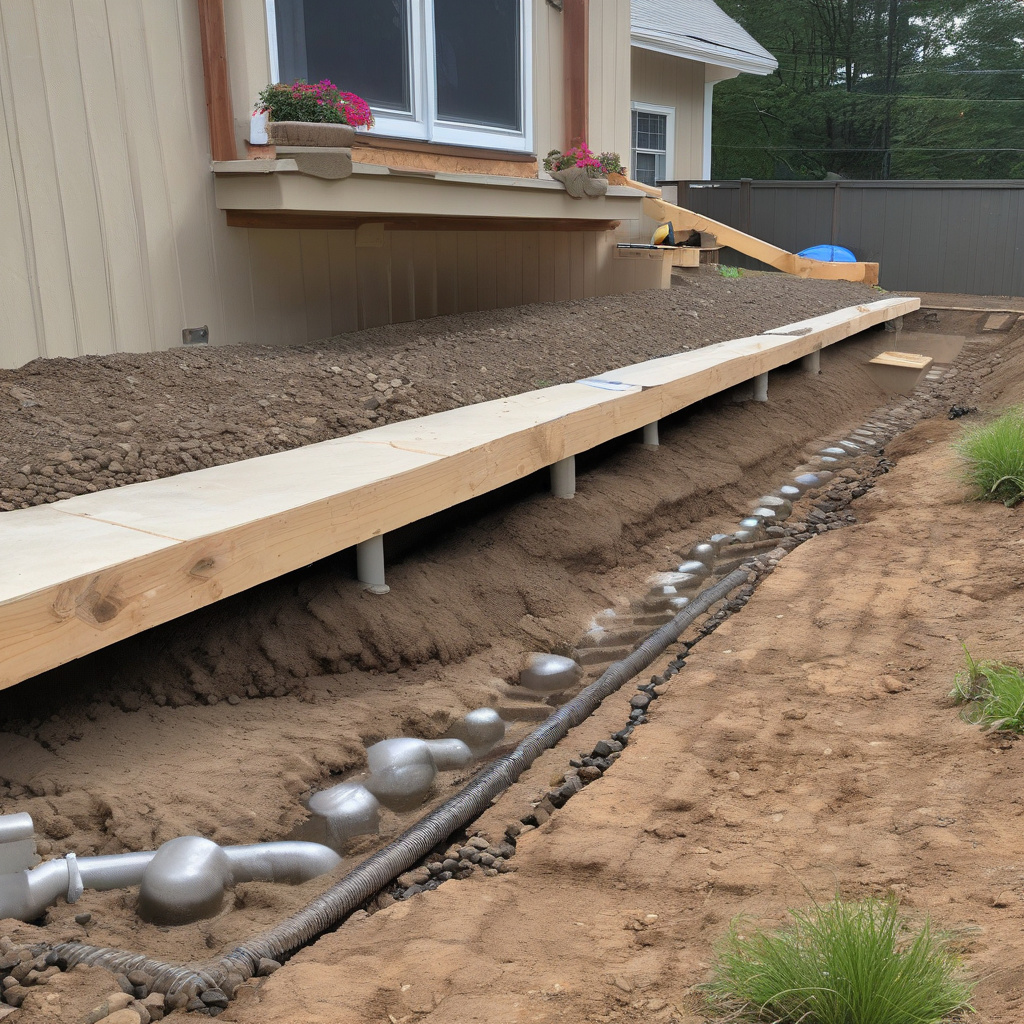
In the heart of Southern California, where sun-drenched patios are the epicenter of outdoor living, the hidden threat of water damage lingers like a California fog. Deck drainage solutions stand as the unsung heroes in this architectural narrative, quietly protecting these spaces from the costly ravages of unchecked water flow. As we delve into the mechanics and innovations underpinning these solutions, we unravel how Los Angeles homeowners are increasingly securing their treasured decks against water woes.
Brief summary: This article explores the significance of deck drainage solutions in preventing water damage in Los Angeles. It examines various methods like under-deck systems, slope adjustment, and channels, shedding light on renovation trends, homeowner experiences, and practical insights for maintaining deck integrity.
The Quiet Battle Against Water Damage
In recent years, the quintessential Los Angeles deck has undergone a transformation, evolving from a simple extension of the home to a sophisticated outdoor living space. However, with this evolution comes a new set of challenges, primarily water damage, which can compromise these investments significantly. Homeowners are increasingly recognizing the necessity for proactive drainage solutions, as the absence of proper systems can lead to rot, staining, and frustrating long-term damage.
One might wonder why such emphasis is placed on deck drainage in the first place. It’s a matter of preserving the integrity and longevity of outdoor spaces. Without effective drainage, water can seep into nooks and crannies, fostering environments conducive to mold and decay. Over time, this not only deteriorates the aesthetic value but also escalates maintenance costs dramatically.
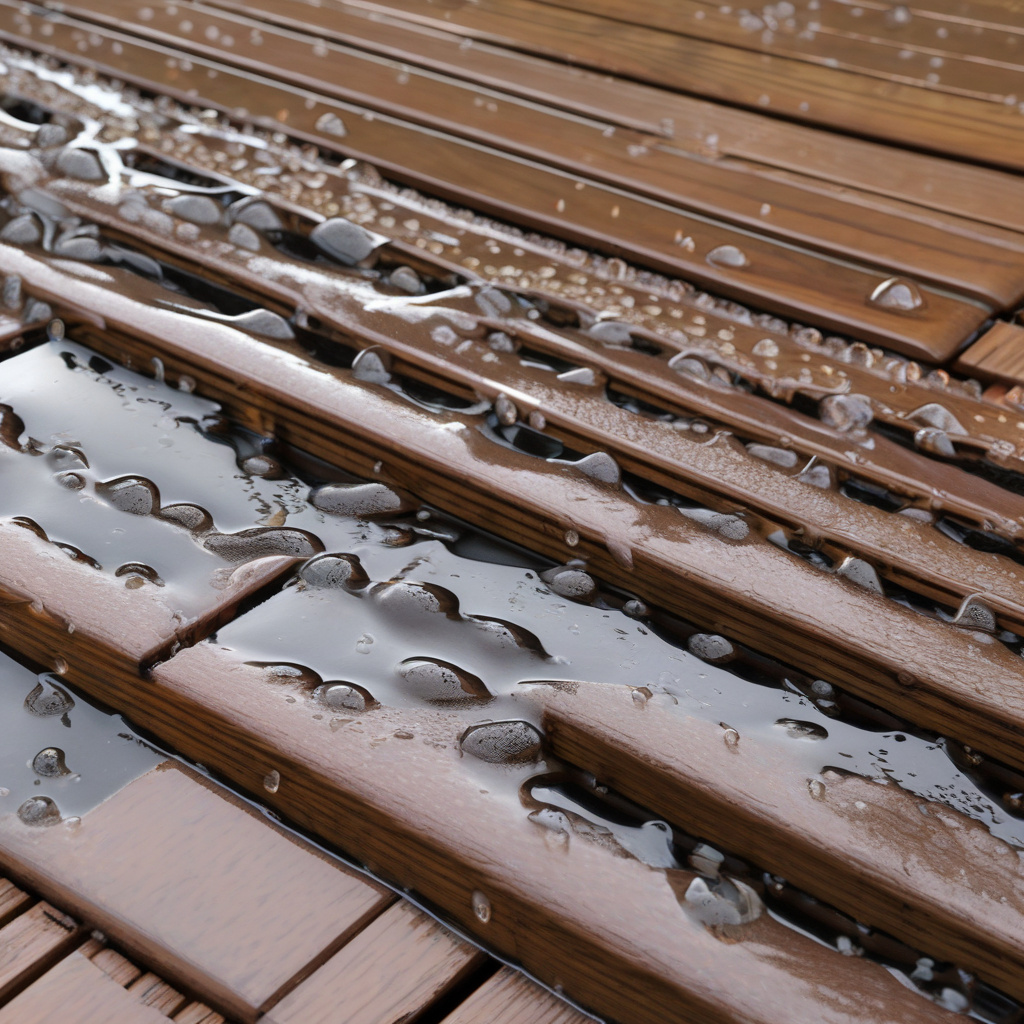
As many local homeowners have discovered, integrating proper drainage into their patio upgrades has become as crucial as choosing the right color palette or furniture arrangement. This increased awareness is partly due to broader renovation trends in Los Angeles, which emphasize sustainability and resilience.
The message is clear: a well-drained deck is a durable, attractive deck. As this understanding permeates through Los Angeles neighborhoods, the adoption of innovative drainage solutions becomes a silent but potent revolution.
Diversifying Drainage Tactics
Deck drainage is no monolith. It encompasses a range of techniques tailored to cater to diverse architectural styles and homeowner needs. Among these, the under-deck drainage systems stand out as a popular choice. These systems effectively channel water away, safeguarding the deck’s structural integrity while maintaining its visual appeal.
Variations such as slope adjustments and built-in channels offer customizable solutions adaptable to unique deck configurations. This versatility ties into the broader design trends focused on enhancing outdoor living spaces to accommodate Southern California’s dynamic climate.
“A well-designed drainage system can extend the life of your deck by over a decade,” notes John Smith, a local renovation expert. “It’s about investing in longevity right from the start.”
These varied approaches allow homeowners to personalize their drainage systems without compromising on style or function. As the needs of Los Angeles residents evolve, so too do the solutions, with innovations continuously adapting to offer flexible, reliable options.
Ultimately, the key lies in understanding the specific demands of one’s property, ensuring that the selected drainage method is both effective and complementary to the overall design.
The Economic Perspective: Costs and Considerations
Financial prudence is always a consideration in any renovation project, and deck drainage is no exception. As potential investors ponder the costs of these systems, a clear understanding of the long-term benefits is crucial. On the surface, outfitting a deck with drainage solutions may appear as a mere expenditure; however, the real value lies in the preventive savings.
Cost breakdowns typically revolve around the materials used, the complexity of installation, and the scale of the deck. Composite materials, while initially pricier, offer durability against moisture, while sloped decks may necessitate advanced engineering to direct water flow effectively.
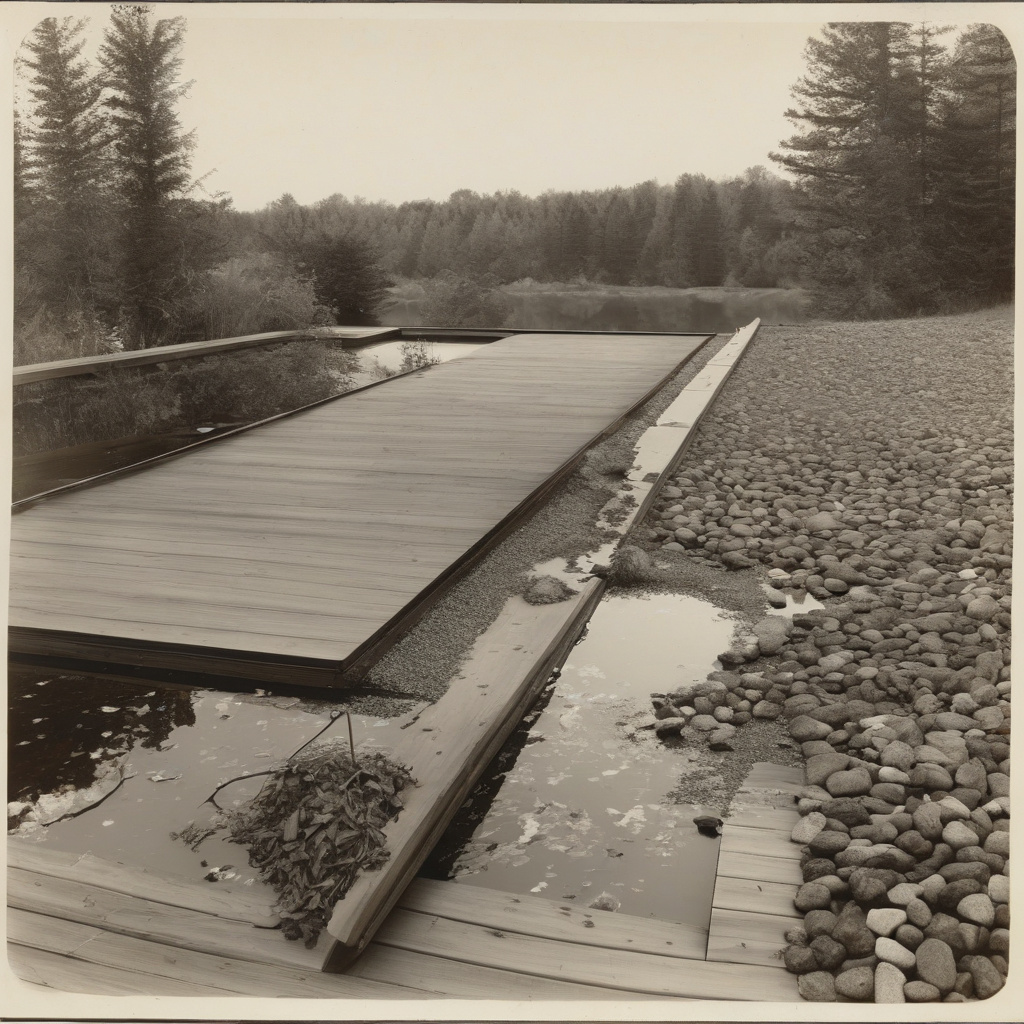
Statistics from the National Association of Home Builders reveal that decks with proper drainage systems installed can recoup up to 75% of their investment upon sale, highlighting the economic upside of this foresight.
For those considering more fire-resistant options due to Southern California’s susceptibility to wildfires, there are materials available that offer both water and fire resistance, delivering dual protection that’s increasingly sought after.
| Solution | Cost Range | Materials | Estimated Timeline |
|---|---|---|---|
| Under-deck Systems | $1,500 – $3,000 | PVC, Aluminum | 1-2 weeks |
| Channel Drainage | $800 – $2,000 | Plastic, Steel | 5-7 days |
| Slope Adjustment | $500 – $1,500 | Wood, Composite | 3-5 days |
Incorporating these costs into the broader renovation budget can initially seem daunting, but the potential for preventing far more significant expenditures down the line makes it a wise investment.
Practical How-Tos for DIY Enthusiasts
For the DIY aficionados among us, implementing a basic deck drainage system can be a rewarding venture. While professional installation offers peace of mind, straightforward systems are accessible to homeowners with a penchant for hands-on projects.
Begin with a comprehensive assessment of your deck’s current condition and drainage capabilities. This involves identifying pooling areas or signs of water damage, which will guide the selection of an appropriate drainage solution.
Next, choose between methods such as trench drains or simpler gutter installations, which are effective in diverting water runoff. Installation generally requires measuring and marking precise locations for drainage components, ensuring they align with existing water flow patterns.
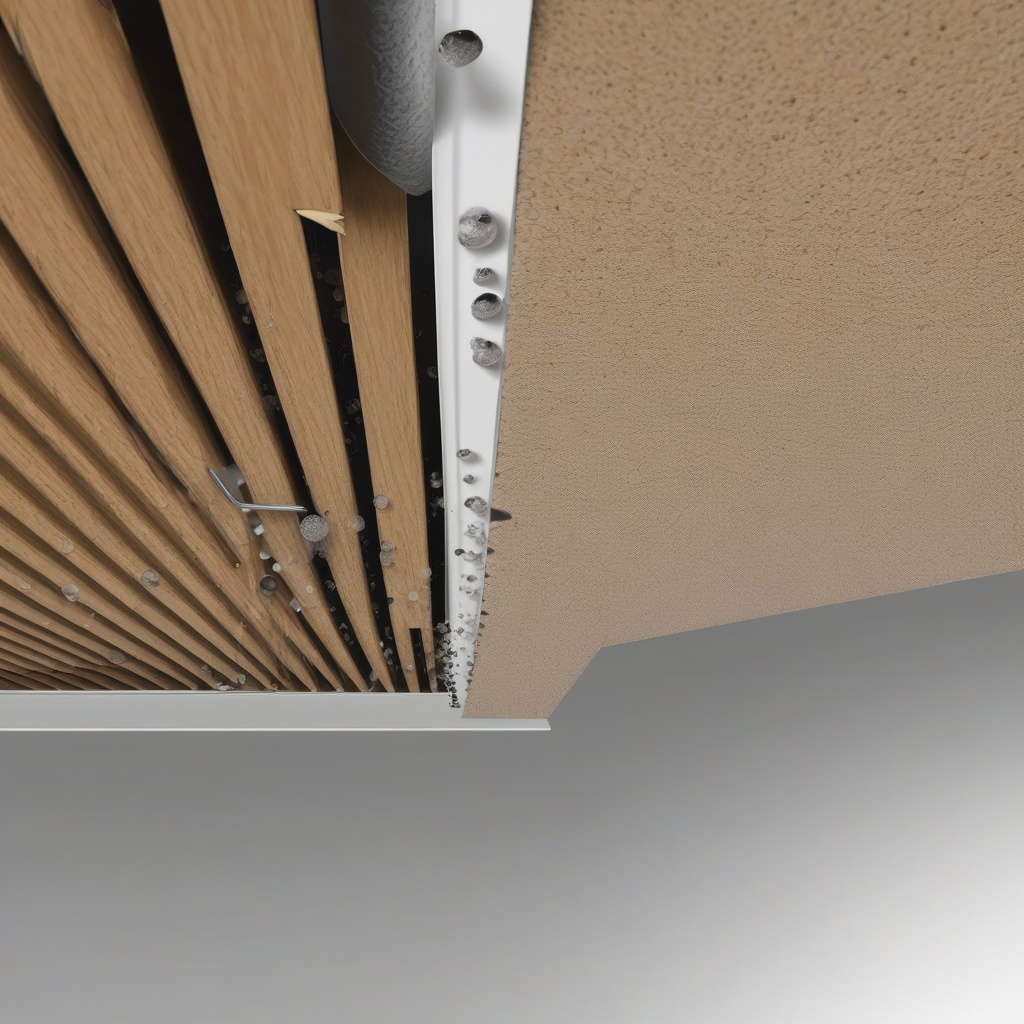
According to a study by Home Improvement Magazine, 65% of homeowners who utilized DIY drainage solutions reported satisfaction with both the cost savings and the functionality achieved.
Finally, regular maintenance checks are critical, ensuring that debris does not accumulate and impede water flow. These simple steps, executed with care, can transform a deck into a resilient, water-resistant haven.
Engagement and commitment transform an ordinary project into an accomplishment, enhancing both the aesthetic and functional attributes of one’s outdoor space.
Strategizing Layouts for Optimal Drainage
Strategic planning is a linchpin in successful deck drainage, particularly in aesthetically conscious locales like Los Angeles. The layout not only determines the effectiveness of water flow but also frames the deck’s overall design.
As luxury outdoor dining spaces become status symbols for LA homeowners, ensuring seamless integration of drainage systems into such layouts is paramount. It’s about harmonizing utility with style, ensuring that the functional elements don’t detract from the visual allure.
Layouts should ideally consider natural gradients and existing topography, using these as blueprints for planning drainage networks. Creating multi-tiered decks or incorporating landscaped slope areas can naturally guide water away while adding depth and dimension to the space.
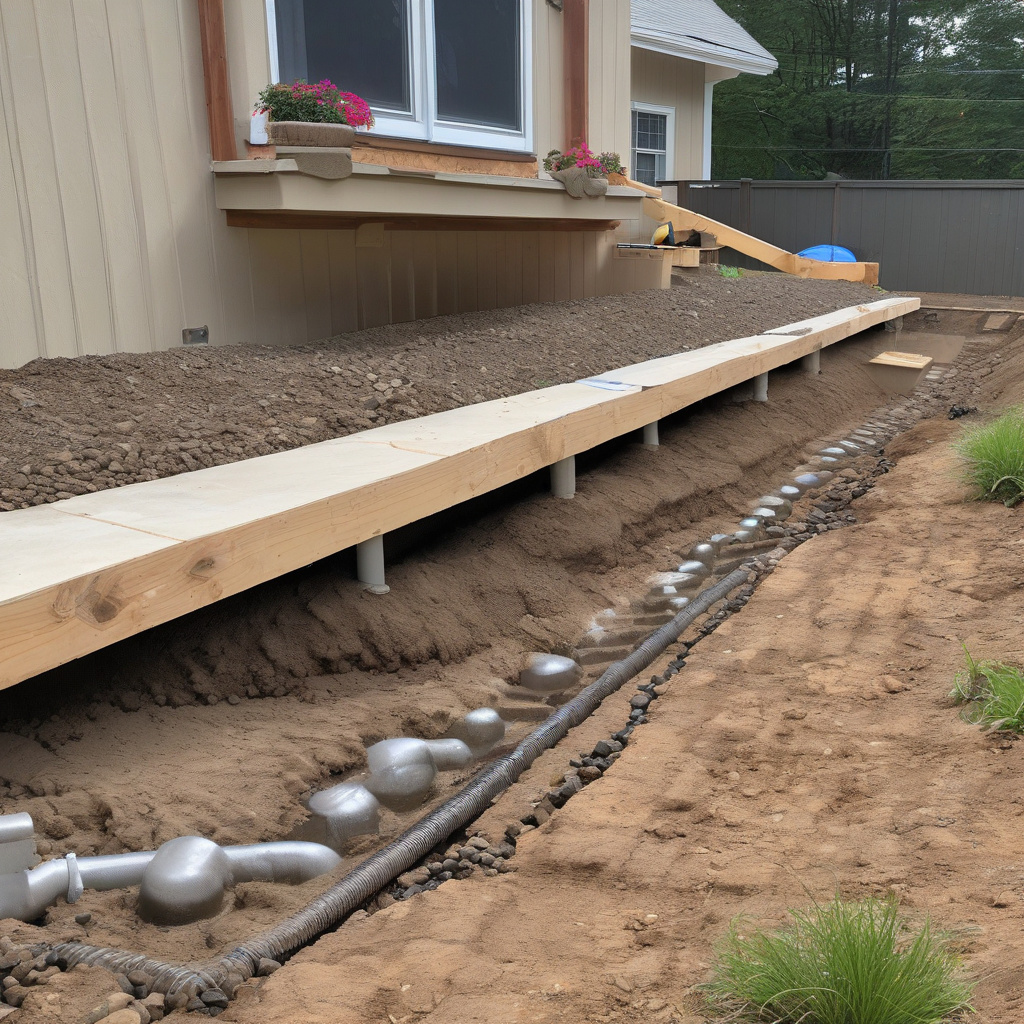
This harmonization is not merely about aesthetics but also about elevating usability and comfort, crafting an outdoor oasis fit for year-round enjoyment.
Further Considerations and Expert Advice
As we circle back on the importance of deck drainage within the Southern Californian context, it becomes evident that this is more than just a maintenance issue—it’s a fundamental aspect of sustainable homeownership. The decision to invest in deck drainage is not just about protecting today but ensuring durability for tomorrow.
Experts recommend pairing these systems with thorough maintenance regimes, such as routine wood sealing and cleaning, to maximize their effectiveness. Preventive care enhances material lifespan and fortifies defenses against environmental stressors.
Moreover, engaging with local professionals can provide tailored advice that considers unique climatic and architectural conditions specific to the Los Angeles area. This collaborative approach optimizes not just the drainage but the entire outdoor renovation project.
The overarching narrative is one of foresight and adaptability—a commitment to preserving the beauty and functionality of open-air sanctuaries in a region that treasures its outdoor living.
- Emphasizing the necessity of deck drainage solutions in Los Angeles to prevent long-term water damage.
- An exploration of diverse drainage methods, from under-deck solutions to slope adjustments.
- An economic analysis underscores the long-term benefits that outweigh initial costs.
- Practical guidance for DIY enthusiasts eager to implement basic drainage systems themselves.
- Strategic layout planning ensures the seamless integration of water management and aesthetics.
“`html
FAQ
What are deck drainage solutions, and how do they work?
Deck drainage solutions involve systems designed to effectively channel water away from structures, such as under-deck drip systems and slope adjustments. In many renovation projects, especially in climates like California, managing water flow can significantly prevent rot and staining. These systems typically work by installing a membrane that collects water and directs it through a series of channels, thus minimizing water-related deterioration over time. Professional landscapers and contractors often highlight how proper drainage adds longevity to deck structures, avoiding significant repair costs later.
How can homeowners choose the right deck drainage system?
Choosing the right deck drainage system requires evaluating your home’s specific needs, including climate considerations and deck design. For instance, in regions prone to heavy rainfalls, an under-deck system may be more effective. Homeowners should also consider the material and slope of their decks. Many experts recommend consulting with professionals to assess factors like deck orientation and existing drainage effectiveness before deciding. Too often, homeowners select systems based on price alone and find later that the system cannot handle their specific water management needs.
When is it most beneficial to install a deck drainage system?
The best time to install a deck drainage system is during deck construction or a major renovation. This allows for seamless integration without requiring retrofits, which can be more complicated and costly. Renovation experts frequently note that addressing drainage early prevents the common pitfall of water damage, severely affecting deck longevity. In older properties, it’s vital to assess and upgrade outdated systems, ensuring they meet modern efficiency standards and safety regulations prevalent in states like California.
What are common mistakes in installing deck drainage systems?
One common mistake homeowners make is underestimating the slope required for effective water runoff, leading to water pooling and deck damage. Incorrect installation of drainage membranes is another frequent issue, often due to insufficient overlap or poor sealing. Consulting a professional during installation can mitigate these risks. In renovations, many experts highlight that failing to assess the entire drainage system of a property is a typical oversight, which can compromise deck integrity and overall water management.
What are the costs involved in installing deck drainage solutions?
The cost of installing deck drainage solutions varies depending on factors such as deck size, material choice, and existing infrastructure. Typically, under-deck systems can range from hundreds to several thousand dollars, inclusive of materials and labor. While an initial investment, many homeowners find it offsets future maintenance or repair costs from water damage. As industry professionals assert, a well-installed system prevents costly deck replacements, making it a wise long-term investment. For personalized advice, consider reaching out to experts by visiting the renovation assistance page.
What are the advantages and disadvantages of deck drainage systems?
Deck drainage systems offer significant advantages, including extended deck life and reduced maintenance by preventing water damage. They also enhance aesthetic elements as the under-deck space remains dry for potential use. On the downside, installation costs can be high, and improper installation leads to failure. Additionally, some systems might require periodic maintenance to clear debris, particularly in areas with fallen leaves. Renowned contractors remind homeowners of these considerations, recommending professional evaluation to balance between benefits and limitations.
How do deck drainage systems affect home resale value?
Installing a deck drainage system often positively impacts home resale value. Buyers appreciate a well-maintained home with reduced risk of water damage. In regions like California, where homes frequently incorporate outdoor living spaces, such systems can be particularly appealing. Real estate agents note that properties with these systems often stand out in the market, showcasing care and foresight from past owners. However, it’s crucial that systems are professionally installed and maintained, as potential buyers might be wary of DIY solutions that don’t meet current standards.
What maintenance is required once a deck drainage system is installed?
After installing a deck drainage system, regular maintenance is necessary to ensure its efficacy, including clearing debris like leaves and twigs that may block channels. Regular checks for leaks or damage, particularly after storms, are advised. Experts often emphasize that patented systems should be inspected by professionals to maintain warranty. Homeowners sometimes overlook seasonal maintenance, risking system failure over time. Ultimately, consistent upkeep prolongs the system’s lifespan, sustaining its protective function against water damage.
“`