
In the bustling metropolis of Los Angeles, where the sun beams perpetually and roofing thrives, homeowners face the daunting task of selecting the right contractor for roof replacement or repair. Determining the most suitable quote among multiple options is a complex affair that extends beyond merely comparing prices. Homeowners must sift through a myriad of details, including material specifications, ventilation plans, tear-off procedures, and warranty terms, to understand the true long-term value. This article delves into the intricacies of comparing roofing quotes fairly, drawing insights from real-life scenarios across Southern California.
Brief summary: This article explores the complexities of comparing roofing quotes in Los Angeles, emphasizing the necessity of evaluating material quality, ventilation planning, tear-off practices, and warranty terms to grasp the genuine value of roofing projects.
Understanding Material Specifications
When comparing roofing quotes, one of the pivotal aspects to consider is the specification of materials. In Southern California, where environmental conditions can be harsh, the material of choice significantly affects durability and efficiency. Homeowners should scrutinize the quality, longevity, and environmental resistance of different roofing materials. Many opt for materials that provide energy efficiency due to the intense heat experienced in the region.
Cost is indeed a crucial factor, but not at the expense of quality. Premium materials might have higher upfront costs but tend to offer better long-term value through enhanced durability and energy savings. For instance, metal roofing shingles may initially seem costlier compared to asphalt shingles, yet they are renowned for their superior lifespan and solar reflectivity.
It’s imperative to confirm that each quote details the specific materials proposed for use. A lack of specification can sometimes be a red flag, indicating potential pitfalls in the quality department. This is especially critical when selecting options that align with the Los Angeles renovation standards that prioritize both aesthetics and functionality.
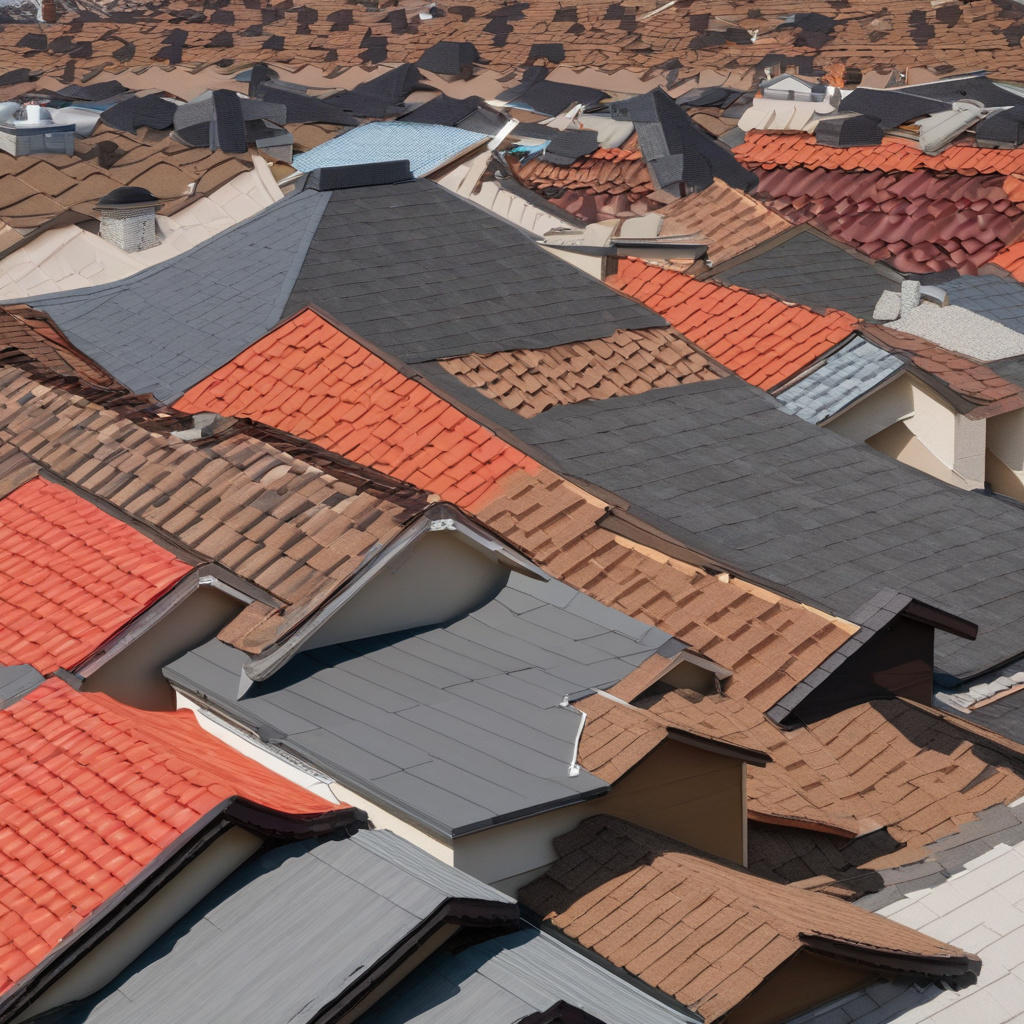
Ultimately, homeowners should seek a balance between price and quality, ensuring they are not lured into choices that could compromise the safety and value of their investment. As a local contractor noted, “Solid materials serve as the roof’s backbone, ensuring resilience and performance.”
Industry statistic: “Roofs crafted with high-quality materials can offer up to 30% energy savings on cooling expenses, according to the National Roofing Contractors Association.”
Ventilation: The Breath of Every Roof
Proper ventilation plays a critical role in the health, durability, and energy efficiency of a roof. It’s an aspect that often gets overlooked yet can have significant repercussions if not adequately addressed. In regions like Southern California, where temperature fluctuations are common, effective ventilation prevents heat build-up during scorching summer days. This not only protects the roofing materials from premature degradation but also enhances indoor comfort.
When examining roofing quotes, homeowners should look beyond the surface and ask contractors about their ventilation planning. Quotes that lack comprehensive ventilation strategy insights may be budget-focused, overlooking long-term sustainability. Considerations should include both exhaust and intake systems to maintain considerable airflow and prevent moisture accumulation.
Ventilation’s role is akin to breathing—essential and often unnoticed until it’s compromised. Many homeowners in the area fail to appreciate its importance until they face dampness, mold growth, or energy inefficiencies. Thoroughly assessing how each contractor plans to address this component can significantly impact comfort and utility costs.
The conclusion here affirms the need for a holistic approach in evaluating roofing solutions. Comprehensive ventilation planning should be a non-negotiable component in the quest for quality roofing.
Evaluating Tear-off Details
Another elemental aspect to compare is the approach towards old roof tear-off. This stage sets the groundwork for the installation of new materials and is instrumental in revealing potential vulnerabilities that could escalate into costly repairs. A well-executed tear-off provides a clean slate, essential for the longevity of the new roof.
Some contractors might suggest overlaying the new roof over the existing one as a cost-saving measure. While initially appealing, this method can hide critical issues that may cause premature roofing failure. Quotes should transparently state the tear-off procedure’s details, providing clarity on the removal process to avoid unexpected cost escalations.
Homeowners are advised to be wary of quotes that don’t offer stipulations on how surprises uncovered during tear-off—such as decayed decking or moisture issues—will be managed. This can prevent unforeseen expenses and ensure the integrity of the project.
Expert insight: “Proper tear-off techniques can significantly extend a roof’s lifespan by unveiling underlying structural damages early, facilitating necessary preemptive repairs,” notes a seasoned roofing expert.
Thus, a thorough review of the tear-off methods in each proposal is critical for a fair comparison of roofing quotes. This guarantees that only the best practices are employed, ensuring a robust foundation for the roof.
Warranty Terms: Predictors of Quality
Warranty terms serve as a testament to the confidence a contractor has in their work and materials. They’re not just peace of mind for homeowners; they are also indicators of reliability and quality. When comparing roofing quotes, it’s essential to closely examine the warranties offered—both on the materials and the installation itself.
A robust warranty should cover a significant duration and include both workmanship and materials. Some contractors may offer longer warranties, reflecting their commitment to quality and customer service. Moreover, it’s crucial to understand any conditions or exclusions that might limit coverage. This careful scrutiny ensures homeowners select a contractor who stands behind their work long after completion.

Comparison should not just dwell on the length but also on the terms. Quotes that offer clarification on terms are more favorable, as they prevent misunderstandings down the line. A seasoned contractor quips, “The worth of a roof warranty is measured not just in years, but in the service it promises in those years.”
Conclusively, evaluating and understanding warranty terms is a pivotal piece of ensuring long-term happiness and security for every roofing undertaking.
Cost vs. Value: The Roofing Dilemma
For many homeowners, cost remains the decisive factor when selecting a roofing contractor. However, a narrow focus on cost can compromise the value and durability of the investment. To elucidate this point, let’s compare roofing options using a simple table based on costs, materials, layouts, and potential returns on investment.
| Option | Cost | Material | Projected Lifespan | ROI |
|---|---|---|---|---|
| Budget Shingles | $5,000 – $8,000 | Asphalt | 15-20 years | Medium |
| Premium Shingles | $8,000 – $12,000 | Metal/Tile | 30-50 years | High |
| Composite Roofing | $10,000 – $15,000 | Composite Polymer | 40+ years | High |
This table illustrates that higher initial investments in quality materials can lead to significantly better long-term returns. Homeowners are reminded that the cheapest option isn’t always the most cost-effective when considering the lifespan and potential ROI of roofing solutions.
Research-based observation: “Investing in energy-efficient roofing materials can enhance property value, leading to a higher selling price by up to 5% in the Los Angeles real estate market.”
Conclusively, navigating the cost-value spectrum is crucial for homeowners in ensuring fair and wise roofing decisions.
A Step-by-Step Framework for Fair Comparisons
Comparing roofing quotes may seem overwhelming, but approaching it methodically can simplify the process. Here’s a step-by-step guide for homeowners to fairly evaluate and compare their options:
Step 1: Gather All Necessary Quotes
Ensure you have quotes from at least three reputable contractors. Verify that each quote thoroughly details all aspects of the project for comparative purposes.
Step 2: Compare Material Quality
Inspect the materials listed within each quote. Prioritize those with higher durability ratings and lower long-term maintenance needs—one handy tip is to consider if the materials proposed align with sustainable practices, ideal for the bright Los Angeles environment.
Step 3: Evaluate Ventilatory Solutions and Tear-off Methods
Check whether each contractor has planned for optimal ventilation and tear-off methods. This sheds light on their attention to detail and impacts long-term roof performance.
Further, explore potential challenges that might arise during the project lifecycle, such as critical flashing failures, to ensure comprehensive coverage.
Step 4: Understand Warranty and Additional Services
Analyze the warranty terms specified, focusing on exclusions or conditions. This preventive measure protects value and satisfaction long after installation.
Step 5: Finalize Based on Long-term ROI and Relational Trends
Reflect on future roof profitability by considering lifespan and potential energy savings. These considerations align with contemporary roofing wisdom and local trends.
Ultimately, taking a methodical approach allows perceptive decision-making in comparing complex roofing propositions, ensuring you derive optimal value while safeguarding your home’s future achievements.

As an actionable step beyond comparing quotes, consider accessible resources such as the efficient debris management methods to manage the remnants of the roofing process smoothly.
- Explore the materials and specifications offered in each roofing quote.
- Analyze ventilation plans as these significantly impact roof durability.
- Evaluate tear-off details for hidden expenses or savings in quotes.
- Understand warranty coverage to avoid future misunderstandings.
- Balance cost vs. long-term value to ensure wise investment decisions.
“`html
FAQ
How can I ensure that I’m comparing roofing quotes fairly?
In real renovation projects, it often becomes clear that understanding the true long-term value requires more than just looking at price tags. Homeowners should delve deeper into material specifications, as quality can differ drastically between quotes. Another crucial point is examining the ventilation plans—poor ventilation can lead to moisture build-up and roofing issues. Pay special attention to tear-off details; some contractors skip this, opting to shingle over existing roofs to save costs, which can spell trouble down the road. Comprehensive warranty terms also reveal a company’s confidence in their workmanship, so don’t gloss over them. This detailed approach offers a clearer understanding than superficial numbers on a page.
What should I look for in the roofing material specifications?
Many experts point out that not all roofing materials are created equal. When evaluating quotes, analyze the grades of shingles or tiles offered. High-quality materials not only last longer but often require less maintenance, saving money in the long run. Consider the climate; for instance, Californians might opt for materials with excellent heat resistance. It’s the small details like UV protection and weather resilience that can make a significant difference in performance. By focusing on these parts of the quote, you’ll ensure you’re getting true value for your investment.
Why is it essential to understand ventilation plans in a roofing quote?
Homeowners frequently underestimate this aspect, but proper ventilation is pivotal to the longevity of your roof. Ventilation ensures that air circulates properly, preventing moisture accumulation and subsequent mold or rot. In older properties undergoing renovation, this factor is even more critical as previous systems might be outdated. Ignoring ventilation can lead to increased energy costs and a reduced roof lifespan. So when assessing quotes, don’t just glance over the ventilation strategy. It’s a cornerstone for maintaining a healthy roof and home environment.
What are the advantages and disadvantages of choosing a roof tear-off?
The primary advantage of a roof tear-off is that it allows contractors to inspect and repair any underlying structural issues, leading to a more durable roof. While this approach is often more expensive upfront, it prevents future problems associated with layering new material over old. On the downside, the tear-off process can be disruptive and time-consuming. In some cases, particularly with newer builds, homeowners might opt for re-roofing to minimize costs if the existing structure is sound. However, considering California’s seismic activity, conducting a thorough inspection during a tear-off could avoid hidden dangers.
How do warranty terms affect the long-term value of a roofing project?
Warranty terms are often indicative of the contractor’s confidence in their work and materials used. A robust warranty offers peace of mind, covering essential repairs that arise from defects or poor installation. It’s crucial to compare not just the length but also what each warranty includes—does it cover labor, parts, or just certain damage types? Many homeowners have faced surprise expenses due to narrow warranty scopes. A thorough understanding of these terms can significantly impact your project’s long-term cost-effectiveness and provide valuable protection against unexpected issues.
Is it worth paying more upfront for high-quality roofing materials?
Investing in high-quality materials often pays off in the long run. They typically offer better weather resistance, translating to fewer repairs and replacements over the years. In regions like California, where sun and heat can be relentless, durable materials can prevent premature aging and damage. Although the initial cost may seem steep, the return on investment is clear when these materials outlast their cheaper counterparts, ultimately saving you money and hassle. Balancing immediate budget constraints with long-term benefits is crucial in making an informed decision.
What are common mistakes homeowners make when evaluating roofing quotes?
One of the most frequent pitfalls is solely focusing on the total cost without examining what it entails. Many homeowners overlook hidden costs such as waste disposal, permits, or post-installation cleanup. Another common mistake is disregarding the contractor’s reputation and reliability. It’s essential to read reviews and perhaps https://californiarenovation.top/contact/ a professional for reputable contractor recommendations. Homeowners should also ensure that each quote is comparing apples to apples—different materials or services can lead to superficial cost differences that, in reality, might not be as significant.
How should I negotiate with contractors based on the quotes received?
Negotiating with contractors can be daunting, but approaching it with a clear understanding of the quotes gives you a strong position. Start by having well-defined priorities—are you willing to spend more for better materials, or do you need to stay within a tight budget? Discuss any discrepancies or additional fees with the contractors and ask for clarifications. Many contractors appreciate transparency and may offer alternatives to meet your needs without compromising quality. A good tip is to negotiate not just on price, but on terms like project timelines, payment plans, and extended warranties, which can provide more value without increasing costs.
“`