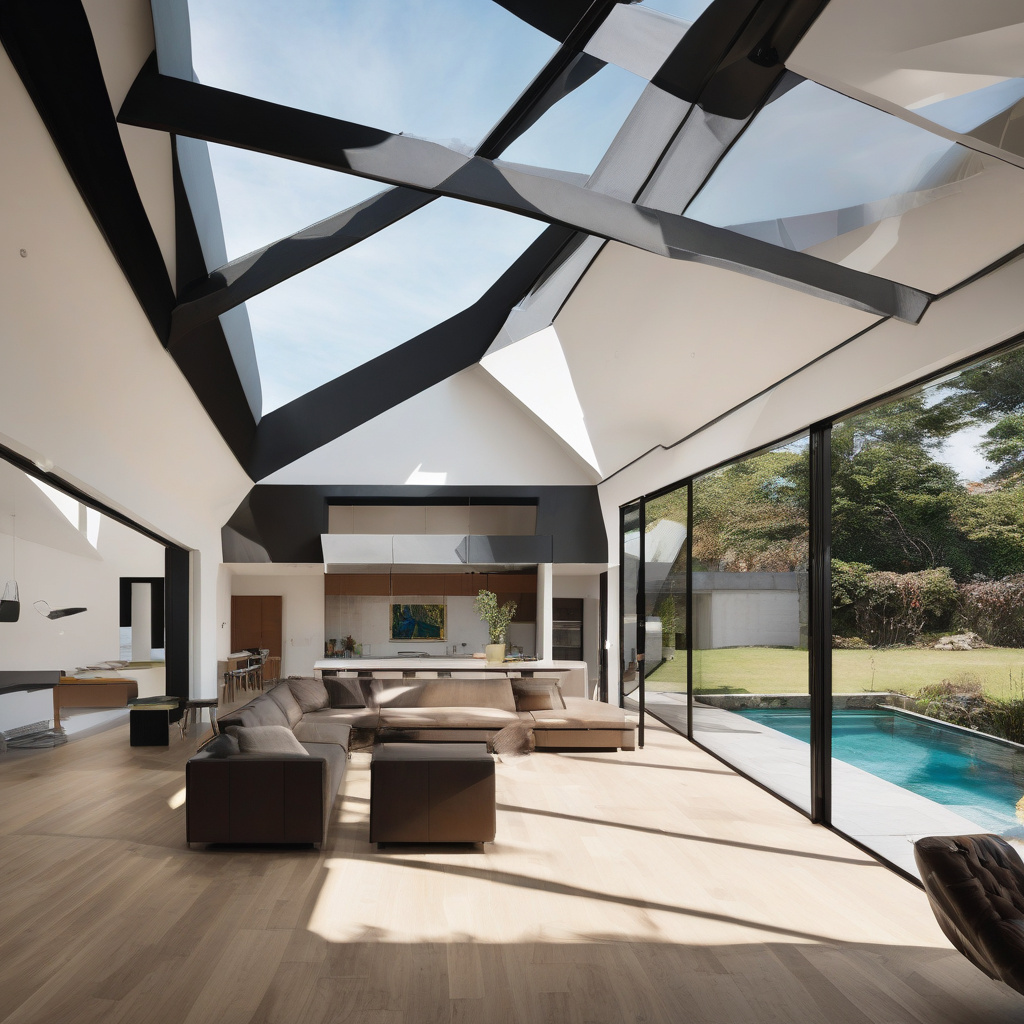
In the bustling landscapes of Los Angeles where real estate decisions verge on art forms, maximizing natural light in Accessory Dwelling Units (ADUs) isn’t just an aesthetic choice—it’s an investment strategy. As sunlight pours into these compact spaces, illuminated ADUs become vibrant rental prospects, significantly enhancing property values. By articulating design principles and strategic renovation methods, homeowners can craft sun-drenched sanctuaries that beckon potential tenants and developers alike.
Brief summary: This article explores strategies for enhancing natural light in Los Angeles ADUs, focusing on design innovations, material choices, and homeowner experiences. It addresses the financial benefits of maximizing daylight, outlines practical steps for effective layouts, and discusses the impacts on property value over time.
Understanding the LA ADU Boom: Light as a Key Factor
In recent years, Los Angeles has witnessed a surge in ADU additions, fueled by housing shortages and new zoning regulations. As a backdrop exploring the rise of secondary units becomes crucial. Many homeowners, faced with sky-high property prices, are opting to maximize their real estate potential by redistributing existing space or adding new constructs.
Central to this transformation is the strategic use of natural light, a feature that profoundly impacts tenant satisfaction and retention. Drawn from experience, decorators know that well-lit spaces are perceived as larger and more inviting. In the confines of a backyard ADU, the efficient use of sunlight not only reduces the need for artificial lighting but also enhances mood and reduces energy costs.
Recent surveys indicate an interesting home design shift where more than 70% of newly constructed ADUs incorporate large windows or skylights. This trend reflects an understanding that natural daylight increases the property’s appeal, a critical factor in a city where roof decks and panoramic views are premium amenities.
The profound influence of sunlight is a staple in modern architectural design, and nowhere is this more evident than in the compact, versatile spaces of ADUs. By intentionally orienting these spaces to capture sunlight, homeowners create highly desirable living conditions that attract long-term renters.
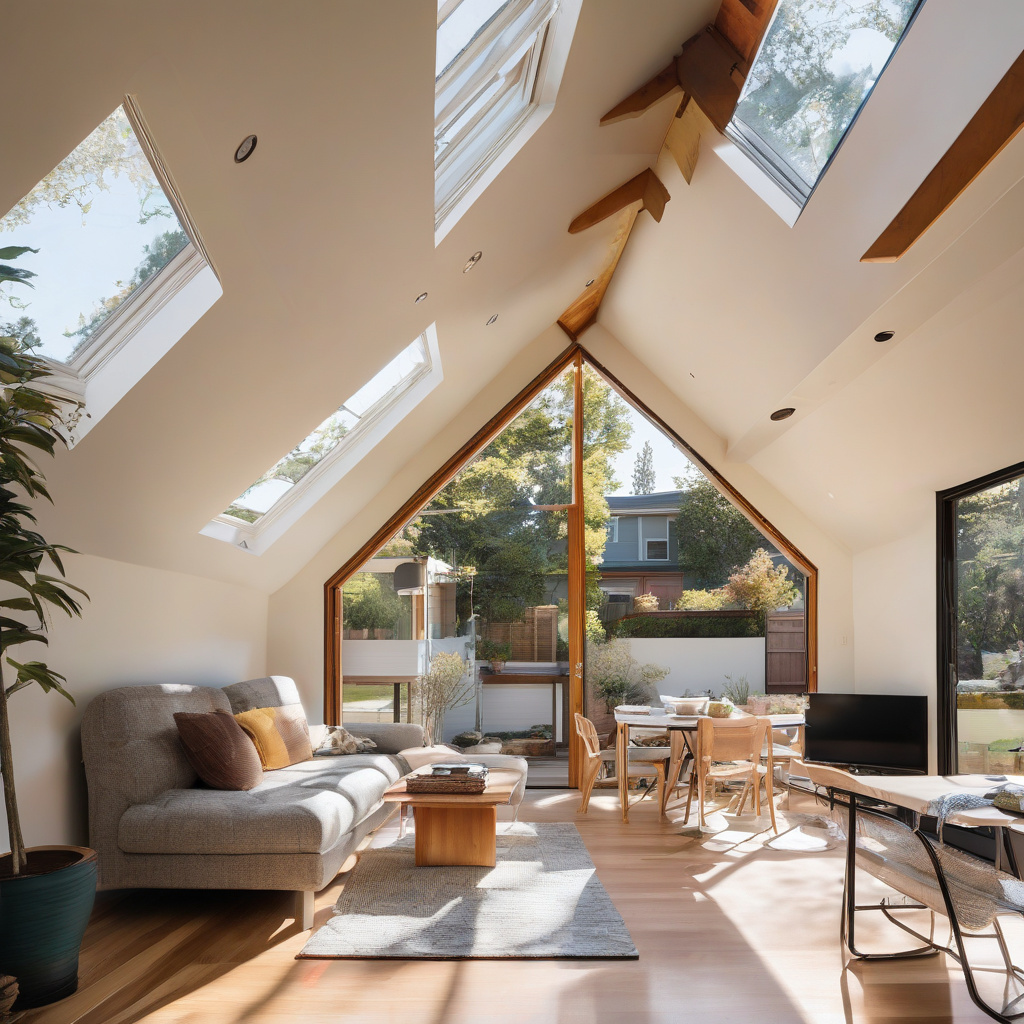
Industry statistic: A well-lit ADU can command up to 15% more in rental income, according to regional property managers.
In these golden-hued spaces, the interplay of shadow and light creates dynamic, living environments that reflect the broader diversity and ingenuity of Southern California’s housing market.
Aesthetics Meet Functionality: Designing for Sunlight
To elevate the aesthetic and functional value of a Los Angeles ADU, many homeowners turn to design strategies that blend classic styles with modern innovations. Practical considerations include optimal window placement, choosing reflective materials, and employing open floor plans to allow light to traverse freely throughout the space.
When planning an ADU renovation, it’s vital to consider both grid and custom design approaches. Residents are often advised to preserve site-specific qualities, like the orientation relative to the sun’s trajectory, while consulting expert builders to enhance cost efficiency and safety compliance.
One popular method includes using reflective surfaces to amplify available light. Light-colored walls, mirrored panels, and polished flooring types are common choices that spread illumination evenly across rooms. Here, chic yet practical layouts reign supreme, emphasizing comfort without compromising on elegance.
As the city teems with sun, strategic designs won’t waste this natural asset. Ideal plans will invite light indoors through strategically placed windows and doors, integrating the external environment into interior aesthetics seamlessly.
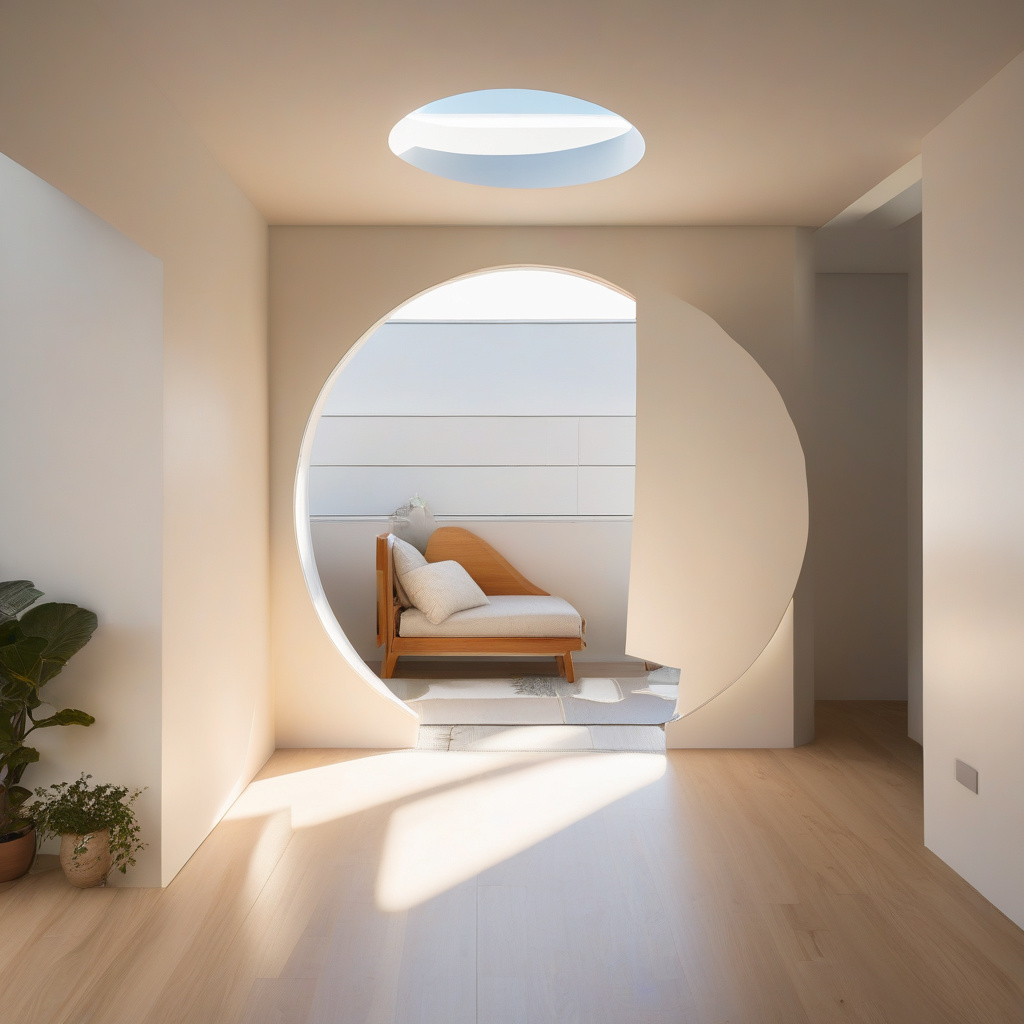
Ultimately, a well-appointed ADU achieves a fine balance between open elegance and private retreats, curating a miniature paradise where every sunset is an event to behold.
Crafting with Contemporary Materials: Steps to Boost Natural Light
1. Consult with an architect to explore how different materials interact with light.
2. Choose windows with high visible transmittance to maximize natural light.
3. Opt for light-finished floors that reflect rather than absorb luminescence.
4. Position mirrors and glass panels to distribute light effectively.
Advantages vs. Disadvantages: The Light and Shade of ADU Extensions
Homeowners venturing into ADU territory often weigh the pros and cons of light enhancement projects. On the plus side, investing in light optimization can skyrocket a property’s value, making it a winning move for those considering future sales or leases.
On the downside, the upfront investment in quality materials and expert design consultation can prove significant. Careful planning and budgeting are essential to achieve the ideal balance of aesthetics and practicality.
Expert insight: Daniel Franks, a local architecture specialist, notes that blending natural elements with modern technology in ADU design not only improves visibility but also aids in sustainability efforts.
Nevertheless, the thoughtful manipulation of light has a proven track record of transforming ordinary spaces into extraordinary retreats. By focusing on quality over quantity, homeowners ensure that each ray of sunlight is optimized, furnishing an illuminated oasis that’s second to none.
The nuanced relationship between light and space presents an opportunity for homeowners to refine their style dictate while enriching their property value.
Planning with Precision: The Role of Light in Layout Decisions
Layout planning offers a canvas on which light can paint its masterpiece. As homeowners consider experts’ insights on layout and planning, incorporating knowledge about building orientation and expansive amenities can prove pivotal.
Case studies in Los Angeles highlight how clever layout optimizations spearheaded by top architects have transformed compact ADUs into generous environments. This transformation is achieved by prioritizing cross-ventilation and strategically creeping sunlight through transom windows or clerestory designs.
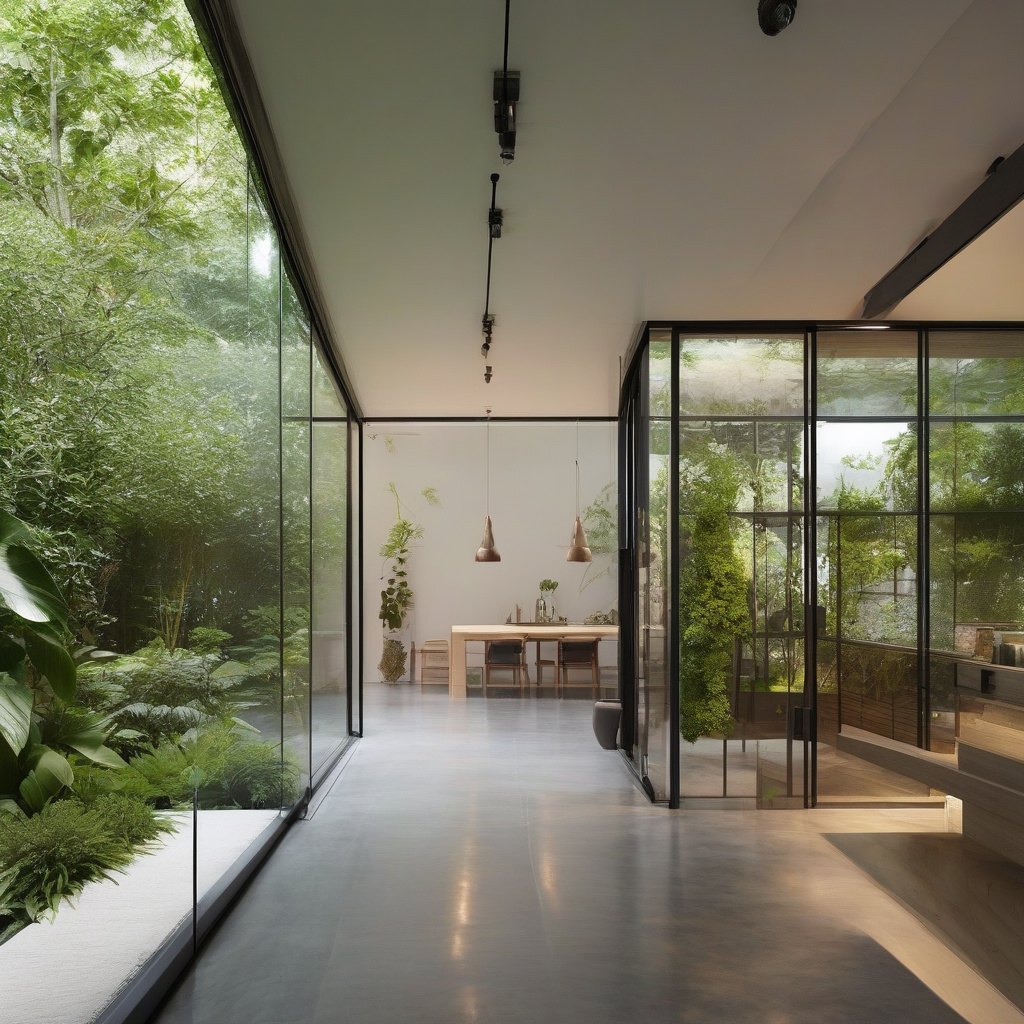
Research-based observation: A well-crafted layout that harnesses sunlight can lower lighting costs by up to 30%, enhancing energy efficiency.
Many homeowners find that engaging with landscape architecture—utilizing outdoor elements to direct light indoors—can further enhance space harmony. Whether it’s through creating shaded nooks or open verandas, every choice has the potential to enhance daylight accessibility smartly and innovatively.
The strategic positioning of interior elements to capture ambient light offers not just practical benefits but creates inspiring living environments bound to attract increasing numbers of prospective tenants.
Comprehensive Cost Table: Illuminating Your Investment
| Renovation Option | Cost Estimate | Material Suggestions | Timeline |
|---|---|---|---|
| Window Installation | $5,000 – $15,000 | Double-glazed | 2-4 weeks |
| Skylight Addition | $2,500 – $10,000 | Acrylic or glass panels | 1-3 weeks |
| Reflective Surfaces | $1,000 – $3,500 | Polished finishes | 1 week |
Material Matters: Choosing the Right Elements for Your ADU
The choice of materials significantly impacts how light interacts within an ADU. Typically, materials such as translucent cladding, high-performance glass, and energy-efficient surfaces are integrated to ensure maximum light entry and energy savings.
As homeowners deliberate over material costs, they often consider long-term maintenance and durability factors, balancing upfront expenses against future financial savings. Material choices affect the ADU’s market readiness and play a determining role in future rental inquiries.
Industry leaders frequently advise a blend of comfort with cost-effectiveness, advocating for dual-purpose materials that offer both high aesthetic quality and practical utility in maintaining optimal lighting conditions.
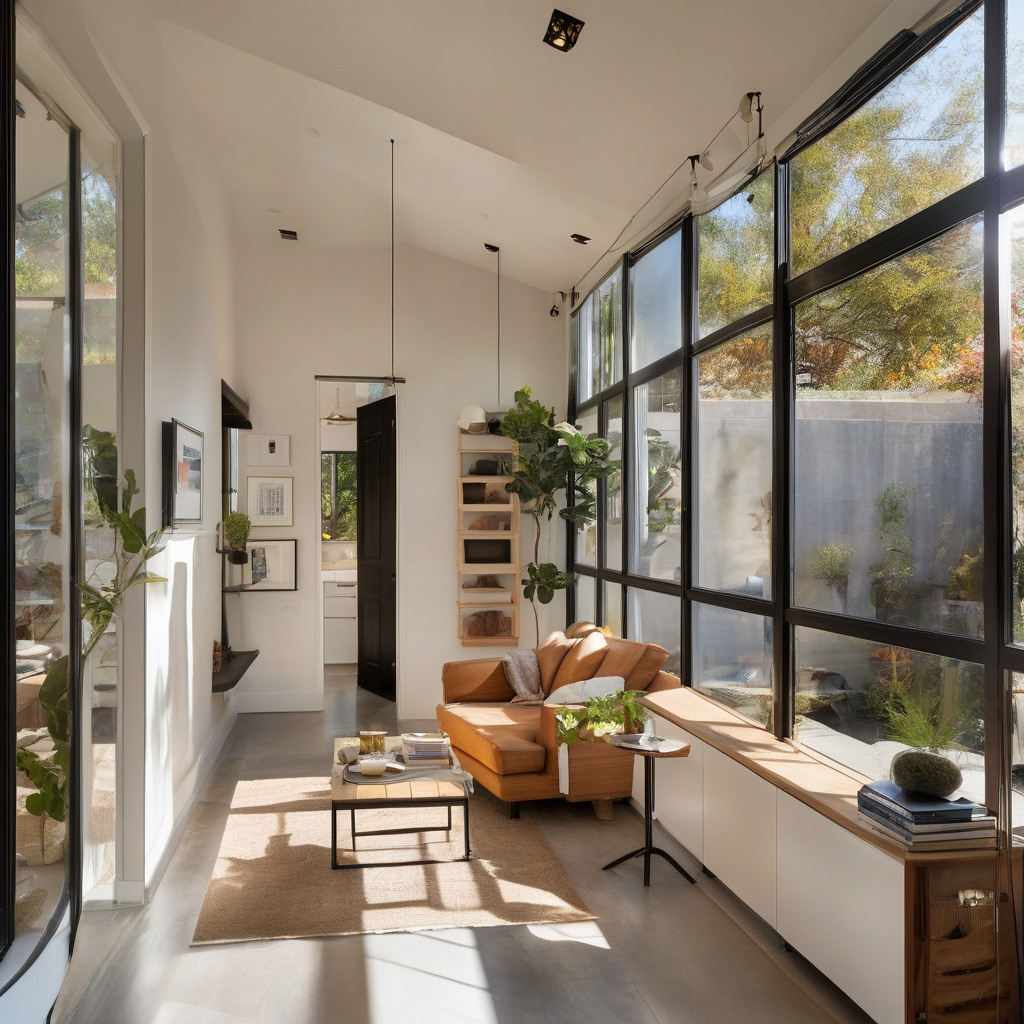
This duality of purpose in material selection not only showcases innovative solutions but also elevates the standard of living within the ADU, creating brighter spaces that draw admiration and tenants in equal measure.
Ensuring Privacy and Peace: The Sound of Silence
Incorporating optimal lighting should not come at the expense of privacy and acoustic serenity. This balance stands as a pivotal consideration in ADU enhancements, factoring into both tenant satisfaction and overall property value.
While maximizing sunlight, strategic soundproofing can mitigate urban noise, achieving a synthesis of light and tranquility. Learning effective techniques for acoustic management ensures ADUs remain peaceful retreats amidst the vibrant dynamism of city life.
Constructing barriers—whether through thoughtfully placed partitions or utilizing insulating materials—can effectively channel light while preserving sound attenuation. Here, the subtlety of design ensures that structural integrity melds effortlessly with functional serenity.
Fact block: Soundproof designs, when coupled with proper lighting, see a 20% rise in tenant retention, highlighting their critical role in enhancing living environments.
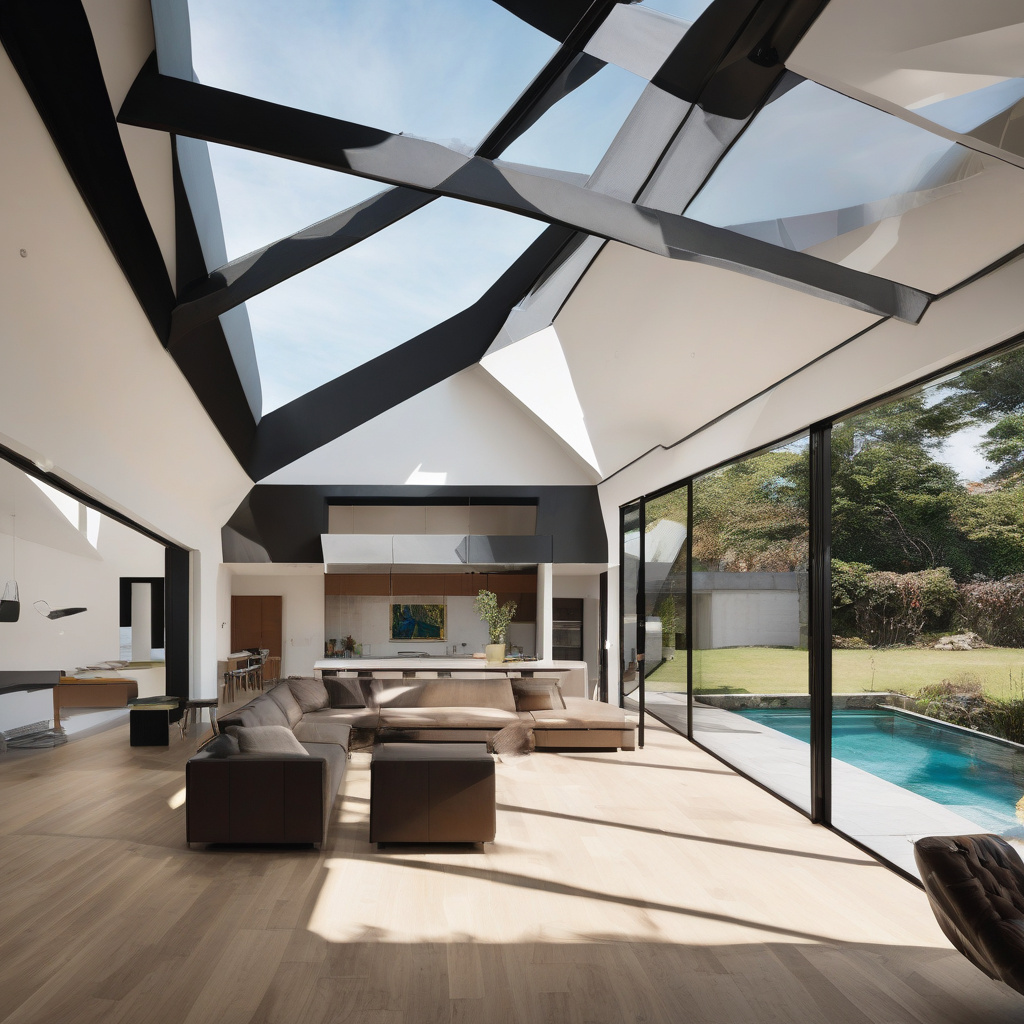
In refining these spaces, homeowners cultivate environments where tranquillity resides as an empowering counterpart to open, light-filled interiors, setting the stage for enhanced living nestled within LA’s urban heartbeats.
- Maximizing natural light enhances ADU appeal and property value.
- Strategic window placement and reflective surfaces are key.
- Balancing aesthetics, cost, and functionality integrates sustainable designs.
- Material selection impacts both light efficiency and market potential.
- Combine sunlight with soundproofing for urban living peace.
FAQ
How can I maximize natural light in my backyard ADU?
Maximizing natural light in a backyard ADU involves strategic design and thoughtful material choices. In real renovation projects, it’s common to see experts prioritize large, well-placed windows and skylights. South-facing windows can significantly enhance natural light exposure throughout the day. Additionally, using light-reflective materials, like gloss-finished walls and light earth-tone floors, can amplify the brightness within your space. Many homeowners underestimate the impact that external shading elements, like trees and neighboring structures, can have on light infiltration. Reducing these obstructions is vital for optimal natural lighting.
What is the return on investment (ROI) for constructing an ADU in Los Angeles?
In Los Angeles, ADUs often offer a compelling return on investment due to the high rental demands and property value appreciation. An ADU can increase your property’s value by expanding the living space, which is particularly appealing in high-demand markets. Many experts point out that ROI depends significantly on the ADU’s build quality and its location. High-quality construction often attracts better tenants and ensures fewer maintenance issues down the line. Homeowners must also focus on long-term demand trends when considering this investment, as future market changes can impact rental income. For further insights on planning a smart ADU project, you can discuss your renovation ideas with a local expert.
What are some common mistakes to avoid when designing an ADU?
One frequent mistake homeowners make is underestimating local building codes and zoning laws, which can lead to compliance issues and costly redesigns. It’s essential to engage with a knowledgeable contractor or architect who understands these regulations. Another common oversight is neglecting proper insulation and ventilation, which can make the ADU less comfortable and energy-efficient. Incorporating quality insulation and energy-efficient windows can significantly mitigate these issues. Additionally, ignoring the importance of aesthetic harmony with the main property often results in a disjointed appearance, affecting both curb appeal and resale value.
What cost considerations should I keep in mind for ADU construction?
Costs for building an ADU can vary widely based on design complexity, material quality, and location. A comprehensive budget should include expenses for permits, design fees, construction materials, and labor. In real projects, unforeseen costs – such as utility upgrades or additional foundation work – can often arise, so a contingency fund is crucial. Many homeowners also forget to account for long-term maintenance costs and potential landscaping adjustments, which are essential for preserving the ADU’s functionality and appearance. Keeping a detailed checklist and consulting with a seasoned contractor can mitigate financial surprises and ensure a smooth building process.
When is it most advantageous to build an ADU on my property?
Building an ADU is most advantageous when market demand for rental properties is high and local regulations are favorable. In California, particularly in urban areas like Los Angeles, this is often the case. For homeowners willing to share their space for rental income, stable or increasing property values and rental prices enhance potential returns. It’s also advantageous if you foresee a long-term need, like housing a relative or increasing property flexibility. Evaluate factors such as neighborhood trends and personal financial stability before undertaking such a project, as these elements can significantly influence both the short-term experience and long-term outcomes.
What are the pros and cons of integrating an ADU into my property?
The pros of adding an ADU include increased property value, additional rental income, and providing housing solutions for family or guests. ADUs can be a versatile asset, adapting to various needs over time. However, the cons often involve upfront costs and potential zoning challenges. Many homeowners also face privacy concerns, as adding tenants changes the residential environment. Noise and shared space might affect family dynamics. Weighing these factors carefully, often with professional advice, can guide your decision on whether an ADU aligns with your property’s potential and your family’s lifestyle goals.
How does construction quality impact the financial outlook of an ADU?
Construction quality directly influences an ADU’s durability, maintenance needs, rental appeal, and property value. High-quality builds typically incur lower maintenance costs, attracting tenants who value comfort and reliability, leading to steady rental income. Conversely, skimping on construction could mean frequent repairs and potential rent reductions to compensate for deficiencies. In the long run, a well-built ADU harmonizes with the primary residence, enhancing overall property aesthetics and value. Ensuring quality involves choosing reputable builders and high-grade materials, making it a critical consideration for long-term return on investment.
What maintenance specifics should ADU homeowners be aware of?
Maintaining an ADU requires attention to both interior and exterior elements. Regular inspections of roofing, gutter systems, and foundational integrity are crucial to prevent water damage and structural issues. HVAC systems, crucial for climate control, should be routinely serviced to ensure efficiency and longevity. Many homeowners overlook the importance of regular pest control and timely appliance maintenance, which are vital to maintaining rental desirability. Addressing these needs promptly not only extends the lifespan of an ADU but also preserves its rental and resale value, making sure the investment continues to pay dividends over time.