Adding on to an existing structure can feel like living in a construction site, with hammers and drills competing with daily life. But it’s not just dust and debris that can invade your personal space during renovations—it’s noise, too. Acoustic privacy in stacked additions and duplex layouts is often an underestimated aspect of these projects, yet it’s crucial for creating a serene environment amid the chaos of urban living. As anyone in Los Angeles will tell you, dense assemblies, staggered framing, and smart layout separation are not merely technical options—they’re sanity essentials.
Brief summary: This article explores the importance of acoustic privacy in stacked home additions and duplex layouts, emphasizing design strategies like dense assemblies and staggered framing. It examines the impact on property value, renovation costs, and resident satisfaction, with a focus on the unique challenges and solutions in Los Angeles constructions.
The Sound of Silence: Designing for Peace
From the clamor of Sunset Boulevard to the serenity of Malibu’s waves, the soundscape of Los Angeles is as varied as its topography. When embarking on home extensions or additions, a key concern is maintaining tranquility amidst the urban din. The concept of acoustic privacy becomes paramount in this context. Stacked additions, where new living spaces rise vertically, naturally invite the challenge of vertical noise transfer.
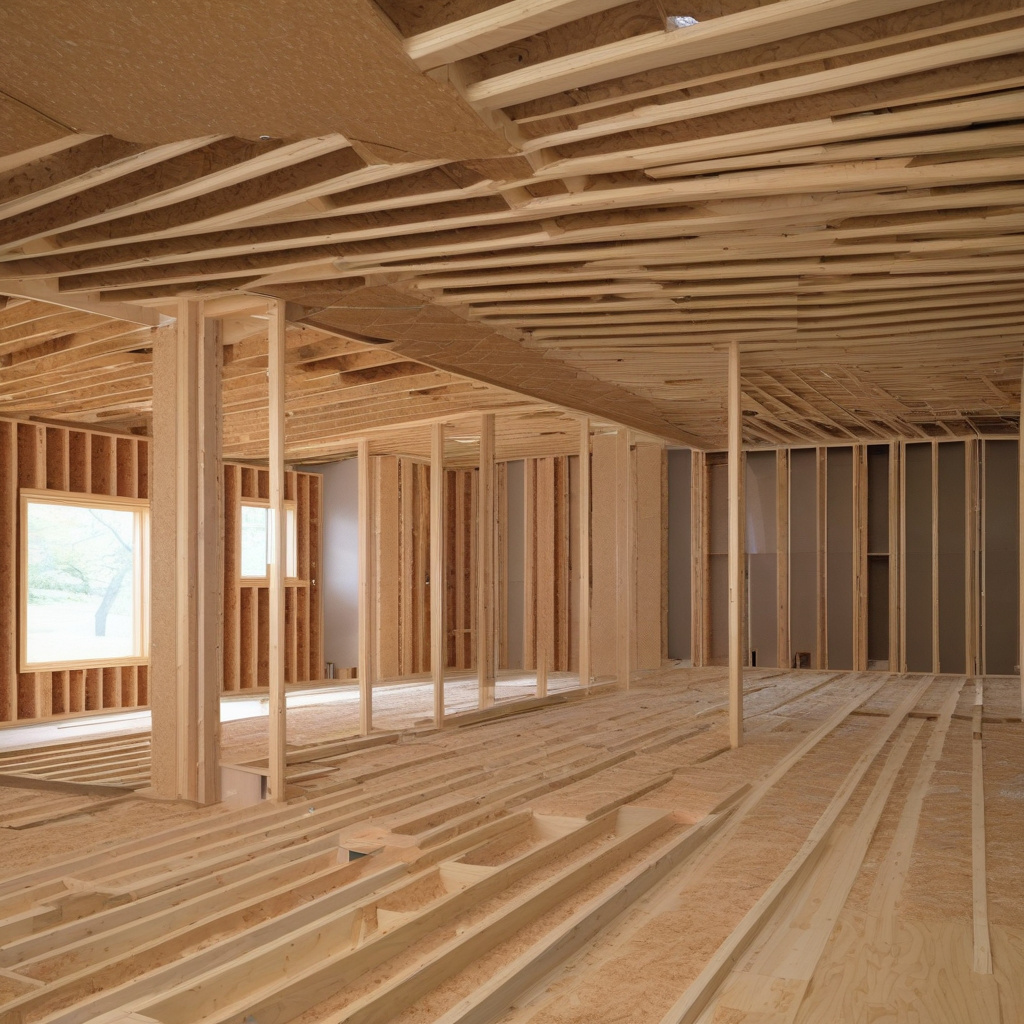
Staggered framing—a method where wall studs are offset rather than aligned—is one design approach that can mitigate this acoustic nuisance. By breaking the direct paths through which sound travels, staggered framing offers a more effective sound barrier. But it’s not just framing that demands attention; the materials chosen for walls, floors, and ceilings can influence the overall acoustic environment dramatically.
Consider dense assemblies—essentially, when walls are packed with sound-absorbing materials. This tech upgrade can separate spaces not just physically but audibly, minimizing interruptions to a peaceful home environment. The trick is to apply these techniques uniformly, ensuring that no space becomes a sonic weak spot.
In the end, achieving the sonic cleanness of a library in a bustling household could be the most worthy investment, potentially boosting both homeowner satisfaction and property value.
Engineering Privacy: Costs and Benefits
Renovating a home in downtown Los Angeles presents unique acoustic challenges, with solutions that range from the straightforward to the complex. The value of these solutions often lies at the intersection of cost and benefit. The initial outlay for soundproofing materials might appear daunting, yet the benefits often justify the investment.
An enticing benefit of soundproofing is its potential to enhance a property’s market appeal. In neighborhoods where luxury and privacy command a premium, such investments don’t just pay for themselves—they can significantly raise the stakes. This is particularly true in duplex settings, where shared walls scream for acoustic handling.
According to industry specialists, investing in high-quality insulation and acoustic barriers can increase property valuation by as much as 10% in competitive markets. While the initial costs can be steep, the return on investment makes a compelling argument, especially when considered alongside prospective energy efficiency gains from these same installations.
Real-estate experts suggest that well-implemented soundproofing can increase property value in urban settings by up to 10%.
When weighing these options, understanding the economics of long-term comfort against immediate cost can guide homeowners towards smarter choices.
Planning and Execution in Stacked Additions
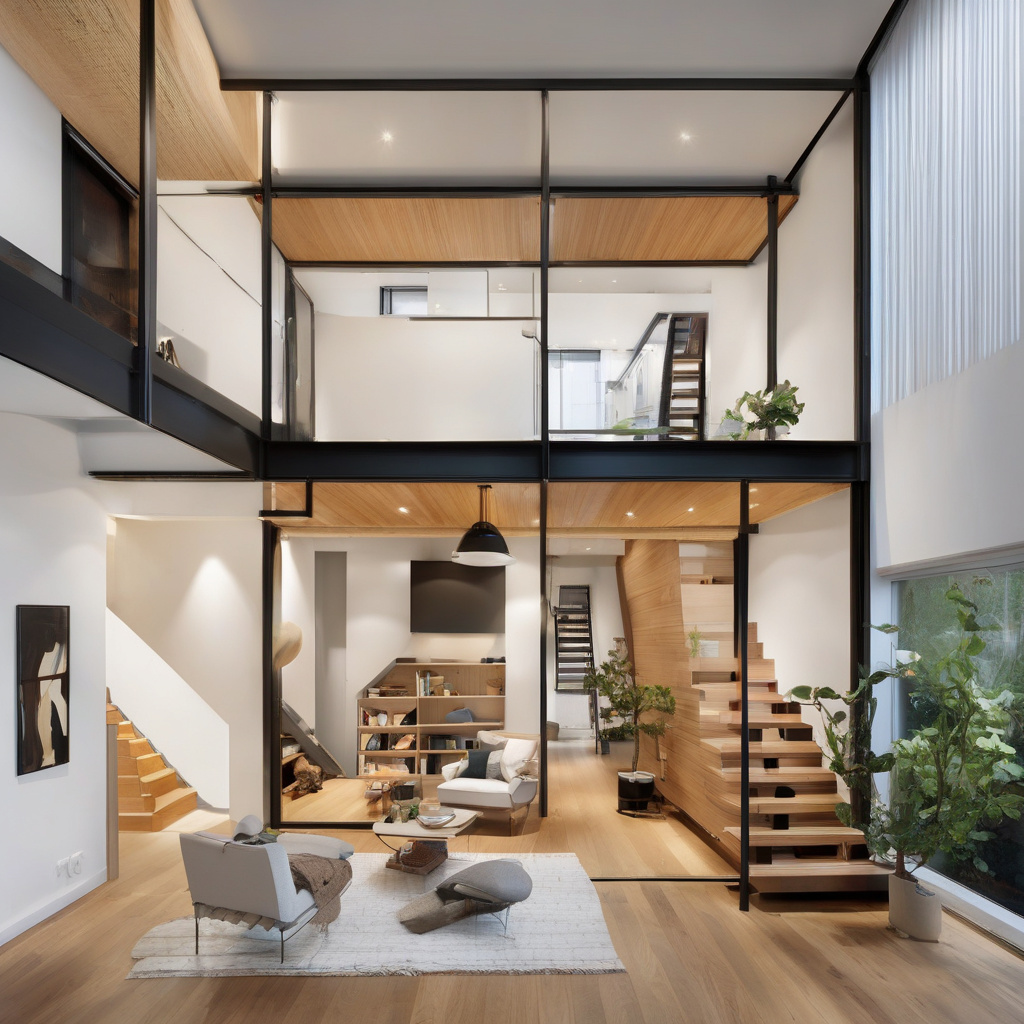
When a family decides to add another layer to their home, it’s not merely a construction project—it’s a challenge of foresight and ingenuity. Planning is paramount, especially in stacked layouts where the vertical spread can complicate accessibility and acoustics.
The debate between hiring an architect versus a design-build firm often emerges at this stage. The choice can significantly impact the project’s outcome, but it also carries implications for acoustic efficiency. While architects might prioritize aesthetic integration, design-build teams can offer a more cohesive approach to soundproofing, marrying function and form under a single contractual umbrella.
Soundproofing solutions can include everything from layout planning—ideally placing noisy rooms like laundry areas and kitchens away from quiet zones—to installing resilient channels. These are specialized components that decouple drywall from studs, minimizing sound transmission.
Successful execution requires a thorough understanding of both materials and construction physics. Through meticulous planning and informed decision-making, the physical act of building becomes a symphony of precision rather than a cacophony of confusion.
Ultimately, meticulous planning paired with expert execution can truly mitigate the impact of noise, rendering stacked additions an appealing choice amidst the urban sprawl.
Material Matters: Choosing the Right Products
Materials play a decisive role in the soundproofing saga. Choices abound from traditional staples like fiberglass and cellulose to cutting-edge composites that push the boundaries of noise reduction. Each choice brings its own set of advantages and limitations, as well as cost implications. Opting for the right combination can spell the difference between a failed experiment and a successful reconstruction.
Architects and builders alike often suggest materials like gypsum board for its density, or green glue—an acoustic sealant—to reduce sound. When used in concert with robust construction techniques, these materials can forge an acoustic barrier nearly impervious to everyday noise.
Of course, it’s equally critical to consider how these choices effect compliance with local regulations and building codes. When considering such renovations, California homeowners must consider compliance items like egress requirements, ensuring safe exits in updated layouts.
Research consistently shows that innovative construction materials can enhance soundproofing efficiency by over 30% without disproportionately increasing costs.
Ultimately, choosing the right materials is an essential step toward creating an effective and peaceful acoustic environment.
Comparative Insights: A Look at Costs and Durability
| Renovation Option | Cost Range | Durability |
|---|---|---|
| Fiberglass Insulation | $0.50 – $1.00 per sq ft | 20-30 years |
| Green Glue | $0.40 – $0.60 per sq ft | 30-40 years |
| Dense Gypsum Board | $2.00 – $4.00 per sq ft | 50+ years |
This comparative analysis exemplifies how investing in the right materials not only mitigates noise but also provides long-term durability and resale value.
Risks versus Rewards: Navigating the Acoustic Spectrum
In every renovation, risks lurk alongside rewards, each with its own peculiar set of circumstances. Stacked additions, for instance, can create unforeseen challenges when striking the balance between aesthetic desires and practical necessities, especially in vibrant cities like Los Angeles.
Challenges arise in addressing issues like sound bridging where sound transmits through non-acoustic structures, most notably in improperly sealed connections. Such oversight can compromise the overall privacy experience, undermining even the most deliberate renovations.
However, the rewards are significant. Thoughtful design not only brings peace to a once clamorous household but also reinforces the property as a peaceful bastion in the heart of a throbbing city. Increasingly, architects are adopting designs that not only bridge the gap between comfort and cosmopolitan life but also enhance aesthetic appeal.
According to a recent survey, homeowners with acoustically designed additions report satisfaction levels 25% higher than those without.
Ultimately, the potential rewards of an acoustically considered renovation can far outweigh the risks, provided that those risks are addressed with diligence and care.

Sustainable Solutions: The Future of Acoustic Design
As renovations continue to push architectural boundaries, the importance of sustainable practices gains precedence. Acoustic solutions that are environmentally friendly are no longer a novelty, but a necessity in modern constructions. By incorporating recycled materials and considering the full lifecycle of soundproofing products, builders can reduce environmental impact while achieving stellar acoustic performance.
Homeowners are increasingly opting for sustainable designs, aligning with a broader environmental consciousness. Practices like prefabricated modules and energy-efficient acoustic options are gaining traction, offering innovative ways to match form with sustainability.
Given this burgeoning interest, resources such as guides on sustainable additions provide valuable insights for any eco-minded renovator.
The marriage of sustainability and acoustic efficacy should not be an afterthought but rather a cornerstone of modern renovation philosophies.
- Successful soundproofing can significantly enhance both owner satisfaction and property value in urban settings.
- Staggered framing and dense material assemblies are key strategies for minimizing noise in stacked additions.
- Homeowners must weigh the costs of materials against long-term acoustic benefits and energy efficiencies.
- Sustainability is increasingly becoming central to acoustic design considerations, offering eco-friendly solutions.
- Collaborating with professional design-build teams can streamline the integration of soundproofing in renovations.
“`html
FAQ
What is acoustic privacy in the context of stacked additions?
Acoustic privacy refers to the ability to minimize sound transmission between different units or floors in homes, particularly in stacked additions. This concept is critical in ensuring a calm and peaceful living environment amidst the hustle and bustle of urban life. In real renovation projects, acoustic privacy is achieved through dense assemblies and staggered framing, which act like a sound buffer to absorb and dissipate noise. Homeowners frequently underestimate the importance of acoustic privacy until they experience sound issues, such as footsteps sounding like drums above them. Therefore, it’s crucial to consider acoustic insulation during the design phase to create a more serene home atmosphere.
How do staggered framing and dense assemblies contribute to noise reduction?
Staggered framing and dense assemblies are structural techniques aimed at reducing noise transmission in multi-level homes. Staggered framing involves offsetting the studs between floors, breaking the direct path through which sound travels. Picture it like zigzagging your way through a forest path, making it harder for noise to follow. Dense assemblies, on the other hand, concentrate materials capable of absorbing sound, such as insulation or heavier wallboard, which reduce both airborne and impact noise effectively. Many experts point out that even a minor oversight in these techniques can lead to aggravating noise issues. Thus, incorporating these methods during construction or renovation can drastically improve the overall acoustic comfort of a building.
When does it make sense to prioritize acoustic privacy in your renovation plans?
Prioritizing acoustic privacy is particularly crucial in densely populated areas or in multi-unit properties like duplexes and apartment buildings. In California, where homes are often clustered closely together, acoustic privacy enhances the comfort of residents by mitigating exterior noise and inter-unit disturbances. It makes sense during renovations of older properties that weren’t originally designed with modern noise standards in mind. For homeowners considering remodeling projects, placing acoustic privacy high on your list can lead to not only a more tranquil home environment but also potentially increase your property’s market value. In real renovation projects, this often becomes clear when residents realize certain noises could have been easily avoided with preemptive planning.
What are the typical mistakes made in ensuring acoustic privacy?
One common mistake is the underestimation of sound transmission paths. Often, renovators focus only on walls and forget about floors and ceilings, which can be just as crucial. In a real-world example, a homeowner might invest in top-tier soundproofing on walls but overlook the ceiling, allowing noise to travel freely between floors. Another pitfall is neglecting impact noise, such as footsteps or furniture moving above. It’s essential to use shock-absorbing materials and floating floors to mitigate such disturbances. Furthermore, without the right guidance, some may choose the wrong materials, prioritizing cost over performance, which often leads to subpar results. Thus, consulting with an expert in home acoustic design is advised to avoid these mistakes.
How much does it cost to implement acoustic privacy features in a home renovation?
The cost of implementing acoustic privacy features varies based on several factors, including the size of the area, the types of materials used, and the complexity of the design. On average, homeowners can expect to spend between $1,000 to $3,000 per room for effective soundproofing. In real renovations, costs can increase if there’s a need to retrofit existing structures with modern acoustic solutions, or when premium materials such as specialized soundproofing panels or advanced acoustic barriers are chosen. It’s wise to get a detailed quote from a reputable renovation expert who can assess the specific needs of your home and provide a tailored estimate. If considering a project, feel free to [get professional advice here](https://californiarenovation.top/contact/).
What are the pros and cons of prioritizing acoustic privacy?
The benefits of prioritizing acoustic privacy include increased comfort, enhanced property value, and greater enjoyment of one’s living space without intrusive noise from neighbors or external sources. In addition, homes with good acoustic privacy tend to have better air quality and thermal insulation, as the materials used often have these dual properties. However, a downside could be the initial expense involved in retrofitting or new construction to achieve these standards. Some materials can also reduce usable floor space or alter aesthetics, which might not suit all homeowners’ tastes. Thus, finding a balance between aesthetic preference, cost, and acoustic needs is often crucial, requiring strategic planning from the get-go.
What are some maintenance considerations for properties with acoustic privacy features?
Maintenance for acoustic privacy features primarily involves periodic checks to ensure that all systems remain effective. In real homes, wear and tear over time can lead to gaps or damage in soundproofing materials. Regular inspections for any breaches in walls, ceilings, or floors where sound can leak through are recommended. It’s also vital to check for any moisture issues which can degrade soundproofing materials, especially in damp areas like basements. Ensuring the longevity of acoustic solutions often involves modest upkeep, such as resealing gaps or replacing worn-out insulation. Homeowners are encouraged to incorporate these tasks into their regular maintenance routines to preserve the quality of their soundproofing investments.
How should homeowners choose the right acoustic privacy solutions for their property?
Selecting the right acoustic privacy solutions should start with a rigorous assessment of the specific needs and challenges of your property. Each home is unique; older homes may require more comprehensive solutions due to architectural nuances, while newer builds might simply need targeted areas enhanced. In real renovation experiences, taking into account factors like the intensity of outside noise, personal comfort preferences, and budget constraints aids in decision-making. Consulting with an expert who understands both the local environment and modern acoustic technologies is invaluable. They can guide you through options, from sound-insulating windows to advanced wall assemblies, ensuring choices that align with both aesthetic and functional goals.
“`