
In the evolving landscape of Los Angeles real estate, homeowners are finding creative ways to maximize their property’s potential without causing a neighborhood upheaval. One increasingly popular avenue is the addition of a rental unit, specifically an Accessory Dwelling Unit (ADU). However, as many soon discover, undertaking such a project in the City of Angels requires not only a vision but also meticulous planning and a keen sense of diplomacy with the neighbors.
Brief summary: This article delves into the process of adding an Accessory Dwelling Unit (ADU) in Los Angeles, focusing on blending compliance with local laws and maintaining neighborhood harmony. It explores essential permit requirements, design planning, construction timelines, and methods to communicate effectively with neighbors to avoid disputes.
Understanding the ADU Landscape in Los Angeles
The concept of adding an ADU may seem straightforward, but in Los Angeles, it’s woven into a complex tapestry of regulations and community dynamics. As homeowners begin their journey, the first step is to ensure they’re in accordance with the city’s building codes and zoning laws. With the City of Los Angeles aiming to alleviate housing shortages, the advent of ADUs has been encouraged, yet it comes with strings attached.
City officials have streamlined the approval process for additions, emphasizing the need for precise and detailed documentation. Prospective ADU creators must submit a comprehensive package including architectural plans, structural calculations, and title documents to navigate through the labyrinth of approvals efficiently.
As many local homeowners notice, embarking on this process without adequate preparation can lead to significant setbacks. Securing an ADU permit in LA requires diligence and sometimes, professional assistance. An architect or a consultant familiar with the city’s intricacies becomes more of a necessity than a luxury.
Ultimately, the key takeaway here is to ensure all boxes are ticked before breaking ground. This foundational step saves time and reduces potential disputes with city officials later on.
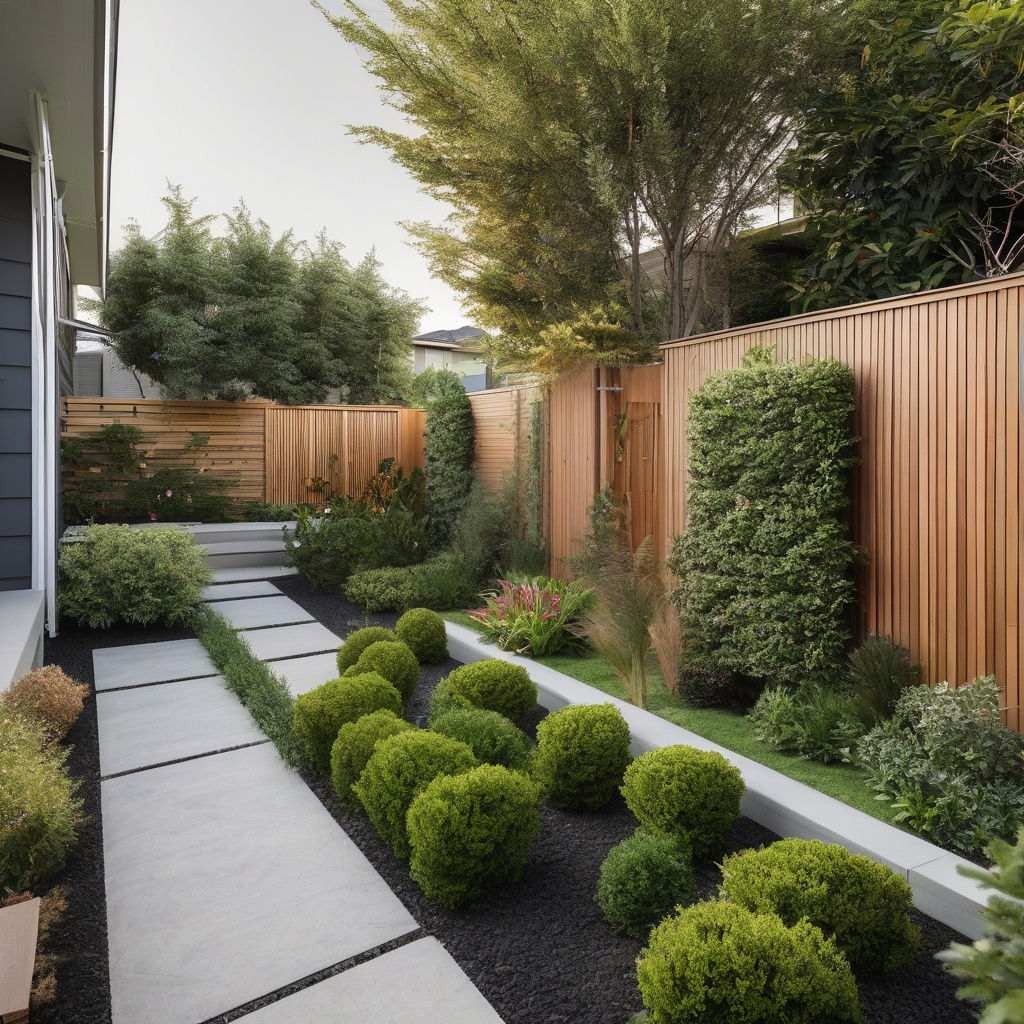
Statistics suggest that since California relaxed ADU laws, Los Angeles has seen a 33% increase in ADU permit applications annually.
Designing with Diligence: Planning Your ADU
Designing the perfect ADU is a blend of art and science. First, homeowners must visualize how the new addition will complement the existing structure without disrupting the neighborhood’s aesthetic balance. This requires a harmonious balance between innovation and tradition, where modern aspirations meet classic neighborhood flavors.
The path to a sustainable and efficient ADU design lies in the details. First, consider the layout. A compact yet comfortable space that prioritizes functionality will cater to versatile needs, from rental potential to aging family members.
Crafting a Good Neighbor Policy
Interestingly, embracing the neighborhood’s character is not just about aesthetics. Hosting informal gatherings where you present your ADU plans can foster goodwill and circumvent potential disputes. This proactive communication shows you’re considerate of neighborhood dynamics, which can be instrumental in avoiding grievances.
Asking for input doesn’t mean compromising your vision but rather tweaking plans in ways that might make everyone happy. For example, adjusting building height or window design can ensure privacy concerns are respected, making neighbors feel heard and valued.
As you plan, remember that patience and flexibility go hand in hand with creativity. The time and effort invested in a well-conceived design will pay dividends with satisfied residents and peaceful cohabitants.
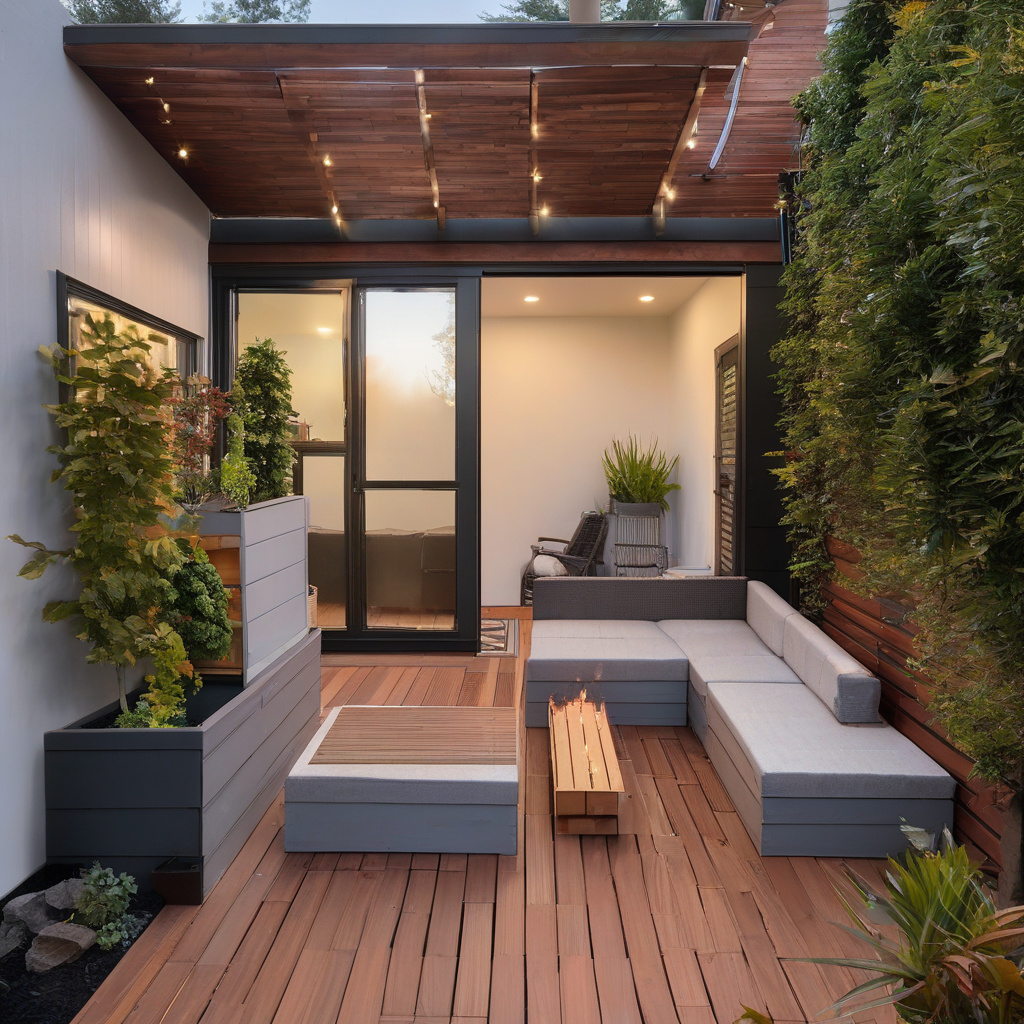
Crunching Numbers: Costs and Materials
With design ideas sketched out, the next consideration is the financial investment. The cost of adding an ADU in Los Angeles can vary significantly based on a multitude of factors from size and materials to labor and unforeseen complications.
A critical step is selecting materials that strike a balance between cost, durability, and aesthetics. Many are drawn to sustainable materials not just for their environmental benefits but also for their longevity and minimal maintenance requirements. Composite wood and recycled steel are favored for these reasons, though they come at a premium.
It’s upon the homeowner to weigh these variables, compare providers, and ensure contracts are thorough and protective. Local experts often recommend setting aside an additional 10-15% of the total budget to accommodate overruns or unexpected expenses.
Settling for the right palette for your ADU can also play a significant role in the project’s success. The color scheme should be subtle enough to blend into the neighborhood while maintaining a fresh and inviting feel.
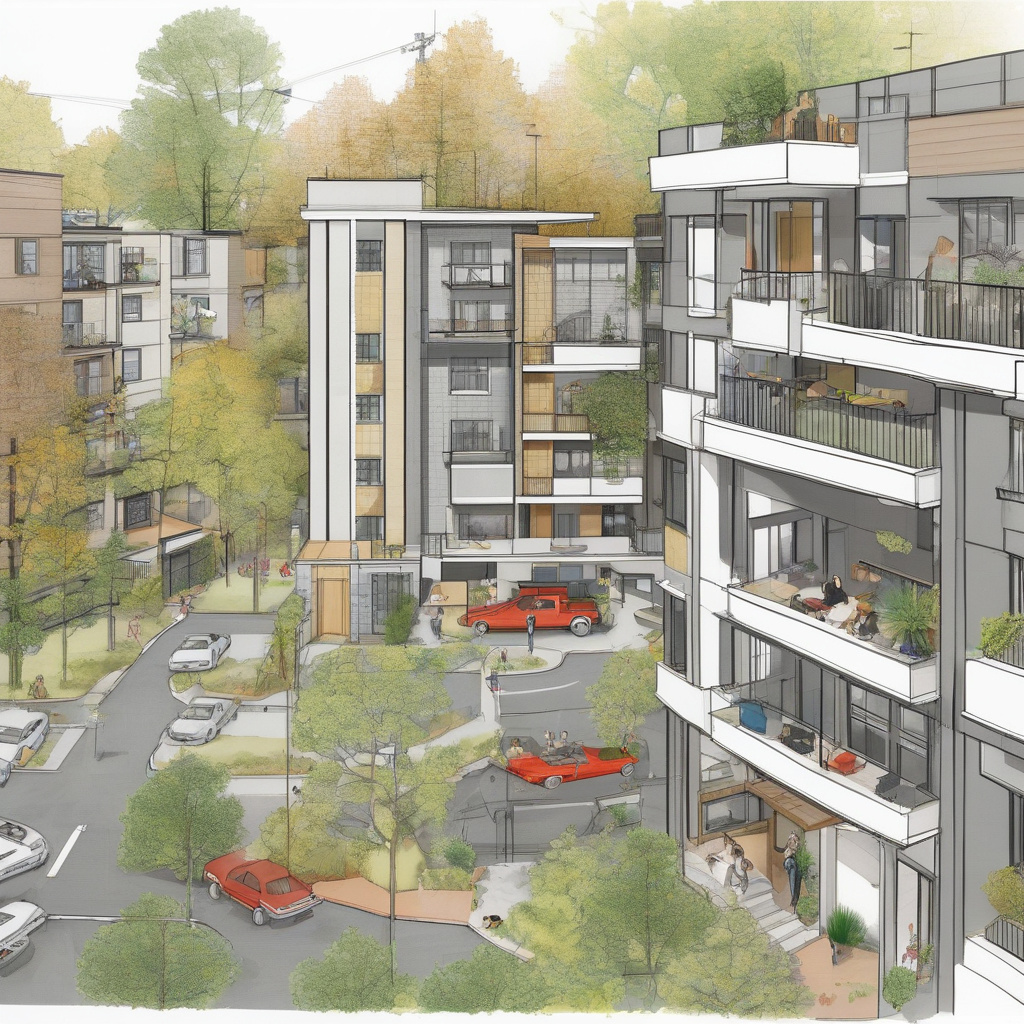
| Criteria | Budget Option | Premium Option |
|---|---|---|
| Cost | $150,000 | $300,000+ |
| Materials | Standard wood and vinyl | Recycled steel and composite wood |
| Timeline | 6-8 months | 4-6 months |
An industry insight reveals that using sustainable building materials can reduce long-term maintenance costs by up to 20% while increasing the property value.
Timelines and Delays: Navigating the Construction Phase
With plans approved and finances secured, the journey transitions from theory to execution. However, anyone who has undertaken a construction project knows that timelines are often more of a flexible guideline than a rigid roadmap.
Understanding the potential causes of construction delays can help mitigate their occurrence. Weather conditions, supply chain disruptions, and labor strikes are common culprits in derailing schedules. Therefore, having contingency plans and maintaining constant communication with your contractor can alleviate potential roadblocks.
Additionally, maintaining a good relationship with your project manager and contractors helps to address issues as they arise. This proactive management style also fosters transparency, expediting resolution processes when hiccups occur.
To keep projects afloat, homeowners are encouraged to frequently visit the construction site, ensuring quality standards are met. This also allows for timely decisions should modifications need to be made.
In conclusion, while the process may seem daunting, with the right team and approach, timelines can be managed efficiently, keeping development delays to a minimum.

Managing Relationships: Keeping Neighbors Happy
Despite best efforts, construction can sometimes strain neighborly relations. The pounding and dust that accompany renovations are often unwelcome intrusions into their daily lives.
Savvy homeowners preempt potential neighbourhood complaints by engaging in regular communication with neighbors about construction schedules and expected noise levels. Providing a timeline and updates can inform and prepare them, reducing miscommunications.
Additionally, addressing complaints promptly and thoughtfully can allay tension. For situations that persist, offering small concessions, such as arranging for off-peak construction times, showcases good faith and willingness to compromise.
Post-construction, a small gesture of appreciation, such as a neighborhood gathering or a handwritten note of thanks, can greatly enhance community harmony. These acts build bridges and fortify relationships that may have been tested during the hustle and bustle of renovation.

Research highlights that 75% of homeowners who engaged with neighbors before beginning construction reported significantly fewer disputes during the project timeline.
The Final Piece: Ensuring Privacy and Enjoyment
Completing your ADU is not merely a matter of construction; it extends to integrating the new space into the neighborhood fabric. The final touch to ensure that peace prevails is enhancing acoustic and visual privacy to address any leftover concerns.
Acoustic considerations are especially important as city living means being in close quarters. Incorporating soundproofing measures into walls and windows can significantly reduce noise transmission, benefiting both the homeowner and their neighbors.
For further guidance on achieving acoustic privacy, experts recommend engaging professionals who can assess and advise on optimal insulation materials and installation techniques. These final touches ensure the space is not only physically integrated but also acoustically unobtrusive.
Finally, as the dust settles and the paint dries, it’s time to enjoy the fruits of your labor. The completion of an ADU is both an economic asset and a personal achievement, enriching your property and enhancing your lifestyle.
To cap off the project, homeowners are encouraged to take a moment to reflect on the journey, appreciating the harmonious blend they’ve achieved between their ambitions and their neighborhood’s needs.
- Adding an ADU in Los Angeles requires meticulous planning and adherence to city regulations.
- Designing with community aesthetics in mind helps maintain neighborhood harmony.
- Material choices and financial planning are crucial for project success.
- Effective communication and noise management foster better neighbor relationships.
- Privacy enhancements ensure a seamless integration of the new addition.
“`html
FAQ
What are the initial steps to submitting an ADU permit in LA?
In real renovation projects, it often becomes clear that the initial steps are critical for a smooth ADU permit process in LA. Homeowners need to start with detailed plans that clearly outline the scope of the addition. These plans should include architectural drawings and structural calculations prepared by a licensed professional. Title documents verifying ownership and compliance forms ensuring adherence to local codes are also essential. Many experts point out that missing even one piece of this puzzle can lead to frustrating delays, so double-checking every requirement before submission is crucial.
How can homeowners choose the right location for an ADU?
Choosing the right location for an ADU involves more than simply picking a spot in your backyard. Many homeowners underestimate the importance of accessibility and existing utility lines. Ideally, the location should minimize the need for extended plumbing and electrical work. It’s beneficial to select a space that maintains the primary residence’s privacy while ensuring the ADU is functional and inviting. Also, considering your neighbors is vital to maintain good relationships; an ADU shouldn’t obstruct their sunlight or view.
When does it make sense to add an ADU to your property?
Adding an ADU can be a smart move when extra income from renting is desirable or when a family needs additional living space for relatives. For older homes, it’s a way to modernize while increasing property value. Newer homes might incorporate an ADU as part of a future-proofing strategy. However, it’s crucial to ensure that the neighborhood is favorable to such developments and that the market demand for rental units is robust. Calculating costs versus potential rental income can help decide if this investment makes sense.
What are common mistakes people make when applying for an ADU permit?
A frequent pitfall is underestimating the complexity of the paperwork. Many applicants don’t gather all necessary documents, such as easement verifications and neighborhood zoning compliance. Another mistake is failing to consider the long-term costs associated with maintaining an additional dwelling, which can strain finances if not anticipated. Planning permissions can be withdrawn if local building codes are not consistently adhered to, so ongoing compliance is crucial. Thorough planning and consultation with a professional can help avoid these mistakes.
What cost considerations are involved with ADU projects?
The cost of building an ADU goes beyond initial construction. Homeowners should consider design fees, permit costs, utility hookups, and potential landscaping for site integration. There are often hidden expenses, such as soil assessments or unforeseen structural modifications, especially in older properties. It’s important to create a contingency buffer in your budget. Furthermore, understanding financing options, like home equity lines or specific ADU loans, can be beneficial. Nonetheless, the income prospects or property value boosts generally outweigh these costs over time.
What are the pros and cons of adding an ADU?
On the upside, ADUs provide additional income streams and increase property value. They offer flexible housing solutions for family members or renters. Additionally, they can enhance your home’s overall functionality and appeal. However, the potential downsides include the significant initial investment and ongoing maintenance responsibilities. There’s also the risk of encountering unexpected regulatory or zoning challenges, which can incur extra costs or approvals. When comparing opportunities vs. risks, it’s wise to seek personalized advice, and reaching out to knowledgeable professionals can be highly beneficial.
What maintenance is required for an ADU, and how does it differ from a main home?
ADU maintenance can often mirror that of the main home, including regular checks on plumbing and electrical systems to ensure safety and functionality. However, due to their typically smaller size and sometimes simpler systems, maintenance may be less intensive and thus more manageable. Seasonal checks, such as clearing gutters or ensuring airtight windows, are essential to prevent damage over time. Homeowners should also schedule periodic inspections to preempt any potential structural issues, which is especially crucial in regions prone to climate extremes. Keeping up with maintenance not only preserves this new dwelling but also safeguards the overall investment.
How can one minimize neighborhood disruption when adding an ADU?
The key to minimizing neighborhood disruption lies in proactive communication and careful planning. Before breaking ground, have open discussions with neighbors to explain the project’s scope and timeline. Address concerns upfront and make them feel involved in the decision-making process. Additionally, it’s advisable to schedule construction during reasonable hours and to put measures in place to control dust and debris, which can be the biggest nuisances. Hiring a professional contractor with experience in residential neighborhoods can also help navigate these challenges smoothly. For further guidance on reducing impact and overseeing construction in a considerate manner, consider consulting with a renovation expert.
“`