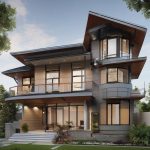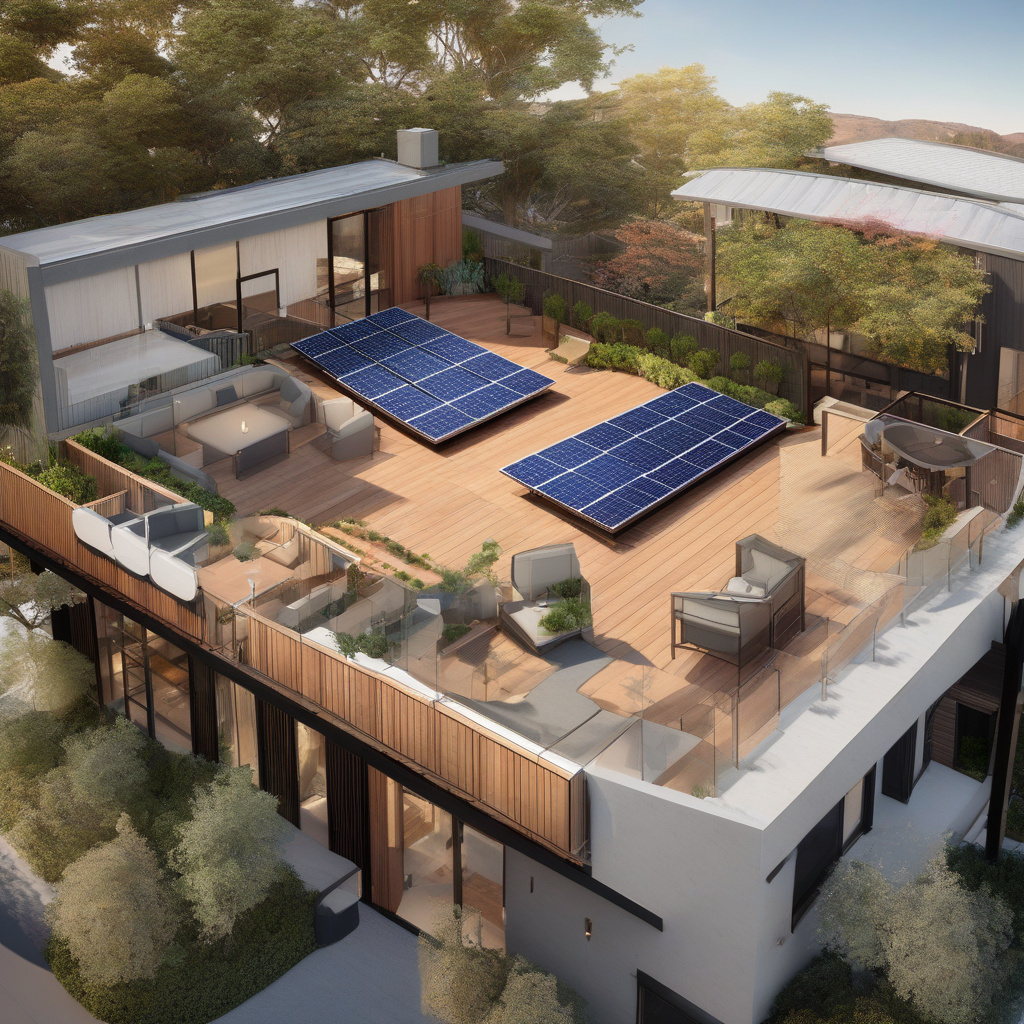
In the sun-soaked sprawl of Los Angeles, the idea of adding an Accessory Dwelling Unit (ADU) to one’s property is gaining traction. More intriguing is the trend of incorporating rooftop decks into these spaces, combining practicality with a touch of SoCal style. As homeowners in LA get creative with their ADUs, they face not only design decisions but also a crucial final inspection that focuses on safety access and structural integrity, ensuring compliance with local regulations.
Brief summary: The article delves into the intricacies of designing ADUs with rooftop decks in Los Angeles, emphasizing the importance of safety and compliance. It explores renovation trends and practical tips while providing a balanced analysis of the advantages and challenges faced by homeowners. Additionally, it offers insights into cost considerations and planning strategies.
The Rising Appeal of Rooftop Decks in ADUs
In the densely packed neighborhoods of Los Angeles, rooftop decks have become a popular extension of ADU projects. They offer a private escape with views that could rival any modern hotel. Homeowners are enchanted by the dual benefits of extra outdoor space and the potential for added property value. Los Angeles provides the perfect backdrop; after all, who wouldn’t want to enjoy a sunset over the city skyline?
Designers today are embracing the rooftop deck as an integral part of the ADU design. The harmonious blend of function and flair caters to a homeowner’s desire for both utility and a place to unwind. Yet, the appeal isn’t solely aesthetic. According to comprehensive guides on ADU additions, these units not only expand living space but also contribute to the versatility of property use.
Critics suggest that while attractive, rooftop decks can present challenges. The additional weight and structural requirements must be meticulously accounted for, and the initial allure of a rooftop view can quickly become a construction hassle. Still, many say the benefits outweigh these hurdles, providing a significant return on investment in lifestyle quality.
With careful planning and execution, rooftop decks can transform an ADU into a distinctive feature that sets a property apart. Nonetheless, a successful project lies in striking the right balance between aesthetic ambition and structural integrity.
Design Inspirations and Practical Examples
Los Angeles is a melting pot of architectural inspiration, and the cityscape offers endless ideas for designing compelling ADUs. Take a stroll through neighborhoods like Silver Lake or Echo Park, and you’ll find ADUs reflecting a plethora of styles—from sleek minimalist designs to charming craftsman revivals. The integration of rooftop decks adds another layer of individuality to these spaces.
For practical inspiration, consider the case of a homeowner in Venice Beach who incorporated a green rooftop deck on their ADU. This innovative design not only provided them with a verdant oasis but also helped to mitigate heat. Such eco-friendly rooftops are becoming more common as sustainability intertwines with aesthetics.
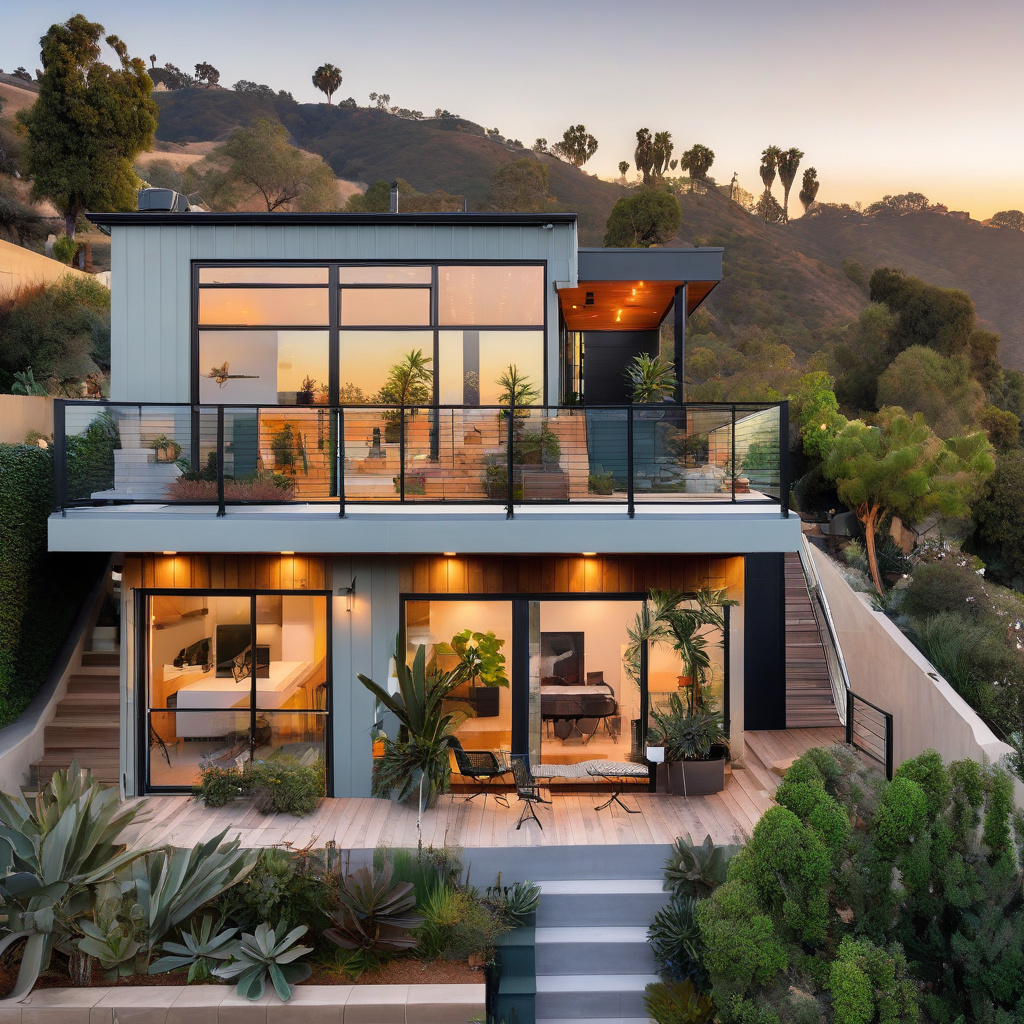
Homeowners should engage with a design team that understands both the vision and the technical details. Experts argue that proper planning avoids oversight, a point highlighted in discussions about respectful neighborhood integration. Considering factors like sun exposure, privacy concerns, and access paths can make or break the functionality of a deck.
The takeaway here is clear: each design should maximize both the visual and practical potential of the ADU. At the end of the day, it’s the combination of these elements that create a harmonious, livable space.
Balancing Safety and Aesthetic in ADU Designs
When integrating a rooftop deck, safety is paramount. In Los Angeles, ADU projects must adhere to stringent building codes. Safety considerations become particularly acute when you’re effectively adding an outdoor room perched at a height. This includes non-negotiable aspects like guardrails, sufficient exits, and safe staircases.
Notably,
an industry statistic reveals that over 60% of ADU-related construction issues are linked to improper safety measures.
This underscores the critical need for vigilance during both design and inspection phases.
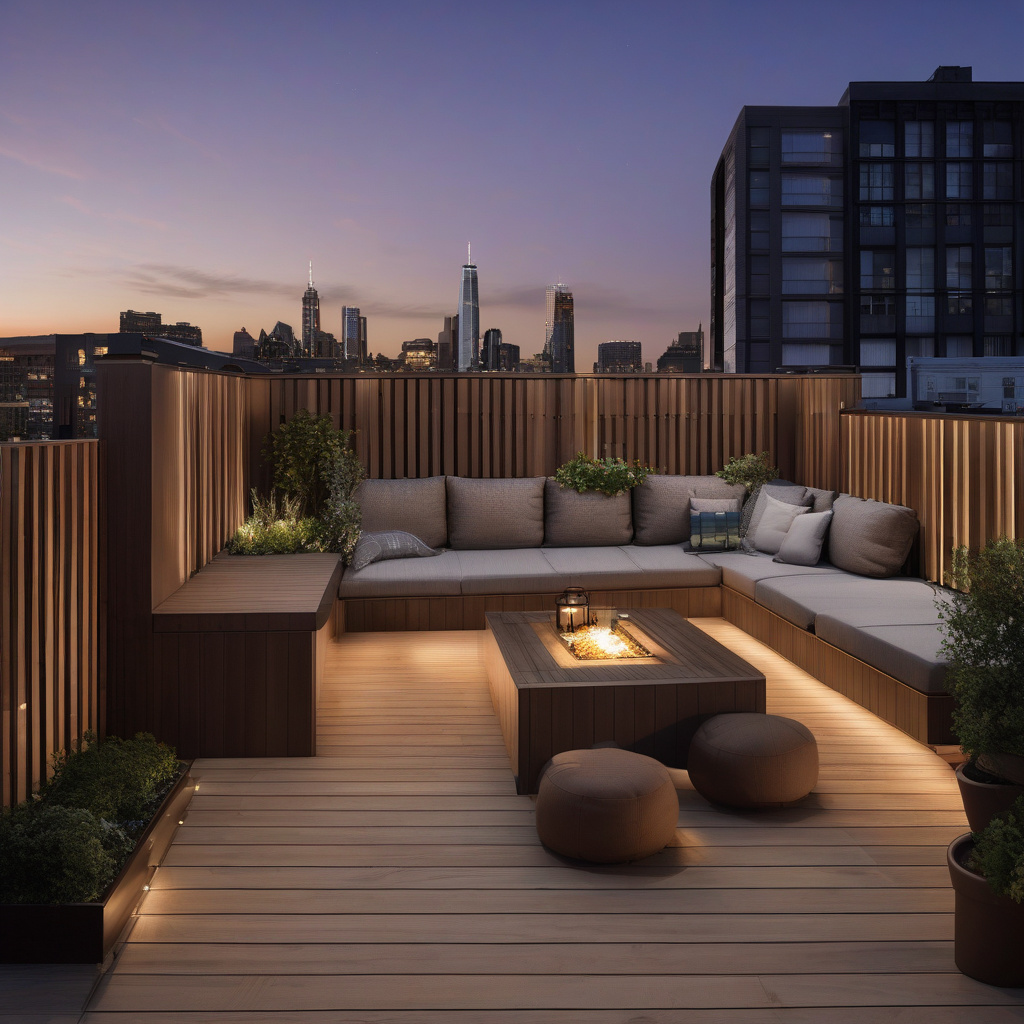
It’s a delicate dance between compliance and creativity. Designers are tasked with achieving this balance, ensuring all structural components, like beams and joists, align with safety standards while accommodating a homeowner’s dream deck.
It’s vital for those aiming to install these decks to work closely with engineers and contractors who not only understand local building codes but have the experience to creatively navigate them. This collaboration is a surefire way to reconcile the quest for aesthetic enjoyment with the legal realities of construction.
The Cost Factor: Are Rooftop Decks Worth It?
Rooftop decks are certainly an attractive notion, but they also represent a significant financial investment. The cost can vary based on materials, finishes, and structural modifications required to support the additional load. Here, the cost-benefit analysis becomes crucial for discerning homeowners.
Here’s a comparative overview:
| Feature | Basic Model | Premium Model |
|---|---|---|
| Material Costs | $10,000 – $15,000 | $20,000 – $30,000 |
| Construction Timeline | 2-3 months | 4-6 months |
| Estimated ROI | 15% increase in property value | 25% increase in property value |
While premium spaces command a higher upfront cost, they promise a more substantial return on investment, an appealing prospect for those hoping to boost their home value. Yet, one must consider the inevitable expenses associated with maintenance and potential repairs.
Ultimately, the decision boils down to one’s budgetary limits and lifestyle aspirations. However, with a well-conceived plan and technical insights for separating fire risks in construction, these decks can be both a luxurious retreat and a sound investment.
Navigating the Permit Process
The dream of a rooftop deck on your ADU could swiftly become a bureaucratic quagmire without due diligence. Navigating the local permit landscape in Los Angeles can be daunting but is necessary for a hassle-free transition from plan to reality.
First, it’s imperative to gather all requisite documents, including site plans and structural designs, ensuring they align with various building codes. Local agencies demand clarity and accuracy, reflecting the city’s priority on maintaining safe building practices.
Moreover, interacting with neighbors during the planning phase can avert future disputes and build goodwill. This aspect often goes overlooked but can be crucial, especially in dense urban environments.
Ultimately, a well-executed project is one that respects both the legal frameworks and the community environment. For those prepared to embark on this journey, having a detailed understanding of the permit documentation essentials ensures a smoother, less stressful process.
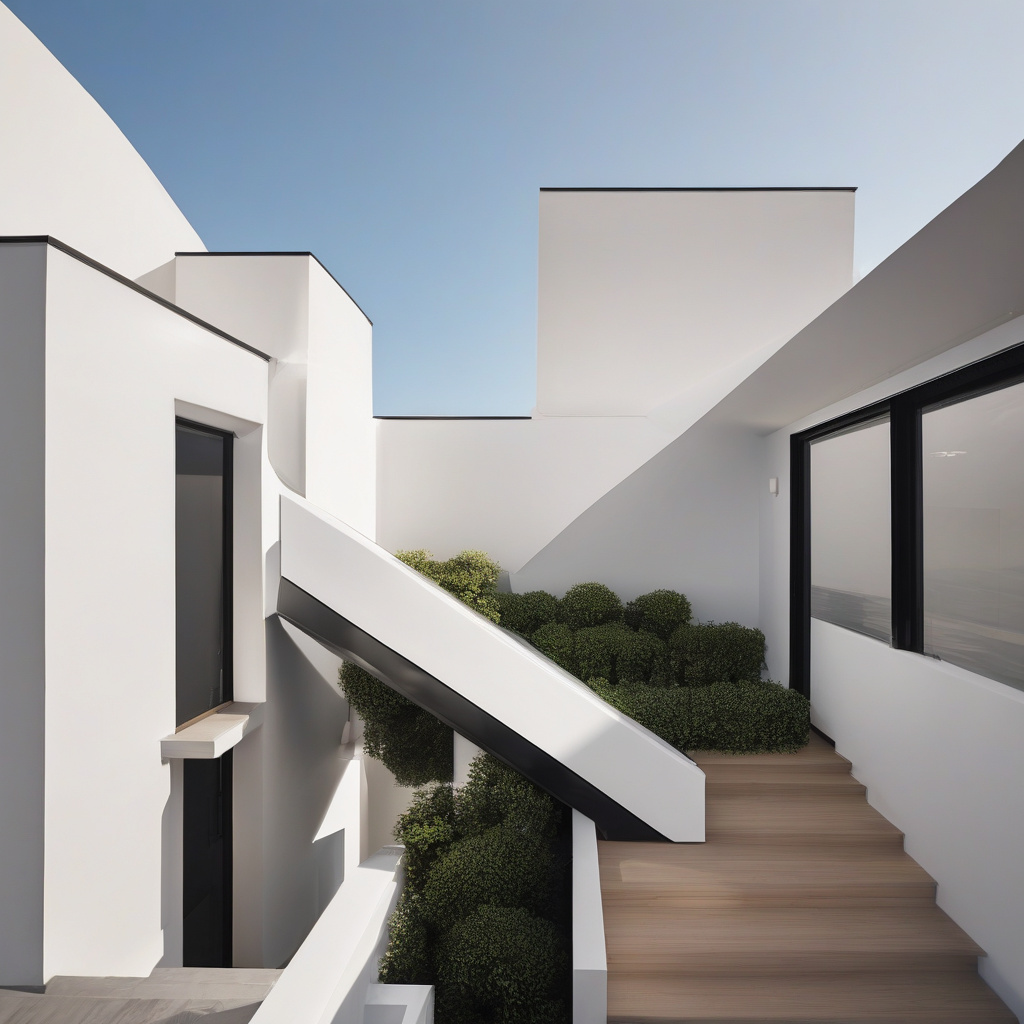
How-to Guide: Installing an ADU with a Rooftop Deck
For those ready to embrace their own ADU rooftop project, systematic planning is your best ally. Here’s a step-by-step guide to navigating the complexities of your build:
Formulate a Clear Vision
Begin with a detailed design brief. Discuss what you want from your rooftop deck—be it a space for entertainment, relaxation, or a little bit of both. Consult with an architect to translate these ideas into feasible plans.
Engage Reliable Experts
Hiring experienced professionals is non-negotiable. Look for architects and contractors with proven records in ADU and rooftop constructions. Verify their credentials, and ensure they have intimate knowledge of LA’s zoning laws.
Source Quality Materials
Ensure that the materials chosen can withstand both the aesthetic and environmental demands. The LA climate is harsh on outdoor fittings, making quality an investment in longevity.
Follow All Safety Codes
Partner with engineers to ensure everything is up to code. Pay particular attention to load-bearing calculations and implement effective drainage solutions to preserve the deck’s integrity against damaging elements.
Receive Final Inspections
Upon finishing construction, city inspectors will assess your ADU to certify its safety and compliance. This critical phase affects your project’s legal status and, ultimately, your peace of mind.
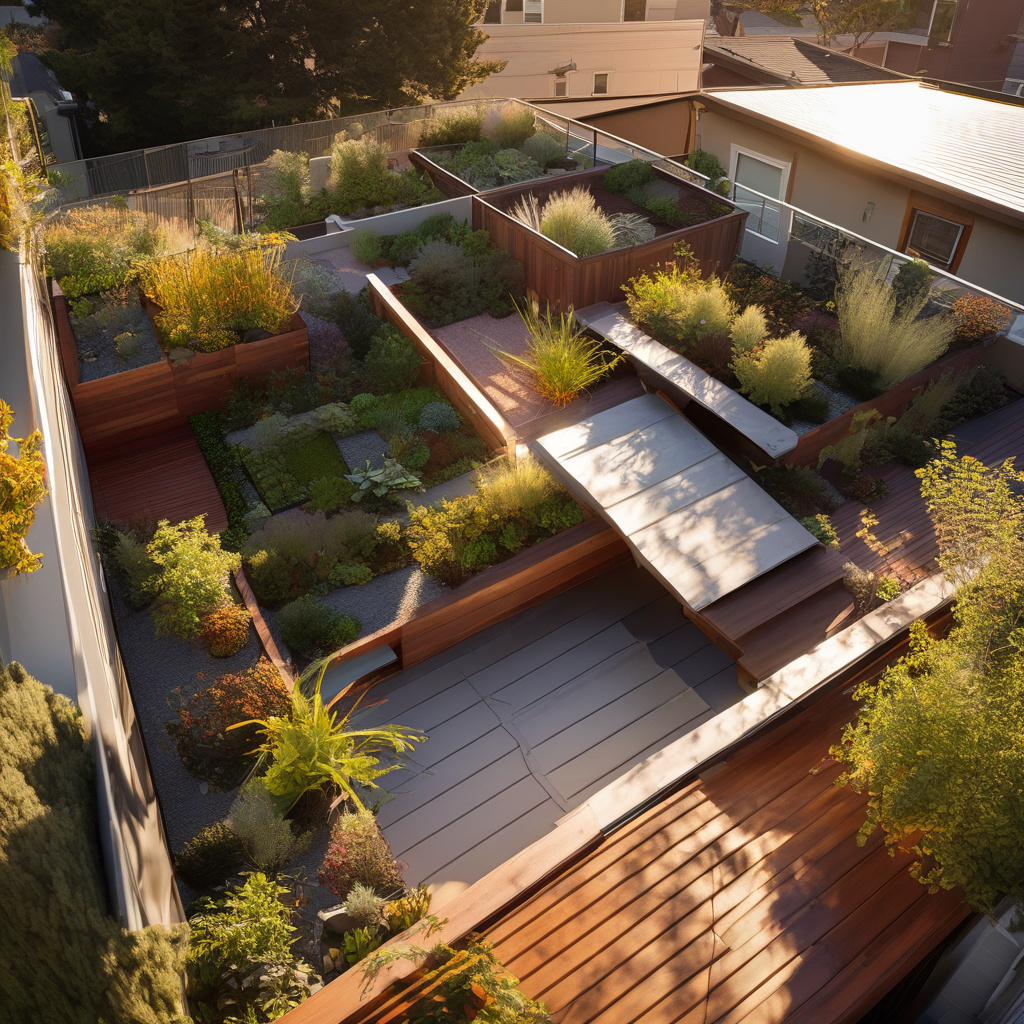
A recent expert insight advises: “Always account for additional time in your schedule for unexpected reviews or adjustments.”
As such, while the construction process is intricate, thorough preparation ensures a seamless experience.
Concluding Thoughts on ADU Rooftop Endeavors
The journey of creating an ADU with a rooftop deck in Los Angeles blends ambition with pragmatism. It’s an undertaking that demands dutiful consideration of design specifics, budgetary constraints, and compliance intricacies.
Amid this complexity, one thing is abundantly clear: for those who dare to tread this path, the rewards can be profound. You’ve got an exceptional addition to your home, the envy of neighbors, and potentially significant augmented property value—all without leaving the comforts of your lot.
For any aspiring rooftop adventurer, understanding the nuances of permits and
inspections is crucial. Armed with the right knowledge and the support of expert teams, the dream of a whimsical rooftop landscape is well within reach.
- Rooftop decks on ADUs are becoming more popular in Los Angeles due to their aesthetic and functional benefits.
- Successful projects require balancing aesthetics, safety, and code compliance.
- The permit process in LA can be complex but is essential for project success.
- Engaging seasoned professionals can make a substantial difference in the outcome of an ADU with a rooftop deck.
- Cost considerations, safety measures, and design vision are key to achieving a rewarding renovation project.
“`html
FAQ
What are ADUs with rooftop decks?
Accessory Dwelling Units (ADUs) with rooftop decks combine the concept of secondary housing units with an additional outdoor living space on the roof. In the sprawling terrain of Los Angeles, maximizing space is crucial. Homeowners utilize ADUs to create a compact, functional dwelling, often for extended family or rental income. The addition of a rooftop deck not only expands usable space but also offers a potential escape with impressive views of LA’s landscape. An essential factor is planning for long-term sustainability, such as water drainage systems to prevent structural damage. Practical examples demonstrate that urban settings benefit greatly from such adaptations, transforming underused backyards into premium living quarters.
How should you choose a design for an ADU with a rooftop deck in LA?
Selecting the right design involves several considerations. Begin with the local zoning laws and building codes, as outlined in LA city regulations, which often influence size and placement. A contemporary design that integrates seamlessly with the main property often appeals to aesthetic standards without compromising functionality. Consider the practical aspects, such as stair placement and access to electricity, which are crucial for rooftop decks. Experts often advise consulting with architects familiar with Californian weather implications to choose durable materials that withstand sun exposure and seismic activity. Many homeowners wisely incorporate green elements like pergolas or solar panels to enhance both utility and sustainability.
When does it make sense to add a rooftop deck to an ADU?
In many renovation scenarios, opting for a rooftop deck makes perfect sense when valuable outdoor space is limited. This holds true especially in densely populated neighborhoods of LA, where horizontal expansion is often restricted. Homeowners who crave additional outdoor zones for entertainment or relaxation find this addition particularly appealing. For properties with favorable views, a rooftop deck undeniably adds value, both in lived experience and property equity. However, in areas prone to environmental risks like high winds or excessive heat, careful design and material selection are key to ensuring longevity and comfort. A prudent step is to consult with local renovation specialists to tailor plans to both personal needs and neighborhood regulations.
What are common mistakes to avoid when building an ADU with a rooftop deck?
Many homeowners underestimate the complexity of integrating a rooftop deck with an ADU, often leading to costly oversights. A prevalent error is neglecting the structural assessment of existing buildings to support additional weight, which is crucial in earthquake-prone California. Misjudging drainage and weatherproofing needs can cause long-term water damage. Installation of safety features, such as proper railings and non-slip surfaces, is vital yet frequently overlooked. Additionally, failing to comply with local codes can result in hefty fines or mandatory adjustments. Engaging a knowledgeable contractor familiar with LA’s zoning and construction standards right from the planning stage helps mitigate these risks and ensures a compliant and safe build.
What are the cost considerations for building an ADU with a rooftop deck?
When budgeting for an ADU with a rooftop deck, it’s important to consider both initial construction costs and long-term expenses. In Los Angeles, construction costs can range from $200 to $400 per square foot, influenced by design complexity and choice of materials. Allocating funds for premium, weather-resistant materials upfront can save on maintenance costs down the road. Additional expenditures, such as city permits and architectural consultations, also factor into the overall budget. Practical advice from many seasoned renovators suggests setting aside a contingency budget for unexpected expenses, a common occurrence in complex builds. For detailed personalized estimates, interested homeowners are encouraged to inquire with local renovation experts.
What are the benefits versus limitations of ADUs with rooftop decks?
ADUs with rooftop decks present a dual benefit in terms of space and potential home value. They’re particularly beneficial in maximizing limited property footprints, offering versatile living or leisure areas. Rooftop views can significantly enhance property appeal, making it a sound investment for future resale. However, limitations such as increased initial costs and stringent building regulations may present challenges. Some homeowners find the complexity of integrating utilities, like plumbing and electricity for rooftop use, to be more demanding than anticipated. Moreover, without proper upkeep, these spaces may face premature wear due to environmental exposure. Thus, a balanced approach considering both short-term benefits and long-term obligations is advised.
How do you ensure safety and compliance during final inspections?
Final inspections serve as the critical juncture in confirming that an ADU meets all safety and building codes before occupancy is permitted. Ensuring compliance involves meticulous detail – from electrical connectivity to the structural soundness of rooftop additions. Local LA inspection requirements include confirming the integrity of load-bearing elements, ensuring effective egress points, and verifying the airflow and electrical systems align perfectly with prescribed standards. Experts emphasize keeping thorough documentation of all construction phases and modifications, which facilitates smooth communication with inspectors and swift approval. Drawing from successful projects, clear dialogue with inspectors and comprehensive readiness are central to passing these inspections efficiently.
What maintenance is needed for rooftop decks in ADUs?
Maintaining a rooftop deck involves a proactive approach to prevent weather-induced deterioration, given the Californian climate’s unique challenges. Regular checks and immediate repairs on seals and joints prevent moisture penetration. Implementing seasonal cleaning to clear debris ensures drainage systems remain unclogged, especially during unexpected torrential rainfalls. Utilizing protective coatings and finishes guards decking materials against the harsh LA sun. From a practical standpoint, establishing a maintenance schedule aligned with seasonal weather changes not only prolongs the deck’s lifespan but also preserves its aesthetic. Real cases show that homeowners investing in bi-annual professional inspections catch potential issues early, saving significant repair costs down the line.
“`