
Homeowners in Southern California, especially in bustling Los Angeles, often look skyward when thinking about expanding their living spaces. Adding a second story not only transforms a single-story dwelling into a grander home, it also offers more space without encroaching on valuable yard area. However, this ambitious undertaking is far from a simple home improvement project. Understanding the critical aspects of second-story additions is crucial before embarking on this transformative journey.
Brief summary: This article delves into the essentials of structural engineering required for adding a second story to a home in Los Angeles. It highlights design considerations, cost implications, and real-life insights, offering practical advice while comparing renovation options. Additionally, it addresses ADU-related aspects like noise rules and rental management.
The Intricacies of Structural Engineering
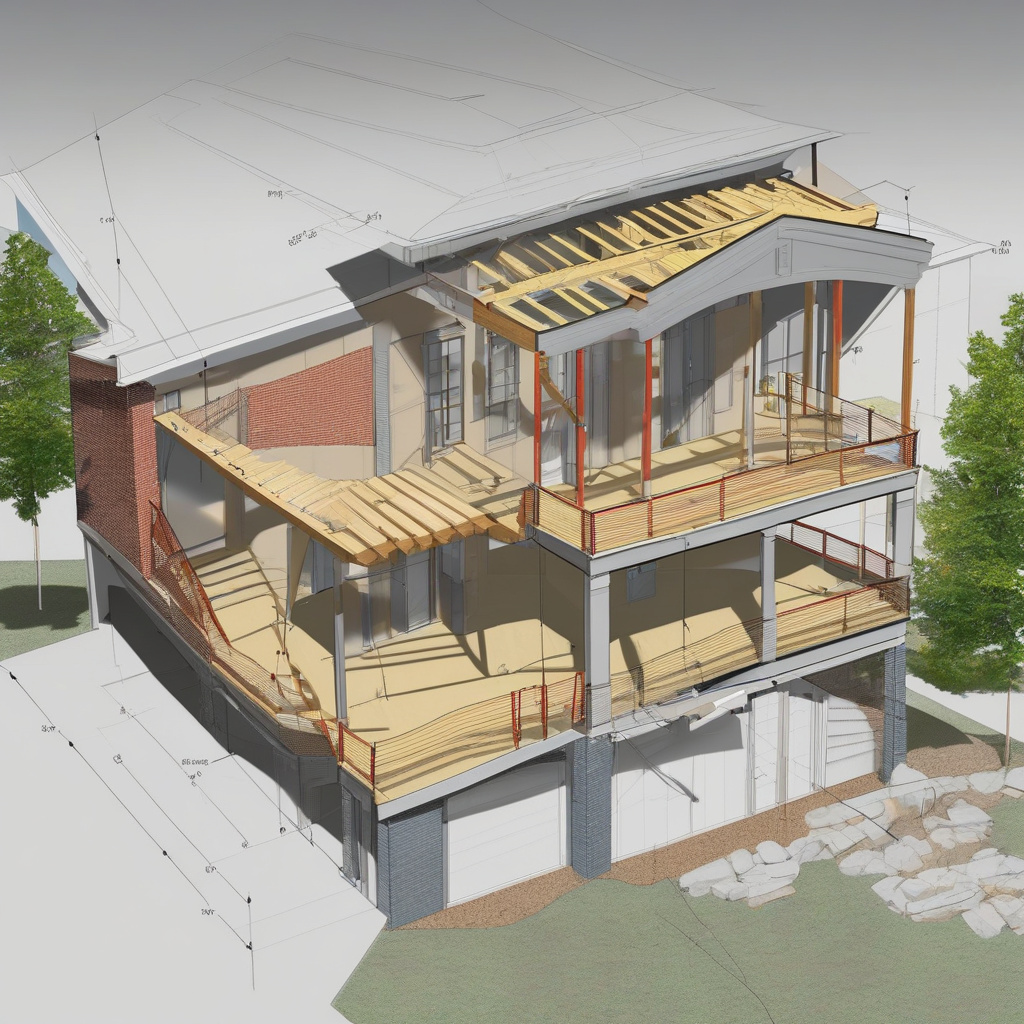
Structural integrity is the backbone of any significant home renovation, and when it comes to adding another layer to your house, understanding the foundational requirements is paramount. Unlike simple room remodels, second-story additions necessitate a thorough evaluation of your home’s existing structure. The weight of an additional floor demands that the foundation and lower-level walls are robust enough to handle the extra load.
Engaging a structural engineer is often the first step, as they bring the expertise needed to assess your specific situation. From ensuring that the foundation can support the new weight to addressing potential issues with your home’s existing framework, their comprehensive evaluation is indispensable. For instance, in many Los Angeles homes, piers under floors might need reinforcement to uphold the added bulk.
Once the groundwork is established, detail-oriented planning follows. The engineer and architect collaborate to draft blueprints that ensure safety and stability while aligning with your design aspirations. Local regulations and building codes further guide these plans, which aim to balance aesthetic appeal with practical functionality.
When planning such a project, it’s crucial to weigh the involved complexities against the tangible benefits. Just as many satisfied homeowners have discovered, the rewards of a well-executed addition often surpass any initial challenges.
Design Considerations and Options
Embarking on a second-story addition opens a world of design possibilities, transforming not only your living space but also the home’s overall character. A significant decision revolves around whether to simply replicate the layout of the first floor or venture into new territory with an innovative design.
Opting to mirror the first floor can offer seamless continuity, while a fresh design might present opportunities for unique features such as vaulted ceilings or extra-large windows. Each choice entails its own set of challenges and opportunities. For many homeowners, creating an extended family wing or a master suite haven tops the priority list.
Choosing exterior finishes that blend the old with the new can be equally exciting. Whether embracing avant-garde materials or sticking to traditional stucco, your choices will significantly influence both the curb appeal and the home’s value. Moreover, incorporating energy-efficient options, like solar panels or sustainable materials, aligns with the region’s green building trends.
Design decisions in this vein involve a delicate dance of personal taste and practical functionality. Ultimately, the goal is to create a space that reflects your lifestyle while enhancing the property’s market profile.
Financial Outlay and Budgeting
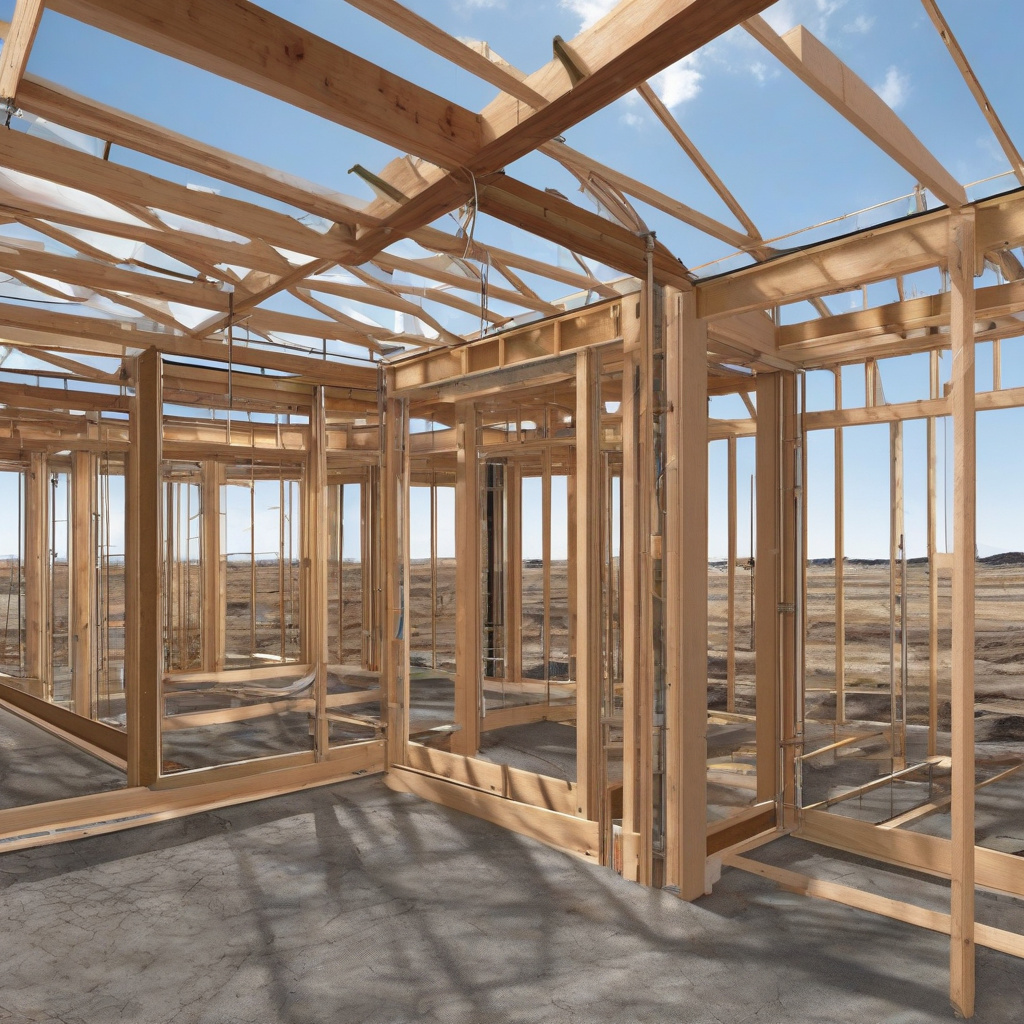
Investing in a second-story addition represents a significant financial commitment, necessitating a well-thought-out budget to steer clear of unexpected expenses. Costs can range widely depending on materials, complexity, labor, and compliance with building codes. While initial estimates might appear daunting, savvy homeowners understand that thorough upfront planning can mitigate budget overruns.
Insurance considerations and potential financing options are critical pieces of the budgeting puzzle. Identifying these financial aspects early in the design phase can provide peace of mind and a clearer path forward. Engaging with seasoned architects and contractors who can offer precise estimates and helpful budgeting tools is invaluable.
More importantly, it’s crucial to appraise not only upfront costs but also long-term value. Well-executed additions often yield a substantial increase in property value, a desirable trade-off for the initial expenditure.
Overall, planning for a comprehensive financial strategy encompasses an intricate balance of investment vision and fiscal restraint.
Material Selection and Construction Methods
Material selection forms the backbone of your new addition, directly influencing aesthetics, durability, and costs. Traditional choices such as wood and bricks remain popular yet demand careful evaluation to ensure they complement existing structures and meet modern standards.
In Los Angeles, where seismic activity is a consideration, lightweight steel might substitute for wood, offering enhanced durability without compromising on design. Alternatively, insulated concrete forms provide excellent insulation properties, a valuable aspect given the region’s climate.
Construction methods, too, require thoughtful contemplation. Prefabricated components can expedite timelines and reduce labor costs, though they may limit design choices. In contrast, custom builds offer precise control over design elements but often incur higher labor costs and extended timelines.
Balancing these factors involves critical examination of the project’s scope, financial constraints, and desired outcomes, fostering decisions that yield both immediate satisfaction and enduring reliability.
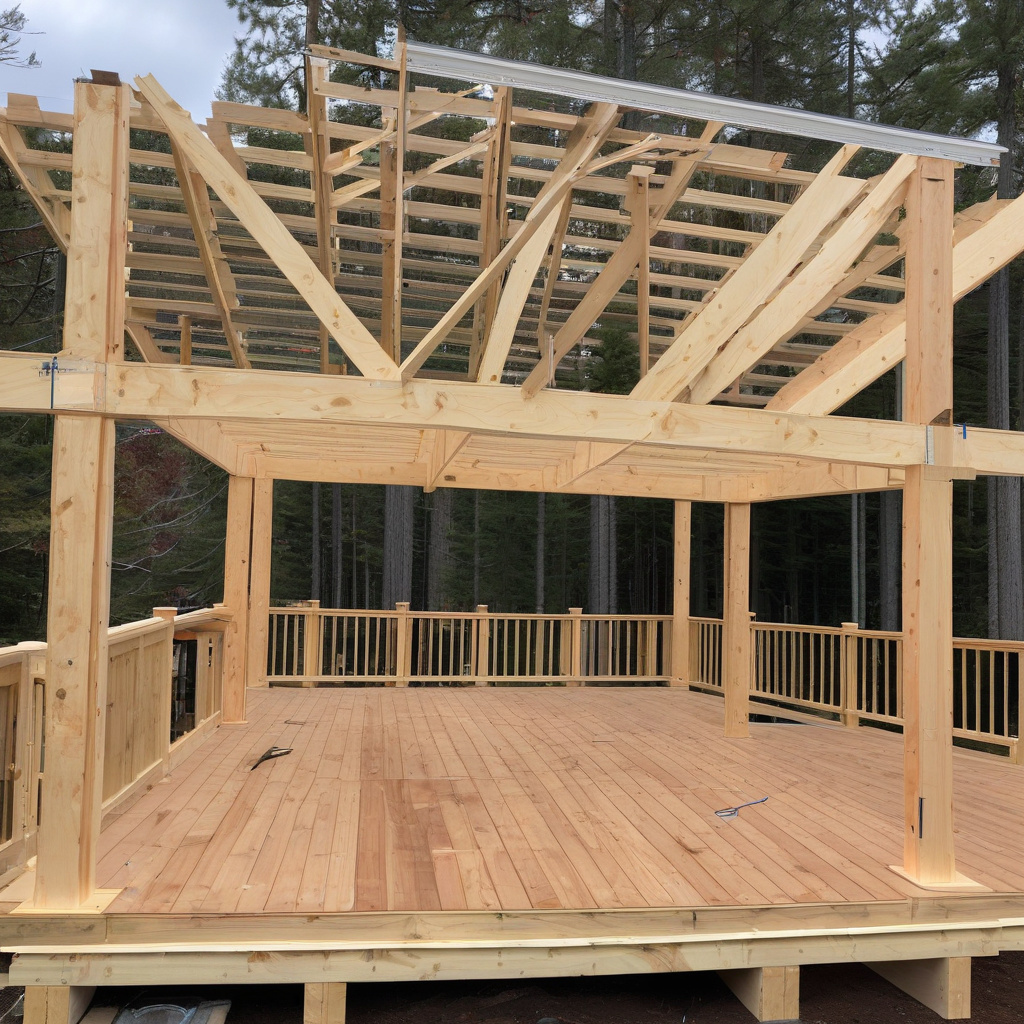
According to a recent industry report, homes with second-story additions recoup an average of 63% of their investment at resale in Los Angeles, highlighting their viability as a financial asset.
Comparing Costs: Traditional vs Modern Methods
| Aspect | Traditional Methods | Modern Methods |
|---|---|---|
| Cost | Higher labor costs | Lower due to prefabrication |
| Timeline | Longer due to custom builds | Shorter with prefab components |
| Design Flexibility | Fully customizable | Limited by prefabricated elements |
This table highlights the key contrasts between traditional and modern construction methods, revealing significant differences that must be contemplated carefully before proceeding.
Construction Challenges and Mitigation
Every remodeling project carries its share of hurdles, from weather delays to supply chain disruptions. For Southern California homeowners, these challenges often reflect unique local conditions such as stringent noise control regulations and neighborhood considerations.
Understanding the local noise rules, especially for ADU rentals, is crucial in avoiding fines and maintaining harmonious community relations. Establishing clear quiet hours and behavioral expectations aligns with both city mandates and promotes neighborly goodwill.
Foreseeing potential issues and proactively planning for them makes a world of difference. For instance, scheduling construction during less disruptive periods or opting for quieter tools can sidestep frequent complaints.
Addressing these logistical nuances ensures not only compliance but also the smoother execution of your project, crafted in harmony with its urban surroundings.

A leading construction expert notes that “Understanding local regulations and climate conditions is essential to the success of any second-story addition project, from inception to completion.”
Living Within a Growing Home
Living through a major renovation can be a significant challenge on its own, fraught with noise, dust, and the general upheaval of normal routines. Yet, careful planning and practical solutions can mitigate this disruption, ensuring a smoother transition from construction site to home sweet home.
Consider temporary relocation options or redesigning schedules to accommodate both daily life and construction activities. Establishing a clear contract with builders can also delineate responsibilities and provide a framework for handling surprises.
For many, enlisting family and friends or professional services to assist during pivotal stages can also alleviate stress. Ensuring communication lines remain open helps foster collaboration with the construction team, minimizing potential issues.
Harmonizing construction with daily living is achievable with a blend of foresight and flexibility, ensuring that your home remains a sanctuary, even amid change.
Discover tips on managing life during renovations offers additional insights into cohabitating seamlessly with your evolving space.
An architect specializing in home additions remarks, “Living in your home during a remodel requires both strategically planning exits and patient endurance, but the final reveal is often worth the journey.”

Steps Toward Completion and Enjoyment
With the structural foundations laid, aesthetics finalized, and construction well underway, finishing touches can transform a mere building project into a space that resonates with your identity. Prioritize final inspections and regulatory sign-offs to ensure that everything aligns with safety and legal standards before moving furnishings and personal items back in.
These last steps not only solidify the space structurally but also emotionally, as you move from a construction site into a cherished family environment. Here, bringing in professional cleaning services post-construction can speed up the transition and help the addition truly feel like home.
Envisioning the final result might inspire accessory choices, color schemes, or the incorporation of tech amenities that meet modern needs and boost home enjoyment.
Breaking down the project costs after completion provides insightful reflections on the journey, offering lessons that can serve future homeowners venturing into similar quests.
Ultimately, the completion phase is not merely an end but a new beginning, ushering in opportunities for relaxation and revitalization within your enhanced home environment.
- Planning thoroughly can determine the success of second-story additions.
- Designing with a blend of personal taste and local considerations enriches the process.
- Balancing costs and construction methods tailors the effort to your needs.
- Living amidst the renovation requires strategic planning and adaptation.
- Finishing touches turn construction into a comforting, new living space.
“`html
FAQ
What are the primary structural considerations for a second-story addition?
In real renovation projects, it often becomes clear that the primary structural considerations for adding a second story to a home start with evaluating the existing foundation and framing. Many experts point out that older homes may require significant reinforcement to support the additional weight. It’s crucial to consult with a structural engineer who can assess your current structure and provide detailed plans. Often, this involves reinforcing the foundation and inspecting load-bearing walls to ensure they can handle the new load, thus preventing potential structural failures.
How do noise rules for ADU rentals in LA affect property owners?
Noise rules for ADU rentals in Los Angeles significantly impact how property owners manage their rentals, especially in maintaining harmony with neighbors. Acceptable quiet hours, typically during nighttime until morning, ensure that noise from guests does not disturb the community. This requires owners to set clear behavior expectations and communicate these rules to tenants. Many have found success with written agreements or welcome guides detailing these expectations. Notably, neglecting these rules can lead to disputes or fines, making it crucial for landlords to be proactive and respectful of neighborhood norms.
What are common mistakes homeowners make when planning a second-story addition?
Homeowners frequently underestimate the complexity and cost of adding a second story. A common mistake is failing to conduct a thorough budget analysis, resulting in financial strain mid-project. Another oversight is not accounting for increased structural demands, such as strengthening walls and foundations. Skipping permits or professional advice from architects and engineers leads to subpar outcomes or legal issues. An actionable tip is to create a comprehensive plan that considers all structural, electrical, and design elements, then consult with professionals to prevent costly oversights.
How can homeowners maintain harmony with neighbors when operating an ADU rental?
Maintaining harmony with neighbors when operating an ADU rental hinges on communication and adherence to local noise ordinances. In real-life scenarios, successful owners often introduce themselves to neighbors and outline measures in place to minimize disturbances, such as defined quiet hours and restrictions on guest behavior. Providing contact information for immediate concerns also fosters a good relationship. Homeowners should be proactive, addressing potential issues before they escalate, which is crucial for a peaceful coexistence in residential areas. For personalized guidance on maintaining this balance, it might be helpful to reach out to a local renovation expert.
What cost considerations should be taken into account for second-story additions?
Cost considerations for constructing a second-story addition encompass a range of factors. Among the primary expenses are architectural plans, engineering consultations, construction materials, labor, and necessary permits. Many experts emphasize the importance of a detailed breakdown of these costs to avoid budget surprises. Additionally, unanticipated expenses such as structural reinforcements and temporary housing during renovations should be factored into the budget. Planning for a contingency fund is also a strategic move, as unforeseen issues often arise in construction projects.
What are the benefits and risks of adding a second story to a home?
Adding a second story provides numerous benefits, such as increased living space and enhanced property value, allowing homeowners to customize their space without changing the home’s footprint. However, many experts caution that the risks include significant financial outlay and the potential for structural complications, particularly in older homes where existing structures may not support additional weight. These projects can become quite invasive, possibly necessitating temporary relocation. Weighing these factors carefully ensures that homeowners can make well-informed decisions aligned with their long-term goals.
Is it more cost-effective to remodel an existing space rather than build an additional story?
Deciding between remodeling an existing space and building an additional story often depends on the specific circumstances of the property and the homeowner’s goals. In many cases, remodeling can be more cost-effective, particularly if the existing structure is already sound and only requires updates or reconfigurations. However, if significant additional space is needed and the property plot cannot accommodate horizontal expansion, a second-story addition might be the only viable option. Weighing factors such as the condition of the current structure, desired outcomes, and budget constraints will guide smart decision-making.
What are some practical tips for ensuring a successful second-story addition?
Ensuring a successful second-story addition involves several practical steps. To start, homeowners should conduct a thorough evaluation of the current structure with a professional. This helps identify potential challenges and structural needs. Creating a detailed plan with clear timelines and cost estimations is critical. Many renovation veterans stress the importance of choosing experienced contractors with a proven track record on similar projects. Additionally, maintaining open communication with neighbors can mitigate concerns over noise and construction disruptions, fostering goodwill while your project is underway.
“`