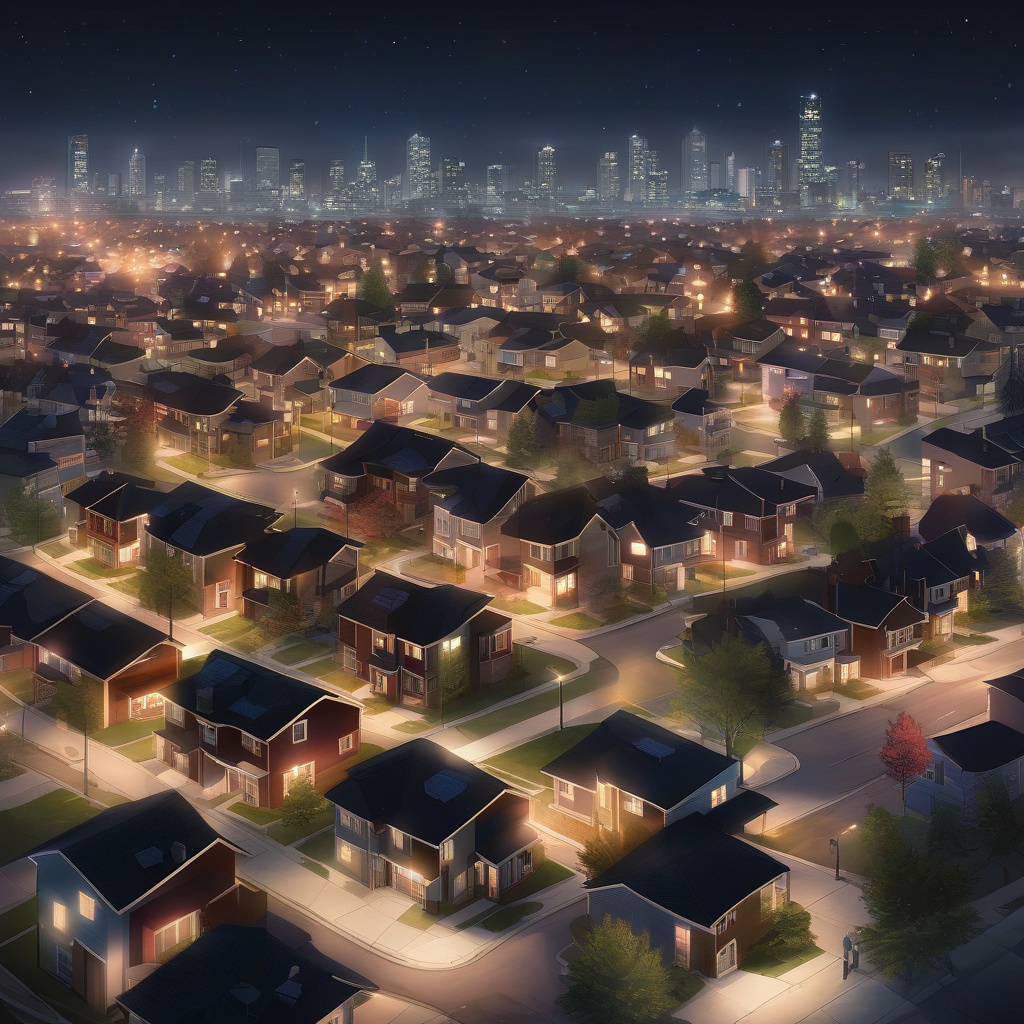
As Los Angeles grapples with a persistent housing crisis, Accessory Dwelling Units (ADUs) are emerging as a viable solution to help ease the demand for affordable living spaces. By providing additional housing options on existing residential properties, ADUs offer a promising approach to the city’s challenges. But what does this mean for homeowners, especially those with pets? Let’s dive deeper into how pet-friendly ADUs are reshaping living spaces in LA.
Brief summary: In Los Angeles, ADUs are becoming an essential part of addressing housing shortages, offering flexible living spaces that can accommodate pets without compromising interior function. This article explores design innovations, costs, and practical insights for homeowners considering ADU renovations.
The Rise of ADUs: A New Hope for Housing
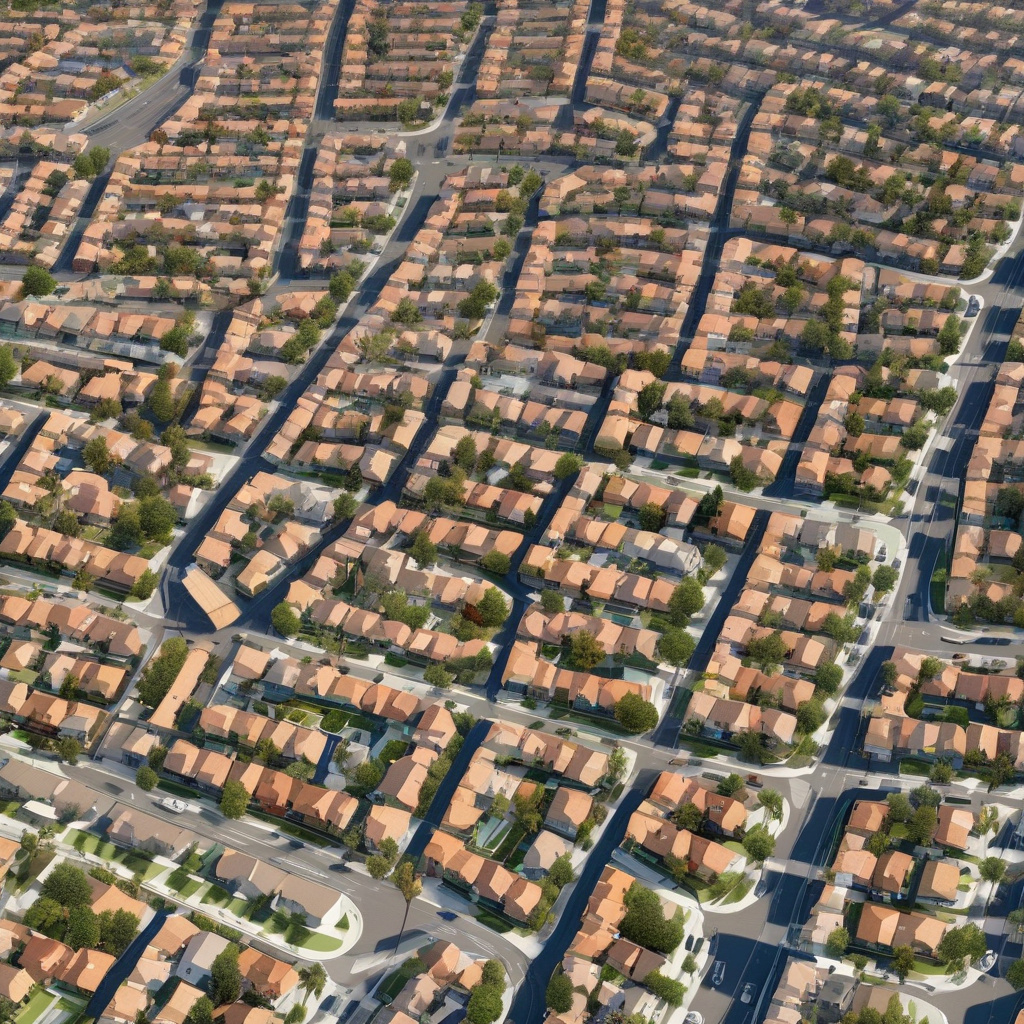
The need for affordable housing in Los Angeles is no secret. With real estate prices soaring and rental rates climbing, many residents are seeking alternative solutions. Enter the Accessory Dwelling Unit—a small, secondary residence constructed on the same lot as a larger home. Not only do these units provide additional housing, but they also help homeowners generate rental income. For more information on how these units can integrate into your property, check out this comprehensive guide.
ADUs are not just a boon for the economy but also contribute to urban density in a controlled manner. City planners are increasingly looking to these units to help alleviate housing shortages without sprawling into undeveloped lands. This strategic infill is a win-win for residents and environmentalists alike. As we’ve seen in Los Angeles, this trend is picking up speed due to the flexible legislation that supports ADU construction.
The flexibility of ADUs is another reason they are so attractive. Homeowners can tailor these spaces to meet specific needs, whether for rental purposes or as an expanded living area for a multi-generational family. The options are virtually limitless, leading to a surge in creativity among local architects and builders.
Despite these benefits, there are challenges such as zoning laws and construction costs. However, as many local homeowners are discovering, the long-term rewards often outweigh the initial hurdles.
Citing recent studies, it’s estimated that LA could increase its housing stock by as much as 15% by aggressively implementing ADU policies.
Designing for Dogs: Pet-Friendly Innovations
In the bustling city of LA, having a sanctuary that accommodates pets has become more important than ever. Pet-friendly ADUs incorporate elements that cater to both two-legged and four-legged inhabitants. This includes scratch-safe finishes, strategic yard access, and intelligent storage solutions that maintain the unit’s functionality.
Featuring designs with resilient materials, these spaces are crafted to withstand the wear and tear of claws and paws. Durable flooring options are another consideration, as local builders often recommend visiting sites like this flooring guide to explore suitable materials.
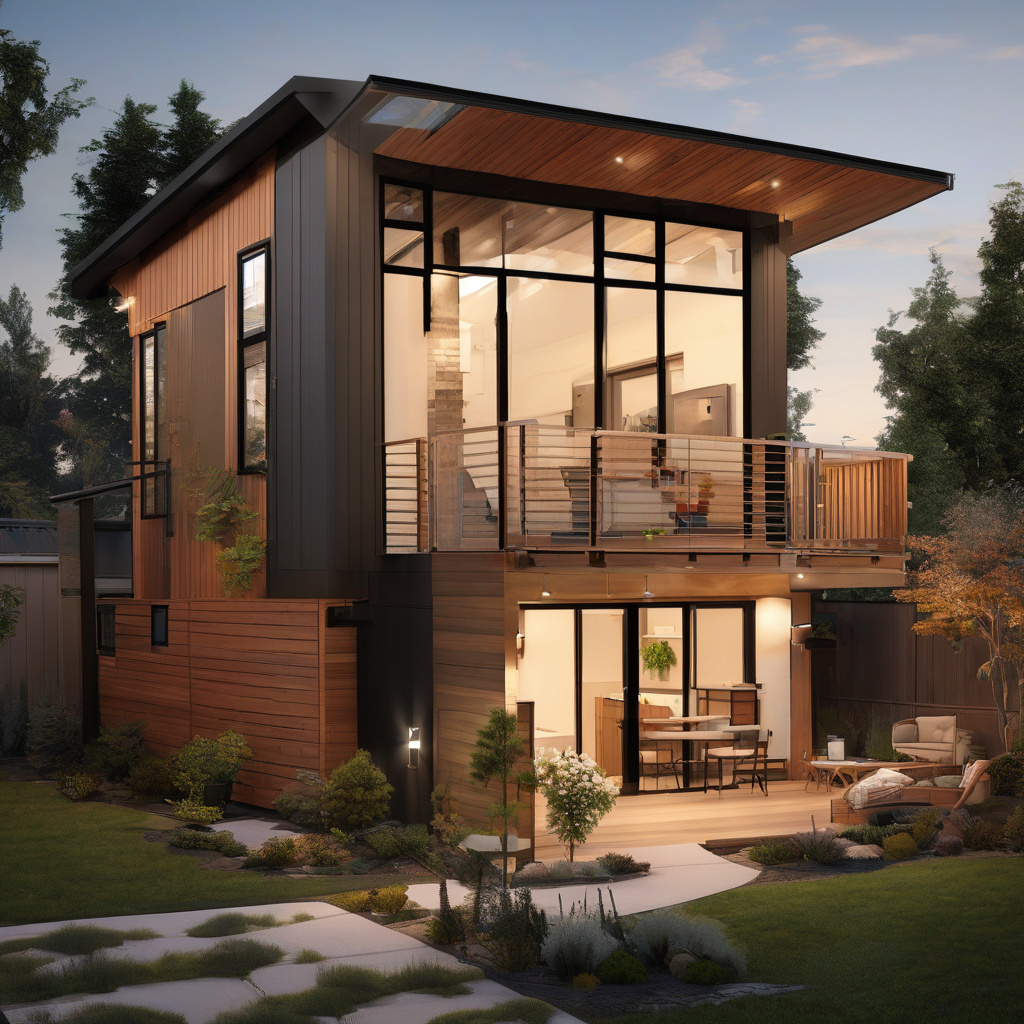
Yard access isn’t just a convenience—it’s a necessity. Design layouts that incorporate secure fenced areas allow pets to have their outdoor space without the risk of escape. This planning also ensures that ADUs remain compliant with noise and disruption regulations, as detailed in these guidelines.
Smart storage options are becoming mandatory in ADU designs. Cabinetry that doubles as concealment for litter boxes or pet beds ensures that the living area remains neat while also accommodating pets’ needs. All these designs contribute to a harmonious living arrangement that doesn’t sacrifice comfort for practicality.
Architectural consultant Jamie Reynolds notes, “Incorporating pet-friendly elements into ADU design can significantly enhance the quality of life for both pets and owners.”
Value and Versatility: ADUs as an Investment
Investing in a pet-friendly ADU not only enhances your property’s functionality but also increases its value. With the rising demand for ADUs, homeowners can expect a favorable return on investment. In competitive real estate markets, these units can transform a property’s appeal dramatically.
The economic benefits don’t stop at the initial construction. ADUs generate rental income, much needed in a city where rents are continually climbing. By catering to niche markets, such as pet owners, landlords can command higher rental rates.
Compounded interest in ADUs has also led to the development of pool house style versions, catering to versatility and modern aesthetics. Such designs illustrate the adaptation of traditional spaces into multifunctional areas that satisfy diverse requirements.
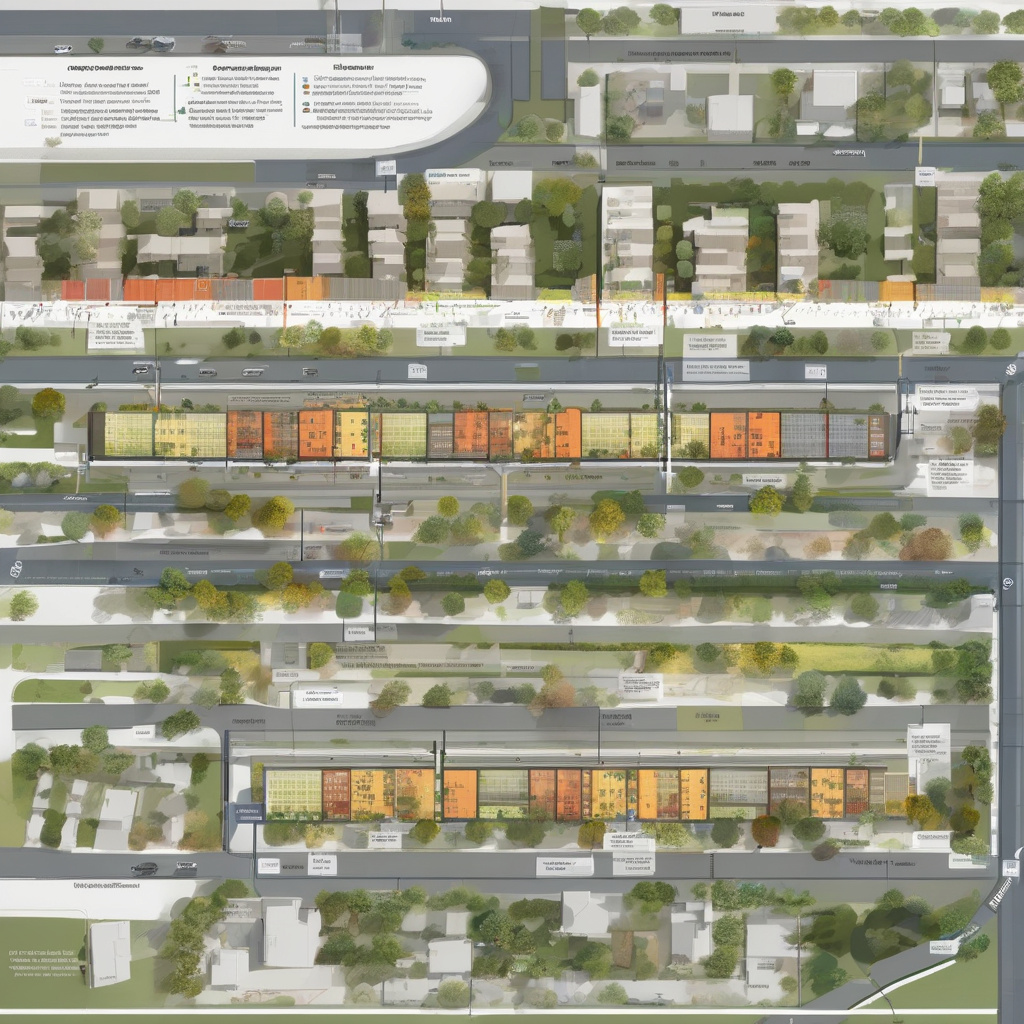
While initial build costs can be high, property owners often find that these expenses are offset by the substantial equity increase and rental income potential. Especially in Los Angeles, where housing availability is tight, a well-designed ADU represents not just a physical investment but a community-oriented solution.
An economist at UCLA highlights that “ADUs are a key component in solving urban housing shortages while providing new revenue streams for homeowners.”
Comparing Options: The Planning Process
When considering an ADU project, proper planning and research are paramount. As each homeowner’s needs differ, so do the available options. Below is a comparative table that highlights some key considerations during the planning phases of an ADU.
| Option | Estimated Cost | Timeline | Materials | Suitability |
|---|---|---|---|---|
| Basic Conversion | $50,000 – $75,000 | 3-5 months | Standard | Budget-Conscious |
| Premium Build | $100,000 – $150,000 | 6-9 months | High-end finishes | Luxury-Focused |
| Custom Design | $150,000+ | 9+ months | Tailored to Preference | Family-Specific |
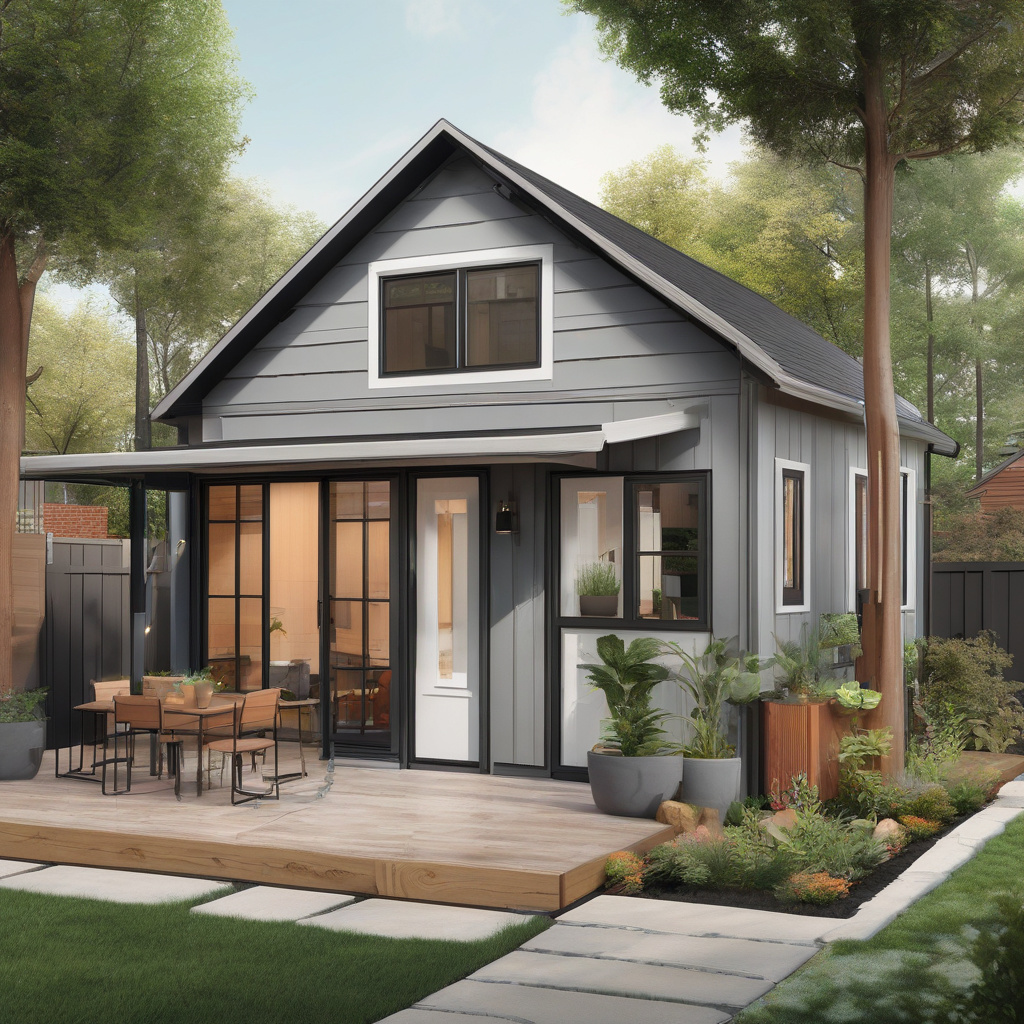
Given the options, homeowners can choose paths that best align with their financial capacity and lifestyle requirements. Understanding the intricacies of each choice significantly impacts the success and satisfaction of the project outcome.
Strategic Steps: A Mini How-To Guide
To navigate the ADU journey smoothly, follow this mini guide that outlines the critical steps:
- Assess Your Needs: Determine the primary purpose of your ADU—rental, family use, or a flexible space.
- Research Regulations: Understand local zoning laws and city ordinances to ensure compliance. Explore all official documentation and consults.
- Budget Wisely: Break down project costs and seek multiple bids from contractors. Evaluate not just pricing but also experience and reputation.
- Design Thoughtfully: Engage with architects and designers to create a plan that caters to your lifestyle and pet needs if applicable.
- Monitor Construction: Stay actively involved during the building phase, ensuring milestones are met according to your specifications.
By following these steps, homeowners can navigate their ADU projects more efficiently, ultimately creating spaces that are valued additions to their properties.
Conclusion: The Future of ADUs in Urban Landscapes
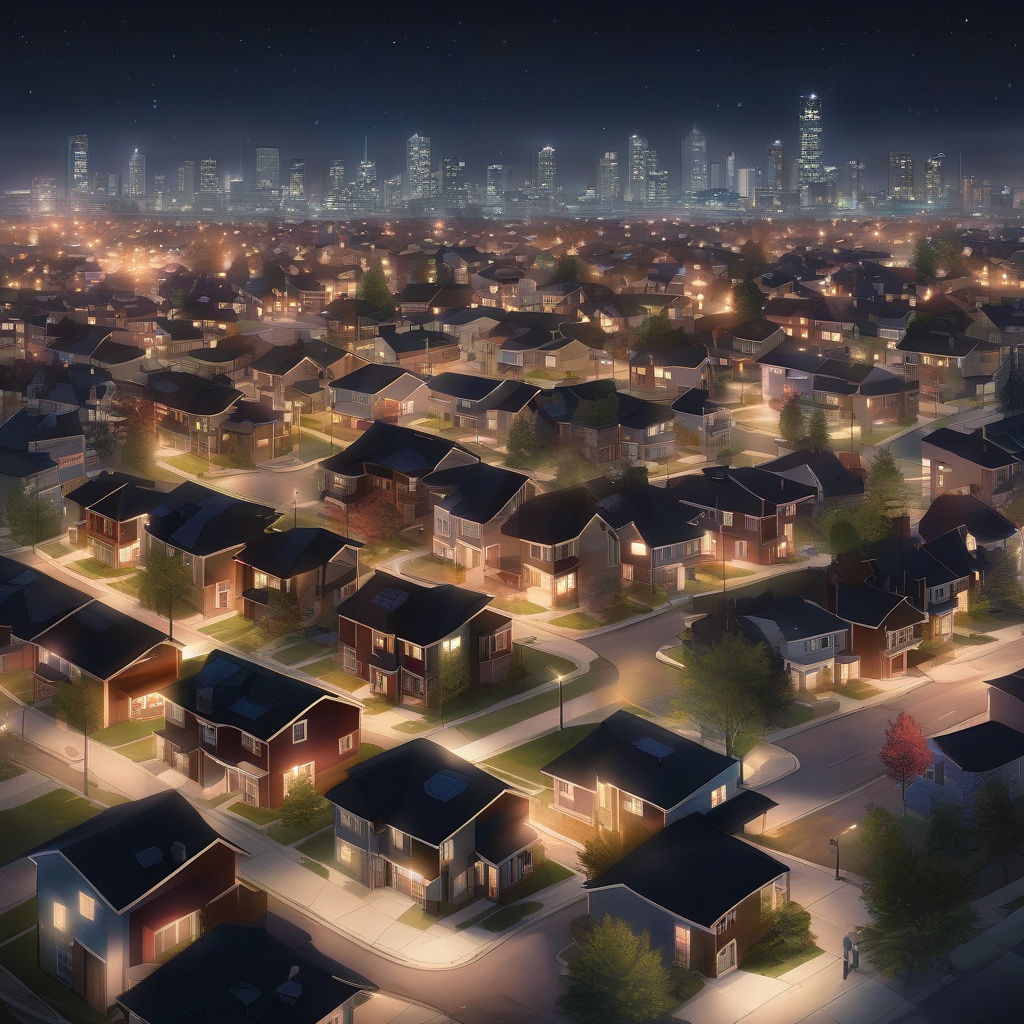
ADUs are more than just a trend—they’re a dynamic and adaptable solution to urban housing problems. With the added benefit of catering to specific needs, such as pet-owners, they represent an evolving approach to how cities like Los Angeles tackle population density and resource allocation. As observed, these units do not merely add space; they redefine how we think about modern housing.
As the city moves towards more widespread adoption, ADUs symbolize both potential challenges and significant opportunities. Successfully integrating these units requires innovation, adaptability, and a commitment to sustainable urban growth.
- ADUs provide a strategic solution to Los Angeles’ housing shortage by optimizing existing property spaces.
- Pet-friendly designs are essential for accommodating local lifestyle needs while ensuring functional living areas.
- The investment in ADUs can yield significant returns through increased property value and rental income.
- Comprehensive planning and adherence to local regulations are crucial for successful ADU projects.
- As cities invest in ADU expansion, they contribute not just to housing solutions but to broader urban development strategies.
“`html
FAQ
What are the primary benefits of ADUs in addressing LA’s housing shortage?
ADUs, or accessory dwelling units, play a significant role in mitigating Los Angeles’ housing shortage by maximizing existing space. In real-world scenarios, ADUs are often built on underutilized land areas such as backyards, offering an effective solution for increasing housing without needing sprawling developments. Experts note that ADUs provide options for multi-generational living, allowing family members to reside nearby while maintaining privacy. This setup can be especially valuable for homeowners with aging parents or adult children seeking independence. Furthermore, cities like Los Angeles encourage ADU construction by easing permit processes, making it a pragmatic choice for many homeowners considering expanding their living space.
How does pet-friendly ADU design enhance daily living for dog owners in LA?
Pet-friendly ADU designs in Los Angeles focus on creating a harmonious environment that caters to both humans and their furry companions. In practical renovation projects, using scratch-safe finishes like resilient flooring and reinforced surfaces are common. These materials withstand the wear and tear caused by pets and maintain aesthetic appeal. Additionally, careful planning of yard access with secure, convenient dog runs ensures pets can enjoy outside play without compromising the ADU’s functionality. Instructors frequently emphasize integrating smart storage solutions to keep pet supplies organized, making daily living more efficient and enjoyable for dog owners.
What are common misconceptions about installing ADUs in Los Angeles?
Many homeowners tend to underestimate the complexity of ADU installations. A frequent misconception is thinking that an ADU can be effortlessly added to any property. However, in reality, factors such as zoning laws, lot size restrictions, and utility connections significantly influence the feasibility of an ADU. It’s not uncommon for homeowners to overlook the importance of aligning with local building codes, which can lead to costly revisions if not initially addressed. Engaging with an experienced contractor can help navigate these regulations, ensuring that your ADU project adheres to city guidelines from the start, thus avoiding potential setbacks.
What factors should be considered when choosing between new ADU builds and older property renovations?
Deciding between constructing a new ADU and renovating an older property involves evaluating numerous elements. Many renovation experts suggest assessing the foundational condition of existing structures. In older properties, renovation might uncover hidden issues like outdated wiring or plumbing, increasing costs. On the other hand, new builds offer the advantage of modern design flexibility and energy-efficient systems, suitable for today’s sustainable living standards. Another consideration is the neighborhood’s aesthetic; new builds might clash with traditional styles, whereas renovating existing structures can preserve the community’s historical integrity. Examining these factors through a professional lens can guide you in making an informed choice.
What are the cost considerations for building an ADU in Los Angeles?
Building an ADU in Los Angeles involves various financial aspects that homeowners should diligently explore. In practice, costs include architectural design fees, construction materials, labor, and permitting expenses. It’s noteworthy that many underestimate the cumulative impact of these costs. For instance, while a basic ADU might start at $100,000, additional features like high-end fixtures or eco-friendly systems can substantially raise expenses. To manage unexpected costs, professionals recommend creating a buffer in your budget plan. Additionally, numerous financing options, such as ADU-specific loans or grants, can alleviate financial burdens, offering more flexibility to aspiring ADU developers.
What are the potential limitations of ADUs in densely populated areas like LA?
While ADUs predominantly offer numerous advantages, there are notable limitations in densely populated areas like Los Angeles. Space constraints can pose significant challenges; limited land may restrict possible ADU sizes or dictate multi-level designs that complicate access. Furthermore, navigating the intricate web of urban utility connections can be daunting and may require additional investments not immediately apparent. Noise can also be a considerable concern, impacting both ADU occupants and neighboring homes. Nonetheless, strategic design choices, such as soundproofing and efficient space utilization, can mitigate these issues, allowing homeowners to capitalize on the benefits of ADUs despite inherent urban challenges.
How do ADUs compare to traditional home extensions in terms of functionality and value addition?
ADUs offer a unique functionality compared to traditional home extensions. While extensions typically serve to expand existing living spaces, often limited to a singular function like a larger living room or kitchen, ADUs provide a fully-contained living unit with a broad versatility that includes dwelling space, kitchen, and bathroom. This self-sufficient nature makes ADUs ideal for rental income, offering substantial value addition to properties. Real renovation insights reveal that homeowners frequently appreciate the privacy and potential dual income streams—personal use and rental—an aspect often absent from traditional extensions. However, it’s essential to weigh the complex approval process of ADUs against conventional extensions, which might require less regulatory navigation.
What are some actionable tips for successfully planning an ADU project in Los Angeles?
Planning an ADU project in Los Angeles demands meticulous preparation and strategic foresight. Firstly, investigating Los Angeles’ zoning laws and allowances is crucial, as they determine the feasibility of ADU construction. Engaging with local professionals, such as architects and contractors familiar with LA’s building standards, propels your project forward efficiently. Adding a pet-friendly feature, like scratch-safe flooring, not only enhances durability but also appeals to a broader market if considering future rental opportunities. Lastly, when confusion arises regarding guidelines or project viability, reaching out for professional discussions can be beneficial. For a more personalized consultation, you might consider contacting a local renovation expert who can offer tailored advice based on your unique property requirements.
“`