In sunny Southern California, the allure of extending one’s living space into a backyard haven is as eternal as sunshine itself. However, when constructing an Additional Dwelling Unit (ADU) or an extension to a primary residence, soundproofing emerges as a critical yet often overlooked aspect. Ensuring harmonious cohabitation between the main house and its appendage is not merely about aesthetics and structural integrity, it’s about creating an environment conducive to both privacy and peace.
Brief summary: Soundproofing between a main house and an attached addition is essential for harmonious living. This article explores soundproofing strategies, including practical examples from Los Angeles homes and renovation options to enhance privacy and comfort. It delves into costs, materials, and design, providing homeowners with comprehensive guidance.
Understanding the Need for Soundproofing in ADU Constructions
As urban environments grow denser, the demand for additional space solutions in Southern California soars. Families need flexible living areas, whether for rental income or accommodating growing families. Yet with this growth comes the untold story of sound—a symphony of daily life played through walls not quite thick enough. Many Los Angeles homeowners are realizing that shared walls with an ADU might become a source of unexpected annoyance.
Soundproofing effectively addresses this challenge, preserving tranquility by minimizing the sounds of joy, arguments, or that clanging reminder of chores left undone. It’s more than stuffing walls with insulation; it involves strategic construction choices that align with modern aesthetics and community building codes.
Real-life scenarios illustrate how sound transference, especially in closely aligned homes, can disturb household harmony. As one homeowner lamented, their morning yoga sessions were regularly interrupted by the abrupt awakening soundtracks from the adjacent ADU.
Ultimately, prioritizing soundproofing when building an addition isn’t just about seclusion; it’s about sustaining the comfort and quality of life these spaces are intended to enhance.
A last whisper of wisdom—effective soundproofing enhances property value by creating appealing, serene living conditions that attract potential buyers or renters.
The Essence of Soundproofing Materials and Tactics
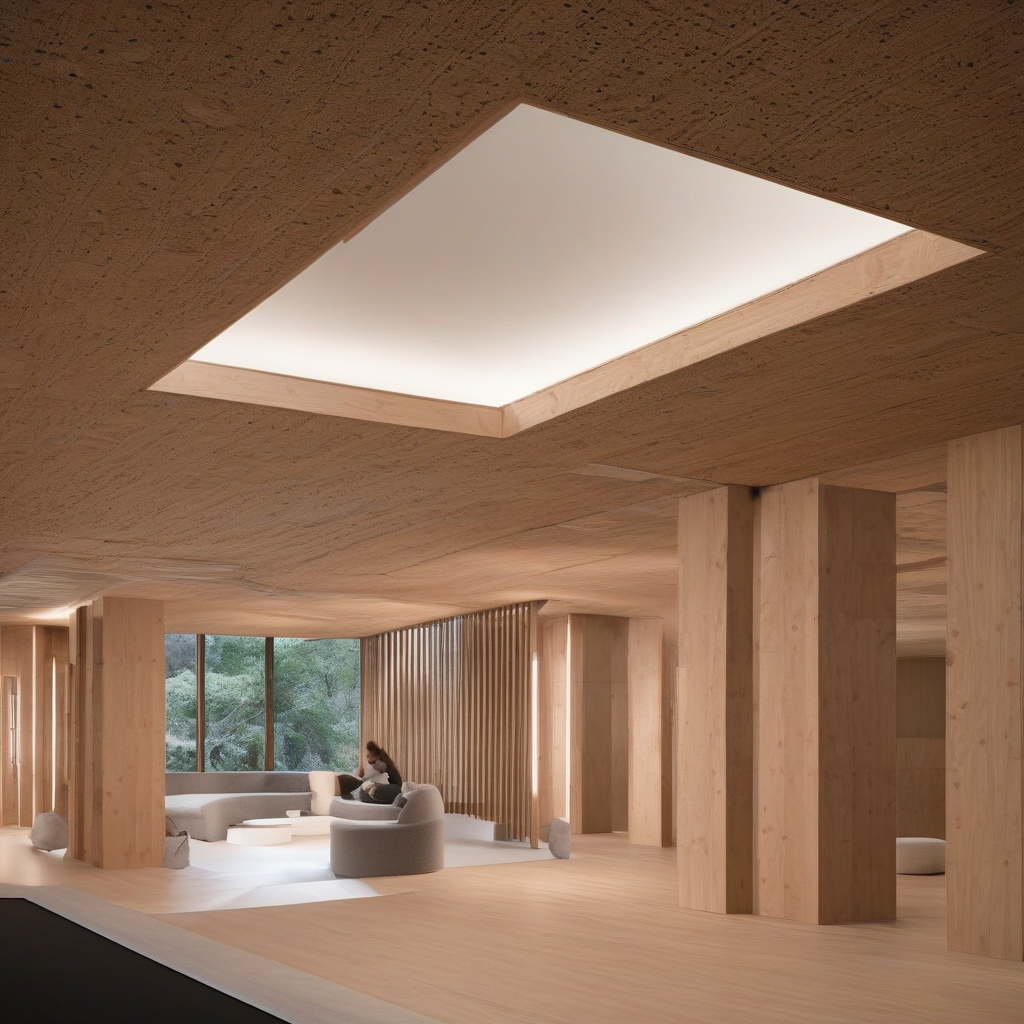
When selecting soundproofing materials, quality and innovation stand at the forefront. Products like acoustic foam and mass-loaded vinyl represent the pinnacle of auditory obstruction. These materials act not just as barriers but as absorbers and diffusers of sound waves. In Southern California’s architecture, incorporating these elements into walls, ceilings, and even floors is commonplace.
Moreover, double-glazed windows, heavy curtains, and acoustically treated wall panels wrap rooms in a cocoon of silence. Their integration into the design of an ADU ensures that while they take in generous portions of light, they thankfully block out the noisier intrusions of the outside world.
Many renovation projects now strike a balance between sightlines and soundlines, crafting spaces where one can comfortably reside without sacrificing serenity. The investment pays not only in personal peace but in the observable appreciation of property values—a win-win for any homeowner.
In conclusion, investing in such robust soundproofing solutions isn’t merely a matter of privacy; it’s about encompassing one’s lifestyle and future in security and satisfaction.
The Complexity of Design and Construction
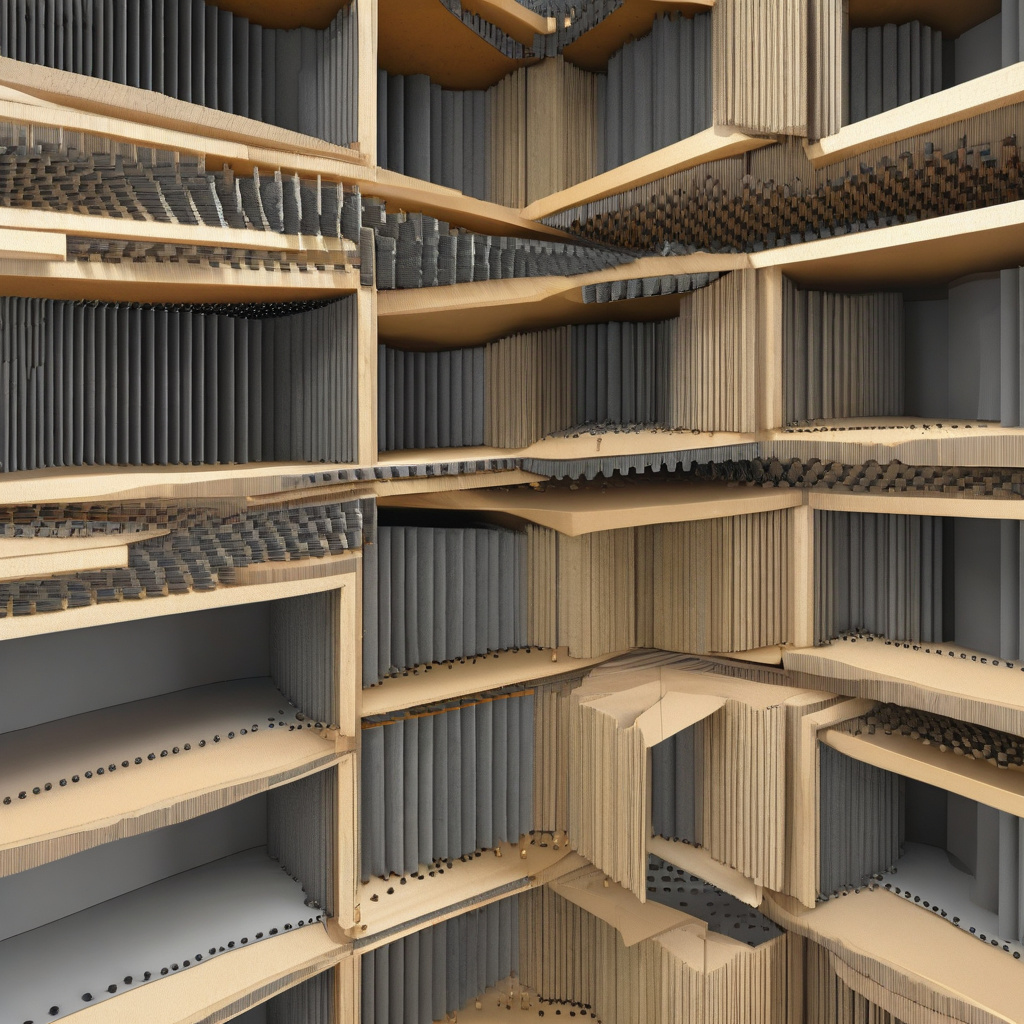
Designing with sound in mind requires nuanced planning—a bit like drafting a symphony of space where every note plays in harmony with its surroundings. Architects and builders collaborate to ensure that the dreams sketched on paper translate into peaceful, livable realities.
One homeowner’s experience with their Los Angeles renovation demonstrates the delicate balance of physical form with function. With the addition of fire-resistant construction techniques, they achieved both structural safety and sound containment, creating a refuge that doesn’t concede serenity for security. Design doesn’t merely express personal taste but also cleverly integrates modern comfort features with essential safety standards.
This detailed attention to sound often extends beyond walls. Thoughtful site zoning means roads, traffic, and even neighboring A/C units are considered during layout planning—elements expertly masked or rerouted to preserve quietude.
Such design complexity showcases the dedication to crafting an acoustic environment as pleasant to the ears as the architectural façade is to the eyes.
In synthesis, architectural design in this context becomes an art that marries technical prowess with the subtle whispers of everyday life’s harmony.
Analyzing Cost and Benefits of Soundproofing Investments
Cost considerations naturally play center stage in any renovation discussion. Soundproofing operates on a spectrum—from rudimentary DIY methods with modest budgets to bespoke industry-standard solutions that spare no expense. Local homeowners often file this under necessary expenses, recognizing that the tranquility it purchases easily outweighs the initial price.
An examination of project costs reveals diverse solutions at differing price points. From acoustic panels at $2 to $4 per square foot to premium isolation methods involving resilient channel systems costing substantially more, choices cater to varied needs and budgets. Exploration of technical options also empowers homeowners to make informed financial decisions, comparing potential benefits from solar integration that offer long-term savings.
One project manager notes the sentiment among clients who swiftly comprehend the complete scope of value derived from a serene environment. A moment of true peace might not have a price but securing it might—and should—be a cost entertained from the project’s inception.
With reflection, the economics of soundproofing intertwines essential arithmetic with peaceable living, stitching together affordability with undeniable luxury.
In summary, using the layered approach of varied solutions, homeowners can both shield their finances and bolster their homes’ appeal and functionality.
Maximizing Value Through Design and Execution
Soundproofing speaks to more than an architectural enhancement; it signals a homeowner’s commitment to excellence in living standards. Industry experts agree that well-executed projects not only enhance life quality but significantly bolster property valuations.
According to a study by the National Association of Home Builders, soundproofed residences often see property value increases upwards of 10%, reflecting the market’s appreciation for tranquility.
Indeed, this transformation extends past financial gain. The celebrated Los Angeles lifestyle, complete with its bustling flow, can be gently paused at the threshold of a meticulously soundproofed abode, offering peace and separation whenever desired.
Execution quality plays as critical a role as product choice. Professional installation ensures that materials achieve their intended performance, avoiding the pitfalls of novice errors that can sabotage the end product.
Conclusively, the pursuit of such refined craftsmanship in soundproofing, coupled with professional diligence, reinforces real estate values while redefining daily living boundaries.
Inspection and Ongoing Considerations for Sustainable Soundproofing
No project concludes without the vital step of inspection. The final checks ensure each aspect of soundproofing performs as designed. Regular maintenance remains a priority, as even the highest-quality installations are subject to time and environmental wear.
Industry research suggests that proactive maintenance of soundproofed structures can extend their efficacies by 30%, underscoring the importance of routine inspections.
Soundproofing doesn’t end at installation; it requires a commitment to sustaining its benefits. Regular evaluations, including sealed window checks and wear assessments, guarantee prolonged efficiency.
For homeowners aiming at long-term benefits, resources are available to guide their journey, like practical insights found in resources for maintaining ADU standards. Utilize insightful resources, such as practical inspection guidance, to support sustaining acoustic performance.
The conscious homeowner remains engaged, ensuring that their sanctuaries retain their quiet ambiance well beyond the project’s completion.
To conclude, soundproofing when thought of as a living investment, sustains itself by continually meeting and exceeding acoustic challenges.
- Soundproofing upgrades significantly enhance property value and livability.
- Material choice and expert installation define long-term effectiveness.
- Investments in soundproofing yield both immediate and future returns.
- Routine maintenance ensures the longevity of acoustical benefits.
- Regulatory guidance assists in optimizing soundproofing measures.
“`html
FAQ
What is the importance of soundproofing between a main house and an attached addition?
In home renovations, particularly with attached additions like backyard ADUs (Accessory Dwelling Units), soundproofing is crucial for maintaining a peaceful environment. It’s not uncommon for homeowners to overlook the acoustic separation needed between two connected spaces, which can lead to disturbances in daily routines. Sound carries through walls and ceilings more than many realize — something experienced renovators stress. Effective soundproofing ensures privacy between the main house and the addition, enhancing the overall living experience. For instance, installing dense insulation and soundproof drywall can significantly reduce sound transmission, allowing both areas to function independently. Furthermore, addressing this during the initial phases of construction can avoid costly revisions later.
How can natural light be improved in compact or shaded lots?
Many homeowners instinctively think large windows are the only solution for better natural light, but in practice, thoughtful design choices can make a substantial impact. Clerestory windows, which are high on walls, capture light from angles that typical windows can’t, brightening interiors even in shaded settings. Additionally, proper room zoning, like an open-floor layout, helps light diffuse throughout the home. During renovations, incorporating reflective surfaces or lighter paint colors can further amplify available natural light. These are strategies that Californian homes, often dealing with restricted space, frequently employ to maximize brightness.
When should homeowners consider adding an attached addition?
Attached additions are particularly worthwhile for growing families requiring extra space or for those seeking rental income through ADUs. However, timing is key. If your structural foundations are sound but your space needs aren’t met, it might be the right moment. An optimal time could also be when you’re planning other major renovations, as combining projects often saves on costs and minimizes disruptions. Indeed, homeowners should evaluate how their lifestyle will evolve and plan accordingly. Miscalculating future needs is a common mistake, so understanding lifestyle changes beforehand is vital.
What are common mistakes made when soundproofing a home renovation?
A frequent error is underestimating the need for comprehensive soundproofing measures. Many assume that new walls inherently block sound, but without proper insulation and materials like resilient channels, noise can easily pass through. Ignoring small gaps, such as those around light switches and outlets, can also undermine soundproof efforts. Real renovation projects often reveal that overlooking soundproofing in shared walls, ceilings, and floors between sections of the home can lead to intrusive noise that disrupts daily living. Adequate planning ensures comfort and privacy long-term.
What are the typical costs associated with adding an attached addition?
The costs for adding an attached addition vary widely, influenced by size, complexity, and locale. On average, prices can range from $100,000 to $300,000 or more for ADUs in California. Materials, labor, and design elements such as soundproofing and natural light installations add to the total. In real renovation scenarios, unexpected expenses often arise, so it’s wise to budget an extra 15-20%. Many experts suggest obtaining multiple quotes and working closely with a contractor to ensure alignment with your financial and lifestyle goals.
What are the pros and cons of using clerestory windows for additional light?
Clerestory windows are a popular choice for enhancing light without compromising privacy. One benefit is their ability to illuminate deeper interior spaces while keeping wall space free for furniture or decor. However, they can pose challenges during winter months if not properly insulated, leading to heat loss. In warm climates like California, this heat gain can be advantageous. While aesthetically appealing, the installation can be more complex and costly compared to traditional windows. Homeowners must weigh these factors based on their specific environmental conditions and aesthetic goals.
How should one approach room zoning in an ADU for optimal function?
Successful room zoning in an ADU requires balancing private and communal spaces. This often involves separating living and sleeping zones to enhance privacy and comfort. California homes often use sliding partitions or multifunctional furniture to achieve this in limited space. Consulting design experts familiar with compact living strategies can provide insights into maximizing utility without sacrificing style. Misjudgment in zoning can lead to cramped or awkward layouts that reduce the unit’s appeal or functionality. For more tailored guidance, consider reaching relevant professionals through [this contact page](https://californiarenovation.top/contact/).
What maintenance considerations should be factored in after an addition?
Once an addition is complete, ongoing maintenance is essential to preserve its value and functionality. Regular inspections of seals around windows and doors help prevent water intrusion and preserve soundproofing integrity. Many homeowners overlook HVAC system adjustments required to accommodate the new space. Consistent cleaning and upkeep of both natural and artificial lighting elements are crucial for maintaining the desired brightness of your home. Neglect in these areas can lead to costly repairs and decreased energy efficiency over time. Ensuring a low-maintenance but effective upkeep plan is fundamental for long-term satisfaction with your renovation investment.
“`